For a cold plunge at home, start with an insulated inflatable tub under $100, then upgrade to a chiller tub from $350 once it is a daily habit.
Best At-Home Cold Plunge Tubs and Chillers
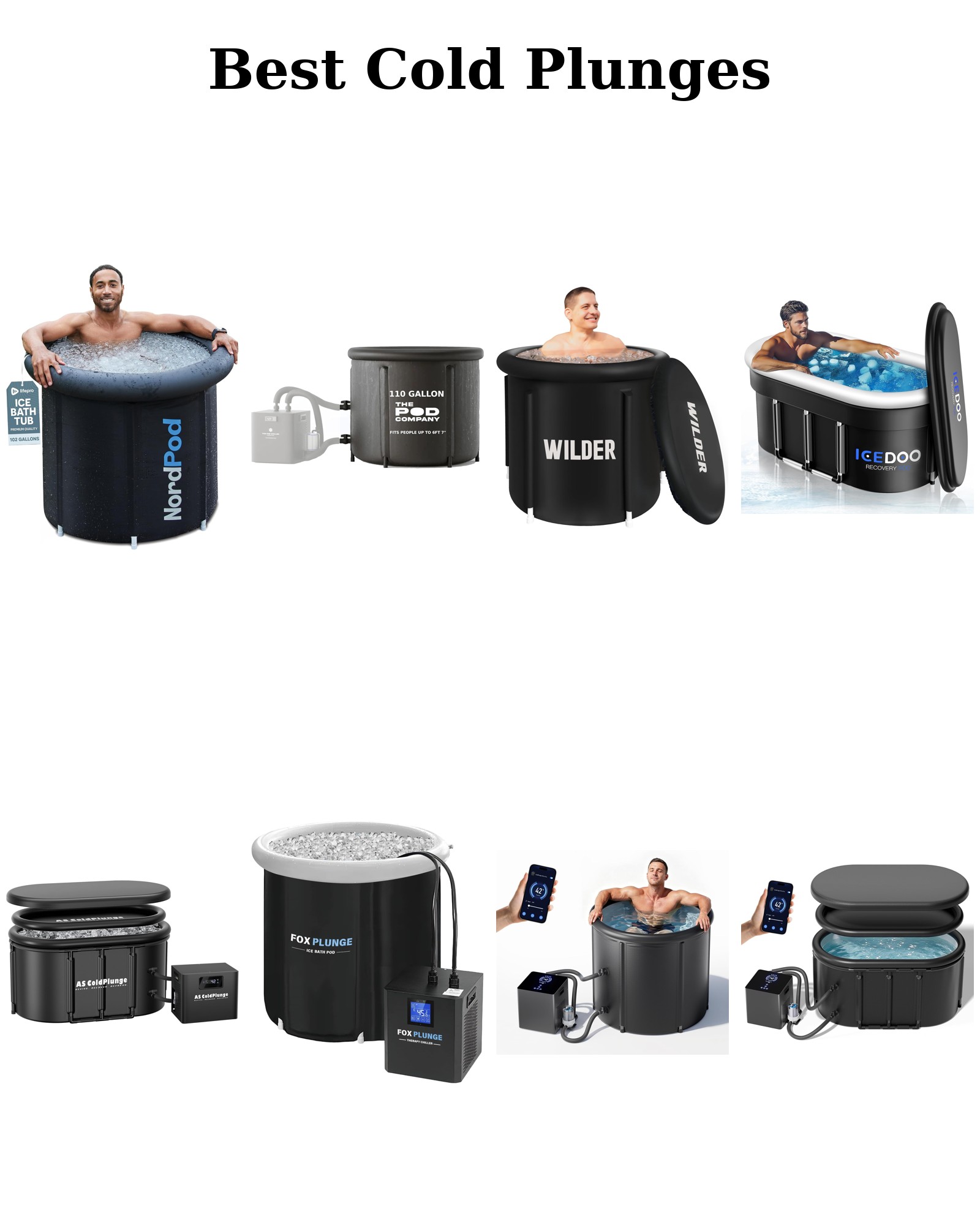
Best Cold Plunges
For a cold plunge at home, I would start with an insulated tub and ice if I am testing an occasional routine, and consider a chiller only once tending the ice becomes the part I resent. Decide where the tub will sit before chasing the coldest number: water weight, filled footprint, access and outlet are part of the purchase.
The Ice Barrel 300 is a compact upright option at 77 gallons and 35.5 inches square, specified for users up to six feet. The Ice Barrel 500 holds 94 gallons and is sized for users up to six feet nine inches, but the listed full weight is about 900 pounds. Both models have chiller-ready ports. Ice Barrel lists its chiller at half a horsepower, with 37°F temperature control and no ice runs.
A powered system makes sense when you want a set temperature without adding ice, not because the bigger horsepower number guarantees the right tub. Nordic Wave's Viking models include Elite chiller options rated at 1.0 HP, while Plunge's Pro Chiller is 0.75 HP. For beginners, Cleveland Clinic suggests 50 to 59°F, never below 40°F, and a maximum five-minute session; I would not confuse colder with better.
Under $100: Inflatable Ice Baths Without a Chiller
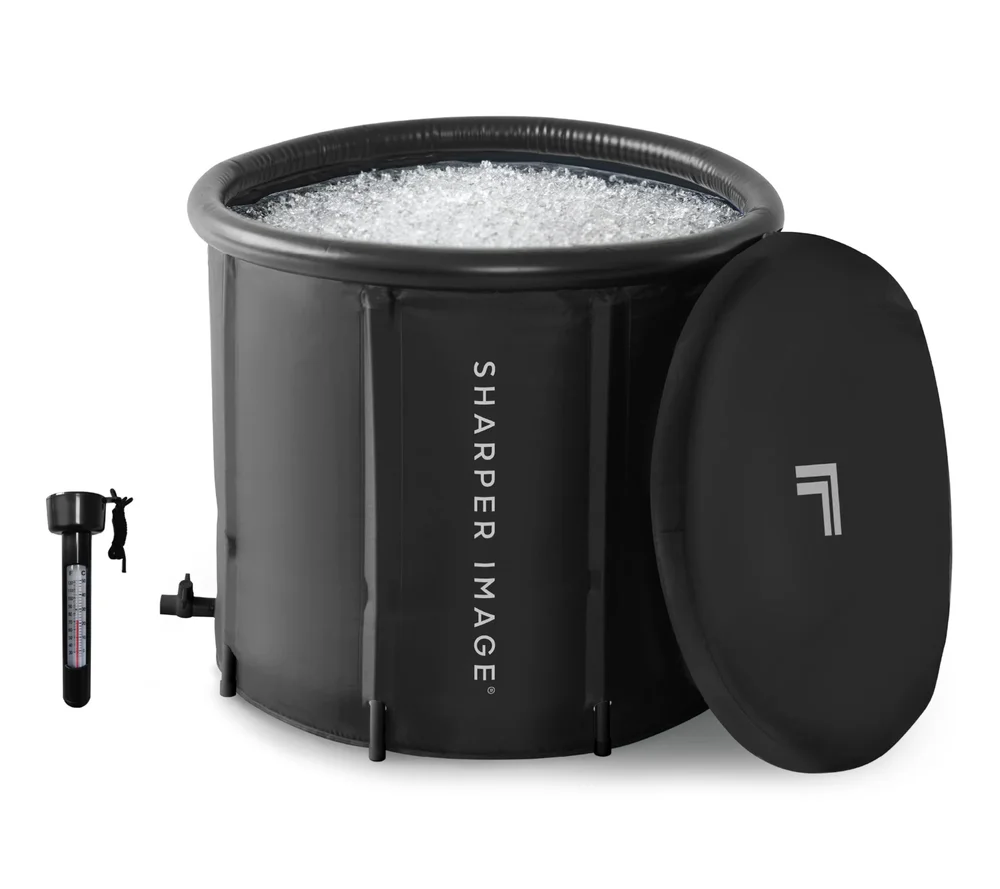
XL Portable Cold Plunge Ice Bath
Sharper Image
$97
105 Gallon Portable Cold Plunge Tub with 6 Layer Insulation
Domccy
$67.99
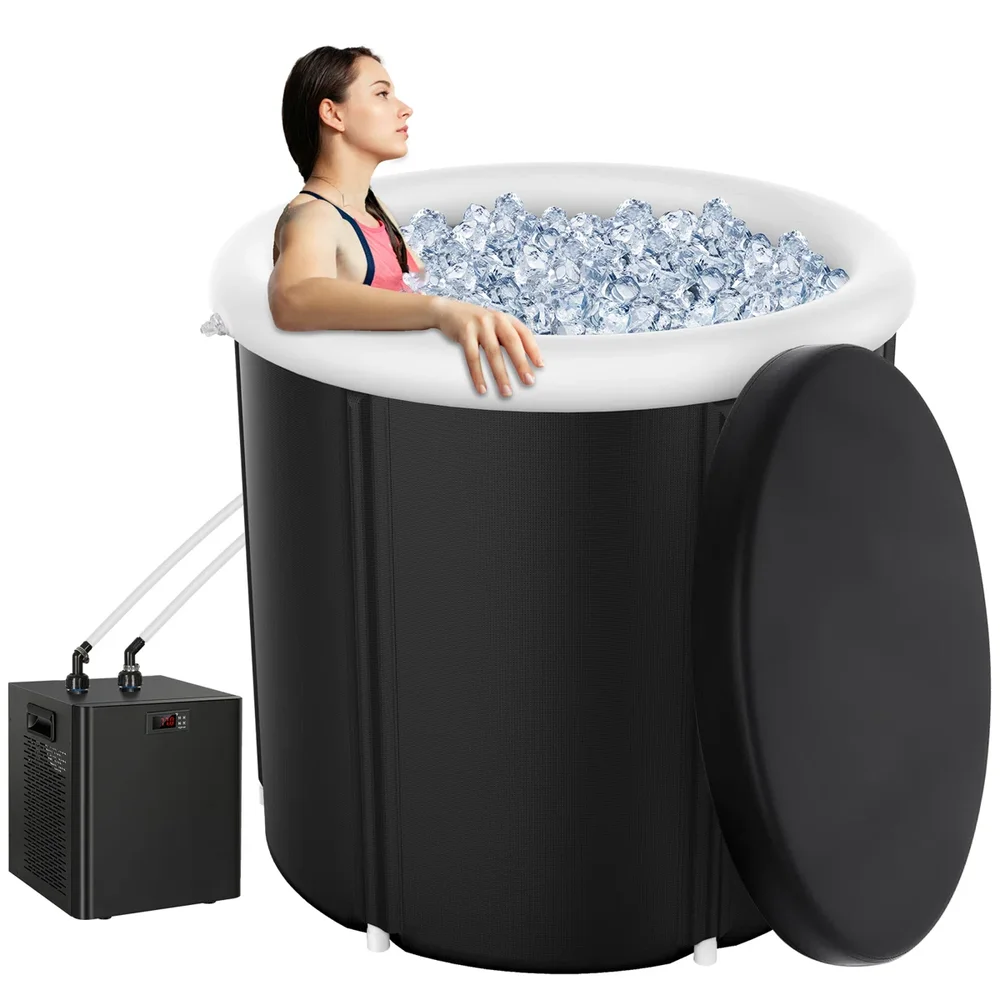
Cold Plunge Tub 105 Gallon with 6 Layer PVC and Insulated Cover
Domccy
$61.99
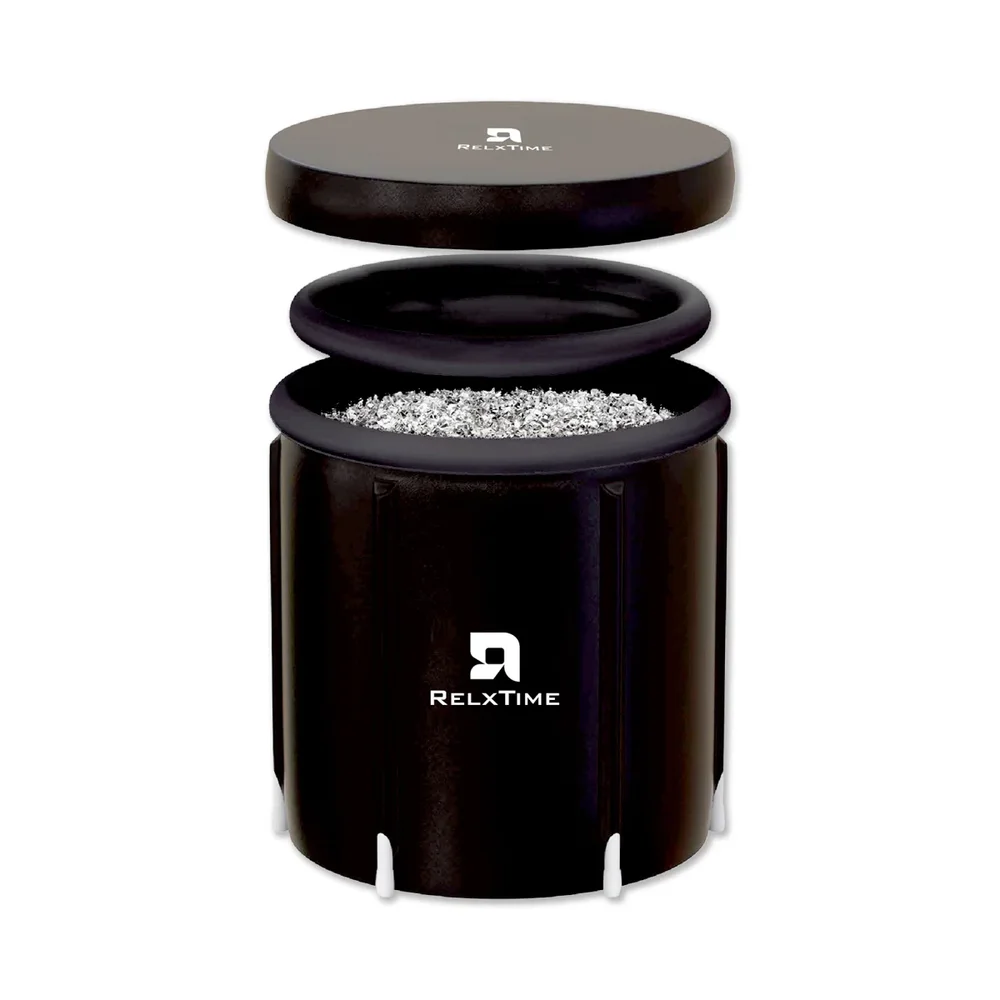
Ice Bath Tub for Athletes 105 Gallon with Cover
RELXTIME
$63.45
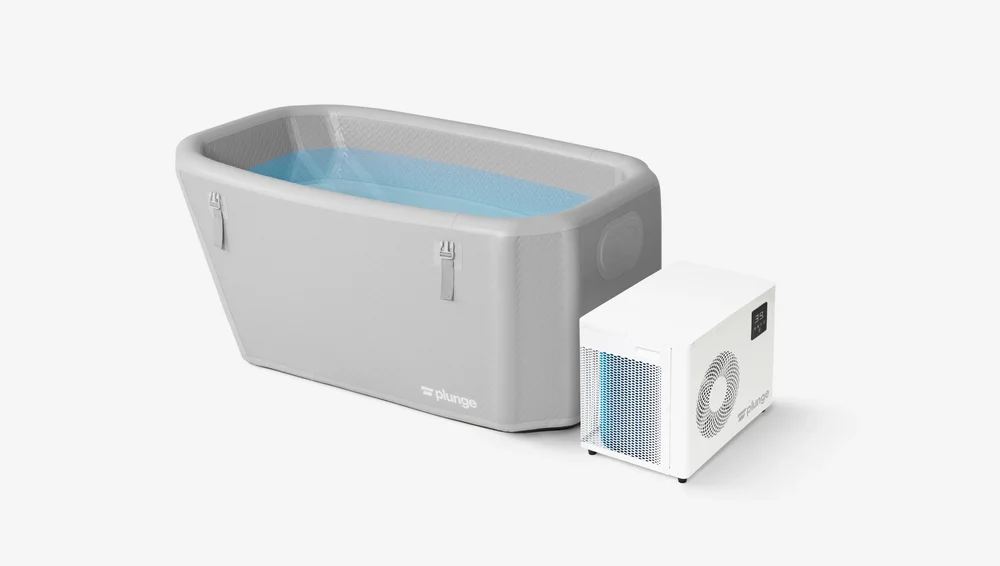
Plunge Air
Plunge
$5,490
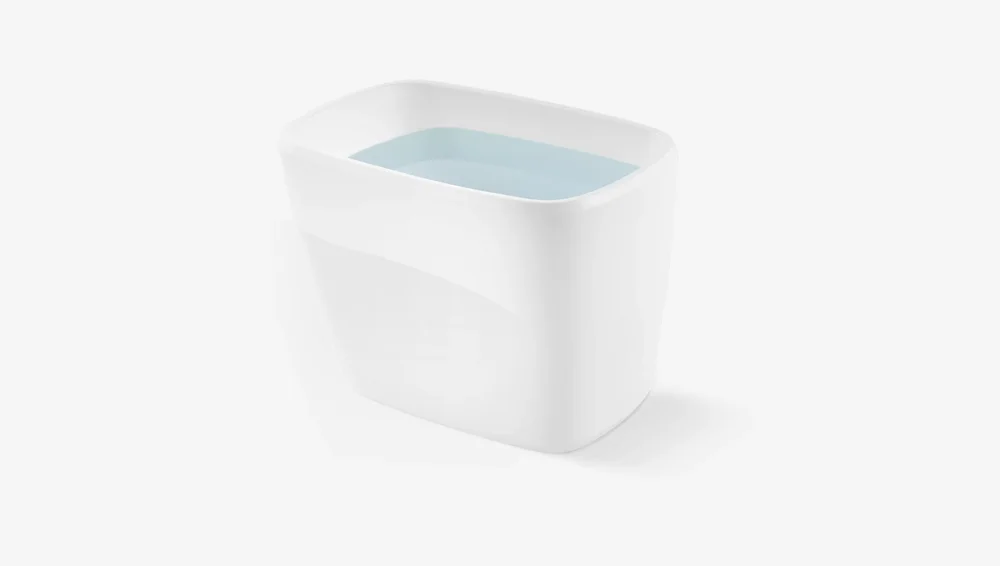
Plunge Pod (Tub Only)
Plunge
$2,490
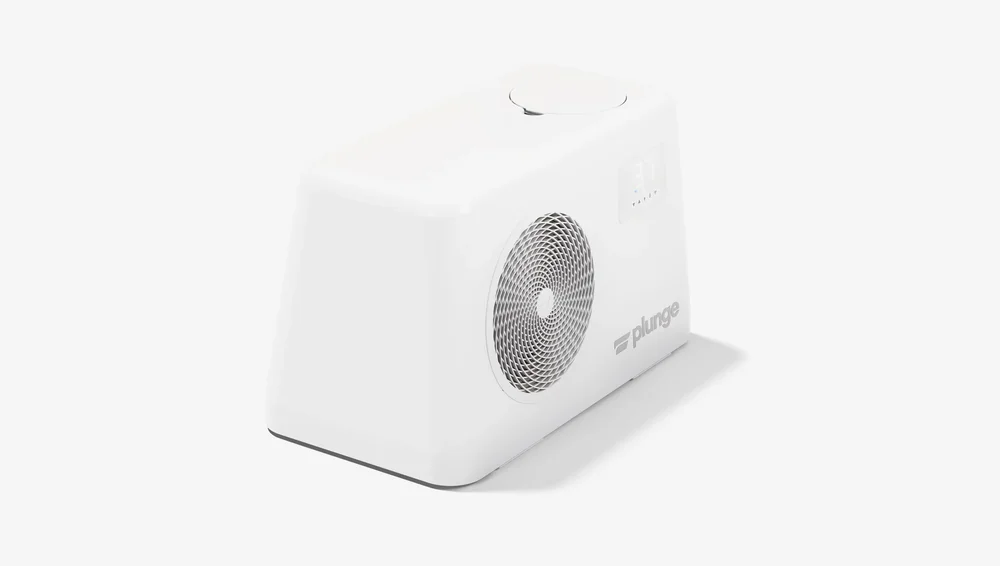
Pro Chiller Gen 2
Plunge
$3,490
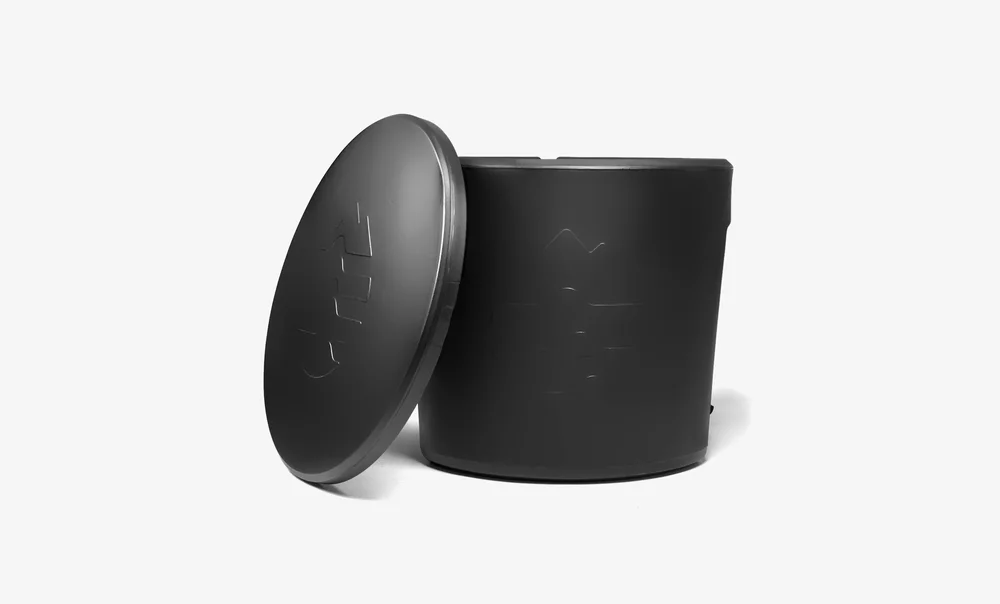
Ice Barrel 300
Ice Barrel
$1,150
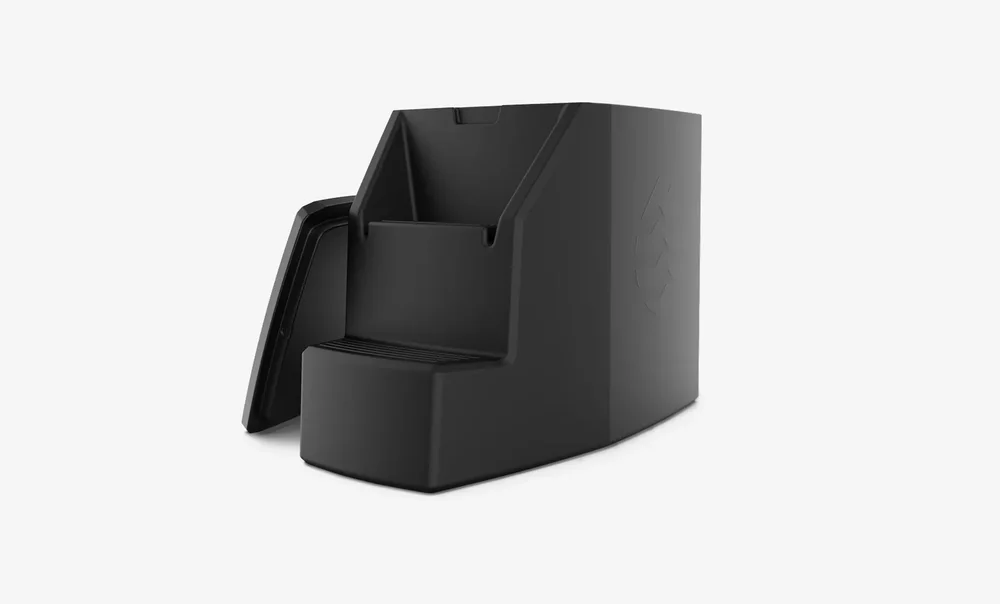
Large Cold Plunge Tub (Ice Barrel 500)
Ice Barrel
$1,750
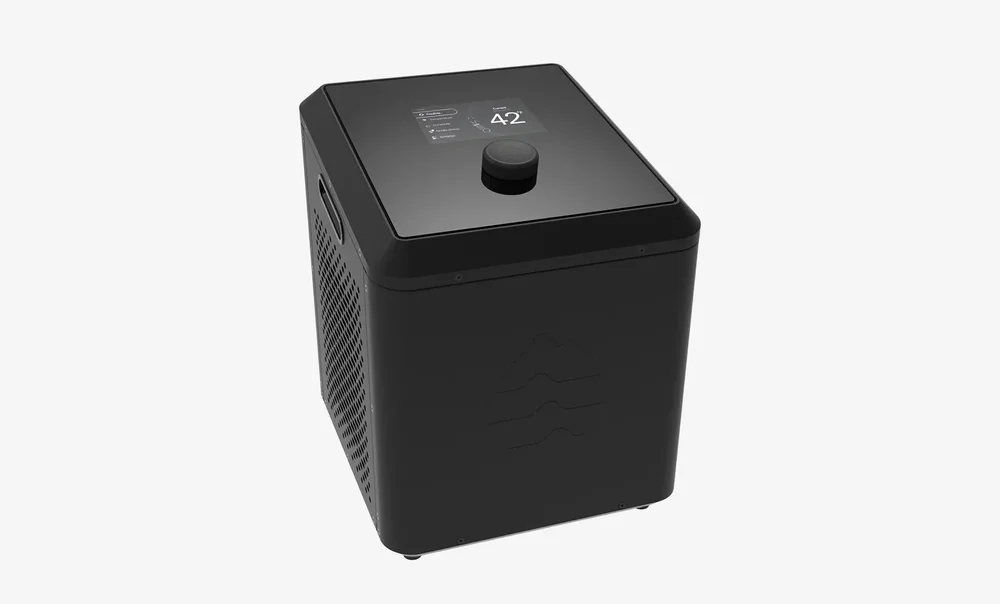
Ice Barrel Chiller
Ice Barrel
$4,000
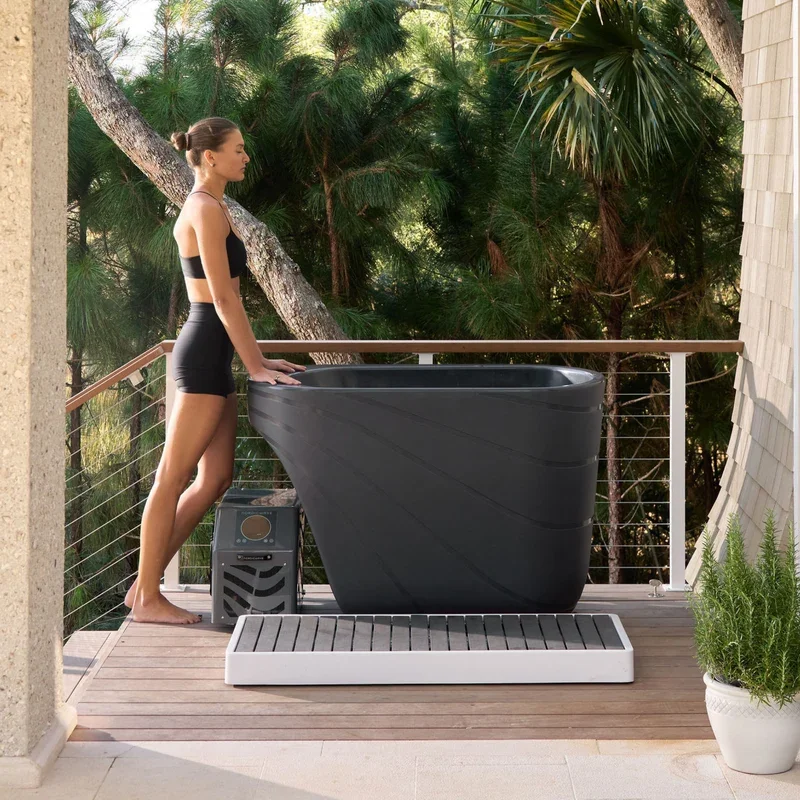
Viking Hybrid Cold Plunge
Nordic Wave
$5,240
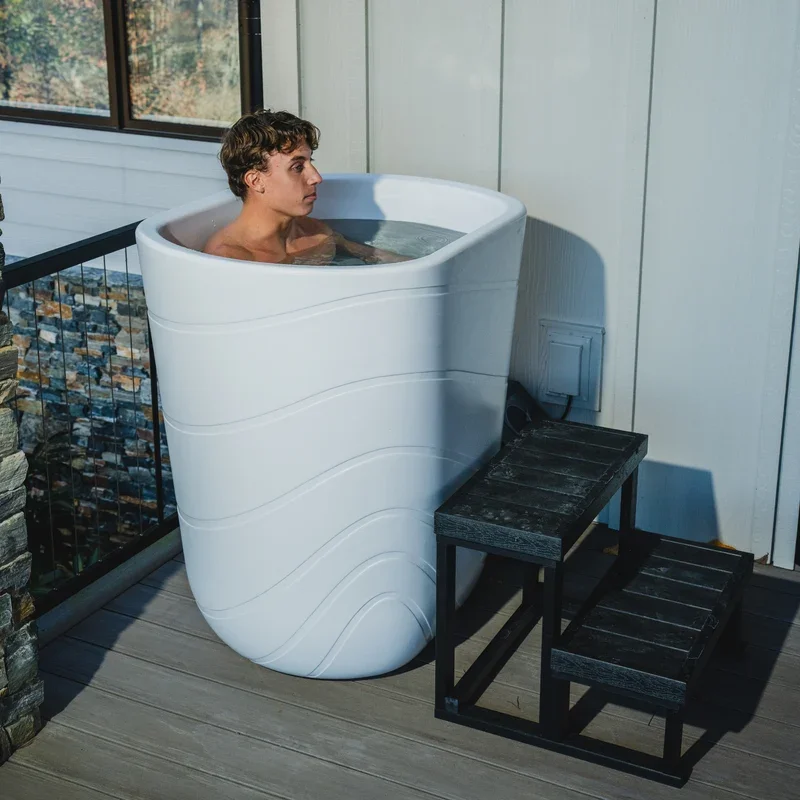
Viking Premier Cold Plunge
Nordic Wave
$5,990
What Actually Separates a Basic Tub From a Chiller Setup
An inflatable ice bath in this price range is a legitimate way to start. Each of these tubs holds water and ice, insulates reasonably well, and packs away when not in use, which matters in a small apartment or a shared gym space. The tradeoff is upkeep: expect to buy ice regularly and to drain and refill the tub every few sessions, since there is no mechanism keeping the water cold on its own. Look for double-wall or multi-layer insulation, since single-layer inflatable tubs lose their chill within an hour or two. A cover is worth prioritizing over a slightly larger tub, since it slows ice melt more than a few extra gallons of capacity does. This tier suits someone who wants to try cold water therapy consistently for a few weeks before deciding whether to invest in a chiller, or who simply does not want to run a powered unit at home. It is not the setup for daily, hands-off use.
$350 and Up: Tubs With a Built-In Chiller
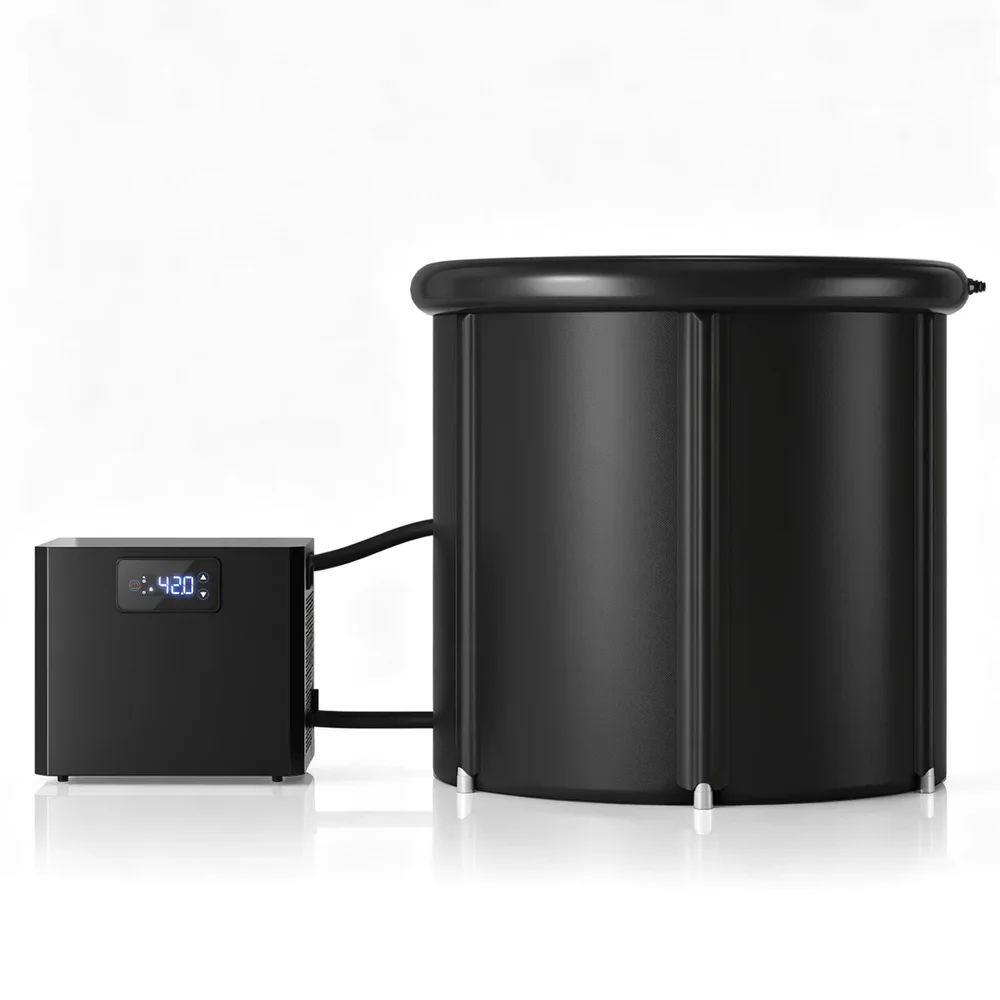
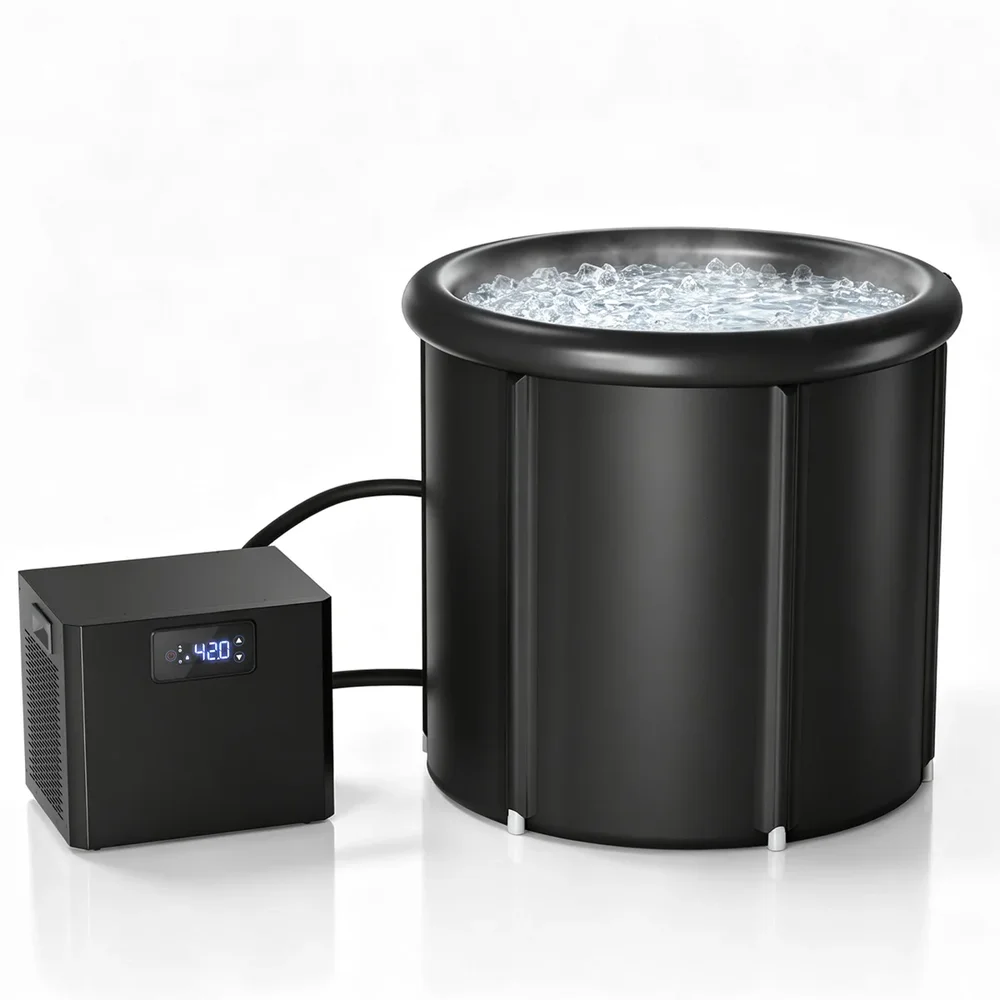
Inflatable Cold Plunge Tub with 1/3 HP Water Chiller
Domccy
$420
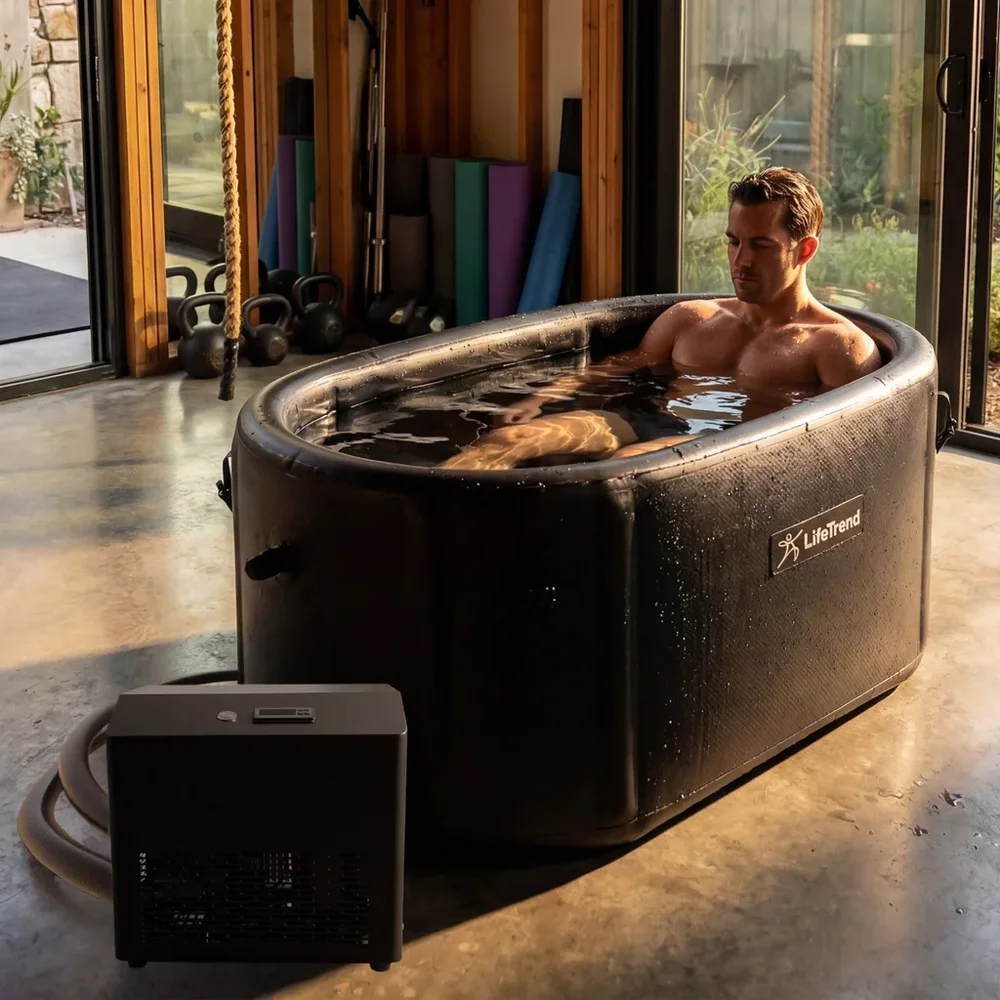
Classic Cold Plunge with Chiller System
LifeTrend
$749.99
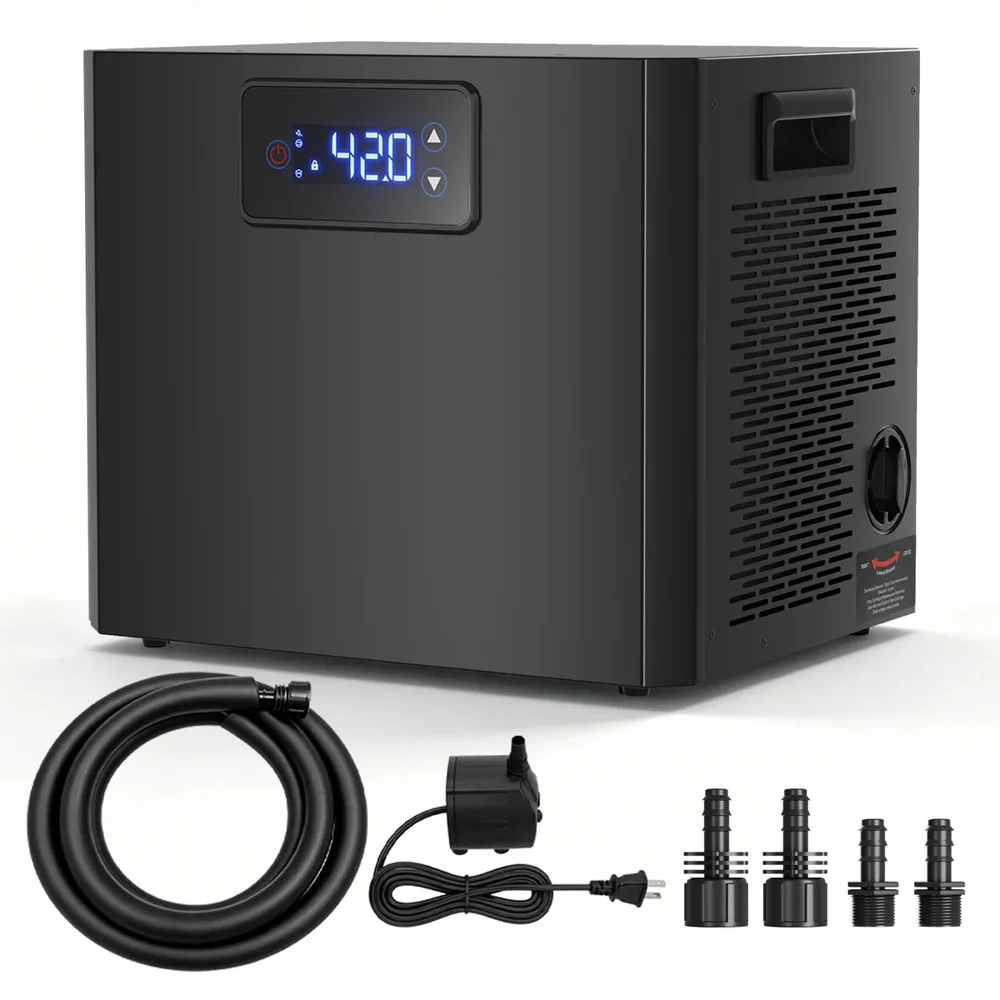
1/3 HP Cold Plunge Chiller with Digital Control Cools 79 Gallons to 42°F
Domccy
$365.99
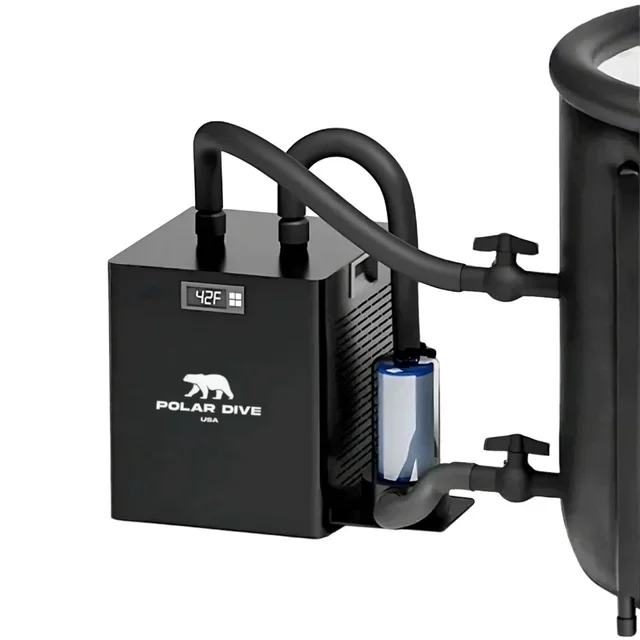
V5 Water Chiller for Ice Baths
Polar Dive USA
$469
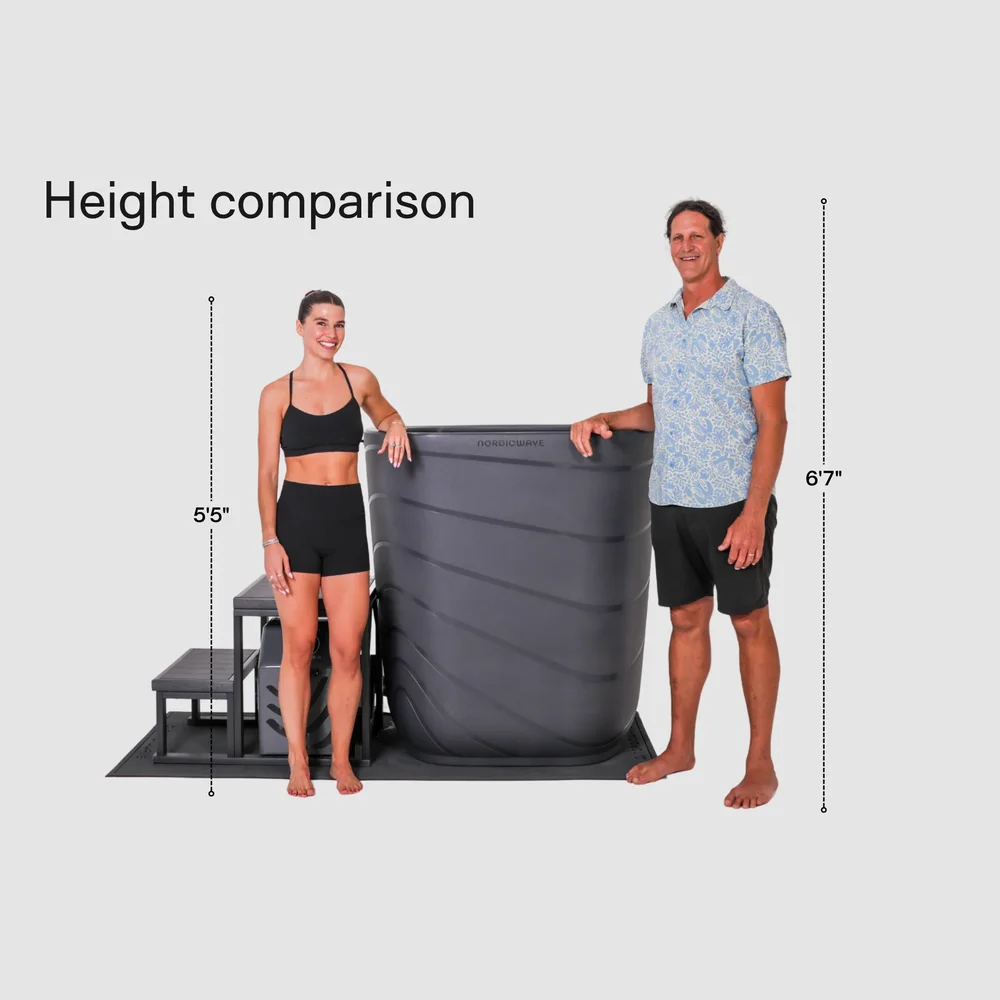
Viking XL Cold Plunge
Nordic Wave
$7,740
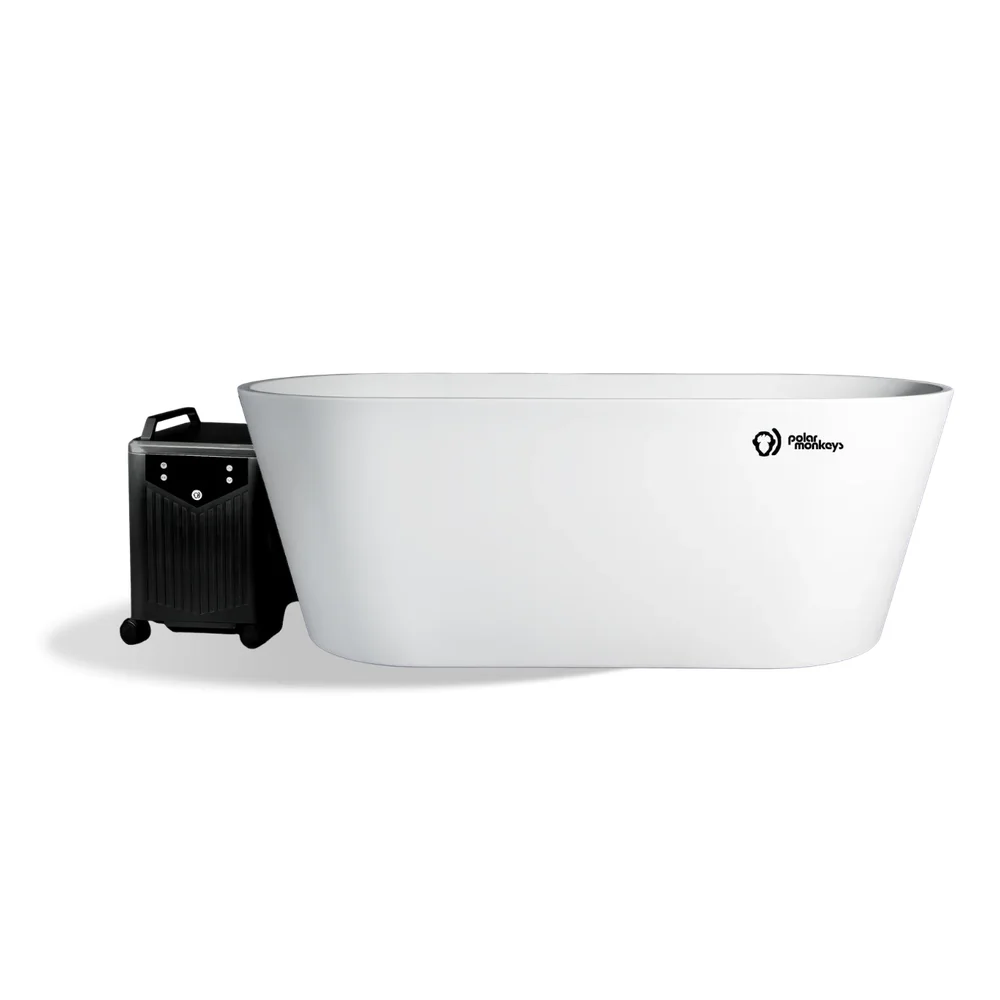
ONE
Polar Monkeys
$6,290
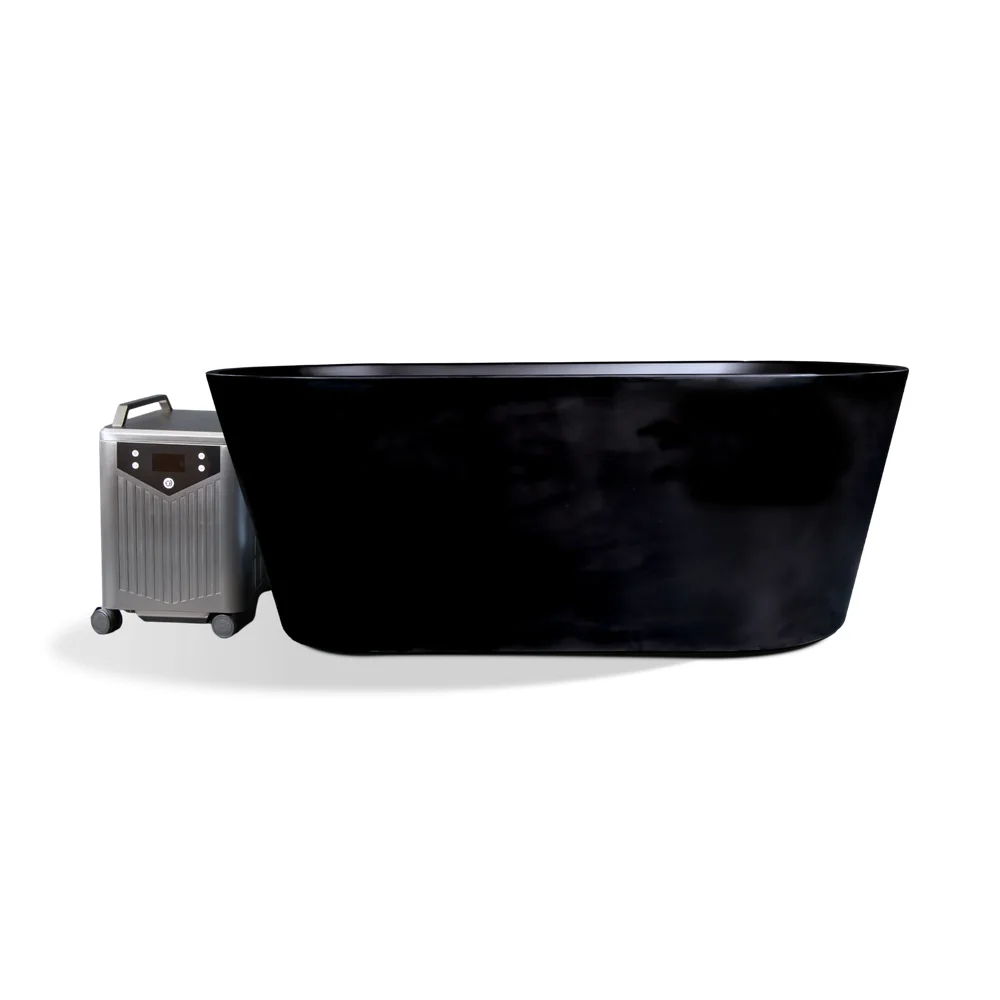
Brainpod 2.0 Cold Plunge
Polar Monkeys
$10,990
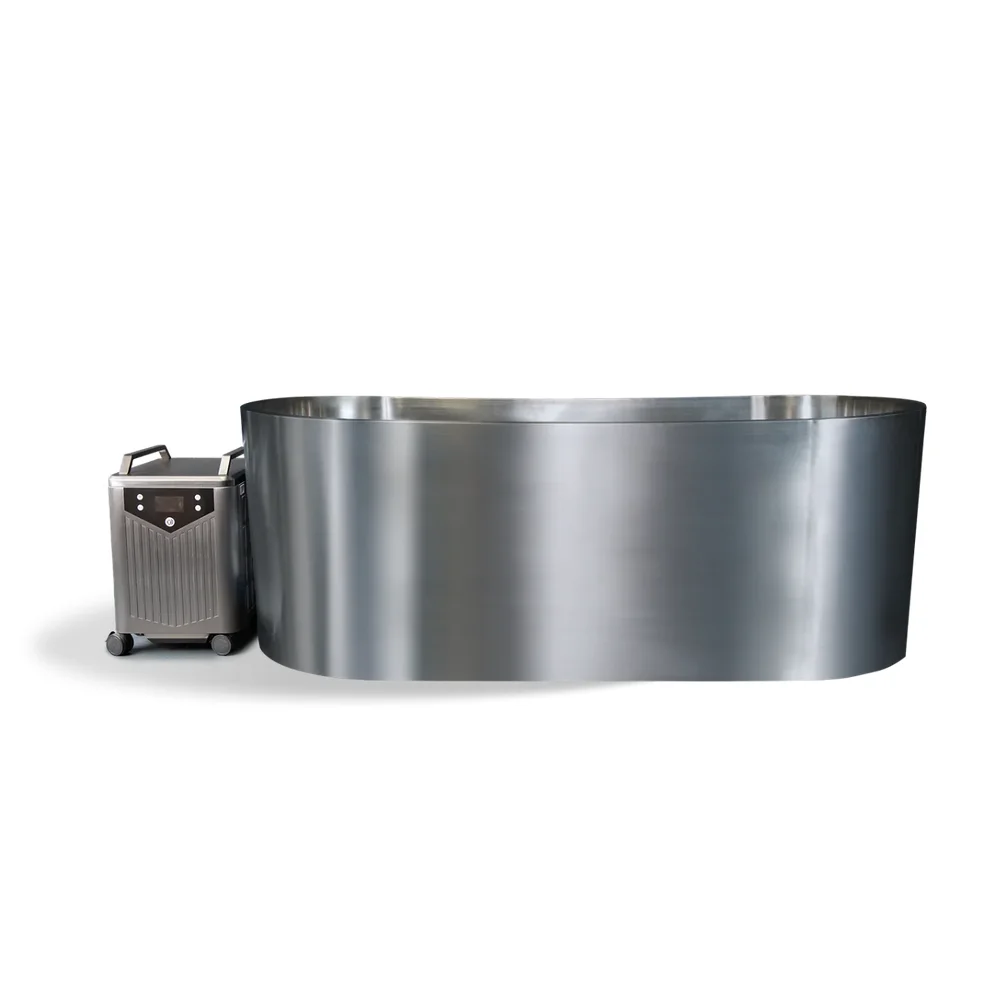
Cyber Plunge
Polar Monkeys
$15,690
Questions about a home plunge
What is the best at-home cold plunge?
There is no one winner for every room. The Ice Barrel 300 is 77 gallons and specified for users up to six feet; the 500 is 94 gallons and sized for users up to six feet nine inches.
Do I need a chiller for a cold plunge tub at home?
No. Cold tap water can be cold enough for some goals, while ice makes it colder; a compatible chiller is the hands-off option for maintaining a set temperature without repeated ice runs.
Which home cold plunge has the strongest chiller?
The highest horsepower listed for the products I checked is 1.0 HP, a tie among Nordic Wave's Viking Hybrid, Premier and XL Elite options and Polar Monkeys' Brainpod 2.0 and Cyber Plunge. Plunge's Pro Chiller lists 0.75 HP, so I would compare cooling rate and tub volume as well as horsepower.
What temperature should a beginner use?
Cleveland Clinic advises 50 to 59°F for beginners, not below 40°F, and one or two minutes at first, with no session longer than five minutes. Ask a healthcare provider first if you have a relevant medical condition.
Matching the tub to how often you plunge
I would keep the setup boring: choose location, drainage, floor support and outlet before app settings. For a first experiment, I would skip the highest-powered machine until the routine is real; an insulated tub and ice can answer whether cold exposure belongs in the day.
For an accessory on the walk from a cold session to a warm room, A Fur Headband For The Cold Walk Home treats a soft headband as a winter layer; I would prioritize dry clothes and a warm place to change first.