The best hyaluronic acid serum fits your routine: compare simple water-binding formulas with ceramide and peptide blends, then moisturize.
Best Hyaluronic Acid Serum: What Actually Helps
An Ingredient That Holds Water
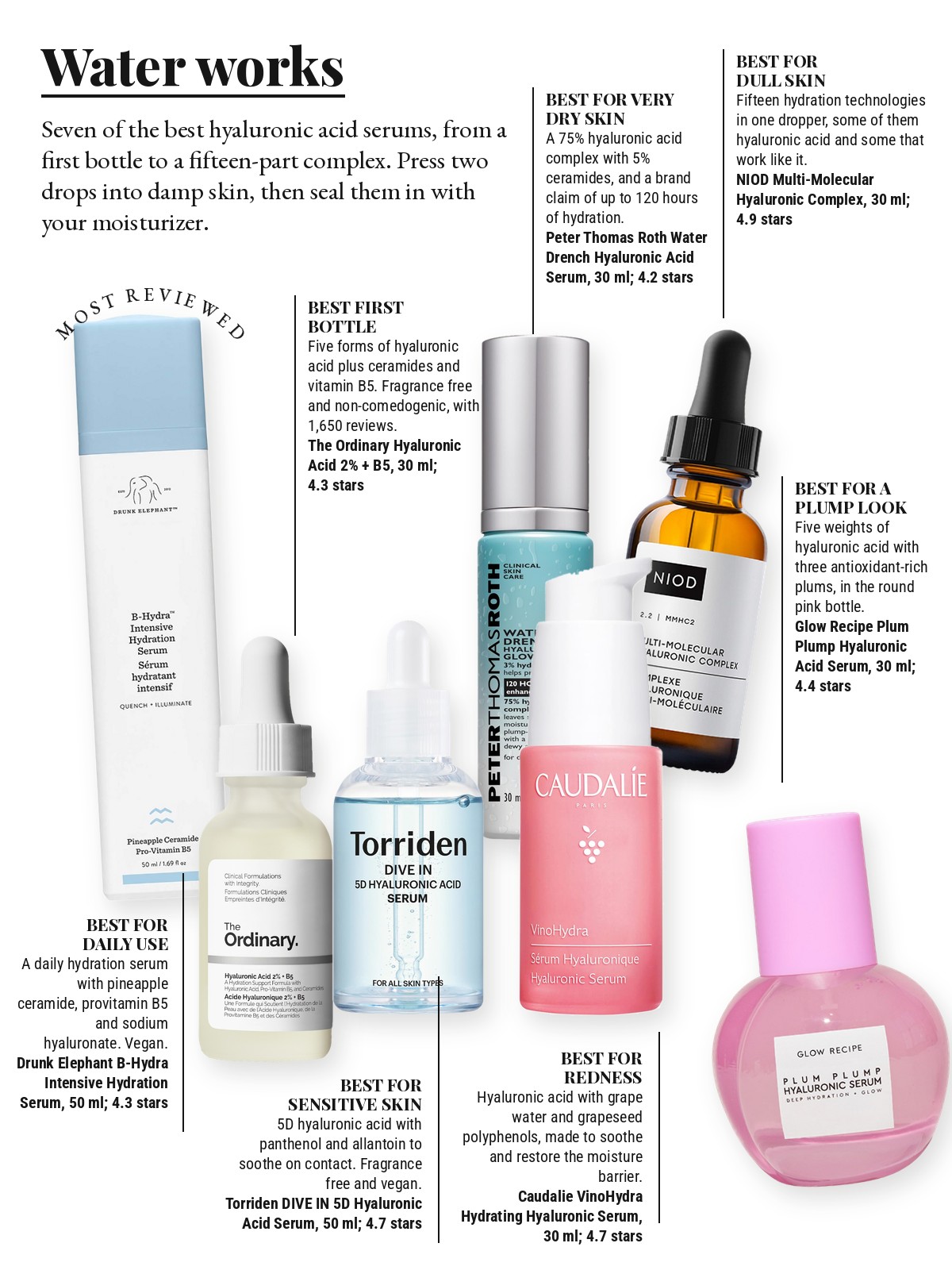
The best hyaluronic acid serum is the one that fits your routine and feels good enough to use; more types or a higher percentage do not prove it will hydrate your skin better. Hyaluronic acid is a humectant, which means it attracts and holds moisture, so I care more about the rest of a formula and how it layers than a long ingredient-count boast. The Ordinary Hyaluronic Acid 2% + B5 currently pairs five types of hyaluronic acid with ceramides and pro-vitamin B5 in a lightweight, non-tacky serum. The INKEY List Hyaluronic Acid Serum combines 2% multi-molecular HA with Matrixyl 3000 peptide, giving it a firmer-looking-skin angle beyond basic hydration. Glow Recipe Plum Plump is the soft watergel option: oil-free and built with five HA weights. For most people, I would start with one hydrating serum and the moisturizer already in the routine, rather than layering several HA products because their labels count different ways. That is a more useful comparison than trying to crown one molecule-size blend as universally superior.
Simple Serums, Different Feels
Once a plain hydrator feels too plain, choose an extra-active formula for the particular addition rather than for a bigger HA number. NIOD Multi-Molecular Hyaluronic Complex has 15 HA and HA-complementary technologies, including different molecular weights, HA-like polymers, and HA precursors, which makes it the most technical option here. StriVectin Hydration Multiplier splits its job into two chambers: 7 types of HA and polyglutamic acid for hydration, then 5 types of ceramides with squalane to help lock it in. AESTURA ATOBARRIER365 Hydro CERA-HA Serum combines HA and ceramides and is positioned for normal-to-dry or sensitive skin as well as combination and oily skin. My own rule is to buy the extras only when their texture or ingredients answer a real routine need; otherwise the shortest ingredient story is usually easier to finish.
If I wanted another focused formula comparison, Good Molecules Hyaluronic Acid Serum is a useful next read.
Hyaluronic acid serums to start with
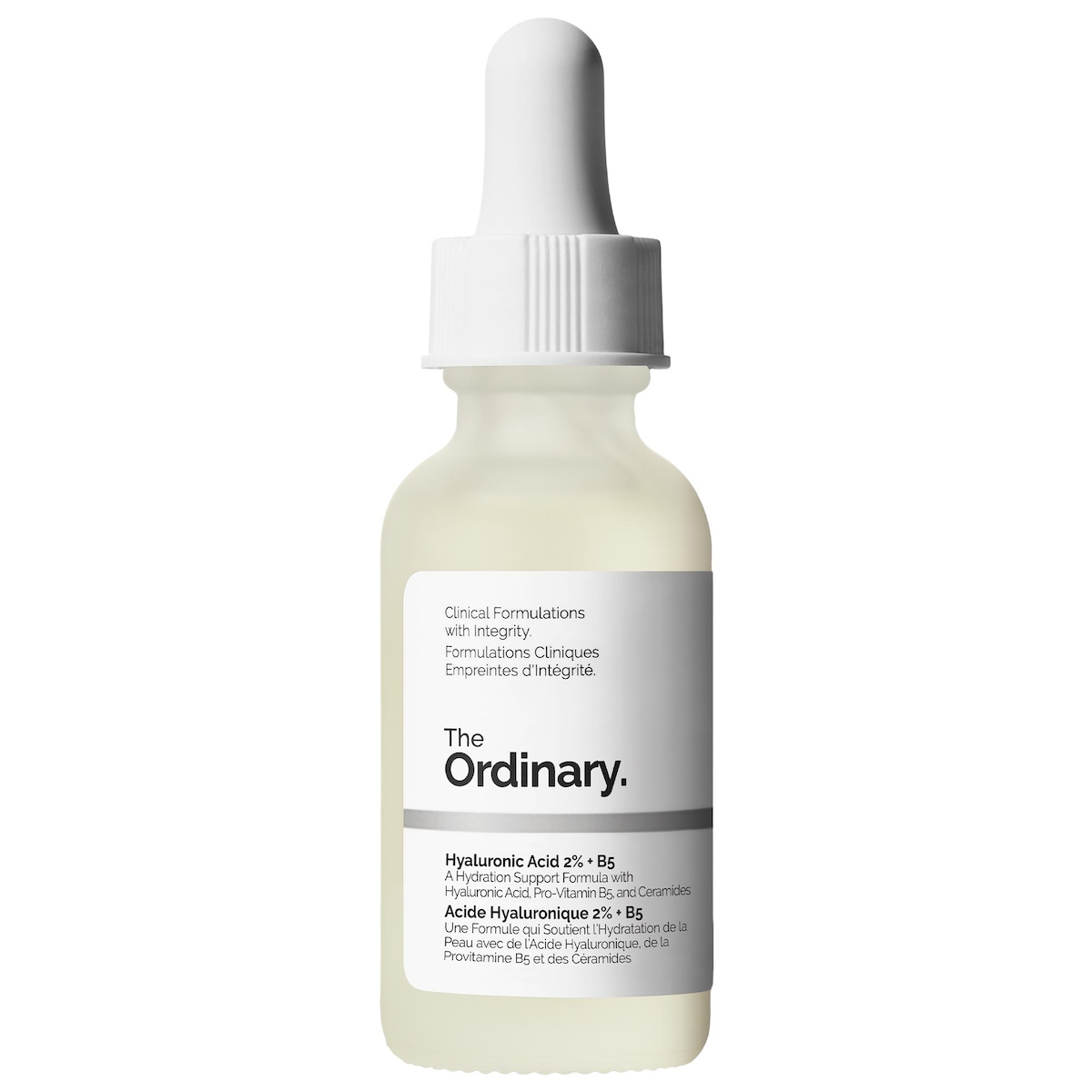
Hyaluronic Acid 2% + B5
The Ordinary
$9.90
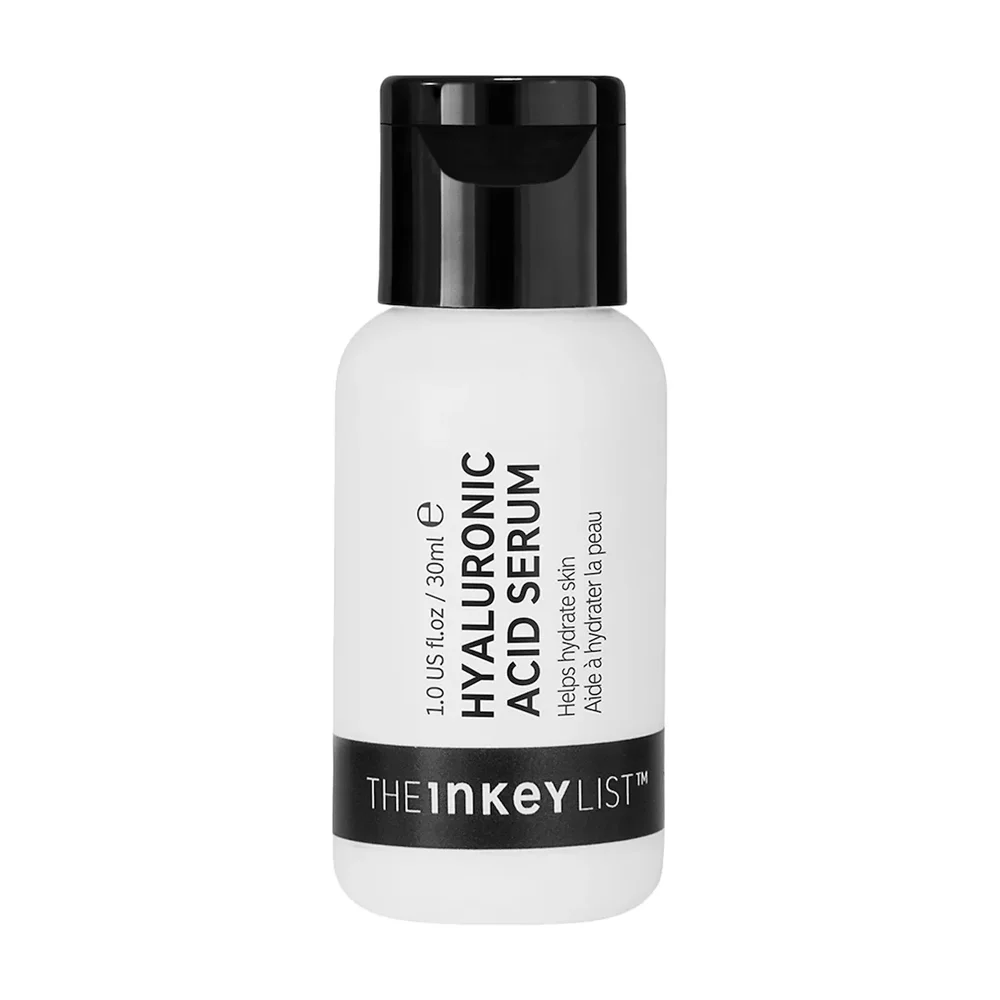
Hyaluronic Acid Hydrating Face Serum
The INKEY List
$13
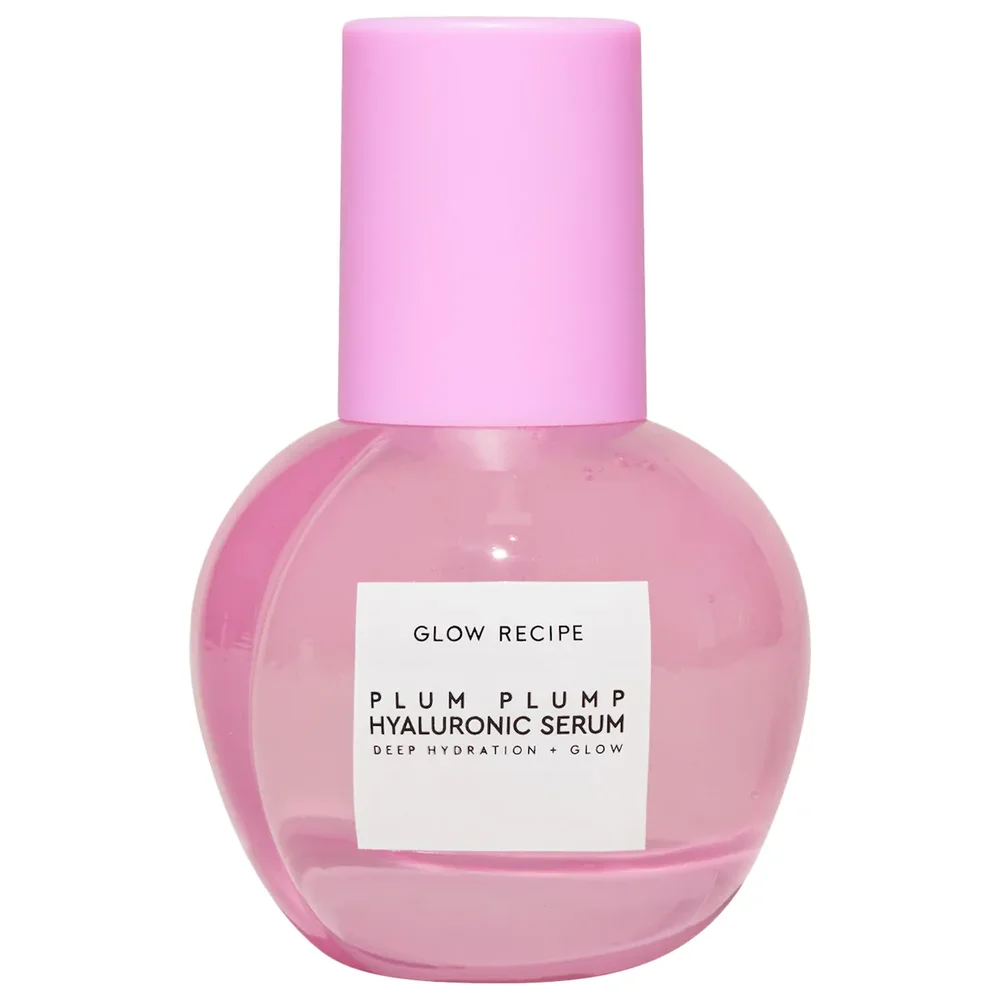
Plum Plump Hyaluronic Acid Hydrating Serum
Glow Recipe
$38
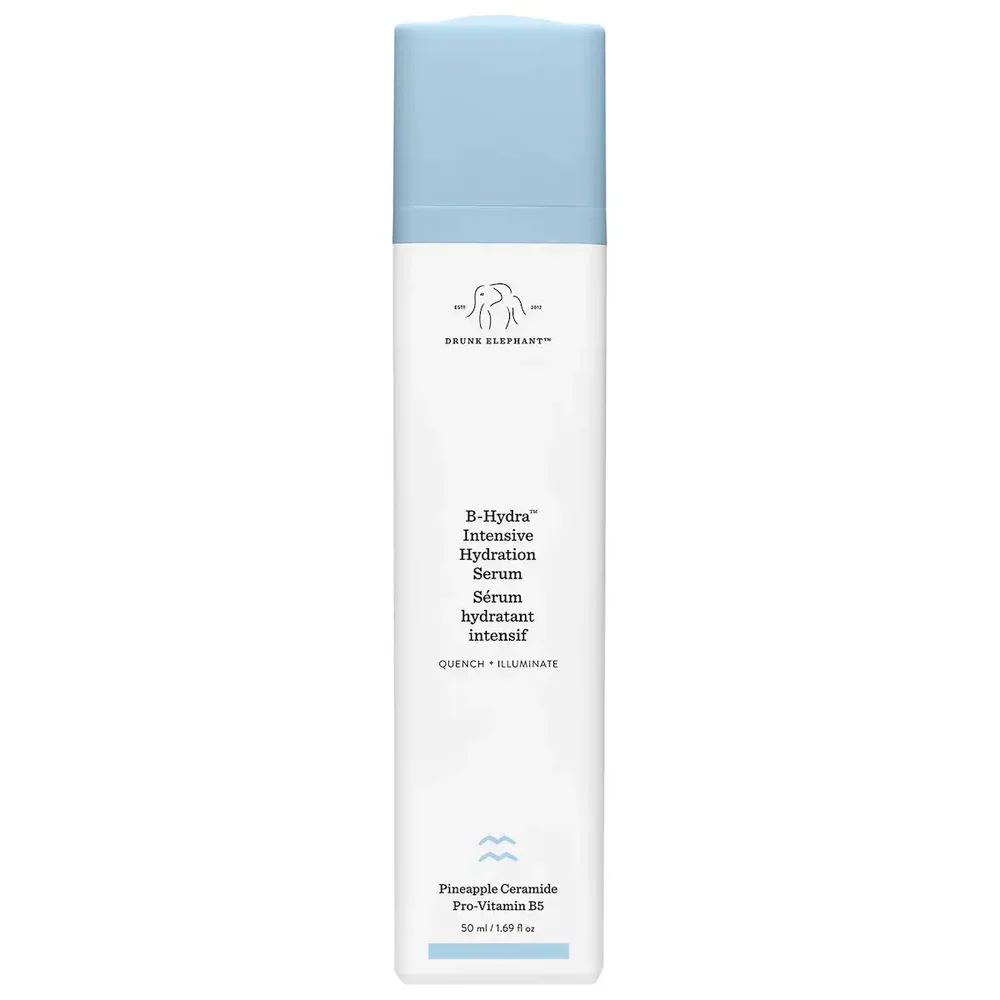
B-Hydra™ Intensive Hydration Serum with Hyaluronic Acid
Drunk Elephant
$56
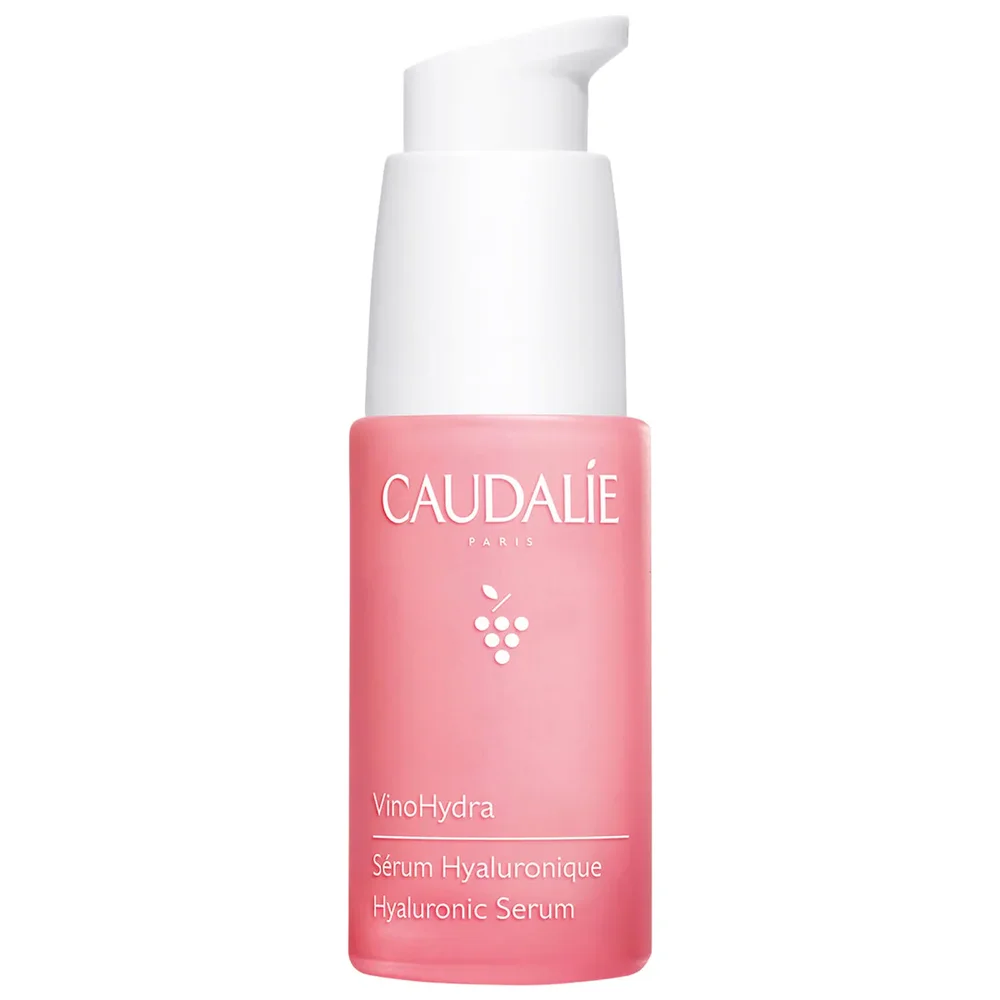
VinoHydra Hydrating Hyaluronic Serum
Caudalie
$52
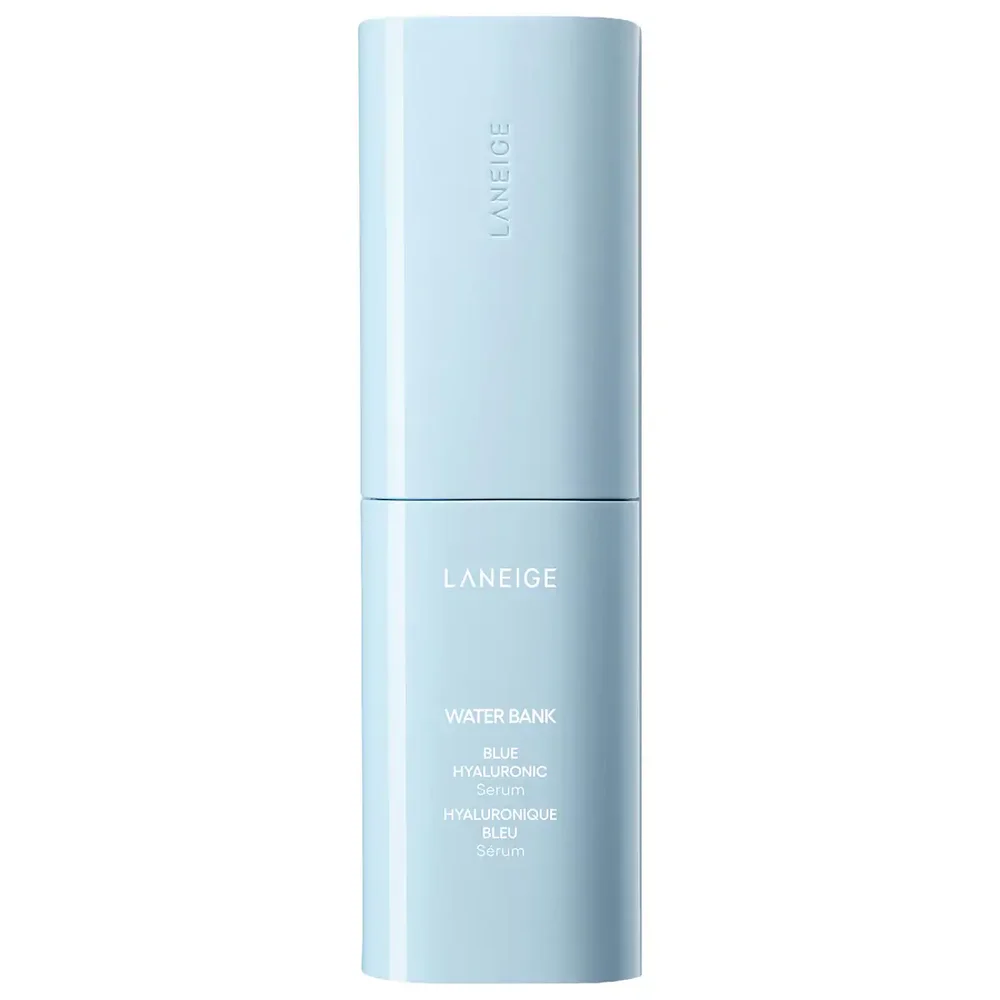
Water Bank Blue Hyaluronic Acid Hydrating Serum
LANEIGE
$45
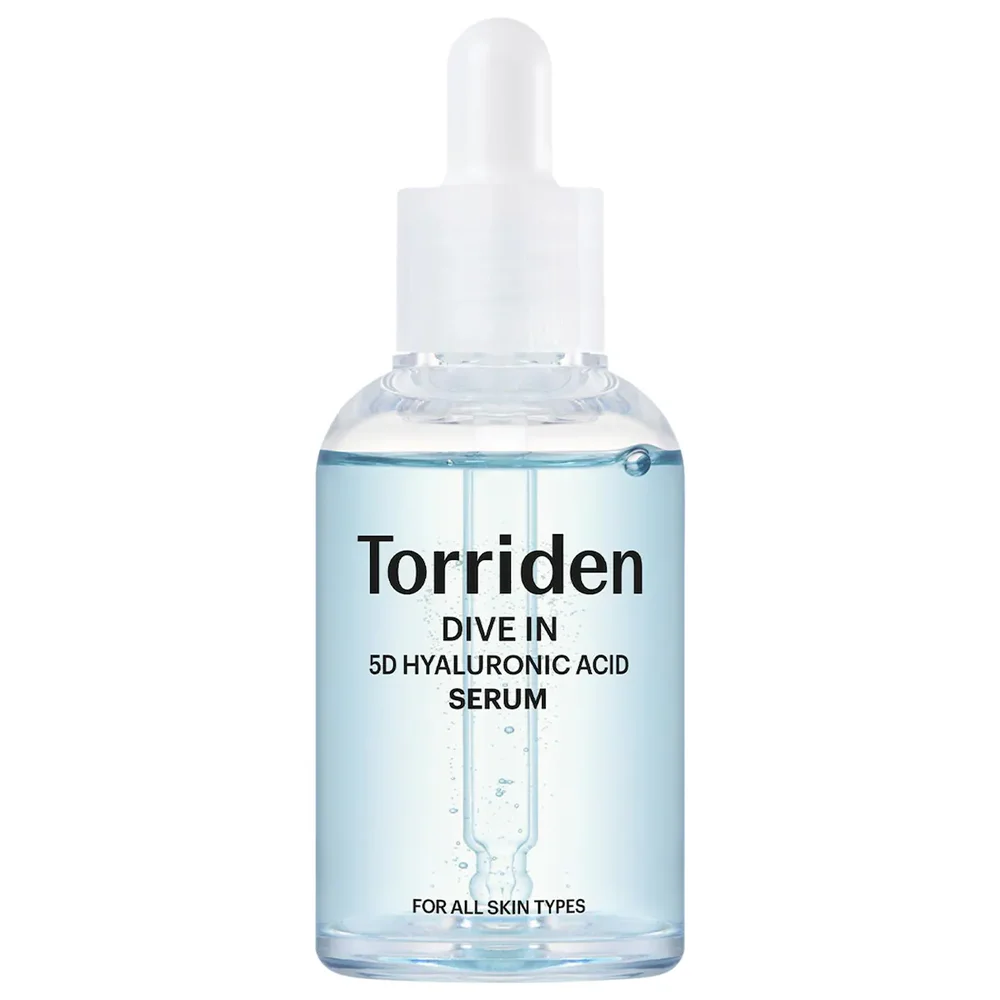
DIVE IN 5D Hyaluronic Acid Ultra Hydrating Serum for Plump & Glow Skin
Torriden
$24
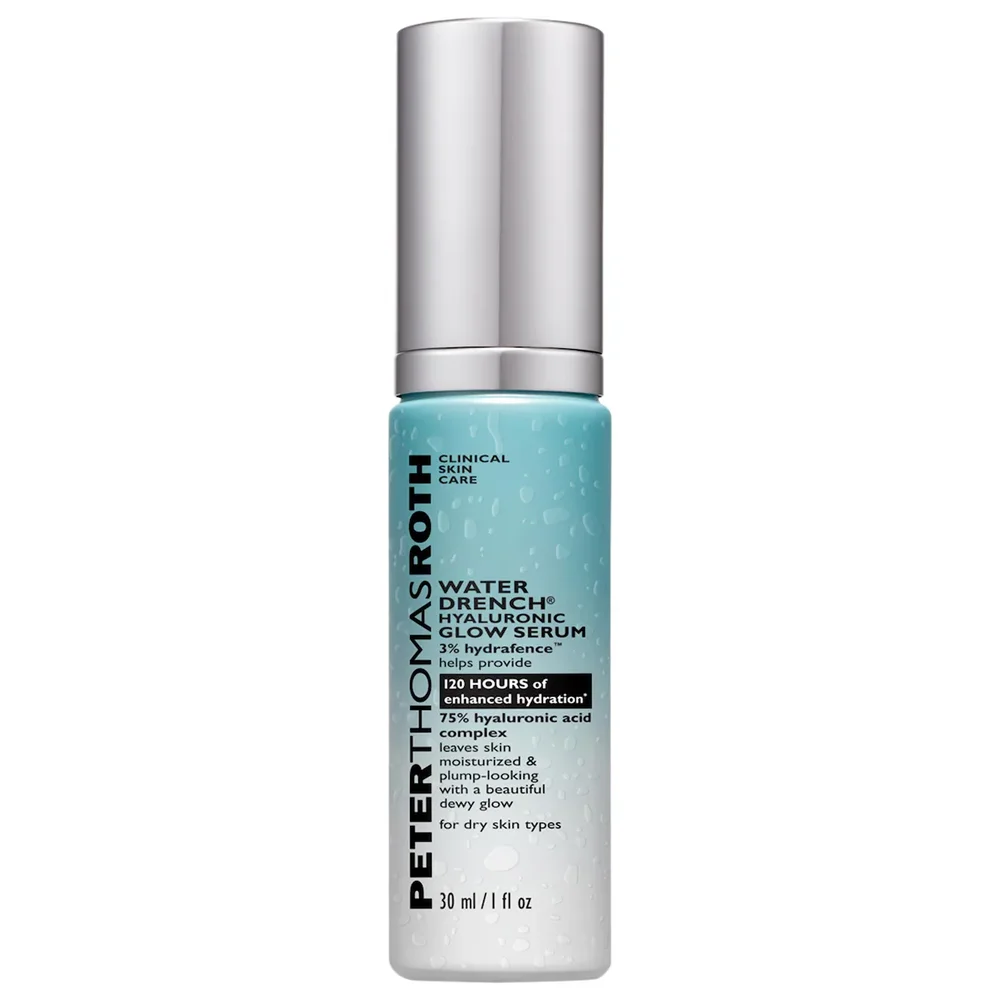
Water Drench Hyaluronic Acid Serum
Peter Thomas Roth
$72
The Damp-Skin Question
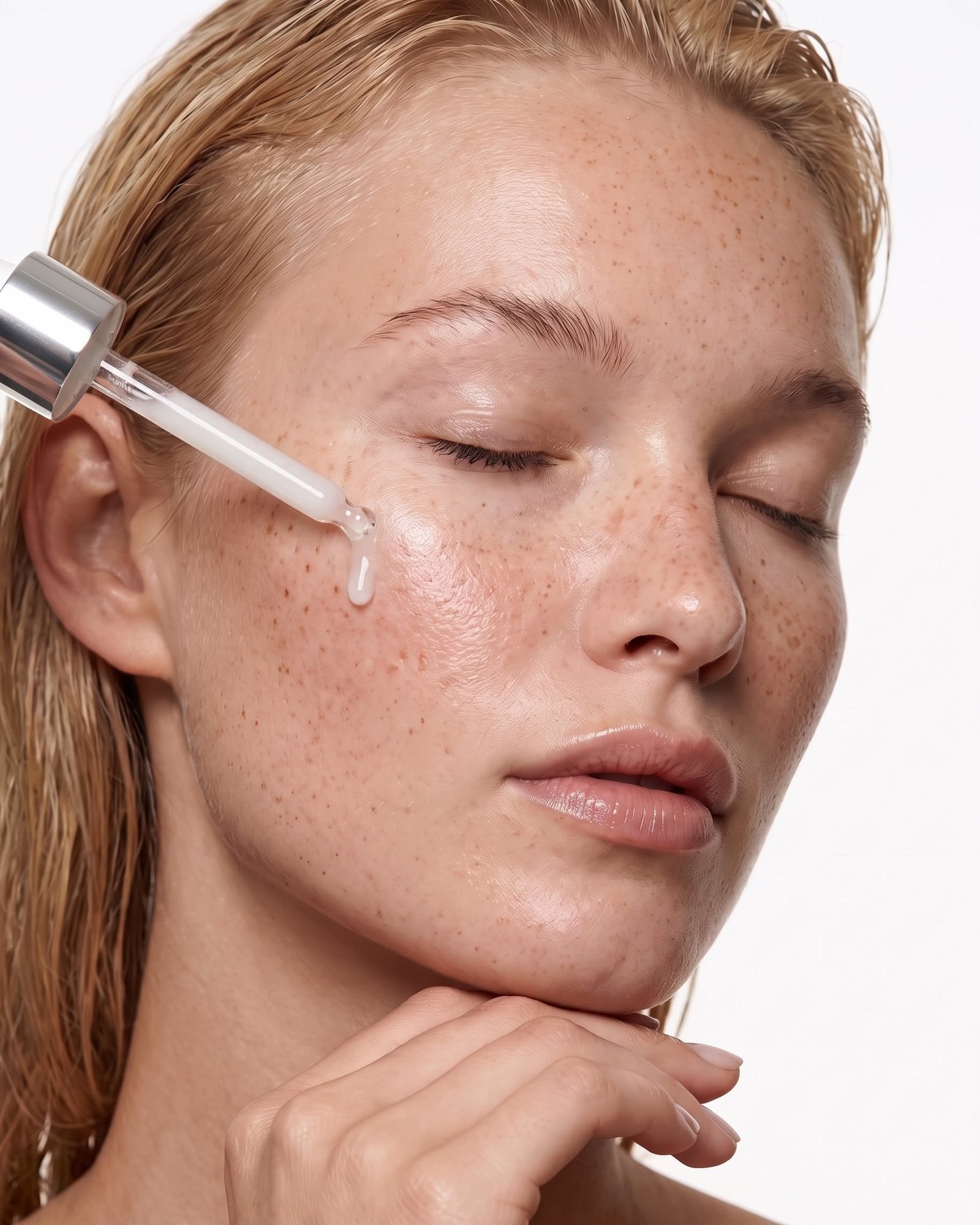
The damp-skin rule is useful, but it is often repeated as if every serum needs a wet face. The American Academy of Dermatology recommends applying moisturizer while skin is still damp after bathing and lists hyaluronic acid among ingredients to look for in a cream or ointment for dry skin. That is not the same as saying a hyaluronic serum must always be applied damp: Paula's Choice says application can depend on the product and that damp skin is not a universal requirement. I would follow the product directions, then use a moisturizer if the routine leaves my skin tight. The Ordinary suggests using its serum after cleansing and before heavier creams; The INKEY List recommends damp, cleansed skin followed by moisturizer. Both routes leave room for a basic routine.
For the ingredient story behind one of the familiar formulas, The Ordinary Hyaluronic Acid, and the Toronto Lab Behind the Bottle is a more useful detour than another list of molecular weights.
Hyaluronic acid serums with extra actives
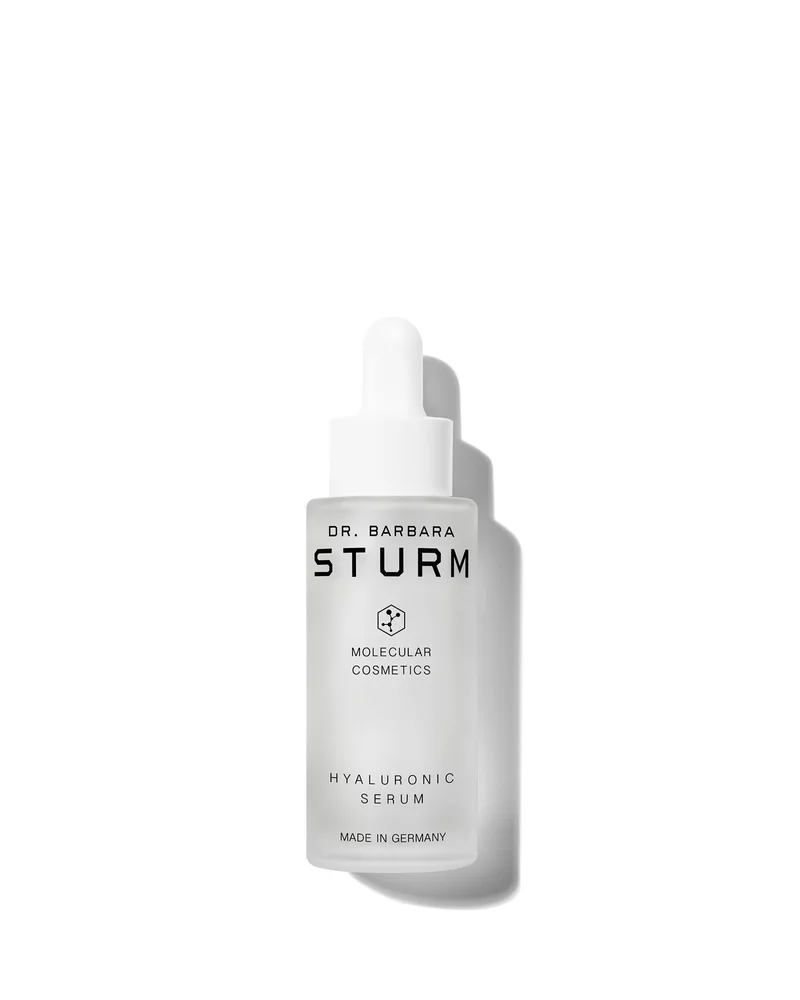
Hyaluronic Serum
Dr. Barbara Sturm
$325
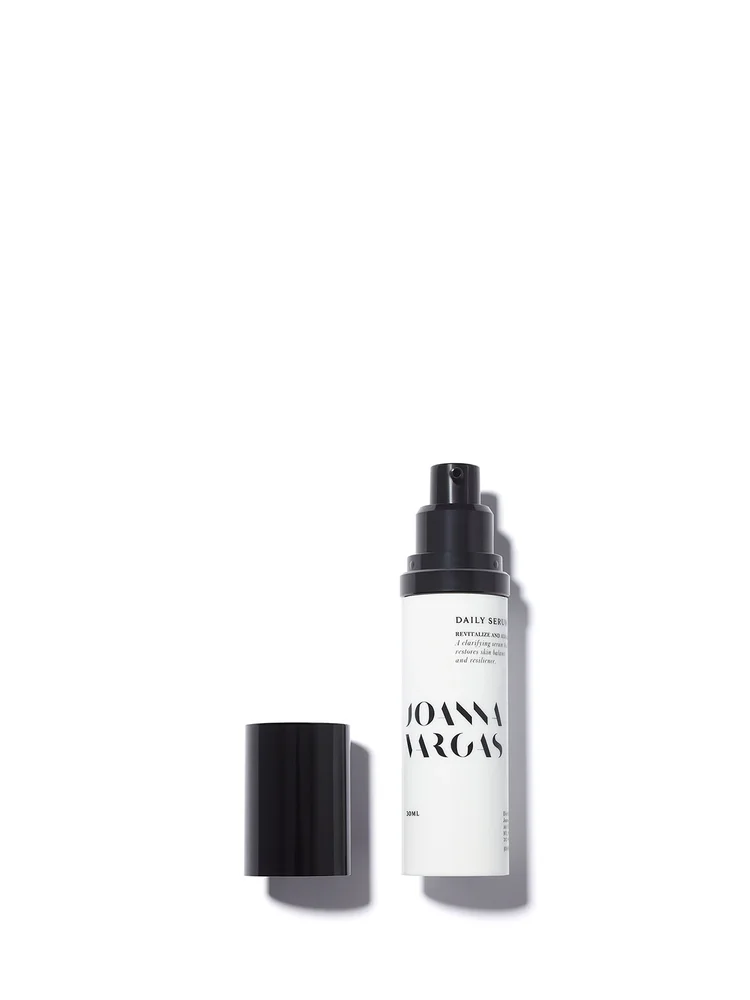
The Daily Serum
Joanna Vargas
$85
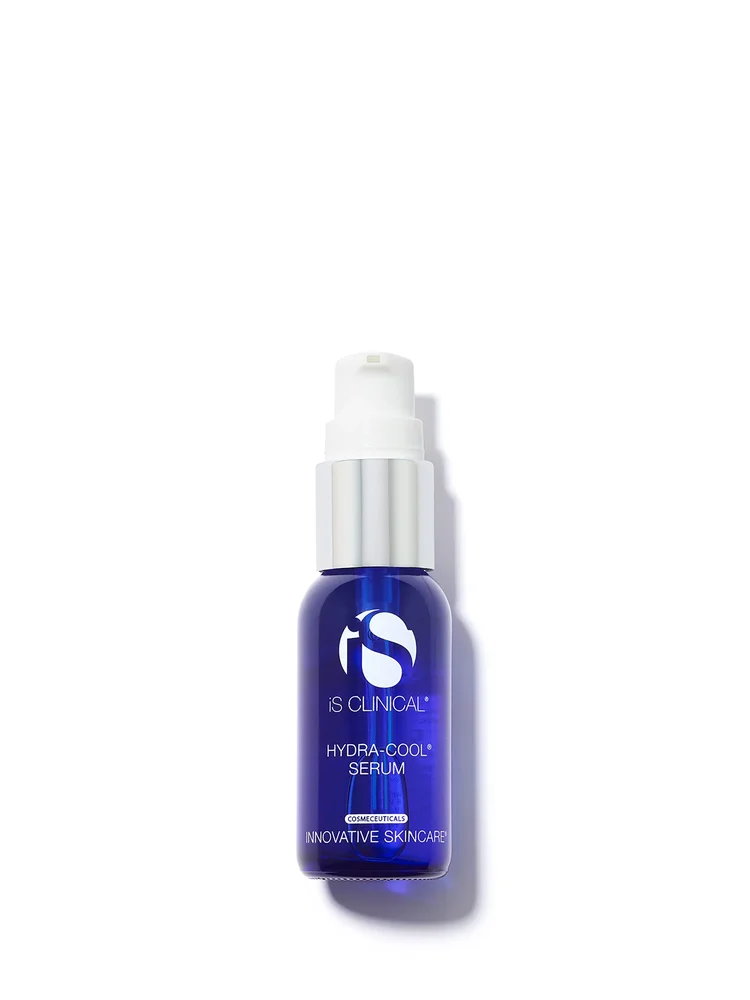
Hydra-Cool Serum
iS Clinical
$108
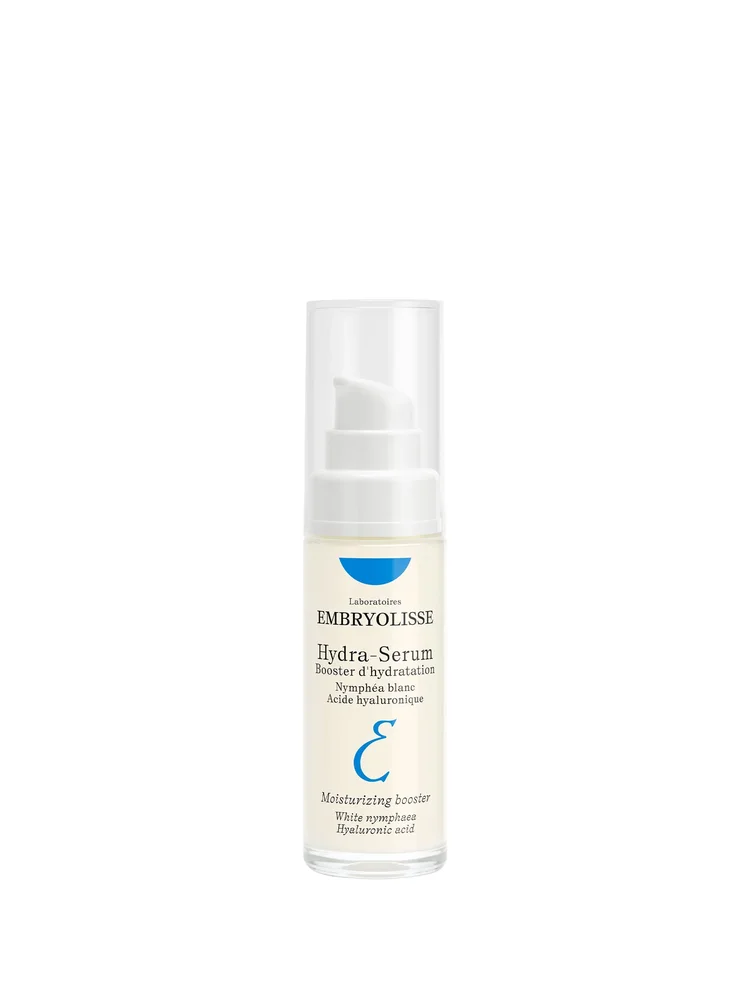
Hydra-Serum
Embryolisse
$39
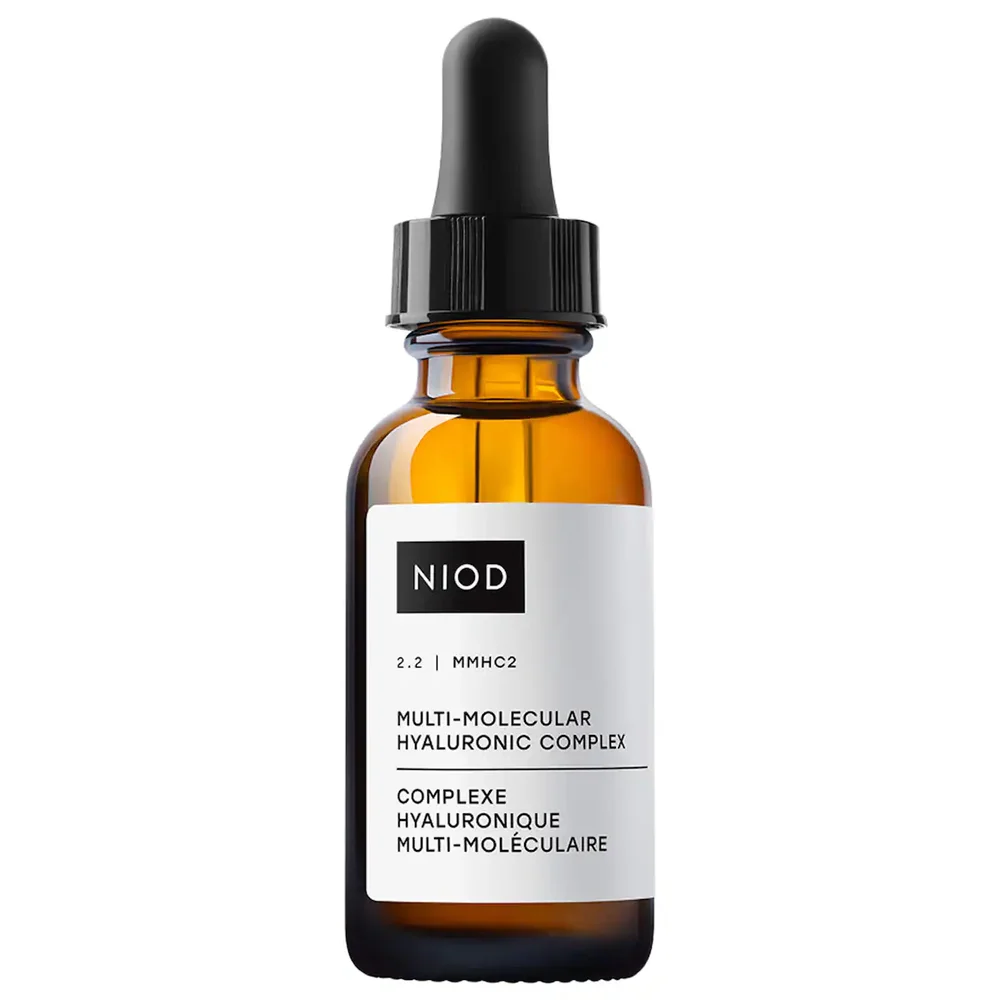
Multi-Molecular Hyaluronic Complex (MMHC2)
NIOD
$62
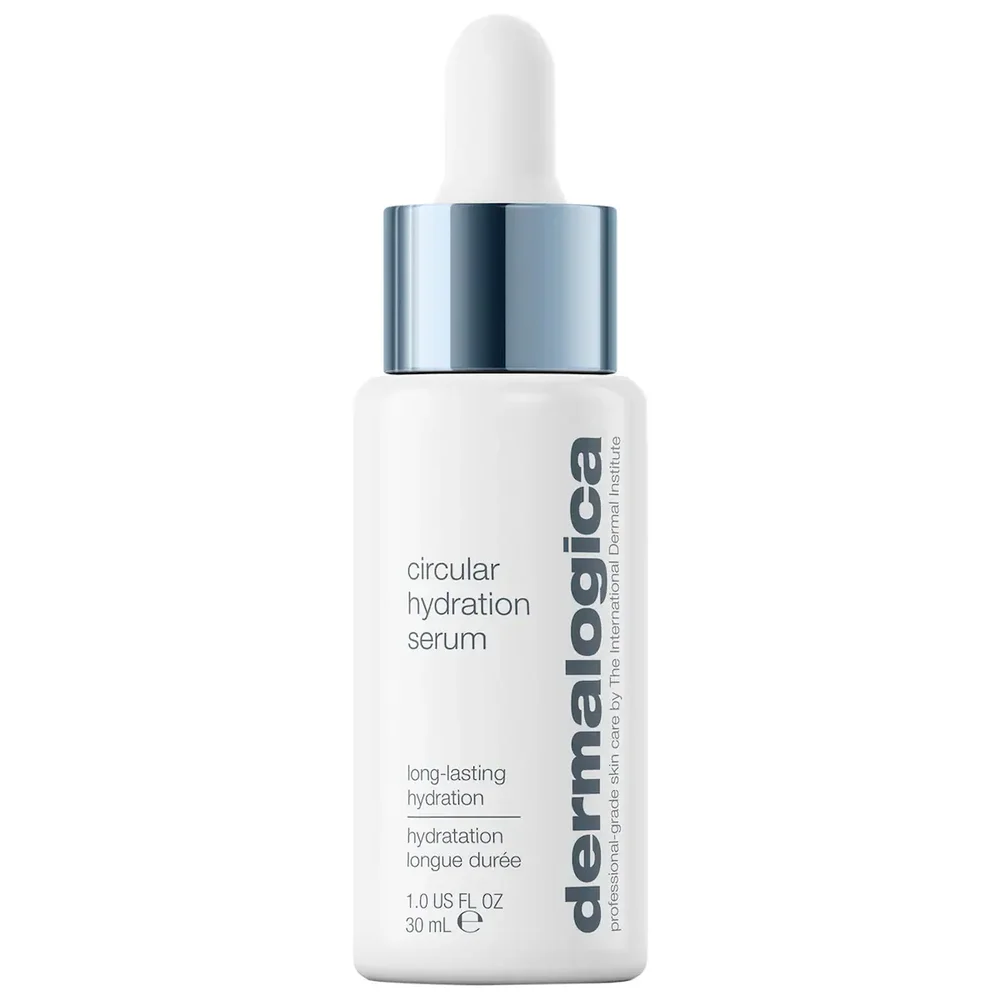
Circular Hydration Serum with Hyaluronic Acid & Polyglutamic Acid for Deep Hydration, Plumping & Dewy Skin
Dermalogica
$69
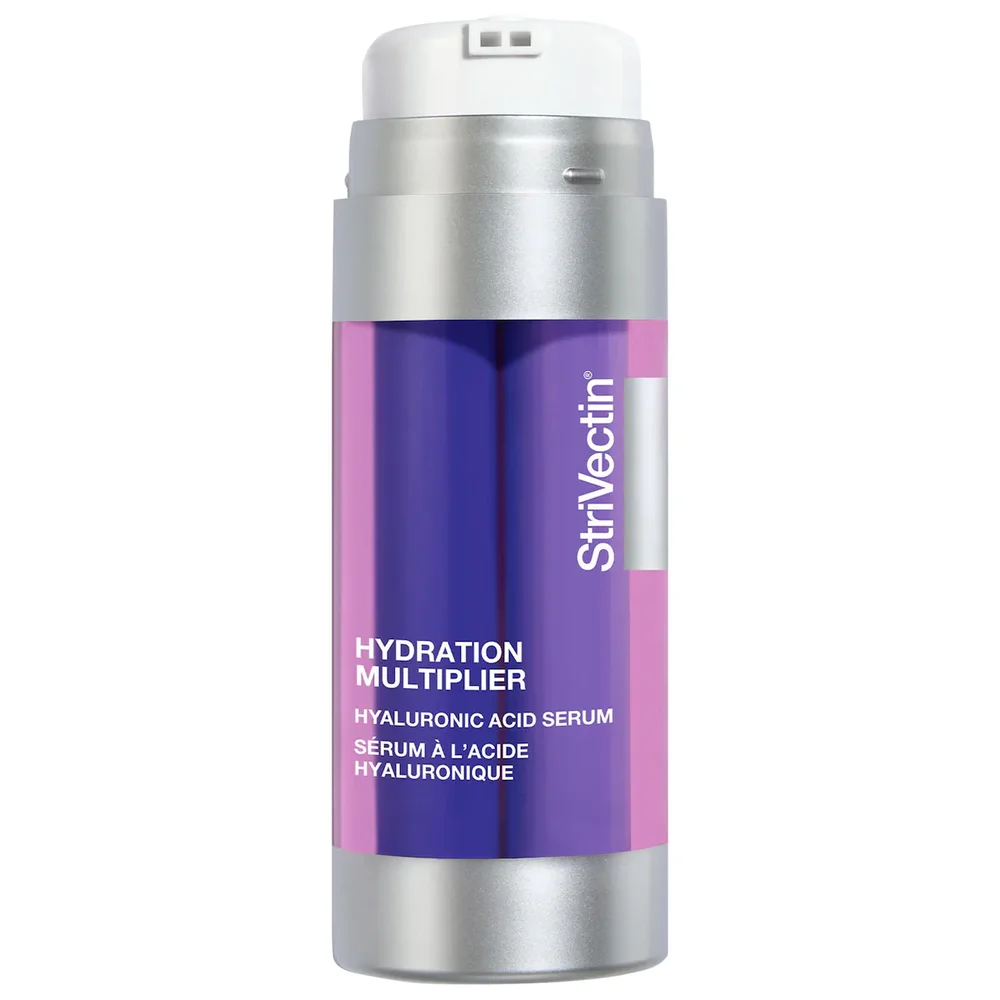
Hydration Multiplier Hyaluronic Acid Face Serum with Ceramides
StriVectin
$69
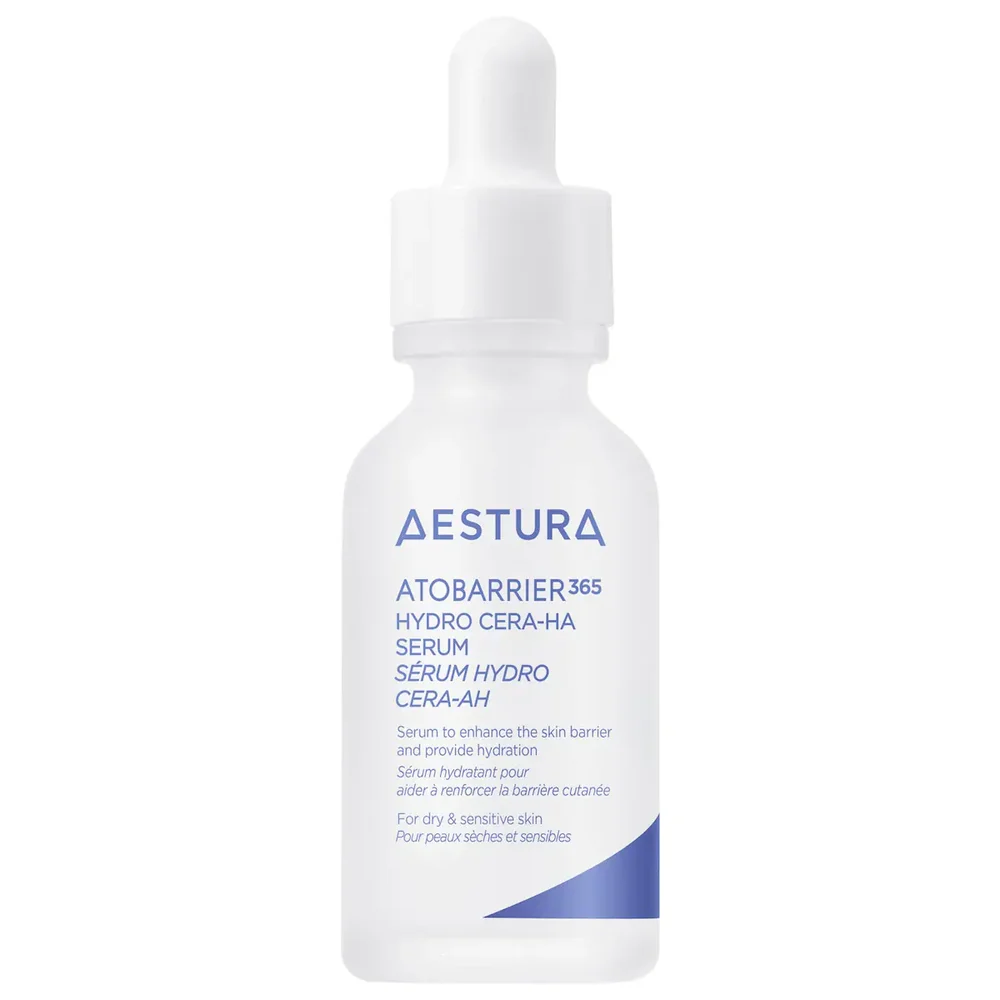
ATOBARRIER365 Hydro CERA-HA Ceramide + Hyaluronic Acid Face Serum
AESTURA
$34
A Few Hyaluronic Acid Questions
What is the best hyaluronic acid serum for skin radiance?
There is no verified universal winner. Glow Recipe positions Plum Plump for a plumper look and describes it as an oil-free watergel with five HA weights; I would decide by texture and the rest of the formula.
Does a higher percentage make a better hyaluronic acid serum?
Not by itself. Paula's Choice says concentration and benefits are not always correlated, and that application technique and skin condition can matter too.
Should I apply hyaluronic acid to damp skin?
It is product-specific: The INKEY List and Glow Recipe recommend damp skin, while Paula's Choice says damp application is not a universal requirement. The AAD does recommend moisturizer while skin is still damp after bathing.
Should I use moisturizer after hyaluronic acid serum?
Several product directions put the serum before cream or moisturizer, and the AAD recommends moisturizer for dry skin while it is damp after bathing. I would add one if my skin feels tight.
Who Should Buy One
A hyaluronic acid serum makes sense if you want a light hydration layer under cream, not a fix for every skin concern. I would skip paying for a bottle only because it lists five or fifteen HA-related technologies; the exact formula and how it sits in your routine matter more. If your skin reacts or dryness persists, a dermatologist can help separate dehydration from an underlying condition; the AAD advises seeking a dermatologist when dry skin continues despite at-home care. For a simple pick, I would choose The Ordinary if I want ceramides in the same serum, The INKEY List for the peptide pairing, or Glow Recipe if an oil-free watergel feel matters most. The best one is the bottle I will use consistently and follow with moisturizer.