An LED face mask for acne should have a clearly stated blemish mode, the right light wavelengths and a schedule you can follow.
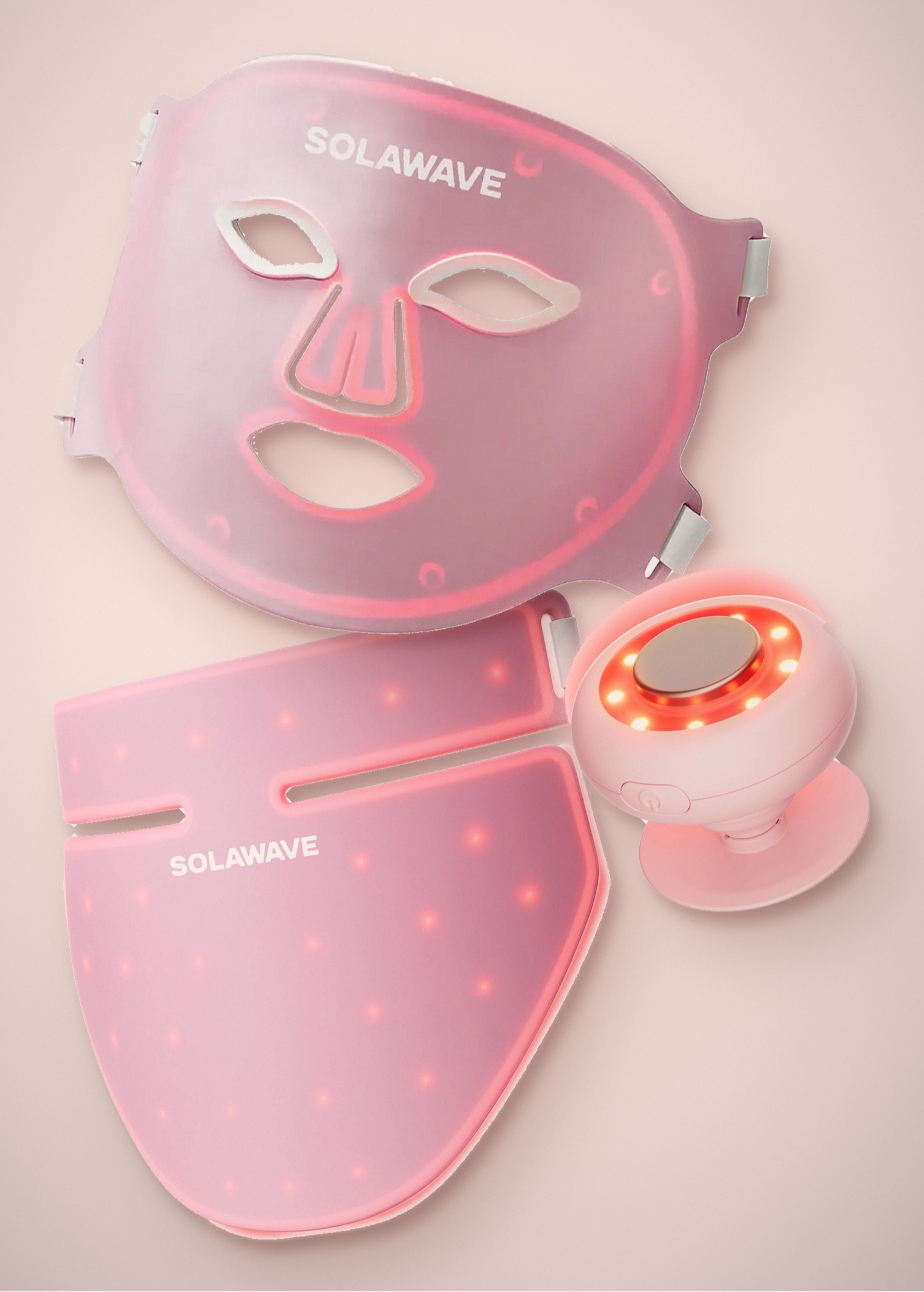
LED Face Mask for Acne: Blue-Light Picks Compared
Start with the acne mode, not the LED count
An LED face mask for acne should have an explicitly stated acne mode, not just a red-light setting marketed for fine lines. I would compare treatment purpose, wavelengths, and schedule before looking at a device's feature count. Omnilux Clear is intended for mild-to-moderate facial acne and pairs 415 nm blue with 633 nm red; its maker recommends four 10-minute sessions a week for six weeks. Dr. Dennis Gross's DRx SpectraLite FaceWare Pro has blue, red, and combined modes in a three-minute program, so it can switch between acne and aging settings. Qure's Q-Rejuvalight Pro also uses blue 415 nm and red 630 nm in Skin Clearing mode, with three-minute sessions and optional app-based treatment across five facial zones. Those differences are more useful to me than a raw LED count. One caution: the American Academy of Dermatology says studies of at-home red-light devices vary by device and treatment protocol, so their results are difficult to compare and more research is needed. If you want the wider context on how light masks work, LED Face Masks, What They Actually Do looks at the broader category; I would keep this shortlist to devices whose makers clearly describe an acne mode.
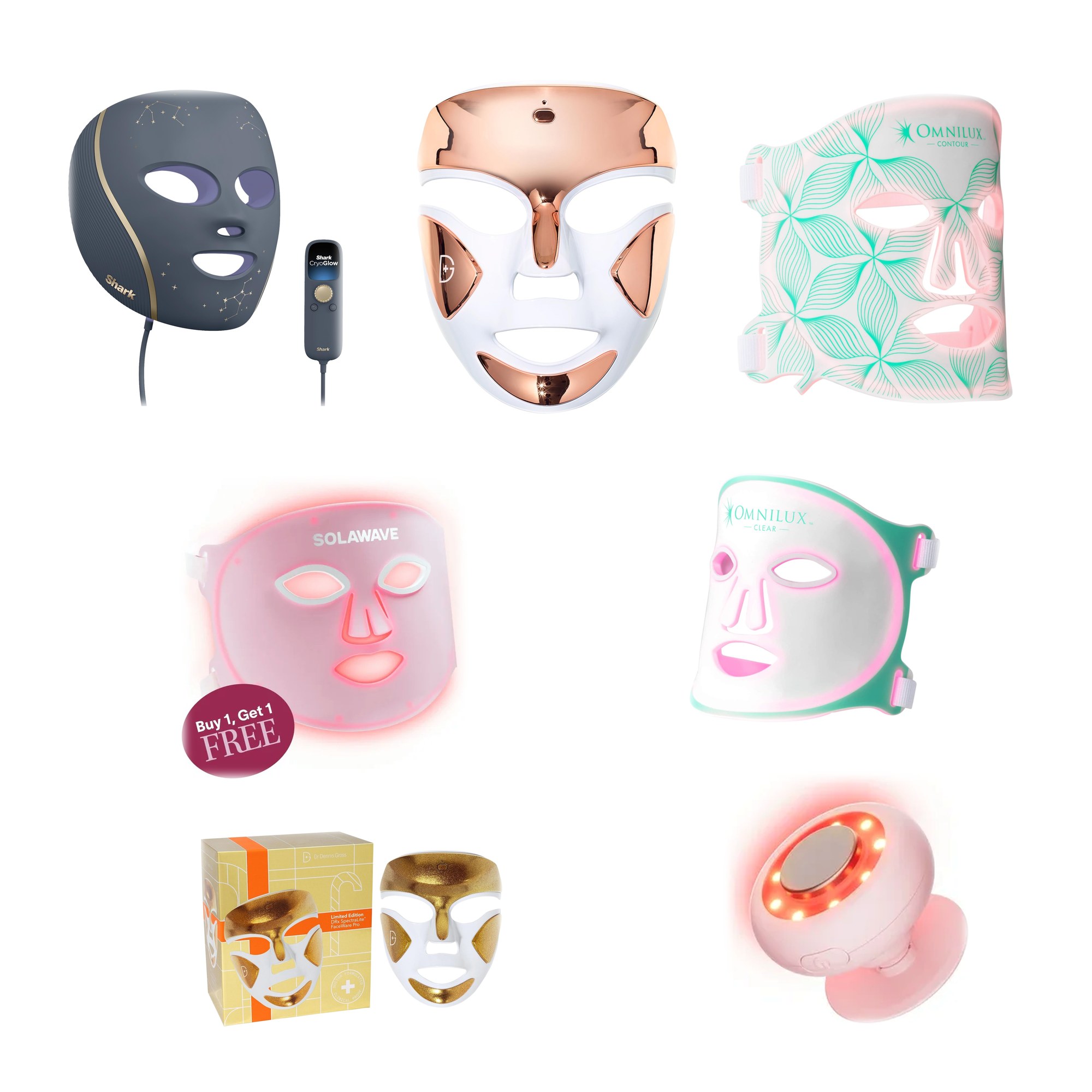
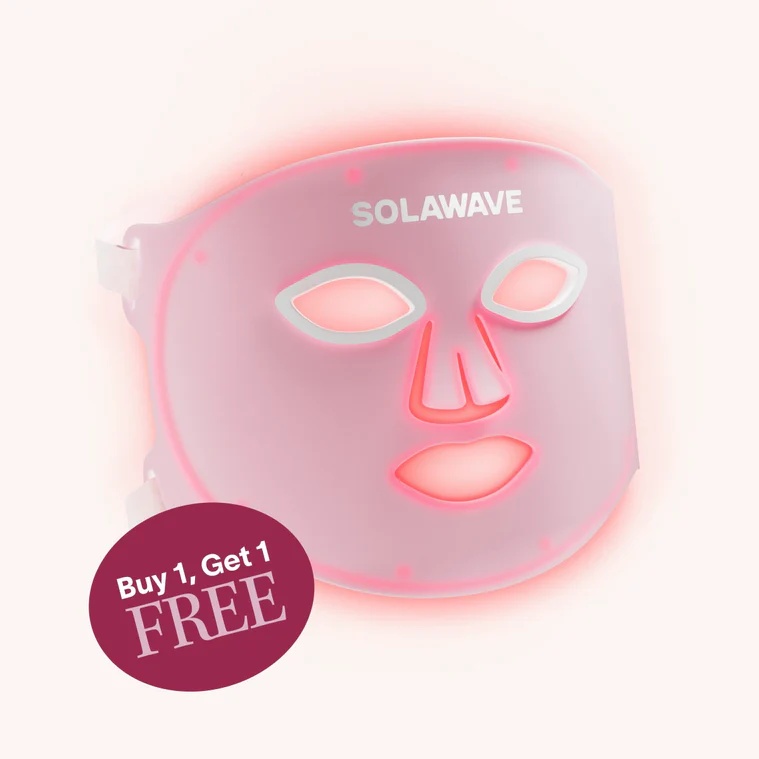
Wrinkle Retreat Pro LED Face Mask with Red, Infrared, Deep Red, and Amber Light Therapy
Solawave
$399
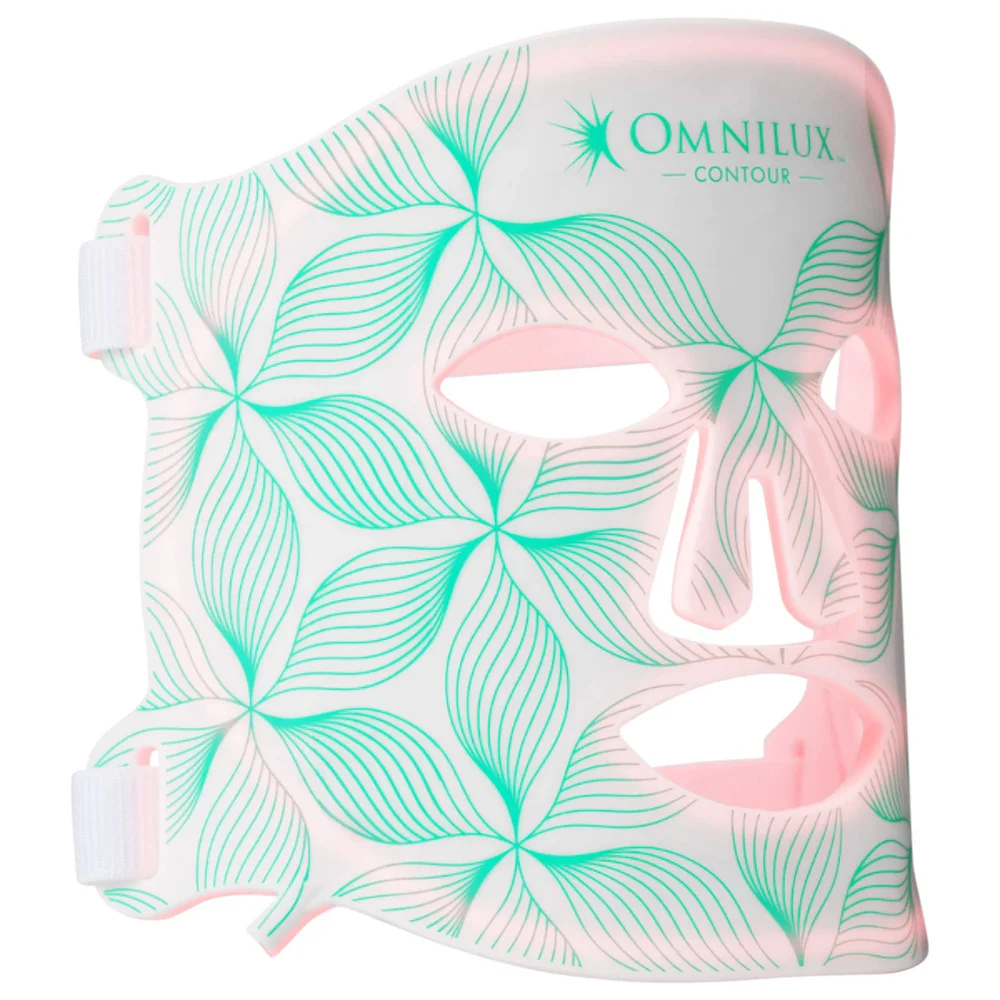
Contour Face Antiaging Red and Near Infrared LED Mask
Omnilux
$249
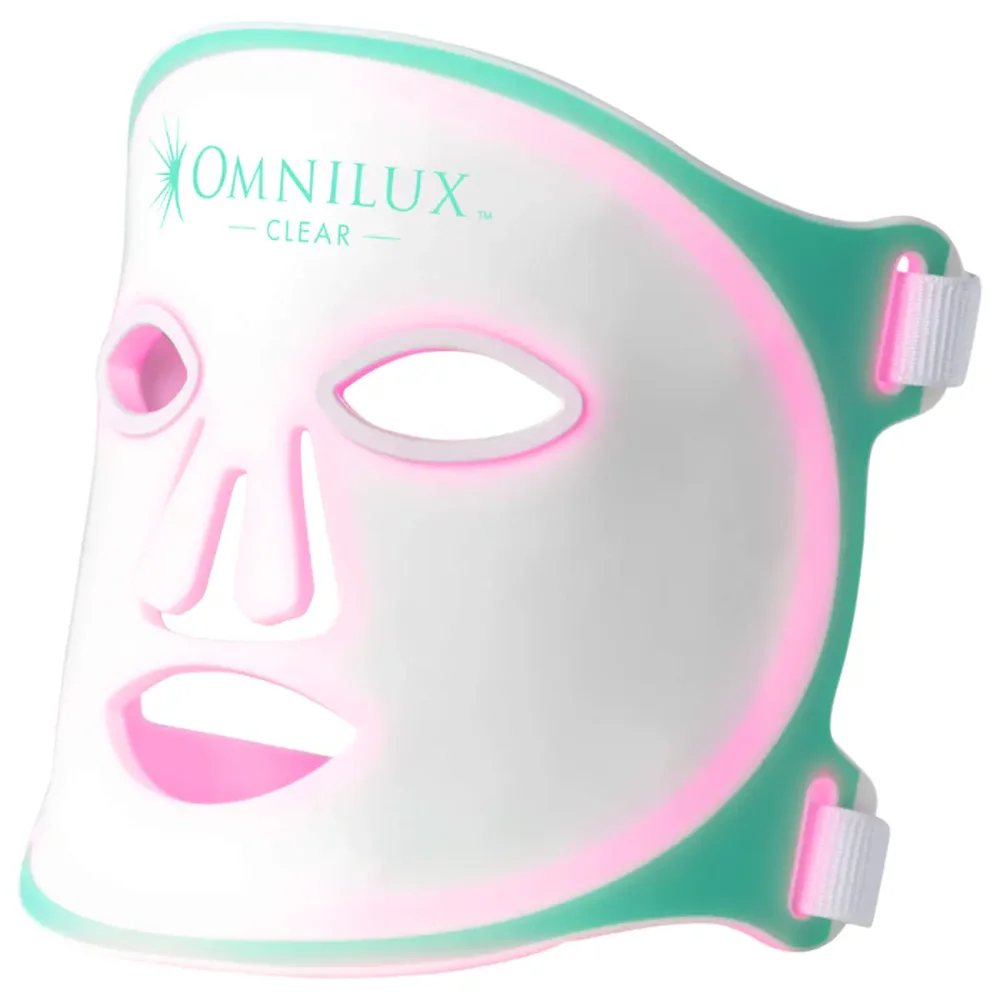
Clear Skin Blue and Red Light Therapy Face LED Mask
Omnilux
$395
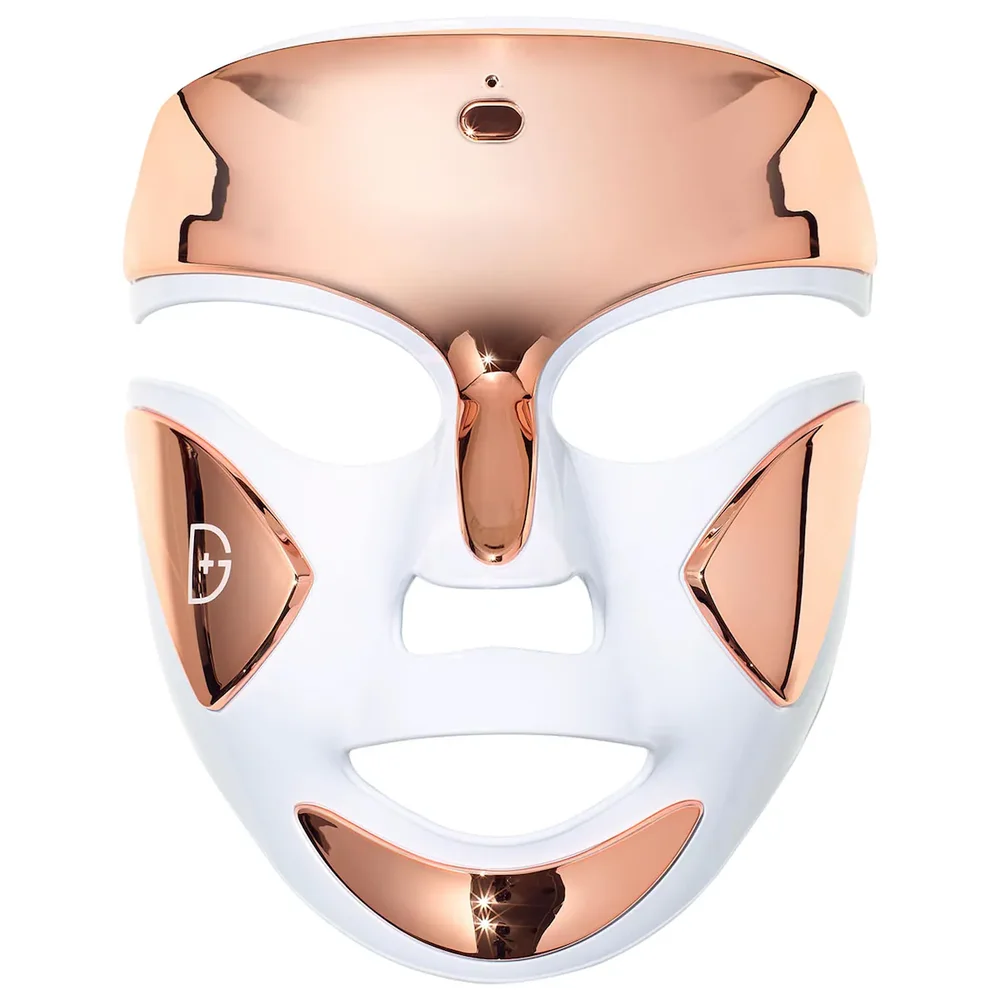
DRx SpectraLite FaceWare Pro 3-Minute LED Device
Dr. Dennis Gross Skincare
$455
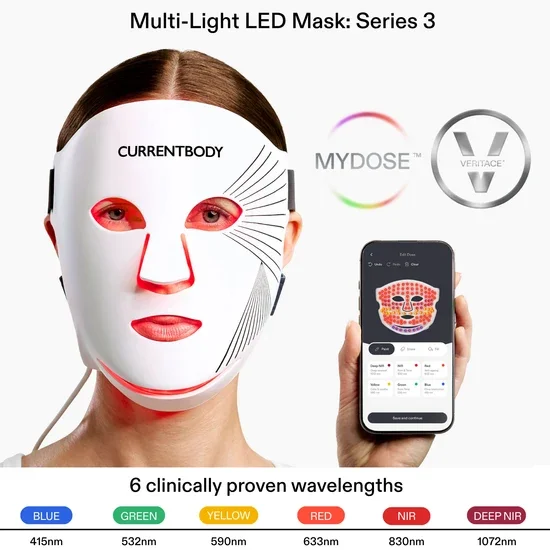
LED Red Light Therapy Face Mask: Series 3
CurrentBody
$570
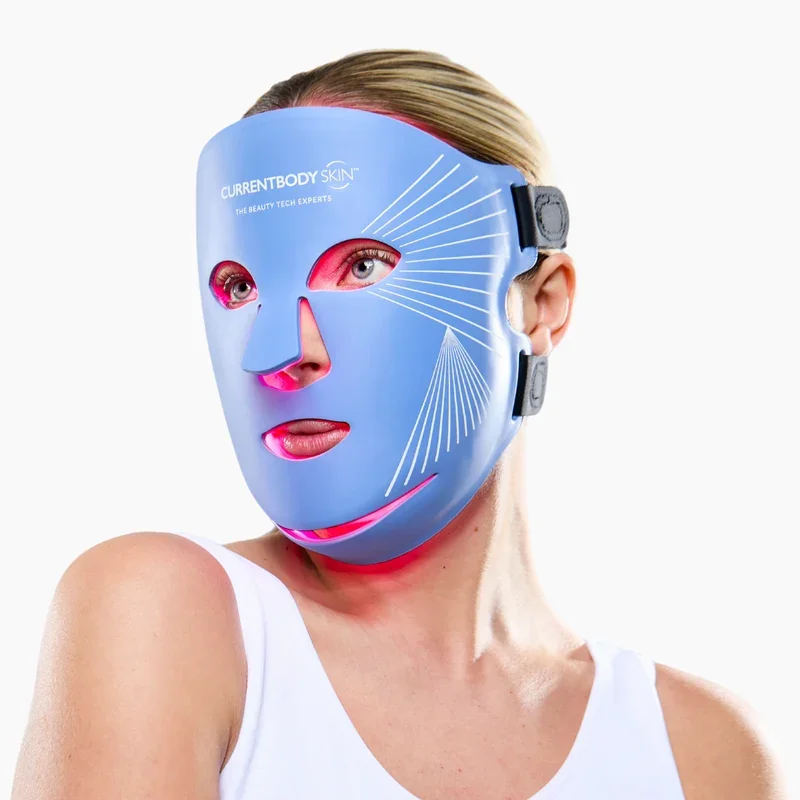
LED Blue Light Therapy Face Mask: Series 2
CurrentBody
$470
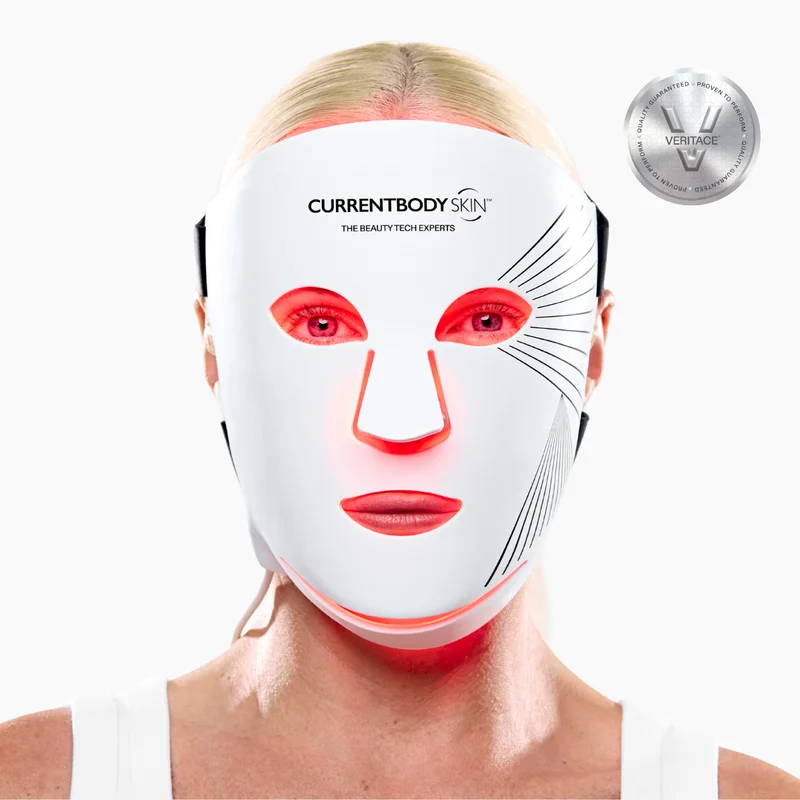
LED Red Light Therapy Face Mask: Series 2
CurrentBody
$470
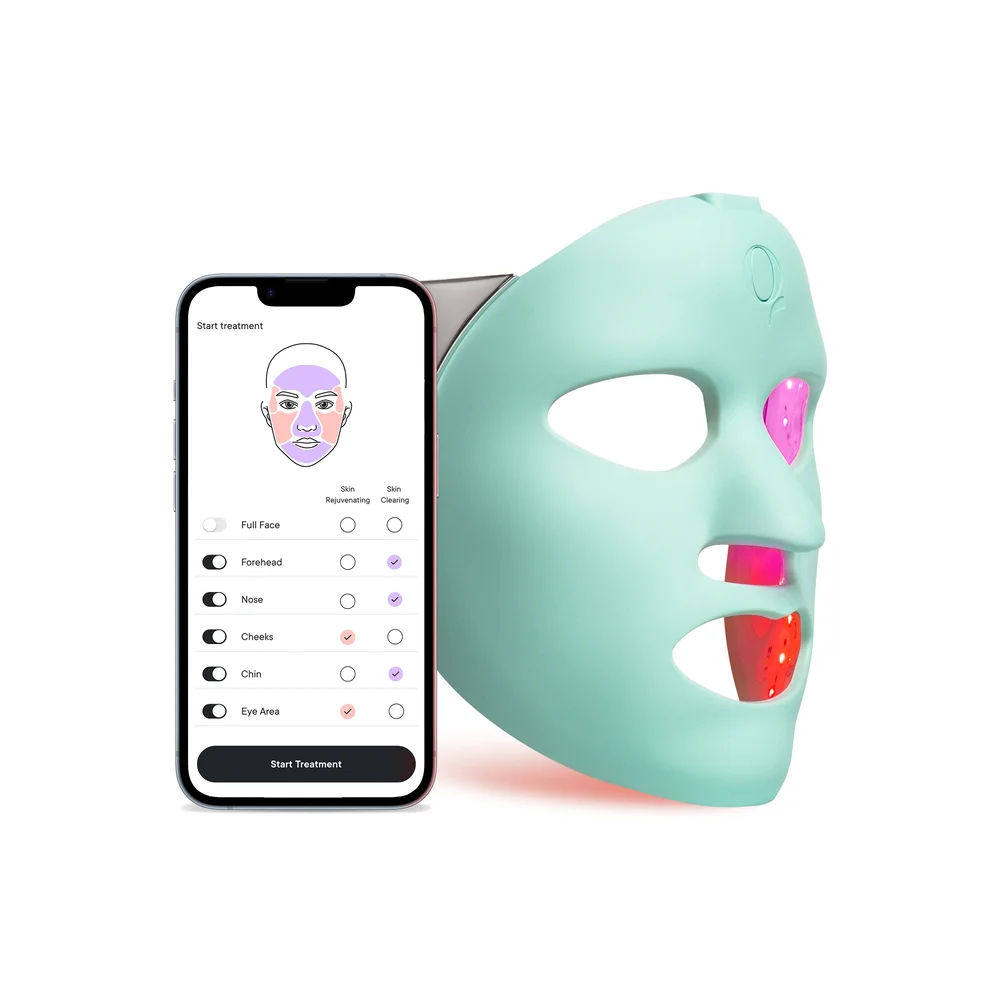
Q-Rejuvalight Pro facewear
Qure Skincare
$249
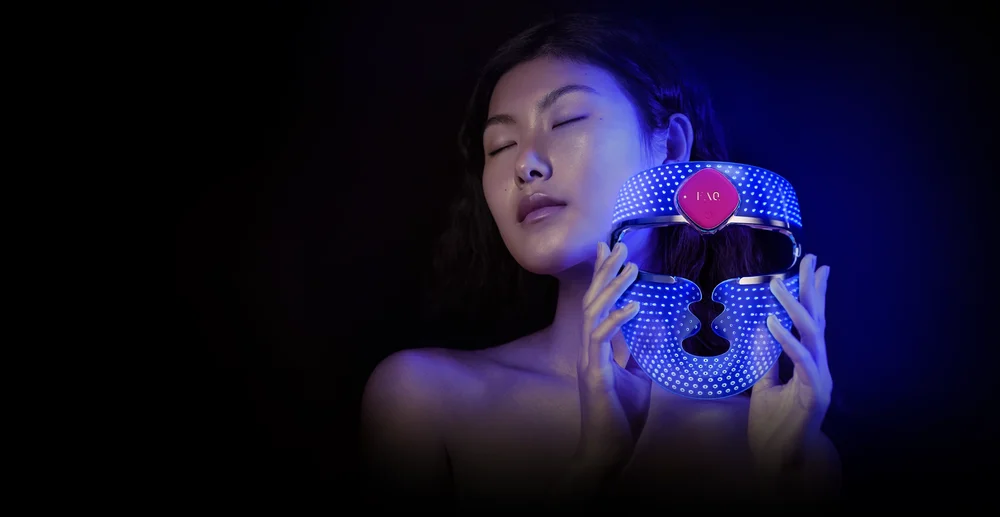
FAQ™ 201 LED Face Mask
FOREO
$499
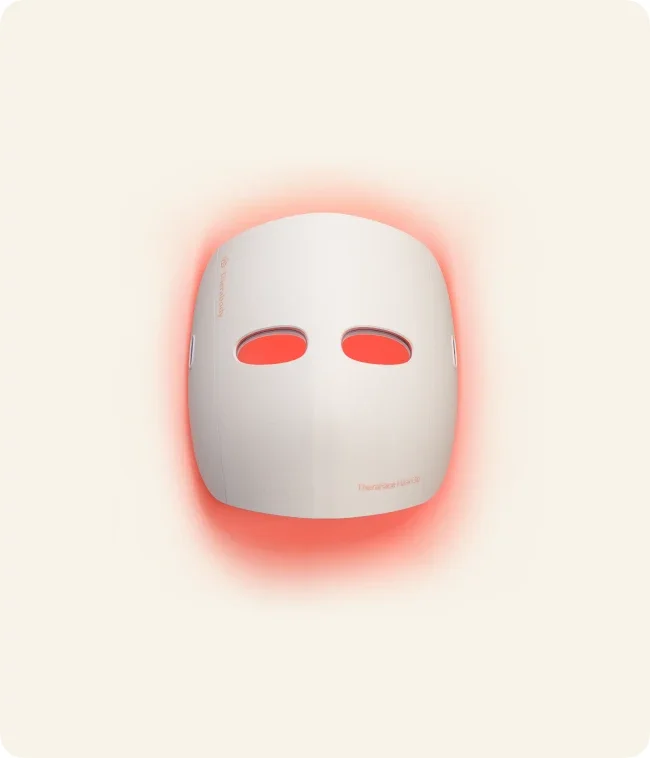
TheraFace Mask Glo
Therabody
$380
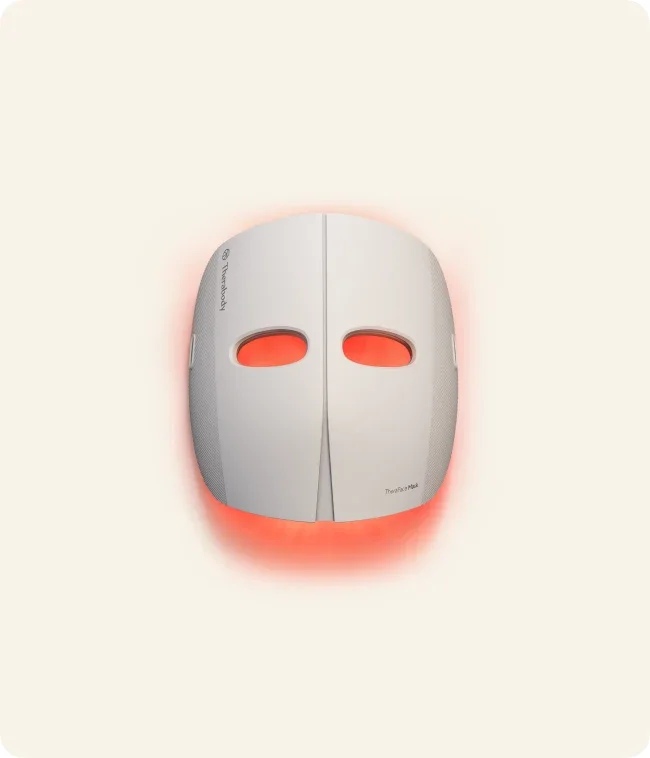
TheraFace Mask
Therabody
$650
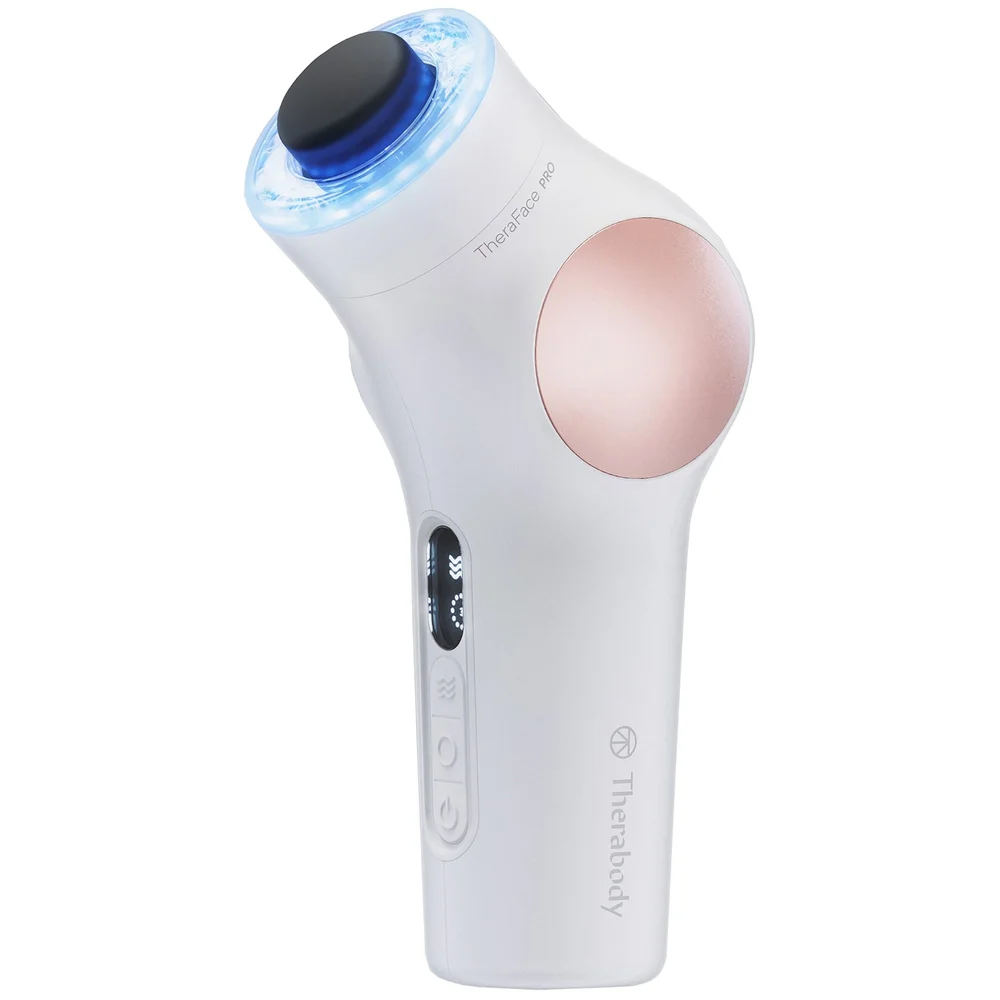
TheraFace PRO Device - White with Gel
Therabody
$420
Blue-light modes, with different routines
An acne setting is useful only if the routine feels doable, and I would rather choose one schedule than stack several devices. The MZ Skin LED 2.0 LightMAX Supercharged LED Mask pairs 415 nm blue with 633 nm red in its anti-blemish mode and runs for 10 minutes; the maker suggests using it three to five times a week. The iRESTORE Illumina Face Mask has red, infrared, and blue wavelengths, with three modes that let you use blue alone or with the other lights; its schedule is also 10 minutes, three to five times weekly. Shark CryoGlow takes a more hybrid approach: its Skin Clearing routine cycles from blue plus infrared to red over eight minutes, while the under-eye cooling routine is separate and lasts five to 15 minutes. That extra cooling is a bonus, not my reason to buy an acne mask. For the fuller device breakdown, Shark CryoGlow Mask Review and LED Devices looks at the light and cooling combination.
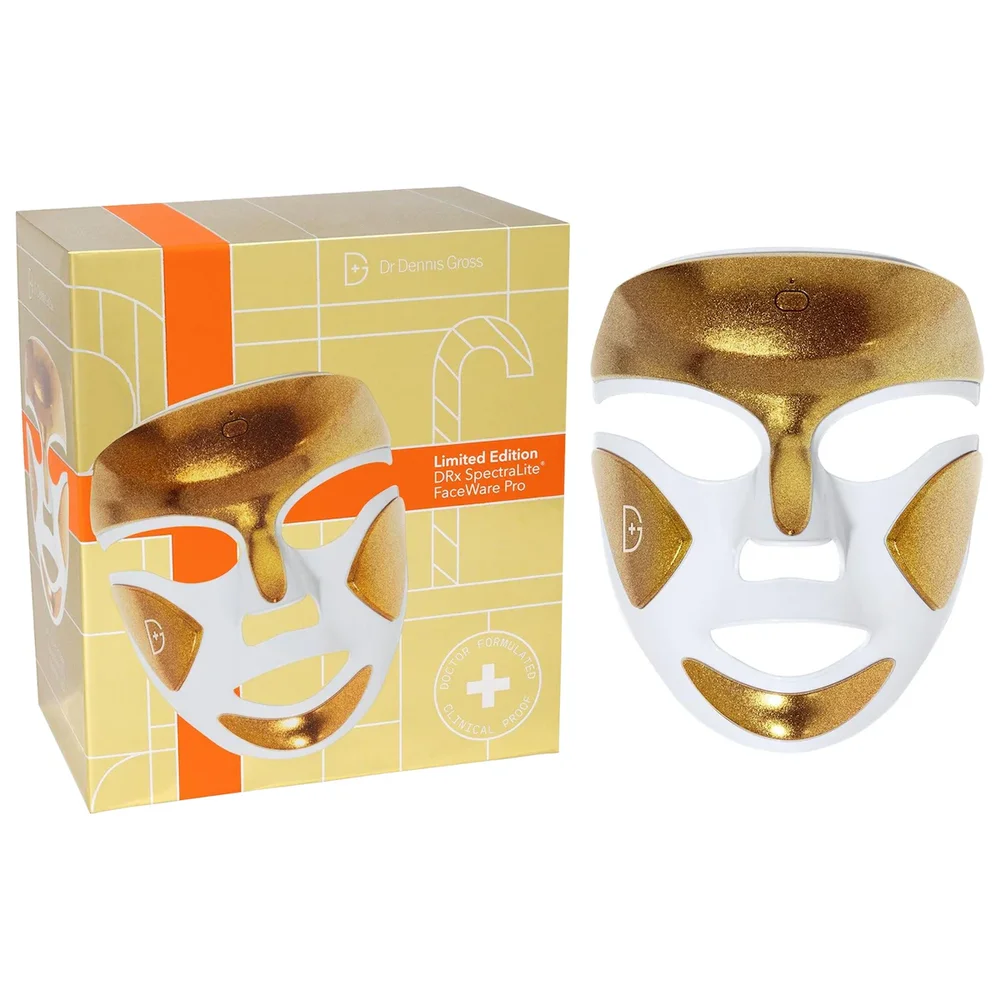
DRx SpectraLite FaceWare Pro LED Device Limited-Edition Holiday Gold
Dr. Dennis Gross Skincare
$455
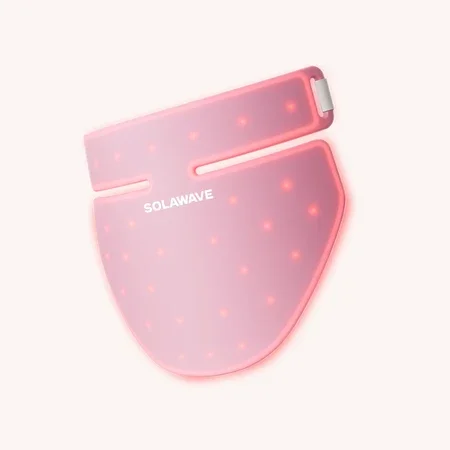
Neck & Chest Pro Light Therapy Mask
Solawave
$349
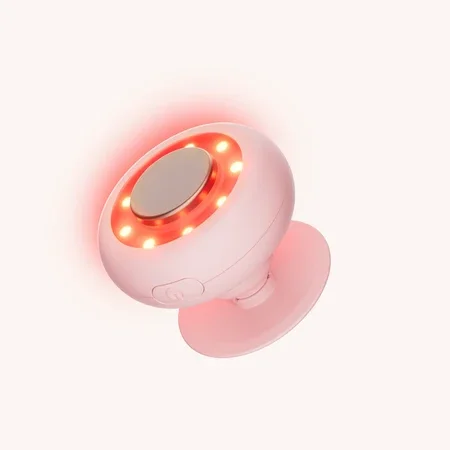
Radiant Renewal 2-in-1 Skincare Mini
SolaWave
$119
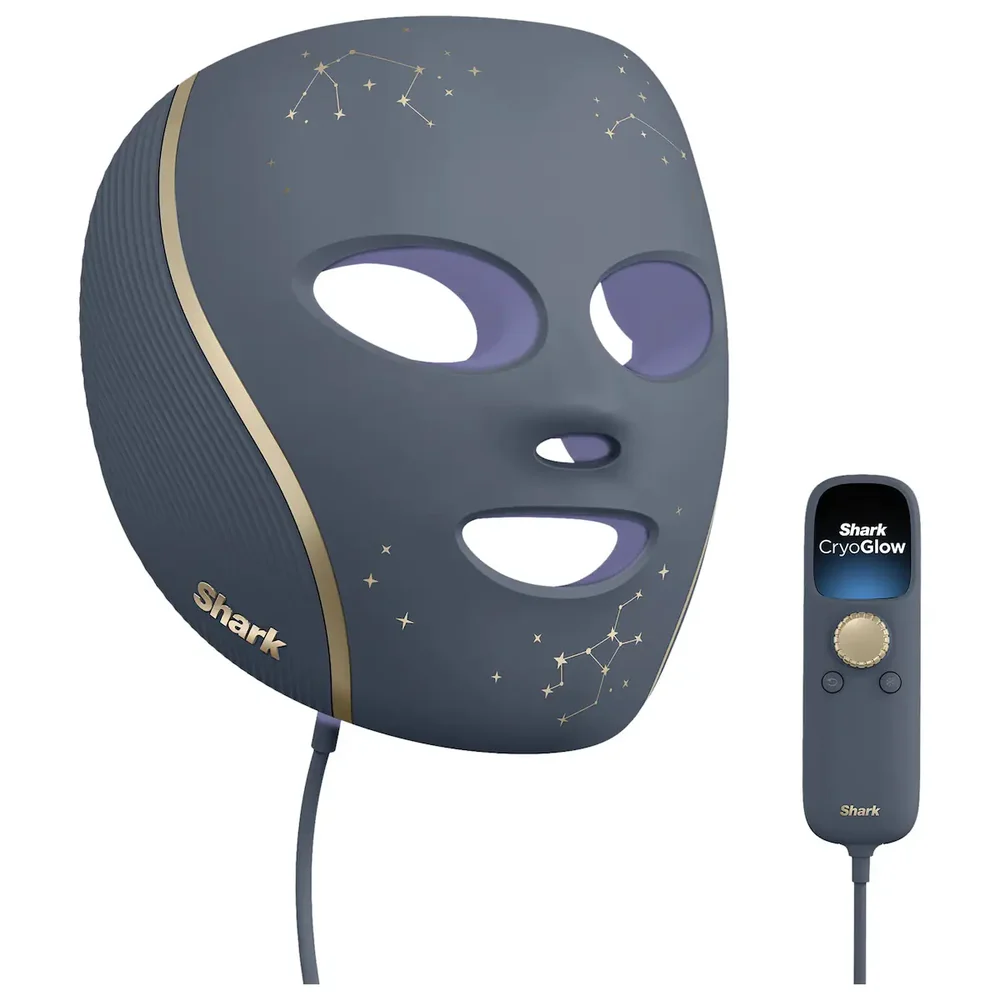
Shark CryoGlow Under-Eye Cooling + LED Anti-Aging Red Light & Skin Clearing Mask
Shark Beauty
$349
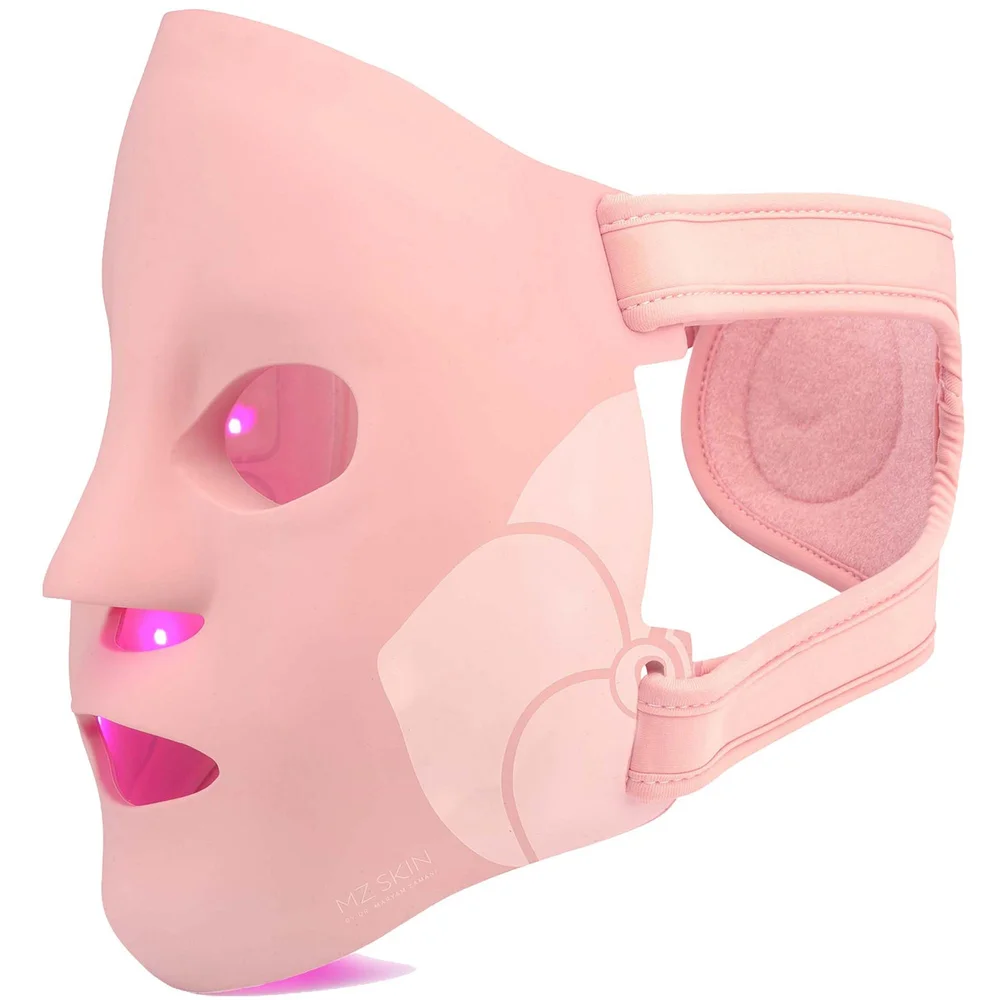
LED 2.0 LightMAX Supercharged LED Mask
MZ Skin
$950
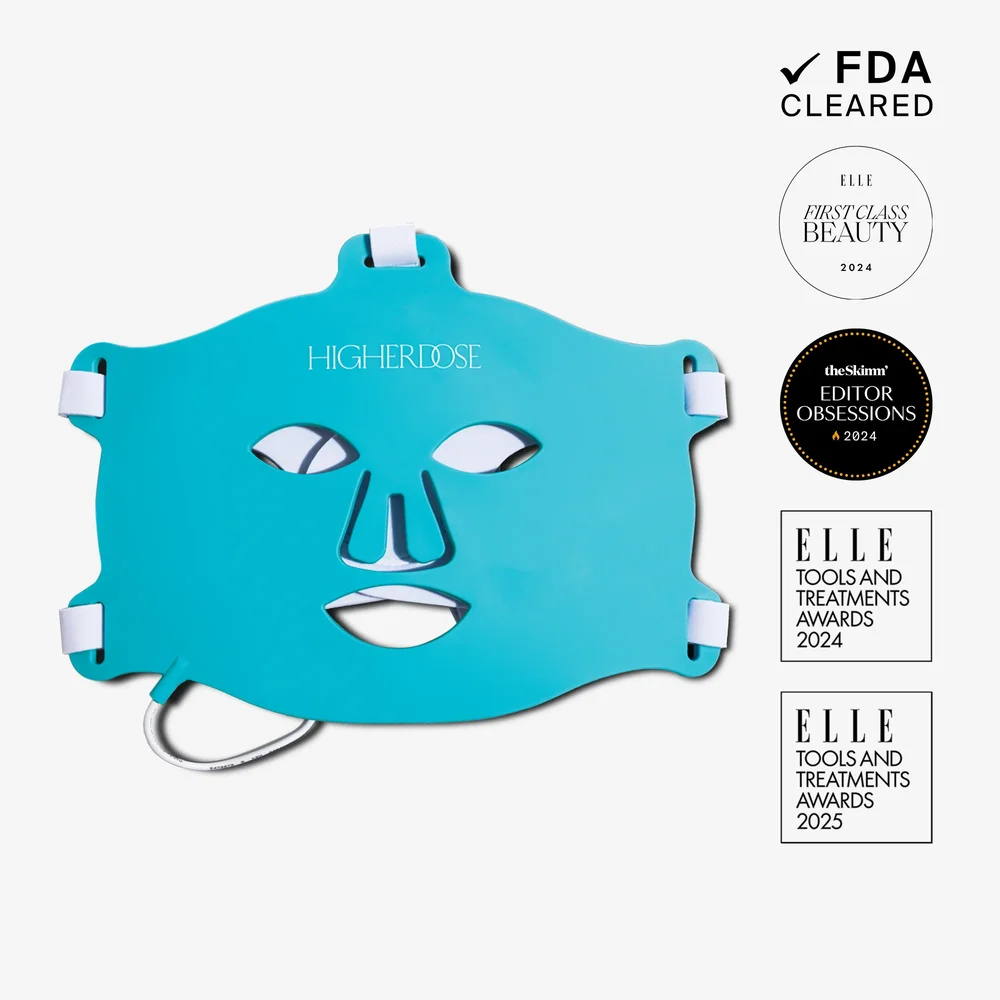
Red Light Face Mask
HigherDOSE
$349
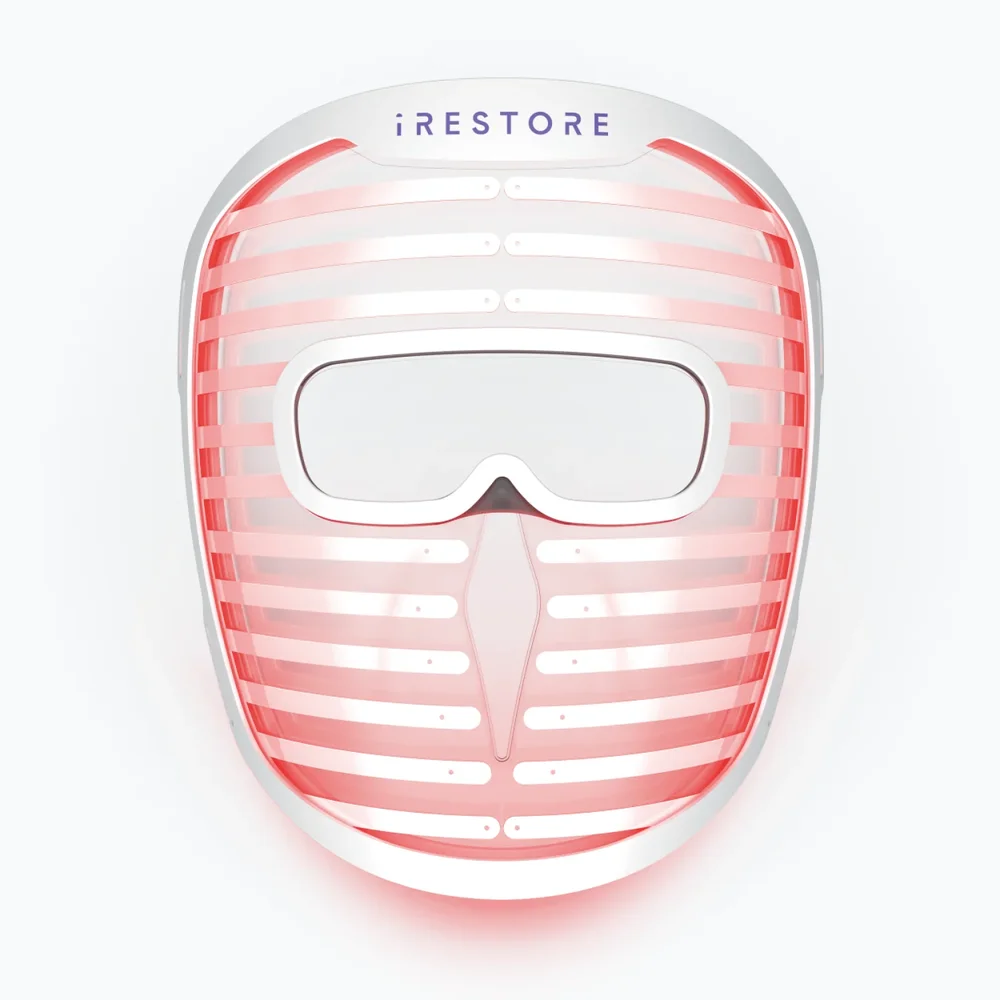
Illumina Face Mask
iRESTORE
$399
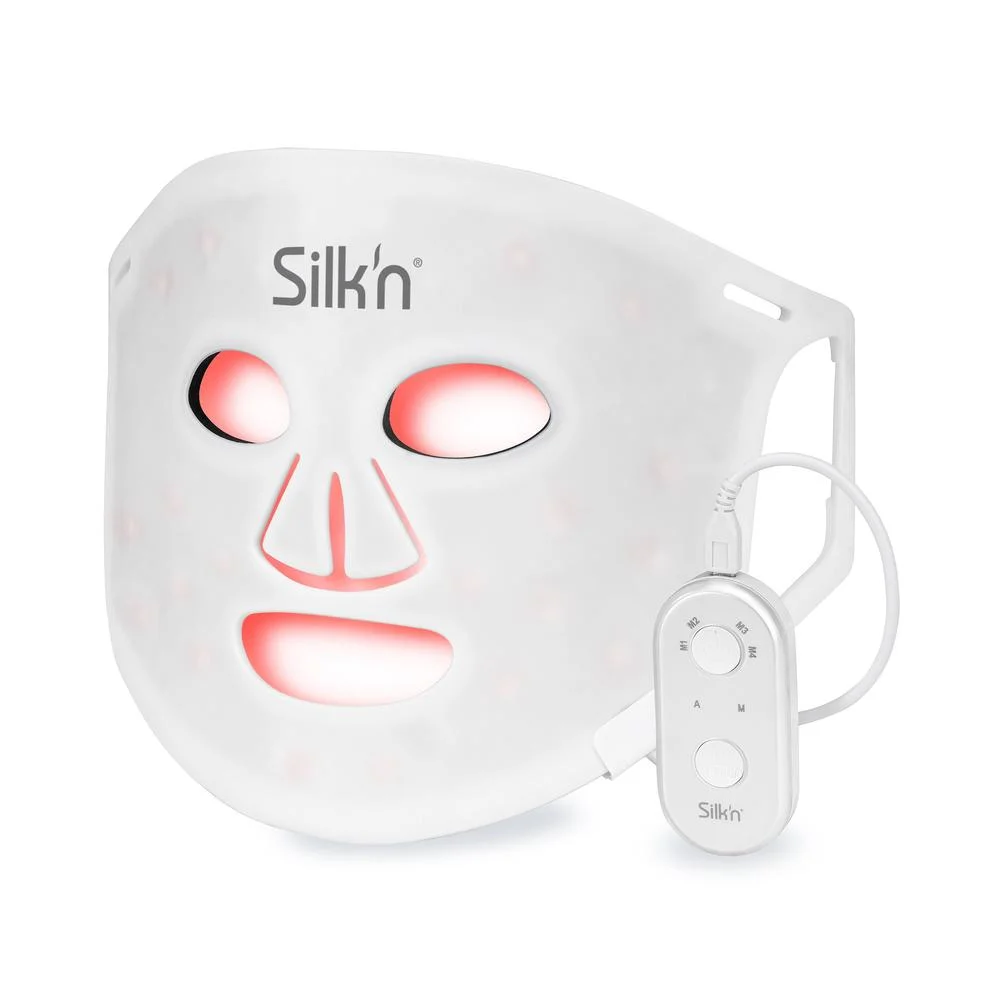
LED Face Mask 100
Silk'n
$254
LED face mask questions, answered
Does FDA clearance mean an LED face mask is proven to work?
No. The AAD says FDA clearance means a device is considered low risk to the public; it does not tell you how effective it is.
How often should I use a facial LED mask?
There is no universal schedule. The AAD says treatment time varies and recommends following the device directions; Omnilux Clear, for example, calls for four 10-minute sessions weekly for six weeks.
Do LED face masks use the same acne schedule?
No. The maker's schedules differ: the Omnilux Clear protocol is four 10-minute sessions a week, while the DRx SpectraLite FaceWare Pro uses a three-minute program. Follow the instructions for the exact device.
Should a blue-light mask replace acne treatment?
I would treat it as an add-on, not a substitute for medical advice. The AAD describes red light as a complementary therapy and recommends dermatologist guidance when deciding whether home light treatment fits your skin and health history.
Choose the routine you can follow
For me, the deciding factor is a clear acne indication and a schedule I can follow, not a promise of faster results. The AAD says at-home red-light studies are difficult to compare, and FDA clearance signals low public risk, not proof that a product works. I would skip a mask with vague directions or a schedule that would make me overuse it; follow the maker's instructions and use the eye protection it calls for. If you have a light-sensitive skin condition or take medication that increases light sensitivity, the AAD recommends speaking with a board-certified dermatologist before trying red-light therapy. These masks make the most sense as a hands-free addition to an acne plan, not a reason to abandon advice from a clinician.






