The best skincare routine for oily skin starts with gentle cleansing, moisturizer and sunscreen, adding one treatment only for a specific concern.

Best Skincare Routine for Oily Skin: Simple Steps With One Active
Fewer steps, better ones
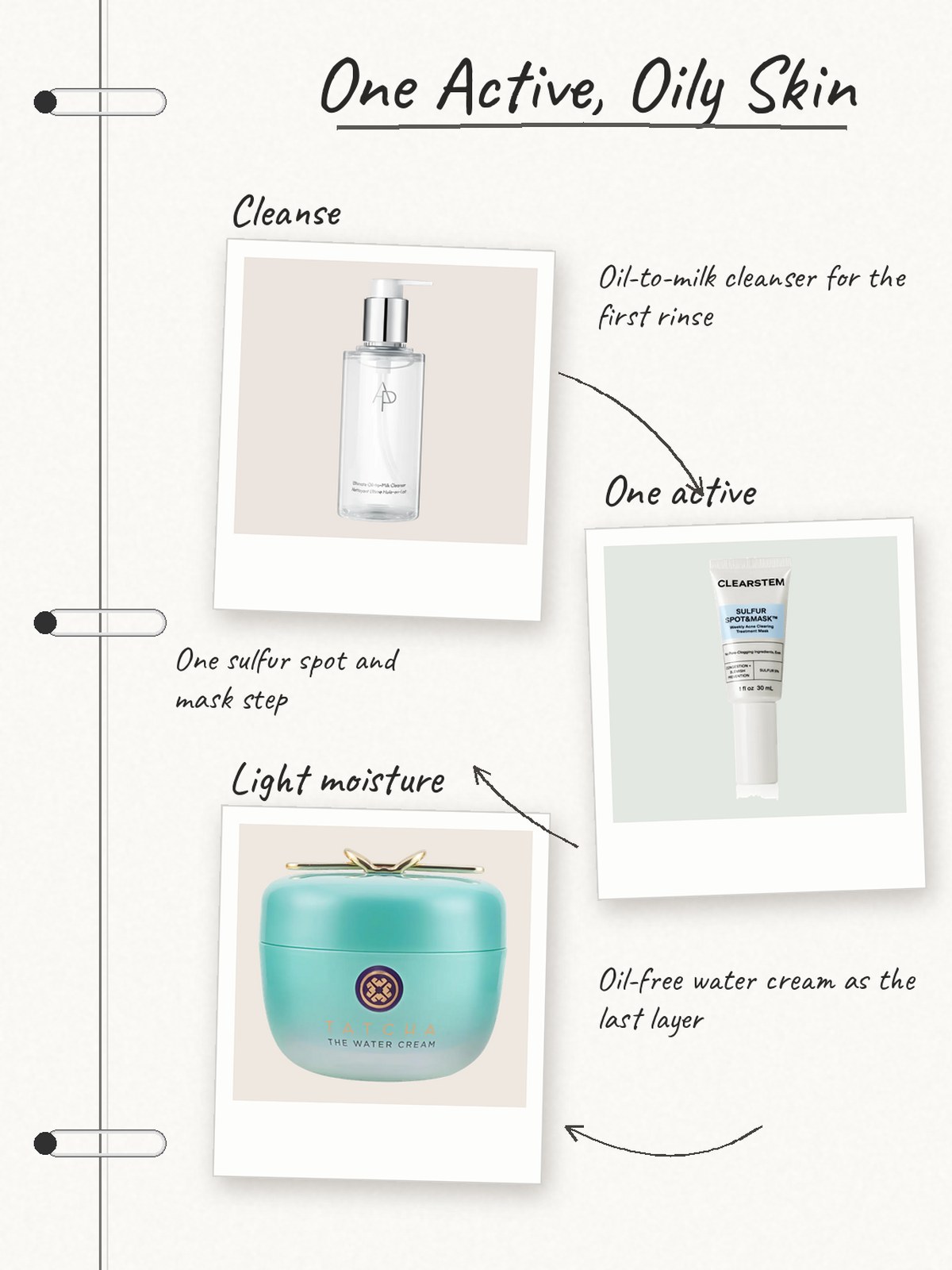
The best skincare routine for oily skin is a gentle cleanser, an oil-free, non-comedogenic moisturizer and daytime sunscreen; add a treatment only for a specific concern. I would not try to scrub the shine away: the American Academy of Dermatology recommends a gentle face wash, cleansing up to twice daily and after sweating, because harsh washing and scrubbing can irritate skin.
Moisturizer stays. Oily skin still needs it, and oil-free or non-comedogenic labels can help you avoid pore-clogging formulas. Salicylic acid is one possible treatment for congestion, but acids can be too harsh for some skin, so use less or stop if irritation shows up.
If face wash is the step you are still troubleshooting, The Best Face Wash for Oily Skin Does Not Strip It keeps the cleansing question in focus.
And if you are wondering whether toner earns a spot, The Best Toner for Oily Skin is a useful counterpoint; I would not add it just to complete a longer routine.
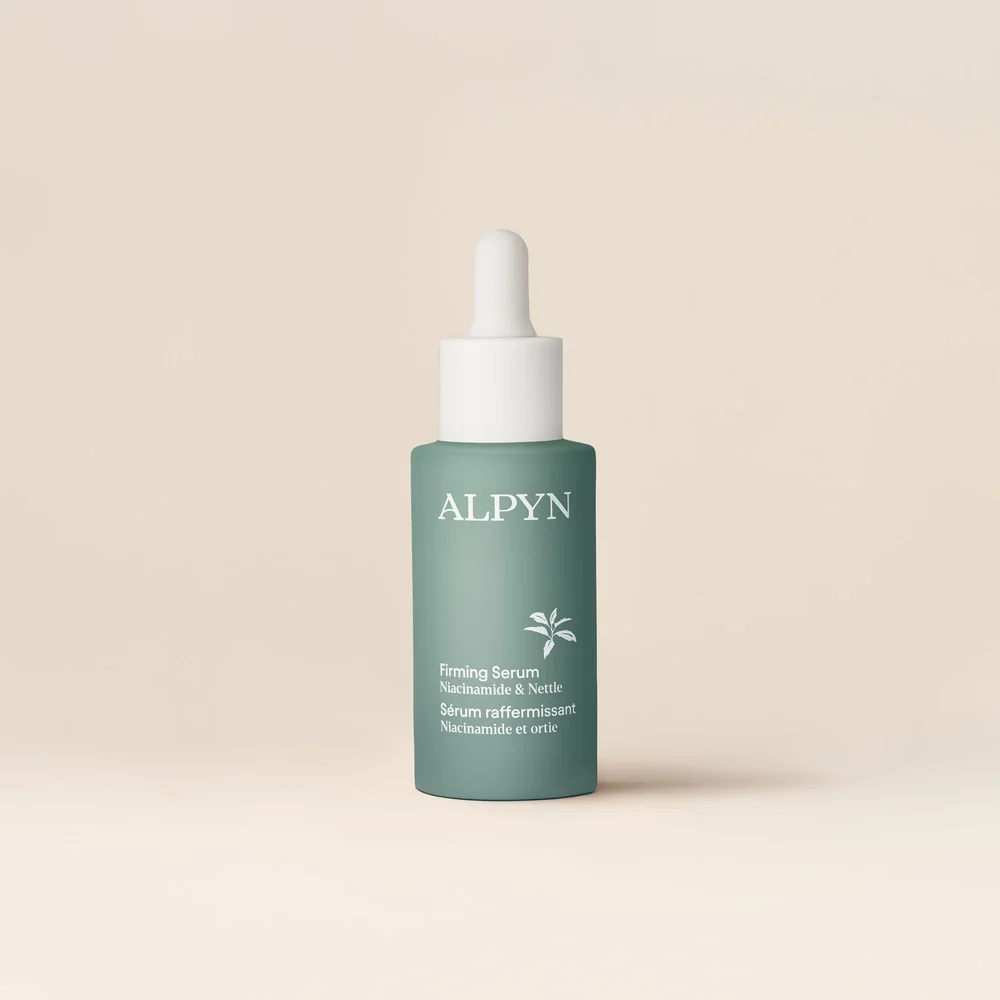
Hydrating Firming Serum
ALPYN Beauty
$58
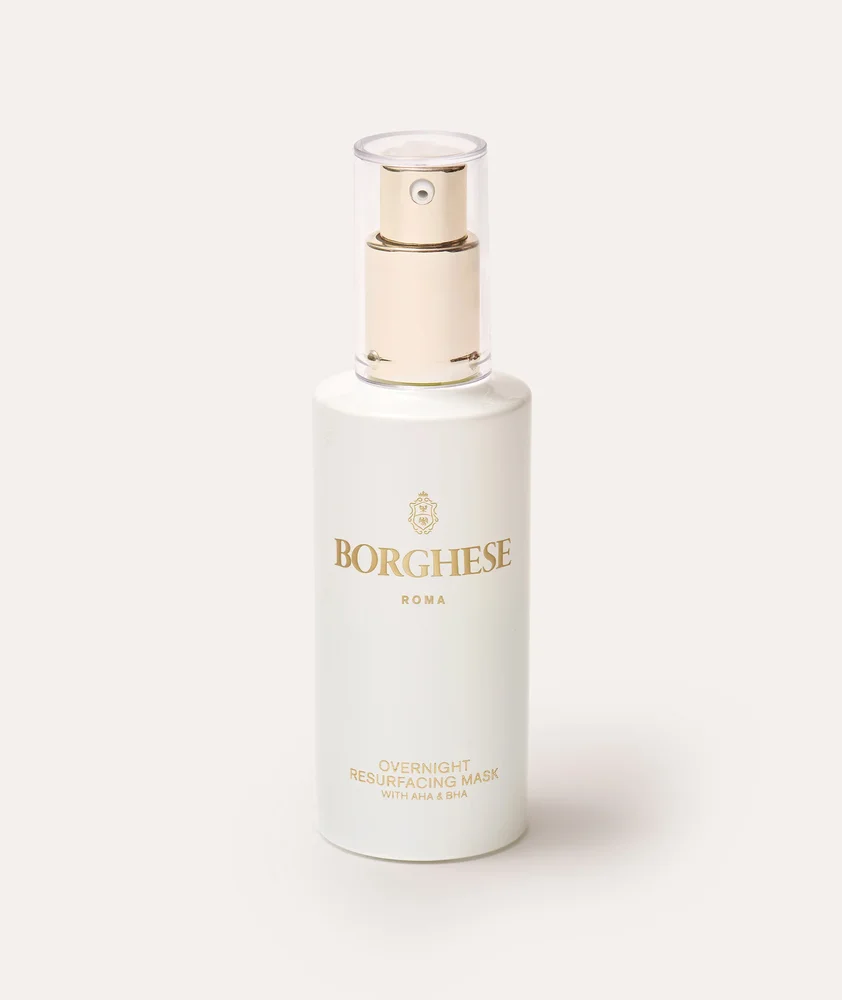
Overnight Resurfacing Mask with AHA & BHA
Borghese
$73
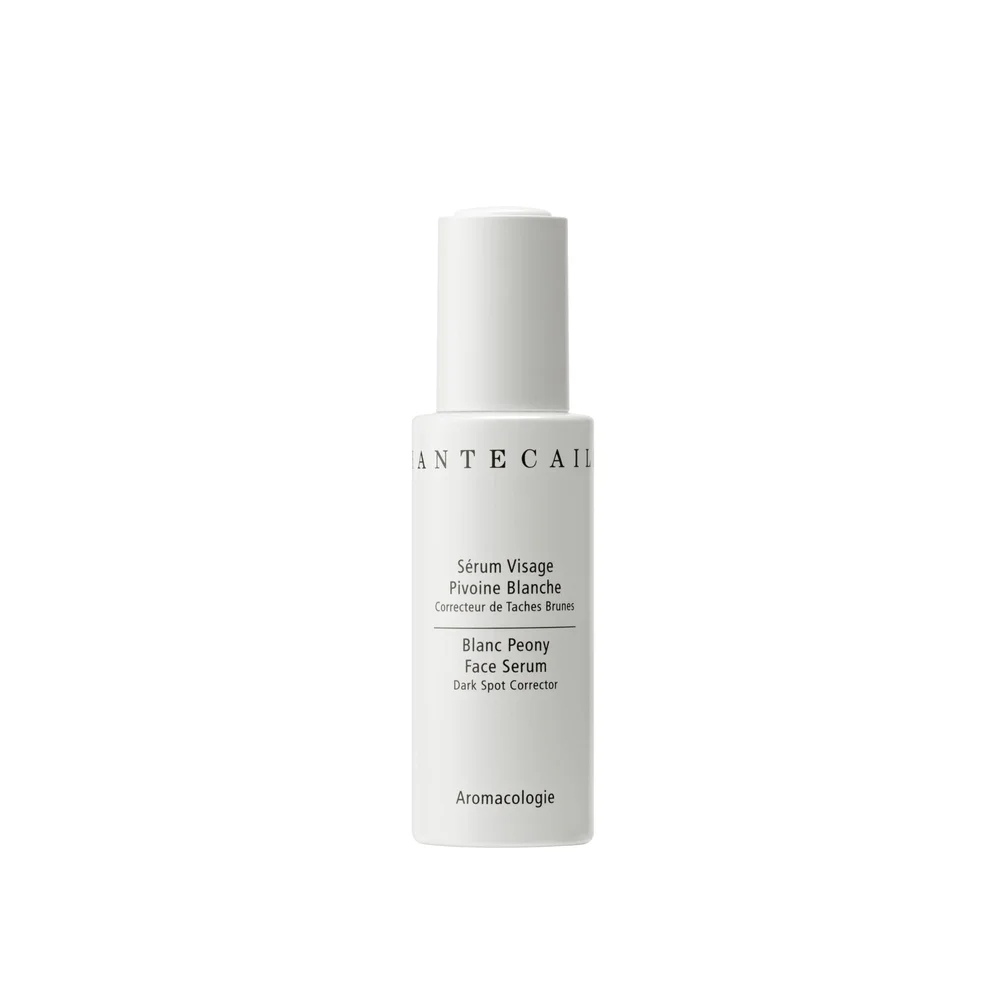
Blanc Peony Face Serum
Chantecaille
$325
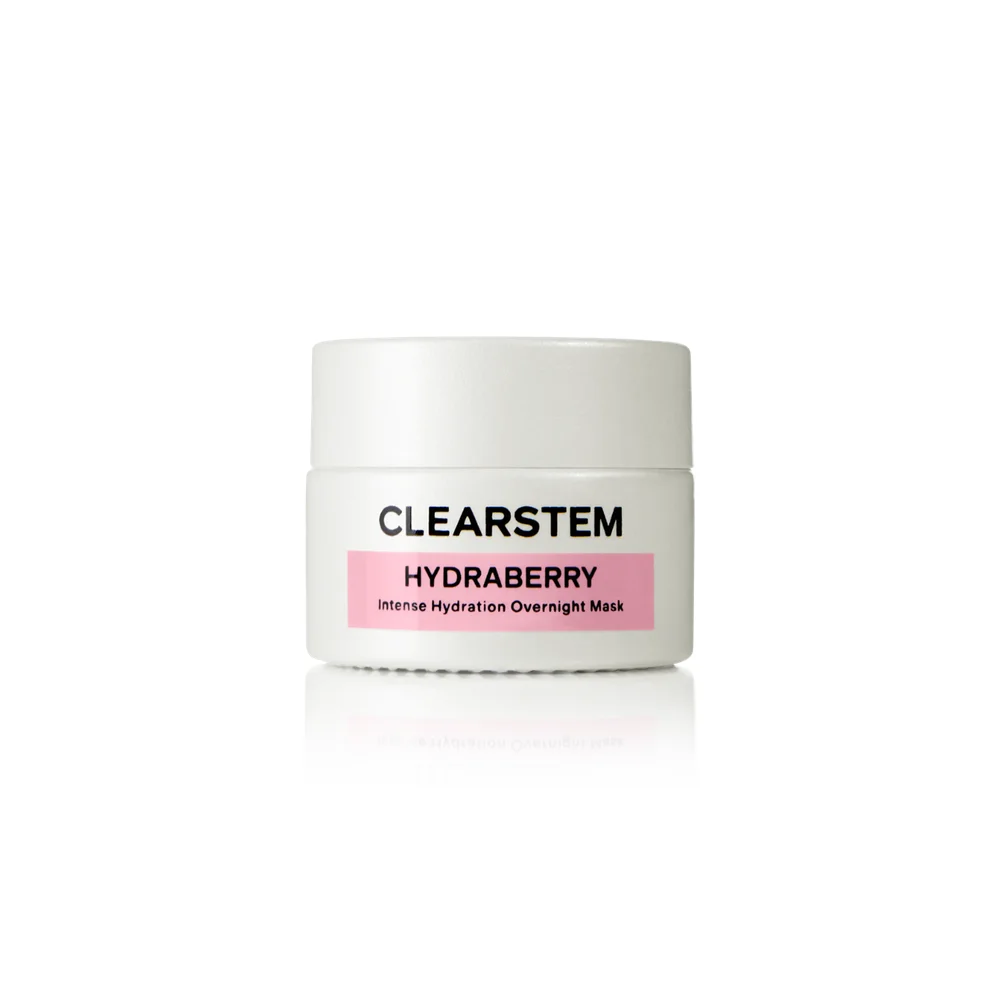
Mini HYDRABERRY Travel-Size Moisture Mask
CLEARSTEM
$18
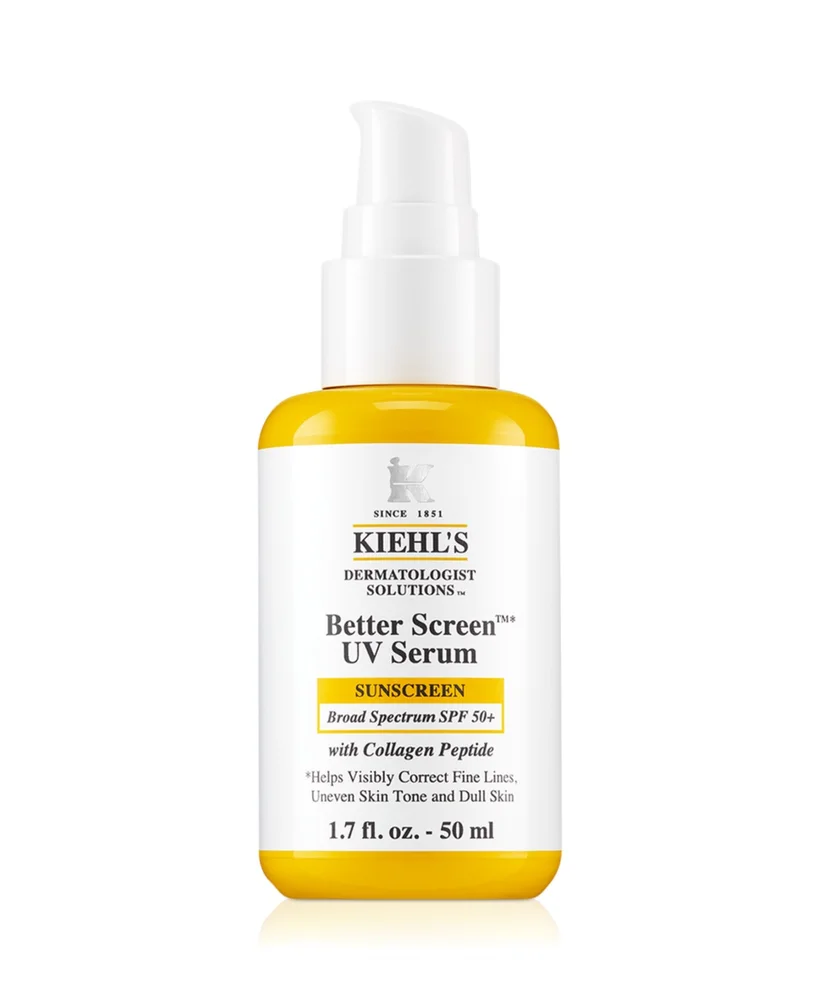
Better Screen UV Serum
Kiehl's
$45
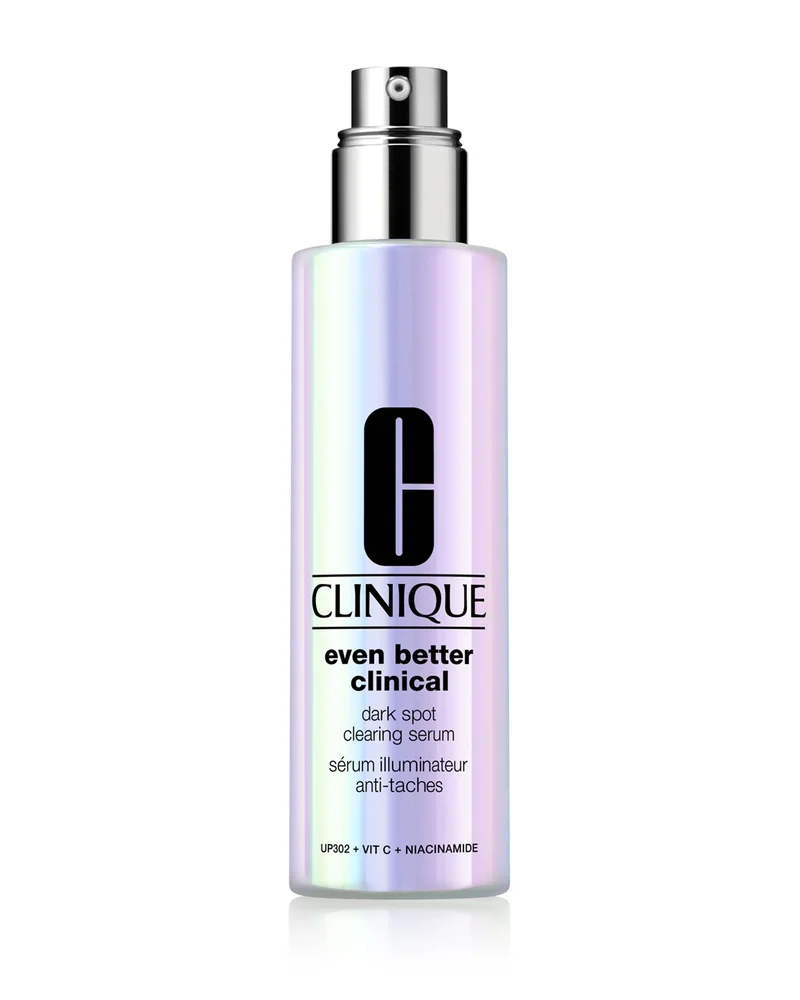
Even Better Clinical Dark Spot Clearing Serum with Vitamin C
Clinique
$65
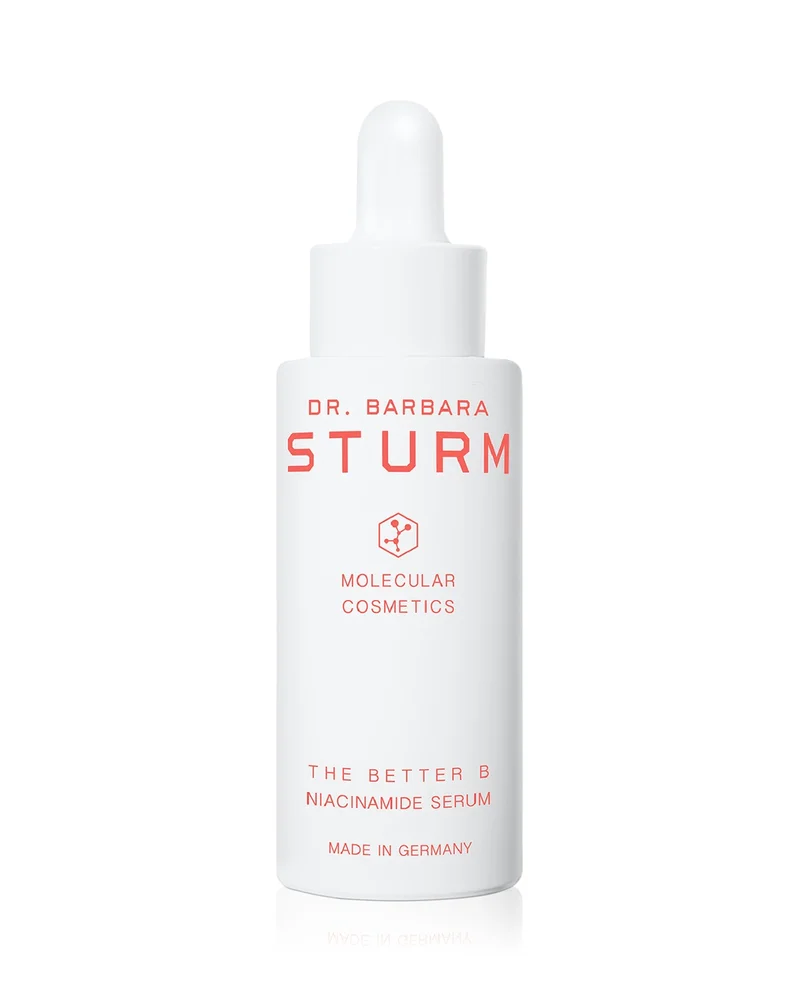
The Better B Niacinamide Serum Lightweight Brightening & Pore-Refining Serum that Reduces Hyperpigmentation & Boosts Radiance
Dr. Barbara Sturm
$160
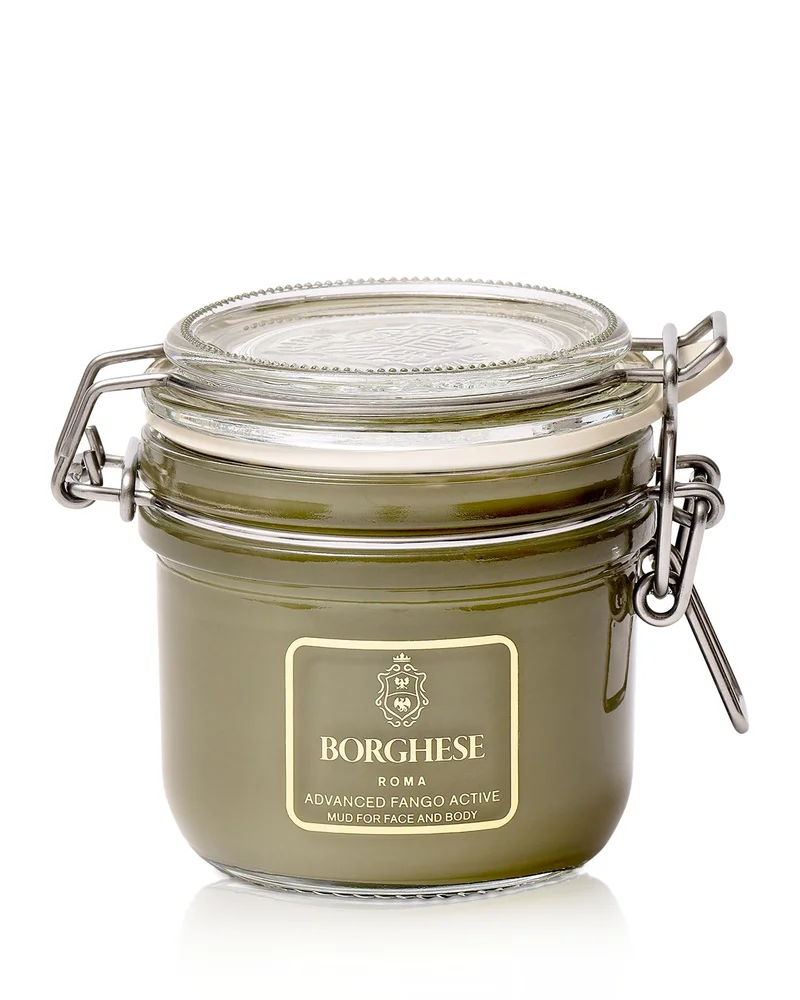
Advanced Fango Active Mud Mask
Borghese
$58
Do not skip the moisturiser
Dehydrated oily skin behaves worse than balanced oily skin, and it is the single most common mistake in the category. A gel moisturiser adds water without adding weight. Every option below is light enough to keep on all day. Dehydrated oily skin is the most misdiagnosed condition in the category, and the symptoms look identical to needing something stronger. It usually needs something gentler.
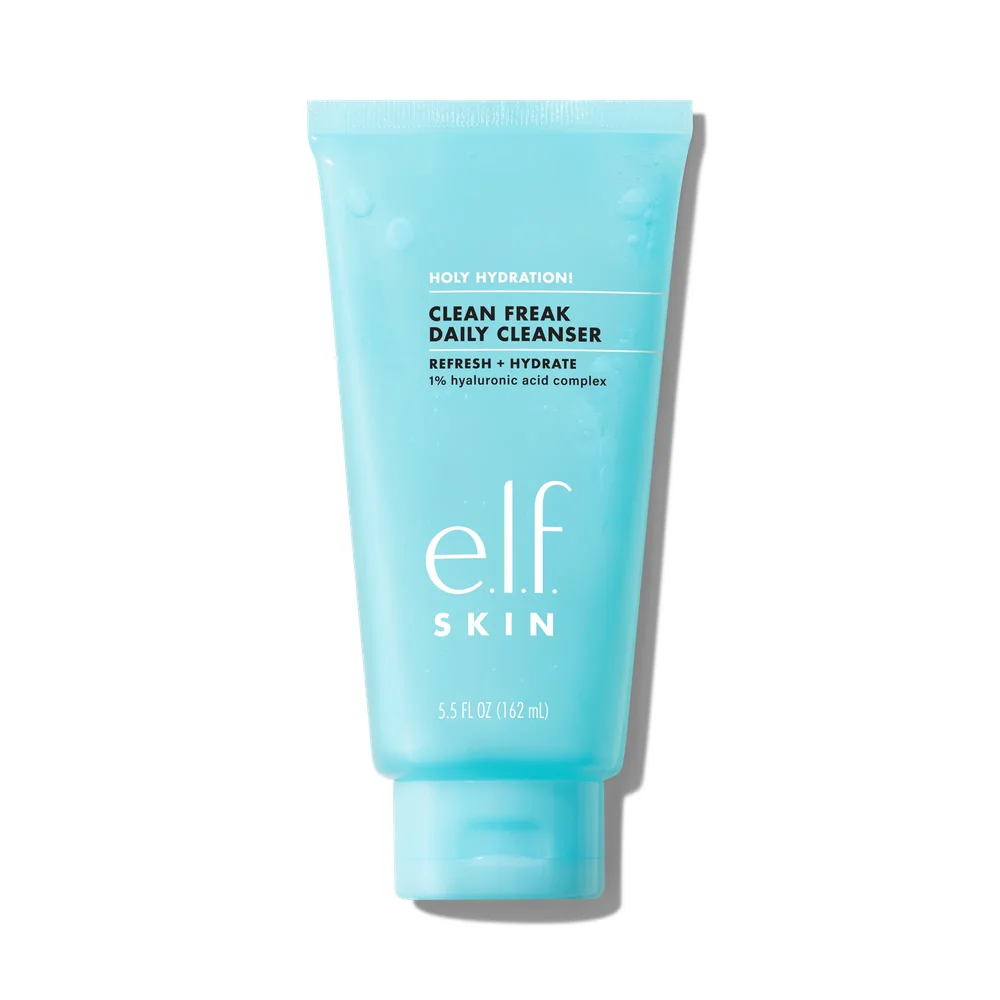
Holy Hydration! Clean Freak Daily Cleanser
e.l.f. Cosmetics
$11
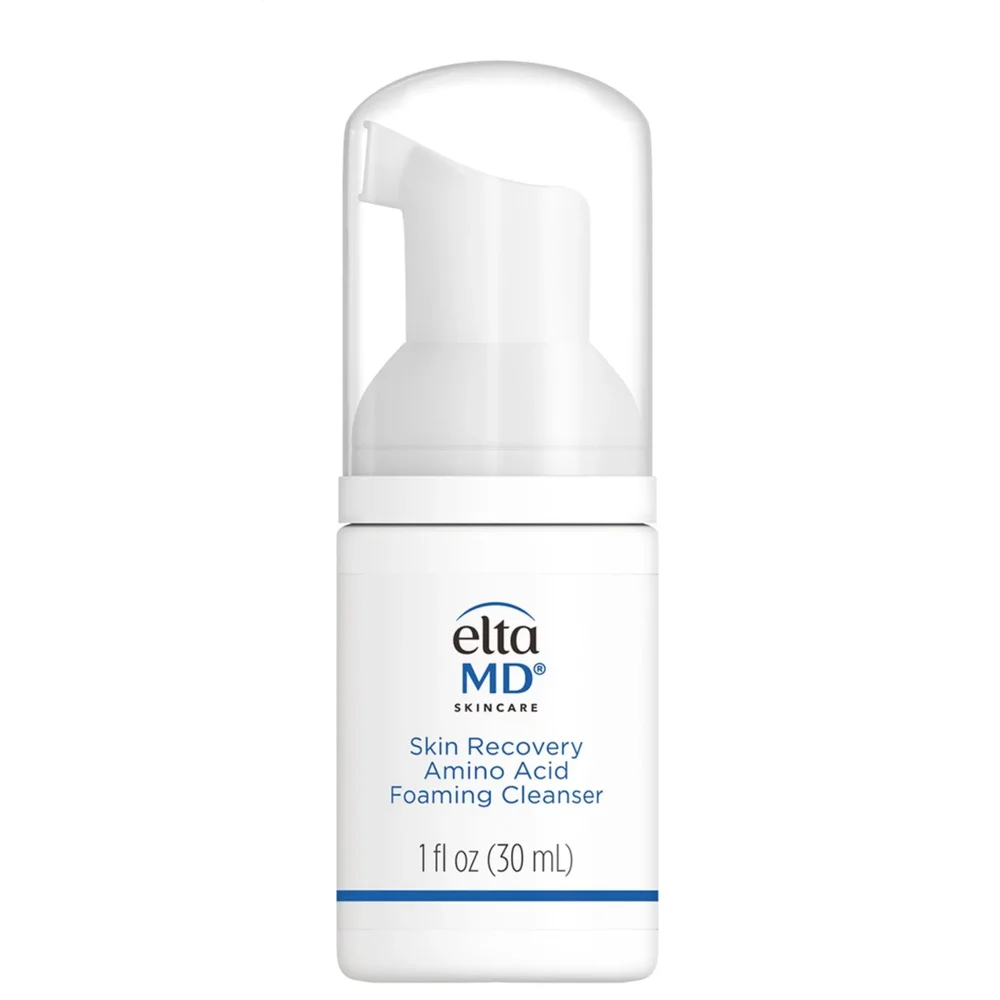
Deluxe Mini Skin Recovery Amino Acid Foaming Cleanser
Elta MD
$15
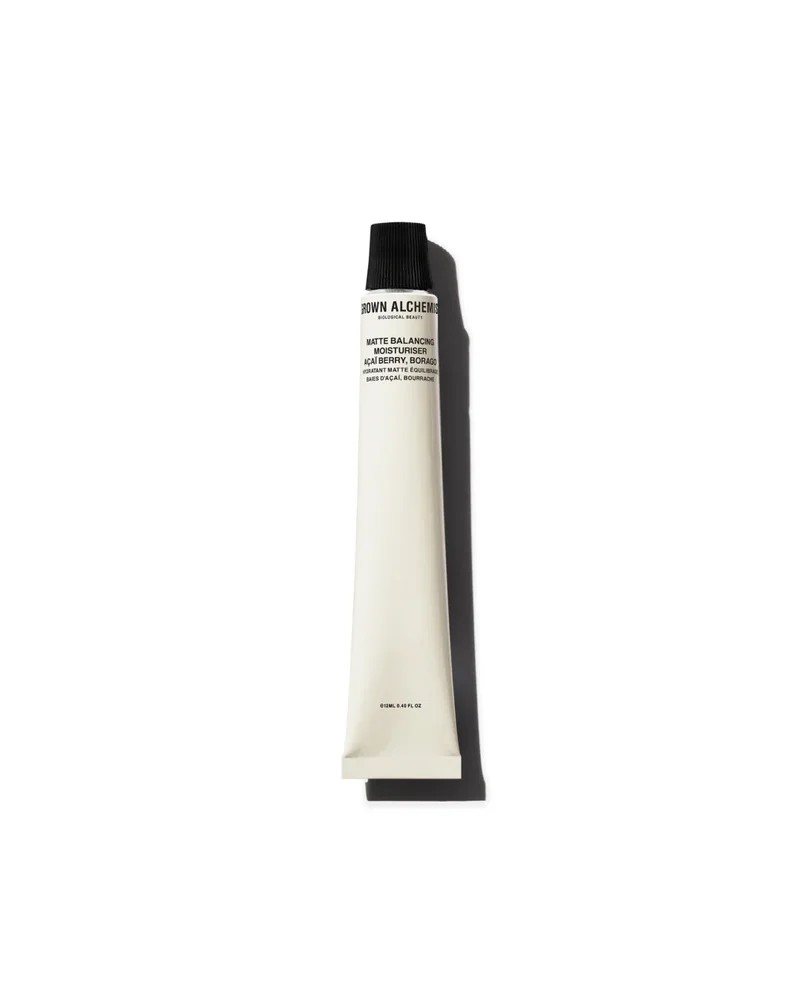
Matte Balancing Moisturizer - 12ml
Grown Alchemist
$16
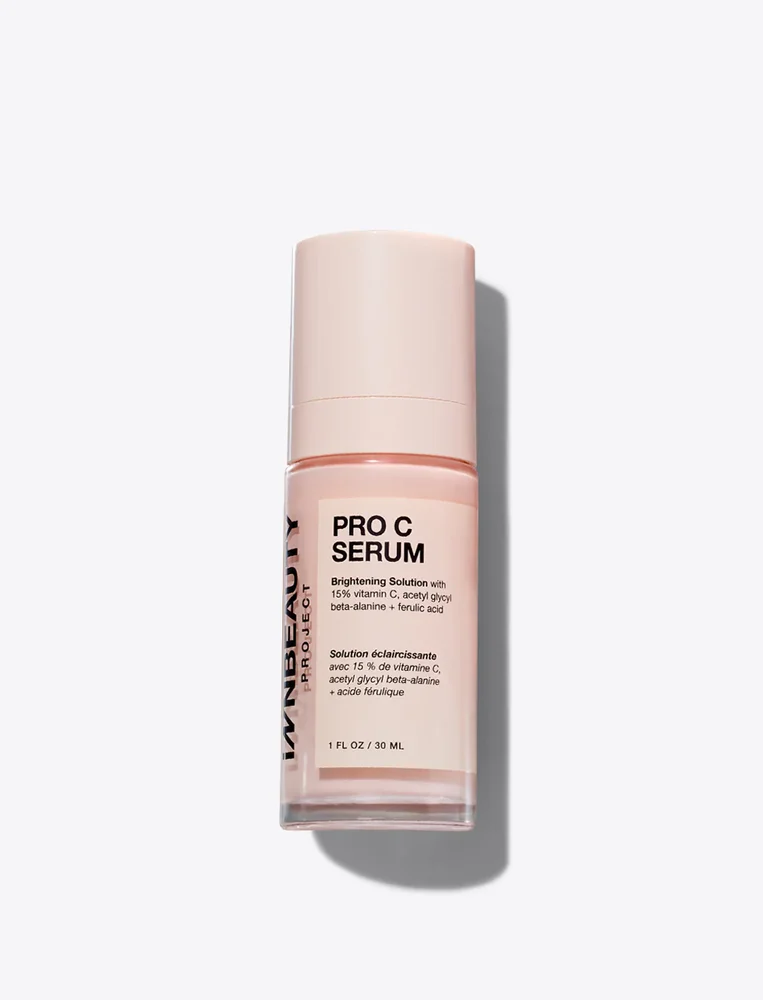
Pro C Serum
INNBEAUTY PROJECT
$64
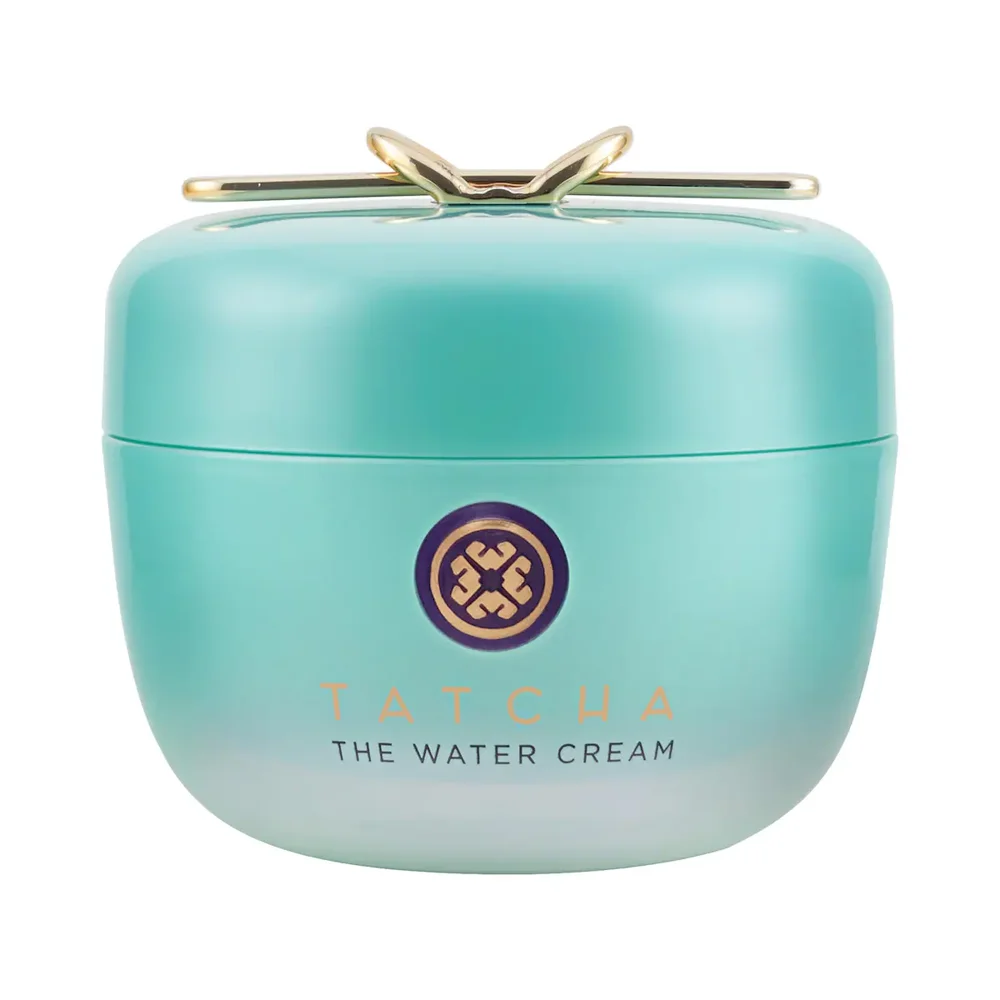
The Water Cream Oil-Free Pore Minimizing Refillable Moisturizer
Tatcha
$74
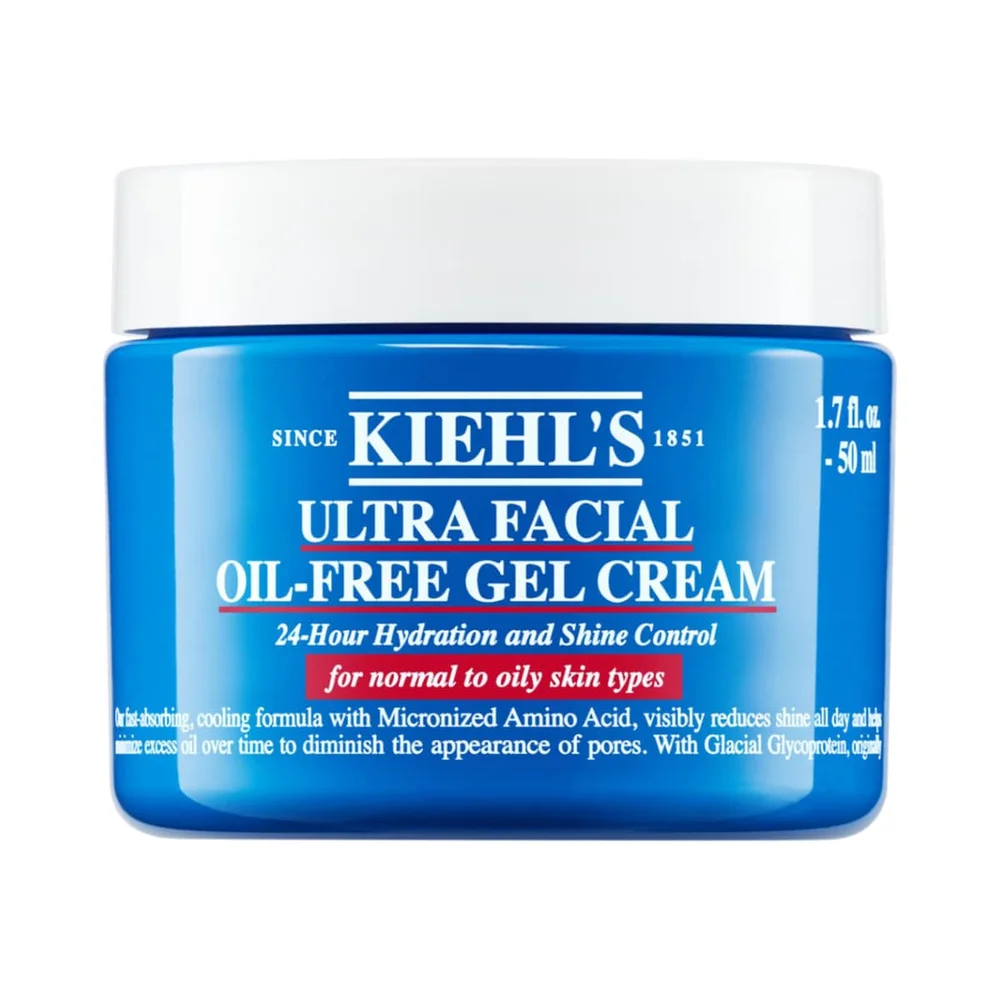
Ultra Facial Oil-Free Pore Minimizing Hydrating Refillable Gel Cream
Kiehl's Since 1851
$39
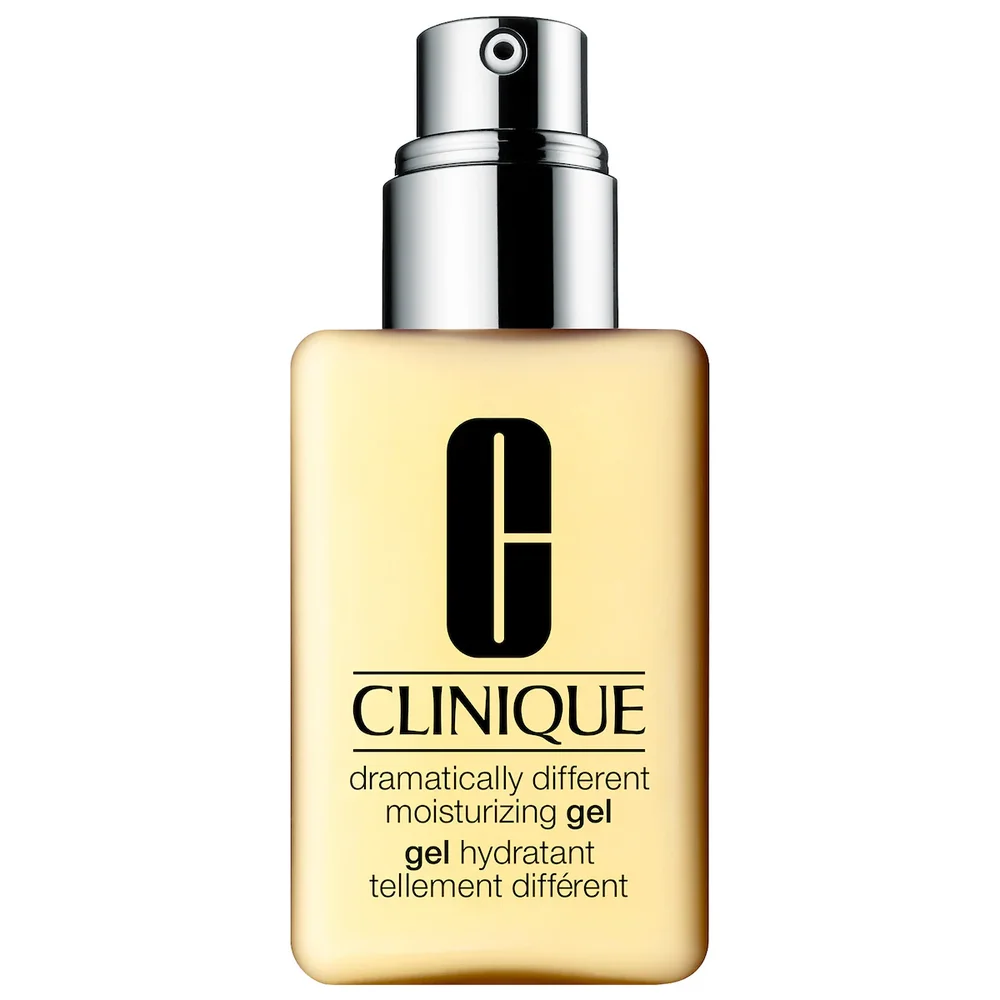
Dramatically Different™ Moisturizing Gel for Skin Barrier Repair
Clinique
$34
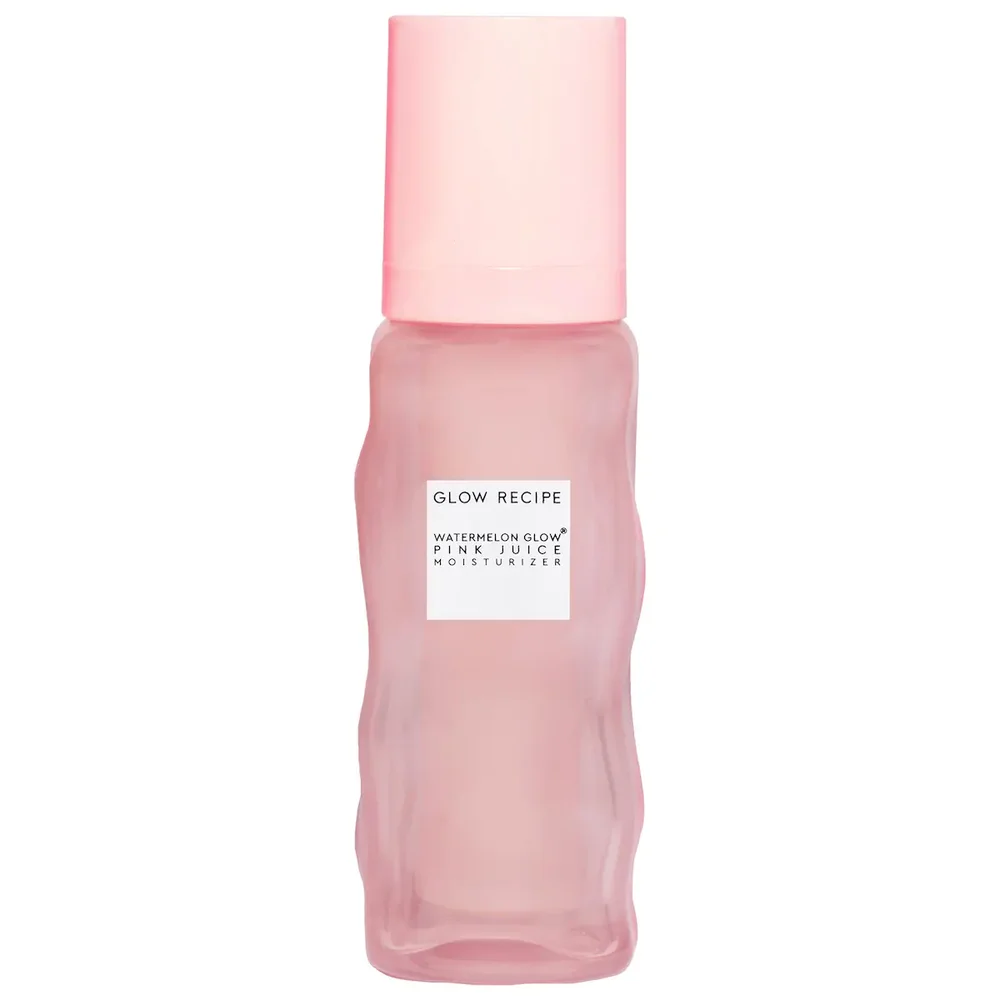
Watermelon Pink Juice Refillable Oil-Free Face Moisturizer
Glow Recipe
$40
The oil is not the problem
Sebum production is largely genetic and hormonal, which means no topical routine will switch it off and anything promising to will simply strip the skin. What a good routine can do is manage the consequences, which are congestion, shine and the texture that comes with both. The strategy that works is a gentle wash, one active, adequate hydration and daily sunscreen, held for months rather than weeks. Oily skin also tends to line more slowly, which is worth remembering when the marketing suggests otherwise. Managing rather than eliminating is the whole approach.
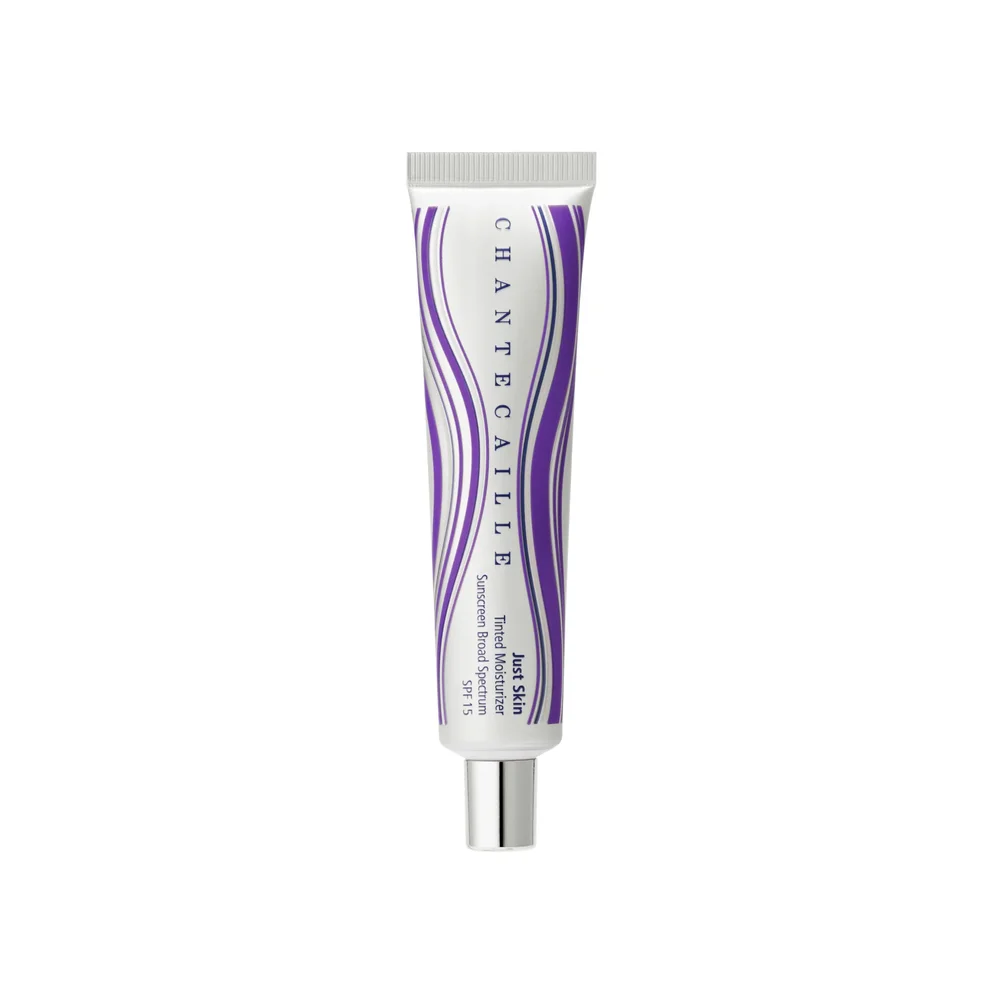
Just Skin Tinted Moisturizer Sunscreen Broad Spectrum SPF 15
Chantecaille
$72
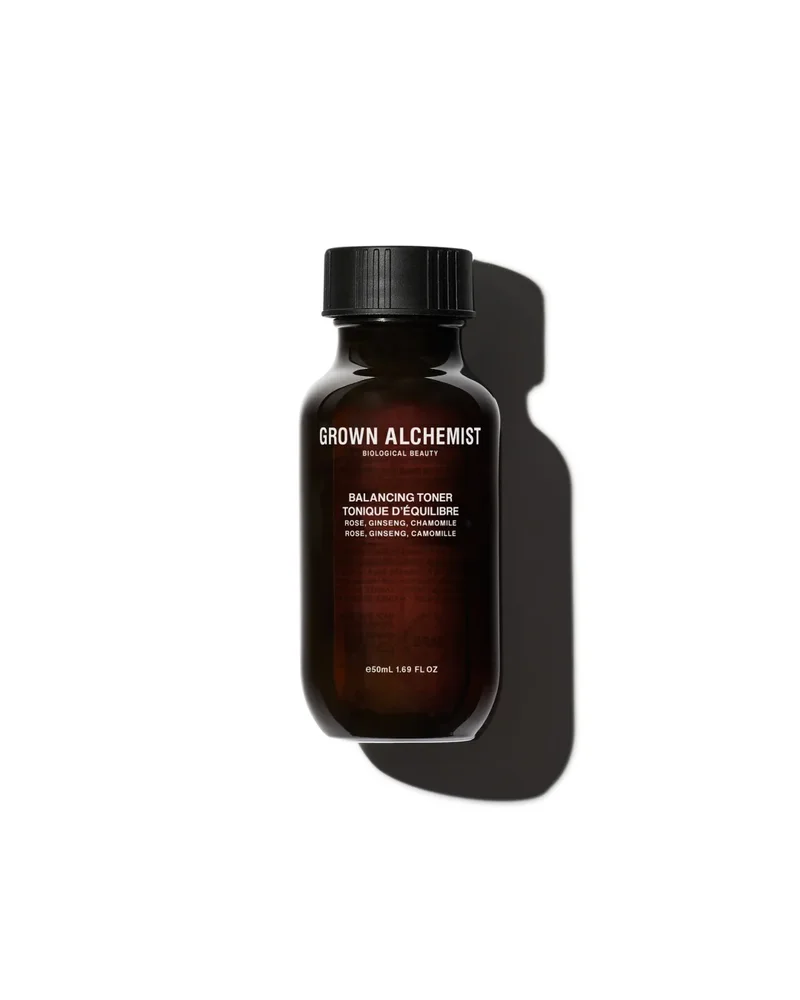
Balancing Toner - 50ml
Grown Alchemist
$11
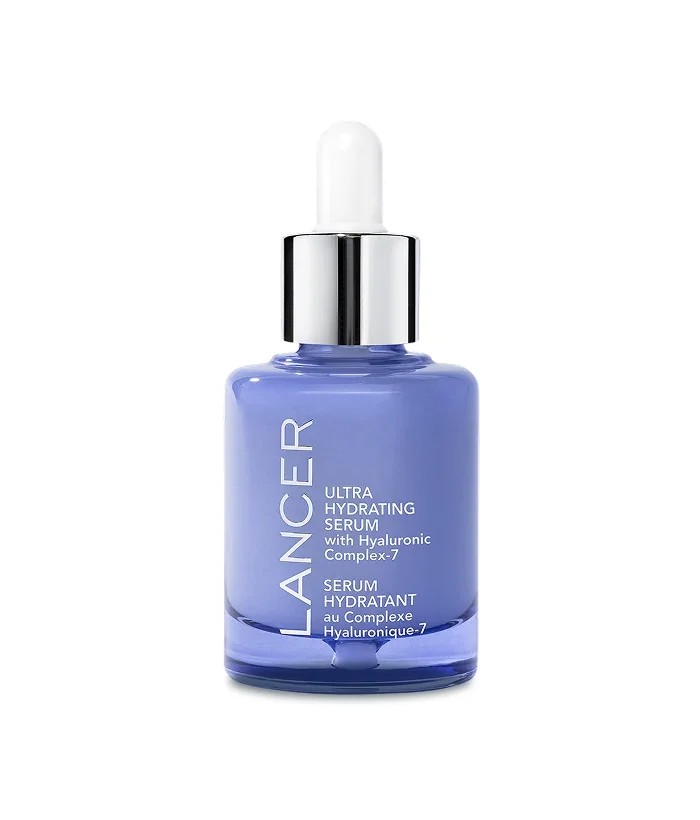
Ultra Hydrating Serum
Lancer
$95
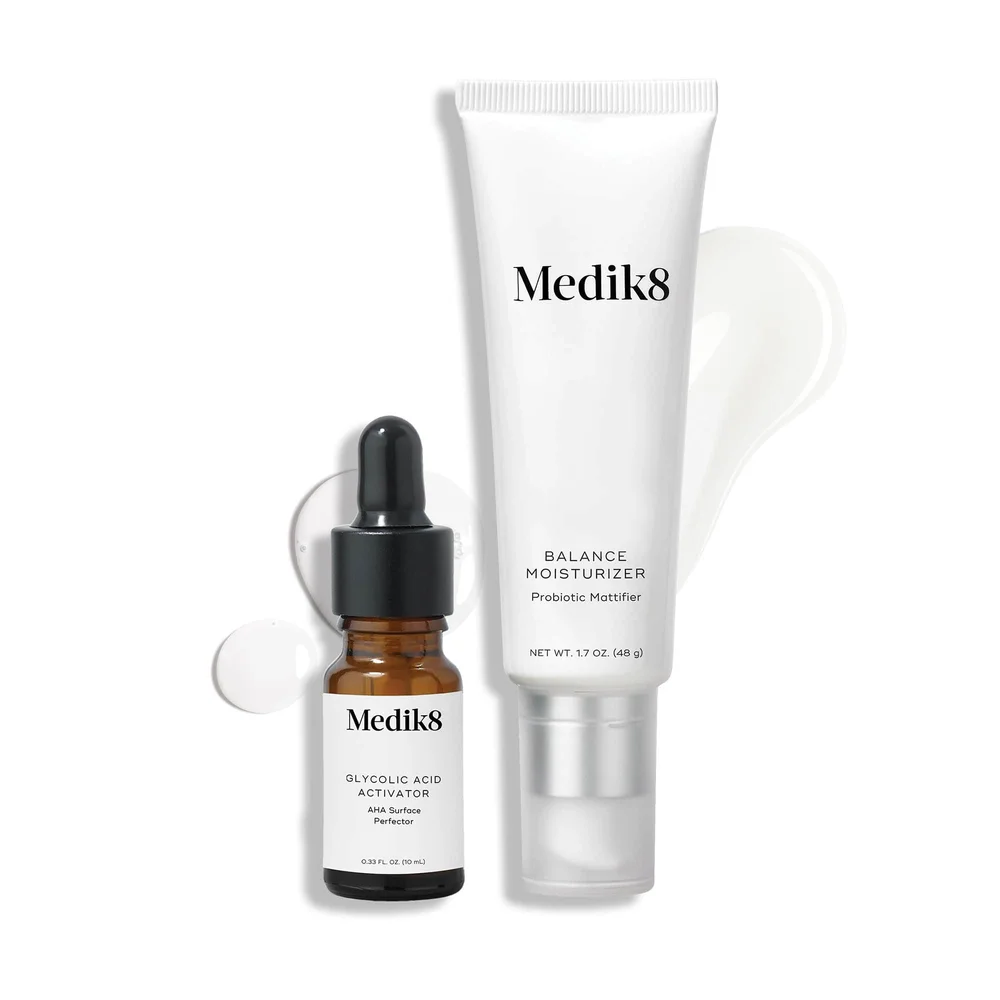
Balance Moisturizer & Glycolic Acid Activator
Medik8
$62
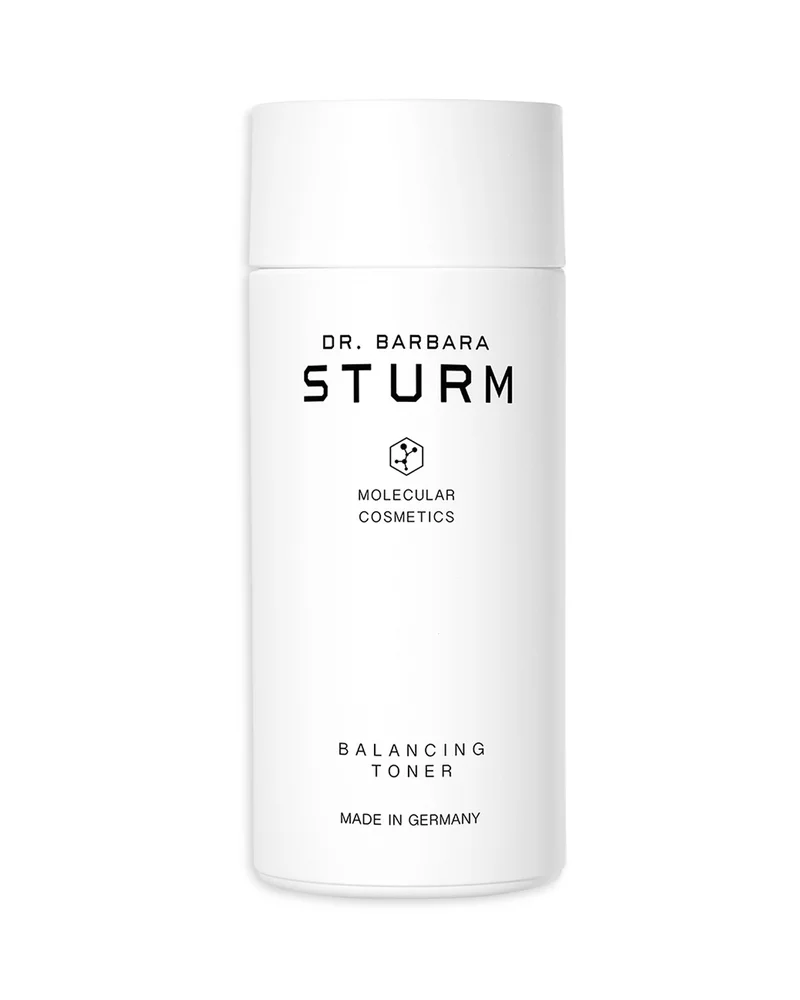
Balancing Toner for Pores, Oil Control & Skin Hydration
Dr. Barbara Sturm
$80
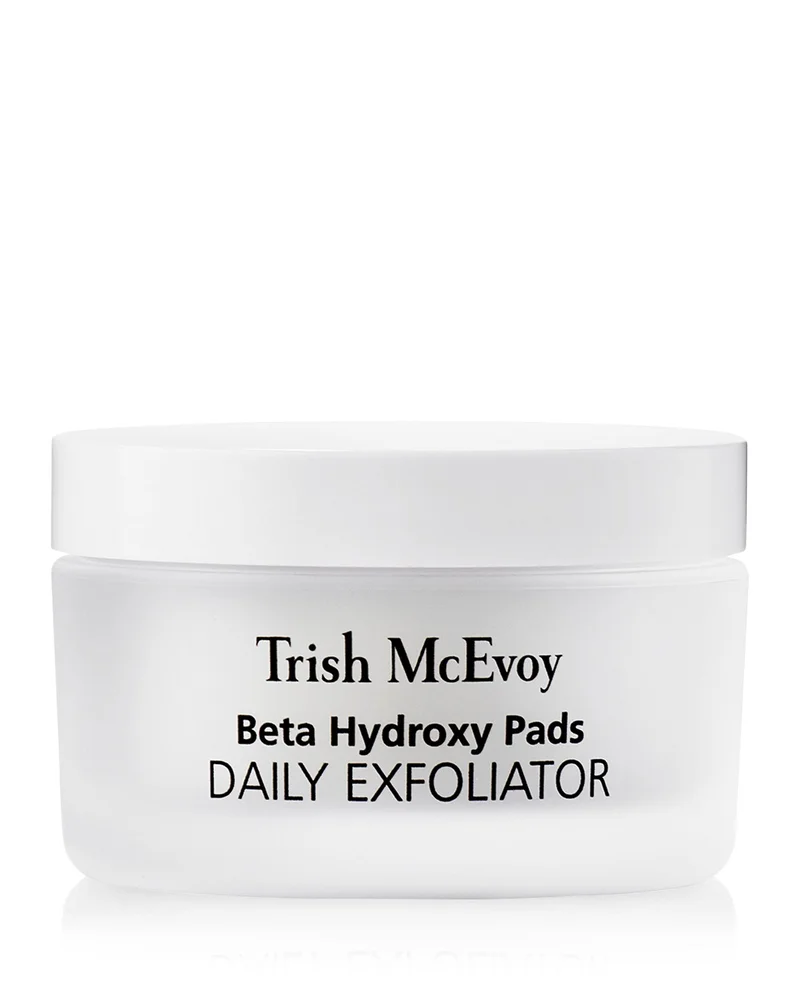
Even Skin Beta Hydroxy Pads Daily Exfoliator
Trish McEvoy
$80
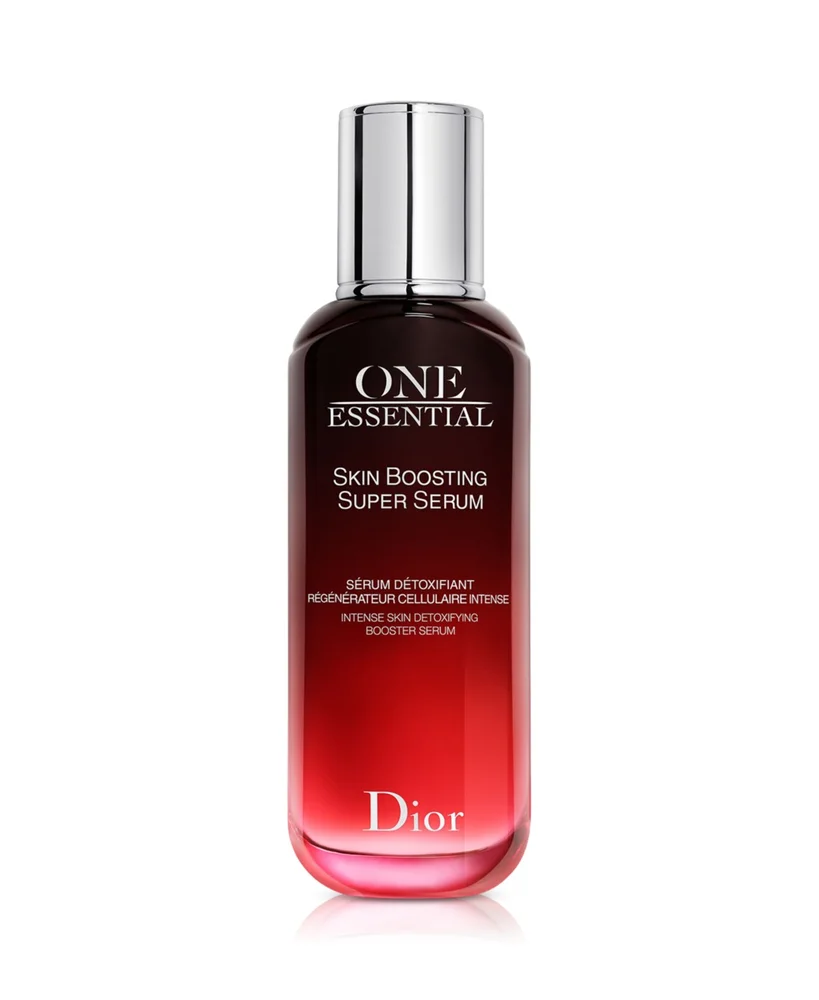
One Essential Skin Boosting Super Serum
Dior
$115
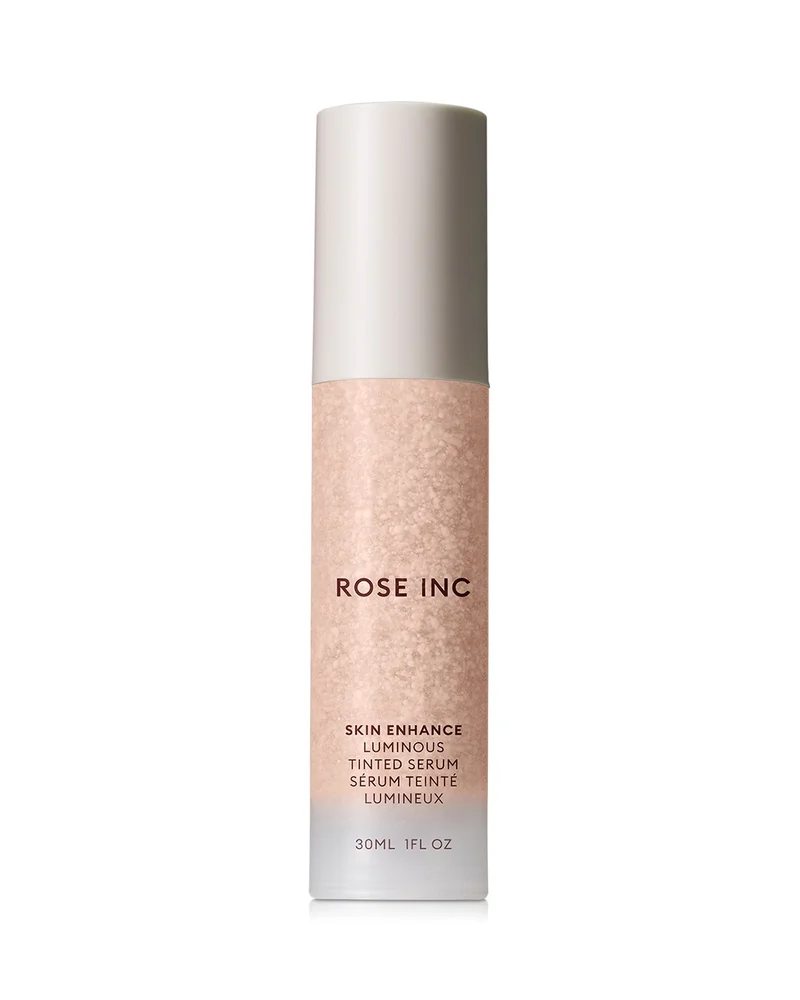
Skin Enhance Luminous Tinted Serum
Rose Inc
$49
Skincare Products for Oily Skin: What to Use
Salicylic acid gets into the pore because it is oil soluble, which is why it outperforms glycolic acid for congestion on this skin type. Niacinamide moderates sebum over time and is unusually well tolerated alongside almost everything else. Retinoids do the structural work but need introducing slowly, or the barrier reacts and produces more oil in response. Clay masks and blotting are cosmetic rather than corrective, useful on the day and irrelevant to the month. Pick one active and give it a season before adding a second.
To go with an oily skin routine, I picked a shiny face moisturizer for each finish, from oil control to glow.
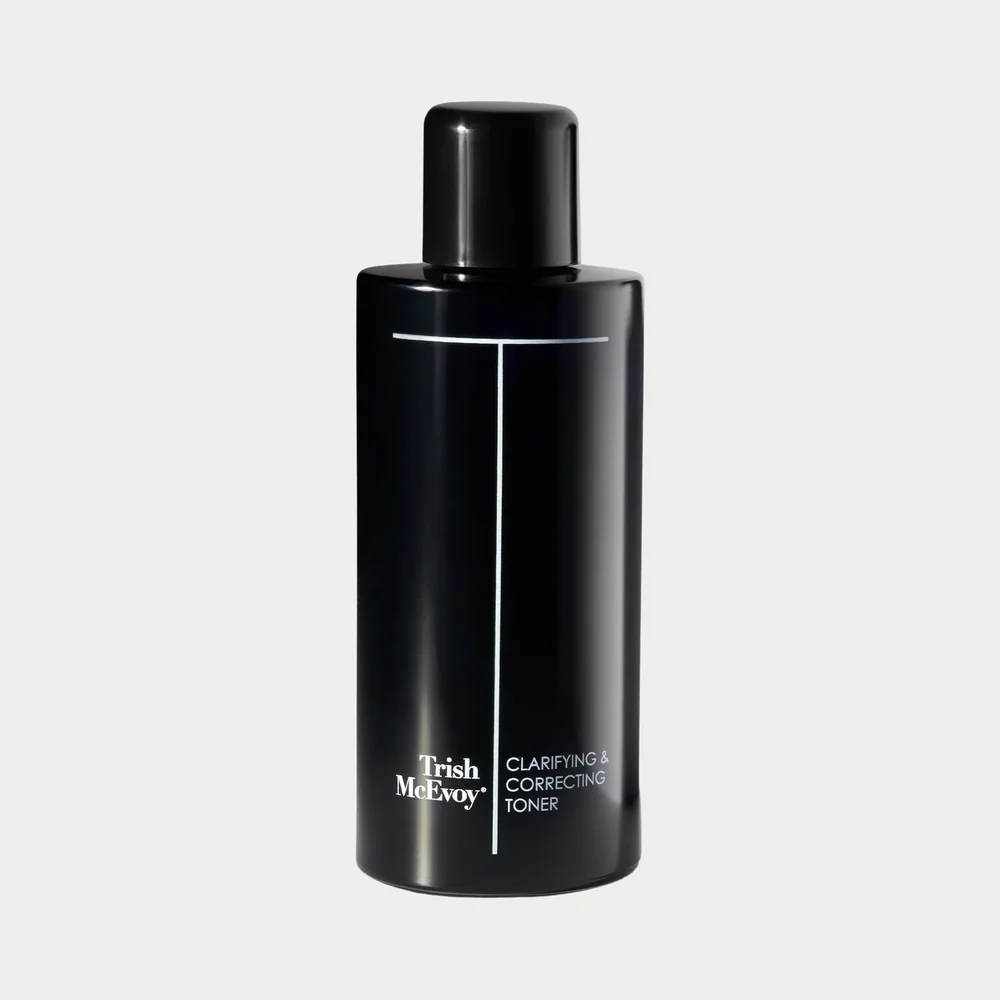
Even Skin® Clarifying & Correcting Toner
Trish McEvoy
$48
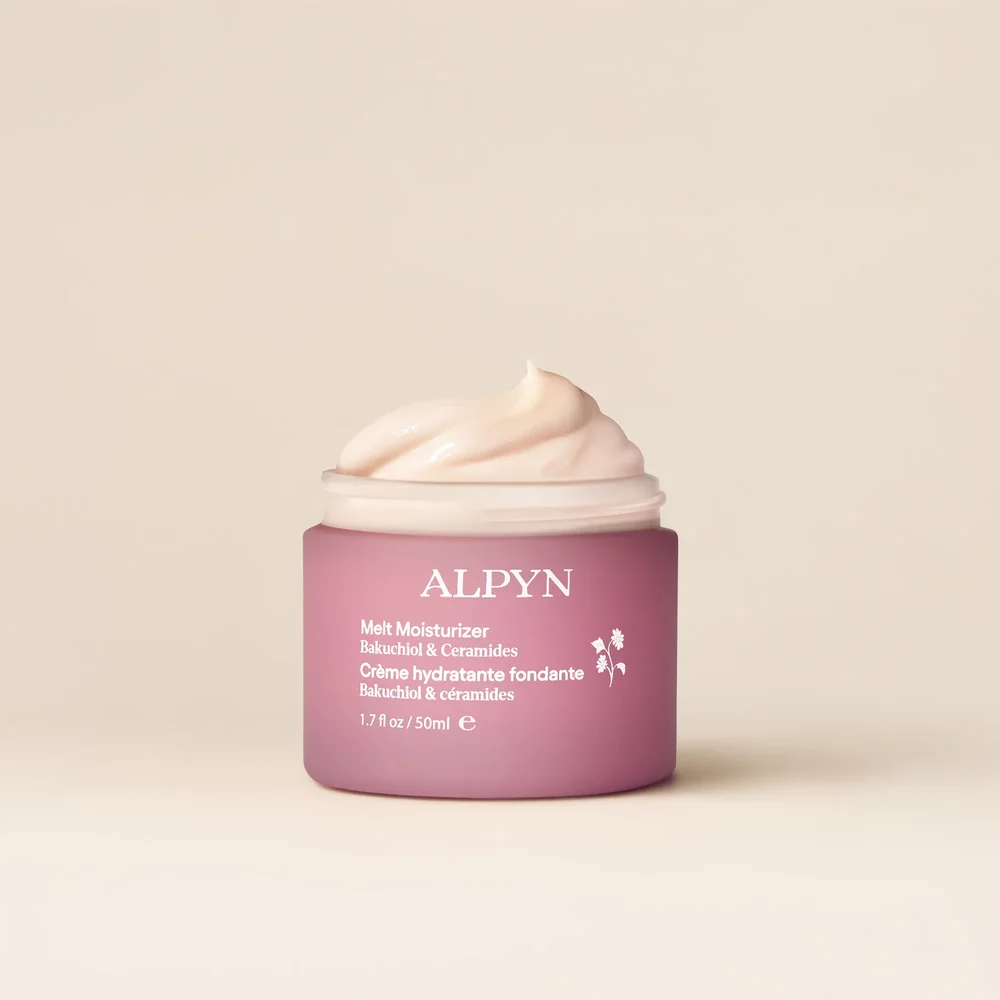
Melt Moisturizer
ALPYN Beauty
$60
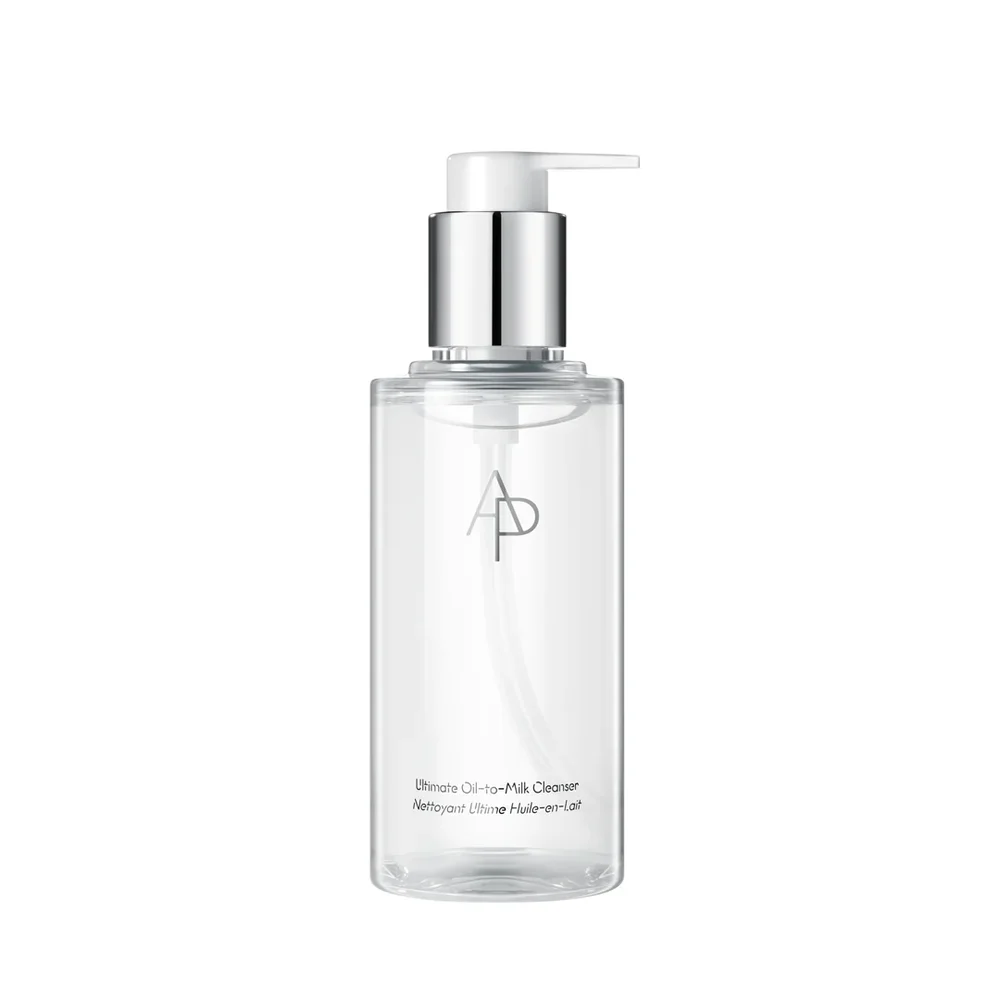
Ultimate Oil to Milk Cleanser
AP Beauty
$55
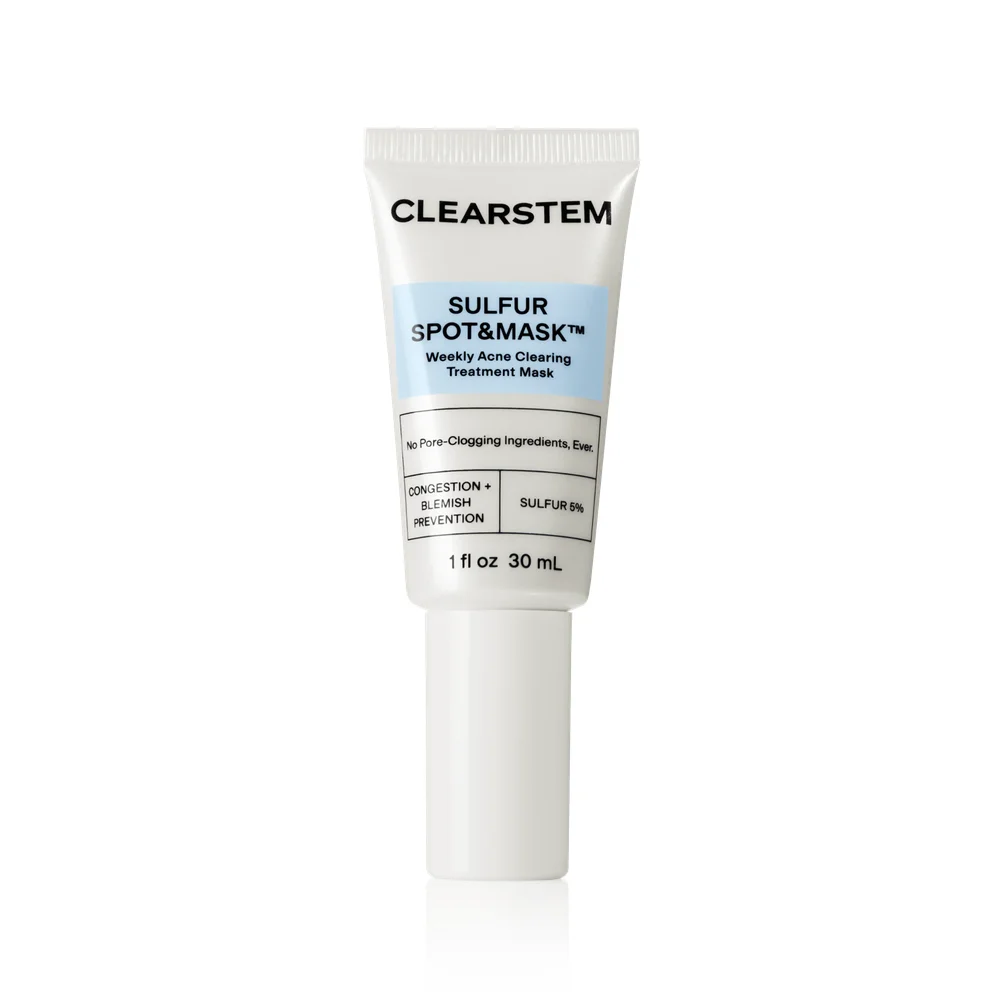
Sulfur SPOT&MASK
CLEARSTEM
$34
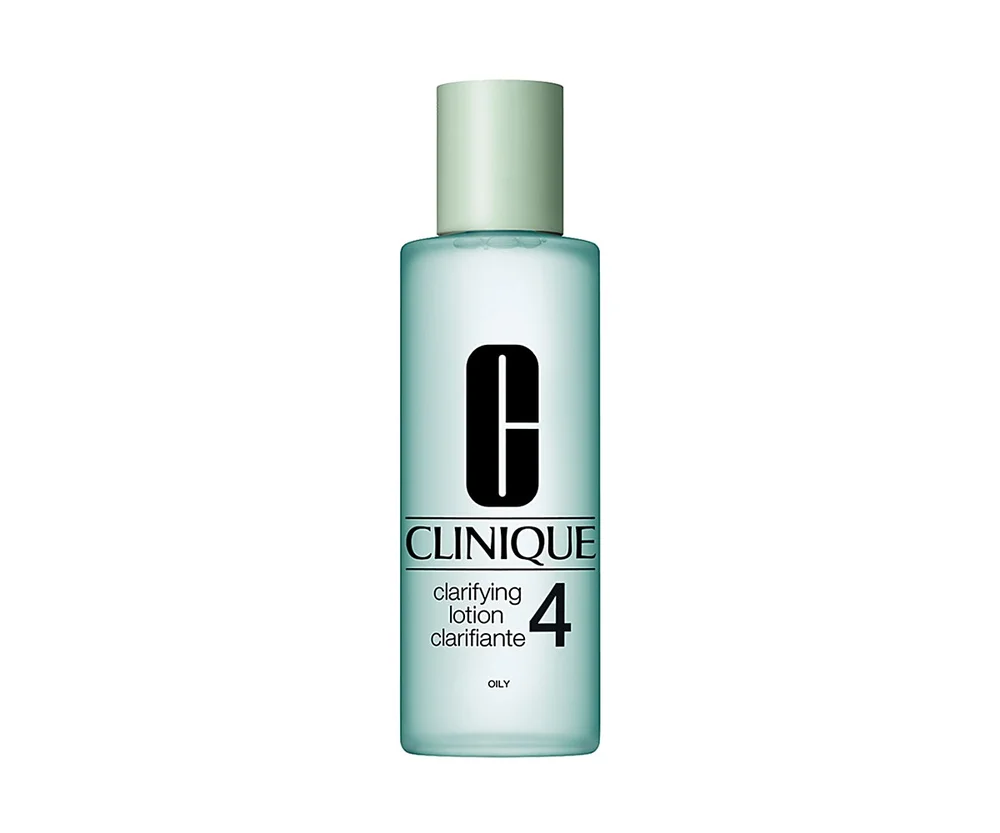
Clarifying Lotion 4 for Oily Skin
Clinique
$23
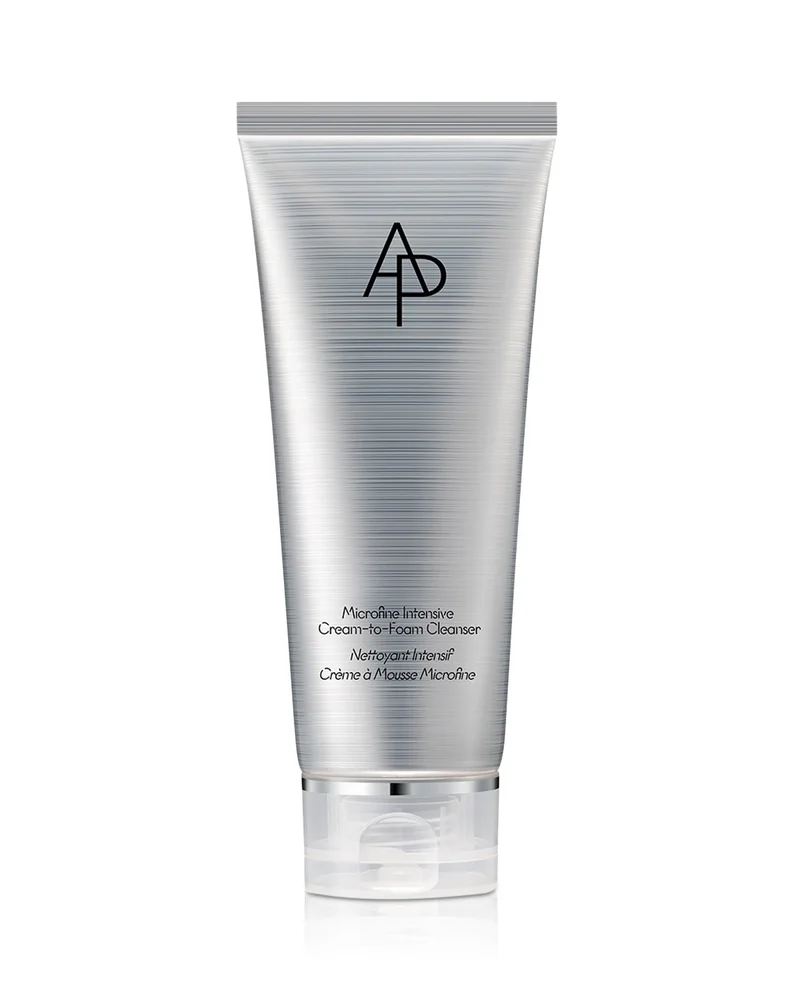
Microfine Intensive Cream to Foam Cleanser
AP Beauty
$52
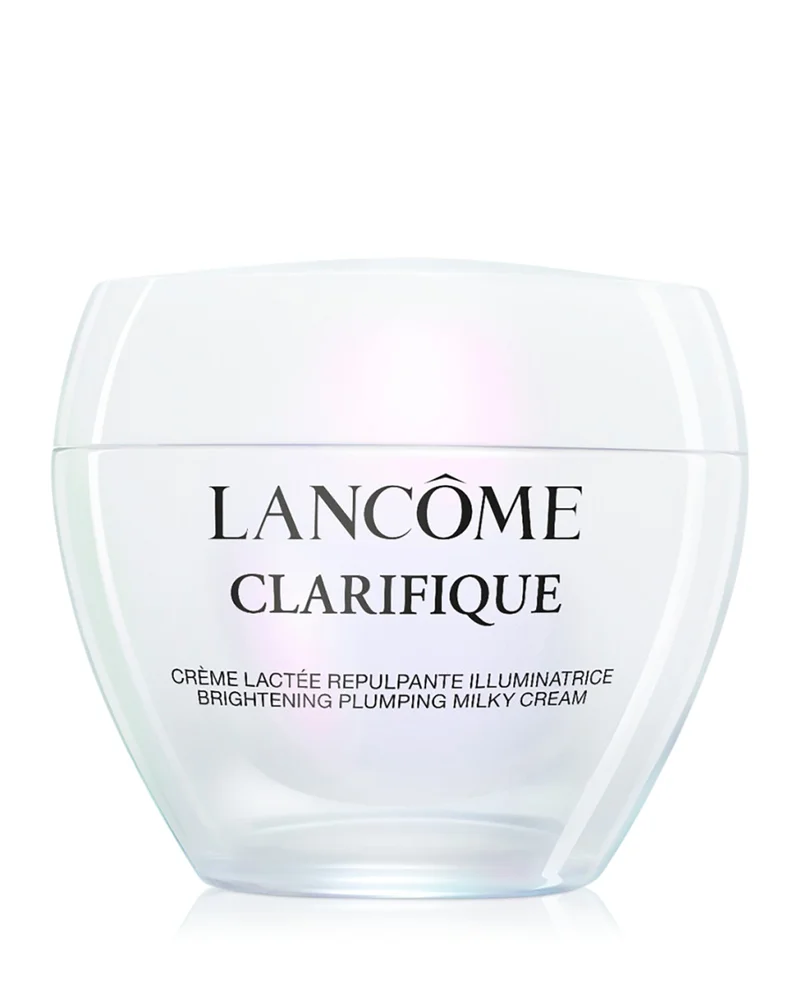
Clarifique Milky Brightening & Plumping Face Cream for Oily Skin
Lancôme
$75
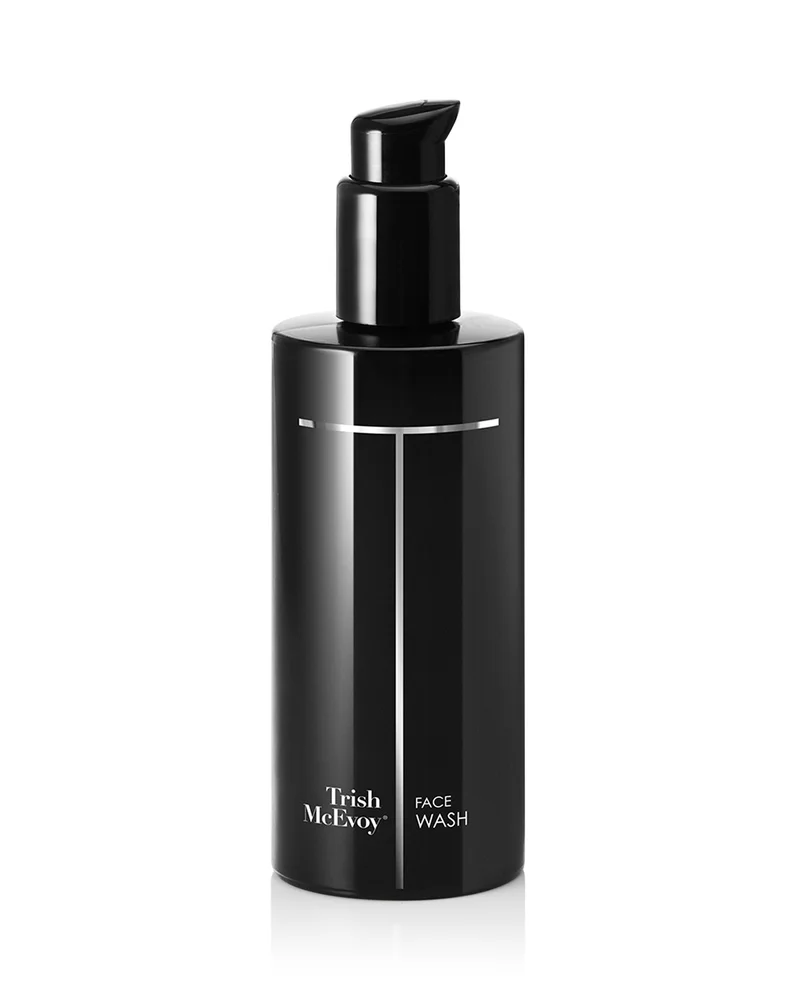
Instant Solutions Face Wash
Trish McEvoy
$50
Oily skin routine questions, answered
What are the best skincare products for oily skin?
Start with a gentle cleanser, an oil-free or non-comedogenic moisturizer, and broad-spectrum sunscreen with SPF 30 or higher for daytime. These labels help identify products less likely to clog pores.
What should a skincare routine for oily skin include?
Keep it simple: cleanse gently, moisturize after cleansing, and protect your skin from the sun. Wash up to twice daily and after sweating, rather than scrubbing or repeatedly washing to remove shine.
Should oily skin skip moisturizer or sunscreen?
No. The American Academy of Dermatology recommends moisturizing even if your skin is oily and wearing sunscreen outdoors. Choose a moisturizer and sunscreen suited to your skin, and look for oil-free or non-comedogenic labels.
Where I would stop
I would keep the routine to what skin actually needs: gentle cleansing, moisturizer, daytime sun protection, and one treatment only if there is a specific concern. What I would skip is stacking acids, pads and masks just because midday shine feels like a sign that more is needed. The American Academy of Dermatology advises moisturizing oily skin and cautions that some exfoliating ingredients can irritate; it also says acne treatments may take several weeks to a few months to show a difference.
This is a better plan for someone who wants fewer variables and a routine they can stick with, not a promise to switch off natural oil. If breakouts or blackheads persist, a board-certified dermatologist can help choose the next step.






