The best sleep tracker depends on what you will wear or keep by the bed. Compare comfort, useful trends, and limits before focusing on nightly scores.
Best Sleep Tracker: Ring, Watch, or Bedside Sensor?
Start with the kind of sleep data you need
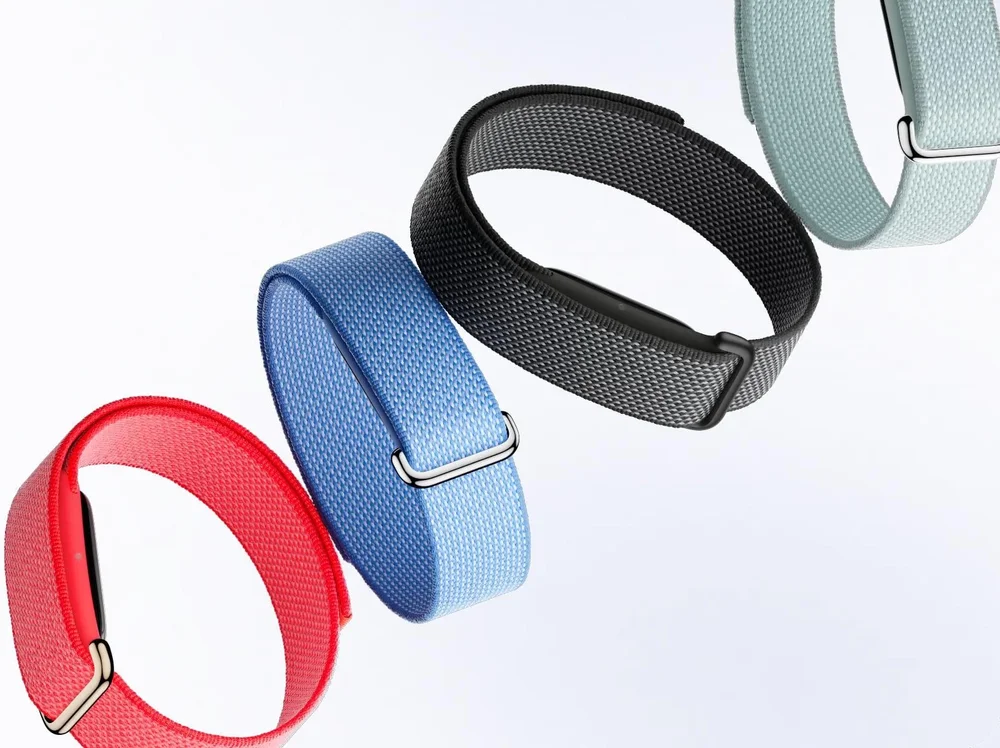
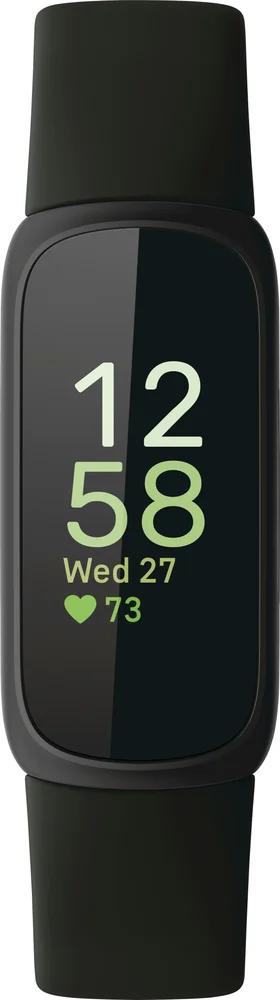
The best sleep tracker is the one you will use consistently: I would prioritize comfort and useful patterns over an impressive nightly score. Wrist wearables and rings estimate sleep from signals such as movement and heart rate; bedside and under-mattress devices can estimate it from movement, breathing, or sound without asking you to wear anything. None measures sleep the way a clinical study records brain activity. In a comparison of 11 consumer trackers, results varied across devices and sleep stages, so I would not crown a universal winner from a dashboard alone. The study compared consumer trackers with polysomnography.
Start with what you want to learn: whether your bedtime is drifting, whether your schedule is consistent, or whether you simply dislike wearing something to sleep. Look at trends across several nights and compare them with how rested you feel. A 2025 lab comparison of six wrist-worn devices found fair-to-moderate agreement with polysomnography overall; the devices detected most sleep epochs, but wake detection was less dependable. For me, a format I can tolerate beats another row of metrics. Recovery and Sleep Edit takes a broader view of the routines around rest and training.
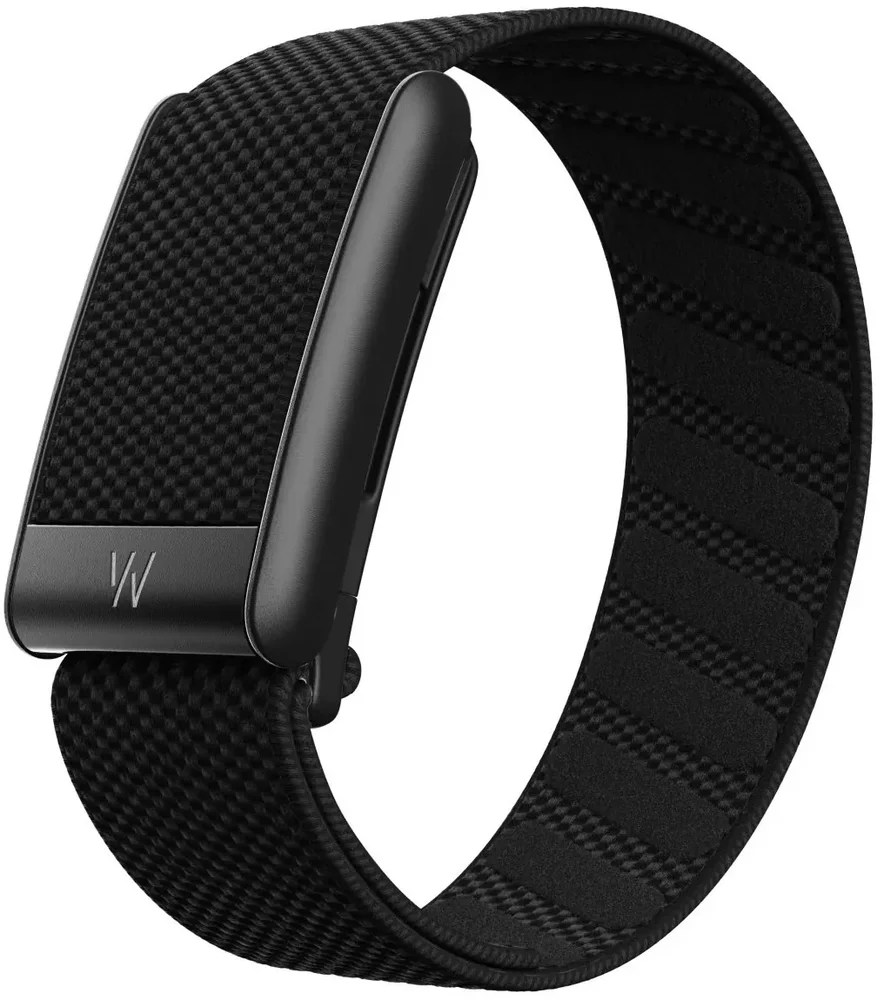
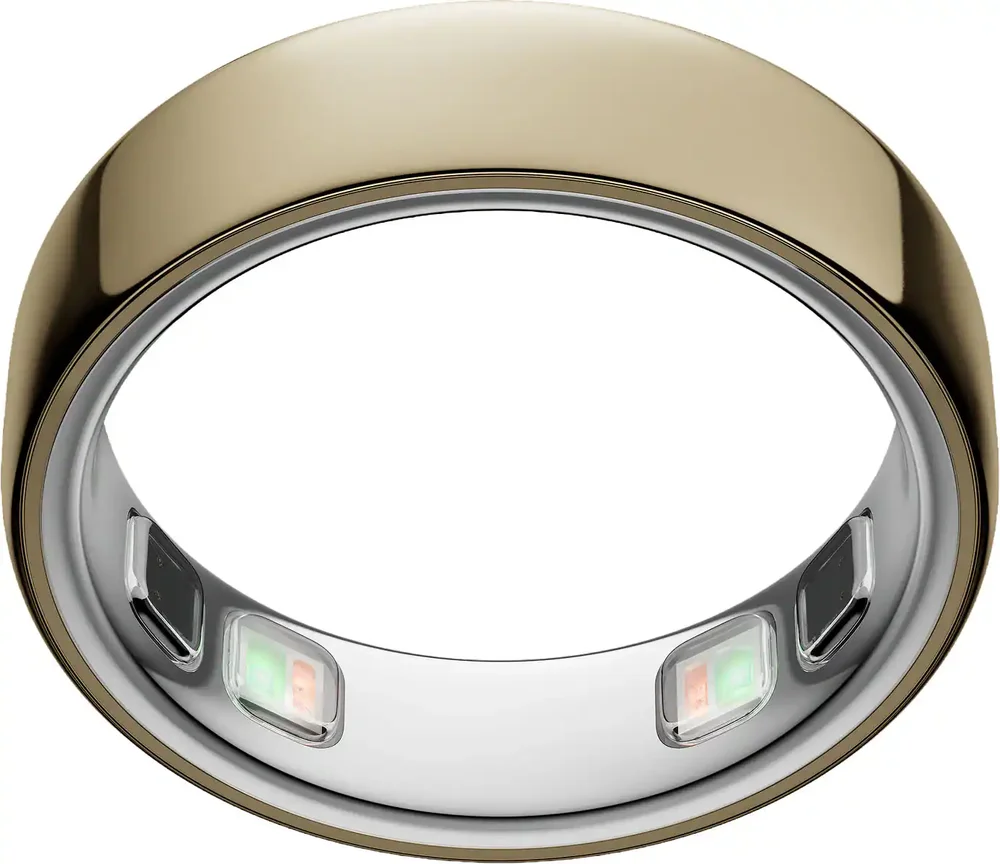
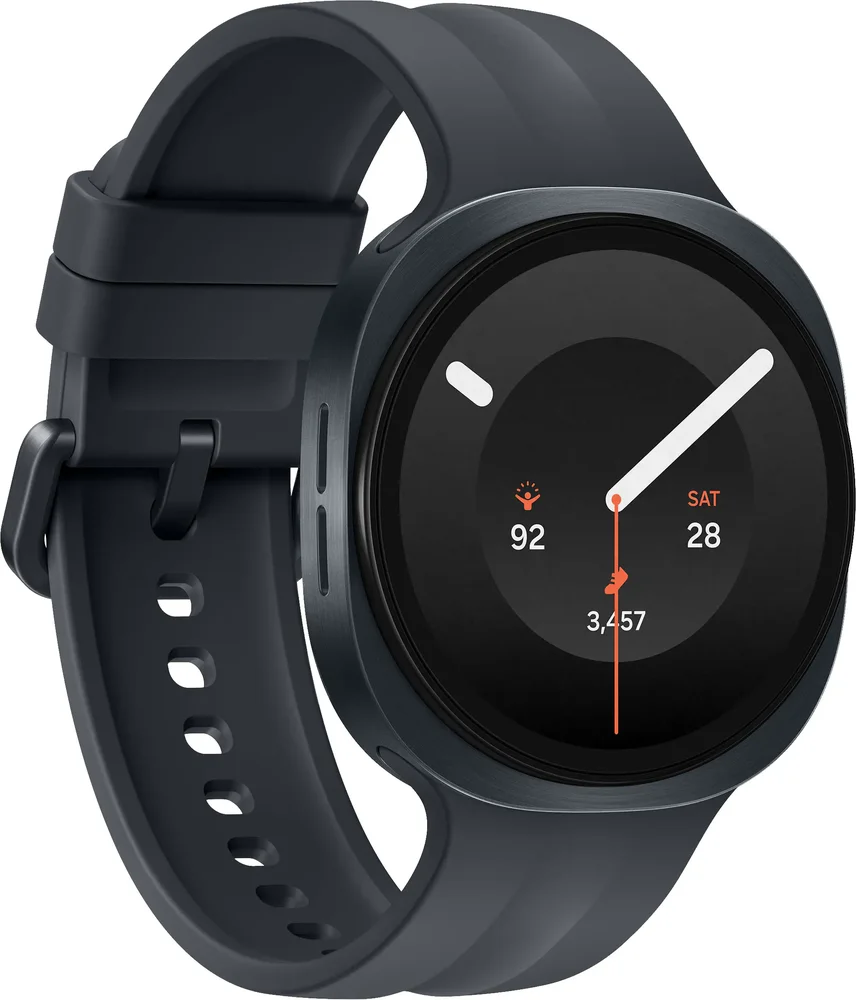
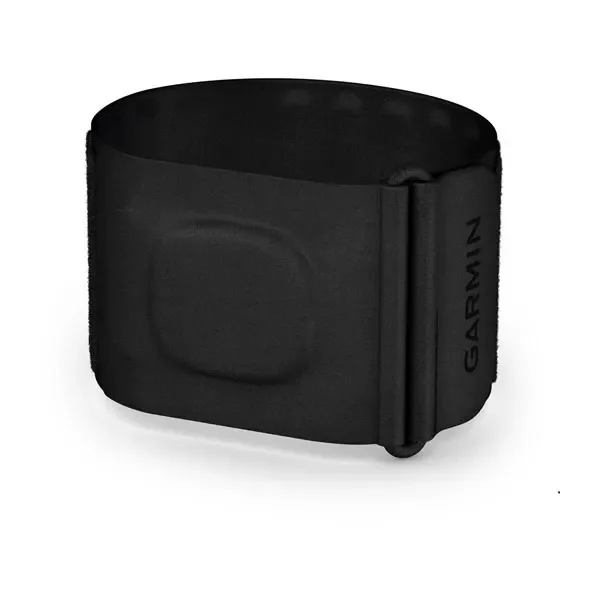
Match the format to your bedtime
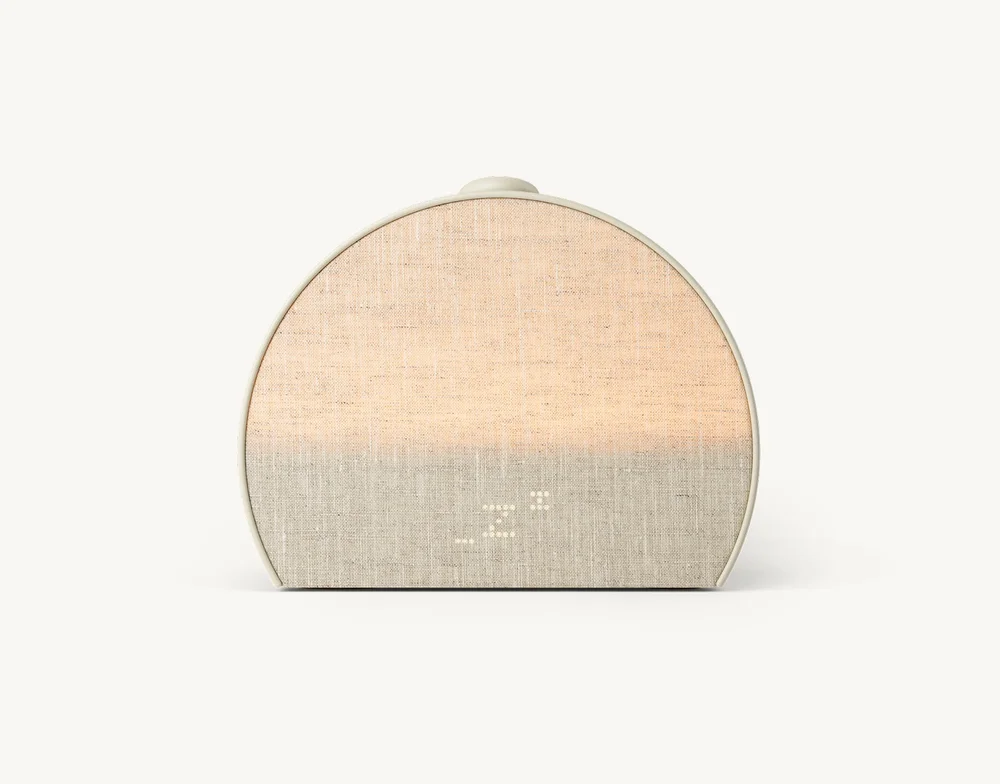
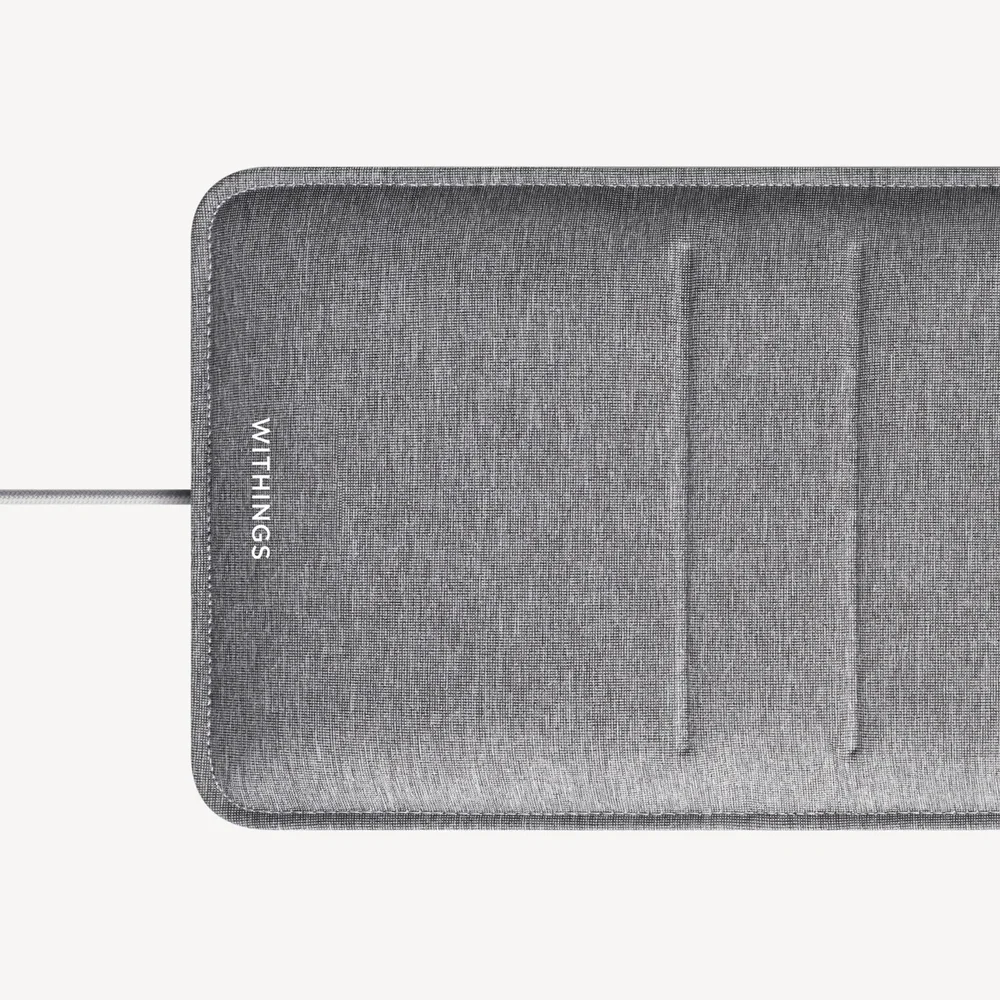
If wearing something to bed is a nonstarter, a bedside or under-mattress sensor can be the calmer choice because it stays off your body. Wearables have direct contact and can collect heart-rate signals; nearables may estimate sleep from movement and breathing, but readings vary with the device and setup. Cleveland Clinic's overview of sleep tracking distinguishes on-body wearables from sensors placed on or beside the bed.
I would decide by friction: does a band feel intrusive, does a ring feel comfortable, or is an under-mattress pad easier to live with? Pick one format and use it consistently instead of comparing numbers from devices built around different signals. If warmth is what makes wearing something overnight unpleasant, What to Actually Sleep In When It's Too Hot is a more useful comfort detour than another score.
Sleep tracker questions, answered
Is a sleep tracker watch better than a bedside sensor?
Neither format is automatically better. A watch stays on your body and can collect heart-rate signals, while a bedside or under-mattress sensor avoids overnight wear; choose the setup you will keep using. Cleveland Clinic explains the difference.
What is the best wearable sleep tracker?
There is no universal winner: a 2025 comparison of six wrist-worn devices found fair-to-moderate agreement with polysomnography, with meaningful variation between devices. I would choose for comfort and the trends you want to follow, not one night of stage estimates. The study is indexed on PubMed.
Which sleep tracker gives the best sleep-quality data?
Treat sleep quality as a pattern rather than one score. The Wellness, Sleep & Circadian Network recommends looking across several nights or weeks and comparing the numbers with how rested you feel during the day. Its wearable sleep technology guide explains why a score is not a complete picture.
Use the data as a pattern, not a verdict
I would use a sleep tracker as a low-stakes journal: notice repeated bed and wake times, then consider whether routines or your environment shift with them. Do not treat a single low score or a precise-looking sleep-stage estimate as a diagnosis. The American Academy of Sleep Medicine says consumer sleep technology should not replace validated testing; persistent sleep problems or daytime sleepiness are reasons to discuss the issue with a licensed medical provider, whatever a device reports. The AASM position statement explains that role clearly.
What I would skip is buying for clinical certainty or fixating on nightly stage charts. This approach is for someone curious about routines or wanting more context; anyone dealing with persistent fatigue or a suspected sleep disorder needs professional guidance, not a more detailed app.






