Brooks Ghost vs Glycerin comes down to balanced daily miles or a plusher ride. Compare the Ghost and Glycerin models by cushion, fit and pace.

Brooks Ghost vs Glycerin: Daily Miles or Plush Cushioning
Ghost for daily miles and more
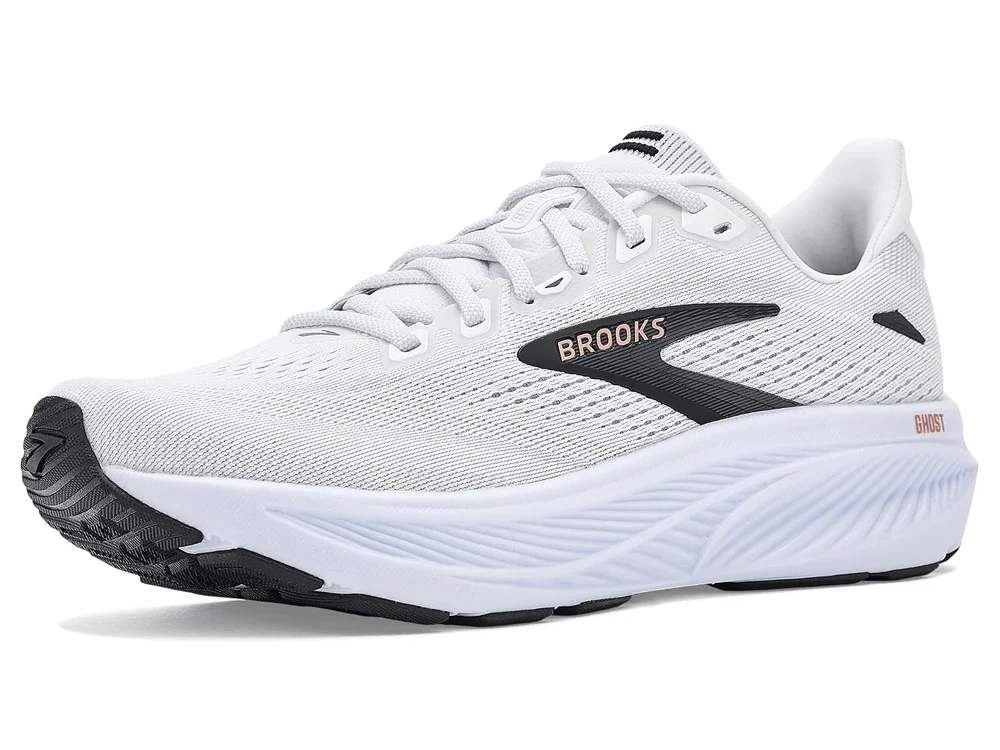
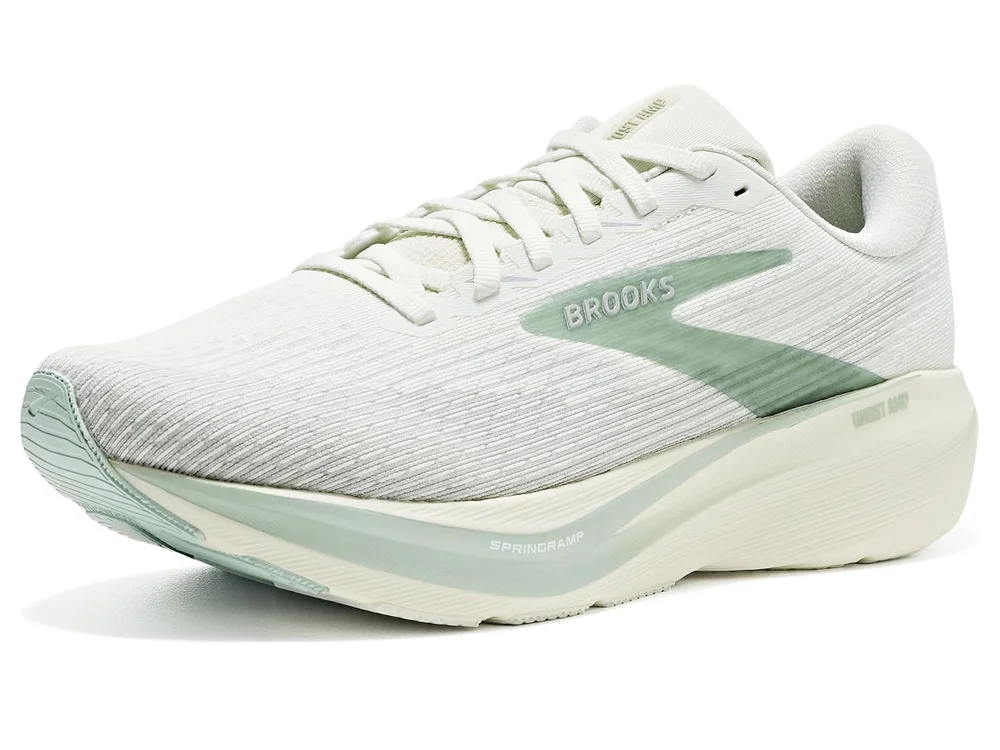
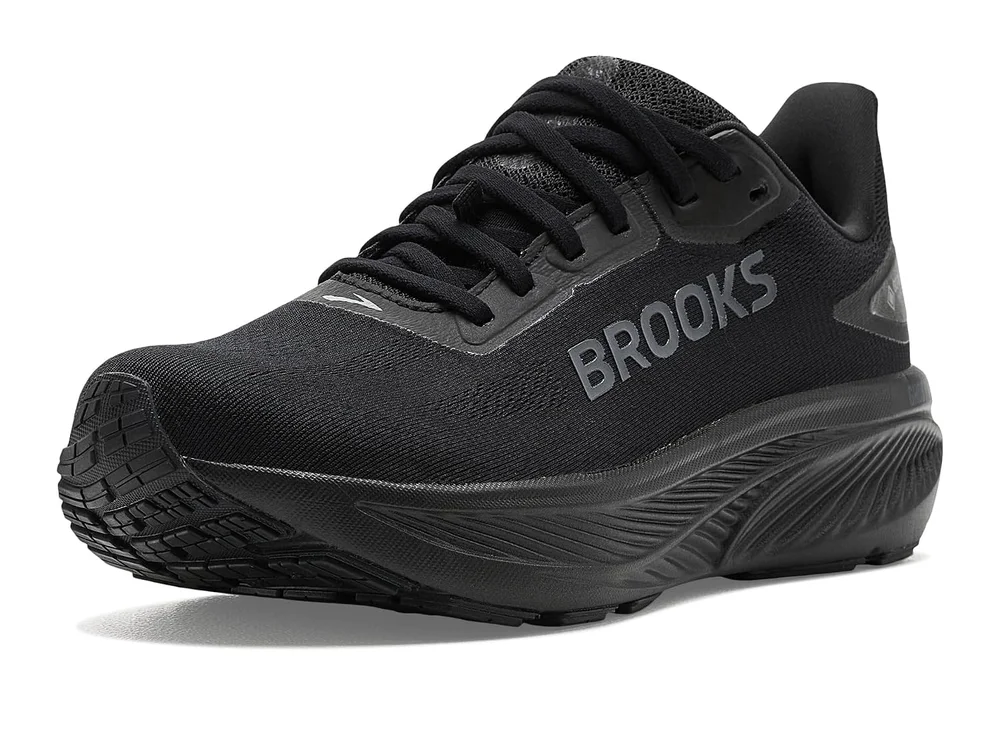
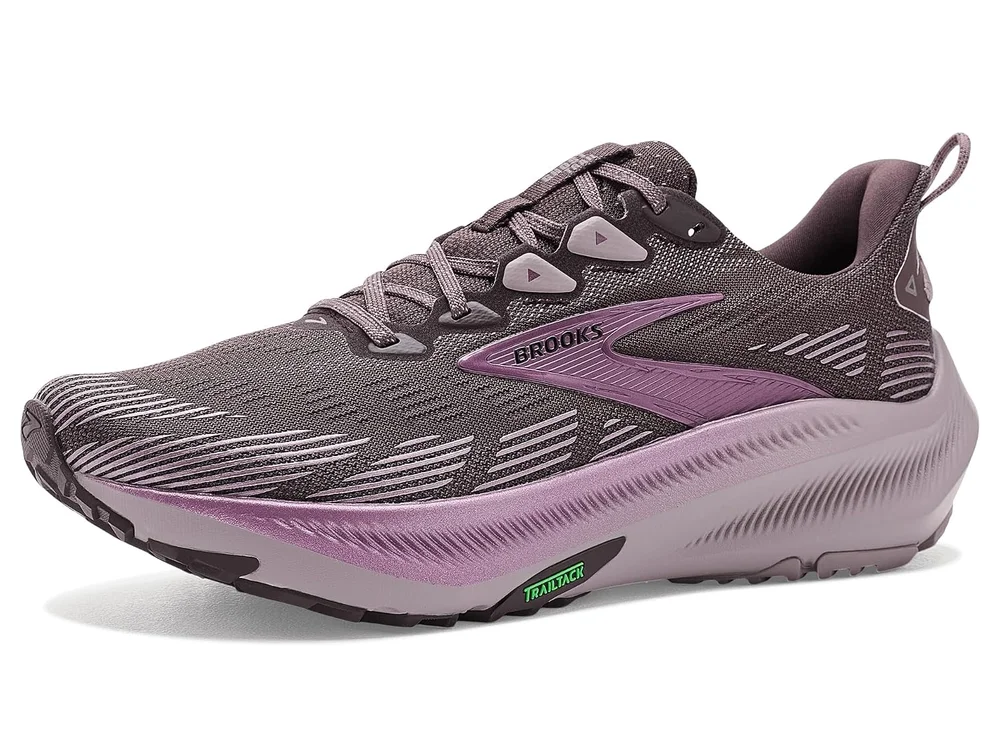
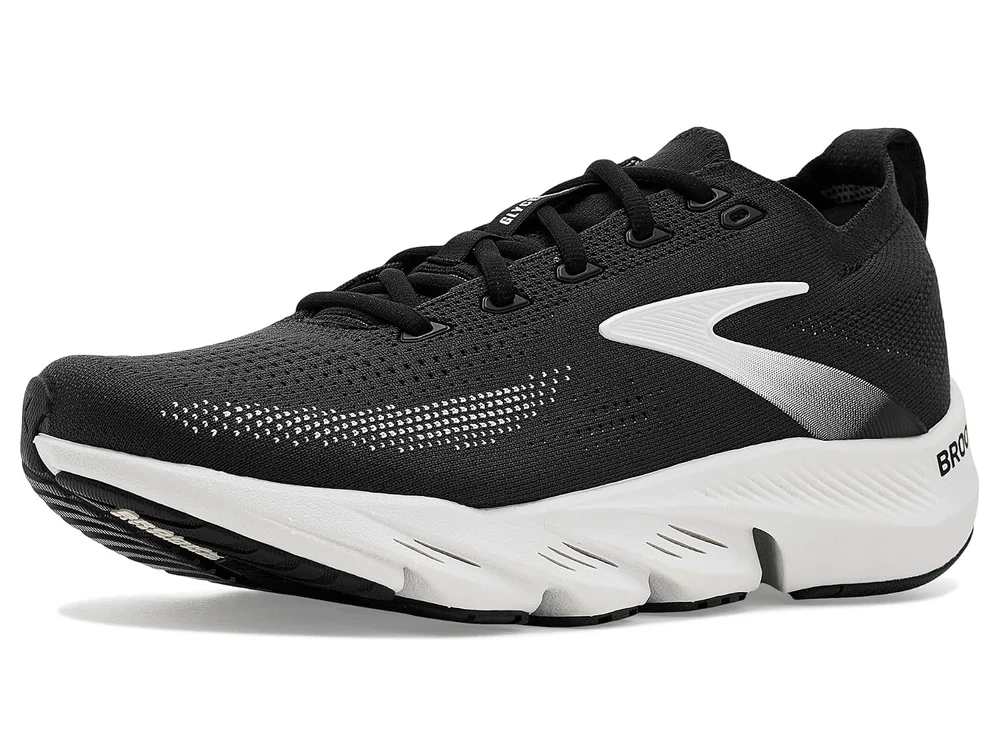
Brooks Ghost vs Glycerin starts with balanced daily comfort or extra plush cushioning. Ghost 18 is the everyday trainer, with DNA LOFT v3 cushioning and a 10 mm drop. Ghost Amp is the livelier branch, with nitrogen-infused DNA HYPE and a responsive forefoot feel. Ghost 18 GTX adds a GORE-TEX Invisible Fit membrane for rainy runs, while Ghost Trail brings TrailTack grip and a protective toe cap for off-road use.
That is four different jobs under one familiar name, not four versions of the same shoe. Brooks began in 1914 making ballet slippers and bathing shoes, then narrowed its focus to running in 2001. I would start with Ghost 18 for regular road miles, then choose Amp for more response, GTX for wet weather or Trail when dirt is part of the route. Practical check: try the shoe in the activity you plan to do and make sure the heel holds without pinching the toe.
Glycerin for plushness and support
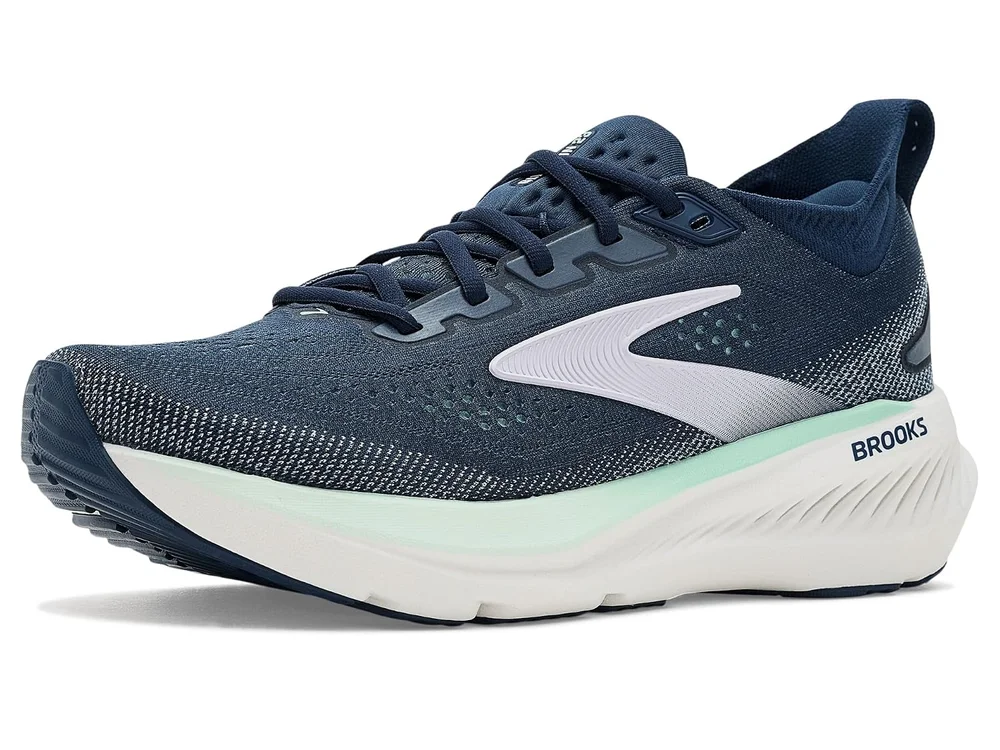
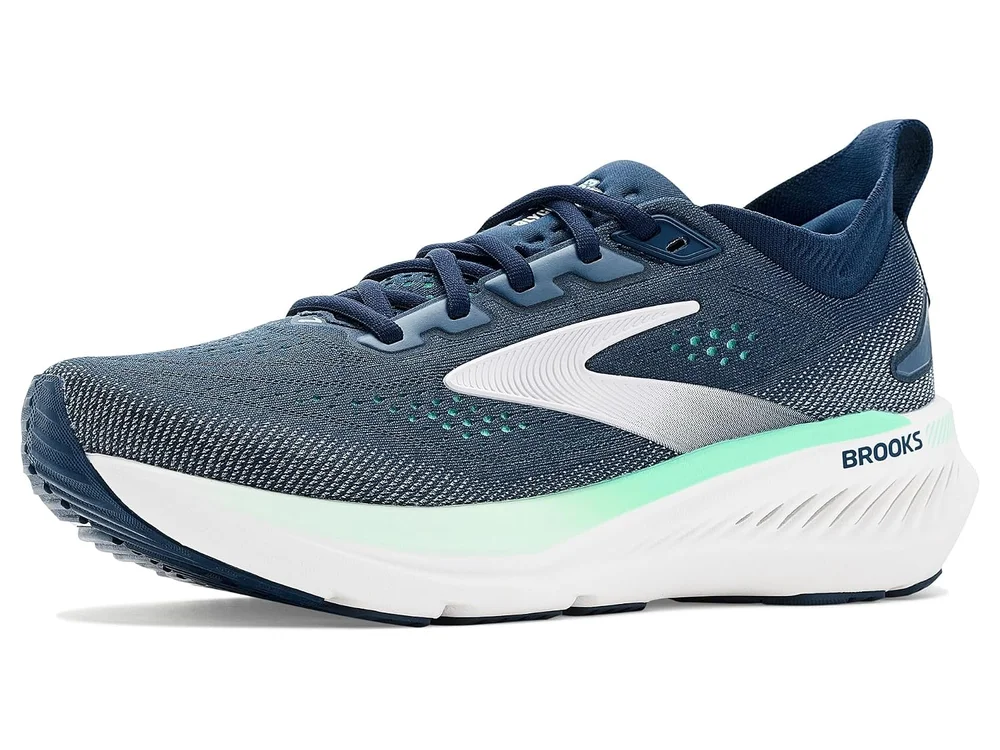
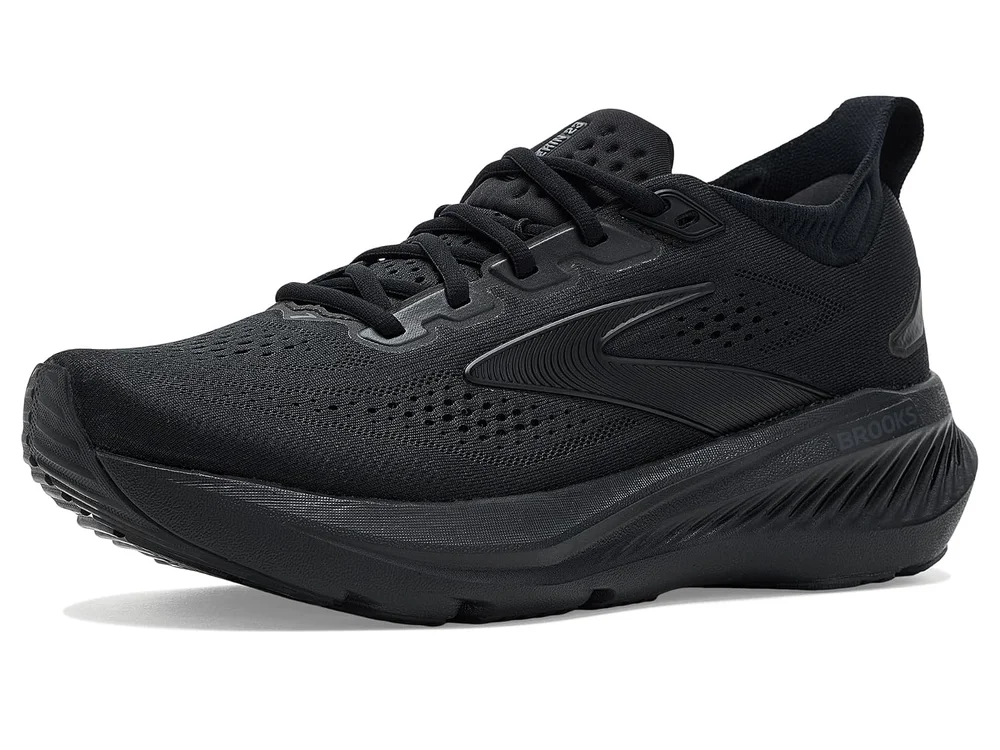
In the Brooks Ghost vs Glycerin choice, Glycerin 23 is the plush, high-cushion side of the comparison. It uses DNA TUNED, adds 2 mm of forefoot cushioning over its predecessor and has an 8 mm drop. Glycerin GTS 23 keeps the cushioning and adds GuideRails support; Glycerin Flex pairs DNA TUNED with outsole flex grooves to encourage flexibility through transitions. DNA TUNED first appeared in an earlier generation of the core line.
I would choose Glycerin 23 for a plusher daily or long-run feel, GTS 23 if I want structured guidance, and Flex when a more flexible transition is the point. The Glycerin line is not a substitute for checking which version suits your stride. My practical test is to run a few strides at the pace I repeat most, then notice whether the midfoot and heel feel secure.
Max cushioning, with a rocker
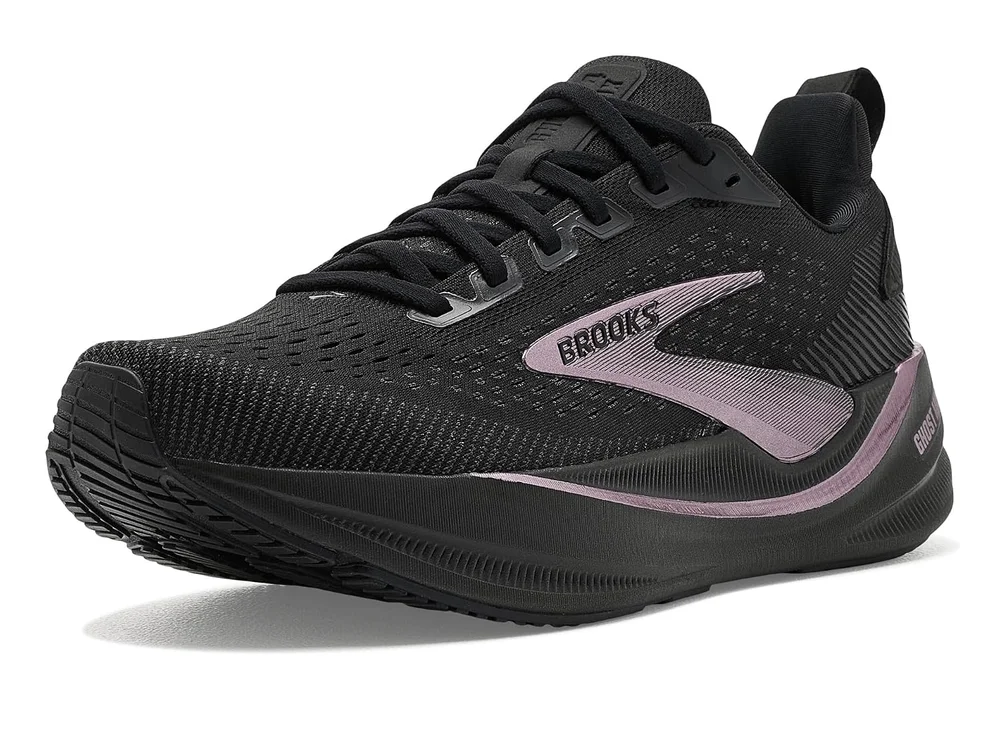
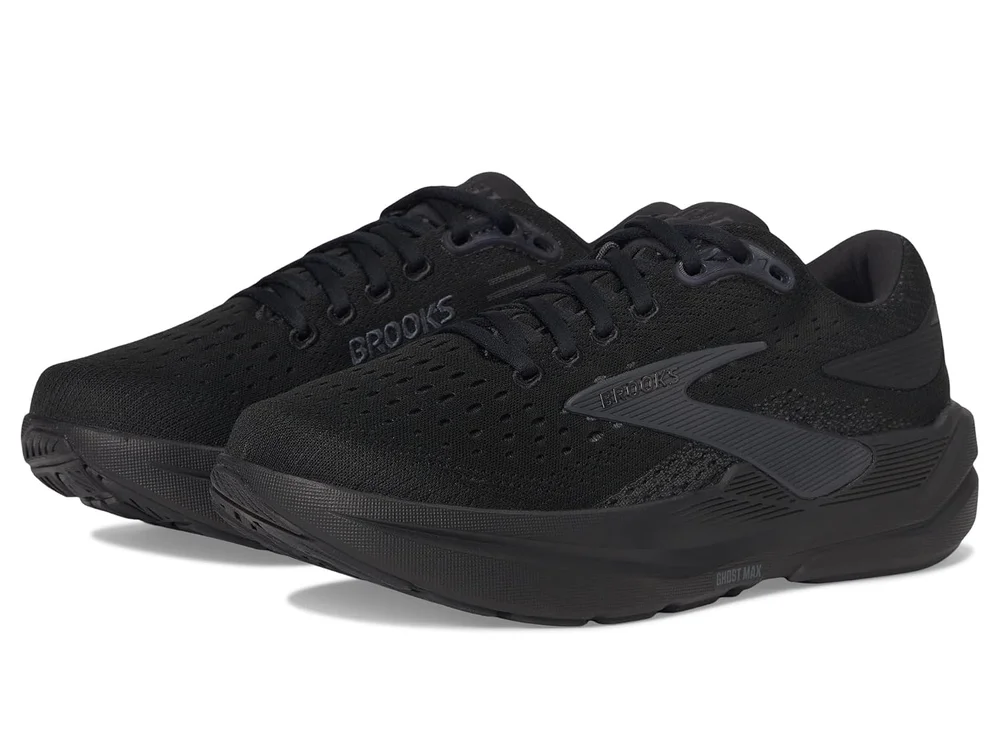
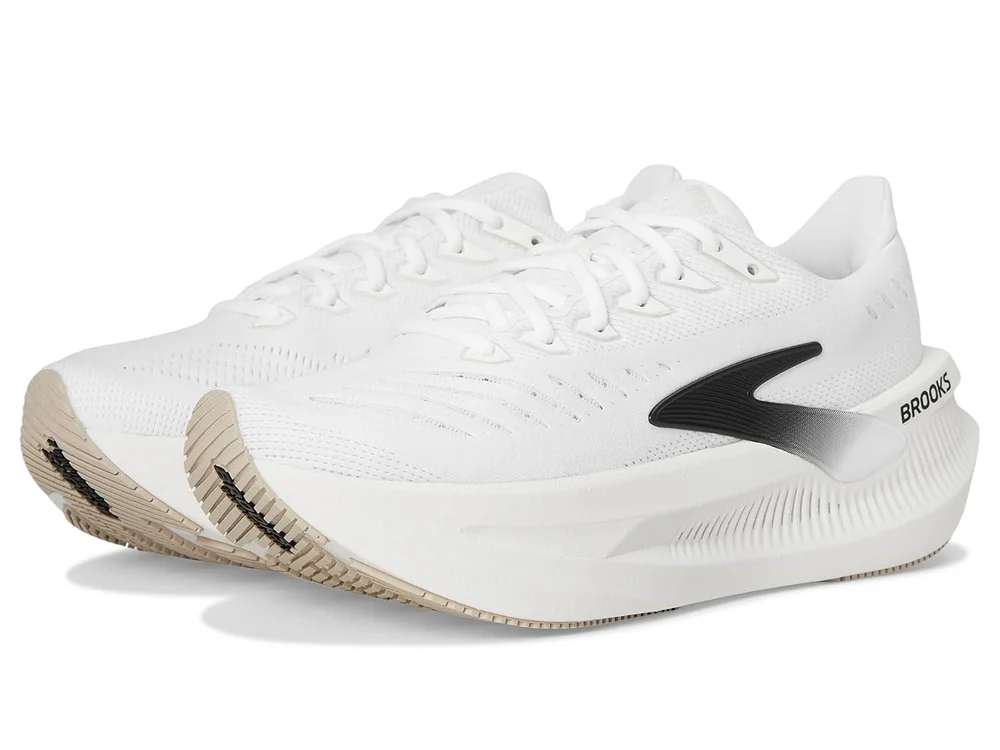
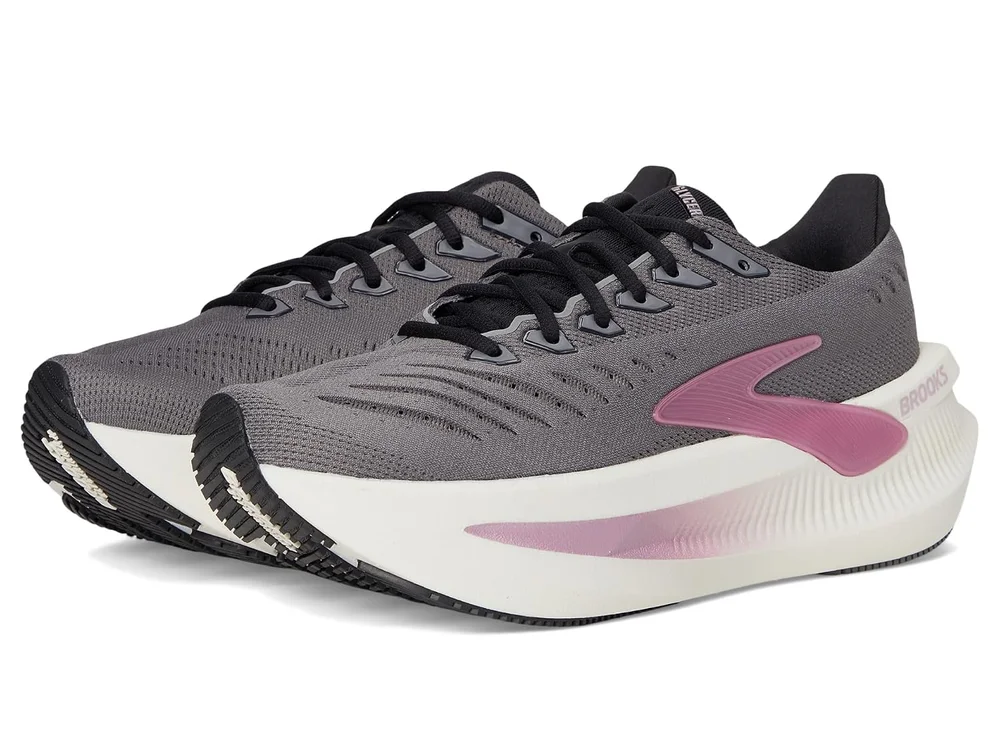
Brooks Ghost vs Glycerin also has a max-cushion branch for runners who want a taller, rockered ride. Ghost Max 4 pairs DNA LOFT v3 with GlideRoll Rocker geometry to ease the move from landing to toe-off. Ghost Max 3 has a high stack of that foam, a broad-volume fit and rocker geometry for heel-to-toe transitions. Glycerin Max 2 uses dual-cell DNA TUNED foam, with larger cells at the heel and smaller ones in the forefoot, plus GlideRoll Rocker geometry.
I would compare these models only if I am choosing between extra plushness and the more balanced Ghost feel. Ghost Max keeps the choice on the Ghost side; Glycerin Max 2 changes the cushioning setup and the rocker feel. The practical test is to walk first, then jog and see whether the heel-to-toe transition feels natural. I would skip choosing by stack height alone; comfort that disappears at your usual pace is not much of a feature.
Brooks Ghost and Glycerin questions I get
Which shoe would I try first?
For daily road miles, I would start with Ghost 18. Its DNA LOFT v3 cushioning and 10 mm drop make a clear baseline before I compare the plusher Glycerin 23.
What makes Glycerin 23 different?
It uses DNA TUNED, adds 2 mm of forefoot cushioning over its predecessor and has an 8 mm drop. I would compare that Brooks Glycerin setup with Ghost at the pace I run most.
Which version adds support?
Glycerin GTS 23 adds GuideRails to the cushioned Glycerin feel. If support is a key part of the decision, compare it with running shoes for flat feet and check what feels steady underfoot.
When should I try Ghost Max or Glycerin Max?
When I want a higher-cushioning option with rocker geometry. I would test the heel-to-toe transition at my usual pace rather than assuming a taller shoe will automatically feel better.






