Read cashmere and wool labels for exact fiber percentages, cashmere content, and care instructions before choosing a knit.
Cashmere vs Wool: How to Read a Knitwear Label
Read the fiber line before the marketing name
To read cashmere and wool labels, check the fiber-content label for percentages before you let a hangtag do the persuading. Under U.S. rules, cashmere means the fine, dehaired undercoat of a Cashmere goat, with an average fiber diameter no greater than 19 microns. When cashmere is blended with sheep's wool, the label must state the actual shares, not just say cashmere blend. That is the distinction I would check before comparing softness or price.
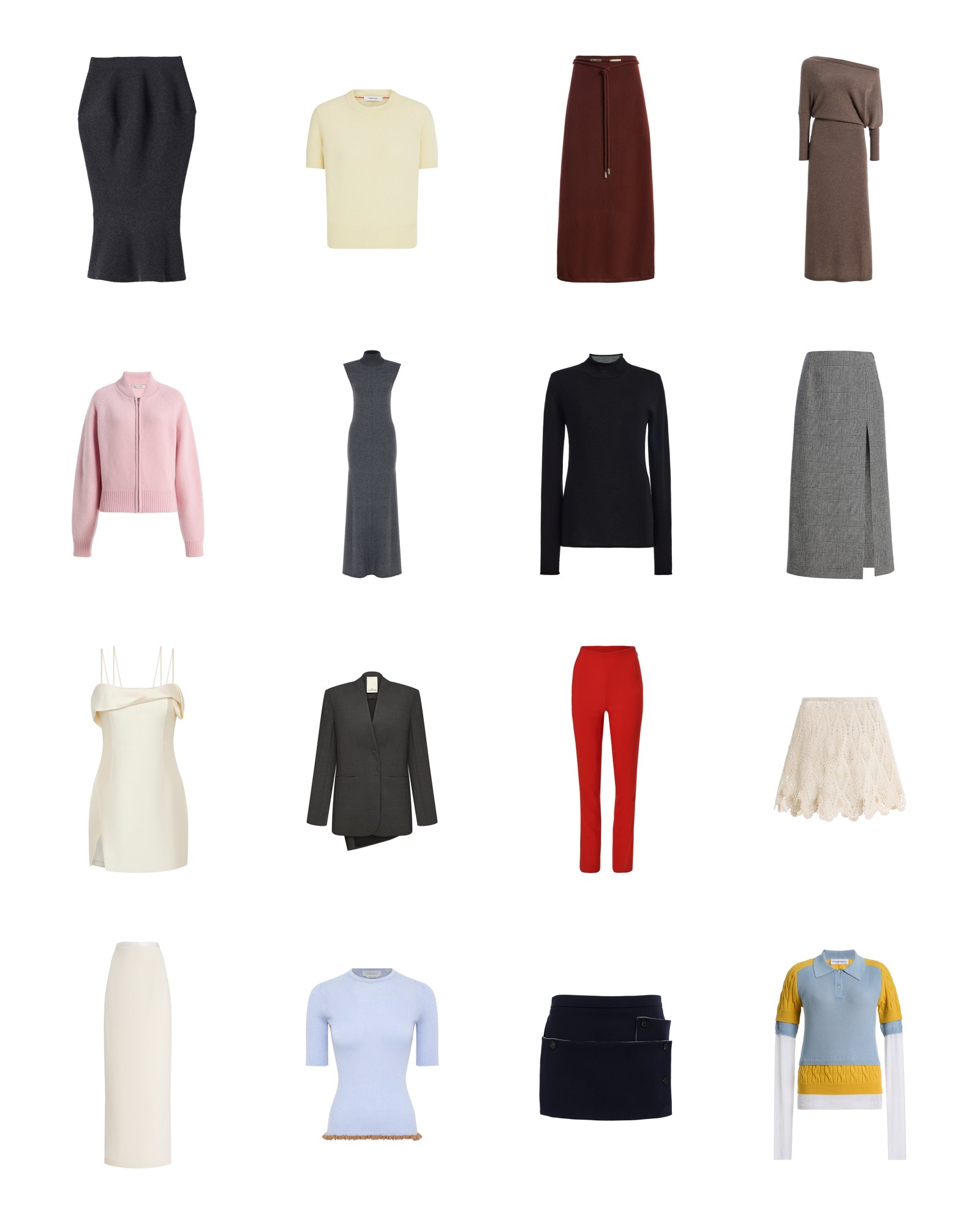
The names make the comparison tangible: the Ferragamo Cashmere Sweater and The Row Phaed Cashmere Top are labeled as cashmere in their product names, while Jacquemus's The Fiocco Contoured Wool-Cashmere Midi Skirt signals a blend. The names tell me what to look for, not the blend percentage or cleaning method, so I would read the garment label before deciding.
The label is only one part of the decision; Rue Sophie Makes Knitwear For People Who Read The Label is a useful next read on the details that make a knit worth keeping.
Cashmere and cashmere blends
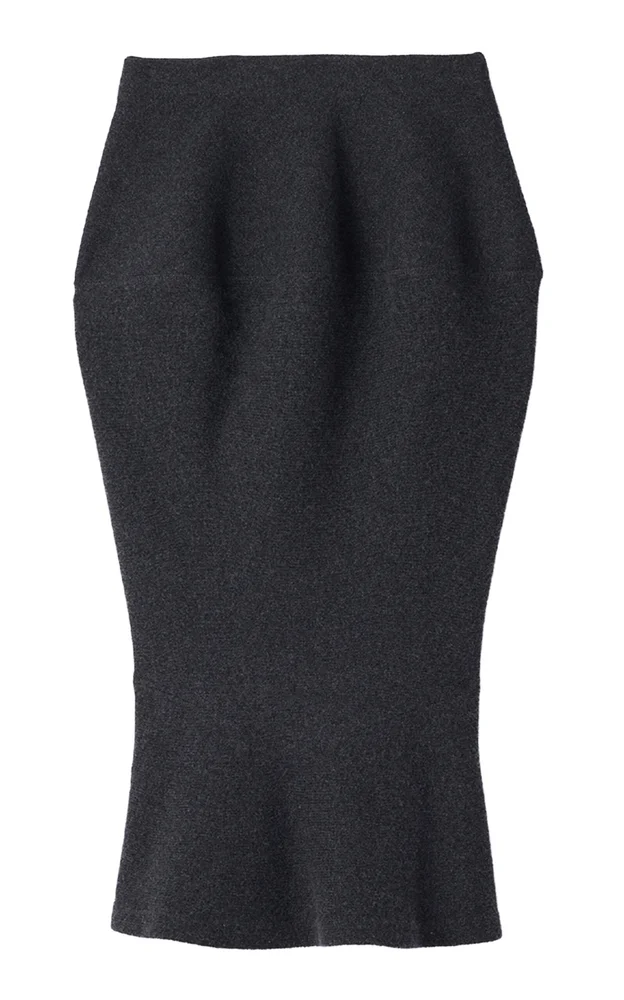
The Fiocco Contoured Wool-Cashmere Midi Skirt
Jacquemus
$1,250
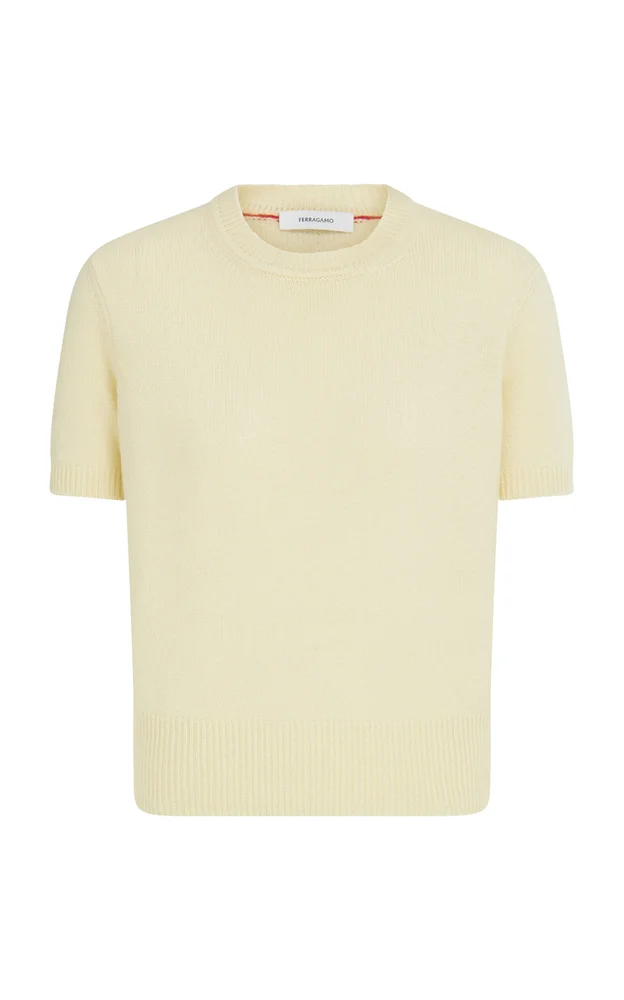
Cashmere Sweater
Ferragamo
$1,290
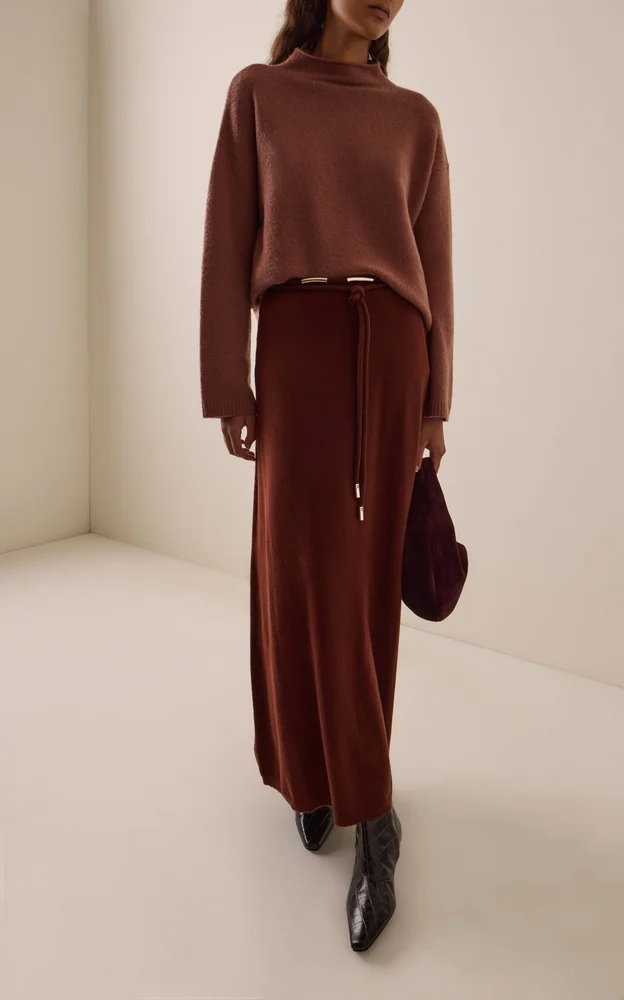
Cashmere Long Skirt
Max Mara
$1,240
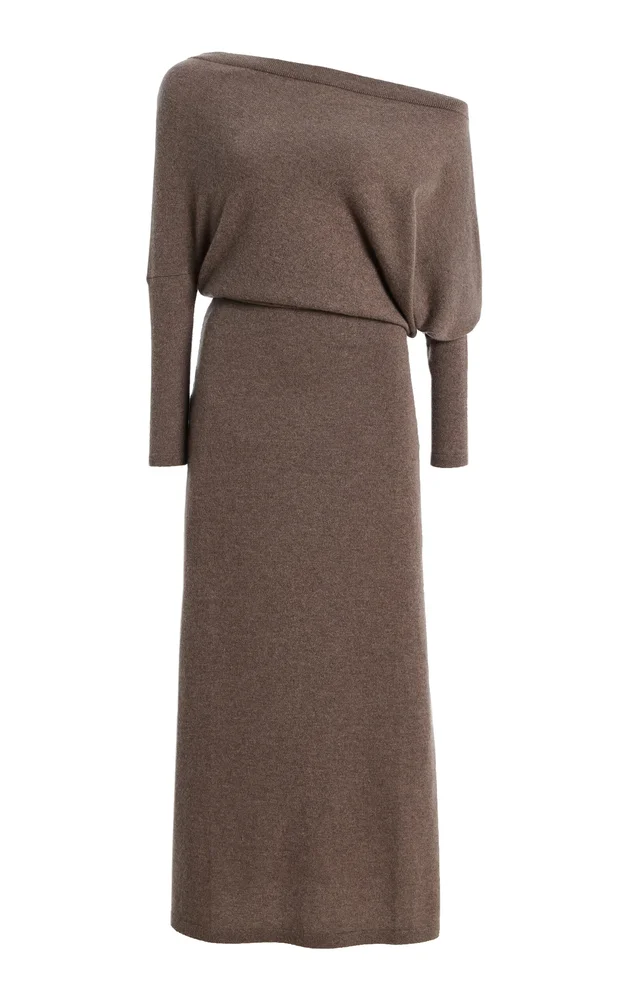
Kasos Cashmere Midi Dress
Altuzarra
$1,395
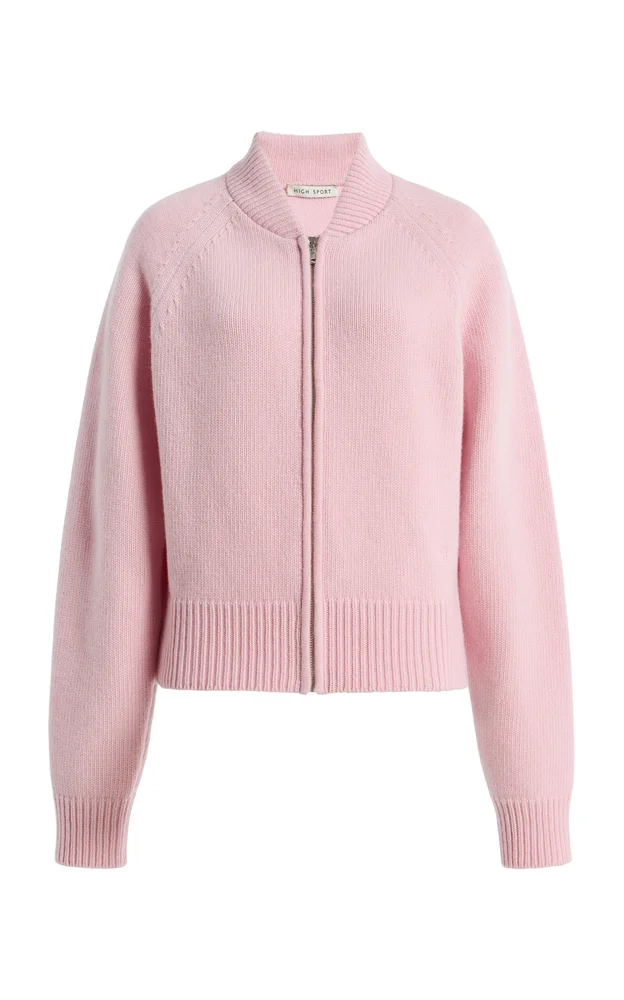
Velma Zip-Up Wool-Cashmere Jacket
High Sport
$1,140
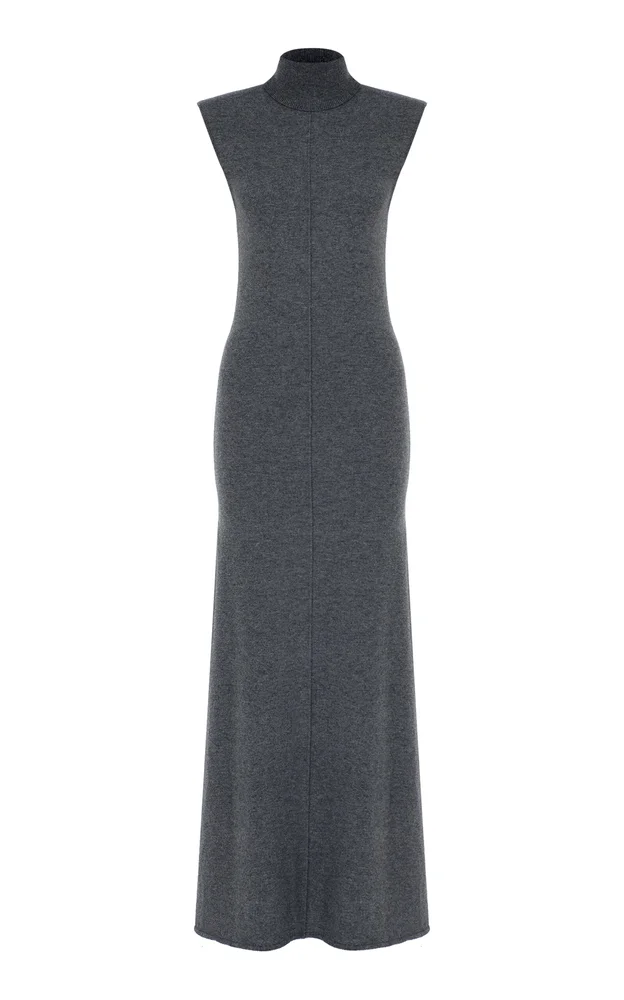
x Camille Charrière Wool-Cashmere Maxi Dress
Zeynep Arçay
$1,100
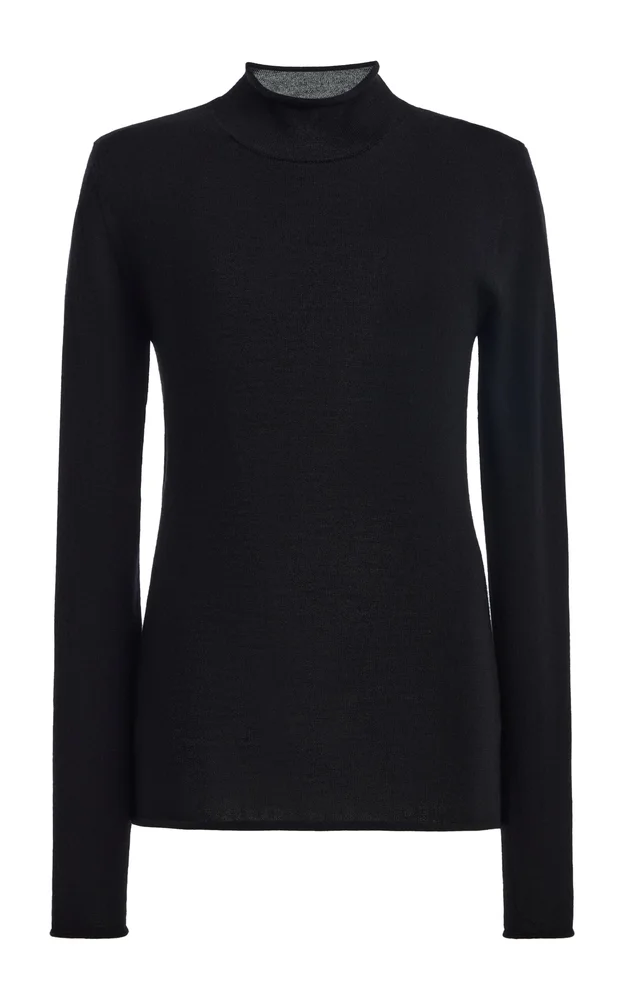
Phaed Cashmere Top
The Row
$1,450
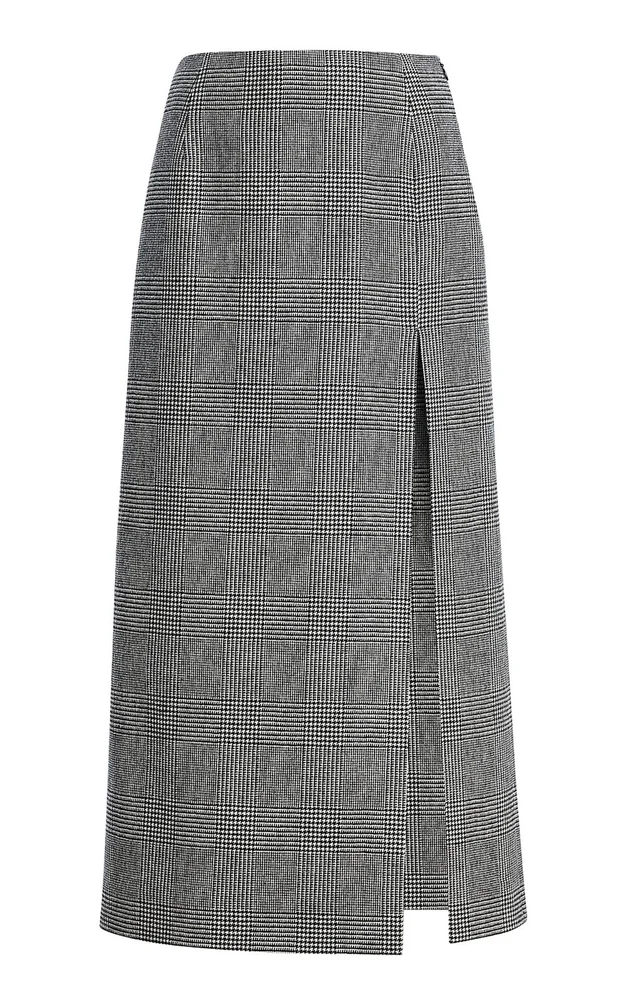
Car Wash Wool-Cashmere Midi Skirt
Michael Kors Collection
$1,490
Ply matters, but it is not a quality score
Ply and stitch density deserve a look, but I would not turn either into a magic number. The Cashmere and Camel Hair Manufacturers Institute says two-ply yarn offsets the torque of a single yarn; additional plies can add weight and color options, not extra quality by themselves. It also points to fiber length and fineness, plus a knit that is not limp or loosely made, as better clues to how cashmere may hold its shape and resist pilling.
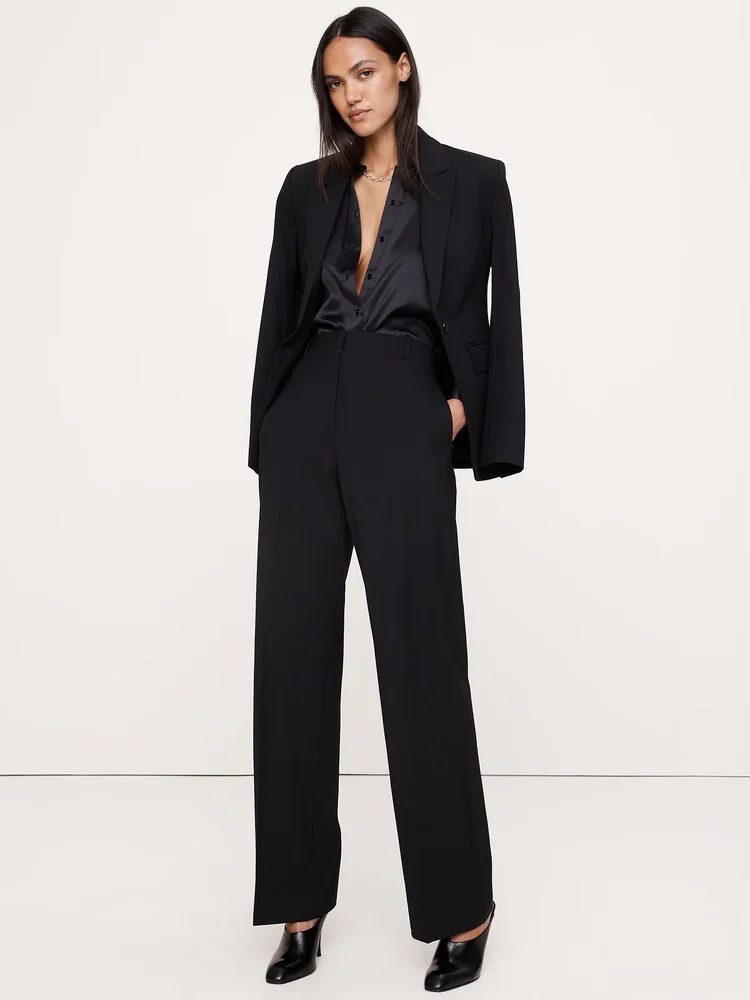
That is a useful lens for the wool pieces: Di Stavnitser's Brera Wool Jacket names wool, Carolina Herrera's Tailored Wool-Blend Cigarette Pants name a blend, and the JW Anderson Crocheted Wool Lace Mini Skirt specifies both wool and a lace construction. I would check the fiber percentages and care label on each rather than assume the item names tell the whole story. Woolmark's care advice is practical here: fold knits in a drawer and let wool rest between wears. Auralee Clothing: Cashmere, Wool and Fabric-First Knitwear takes the same fabric-first approach, which is more helpful than treating ply as a verdict.
Wool and wool blends
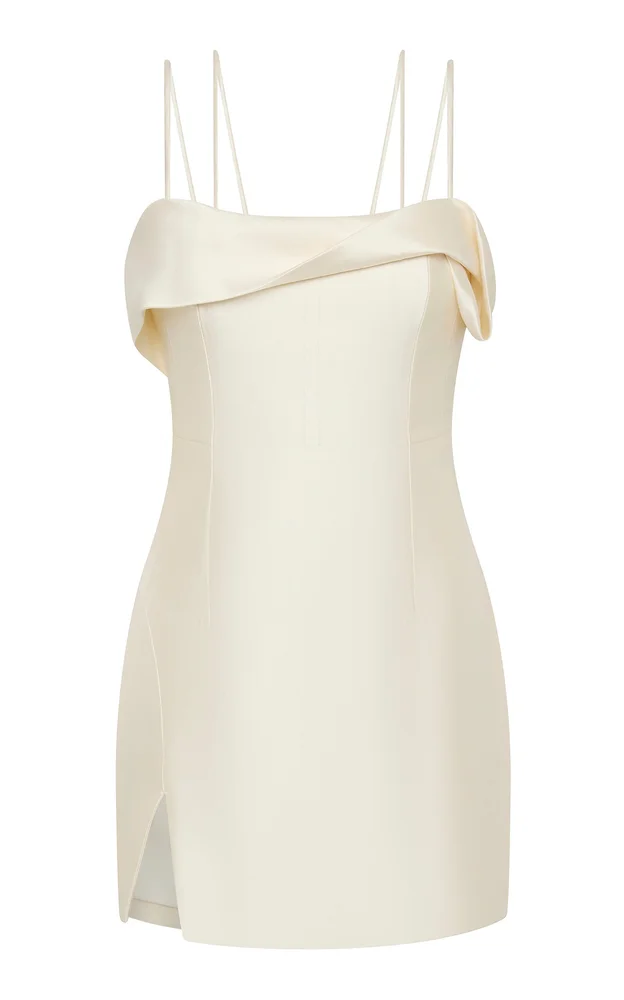
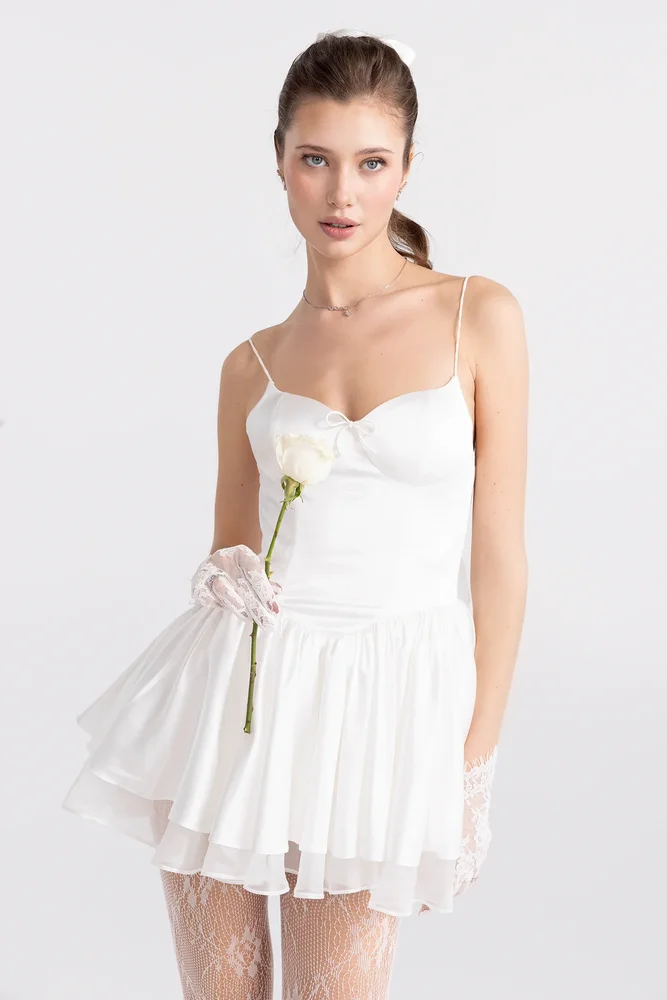
Bronte Wool-Silk Satin Mini Dress
Rachel Gilbert
$1,100
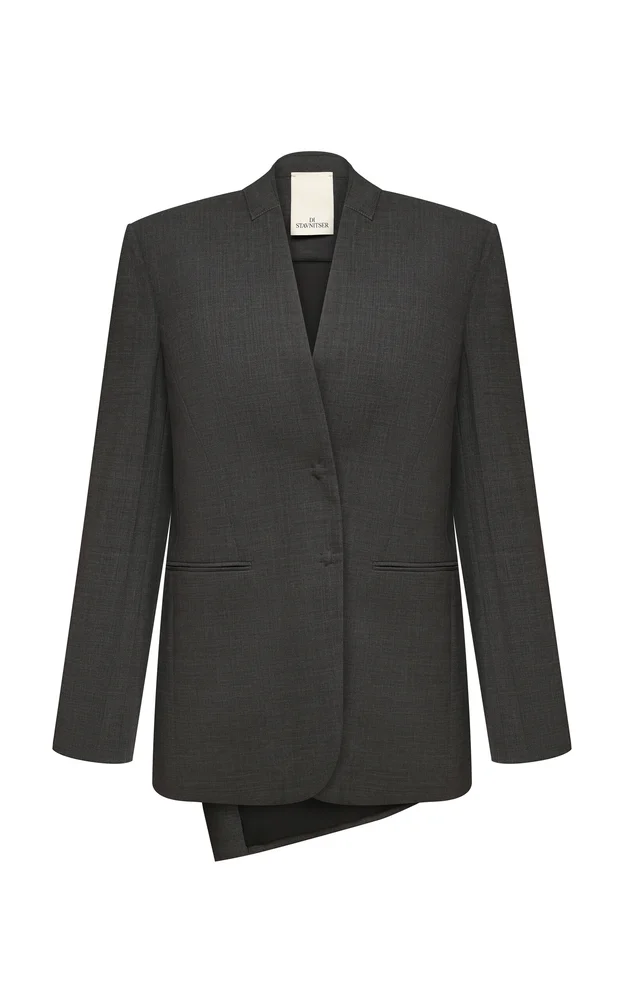
Brera Wool Jacket
Di Stavnitser
$1,100
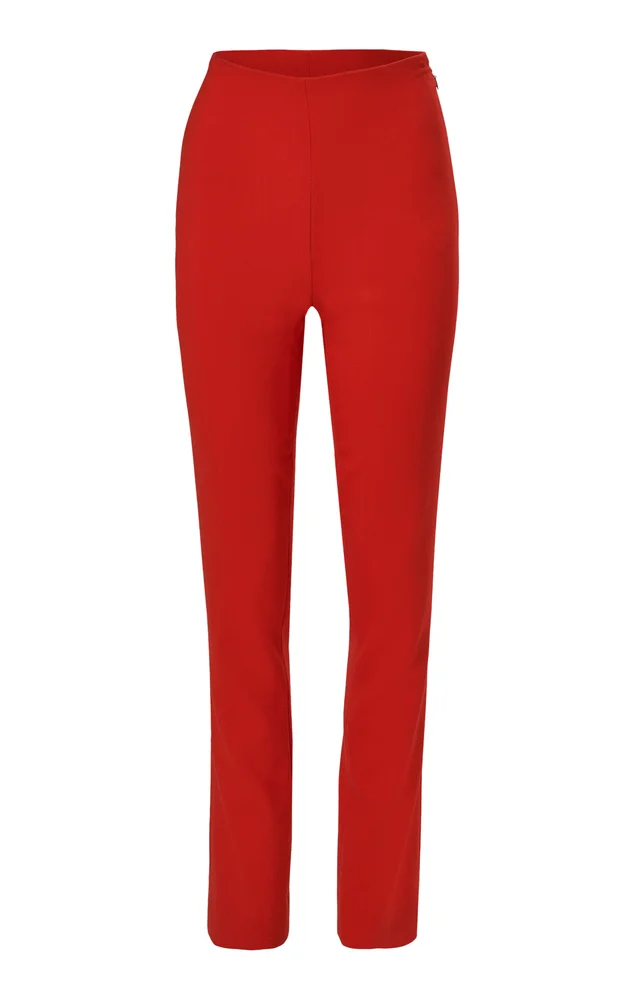
Tailored Wool-Blend Cigarette Pants
Carolina Herrera
$1,090
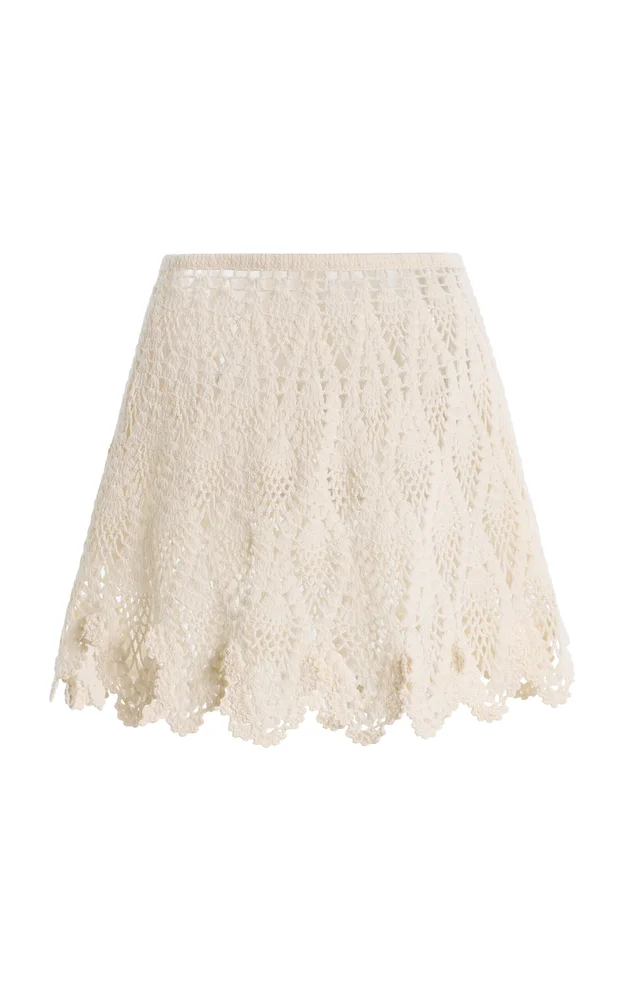
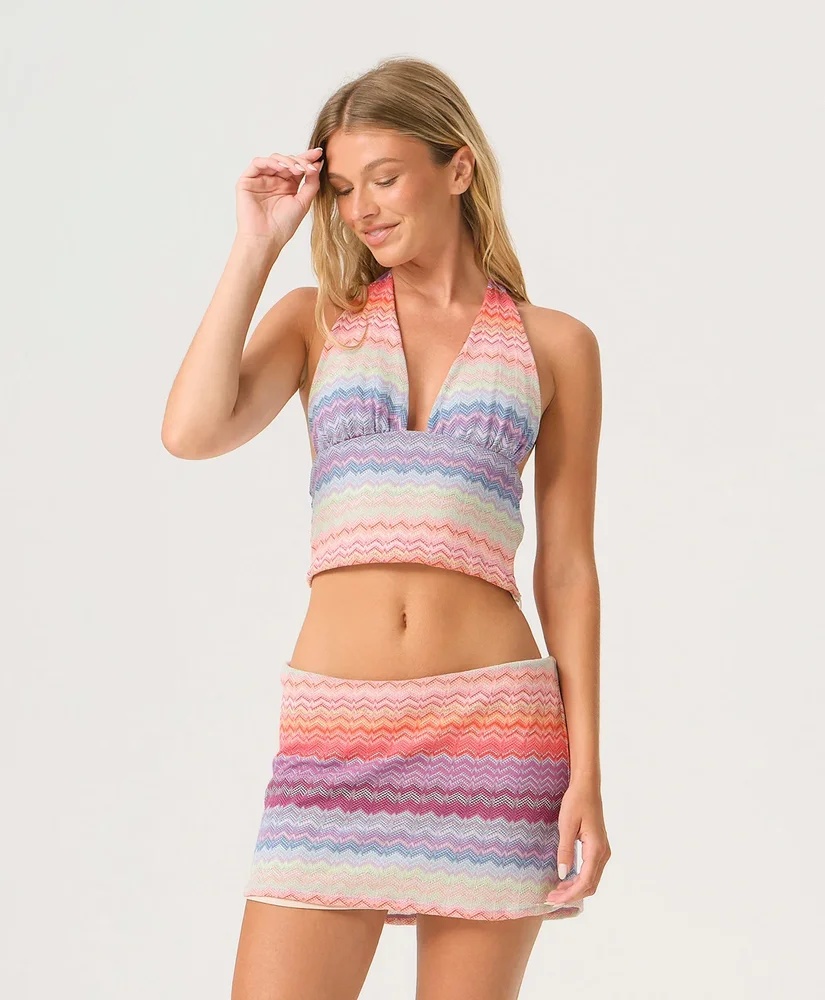
Crocheted Wool Lace Mini Skirt
JW Anderson
$1,080
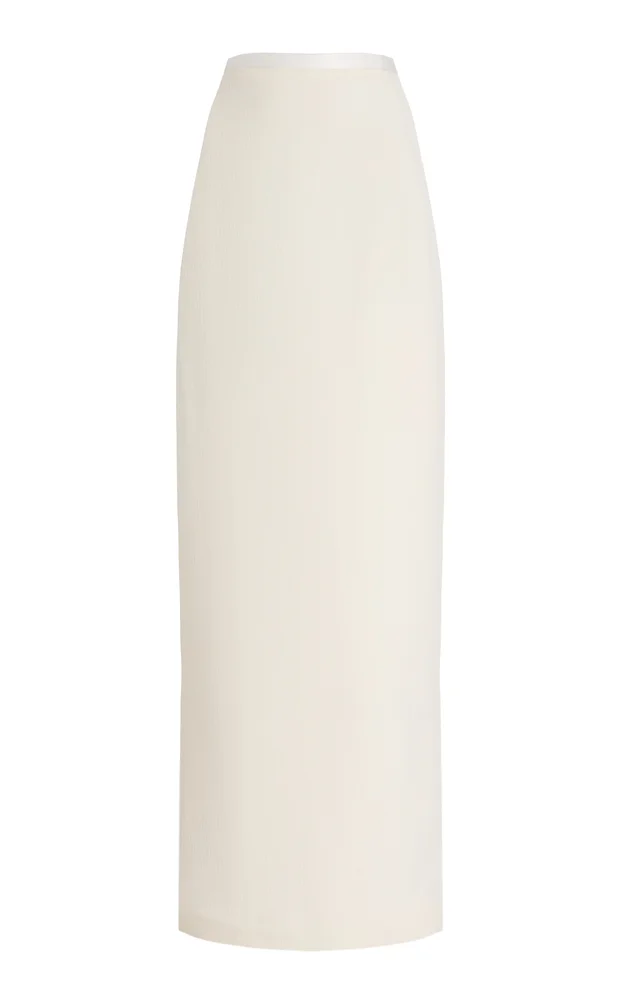
Wool-Crepe Maxi Skirt
SEV
$1,135
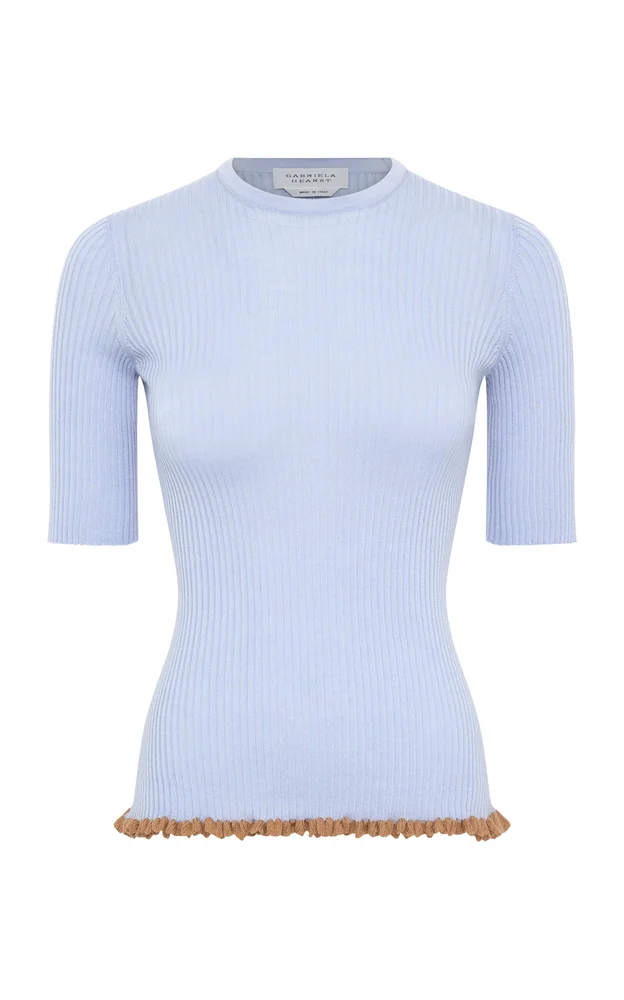
Mireya Lace-Trimmed Ribbed Wool-Silk Top
Gabriela Hearst
$1,150
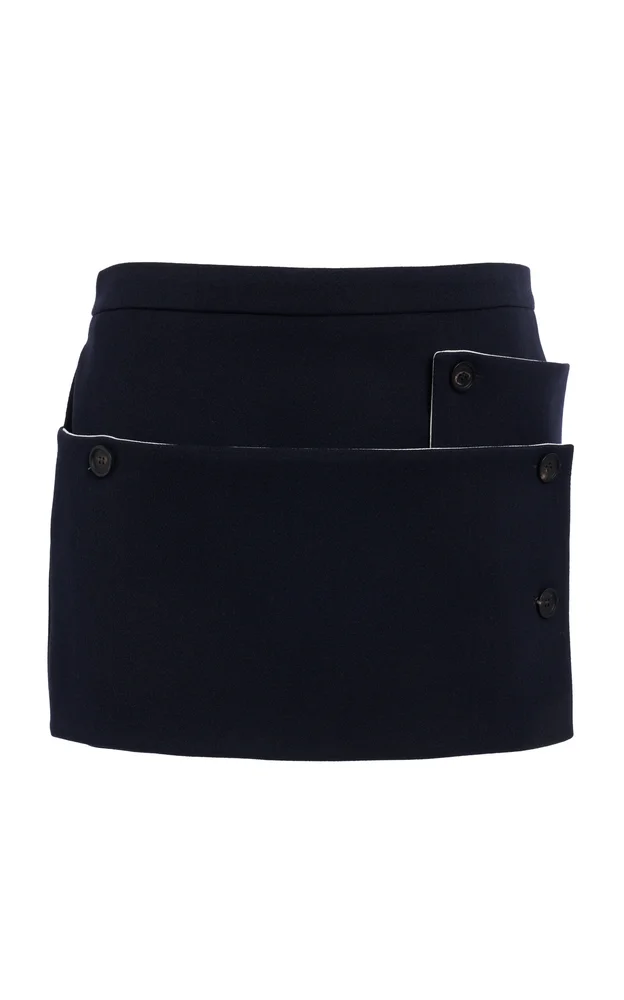
Asymmetric Wool-Blend Mini Skirt
Ferragamo
$1,150
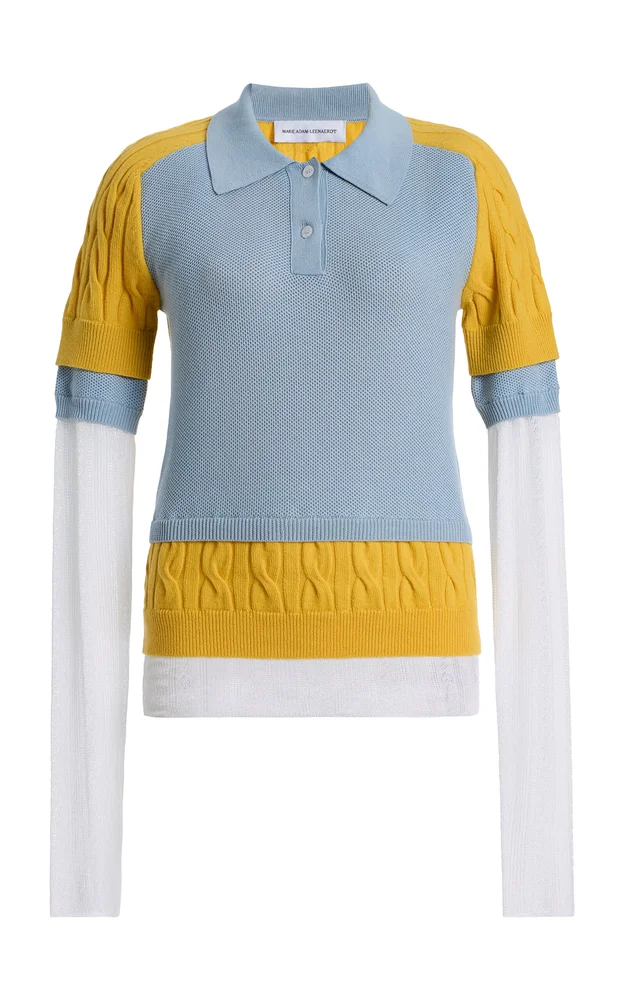
Polo All In Cotton-Wool Top
Marie Adam-Leenaerdt
$1,030
A few knitwear label questions
What does cashmere mean on a label?
Under U.S. rules, cashmere is fine, dehaired undercoat from a Cashmere goat that meets a fiber-diameter standard. The name is not a guarantee that the garment is all cashmere.
Does a wool-cashmere label show the percentages?
If a garment's fiber content refers to cashmere blended with sheep's wool, its label must disclose the actual percentages. Read the fiber-content label rather than relying on a hangtag alone.
Does two-ply mean better cashmere?
Not on its own. CCMI says two-ply offsets single-yarn torque, while extra plies add weight rather than inherently adding quality; fiber length, fineness and knit construction matter too.
What I would check before buying
I would skip a knit whose marketing leans on the word cashmere but gives me no clear fiber percentages or care instructions. A fiber label answers what is in the garment; the care label tells me whether its upkeep fits my actual week. I would also resist paying extra for a higher ply count alone, since more plies can change weight without proving better quality.
For someone choosing between these fibers, the sensible order is label, construction, then hand-feel. Look for a clear blend disclosure, a knit with even tension, and care instructions you will follow. If the care label says to fold and rest the piece, I would rather make room for that routine than pretend a delicate knit is an everyday workhorse.