Bags
Bags
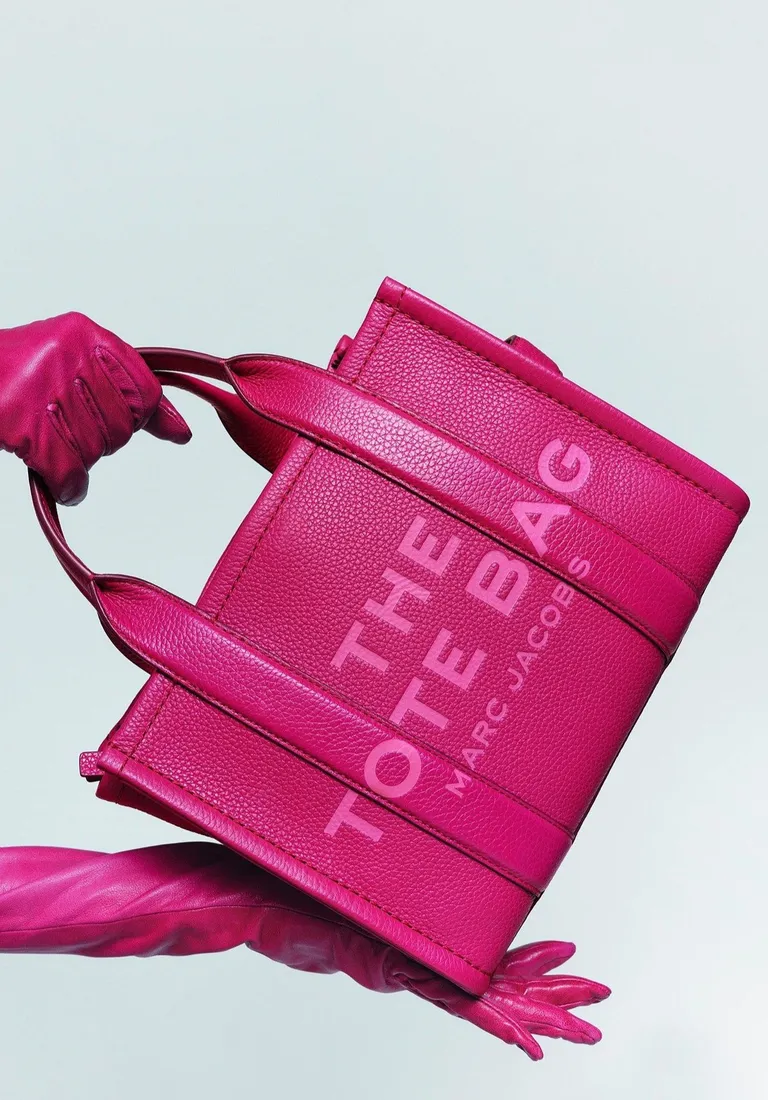
The Marc Jacobs Tote Bag Pink Edit
The Marc Jacobs tote pink options are Ribbon Pink, Hot Pink and Petal Pink, with the name embossed rather than printed. I go through the small and medium sizes, then the shoulder bags and crossbodies.

The BDG Cindy Shoulder Bag
The BDG Cindy shoulder bag is a slouchy faux-leather hobo for shoulder or crossbody carry, with a relaxed shape suited to daily essentials.
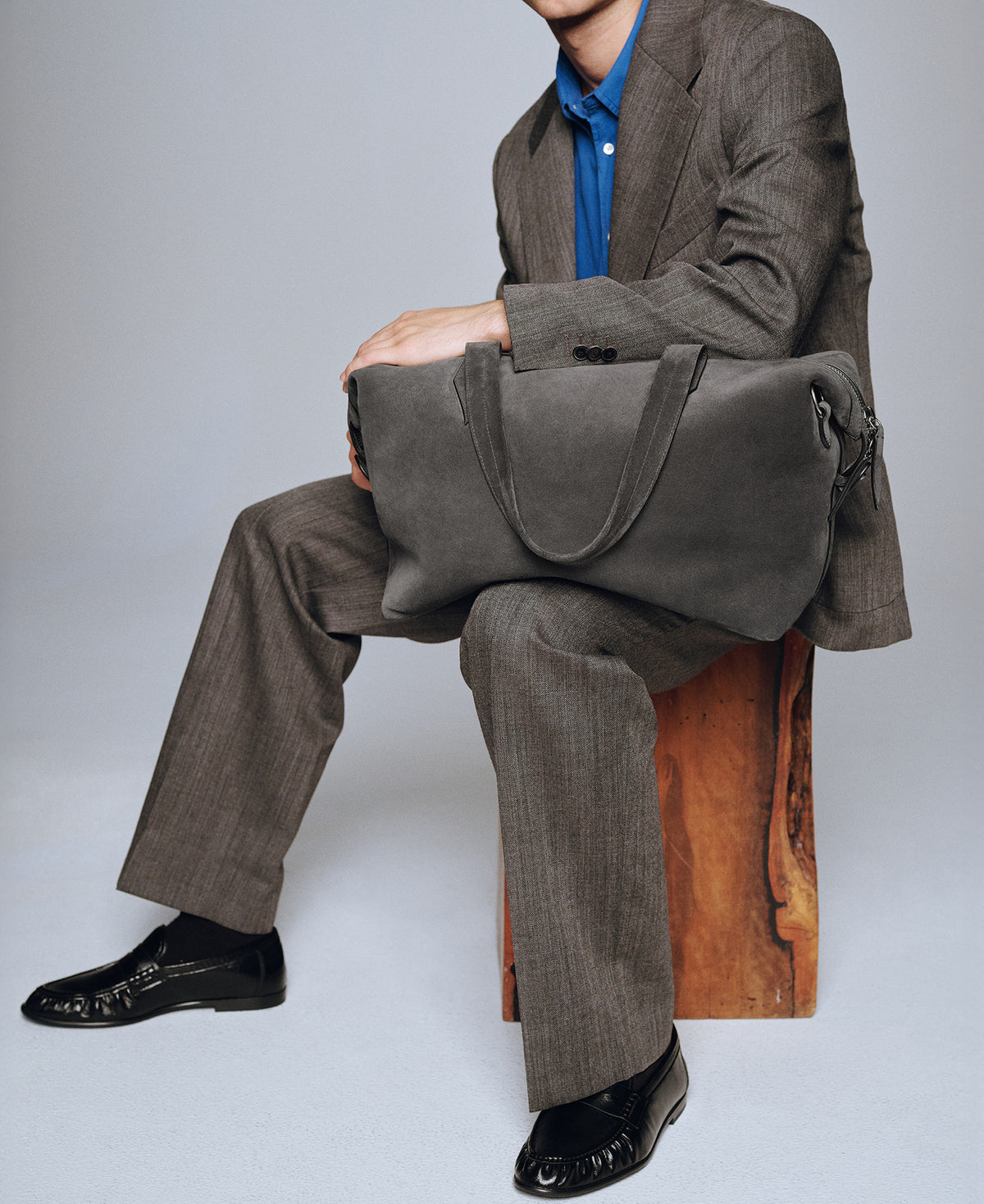
Métier Bags
Métier was founded in London in 2017 by Melissa Morris, who came to bags through sculpture, merchandising and a frustration with losing essentials inside them. The brand prototypes are tested to simulate years of use, with storage and movement treated as design problems rather than afterthoughts. These are bags for people who want their logistics to look composed.
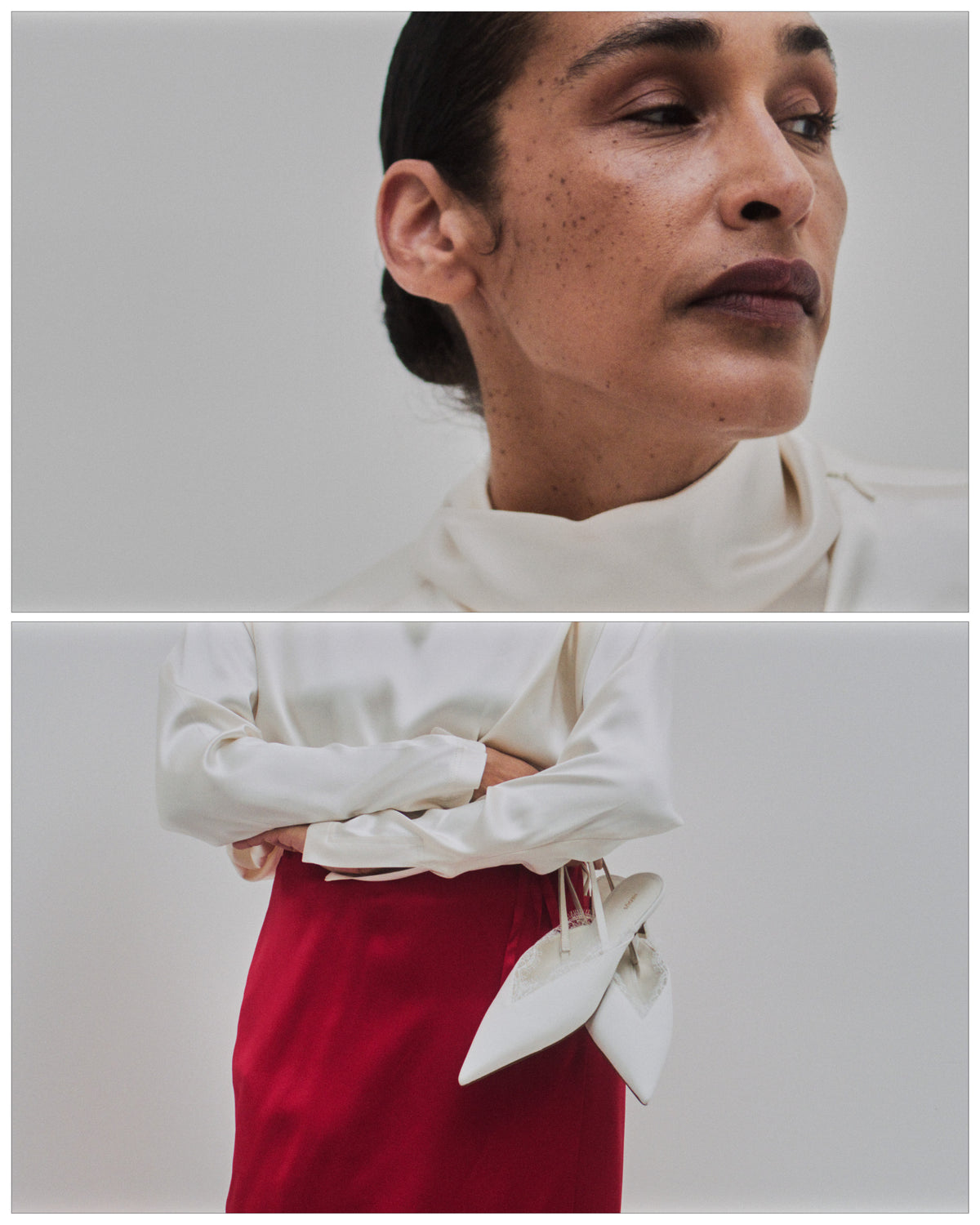
NEOUS Shoes: Sharp Heels and Textured Bags From London
NEOUS shoes and bags are made for people who like a little architecture in their wardrobe, from a London label founded in 2017. I go through the textured shoulder bags and the sharp shoes Vanissa Antonious designs.
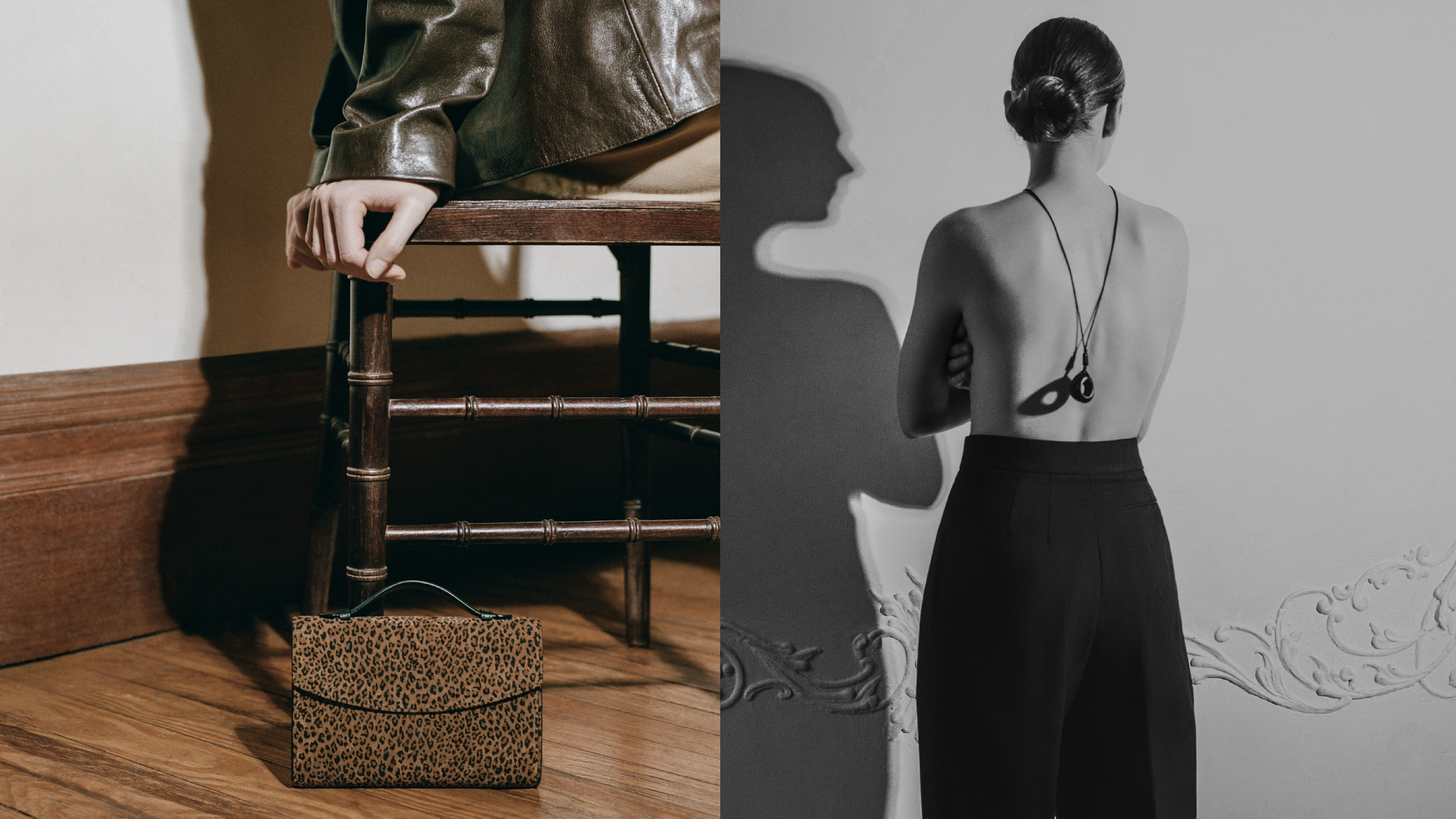
Hunting Season Bags and Accessories: Handwoven Designer Pieces
Hunting Season was founded by Danielle Corona in 2006 after her time at Valentino, with a point of view shaped by old films, English manor houses and the idea that a handbag can be wearable art. Production now works with artisans in Colombia, where natural fibers and tagua seeds become woven bags, leather pieces and jewelry. The result is restrained enough for daily use but never anonymous.

Woven And Canvas Carryalls
Woven and canvas bags are back because people carry laptops again, and the material is what changed. I compare canvas with leather trim, Toteme canvas totes, a reversible tote and raffia.
Loeffler Randall
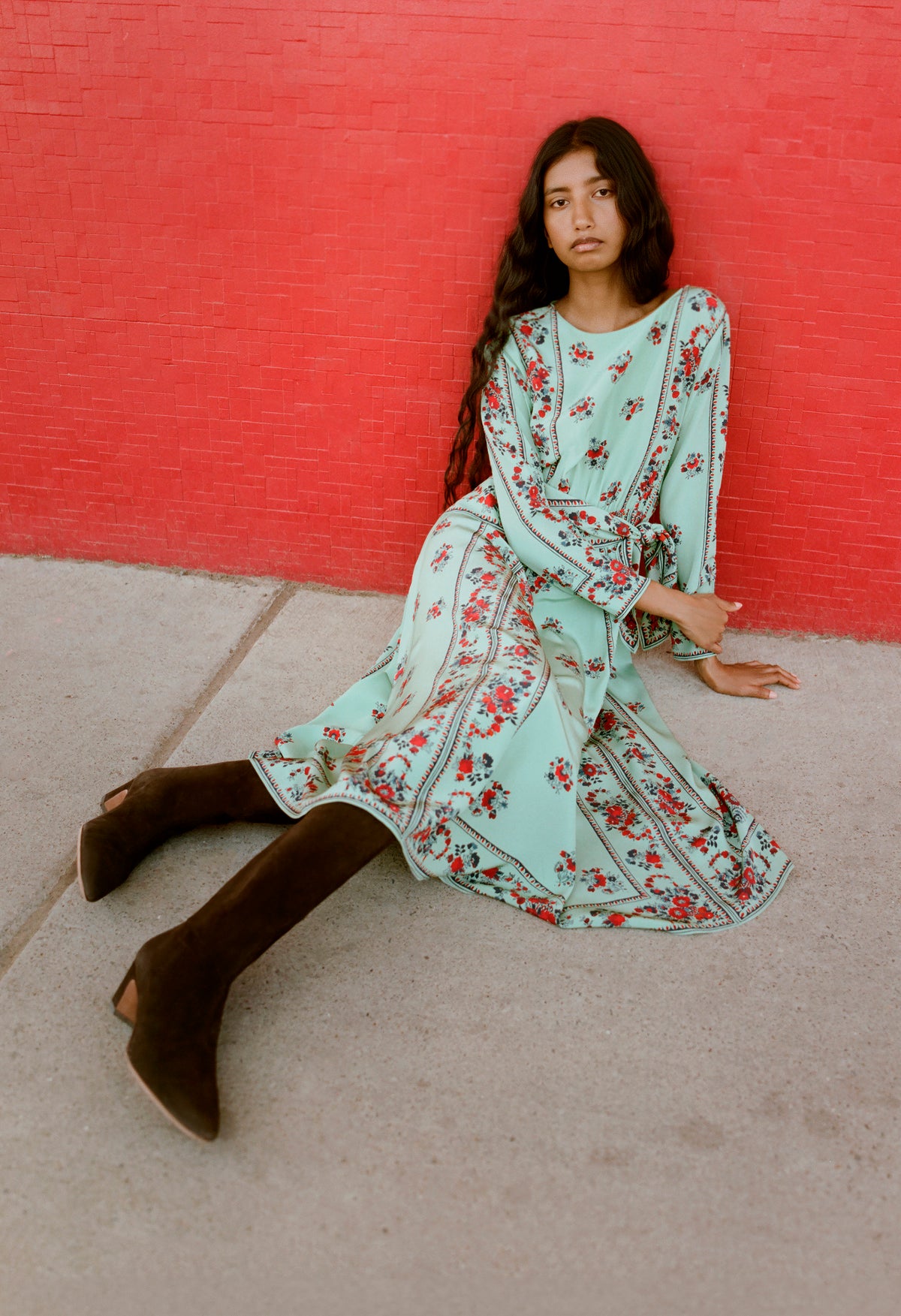
Jessie Randall sketched the brand's first collection from a Cobble Hill garden apartment in 2004, her dog in her lap, while her husband Brian worked full-time in advertising to support them both. He cut up their wedding invitation and tucked pieces of it into the footbed of an early prototype alongside her middle and last names, which is how the brand got its own. Bergdorf Goodman picked up that debut collection in its very first season, and Jessie went on to win the CFDA's Swarovski Award for Accessory Design just two years later.

Isabel Marant Bags
Isabel Marant started sewing at fifteen after asking her father for a machine, then trained at Studio Bercot and apprenticed under Michel Klein before launching her own label in 1994 out of a Paris squat courtyard runway show. Her first boutique opened in 1998 on rue de Charonne and remains the flagship today, the same neighborhood logic she's built her entire aesthetic around: Parisian, unbothered, dressed like you didn't try. She's the designer credited with putting the wedge into the sneaker around 2010, a shoe that a decade later is still copied more than it's matched.
Khaite Shoes, Bags and Accessories: Leather Pumps and Sandals
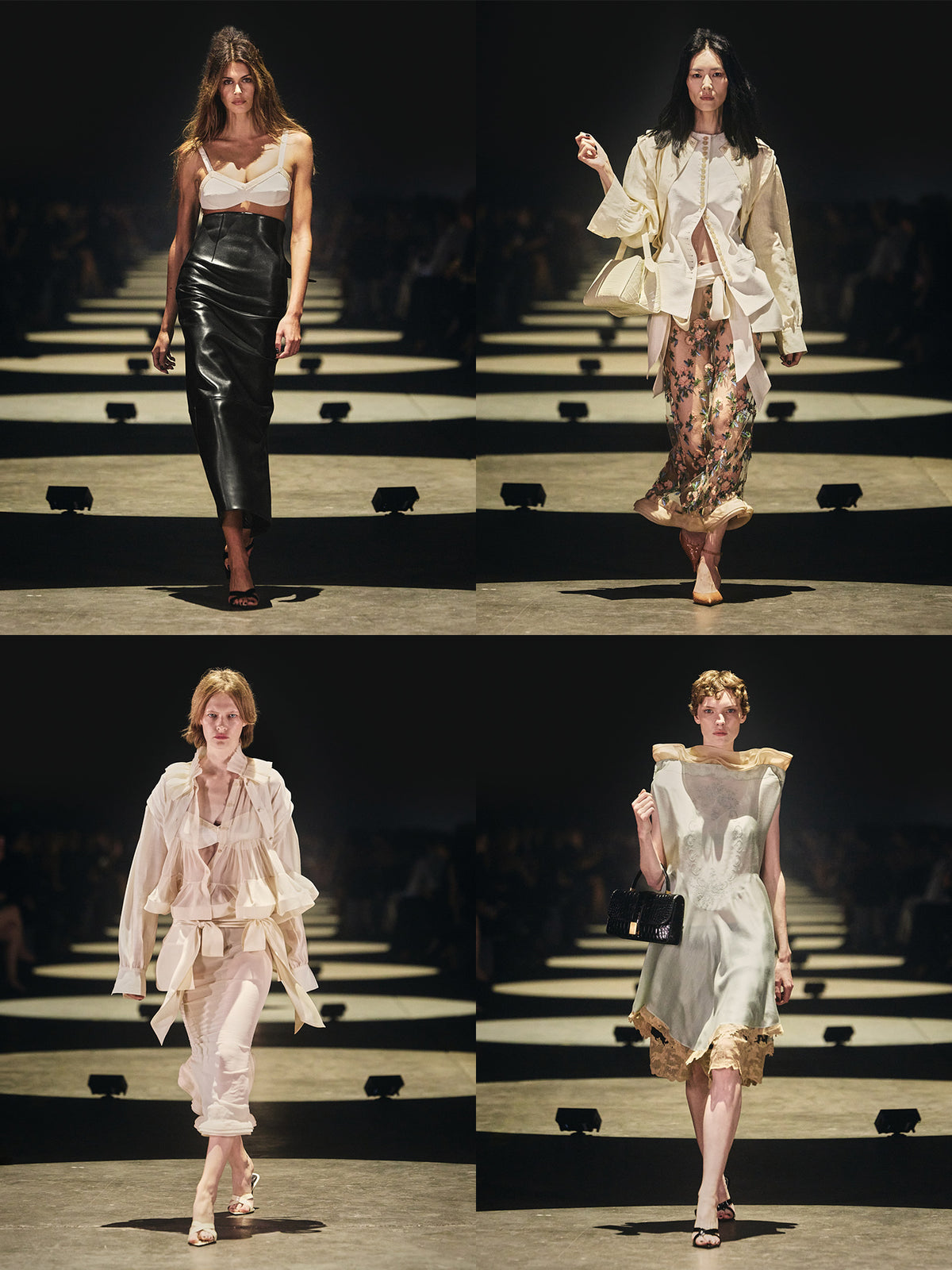
Catherine Holstein launched Khaite in New York in 2016 with backing from Adam Pritzker's Assembled Brands, after a first eponymous label she started as a Parsons student closed in the 2008 financial crisis and a five-year run designing for Gap, Vera Wang and The Elder Statesman taught her the parts of the business she'd missed the first time. The label opened on denim and cashmere knitwear before adding runway shows in 2019 and an in-house bags and footwear line the same season, and Holstein still designs under a name modeled on the Greek word for long, flowing hair.
Bottega Veneta Shoes and Bags
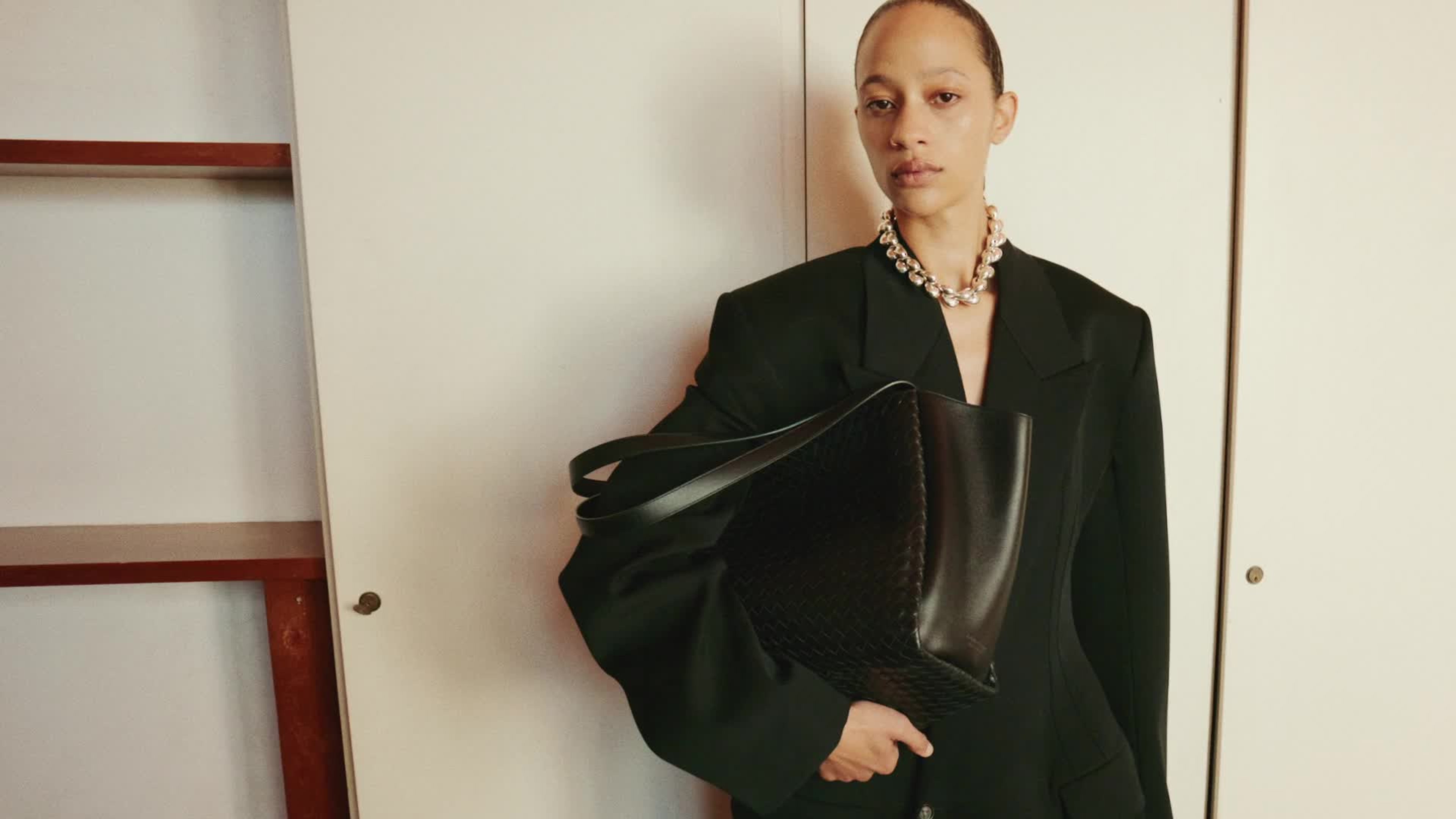
Bottega Veneta was started in 1966 in Vicenza by Michele Taddei and Renzo Zengiaro, two leathermakers who decided the House would never need a logo. The specific thing they built instead was intrecciato, the woven leather technique introduced in 1975 that turned a manufacturing workaround into the label's entire visual language.
The Row Bags and Shoes
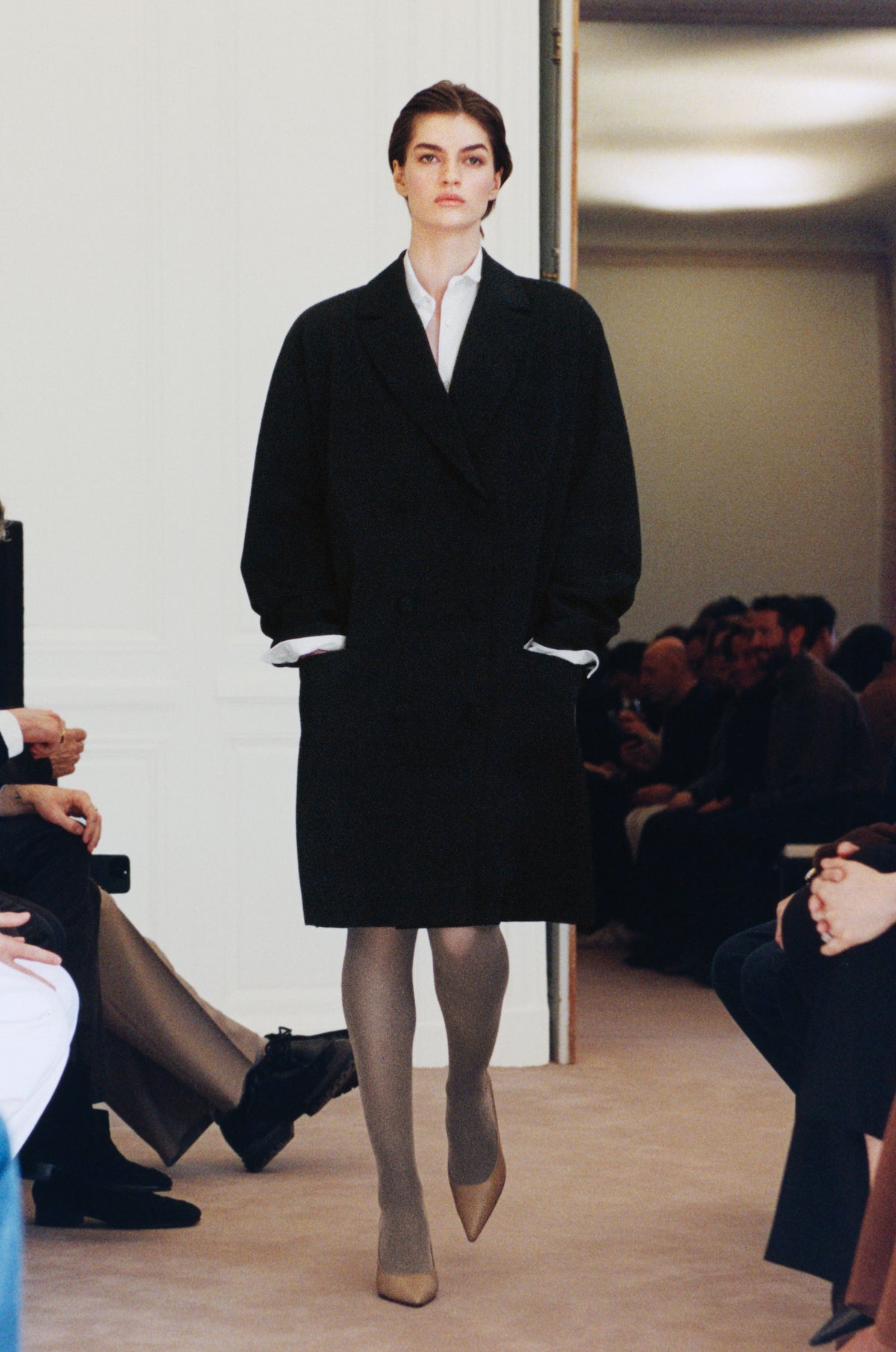
Mary-Kate and Ashley Olsen founded The Row in New York in 2006, after Ashley spent a year trying to design an ideal, no-logo white T-shirt and the pair built it into a seven-piece debut collection that Barneys bought in full. They named it after Savile Row and, for its first three years, gave no interviews about it at all, betting the clothes could carry the label without their names on it.
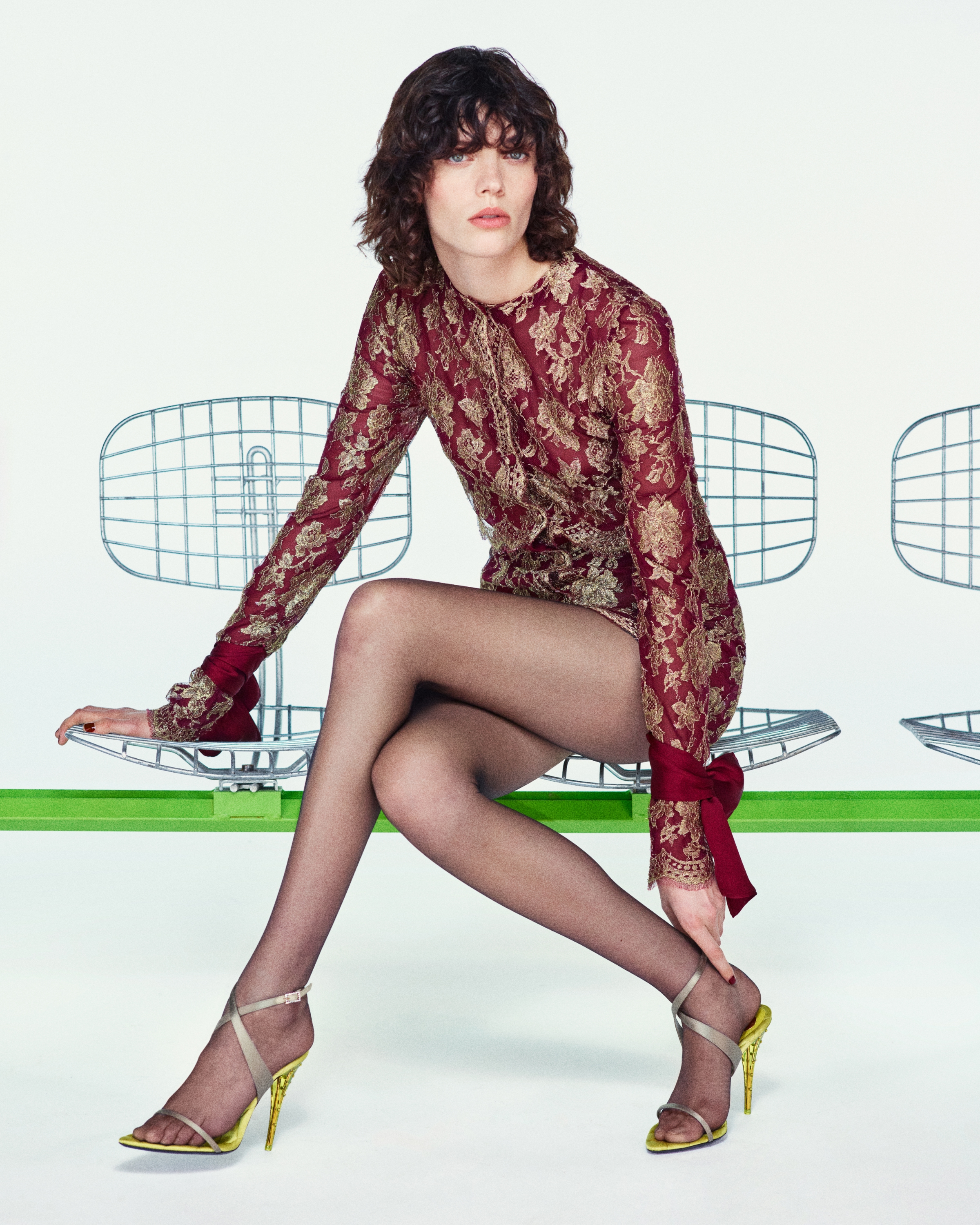
YSL 1961: Saint Laurent, the Paris House Founded in 1961
Saint Laurent, or YSL, is the Paris house Yves Saint Laurent and Pierre Bergé opened in 1961. The accessories and shoes I think are worth a look.
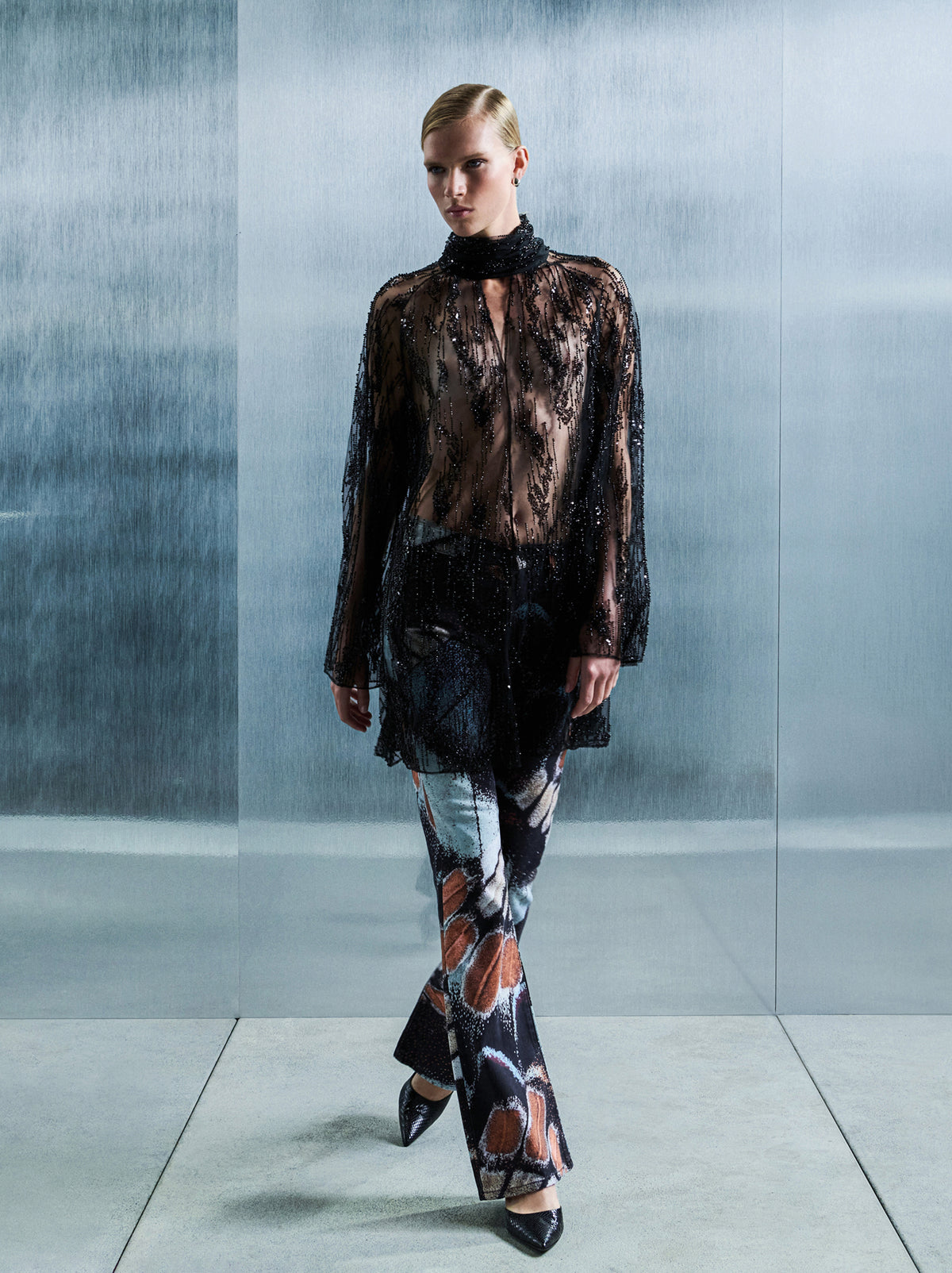
STAUD Dresses and Bags
Sarah Staudinger, previously the fashion director at Reformation, launched Staud in Los Angeles in 2015 with business partner George Augusto, naming it after her own childhood nickname. The brand started as a made-to-order customization concept before pivoting to ready-to-wear once customers made clear they wanted the bags and dresses as designed, a shift that produced breakout accessories like the Bissett and Moreau bucket bags.
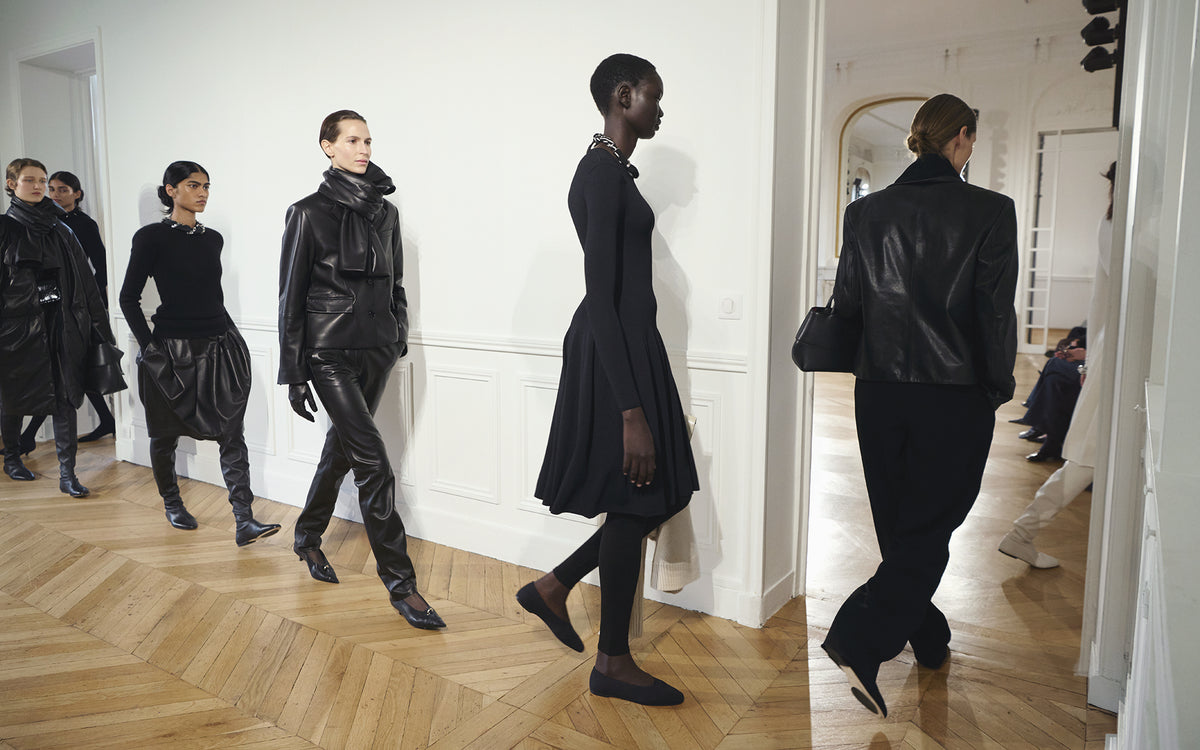
Toteme
Elin Kling, a Swedish fashion journalist, and Karl Lindman, an art director who had worked with Interview magazine, founded Toteme in New York in 2014, the same year they married, before moving the company back to their native Stockholm in 2016. The name started as Totem until Kling suggested softening it with a final e, and the label built its identity on pared-back Scandinavian tailoring: poplin shirtdresses, boxy bouclé jackets and a signature fringed scarf detail.

Chloé Shoes and Bags
Gaby Aghion started Chloé in Paris in 1952, naming the house after a friend because a woman of her social standing was not supposed to have a job. The label made its name by treating luxury as something you could wear off the rack rather than have fitted at a couture house, and it kept proving that with the designers who passed through, from Karl Lagerfeld to Stella McCartney to Phoebe Philo.

Valentino Garavani Shoes and Bags
Valentino Garavani opened his own atelier on Rome's Via Condotti in 1959 and formally established the house in 1960 with Giancarlo Giammetti, an architecture student he met that year who became the business partner running the commercial side. The 1962 haute couture debut at Palazzo Pitti in Florence made the house's name almost overnight, and its saturated signature red, nicknamed Rosso Valentino, has stayed a house code ever since.
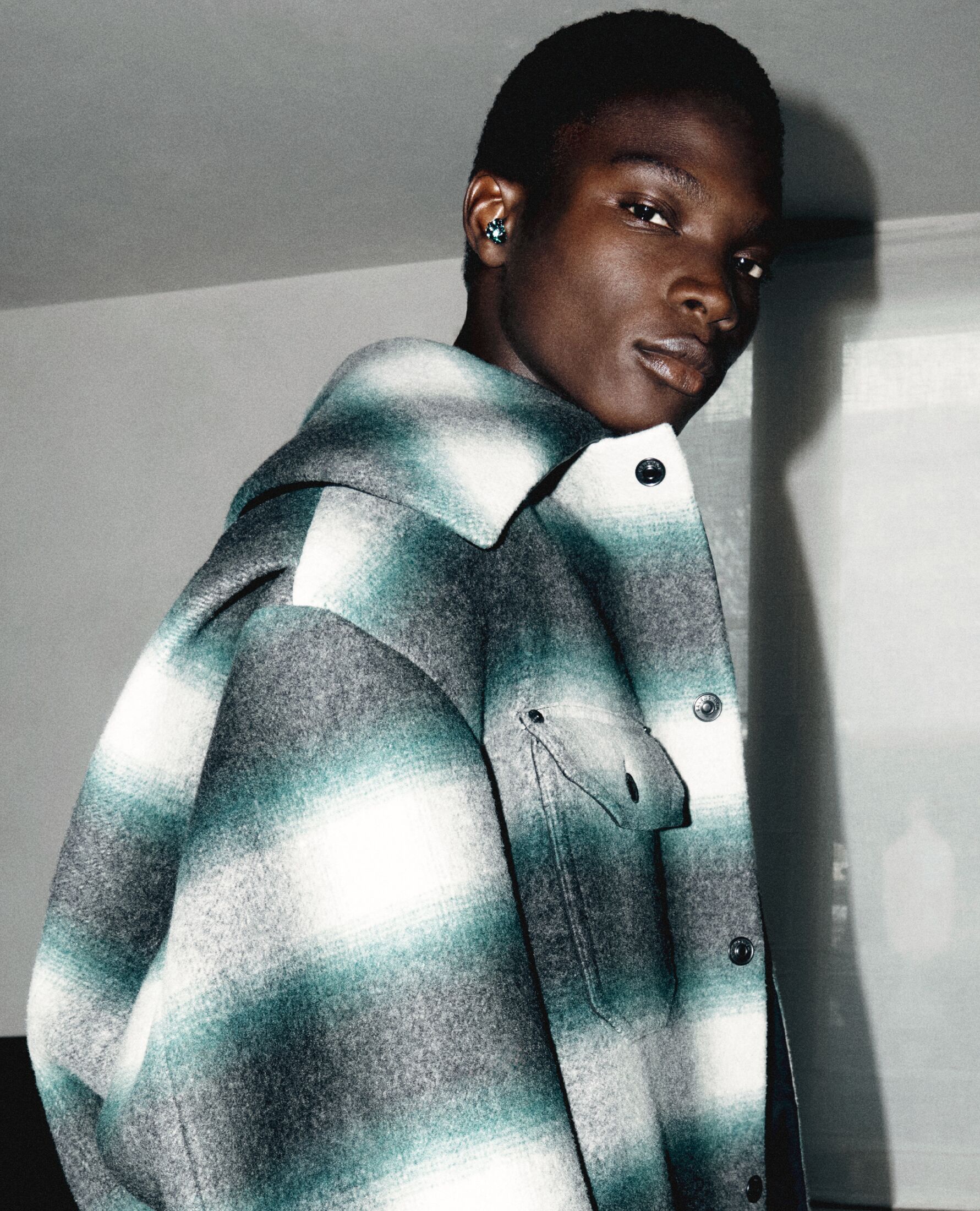
Balenciaga Shoes and Bags
Cristóbal Balenciaga opened his first atelier in San Sebastián in 1917, then moved the whole operation to Paris in 1937 once the Spanish Civil War made staying home impossible. What he built there was less about decoration than engineering: the sack dress, the cocoon coat, silhouettes cut with such structural control that Dior reportedly called him the master of the rest of them.

SIMKHAI Dresses and Bags
Jonathan Simkhai launched his namesake label in New York in 2010, coming out of his family's apparel manufacturing business and training at Parsons and the Fashion Institute of Technology. The brand built its name on draped eveningwear and body-conscious tailoring, won the CFDA/Vogue Fashion Fund in 2015, moved its studio to Los Angeles in 2018, and dropped Jonathan's first name from the label in 2023 to put the focus on the wider team.

Givenchy Bags and Dresses
Hubert de Givenchy opened his own Paris couture house in 1952 at just 24, after training under Jacques Fath, Robert Piguet, Lucien Lelong and Elsa Schiaparelli. His debut collection of interchangeable separates in raw cotton shirting, anchored by the white Bettina blouse, made practicality itself the news, and the house's identity was cemented a year later when he met Audrey Hepburn and began dressing her both on screen and off.

Ferragamo Shoes and Bags
Salvatore Ferragamo trained shoemakers in Hollywood before returning home to incorporate his company in Florence in 1927, chasing better artisans than he could find in America. He spent the following decades engineering the shoe as much as designing it, patenting the cork wedge and steel shank and improvising with raffia and nylon during wartime material shortages.
Jacquemus Bags and Shoes
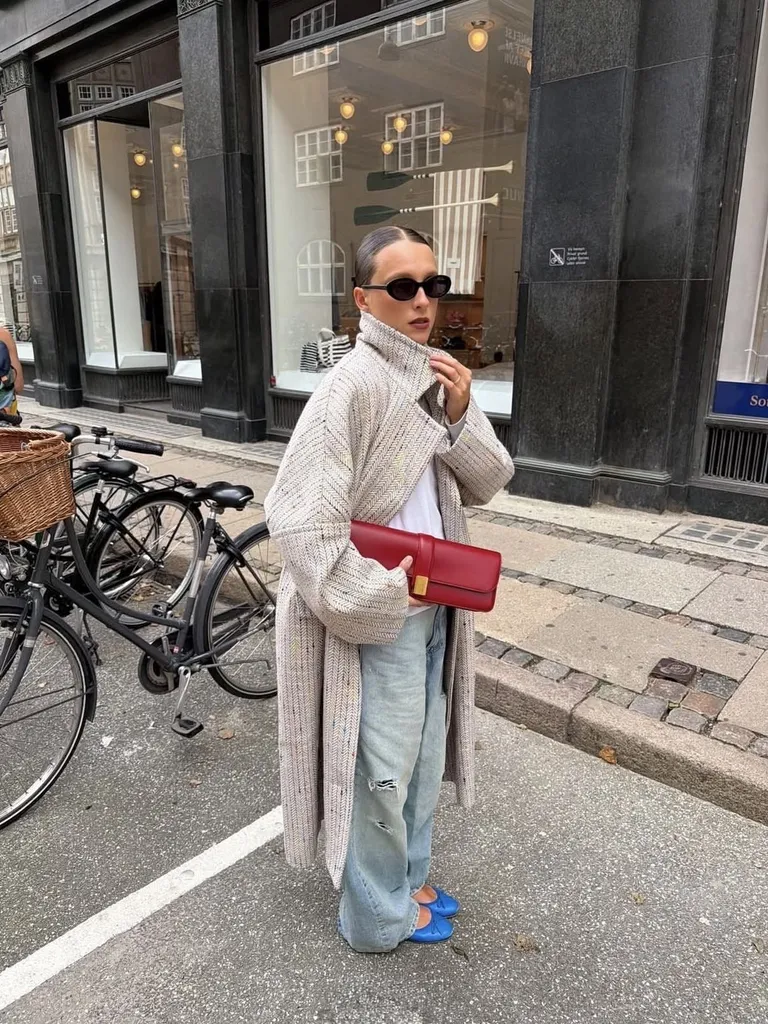
Simon Porte Jacquemus founded his label in Paris in 2009, at twenty, naming it after his mother's maiden name the same year she died, a loss he has described as the shock that pushed him to start designing. The house grew from a one-man operation into an independent fashion company with hundreds of employees, opening its first permanent store on Avenue Montaigne in 2022 after years of building a name through inventive presentations and a fast-growing digital following.
Gabriela Hearst Shoes and Bags
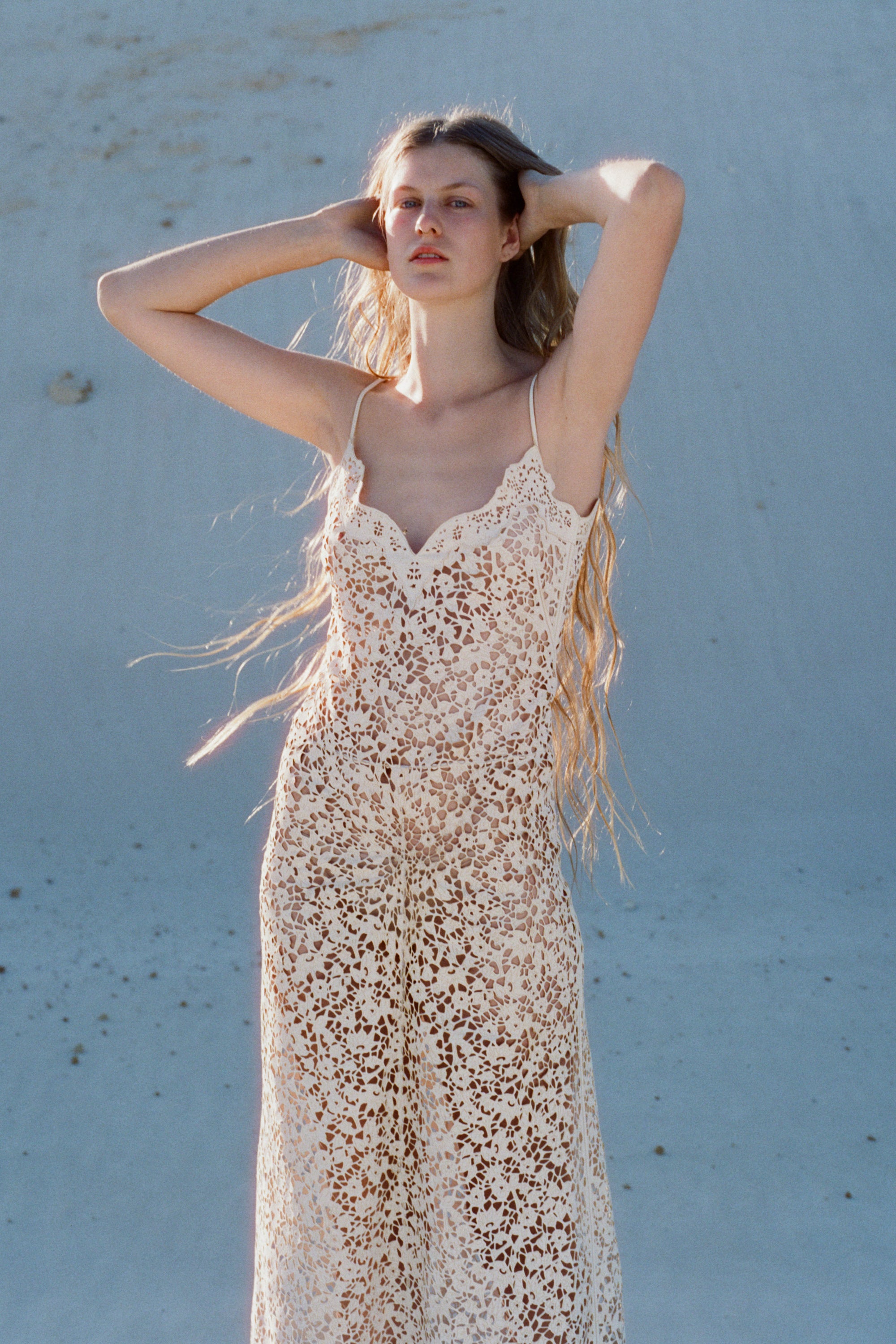
Gabriela Hearst grew up on her family's ranch in Paysandu, Uruguay, and after more than a decade working in New York design, launched her eponymous label for fall 2015 built explicitly around sustainability and a long-term view of clothing. The house has stayed close to that premise, from a partnership with the Uruguayan knitting cooperative Manos del Uruguay to a 2017 runway show run on roughly 30 percent deadstock fabric, while Hearst herself went on to lead Chloe from 2020 to 2023 as its first Latin American creative director.

Etro Dresses and Bags
Gimmo Etro started this Milan house in 1968 as a textile company, not a clothing label, built on a private collection of antique paisley shawls he and his wife Roberta had spent years assembling. The paisley did not become the brand's signature until 1981, after a trip to India, and it took until the early 1990s for Etro to sell a full ready-to-wear wardrobe at all.
Proenza Schouler Bags and Dresses
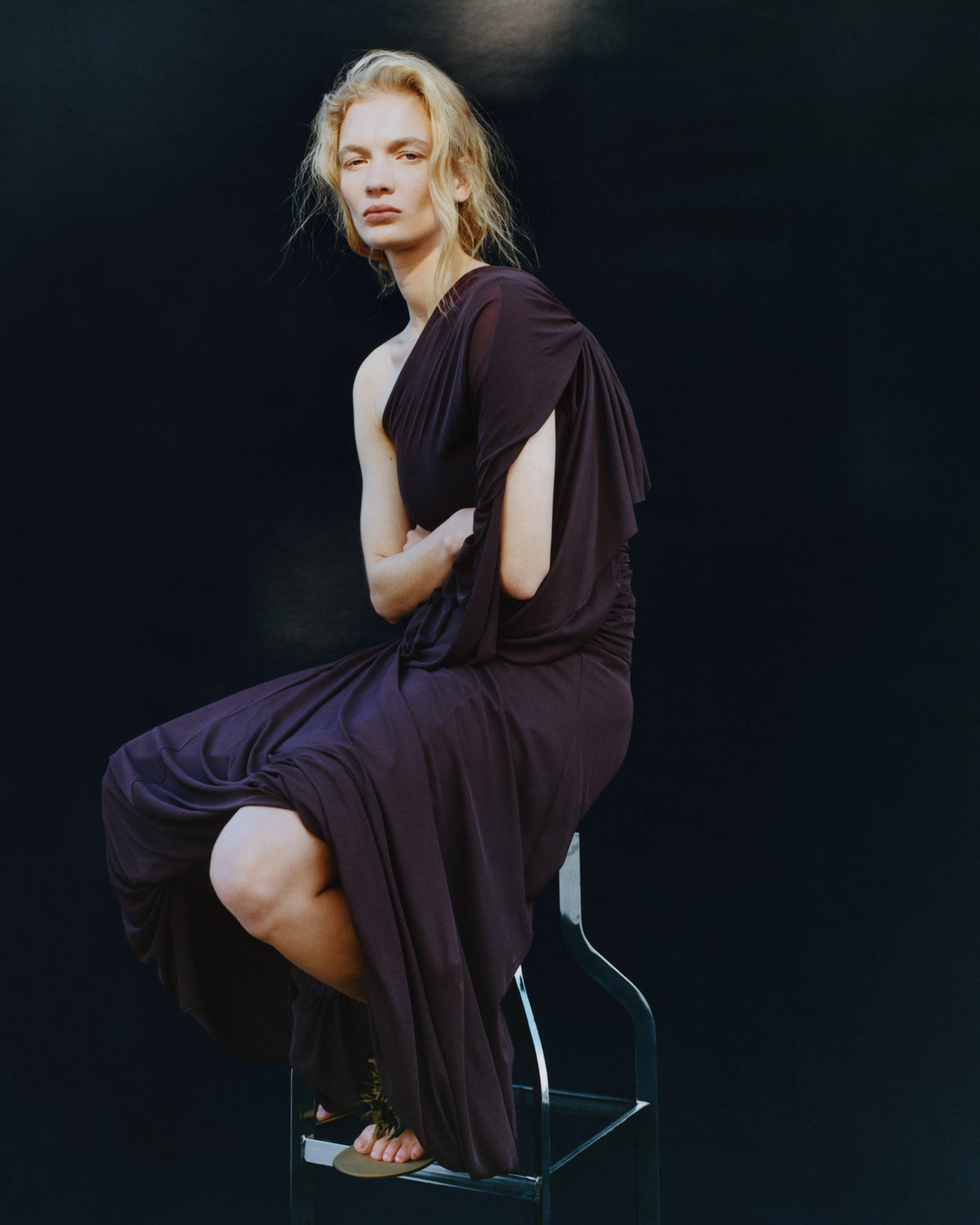
Jack McCollough and Lazaro Hernandez met at Parsons in New York and founded Proenza Schouler, named for their mothers' maiden names, when Barneys bought their senior thesis collection outright in 2002. The label built its reputation on the PS1 satchel, introduced in 2008, and on a run of CFDA awards including the first-ever CFDA and Vogue Fashion Fund prize in 2004.