Dermalogica Daily Microfoliant turns from a rice-based powder into a light foam with water. I explain who it suits and what to pair after exfoliating.
Dermalogica Daily Microfoliant: How to Use It
The papaya enzyme and the powder
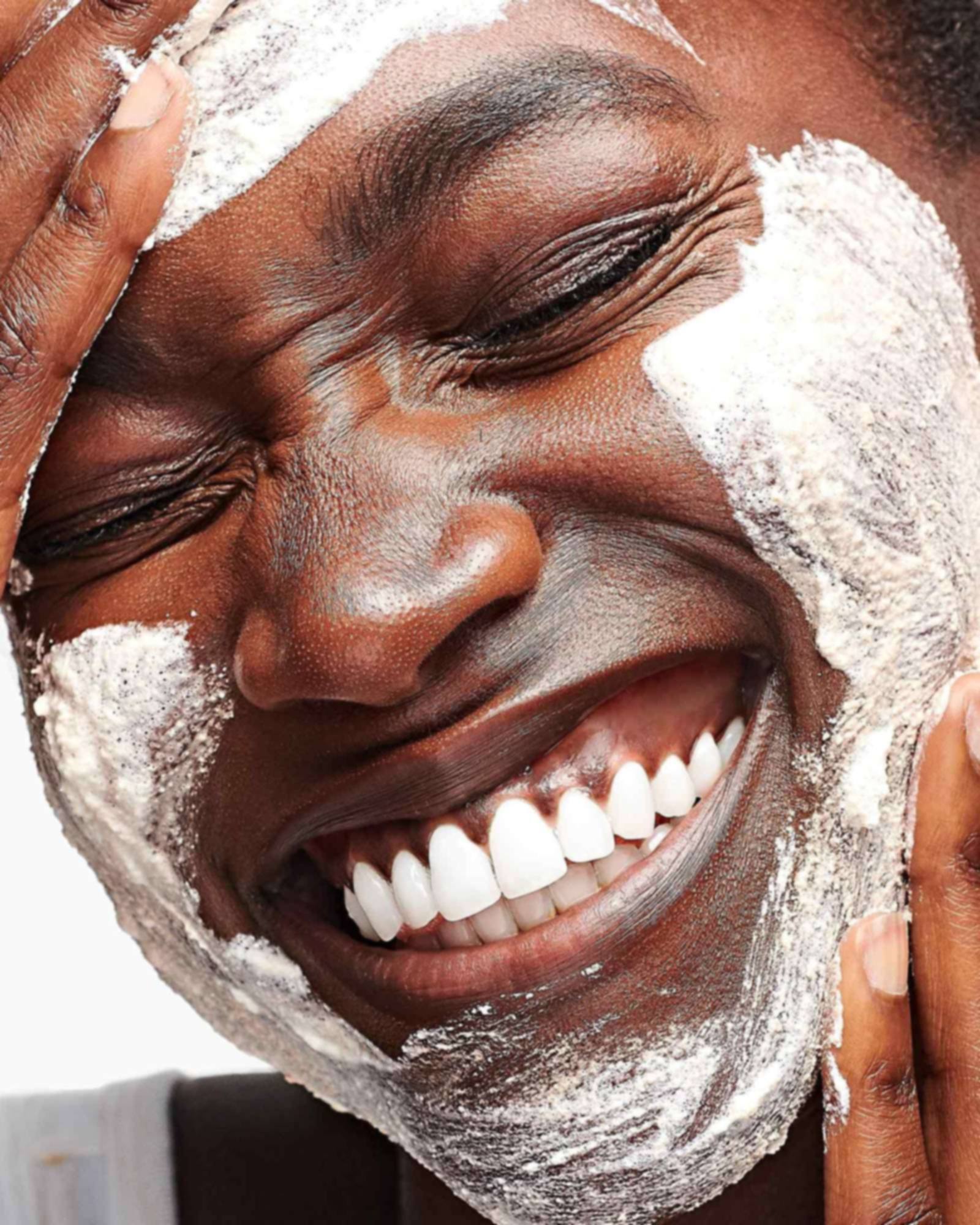
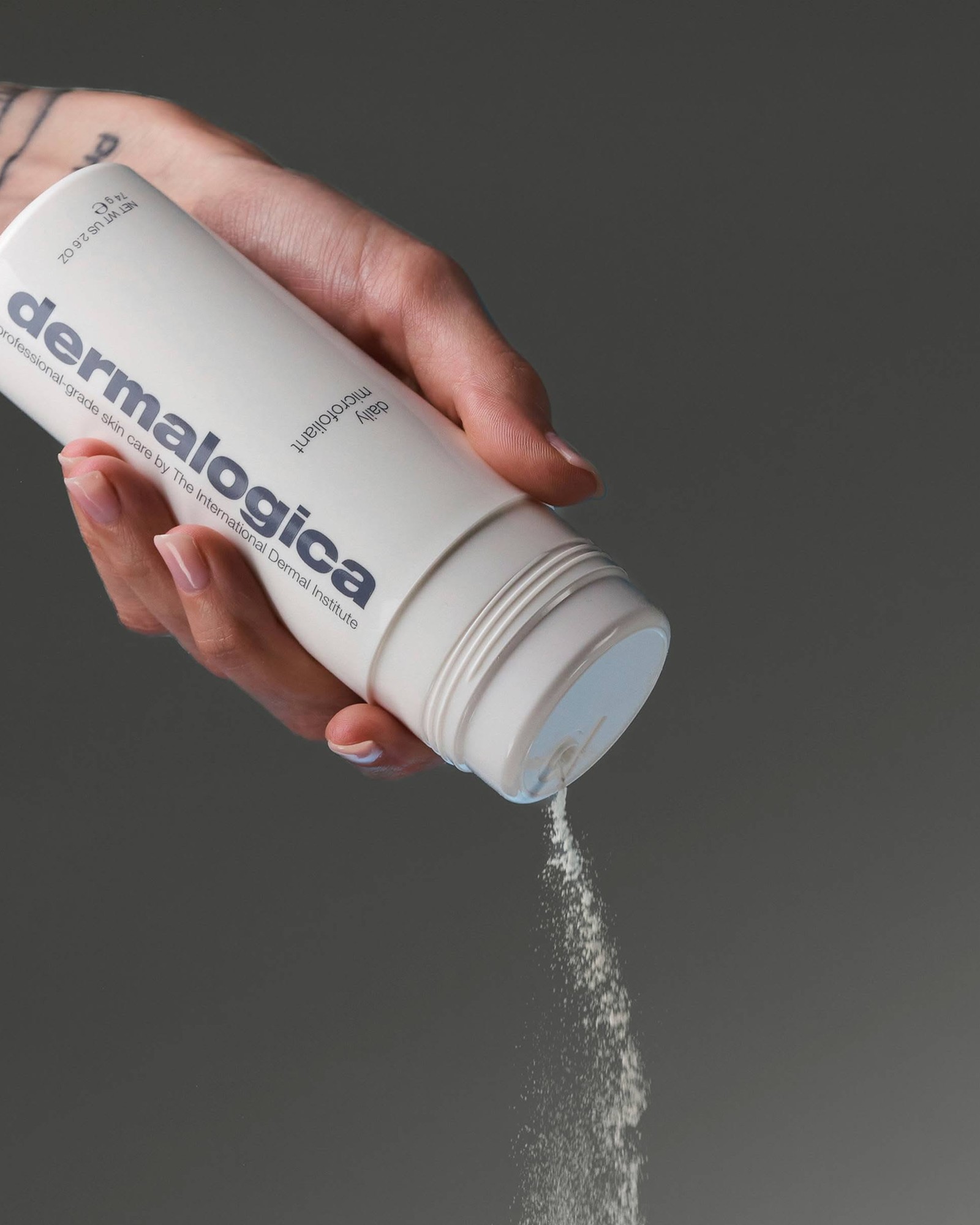
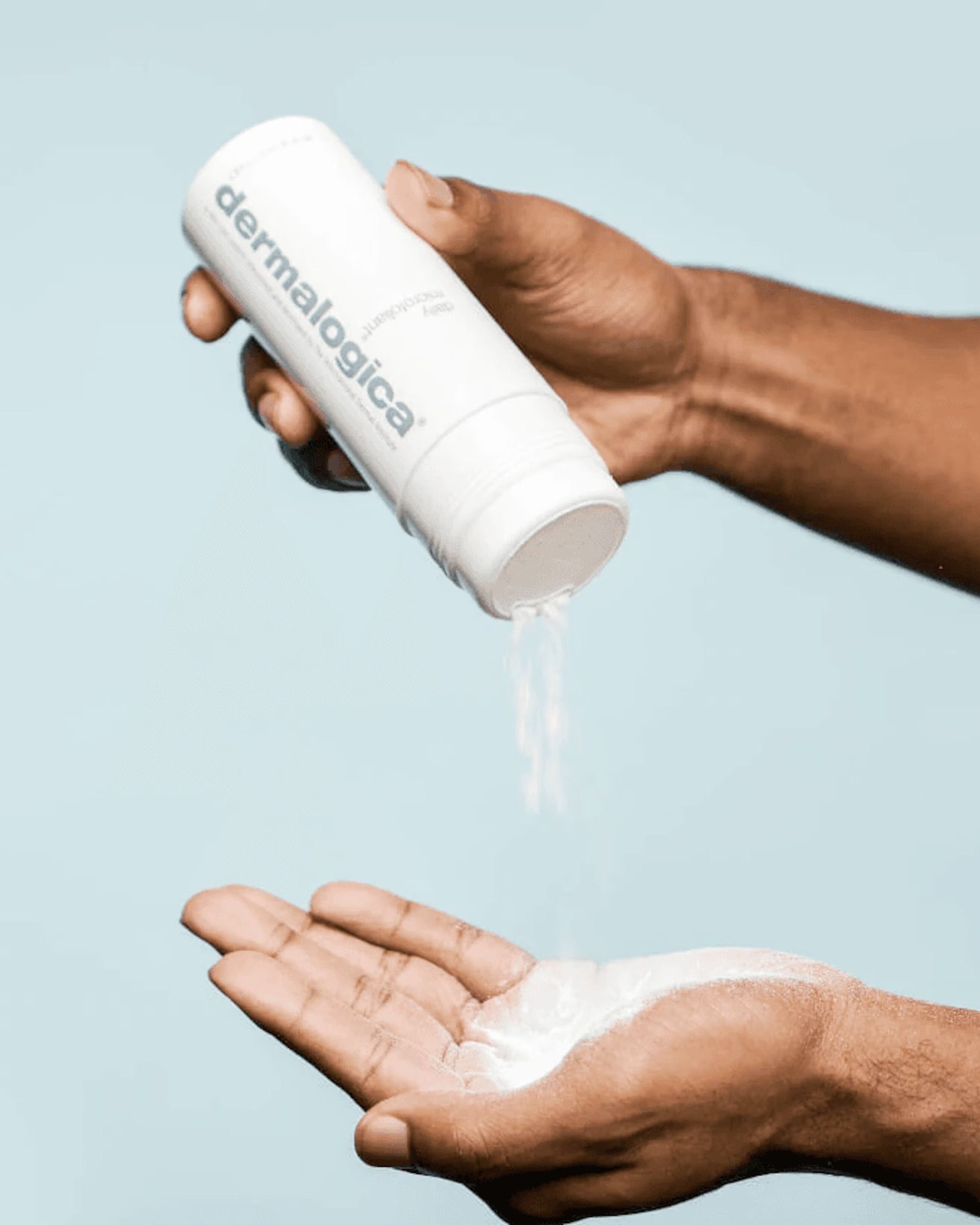
To use Dermalogica Daily Microfoliant, cleanse first, then mix about half a teaspoon with very wet hands until it becomes a creamy paste. Massage it gently in circles over your damp face and neck for one minute, avoiding the eye area, then rinse thoroughly.
It is a rice-based powder that activates with water, releasing papain and salicylic acid. Its origin story is unusually tactile: Jane Wurwand experienced a rice-powder treatment at a Japanese onsen in 1999, and a Parmesan shaker inspired the package; Dermalogica launched the product in 2001. That treatment-room sensibility is part of Dermalogica: A Skin Therapist's Shelf, Built From the Treatment Room Out.
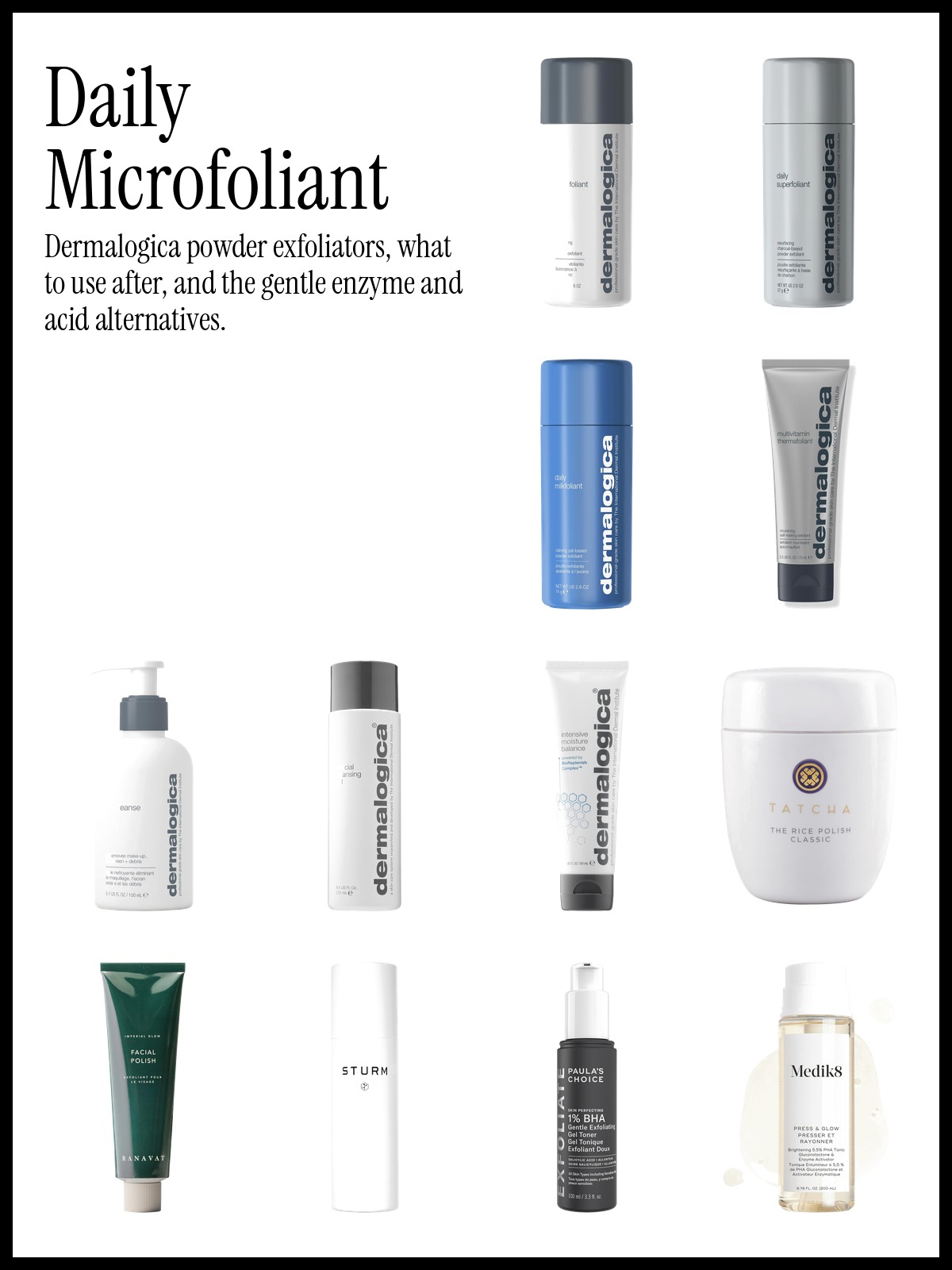
I like that the powder asks you to slow down for a minute. I would keep the pressure light and be honest about whether an exfoliating step suits your skin; daily use is not a personal obligation. Dermalogica also makes two other water-activated powders: Daily Superfoliant is charcoal-based, and Daily Milkfoliant is oat-based. I would start with the rice powder if that is the ingredient mix you want, then use Is Dermalogica Worth It? An Honest Look at Quality, Fit and Price for a broader read on the brand.
Dermalogica exfoliators for every skin type
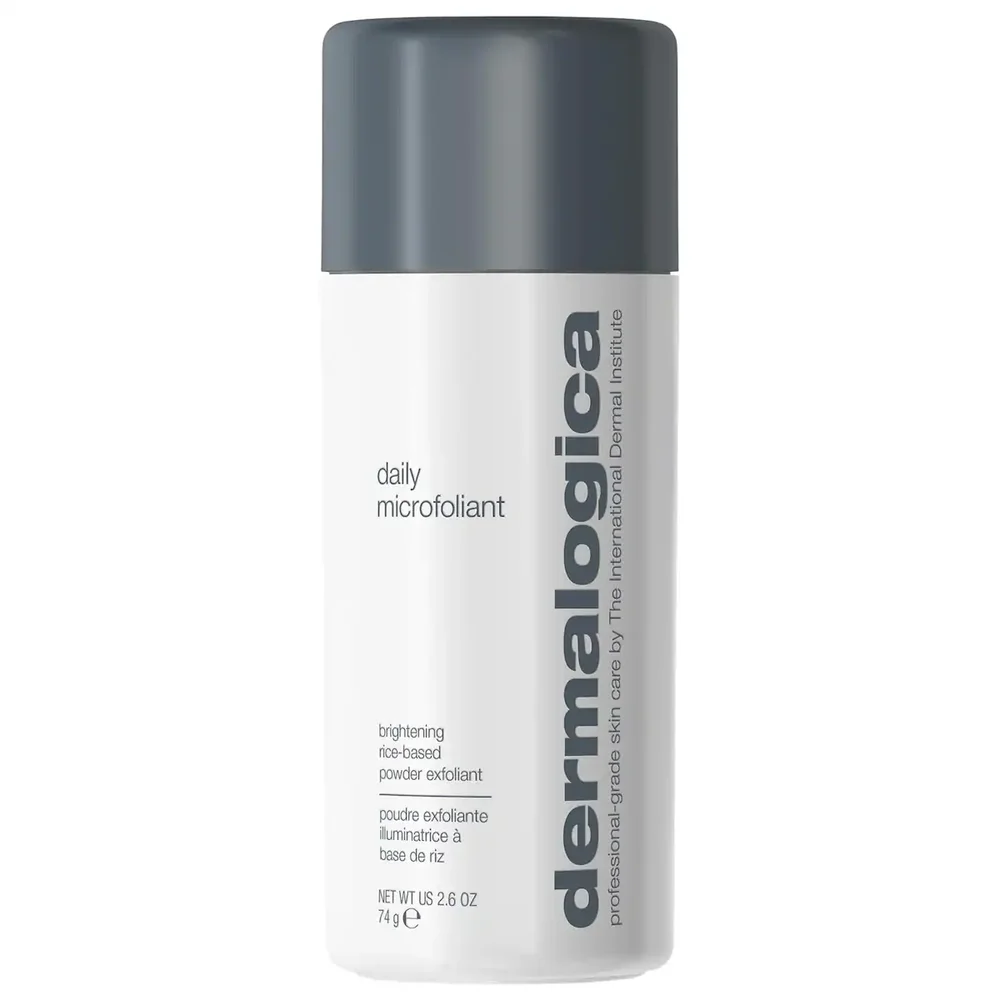
Daily Microfoliant, Salicylic Acid Powder Exfoliator
Dermalogica
$69
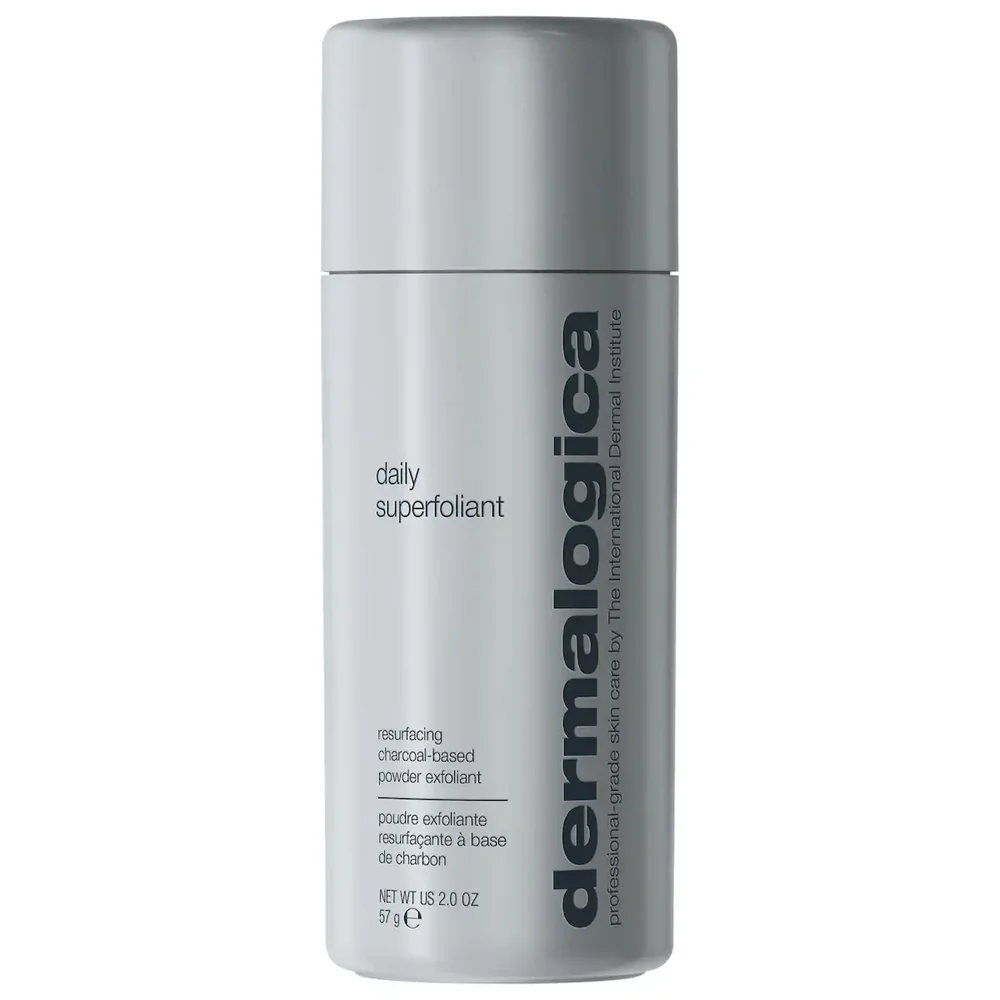
Daily Superfoliant, Charcoal & Niacinamide Powder Exfoliant
Dermalogica
$69
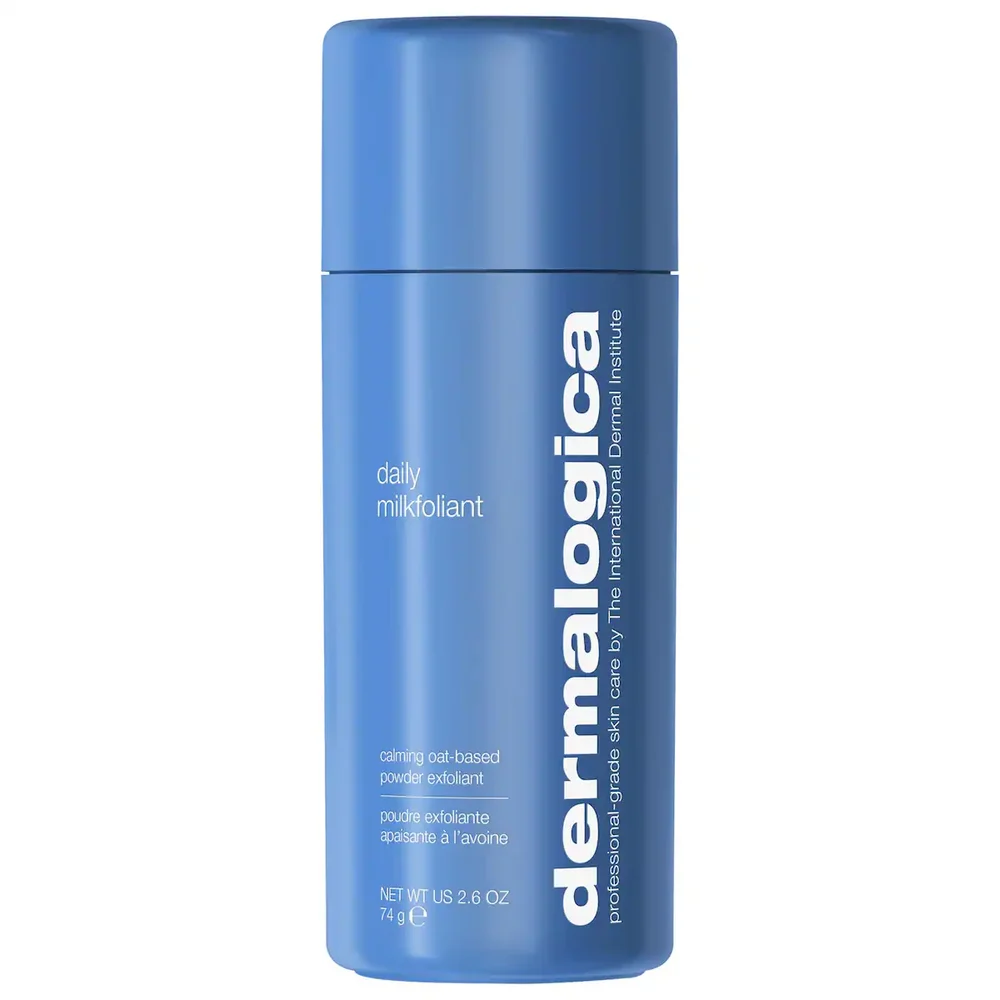
Daily Milkfoliant Exfoliator, Oat Based Powder Exfoliant
Dermalogica
$69
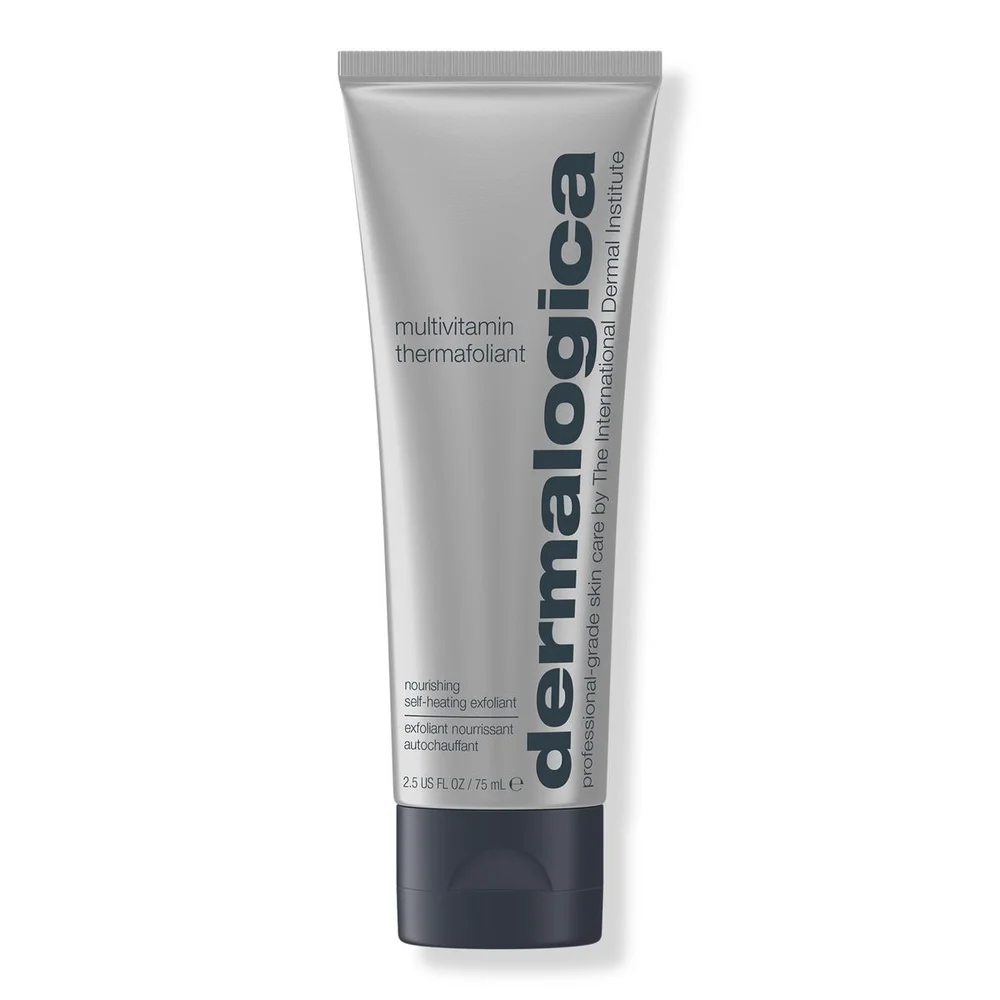
Multivitamin Thermafoliant Exfoliator
Dermalogica
$69
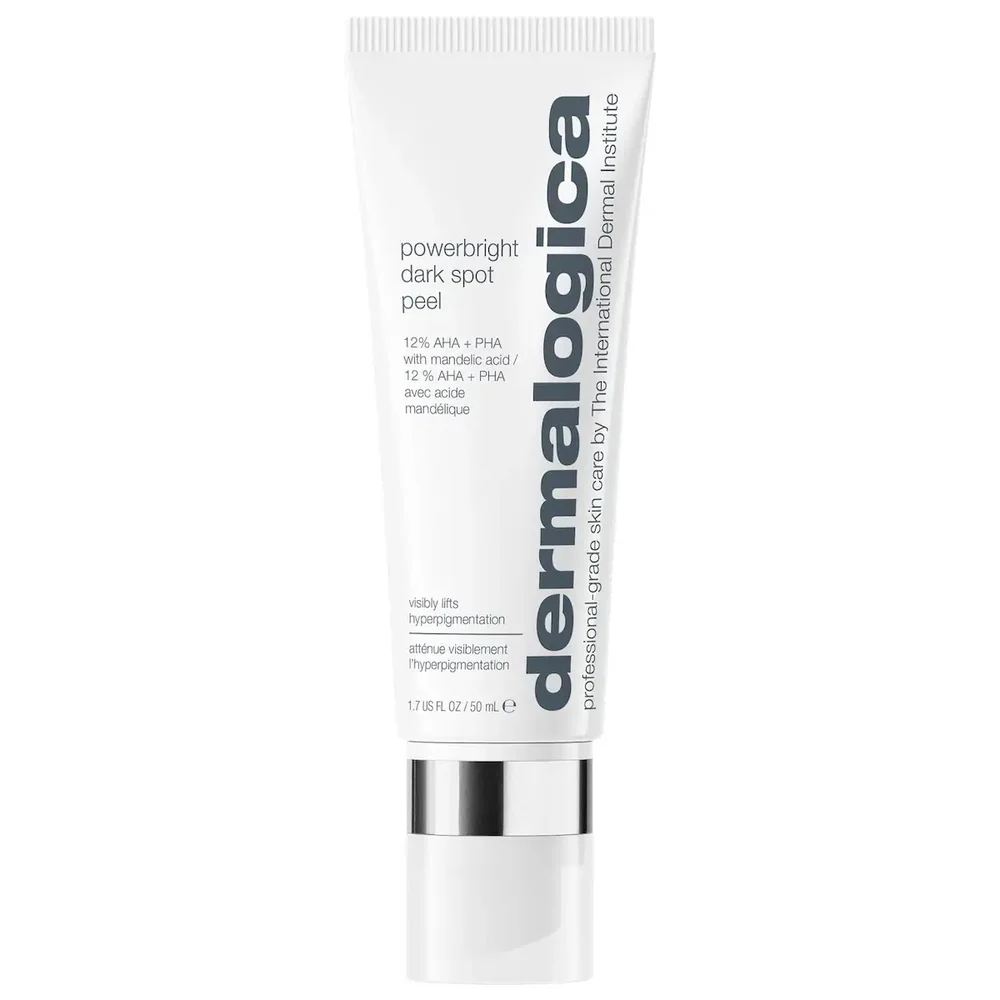
PowerBright Dark Spot Peel
Dermalogica
$87
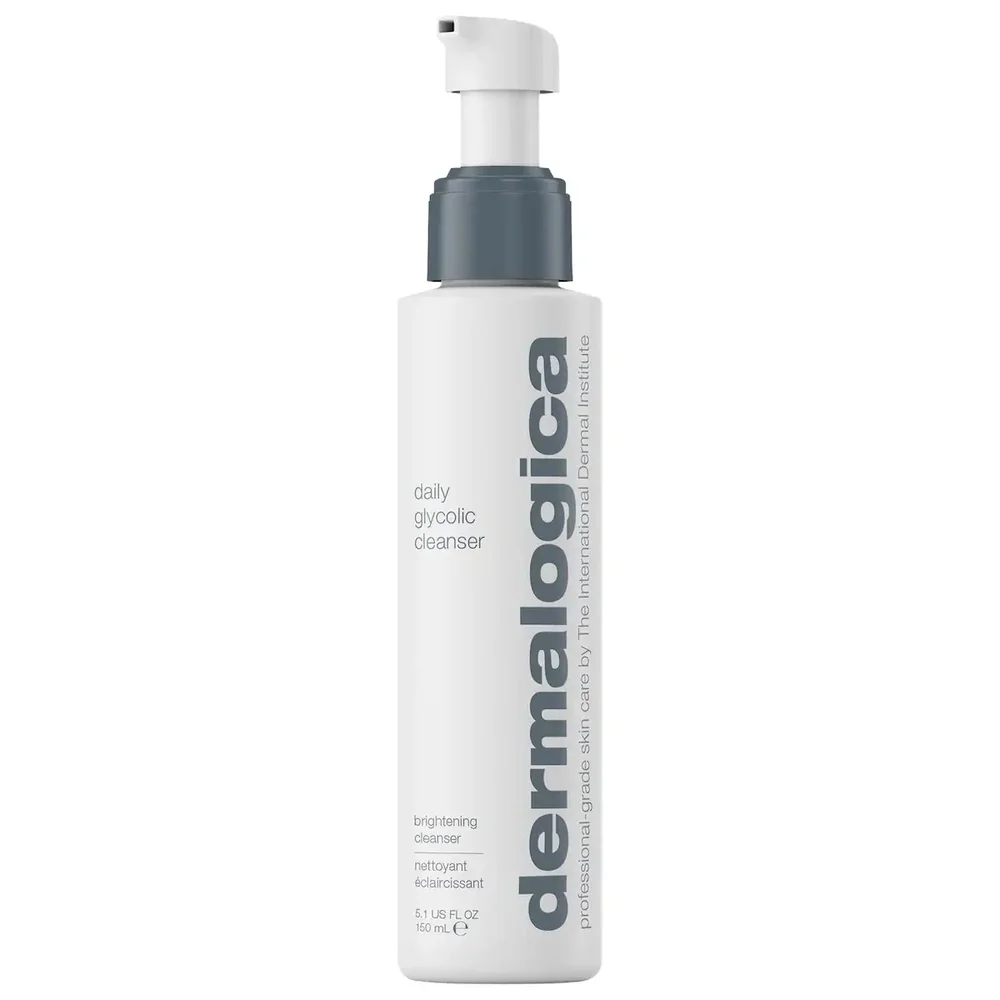
Daily Glycolic Cleanser, AHA Brightening Cleanser
Dermalogica
$39
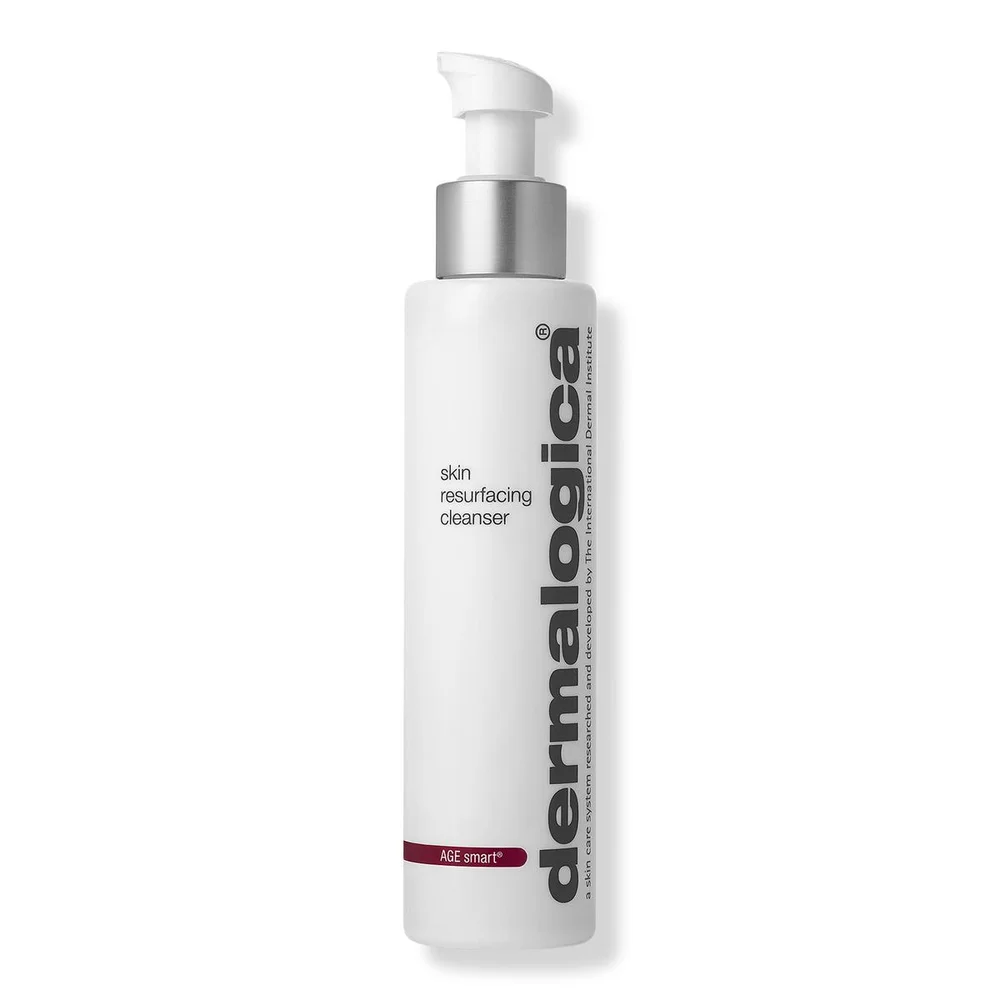
Skin Resurfacing Cleanser
Dermalogica
$49
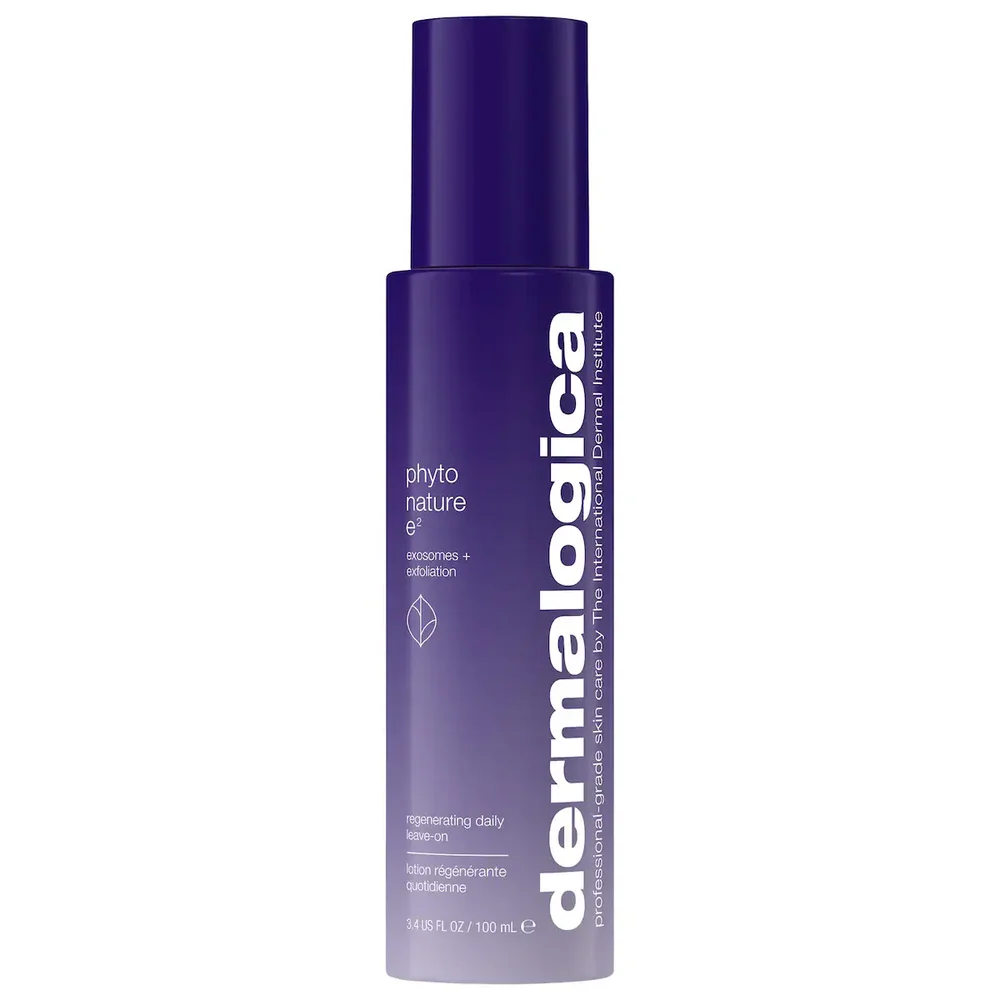
Phyto Nature E² Exosome + Exfoliation Leave-On Treatment Serum
Dermalogica
$158
Dermalogica cleansers and moisturizers for after exfoliating
Here is how I would use the powder: wet your hands, tip a small amount into your palm, add a little water, work it into a paste and massage it gently over a damp face. Rinse well. Then move straight on to the next step, because the next step is what makes exfoliation comfortable.
Start with the cleanser. The PreCleanse Cleansing Oil is for melting off sunscreen and makeup first, and the Special Cleansing Gel is a sulfate-free foaming gel for the second pass, which makes the powder feel like a third step rather than the whole routine.
Then the moisturizer. Intensive Moisture Balance and Active Moist are the two I would look at for daily use. Skin Smoothing Cream and Multivitamin Power Recovery Cream are the ones I would keep for nights when skin feels overdone, and Dynamic Skin Recovery SPF50 is the daytime one, which matters because the American Academy of Dermatology says to follow exfoliation with moisturizer. The Sound Sleep Cocoon is a gel-cream for bedtime.
A pairing I like: the powder at night, a gel-cream after, and sunscreen the next day. That is the whole routine.
What I would skip: the powder the day after a sunburn, or over any cuts. The AAD says not to exfoliate on either.
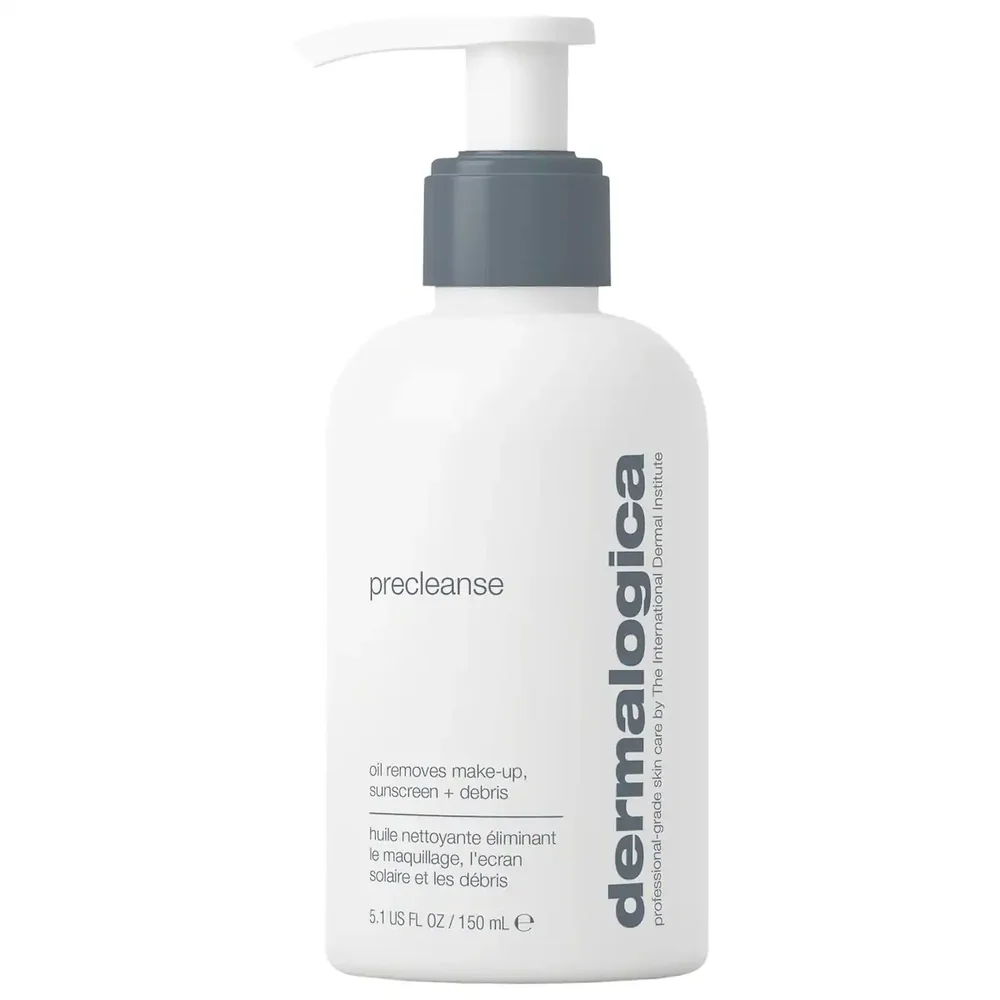
PreCleanse Cleansing Oil
Dermalogica
$49
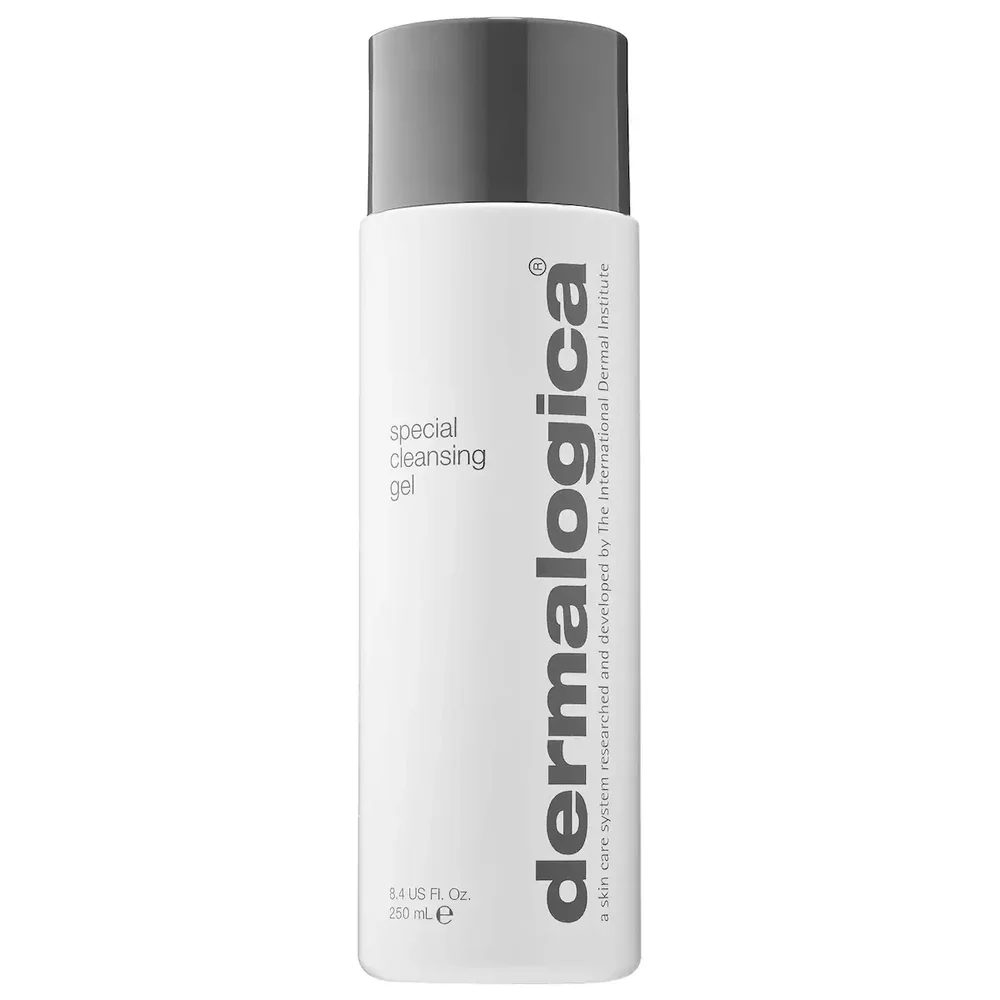
Special Cleansing Gel, Sulfate-Free Foaming Gel Cleanser
Dermalogica
$49
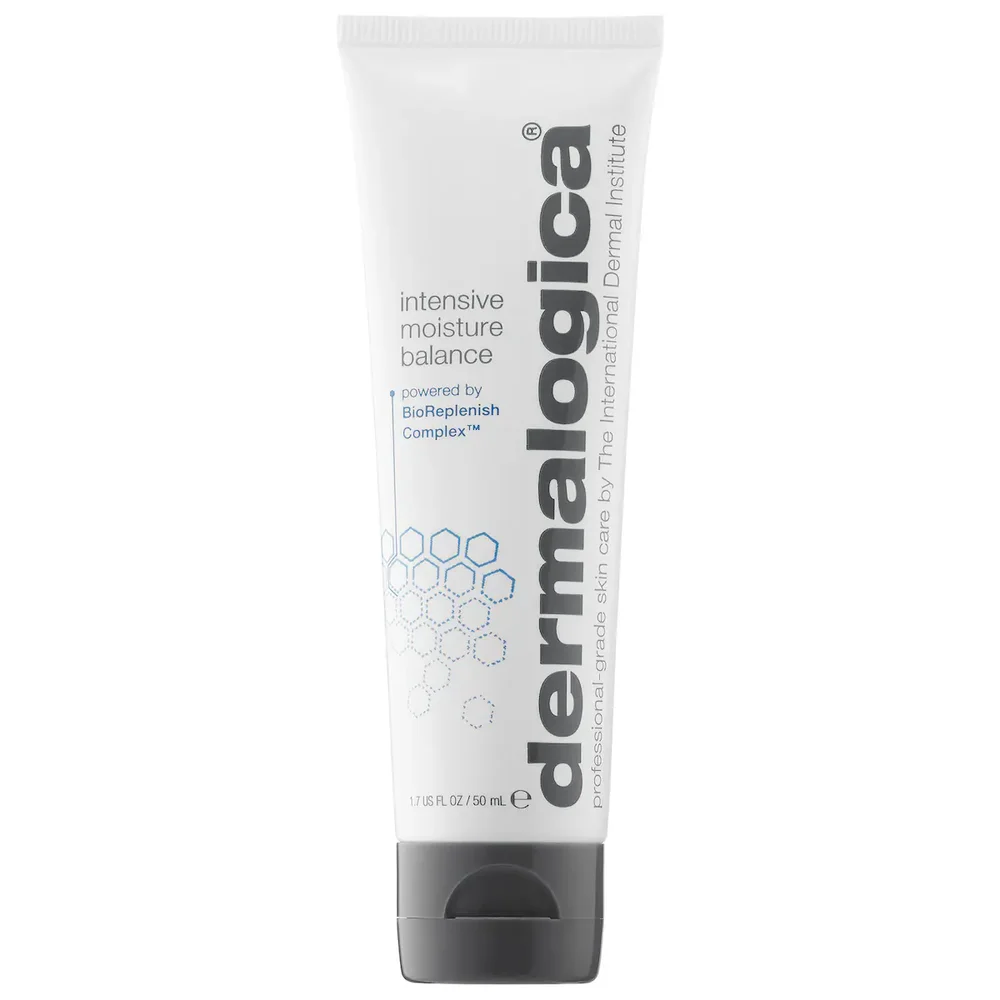
Intensive Moisture Balance Moisturizer
Dermalogica
$49
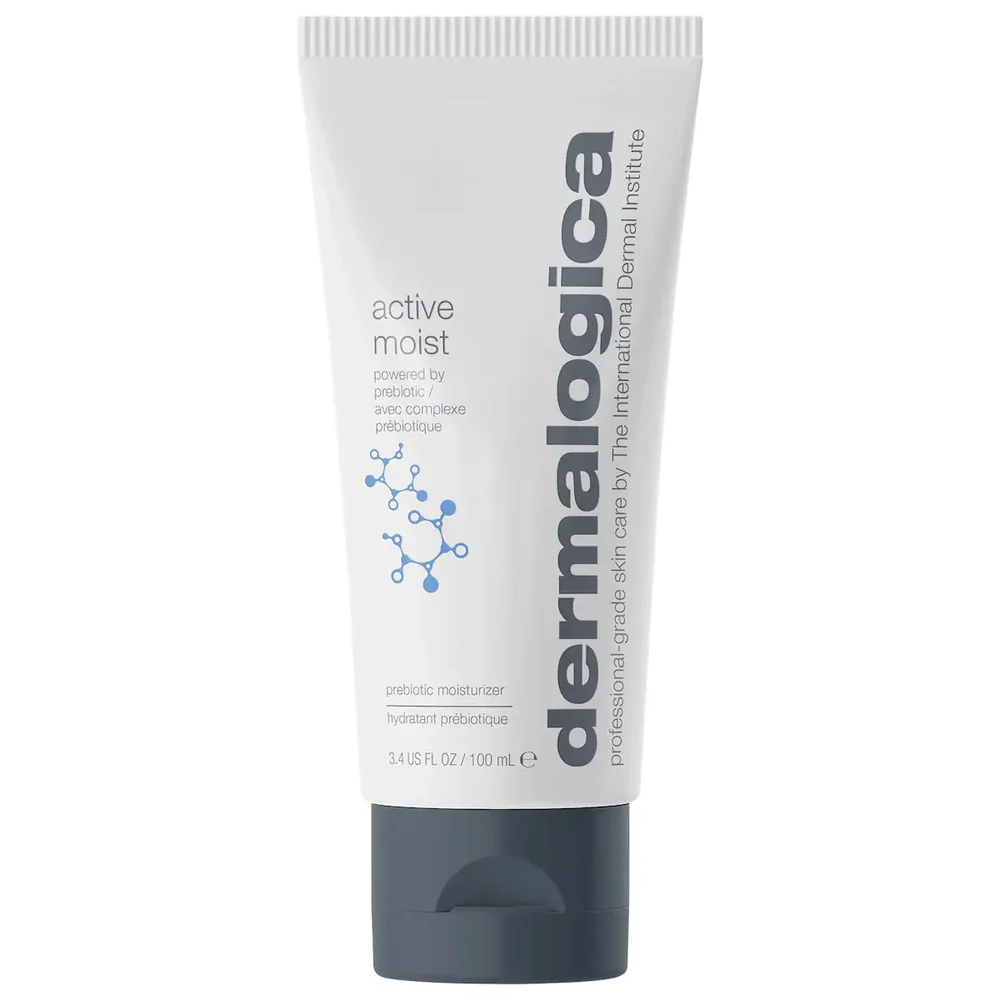
Active Moist Moisturizer
Dermalogica
$83
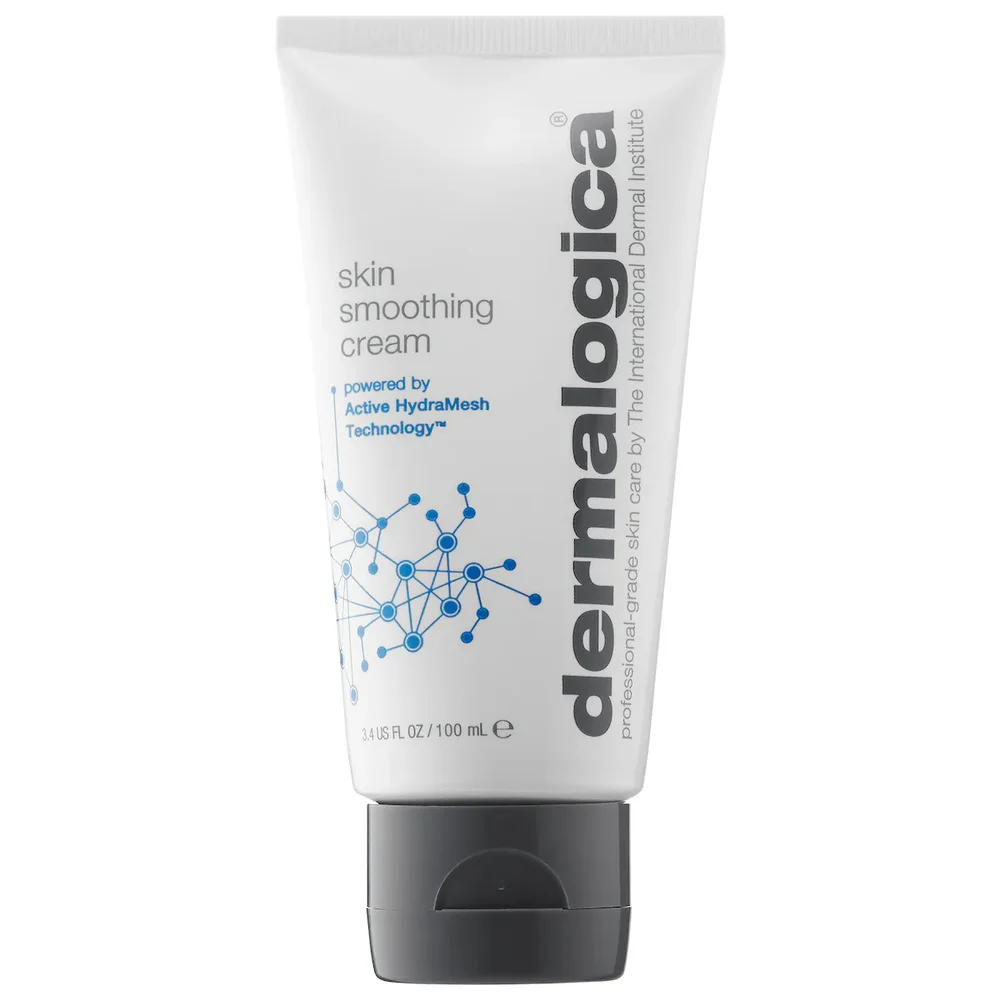
Skin Smoothing Cream Moisturizer
Dermalogica
$83
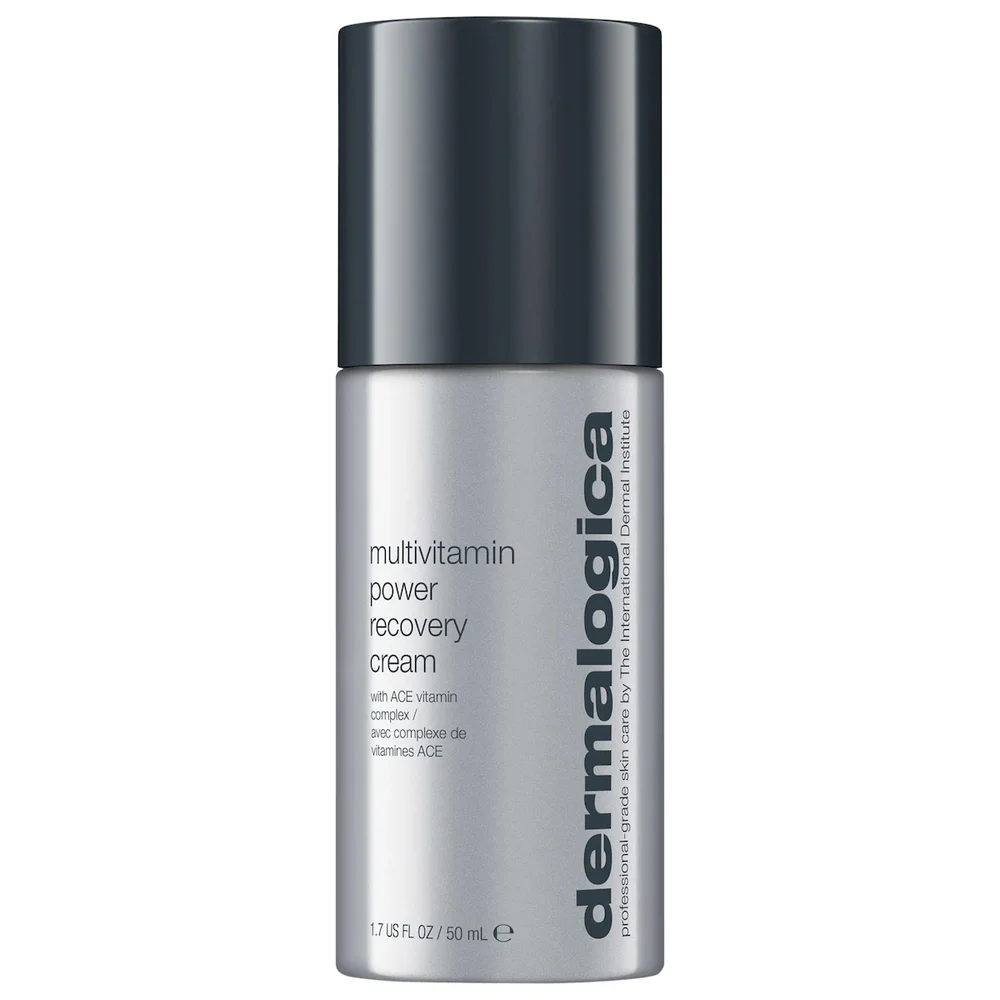
Multivitamin Power Recovery Cream
Dermalogica
$97
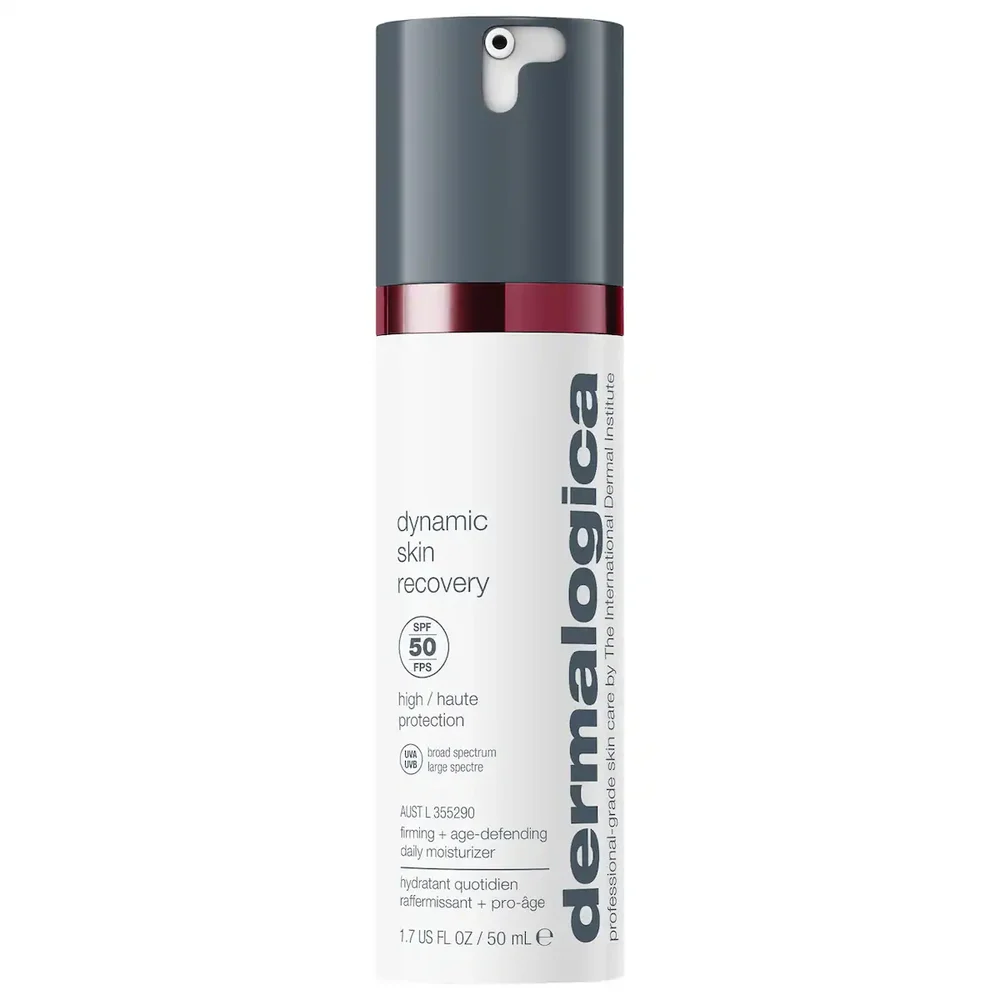
Dynamic Skin Recovery SPF50, Peptide Anti-Aging Moisturizer
Dermalogica
$87
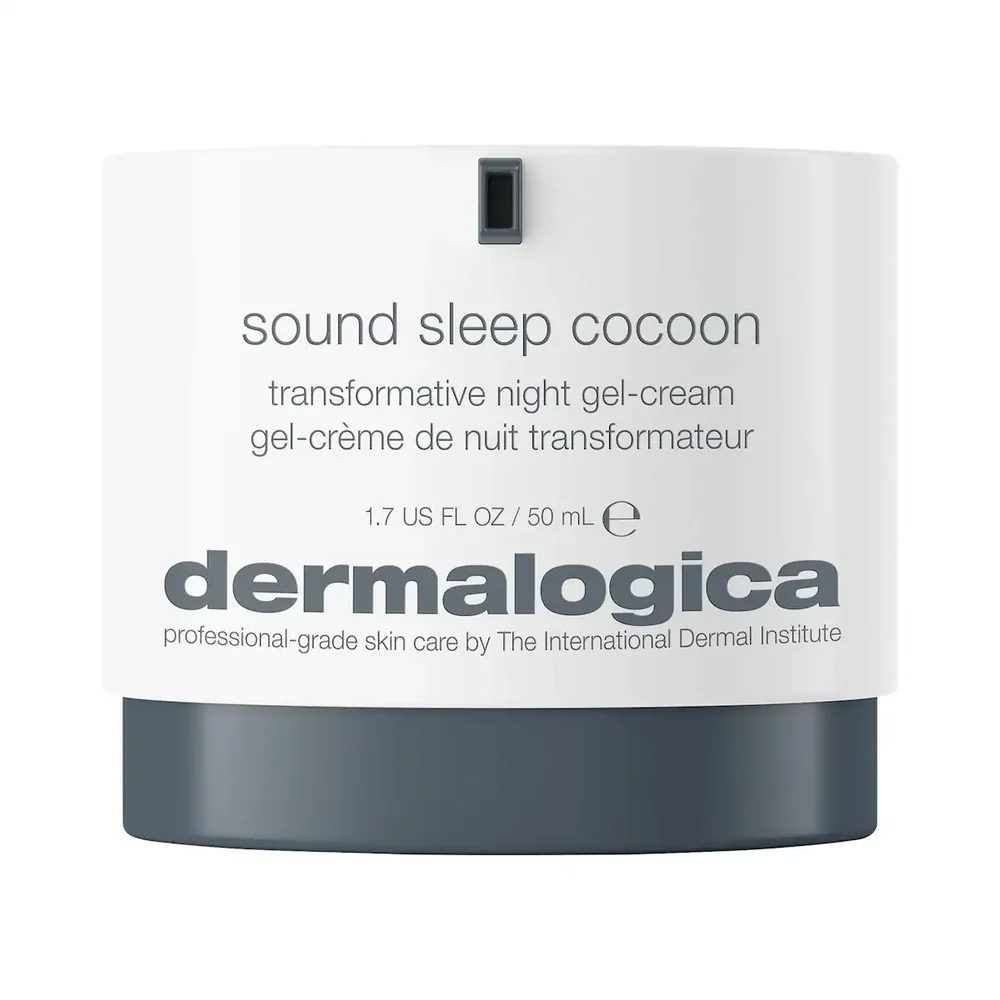
Sound Sleep Cocoon Night Gel-Cream
Dermalogica
$89
Enzyme and powder exfoliators from other brands
A habit worth borrowing before trying any new powder: patch-test it on your jaw for two or three days. Papain is a papaya enzyme, and papaya latex allergies are a known cross-reaction, so it is worth being careful with anything enzyme-based.
Tatcha's The Rice Polish is the closest cousin, a foaming enzyme powder made from Japanese rice bran and papaya enzyme. Use half a teaspoon and massage for about fifteen seconds, and it comes in several versions. RANAVAT's Gentle Facial Polish uses rice powder and centella, and Dr. Barbara Sturm makes an Enzyme Cleanser for people who want the same idea in a cleanser.
Sephora Collection's CLEAR & PURIFY Active Powder pairs mandelic acid and ectoin, and Elemis Dynamic Resurfacing is a gentle enzyme cleanser. Josie Maran uses pineapple enzyme in a foaming gel, Youth To The People pairs papaya and vitamin C, and Glow Recipe's Papaya Sorbet is a cleansing balm that removes makeup while it smooths.
A pairing I like: an enzyme cleanser two or three nights a week, and nothing exfoliating on the other nights. The skin does the rest.
What I would skip: layering a powder and an acid toner on the same night. Choose one and switch the other to a different evening.
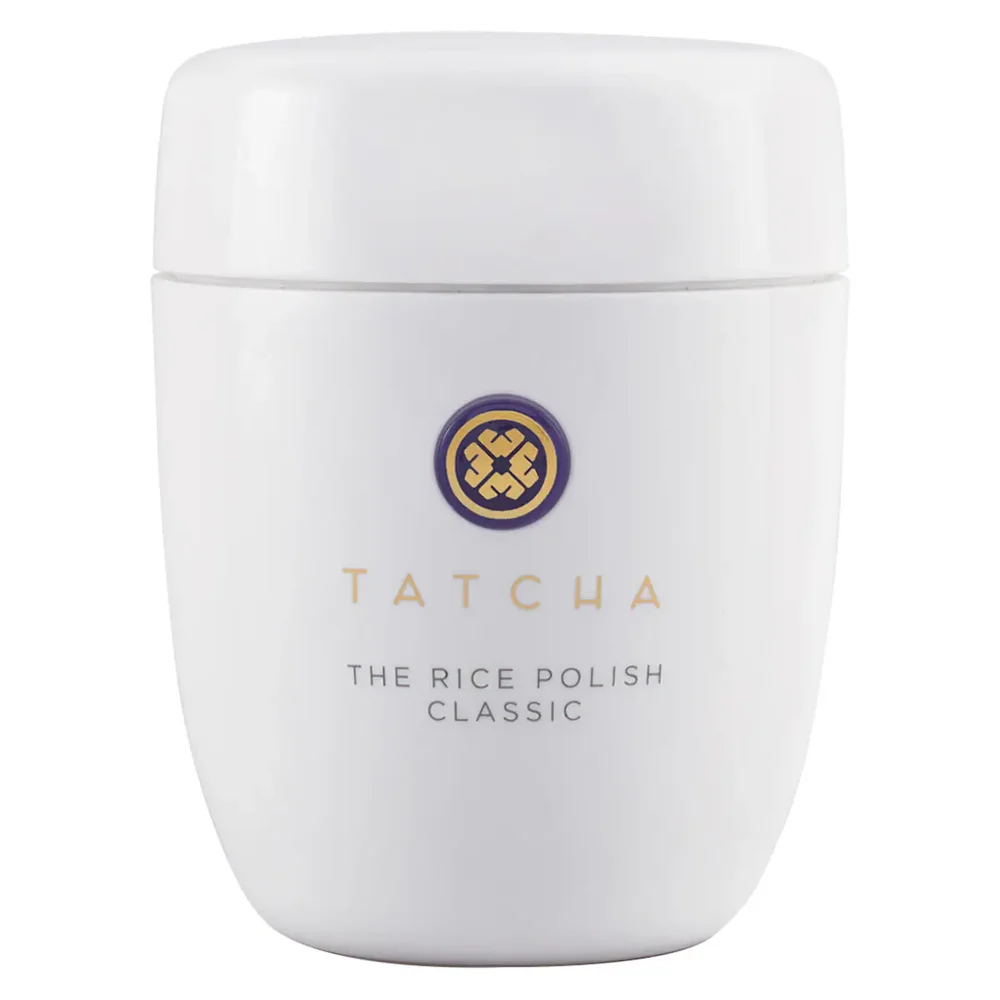
The Rice Polish Foaming Enzyme Powder
Tatcha
$69
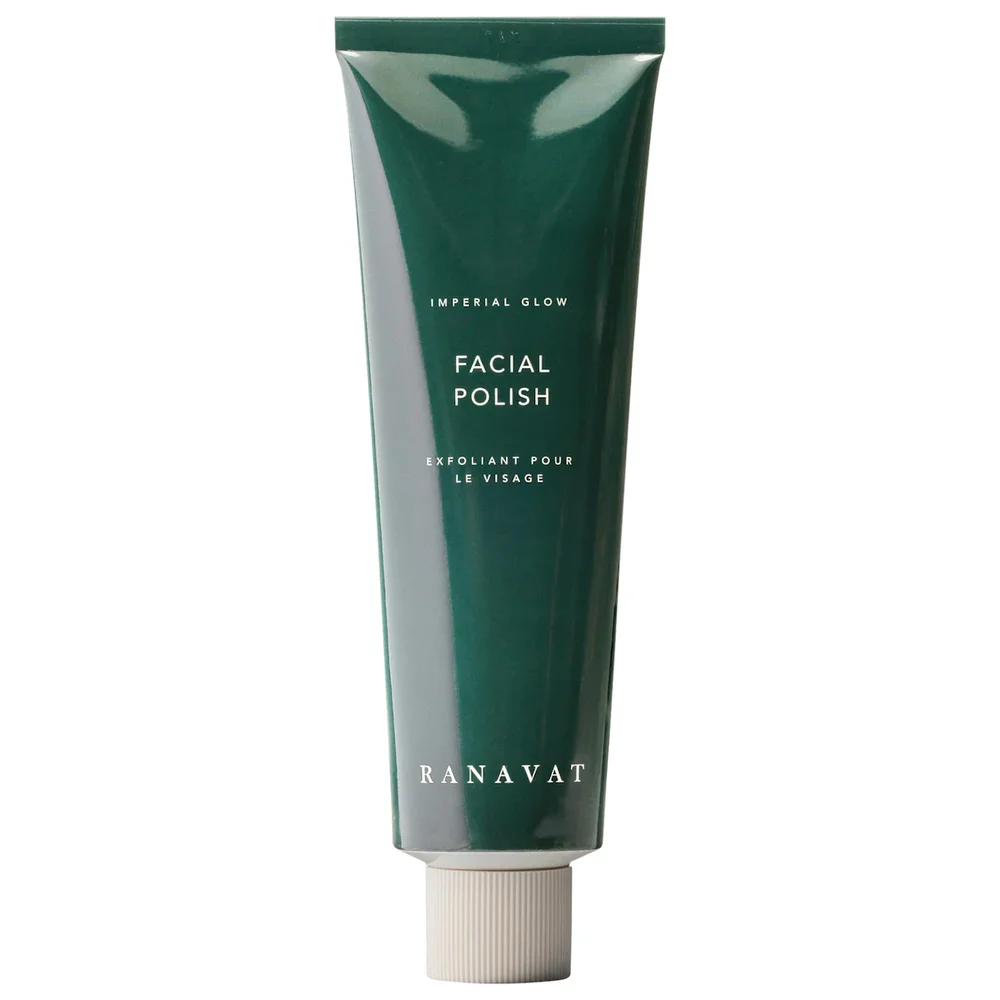
Gentle Facial Polish with Exfoliating Rice Powder & Centella
RANAVAT
$45
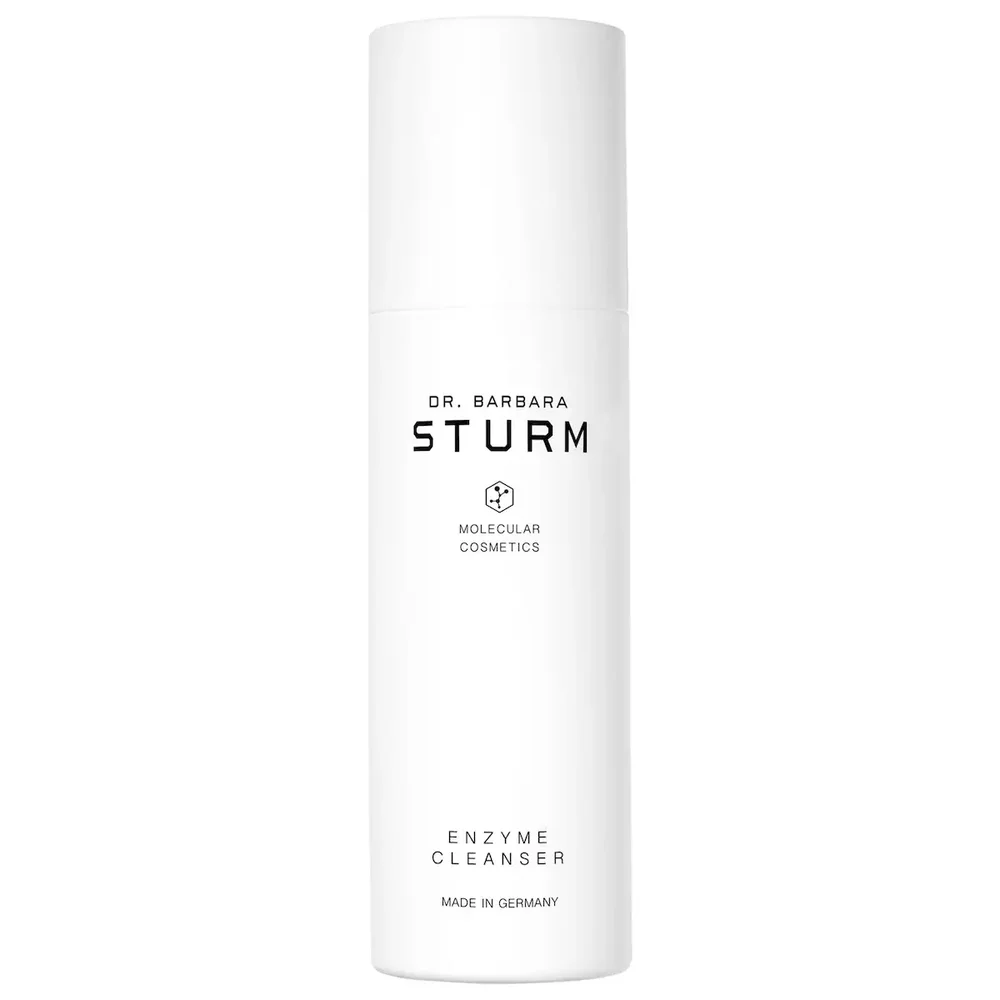
Enzyme Cleanser
Dr. Barbara Sturm
$80
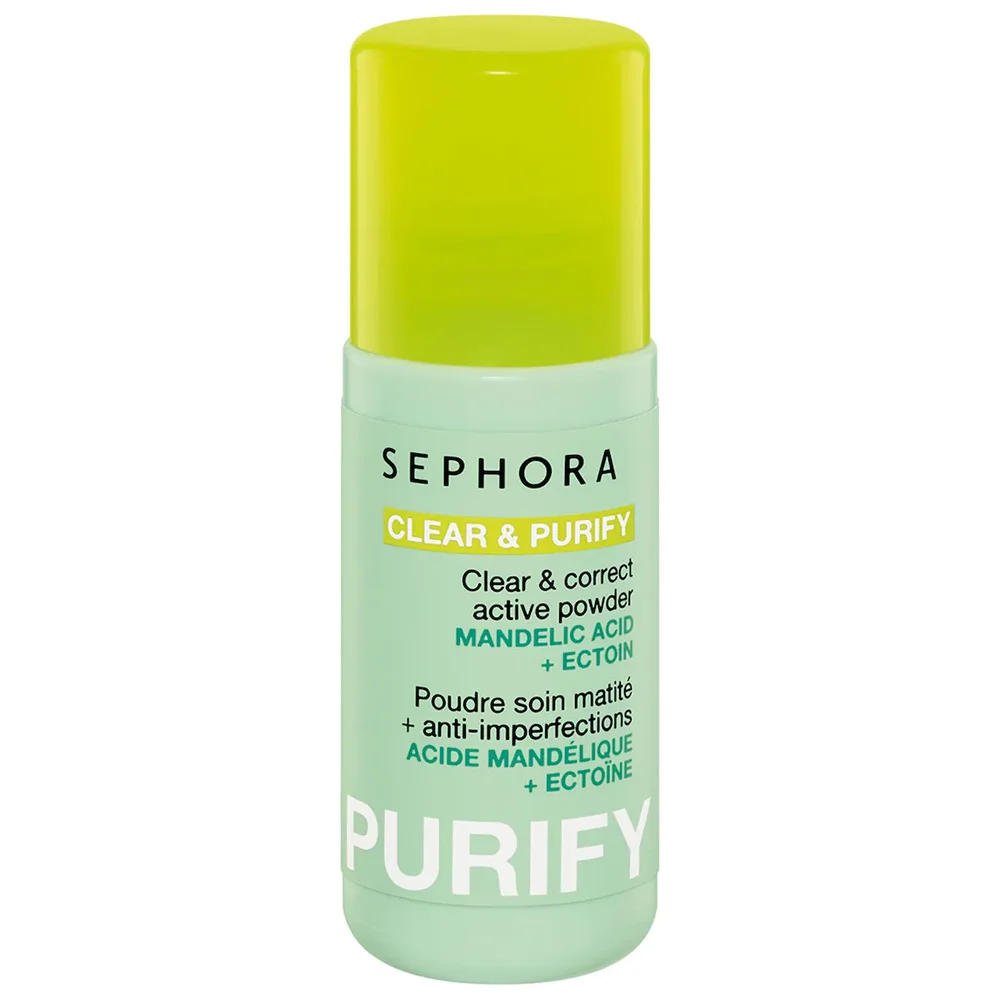
CLEAR & PURIFY - Active Powder with Mandelic Acid + Ectoin
Sephora Collection
$12
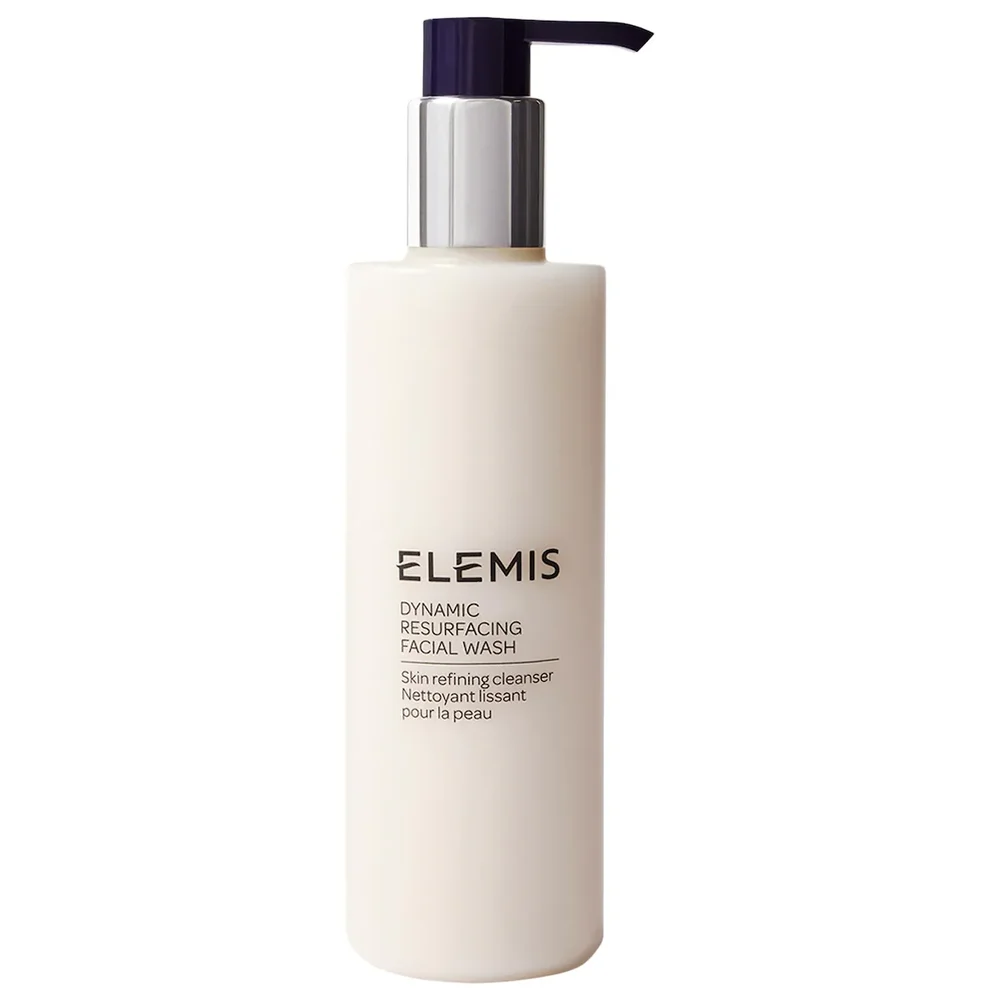
Dynamic Gentle Resurfacing Enzyme Cleanser
Elemis
$59
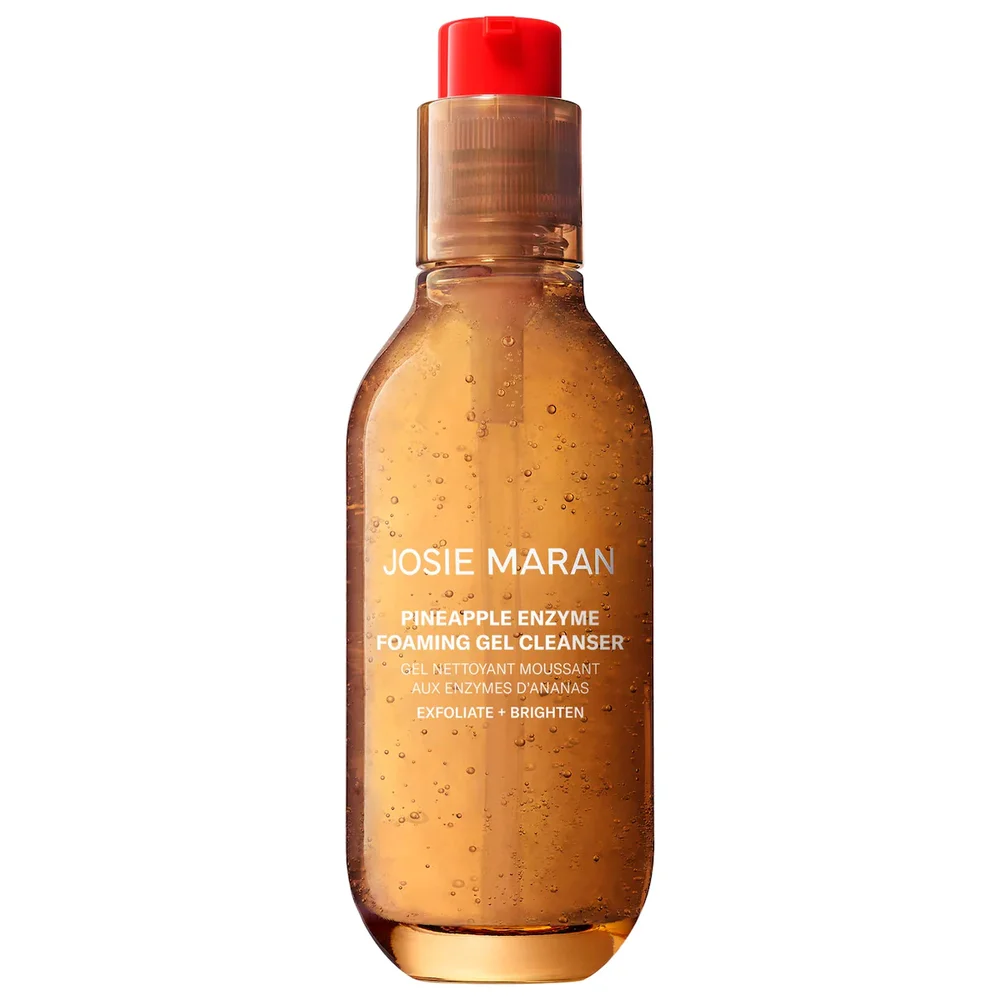
Pineapple Enzyme Exfoliating + Brightening Foaming Gel Cleanser
Josie Maran
$31
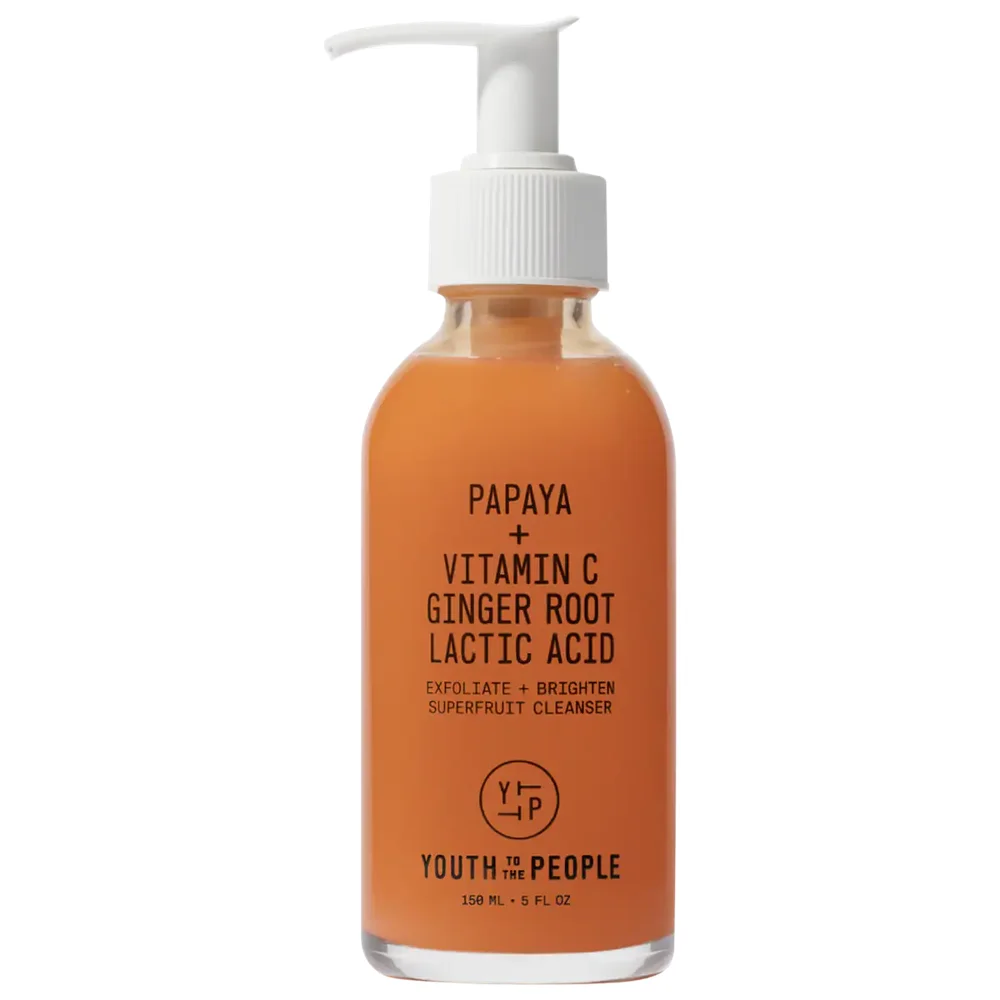
Superfruit Gentle Exfoliating Cleanser with Vitamin C + Papaya
Youth To The People
$39
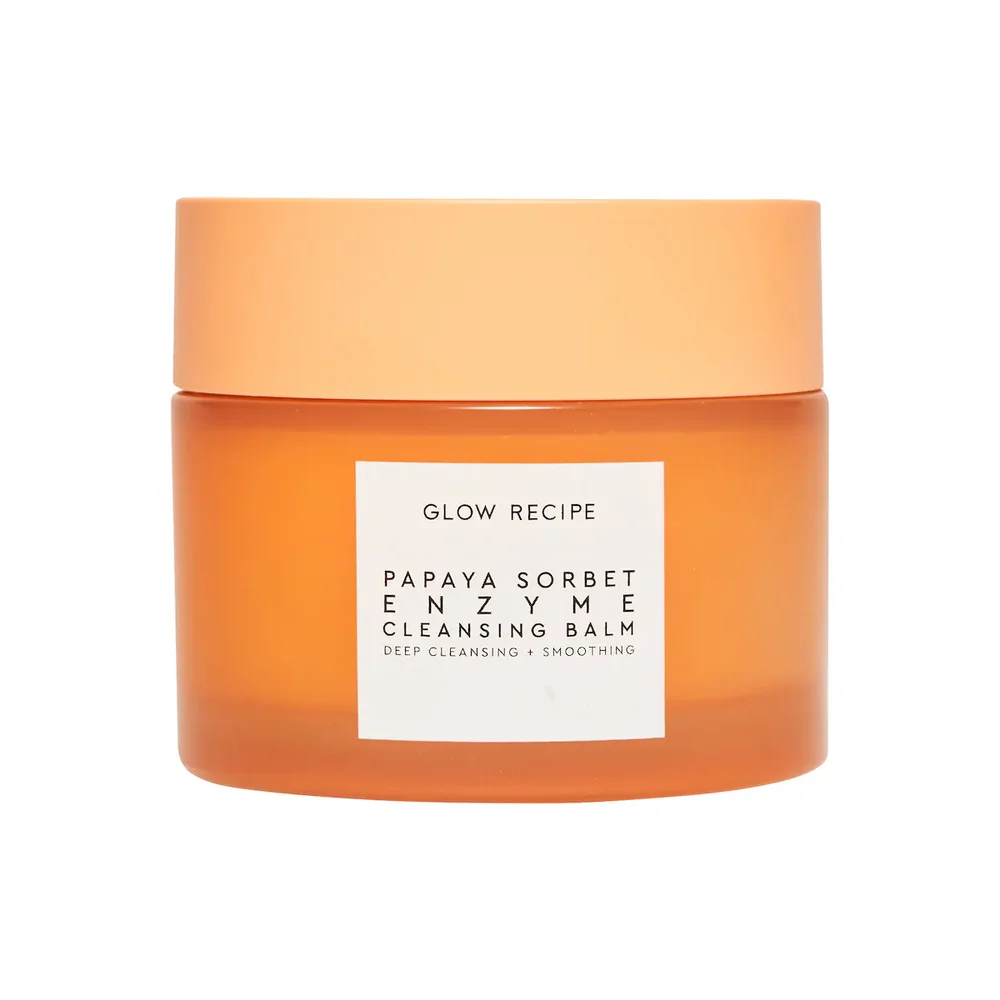
Papaya Sorbet Smoothing Enzyme Cleansing Balm & Makeup Remover
Glow Recipe
$32
Gentle chemical exfoliants for smoother skin
One rule for chemical exfoliants: start slowly. The AAD says dry, sensitive or acne-prone skin may prefer a mild chemical exfoliator over a scrub, and that people with darker skin tones or post-inflammatory dark spots should avoid strong exfoliation. Begin once a week and let the skin tell you.
Paula's Choice Skin Perfecting 1% BHA Gel Toner is made for sensitive skin, and Medik8 Press & Glow is a gentle daily PHA toner, PHA being the milder acid. EADEM's Cashmere Peel is a milky exfoliant and essence, and Kiehl's Daily Gentle Exfoliating Milk-Peel Toner is another soft option. Rejuran's Rebalancing Toner uses c-PDRN in a gentle exfoliating formula.
Sofie Pavitt Face makes a Mandelic Acid Exfoliating & Clearing Serum, Facile's The Buzz mixes AHA and BHA into a brightening treatment, and Caudalie's Vinoperfect Micropeel is a daily AHA. These are the ones for people who want smoothness without a scrub.
A pairing I like: a gentle toner on the nights you skip the powder. Alternate, rather than combine.
What I would skip: retinoids or benzoyl peroxide on the same night as any exfoliant. The AAD says to be careful combining them.
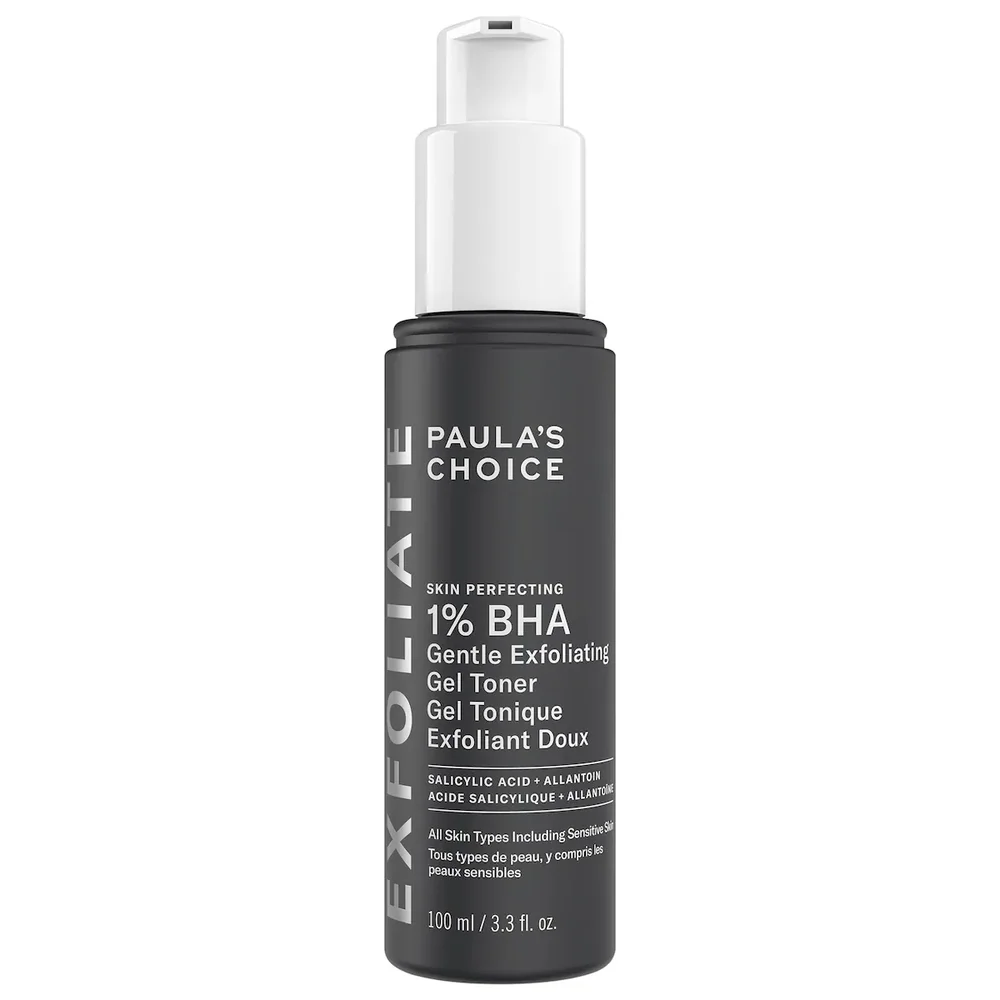
Skin Perfecting 1% BHA Gentle Exfoliating Gel Toner for Sensitive Skin
Paula's Choice
$37
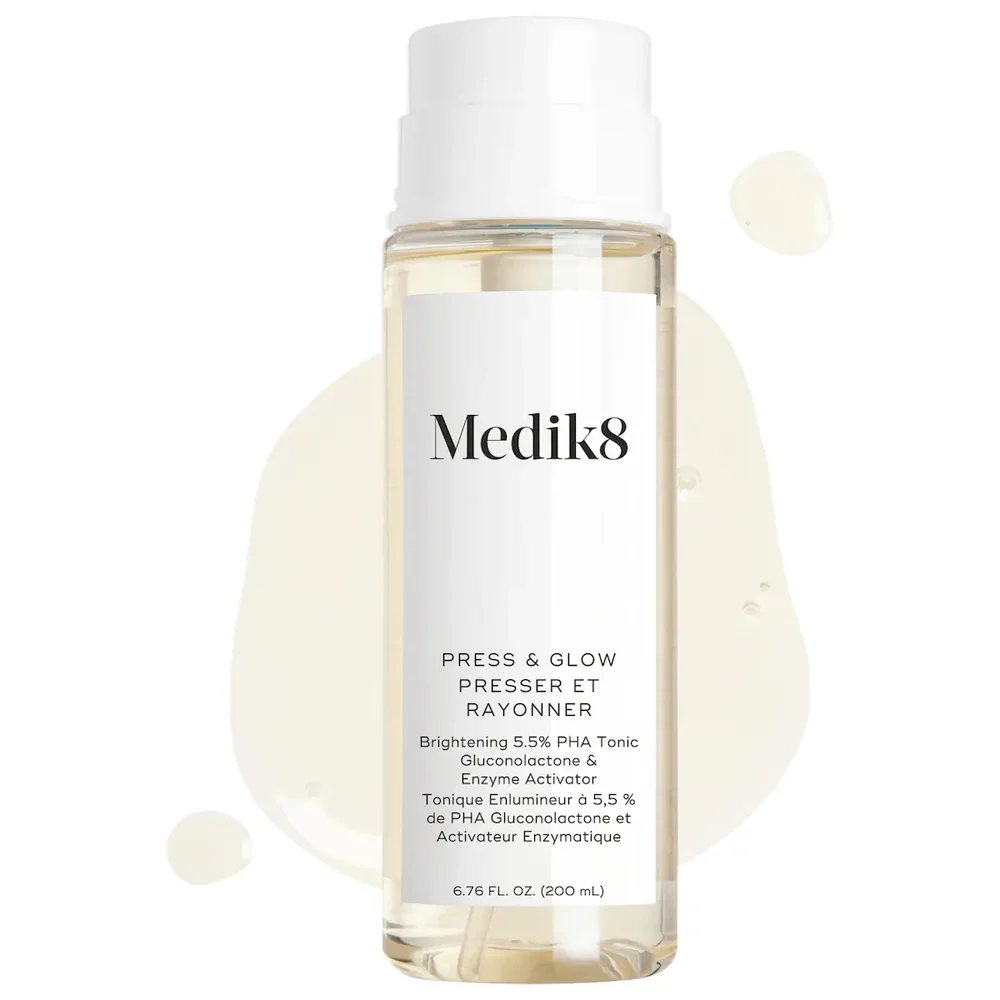
Press & Glow Gentle Daily Exfoliating PHA Toner
Medik8
$35
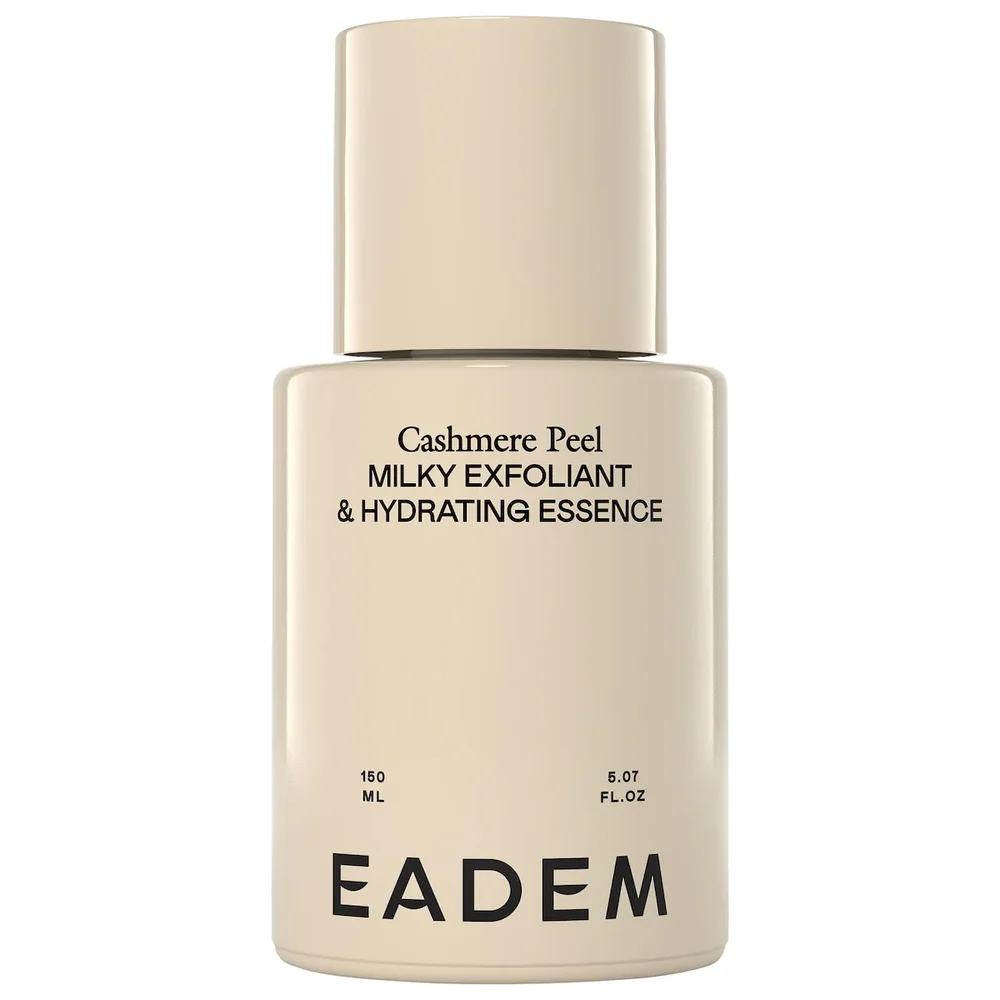
Cashmere Peel Milky Exfoliant & Hydrating Essence
EADEM
$42
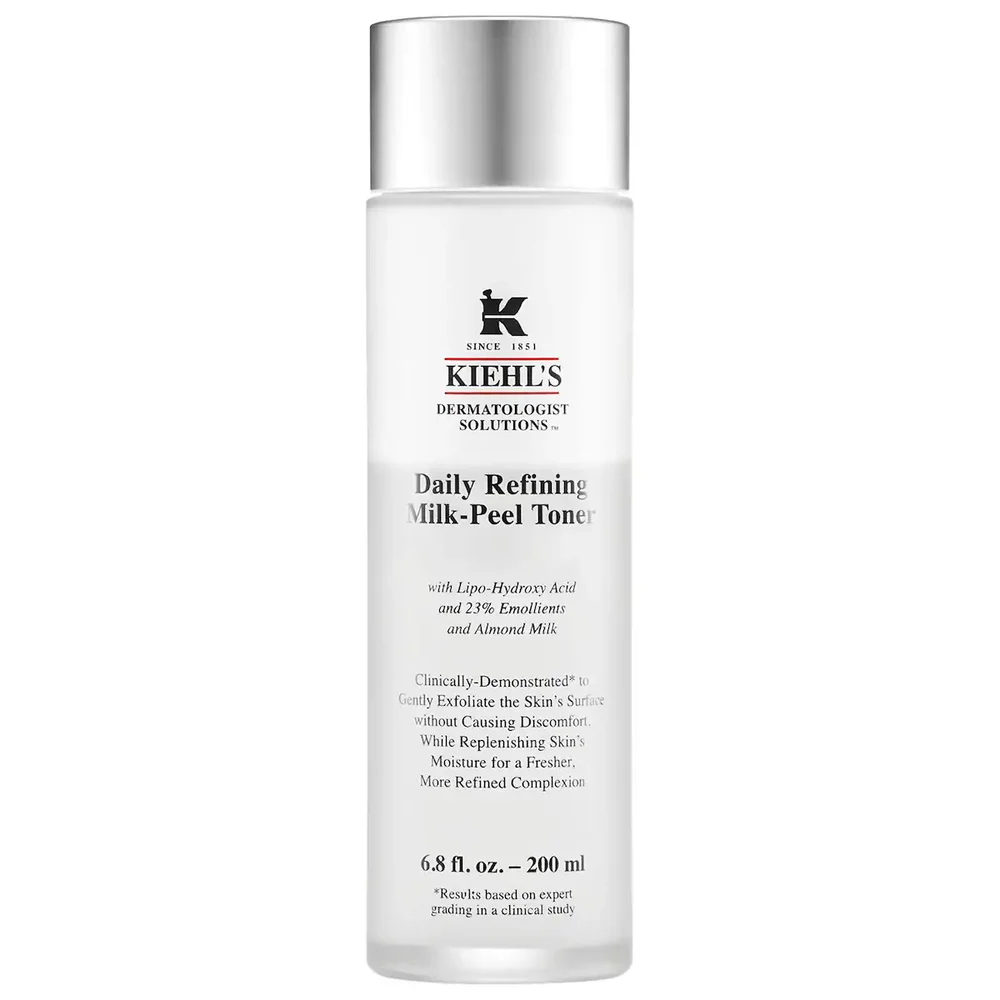
Daily Gentle Exfoliating Milk-Peel Toner
Kiehl's
$62
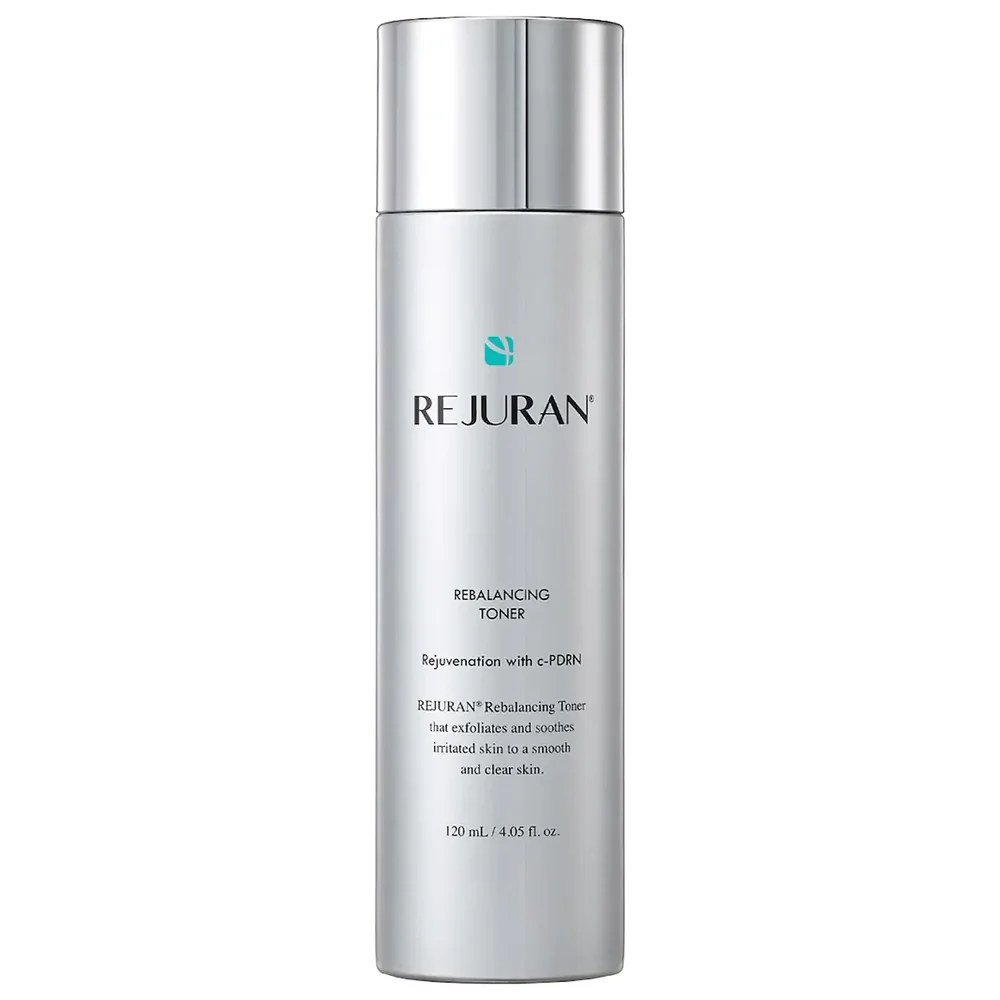
Rebalancing Toner c-PDRN Gentle Exfoliating Toner for Balanced Skin
Rejuran
$39
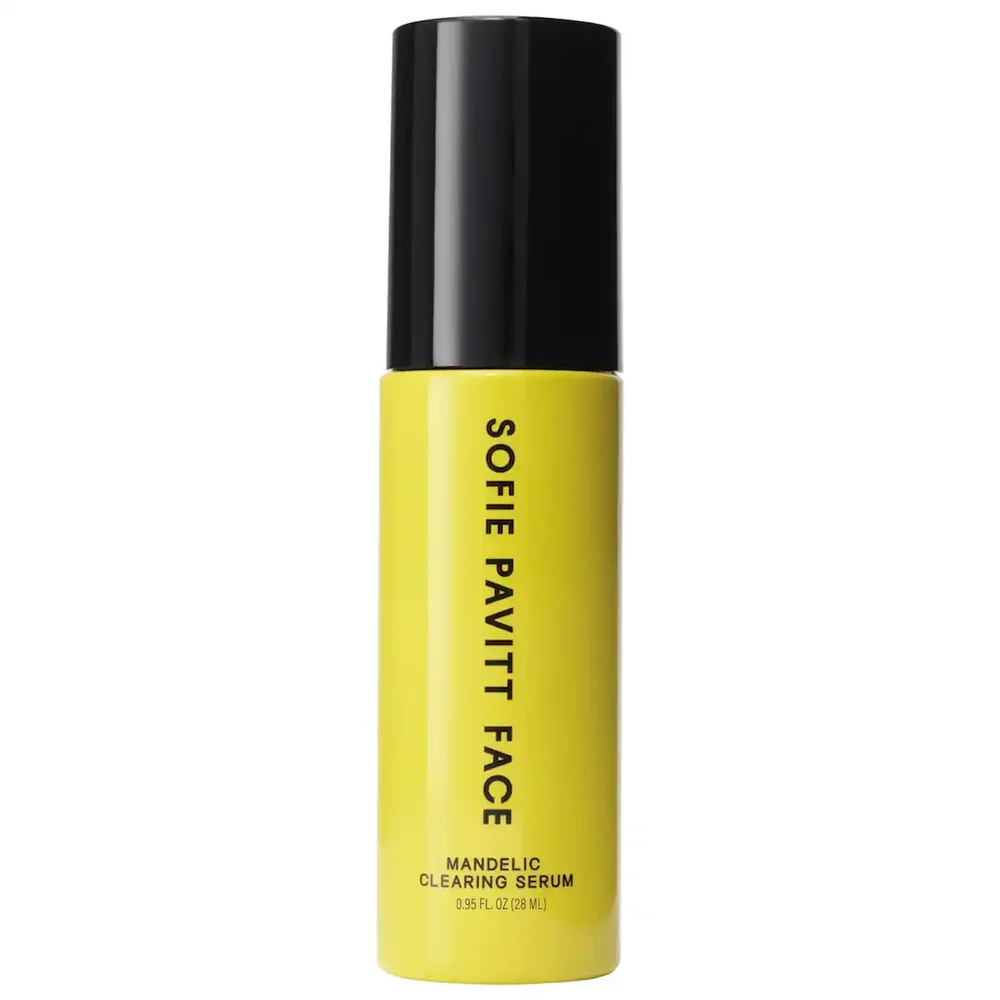
Mandelic Acid Exfoliating & Clearing Serum
Sofie Pavitt Face
$54
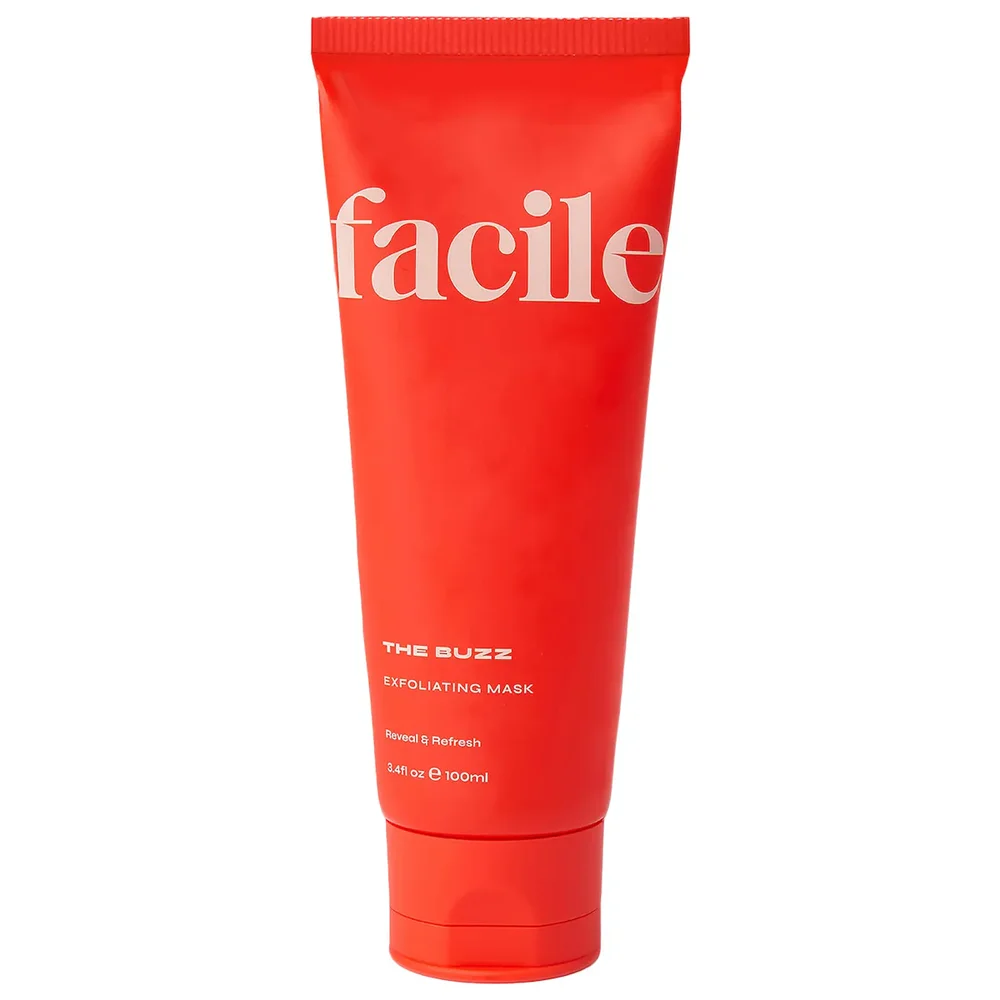
The Buzz Brightening Exfoliating Facial Treatment with AHA & BHA
Facile
$35
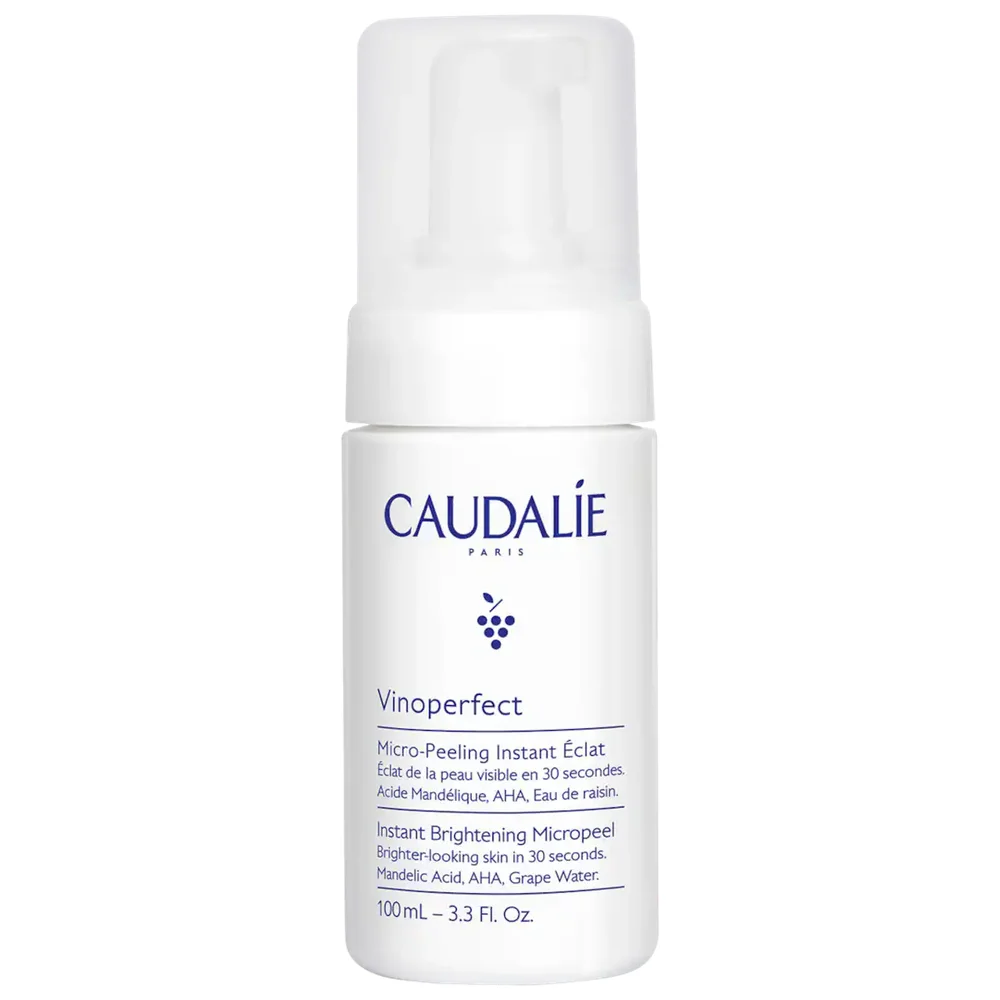
Vinoperfect Brightening Daily AHA Micropeel
Caudalie
$30
Daily Microfoliant use, without guesswork
What should I avoid using with Daily Microfoliant?
Dermalogica says not to use it on sunburned, irritated, recently waxed or resurfaced skin, or while using prescribed acne or vitamin A-derived exfoliants. The American Academy of Dermatology notes that exfoliating alongside retinoids, retinol or benzoyl peroxide may worsen dryness or breakouts.
How often should I use Daily Microfoliant?
Dermalogica recommends once daily after cleansing, morning or night; if you are new to exfoliation or have sensitive skin, start every other day and increase only as tolerated. I would let irritation, not the product name, set the pace.
Is Daily Microfoliant good for acne?
Dermalogica recommends it for congested skin and says its salicylic acid helps clear pores, but does not present it as an acne treatment. The American Academy of Dermatology cautions that exfoliating can increase redness or acne breakouts if not done properly.
The exfoliator I would keep
I think Daily Microfoliant deserves its place because it is gentle, easy to adjust and easy to skip when your skin says no. The word daily on the jar is a ceiling, not a target, and I would use it two or three nights a week, then look at my skin in daylight before deciding whether to add a fourth.
Follow it with a moisturizer, wear sunscreen, and see a dermatologist if your skin stays irritated or red. If you want a second exfoliant, add a gentle toner on the other nights, never on the same one. Roy had a paper and a papaya. You have a small jar and a little restraint. If you want to keep browsing, I also put together DRMTLGY Retinol Body Lotion.






