For dull legs, glycolic acid body wash is a gentle place to start. I compare shower washes with leave-on lotions and sticks for rough, bumpy skin.
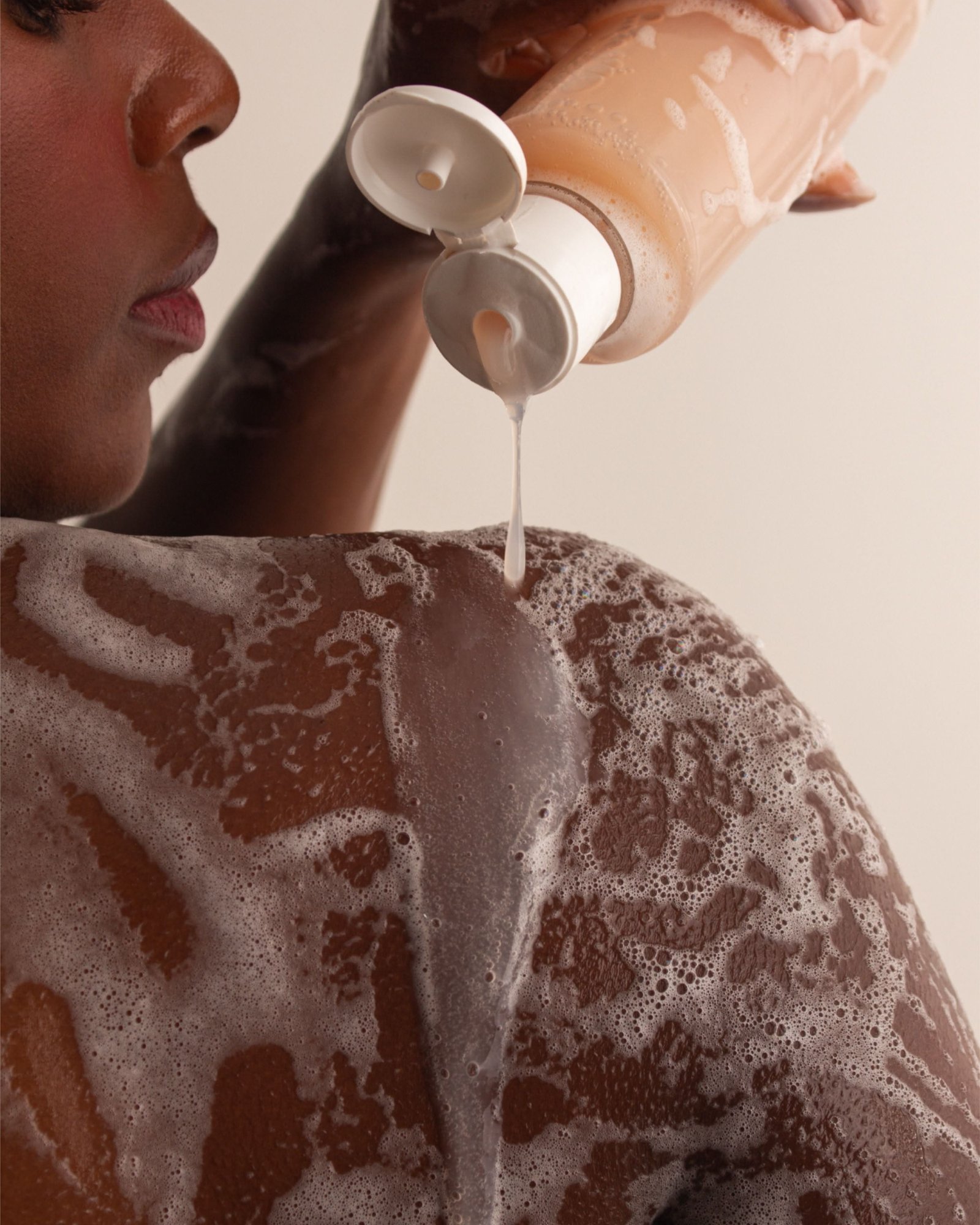
Glycolic Acid Body Wash for Bumpy, Dull Skin: Best Picks
AHA washes for dull legs
The body washes and exfoliators suitable for dull legs are AHA cleansers for the shower, with a leave-on acid for targeted rough patches; a scrub is the more abrasive choice. If dullness comes with rough texture, I would start with a wash like Nécessaire The Body Wash in Hinoki rather than scrubbing harder.
Nécessaire's rinse-off wash contains glycolic and lactic acids, plus salicylic acid and gluconolactone. AHAs shed surface skin, but the FDA notes their effect depends on the acid, concentration, pH and the rest of the formula, so an ingredient name alone does not tell you how strong a product will feel.
A leave-on formula stays on the skin as directed, while a scrub uses physical friction. I would choose one format at a time, follow its label and moisturize afterward. If you are weighing an exfoliating wash against a different active, Naturium Body Wash: Salicylic Acid vs Ceramide Compared makes that comparison directly.
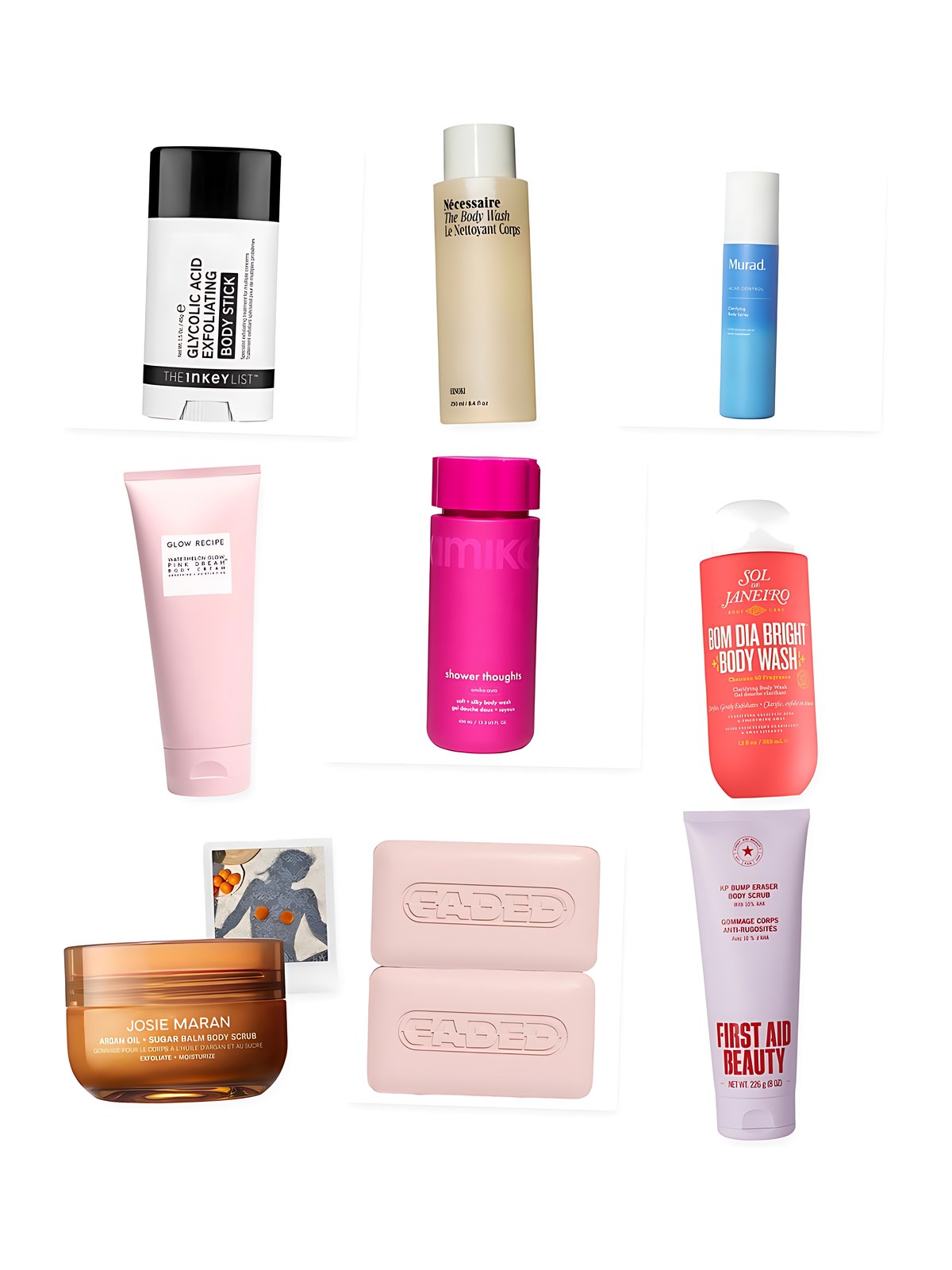
Exfoliating body washes with AHAs
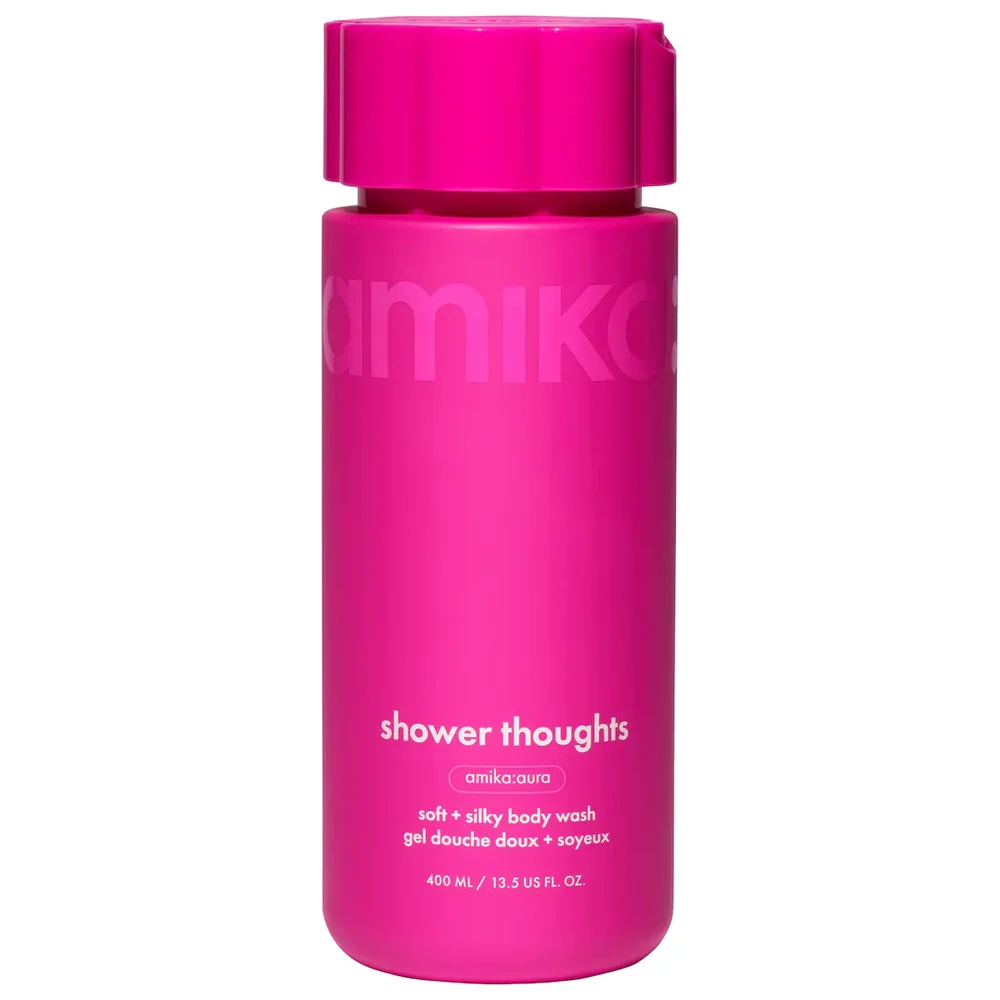
Shower Thoughts Soft
amika
$27
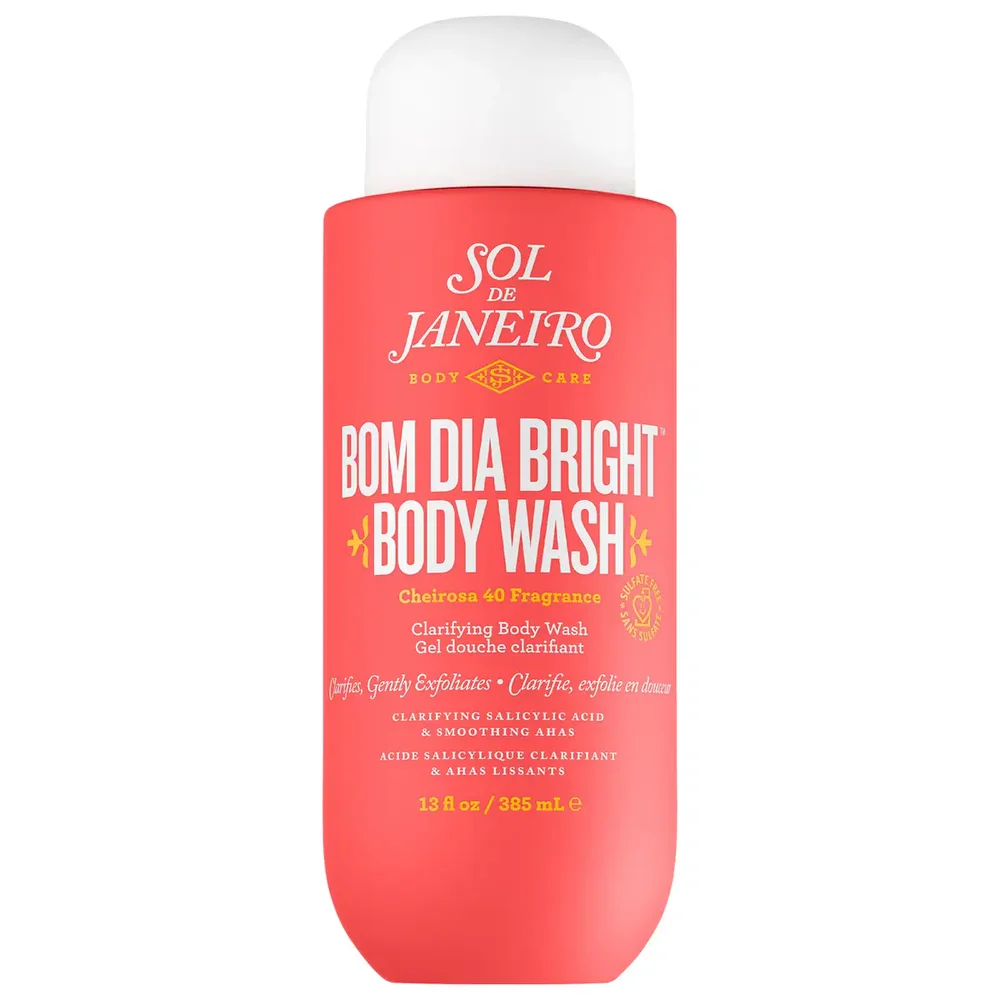
Bom Dia Bright™ Clarifying AHA BHA Body Wash
Sol de Janeiro
$26
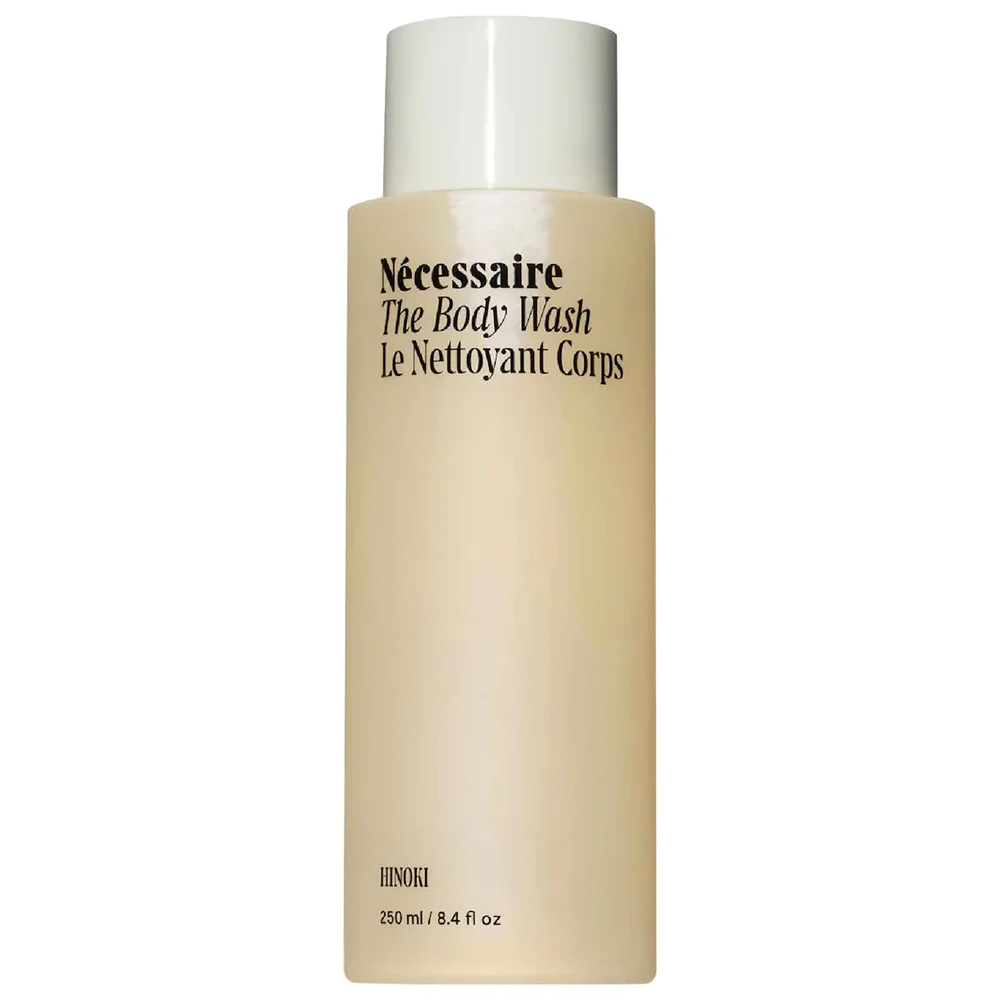
The Body Wash Hinoki - Treatment Softening Cleanse with AHA/BHA/PHA + Resveratrol
Nécessaire
$28
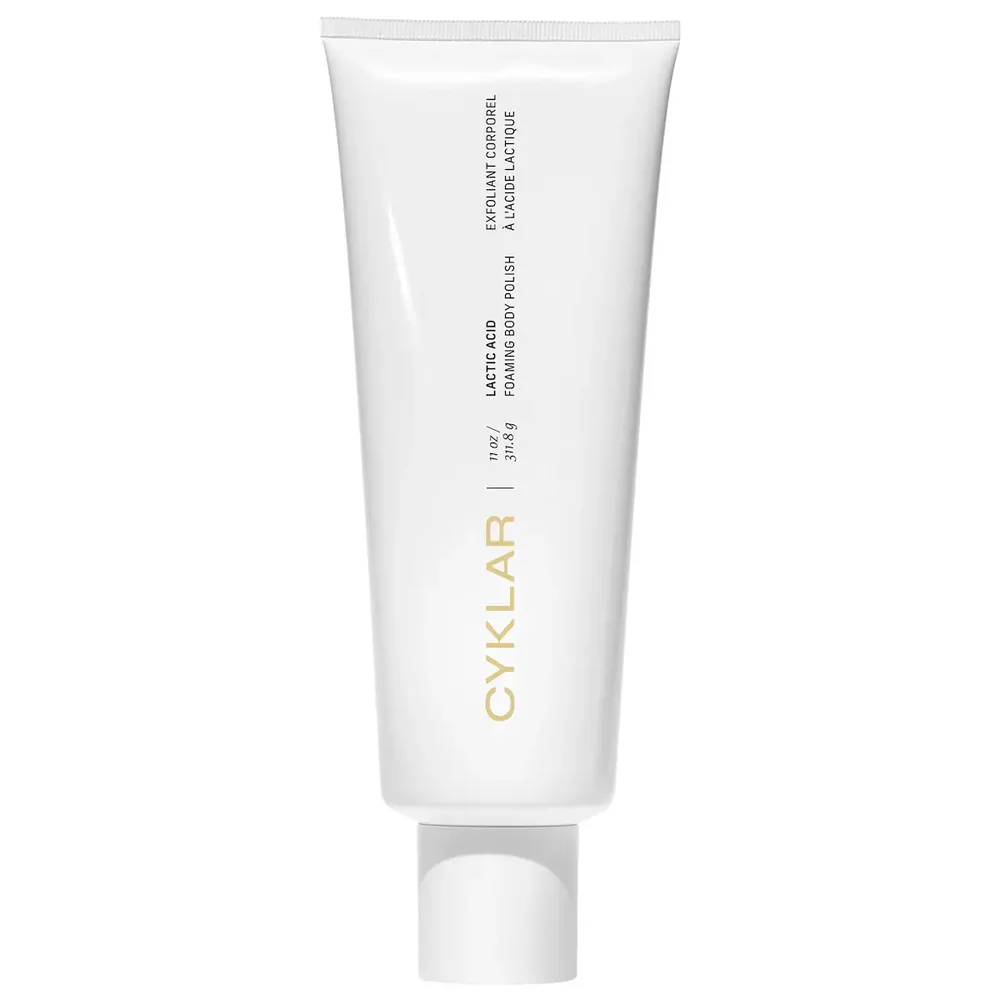
Lactic Acid Foaming Body Polish and Wash
Cyklar
$32
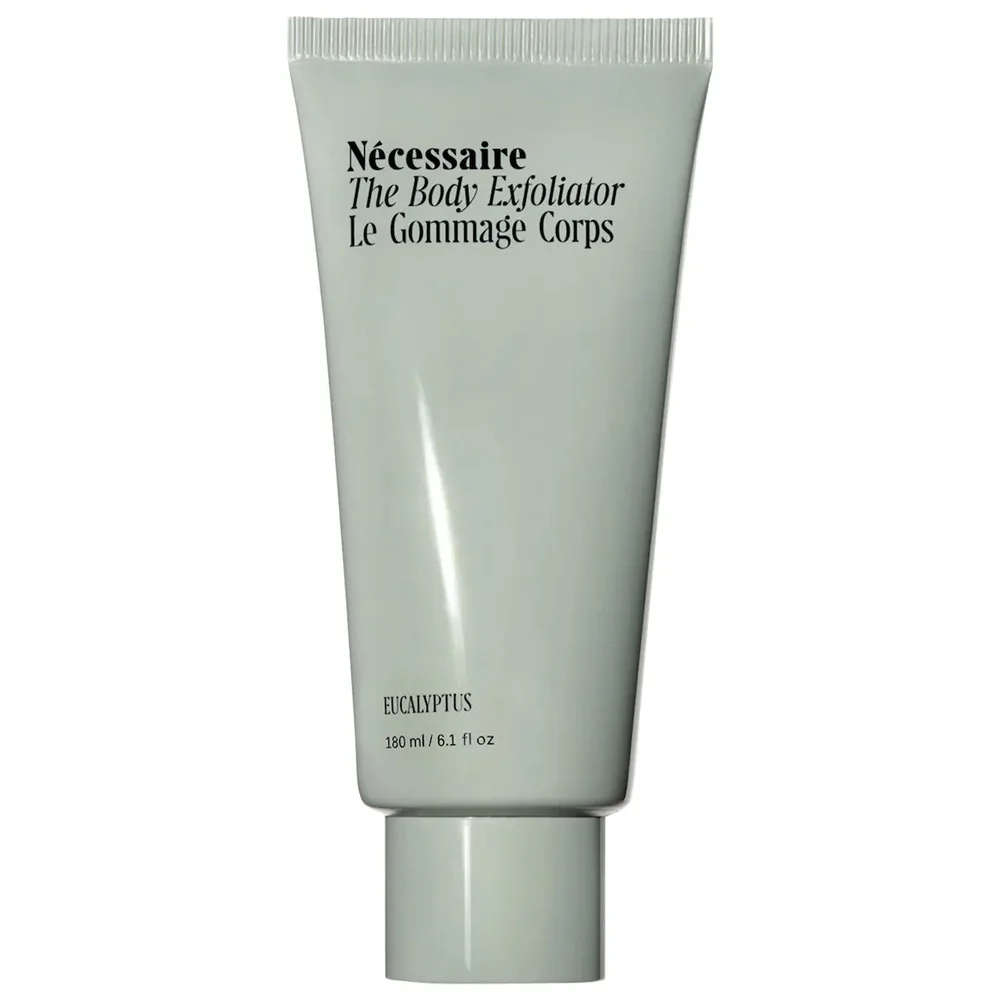
The Body Exfoliator - Physical + Chemical Exfoliant Cleanse
Nécessaire
$35
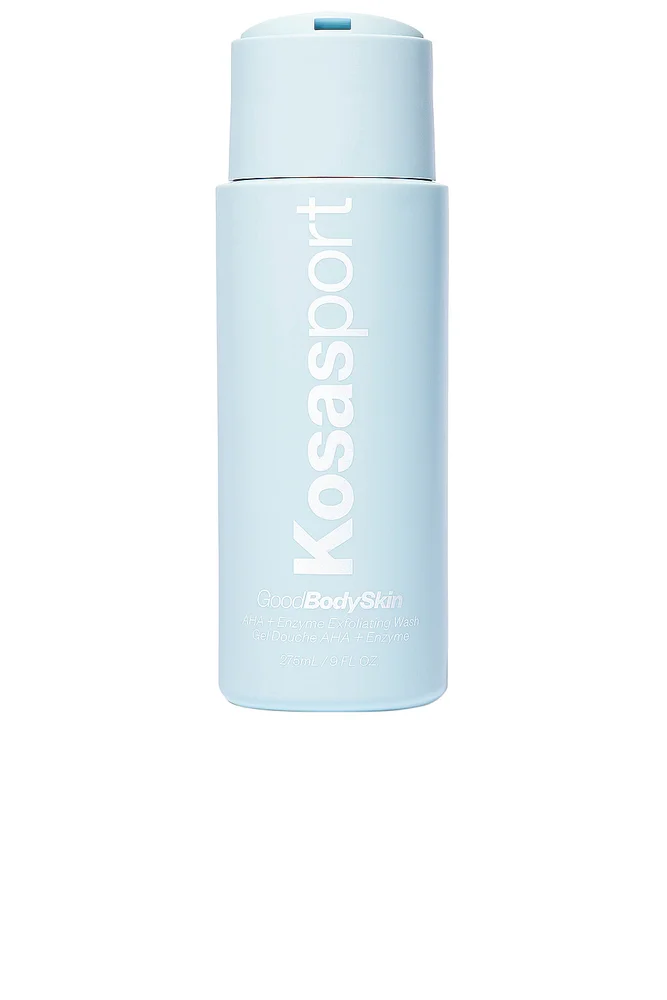
Good Body Skin AHA + Enzyme Exfoliating Body Wash
Kosas
$22
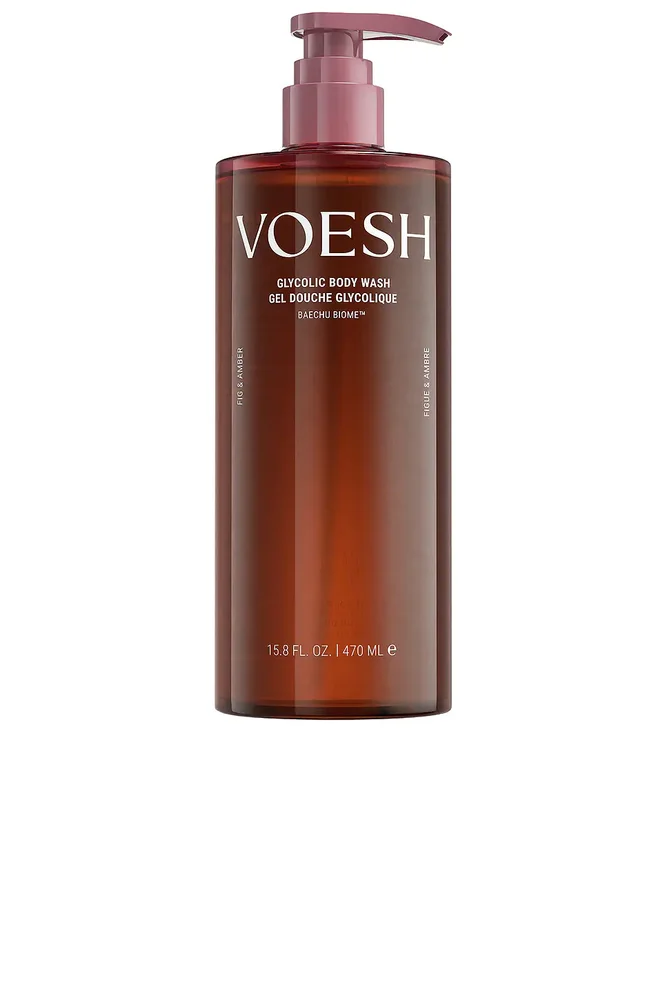
Glycolic Body Wash
Voesh
$35
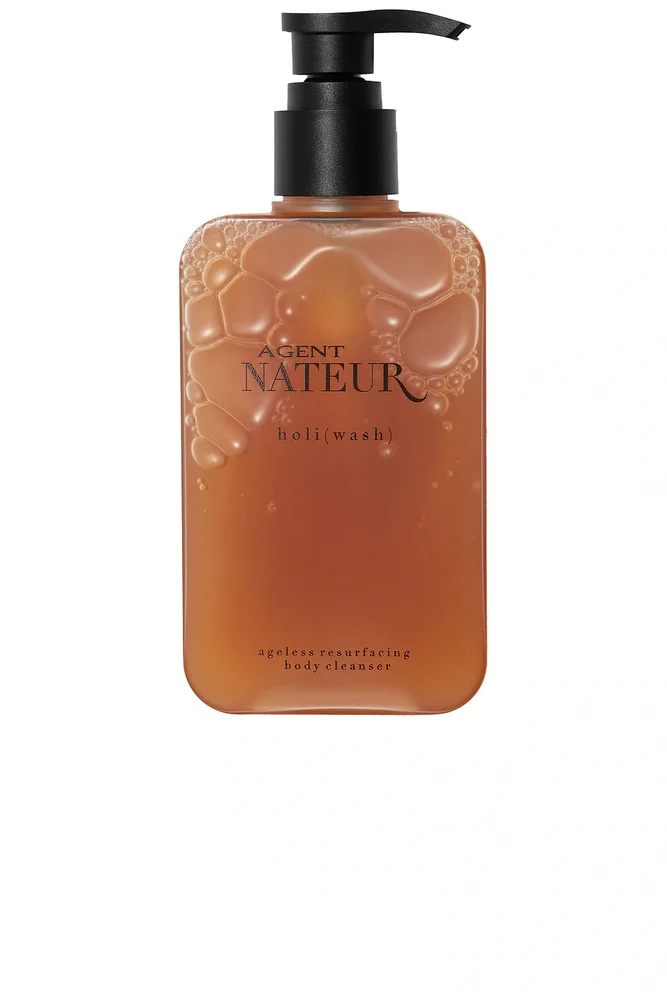
Holi(wash) Ageless Resurfacing Body Cleanser
Agent Nateur
$42
When a leave-on acid makes sense
If a wash is not enough for a particular rough patch, I would consider a leave-on product before reaching for a stronger scrub. A rinse-off wash can still exfoliate, but dermatologists quoted by NBC Select say a lotion or cream has longer contact with the skin and may provide stronger or more consistent exfoliation.
The INKEY List Glycolic Acid Exfoliating Body Stick is a targeted option: the brand lists 7% glycolic acid and 0.5% salicylic acid, and directs users to apply it to clean, dry skin without rinsing. Its instructions say to start two to three times weekly and increase only if skin tolerates it. I would not layer it with another exfoliant in the same routine.
For a broader look at glycolic acid, The Ordinary Glycolic Acid and the Acid Shelf Around It, Explained Slowly puts that ingredient in context.
Acid lotions, sprays and sticks for after
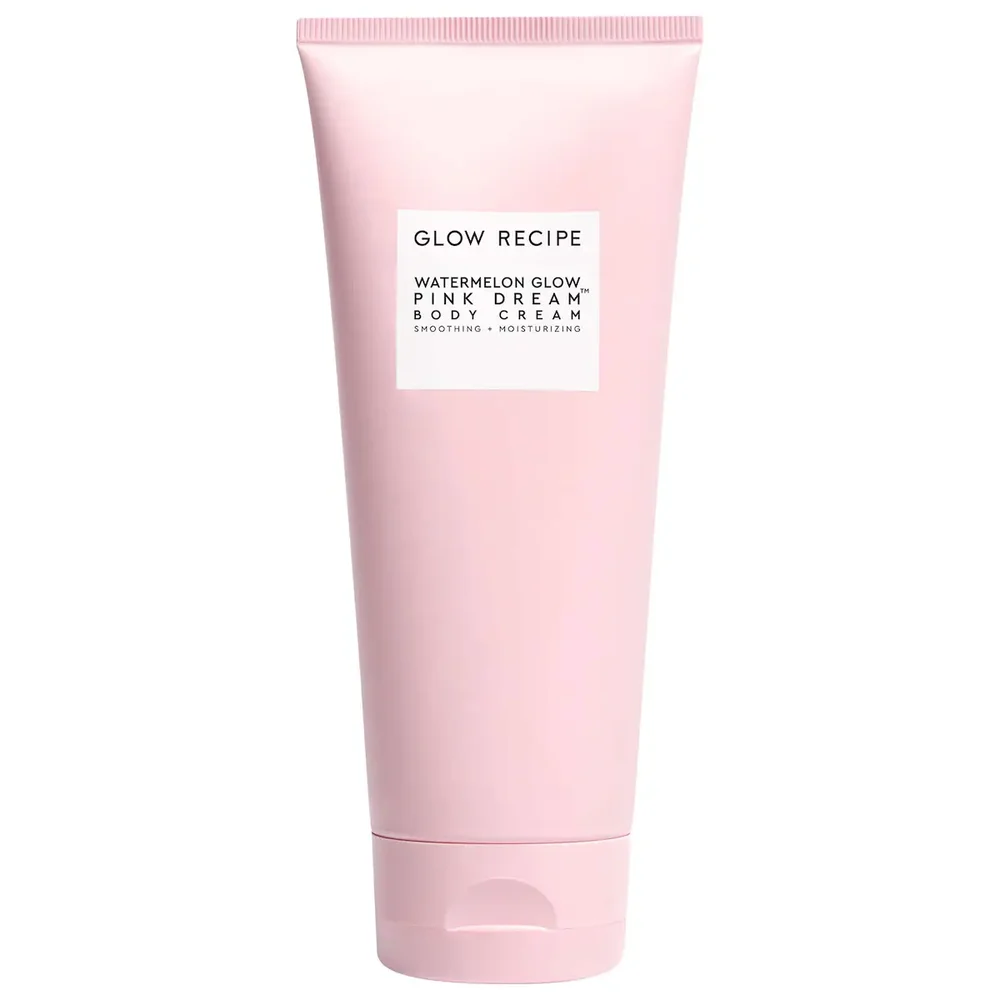
Watermelon Glow AHA Pink Dream Body Cream
Glow Recipe
$26
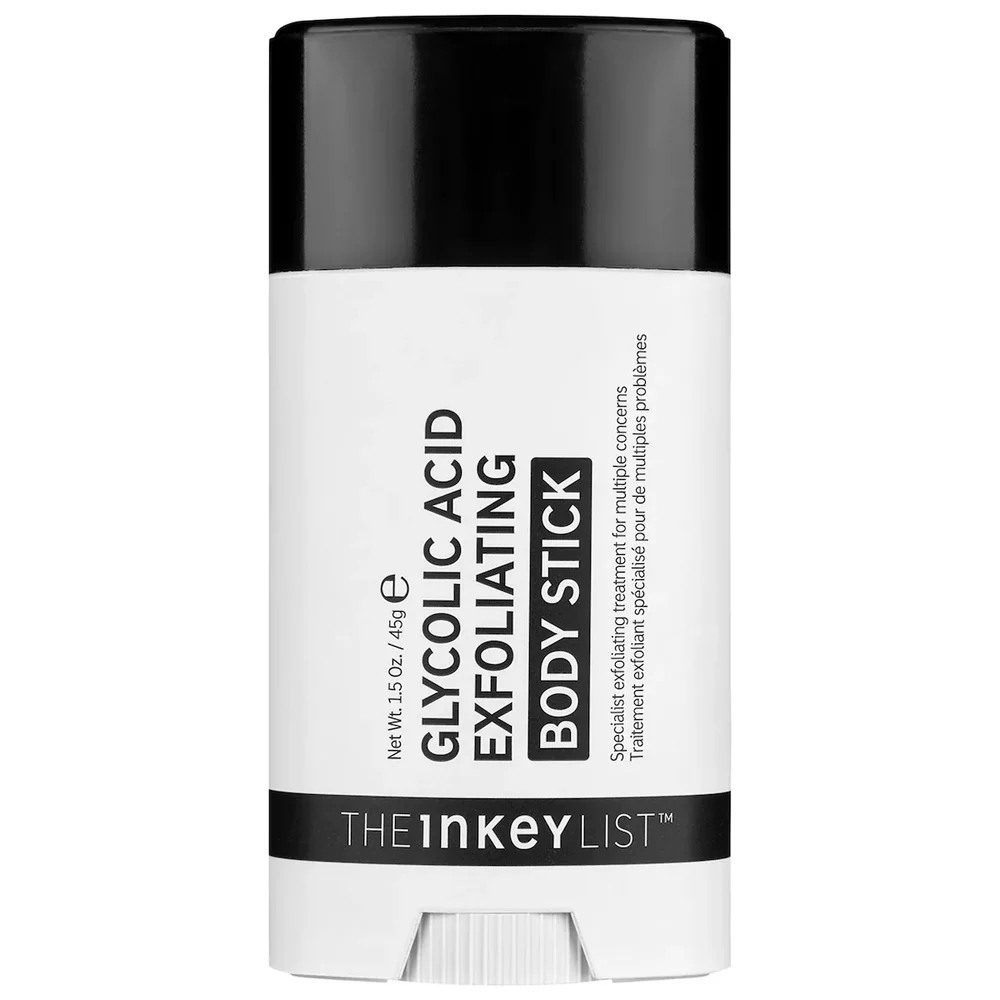
Glycolic Acid Exfoliating Body Stick
The INKEY List
$20
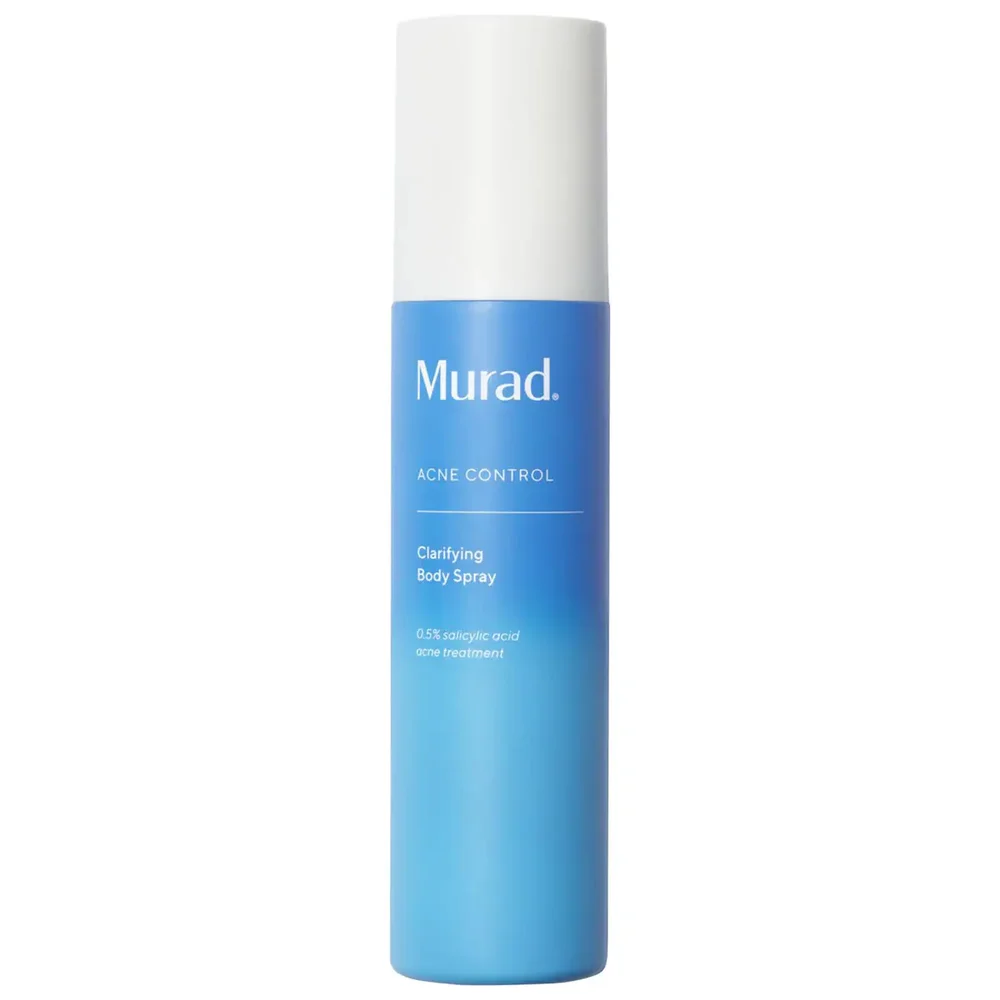
Clarifying Body Spray with Salicylic Acid
Murad
$52
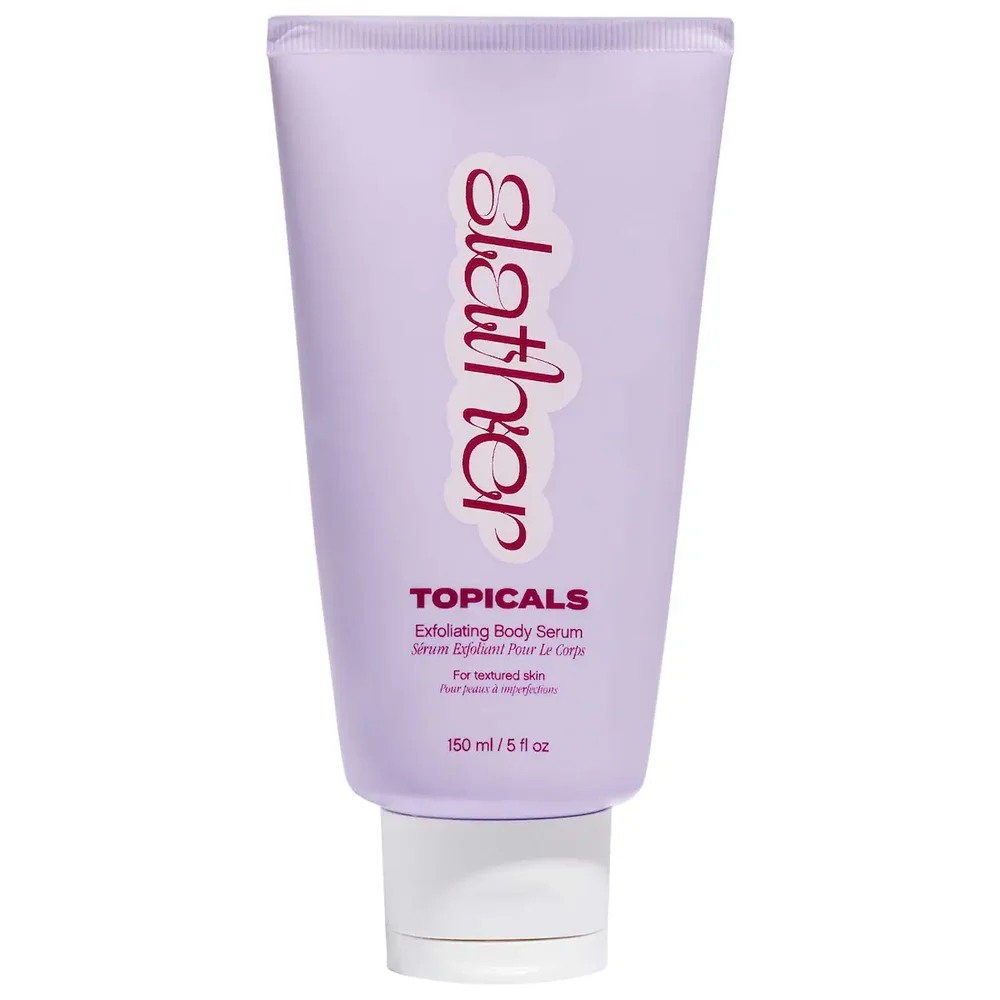
Slather Exfoliating Body Serum with Retinol and AHAs
Topicals
$30
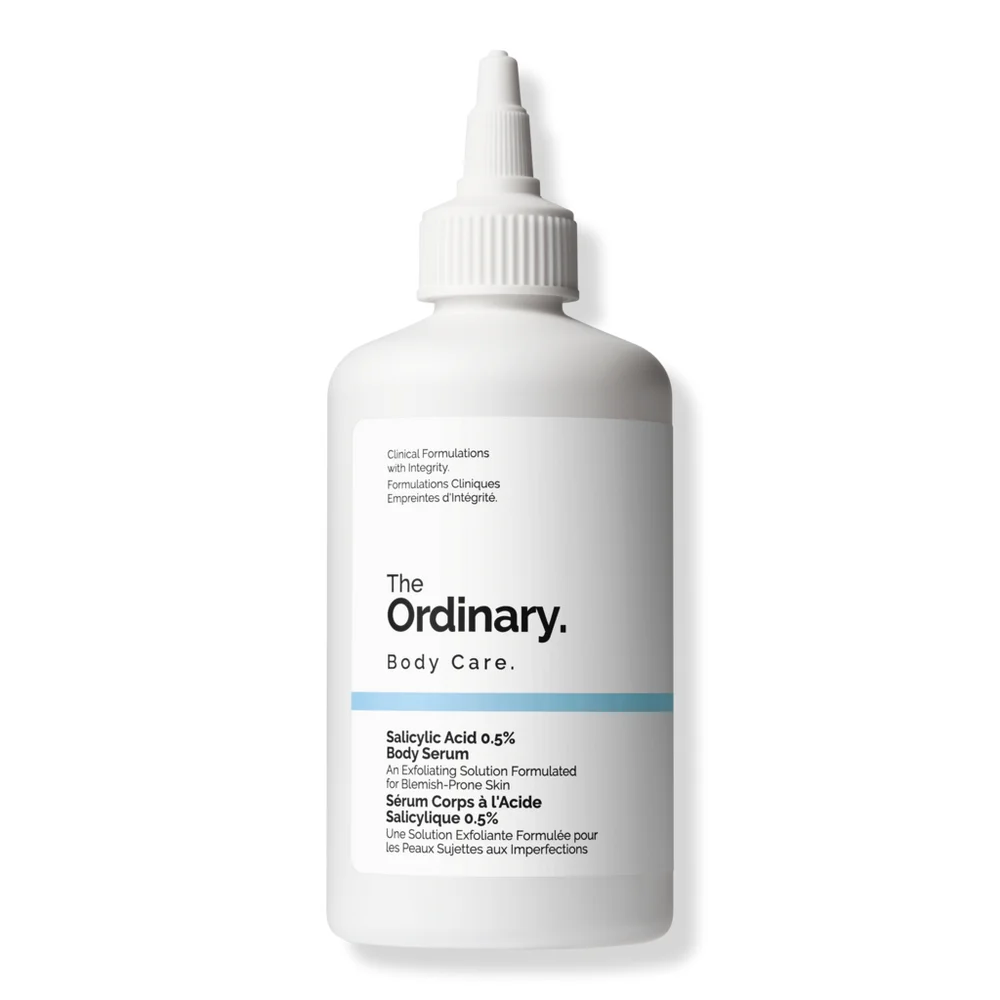
Salicylic Acid 0.5% Body Serum Exfoliating Treatment for Acne Blemishes
The Ordinary
$15
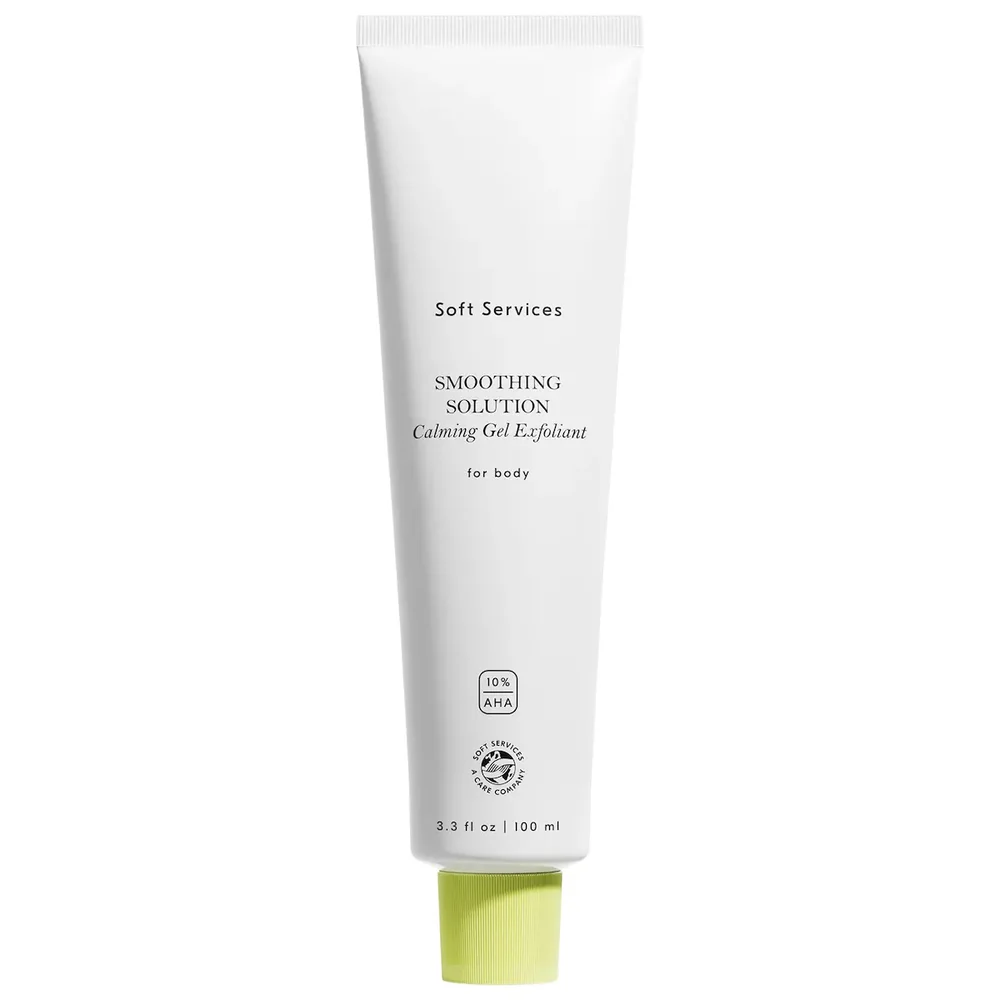
Smoothing Solution AHA Chemical Peel Body Exfoliator
Soft Services
$30
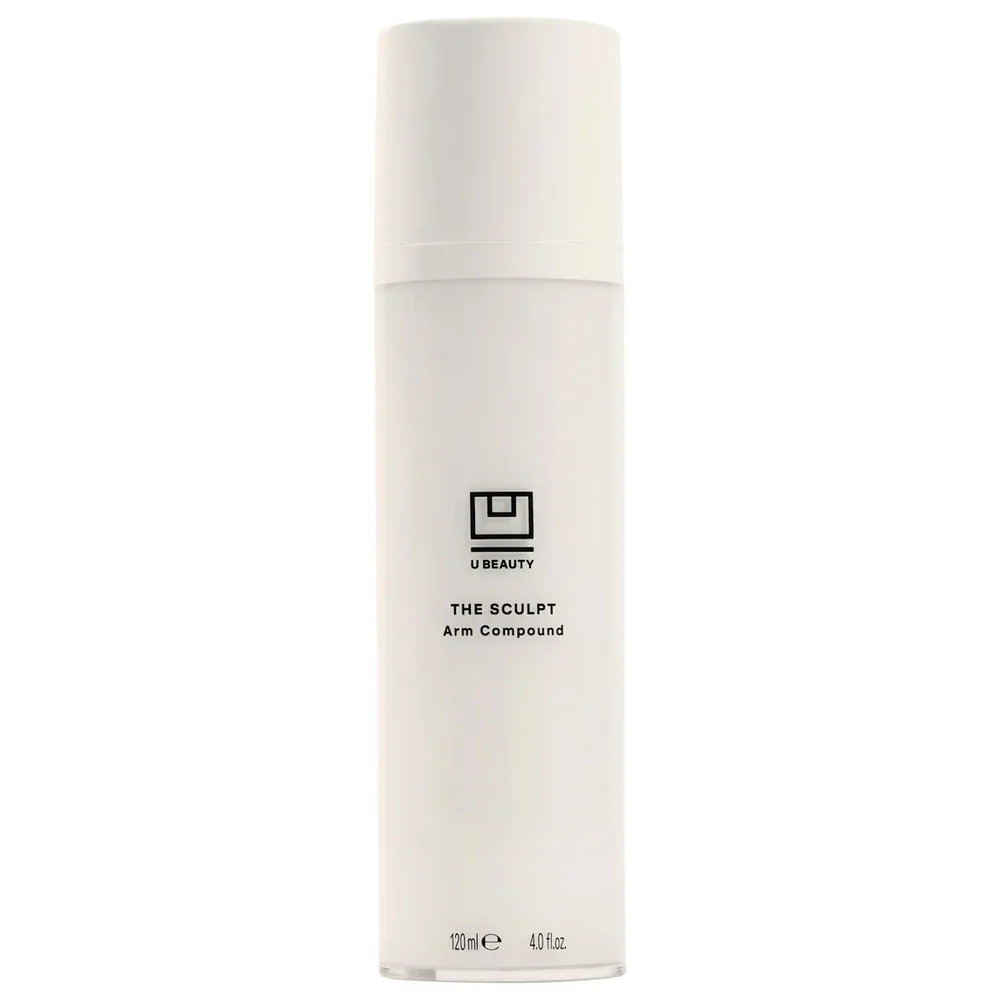
The SCULPT Arm Compound Body Serum with Retinol + Caffeine
U Beauty
$98
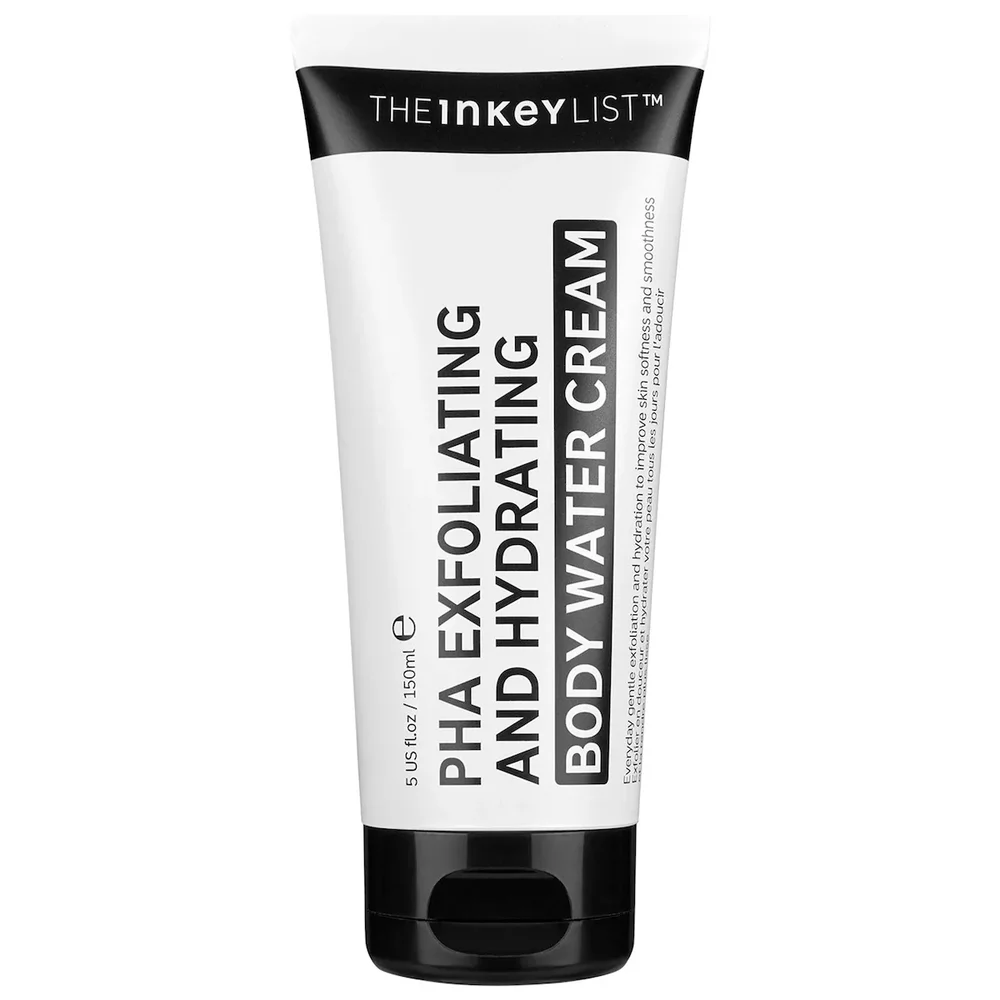
PHA Exfoliating and Hydrating Body Water Cream
The INKEY List
$15
Scrubs, bars and the weekly polish
Chemical exfoliation does the steady work. A scrub is the weekly polish, the thing you do on a Sunday before a dress with bare arms or the first warm weekend of the year.
First Aid Beauty's KP Bump Eraser combines pumice beads with glycolic and lactic acids, made for keratosis pilaris, and it is the one I would pick if bumps are your main complaint. Youth To The People's AHA scrub uses a 10% blend of glycolic, lactic and mandelic acids with physical exfoliants for rough texture.
Sugar scrubs are gentler and leave skin soft. Josie Maran's argan oil and sugar balm scrubs are rich and moisturizing, and they come in Topless Tangerine, bright and citrusy, and a warm vanilla version. Sol de Janeiro's Bum Bum scrub uses crushed cupuaçu seeds and sugar crystals, soft as sand. AKT London's foaming scrub lathers up as it buffs, a nice middle ground if you dislike oily scrubs.
Topicals makes two bars that are easy to keep in the shower. The Faded bar brightens and fades the look of dark spots and uneven tone, and the Slather bar pairs gentle physical and chemical exfoliants for bumpy, textured skin.
Scrub with light pressure, never hard. Your skin should feel smooth and warm afterward, not stinging, and a scrub once or twice a week is plenty alongside an acid. More is not better here, and over-scrubbed skin gets rougher, not smoother. On acid days, skip the scrub entirely and let one method do the work.
Scrubs and body bars
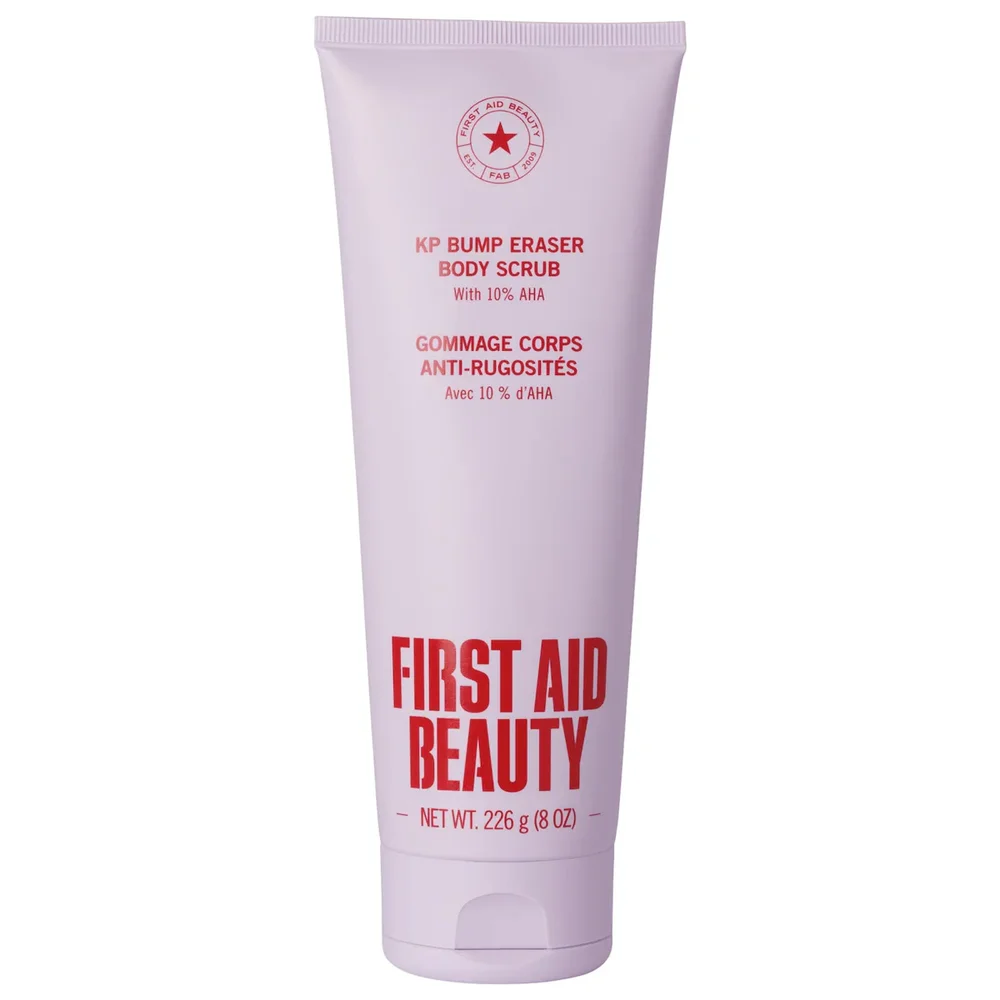
KP Bump Eraser Body Scrub with 10% AHA – Body Exfoliant for Keratosis Pilaris
First Aid Beauty
$30
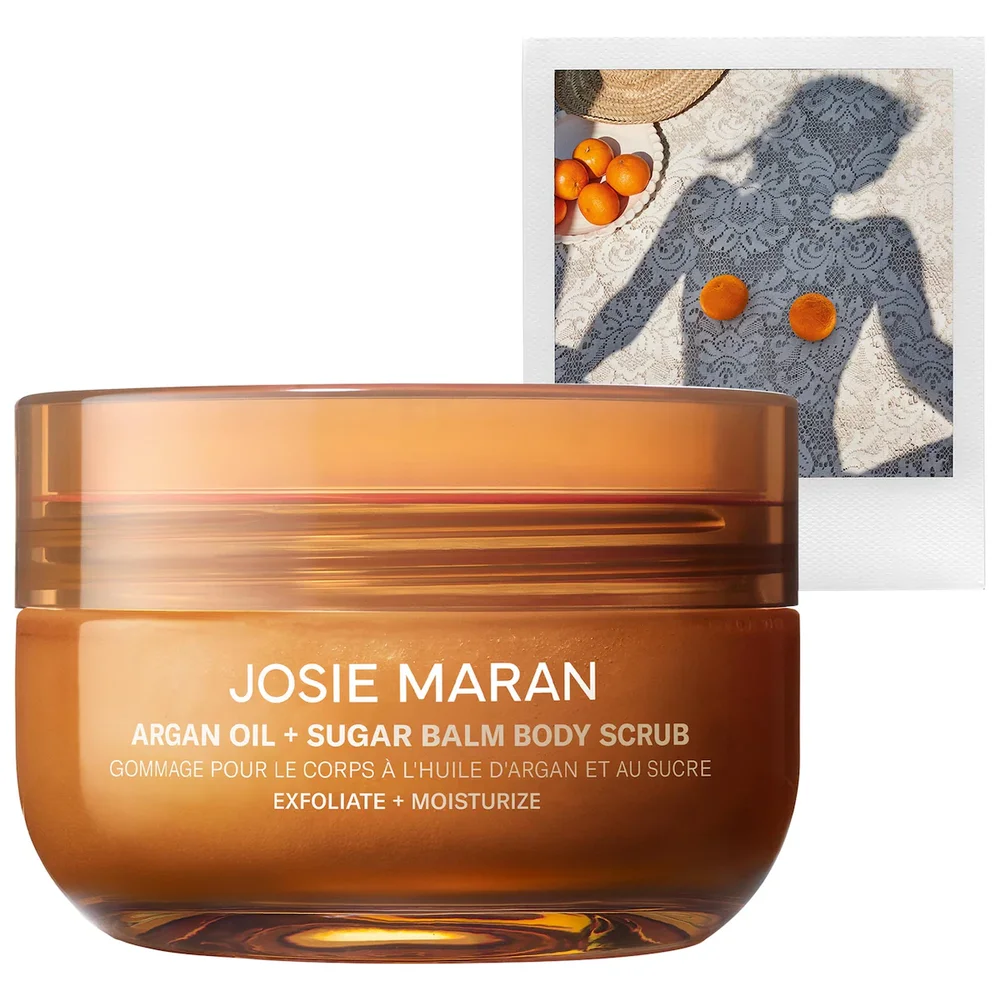
Topless Tangerine - Argan Oil + Sugar Balm Refillable Exfoliating Body Scrub Jar
Josie Maran
$29
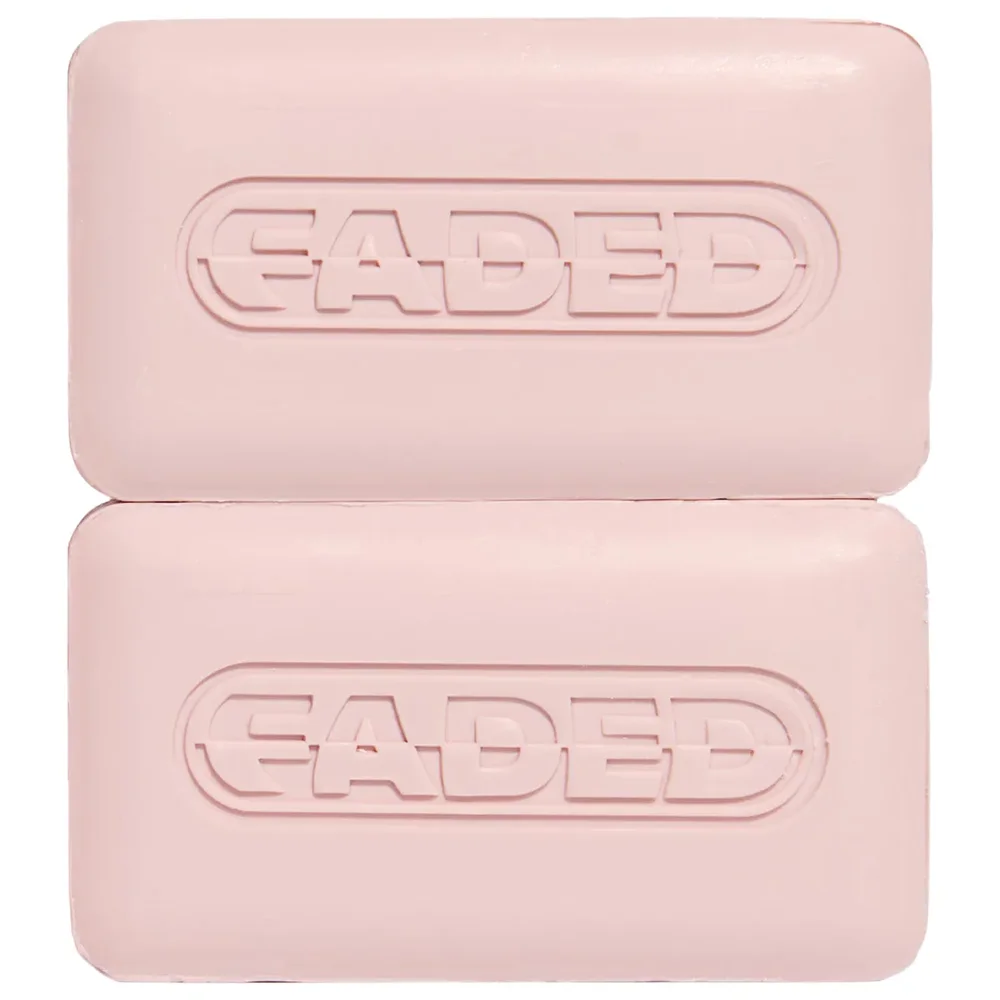
Faded Brightening & Cleansing Body Bar for Uneven Skin Tone (2 Pack)
Topicals
$28
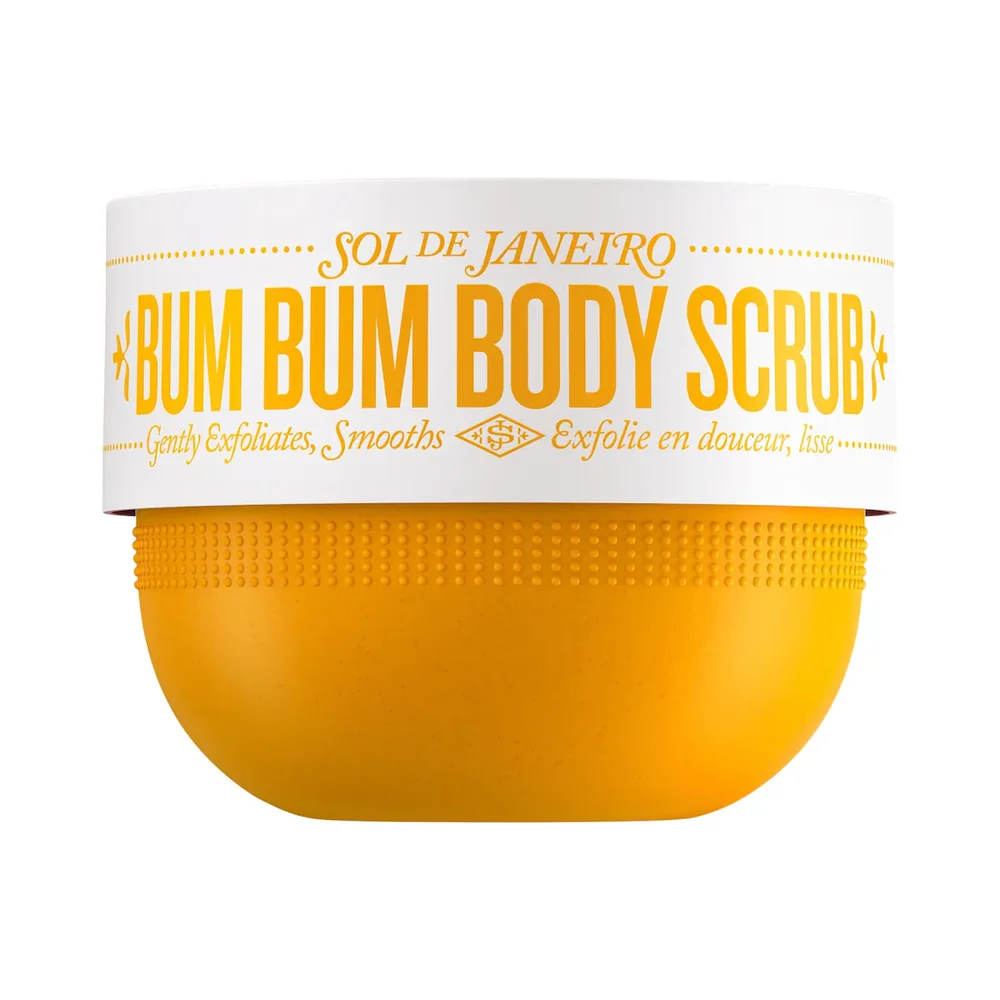
Bum Bum Body Scrub
Sol de Janeiro
$42
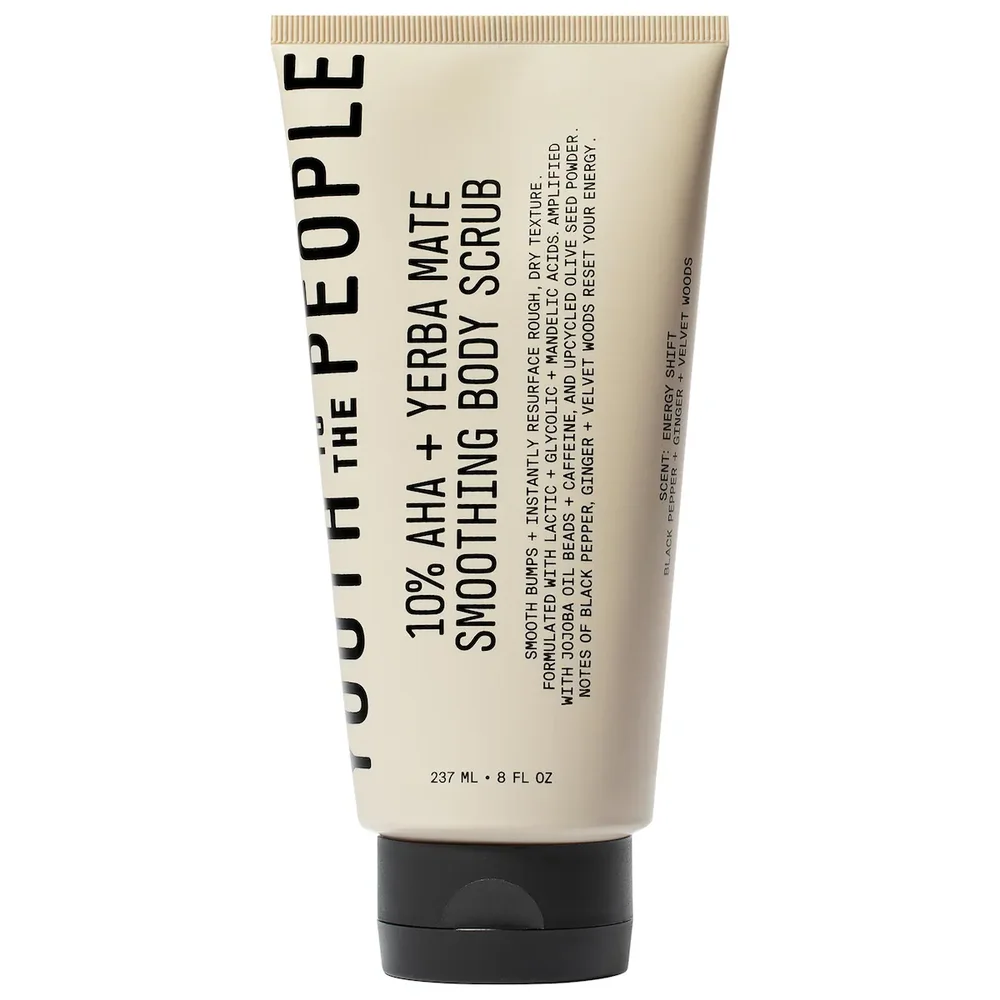
10% AHA + Yerba Mate Smoothing Energy Body Scrub with Upcycled Olive Seed Powder
Youth To The People
$42
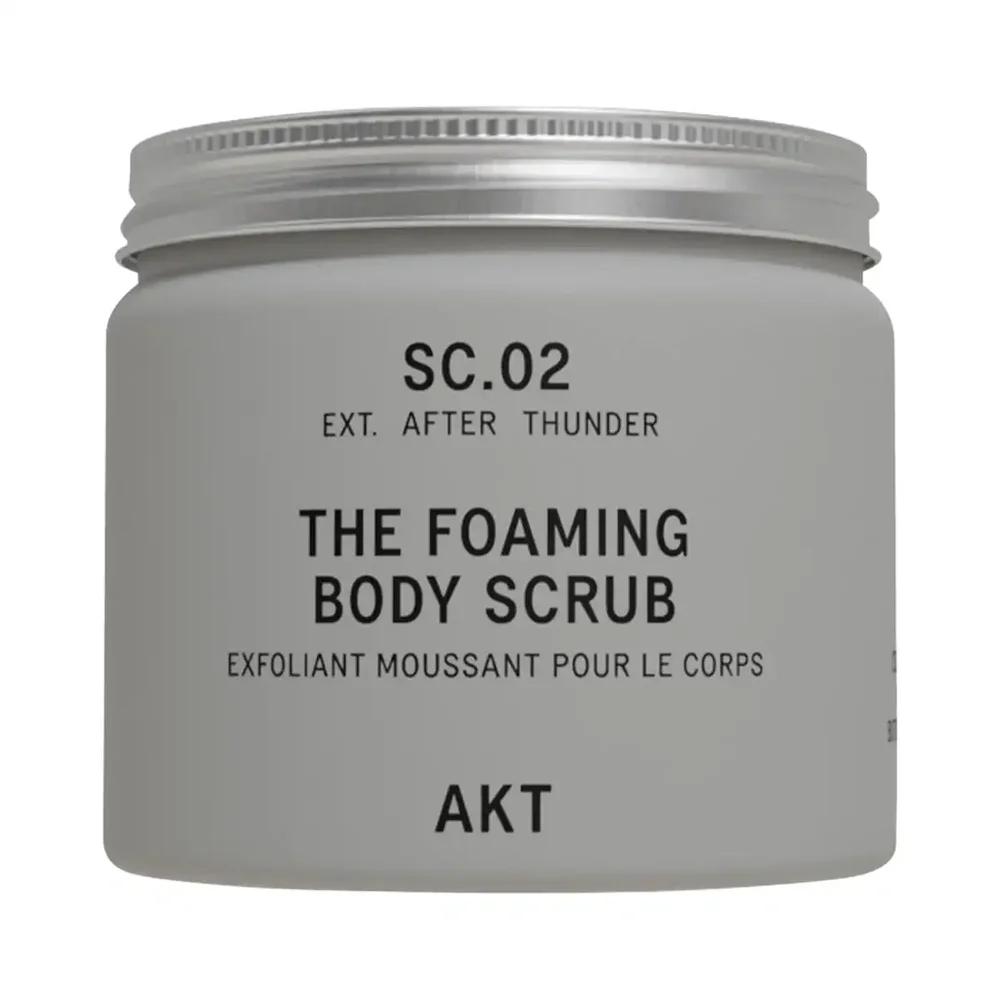
The Foaming Body Scrub SC.02 After Thunder
AKT London
$59
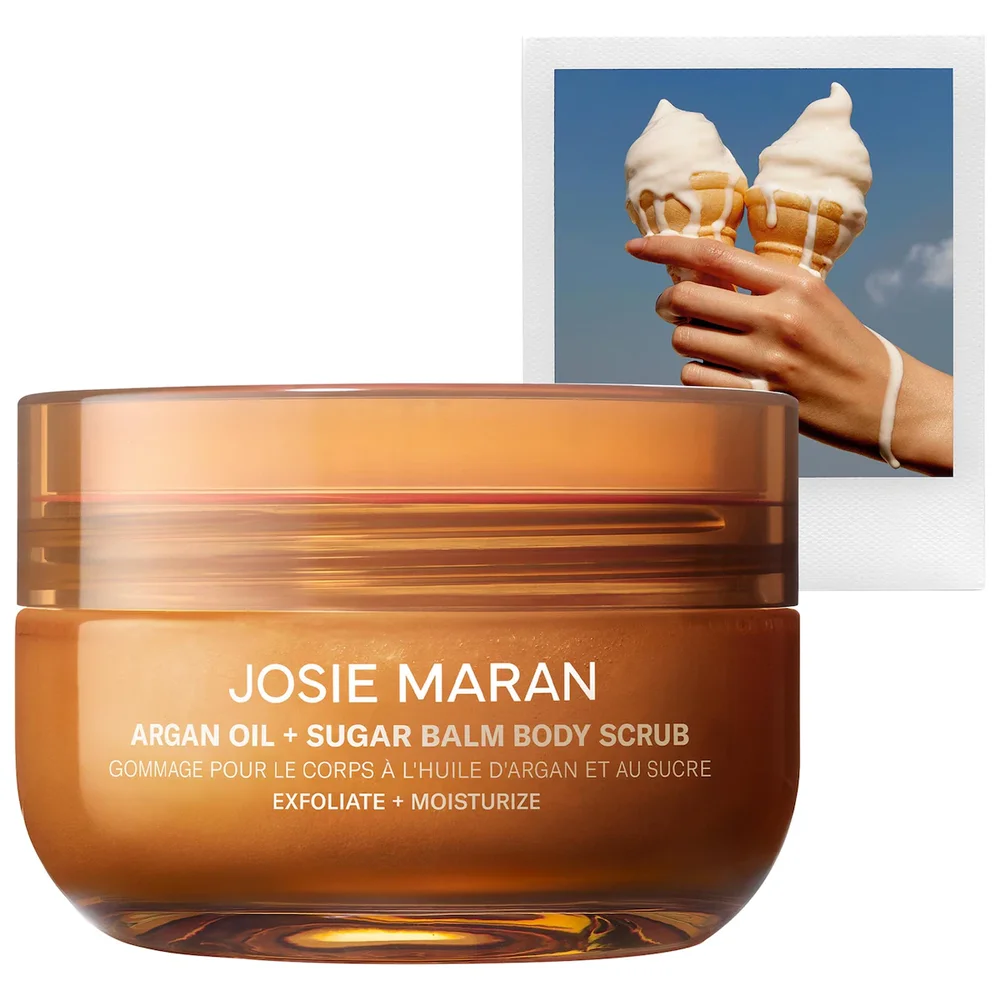
Vanilla Vibezzz - Argan Oil + Sugar Balm Refillable Exfoliating Body Scrub Jar
Josie Maran
$29
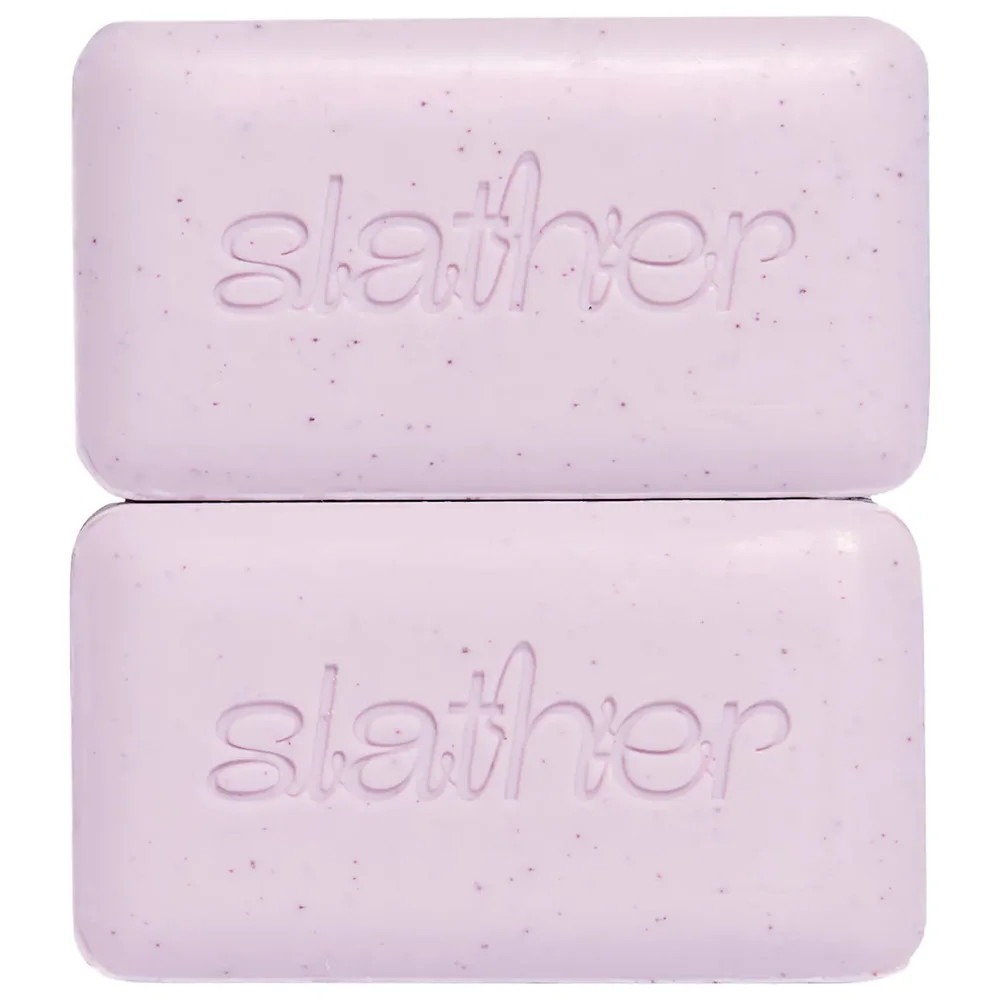
Slather Exfoliating & Smoothing Bar - For Soft Skin
Topicals
$28
Body acid questions, answered
What is an AHA body wash?
An AHA body wash is a rinse-off cleanser with an alpha hydroxy acid such as glycolic or lactic acid. AHAs exfoliate by shedding surface skin, and the FDA says the effect depends on concentration, pH and the rest of the formula.
Is a glycolic acid body wash suitable for dull legs?
It can be a reasonable option for rough, dull-feeling skin, but formulas vary and washes are rinsed off. Dermatologists quoted by NBC Select say a leave-on lotion or cream has longer contact and may exfoliate more strongly or consistently; follow the product label and stop if irritation develops.
Are chemical exfoliating body washes better than scrubs?
Neither format is automatically better: chemical exfoliants use acids, while scrubs physically remove surface cells. The AAD recommends choosing by skin type, being gentle, moisturizing afterward and avoiding exfoliation on sunburned or wounded skin.
How often should I exfoliate dull legs?
There is no single schedule for every formula; the AAD says frequency depends on skin type and exfoliation method. For one specific example, The INKEY List says to start its glycolic body stick two to three times a week and increase only if tolerated.
Sun protection and patience
Sun protection belongs in an AHA routine. The FDA says topical AHAs can increase sensitivity to sunlight; it advises sunscreen, protective clothing and limiting sun exposure while using an AHA and for a week afterward.
I would keep the routine plain: choose one exfoliant, follow its label and moisturize after showering or exfoliating. The American Academy of Dermatology says moisturizer helps with dryness and, for keratosis pilaris, recommends applying it while skin is still damp after bathing. Avoid exfoliating open cuts, wounds or sunburned skin, and ease off if you become dry or irritated.
For keratosis pilaris specifically, the AAD says to talk with a dermatologist if there is no improvement after four to six weeks of treatment. That is a better checkpoint than using more product. A single exfoliant, regular moisturizer and sun protection on exposed legs are the sensible basics.






