Medium porosity hair usually holds moisture well; choose products for your texture and damage, not a rigid porosity routine.
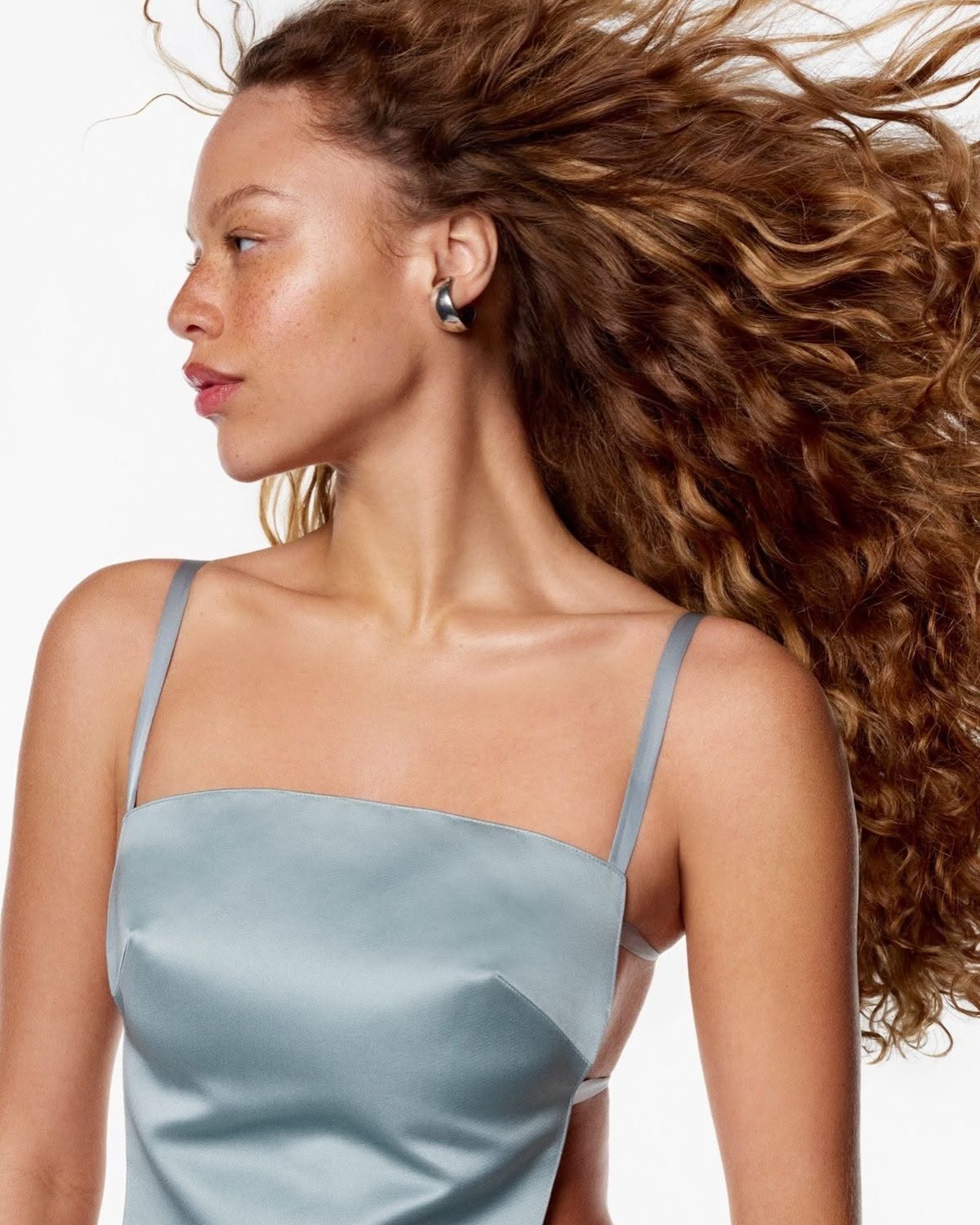
Medium Porosity Hair: What to Use and What to Skip
What medium porosity really means
Medium porosity hair usually absorbs and retains moisture at a balanced pace, but the label is a rough guide, not a diagnosis. I would start with what your hair actually does after washing rather than treating a glass test as a verdict.
Matrix describes medium porosity as cuticles that are slightly raised but mostly intact, so hair tends to take in and hold moisture well and respond to a broad range of products. That is a useful shorthand, not a reason to buy a special routine. I would choose by the problem in front of me: conditioner for dryness, a leave-in when detangling or heat styling, and repair only when the hair is damaged. Curl pattern and porosity are not the same question, and different lengths can behave differently after heat or color.
For one all-purpose option, UNITE Hair 7SECONDS is a lightweight leave-in detangler for all hair types, with thermal and UV protection. I would use it on damp lengths when detangling or using heat, not because medium porosity demands it. For fine or straight hair, keep conditioner on the ends; dry or curly hair may need it along more of the length. For the lower-porosity end of the spectrum, Low Porosity Hair: Why Water Beads Up and What Actually Gets In goes deeper. Test one change at a time and judge by softness, buildup, or breakage.
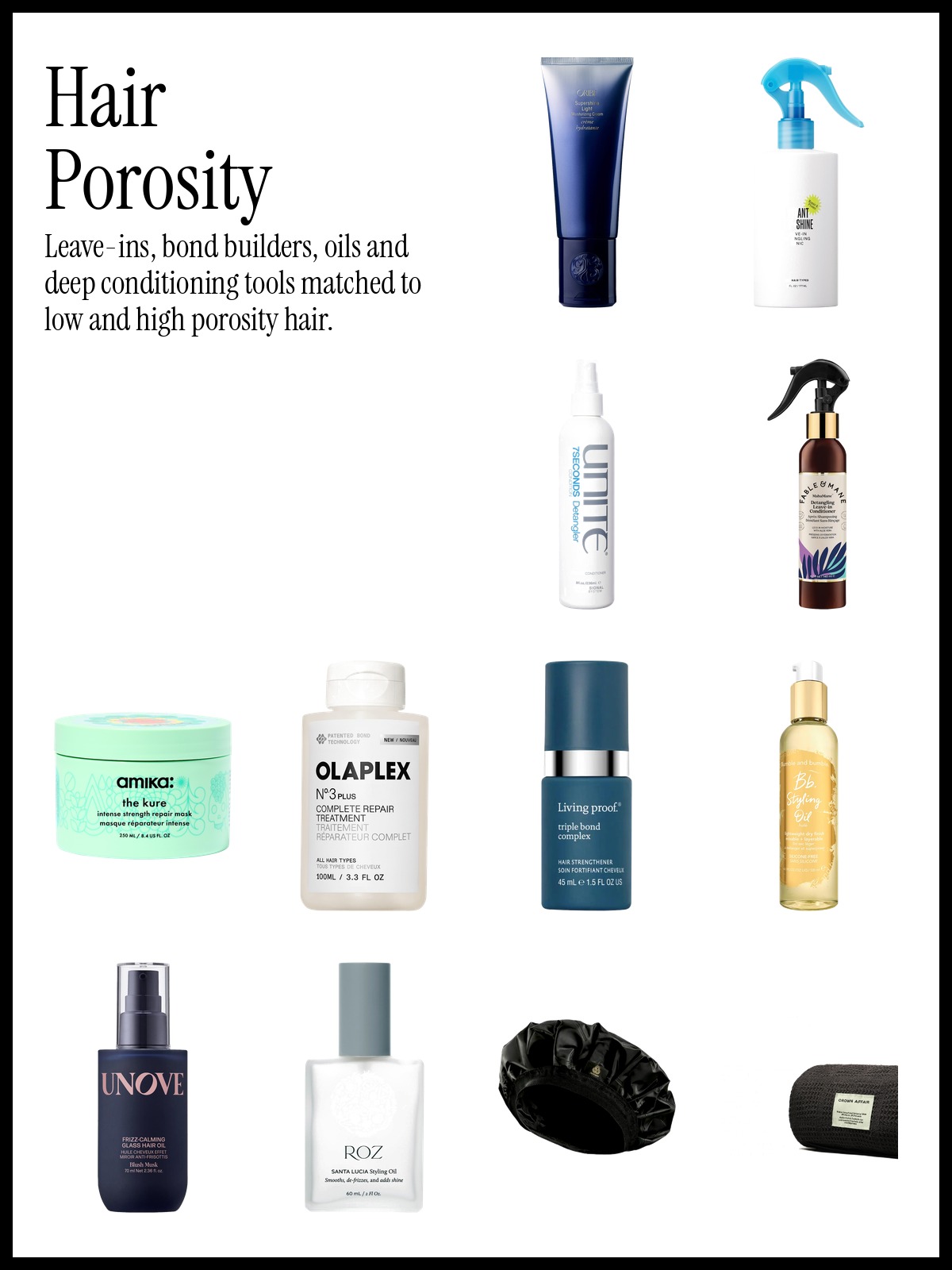
Light leave-ins and detanglers for low porosity hair
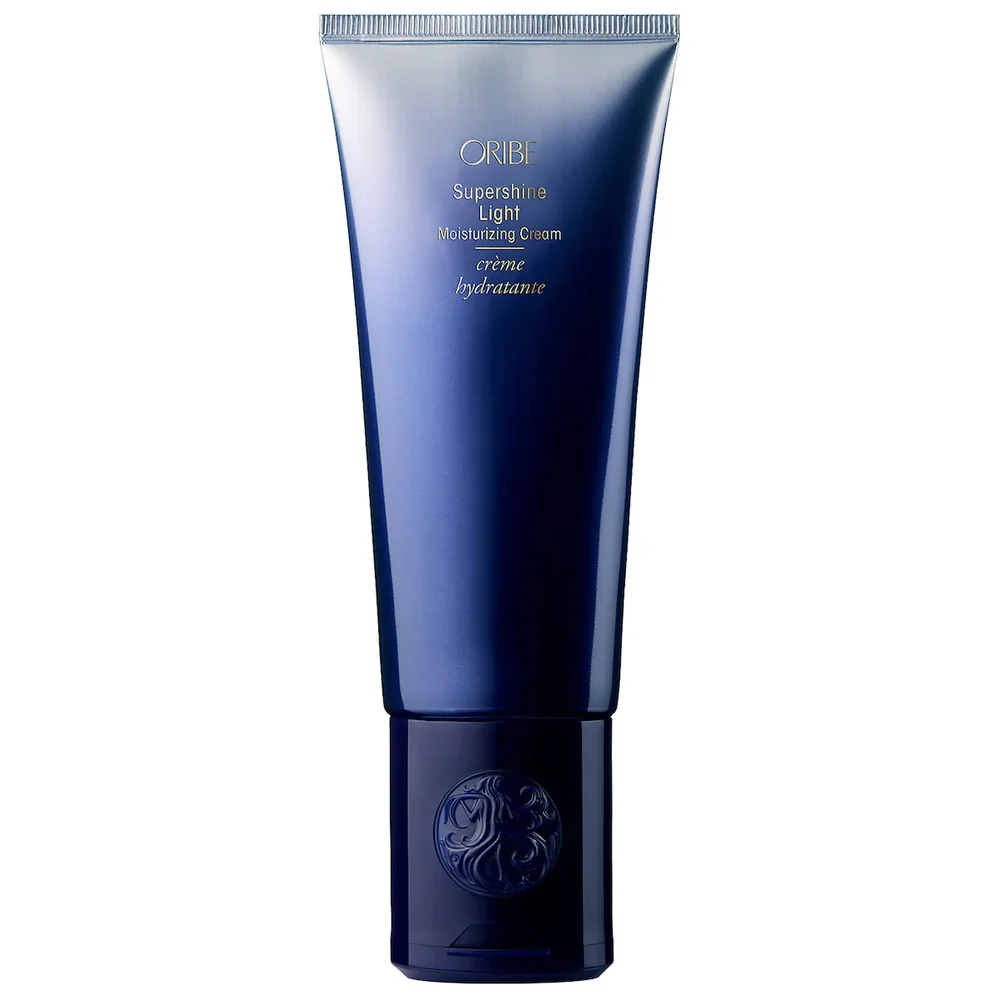
Supershine Light Moisturizing Leave-In Hair Cream for Dry Hair
Oribe
$54
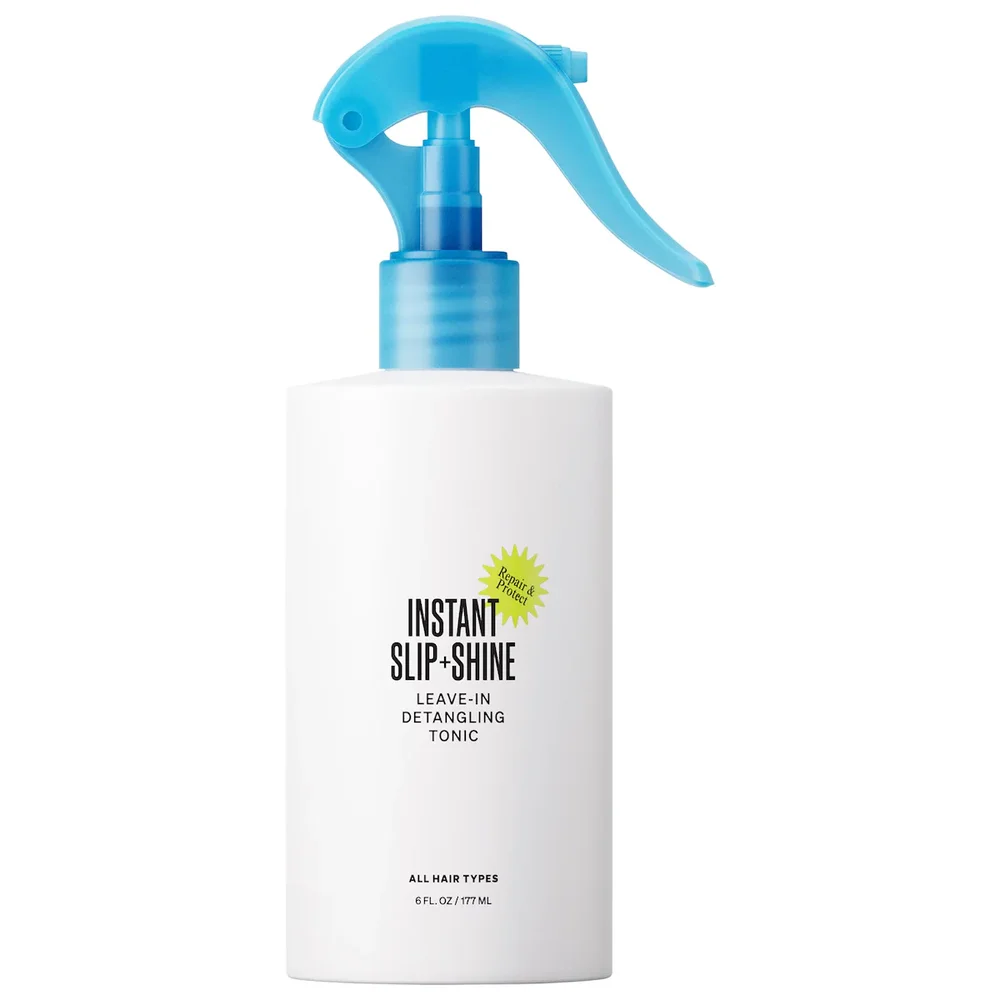
Instant Slip & Shine Detangling Leave-In Conditioner
Ebb Ocean Club
$21
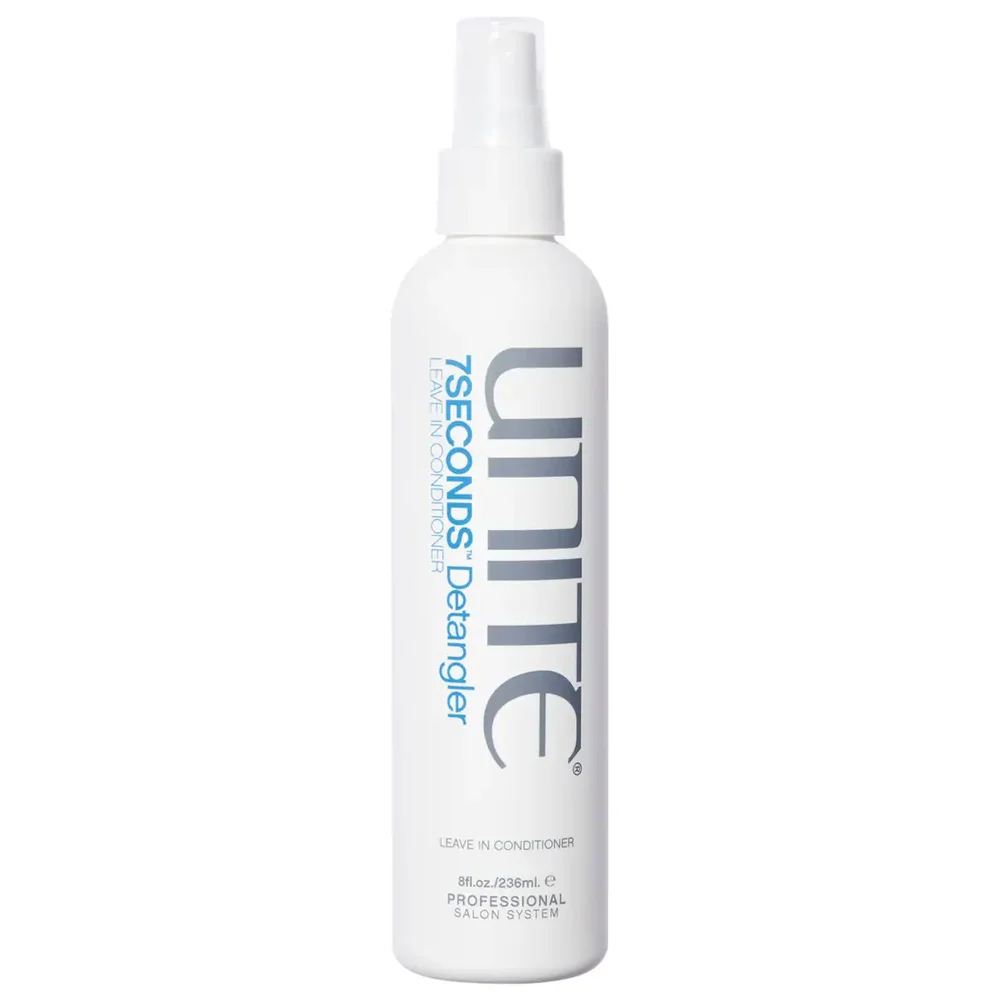
7SECONDS Detangling Leave-In Conditioner for Frizz & Heat Protection
UNITE Hair
$42.50
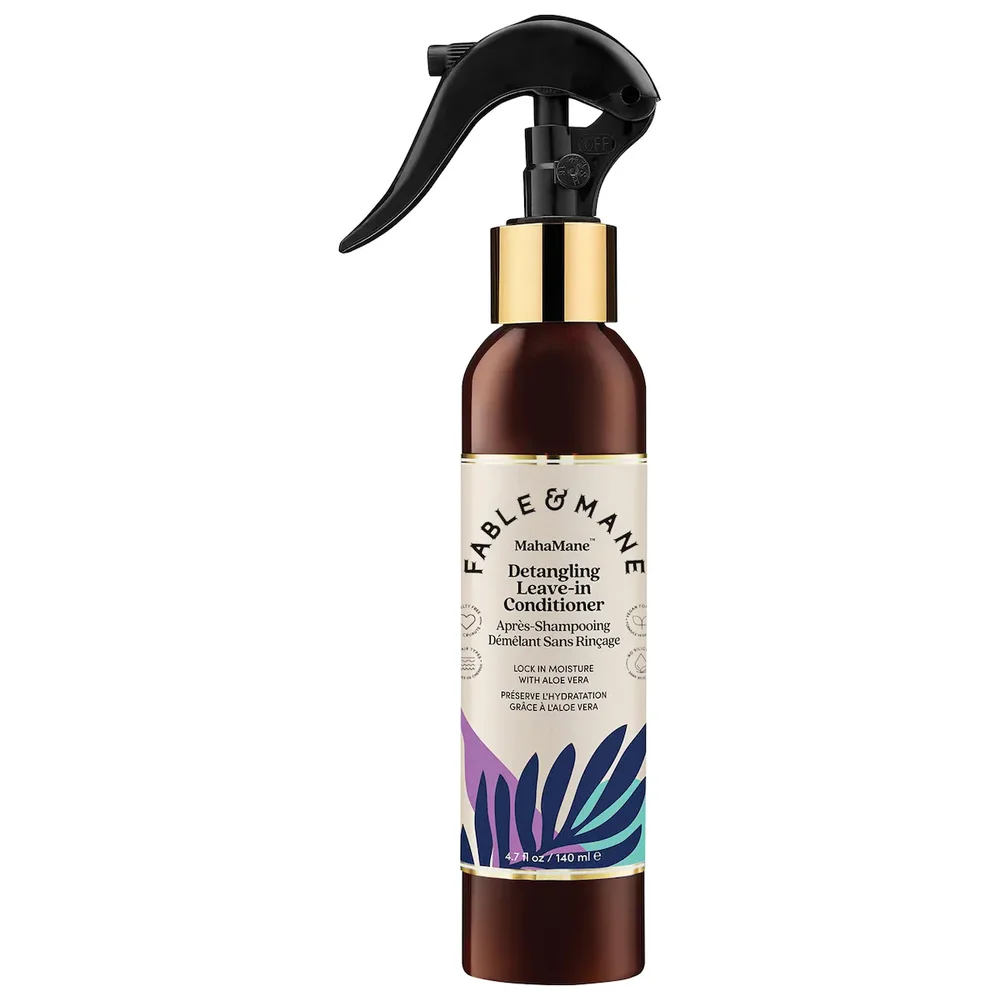
MahaMane Detangling Leave-in Conditioner
Fable & Mane
$30
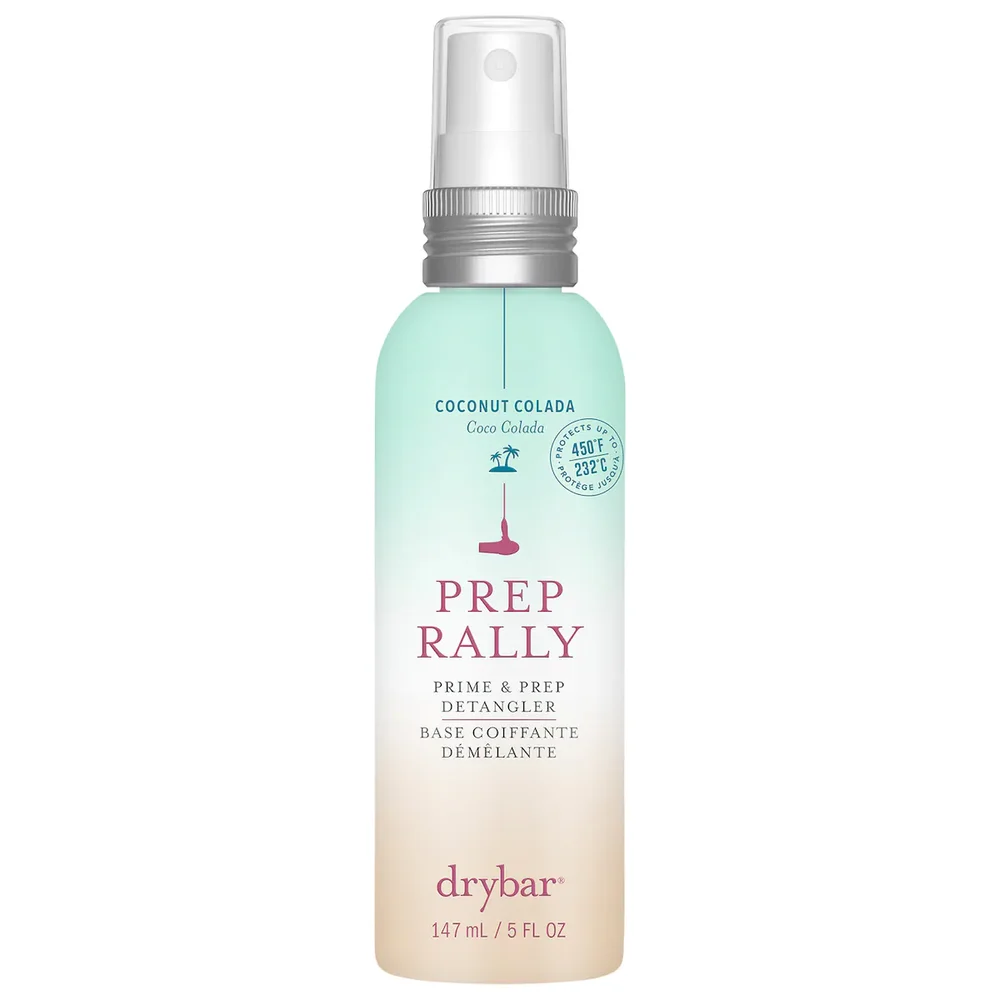
Prep Rally Prime & Prep Detangler
Drybar
$29
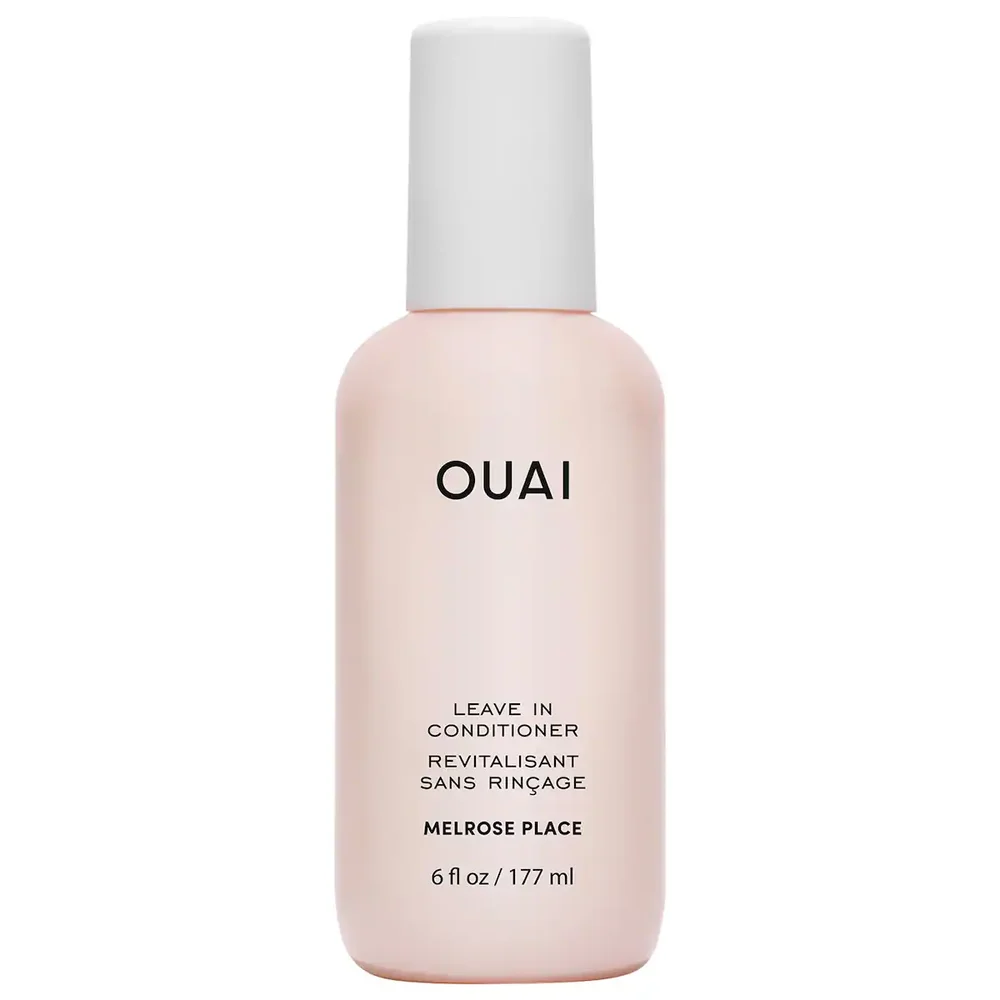
Melrose Place Conditioning
OUAI
$32
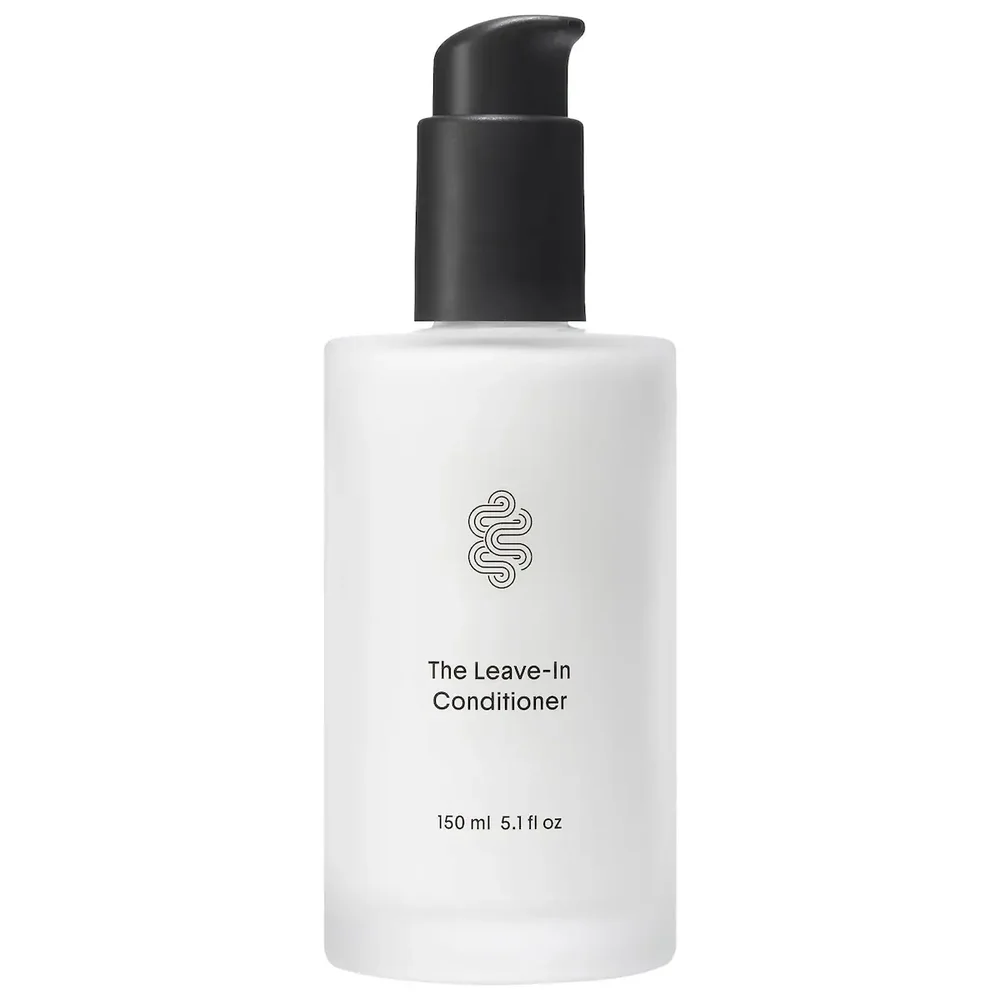
The Leave-In Conditioner Cream for Hydrated Hair
Crown Affair
$48
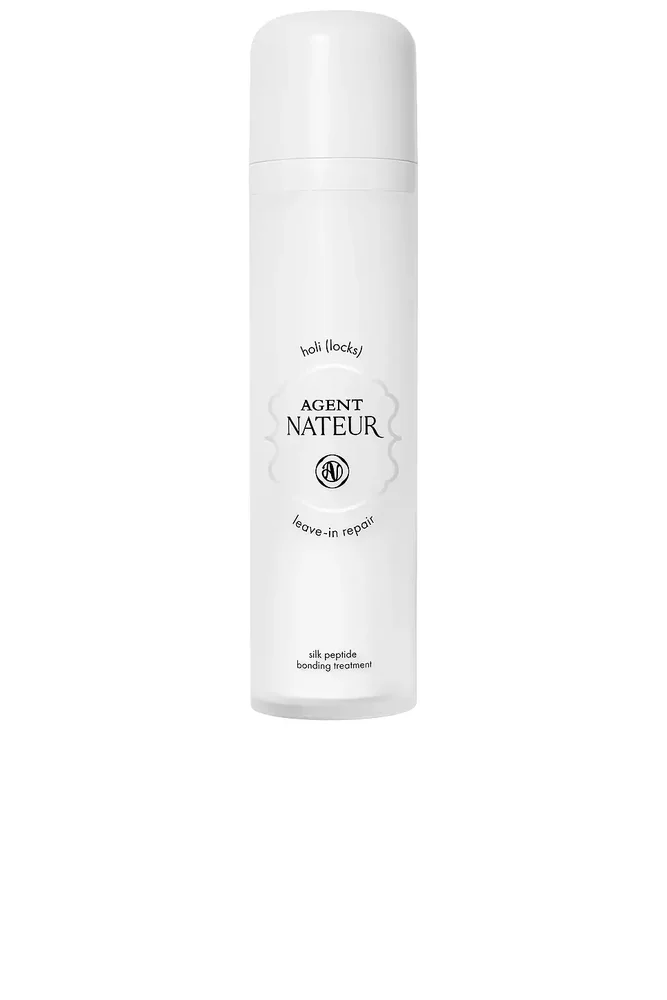
Holi (locks) Silk Peptide Bonding Leave-In Repair
Agent Nateur
$56
Reach for repair only when hair needs it
Medium porosity does not automatically mean you need a bond builder or a protein mask. I would reserve repair for hair weakened by color, chemical services, or repeated heat, then keep ordinary conditioning in the routine. Olaplex No. 3PLUS Complete Repair Treatment is a protein-free pre-shampoo treatment; its directions say to apply it to wet hair for three minutes before shampooing. That makes it a measured repair step, not a replacement for conditioner.
Change one treatment at a time and pay attention to how your hair feels afterward. The porosity label alone cannot tell you whether a strand is damaged. I would skip buying every mask in the repair category just because the word porosity sounds technical. If the real issue is breakage after chemical services, address that concern directly instead of treating medium porosity as a problem to fix.
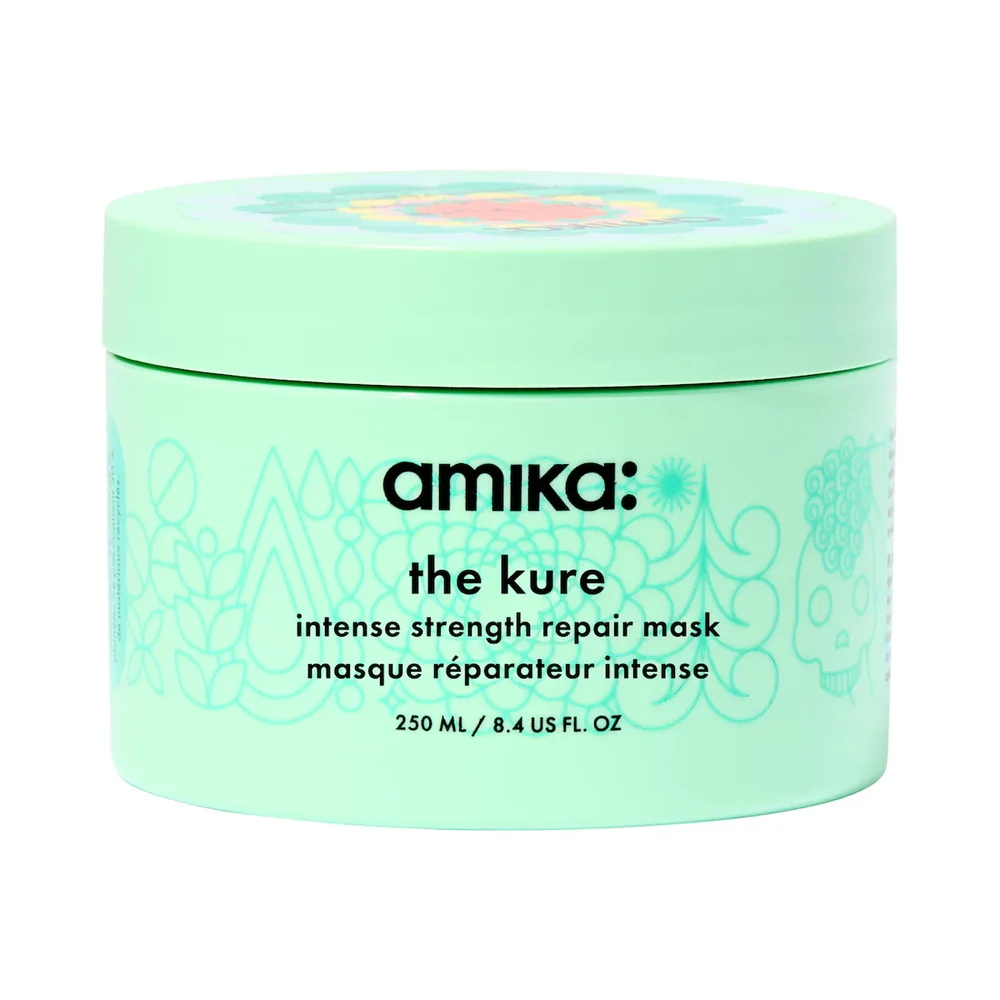
The Kure Intense Strength Repair Hair Mask
amika
$44
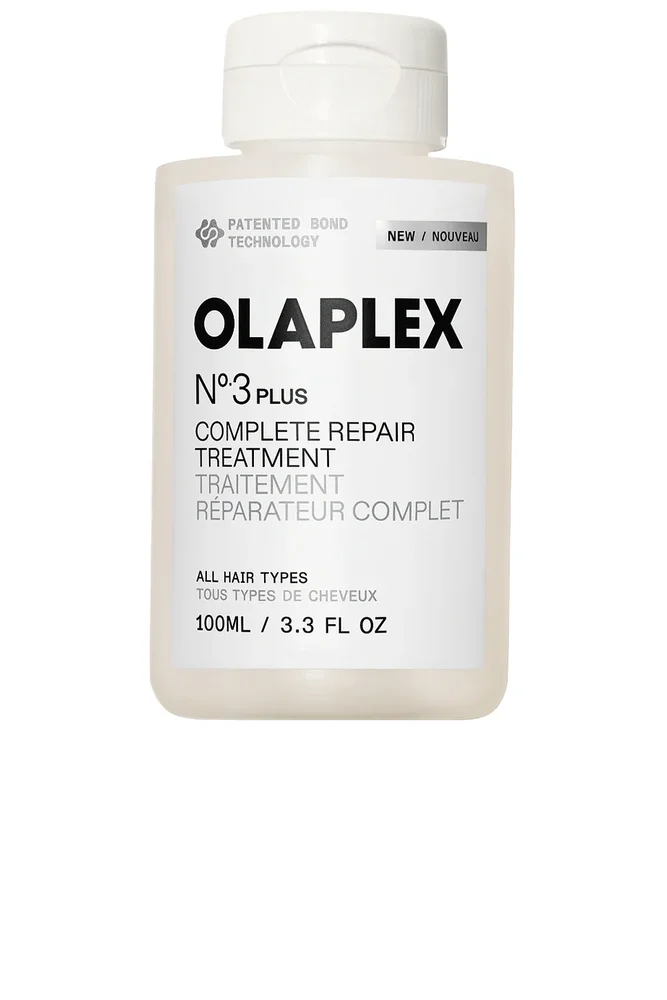
No. 3PLUS Complete Repair Treatment
Olaplex
$34
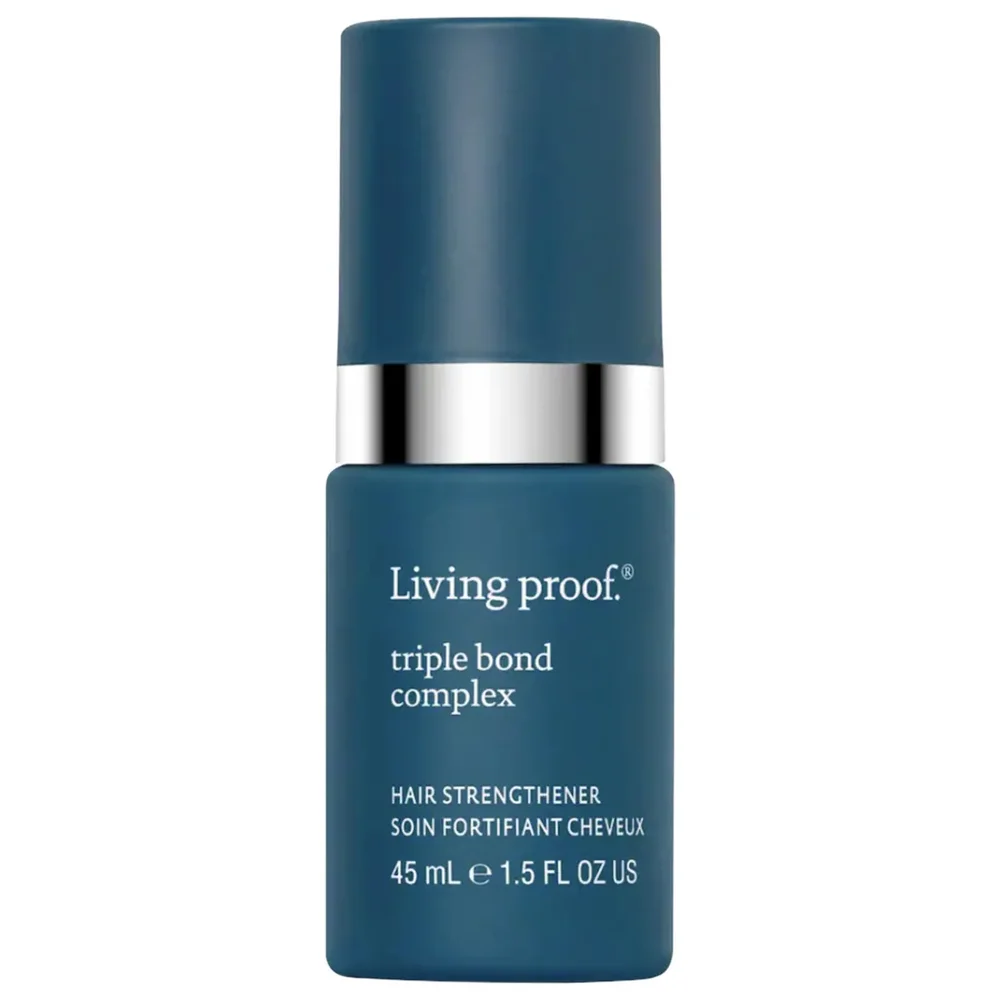
Triple Bond Complex Leave-in Hair Treatment
Living Proof
$45
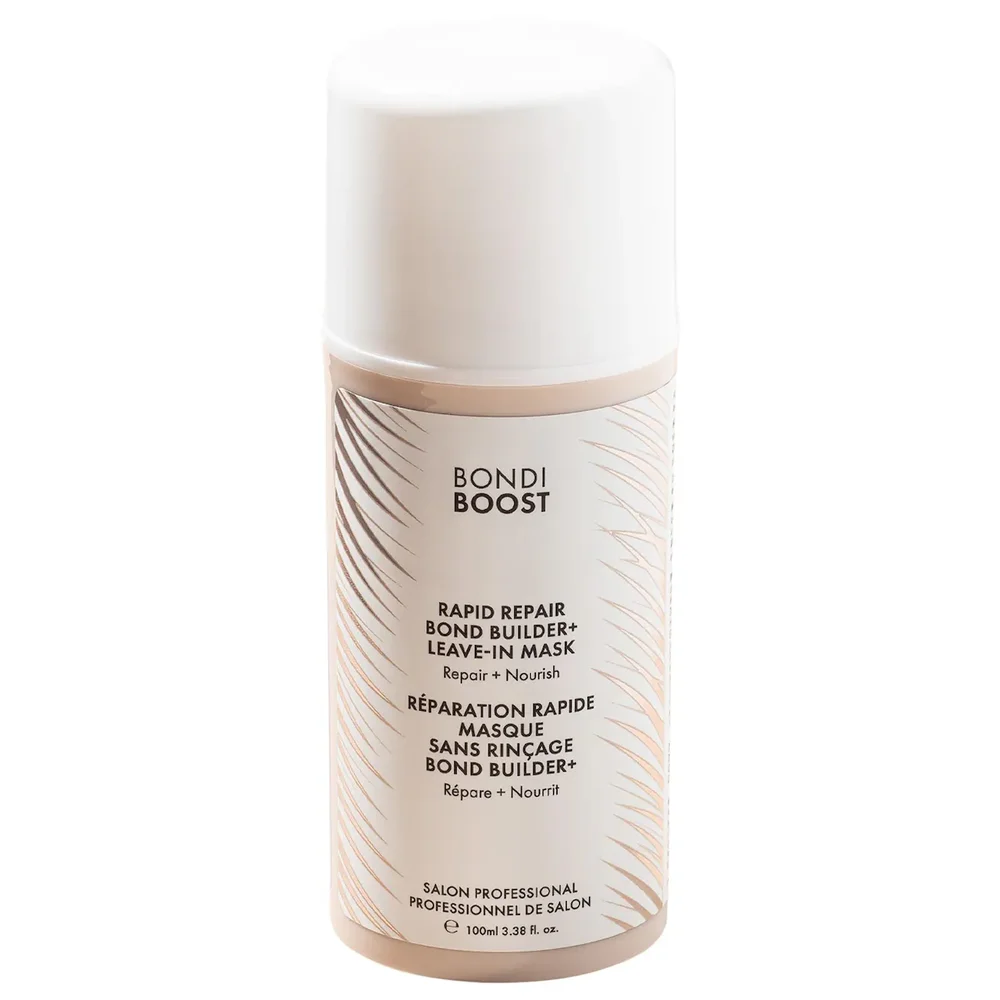
Rapid Repair Bond Builder+ Leave-In Hair for damaged hair
BondiBoost
$33
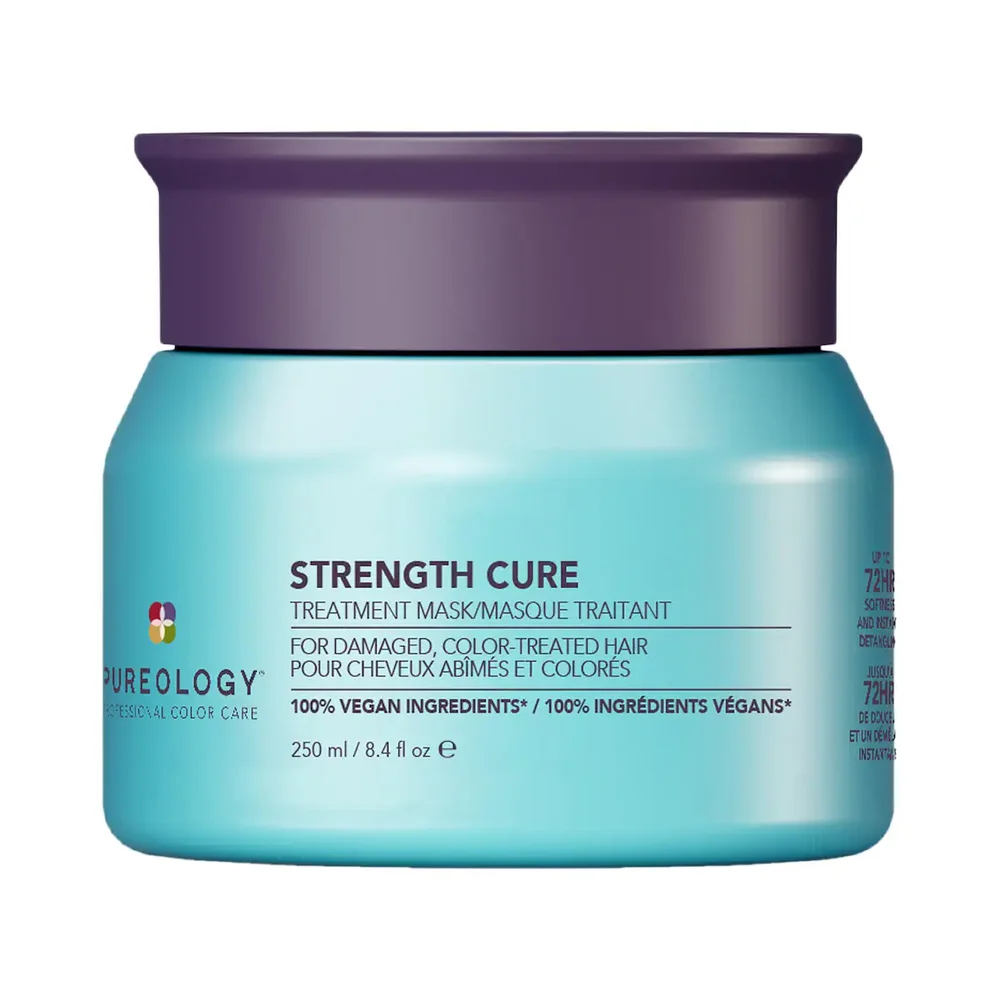
Strength Cure Hair Mask for Damaged Hair
Pureology
$47
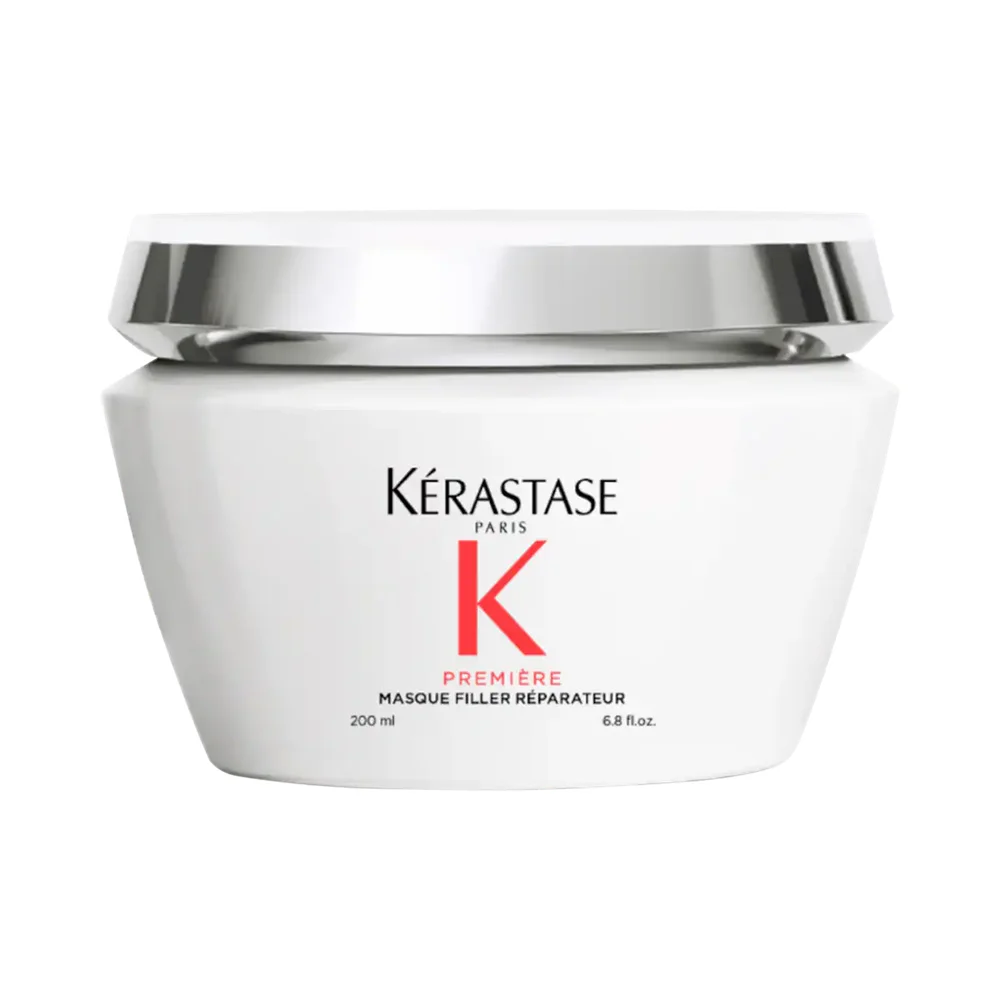
Première Anti-Breakage Repairing Mask for Damaged Hair
Kérastase
$70
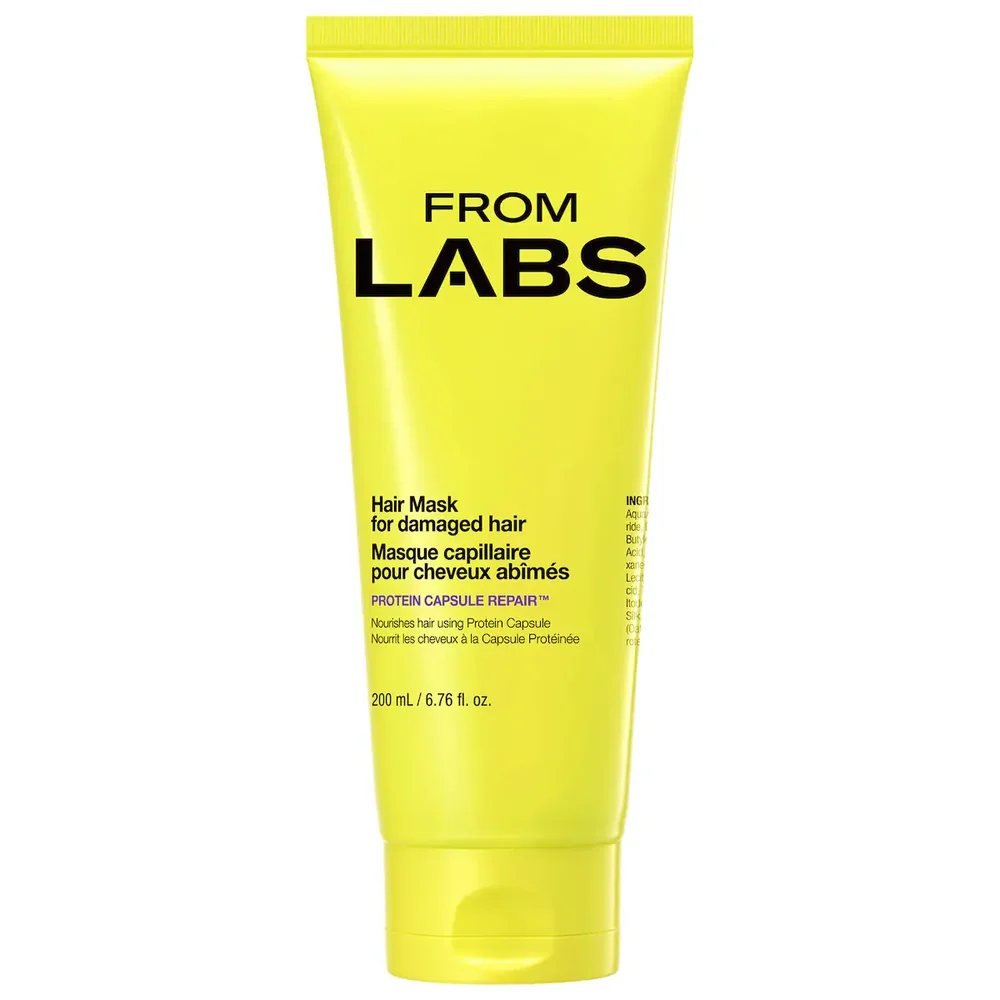
Protein Capsule Keratin Hair Repair Mask
FROMLABS
$25
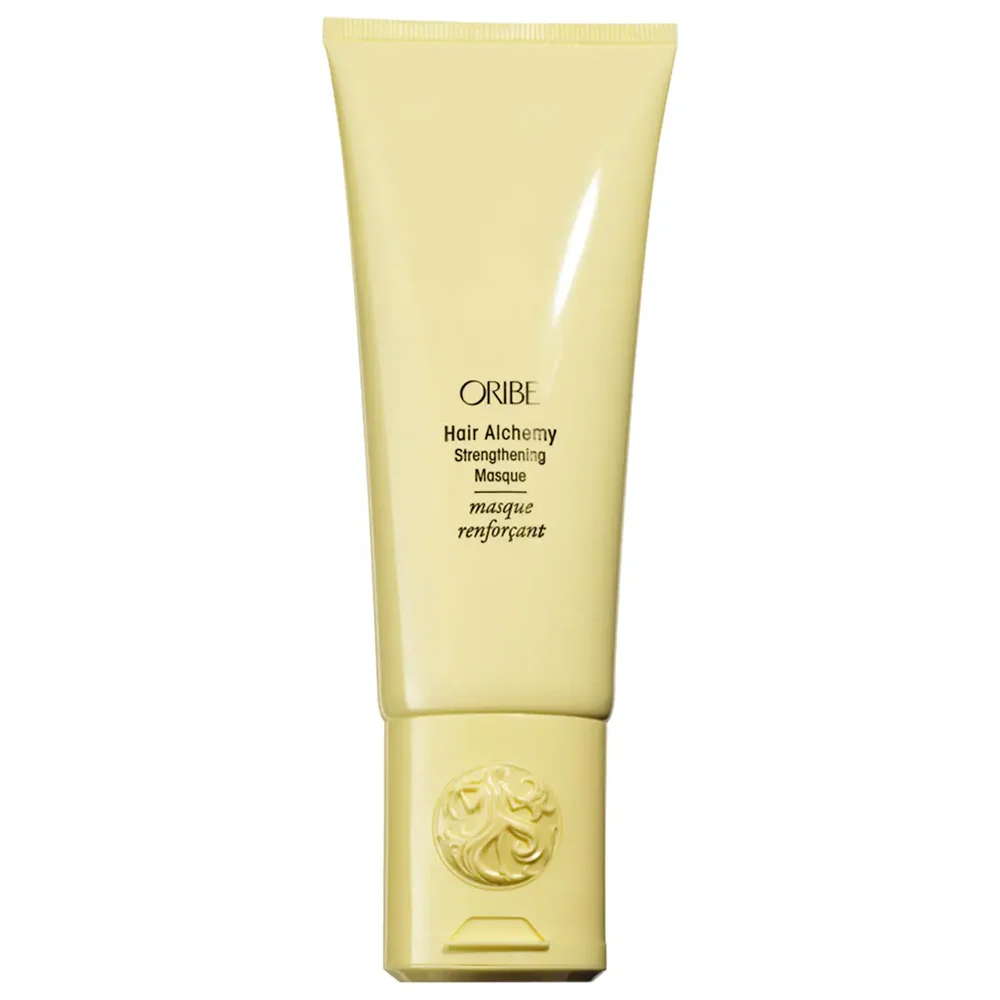
Hair Alchemy Strengthening Mask
Oribe
$68
Oil is optional, not a porosity rule
Medium porosity does not require a liquid, oil, and cream sequence. If your ends feel dry or you style with heat, an oil can be one tool; if your hair is fine or already feels coated, you may not need it. Bumble and bumble Styling Oil Lightweight Hair Oil with Heat Protectant is a lightweight, dry-finish oil for dry hair, and its product page lists heat protection. I would treat it as an optional finishing step for someone who wants smoothing while using hot tools, not as a prescription for a porosity category.
Start with a small amount on the lengths and see whether the finish stays touchable. The useful test is not whether a routine matches a chart; it is whether your hair feels easier to style without looking flat. For the low-porosity side of the topic, Low Porosity Hair Products covers a lightweight-first approach.
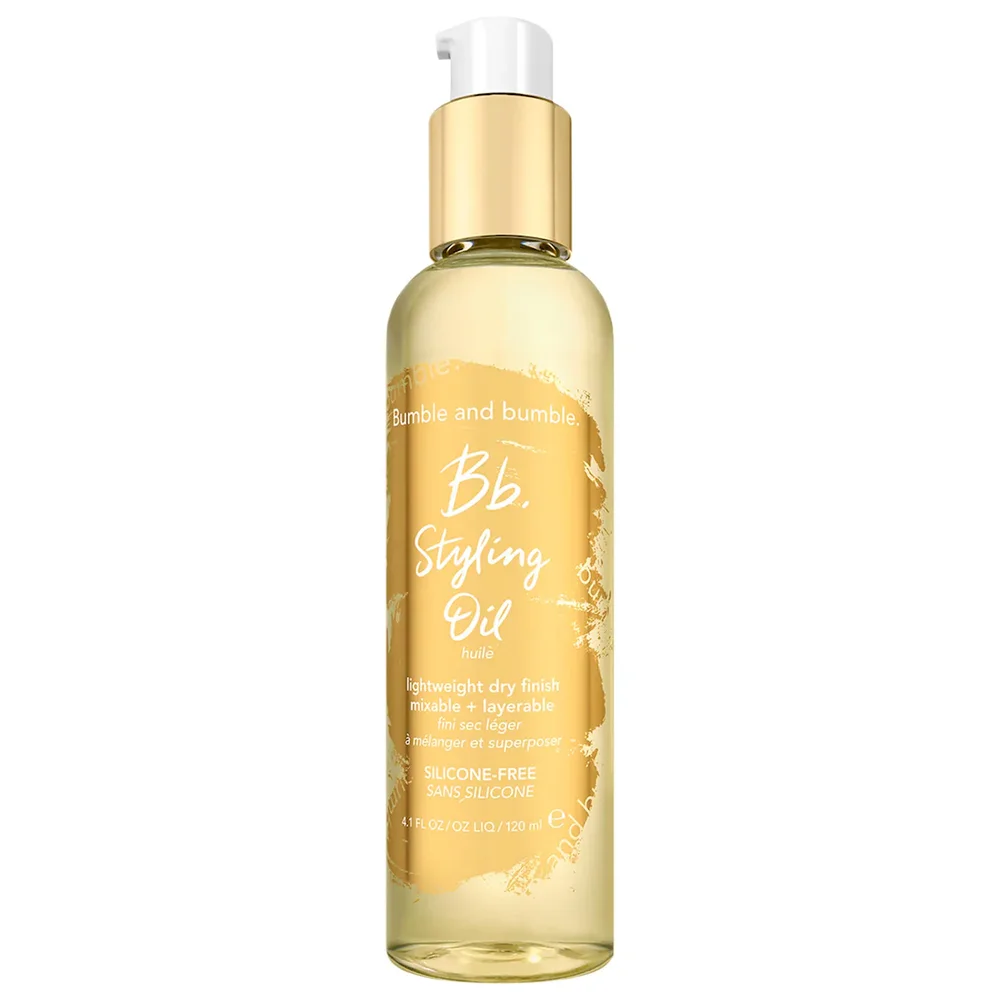
Styling Oil Lightweight Hair Oil with Heat Protectant
Bumble and bumble
$47
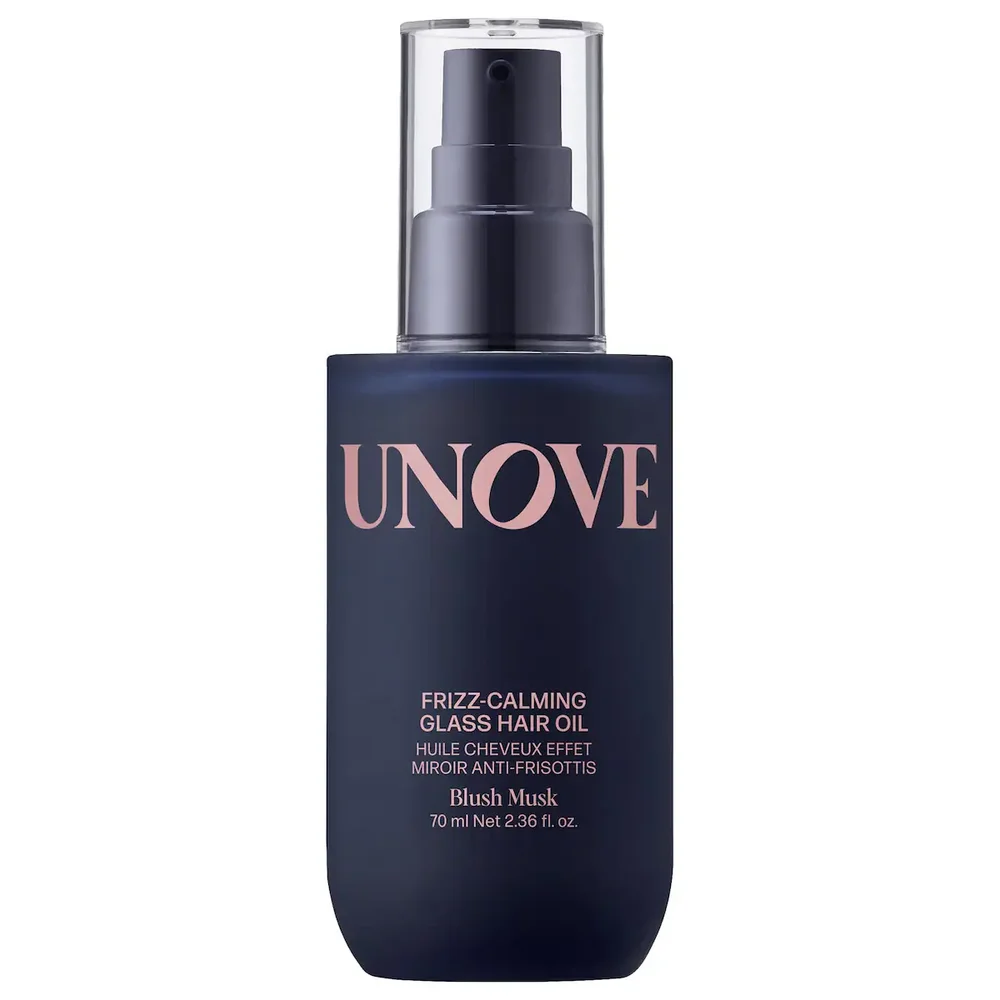
Frizz-Calming Glass Hair Oil with Heat Protectant
UNOVE
$25
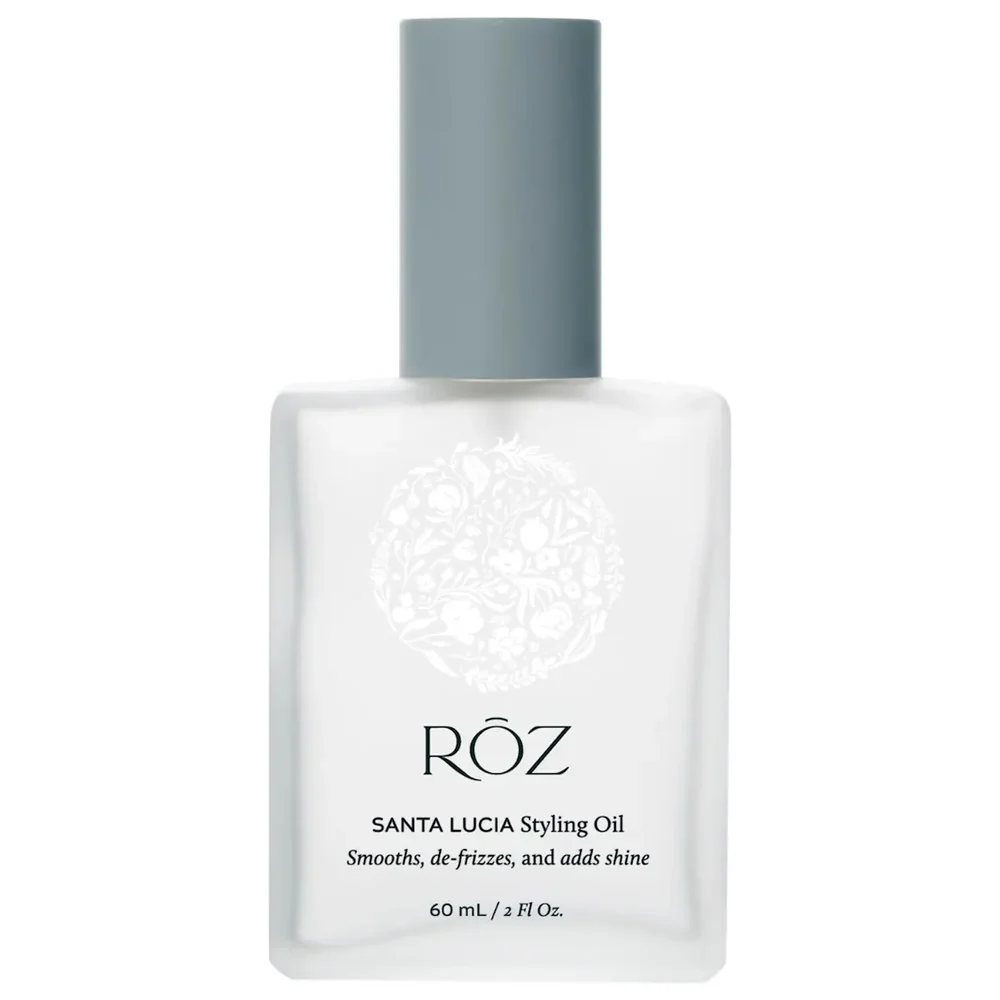
Santa Lucia Heat Protectant Styling Hair Oil
RŌZ
$45
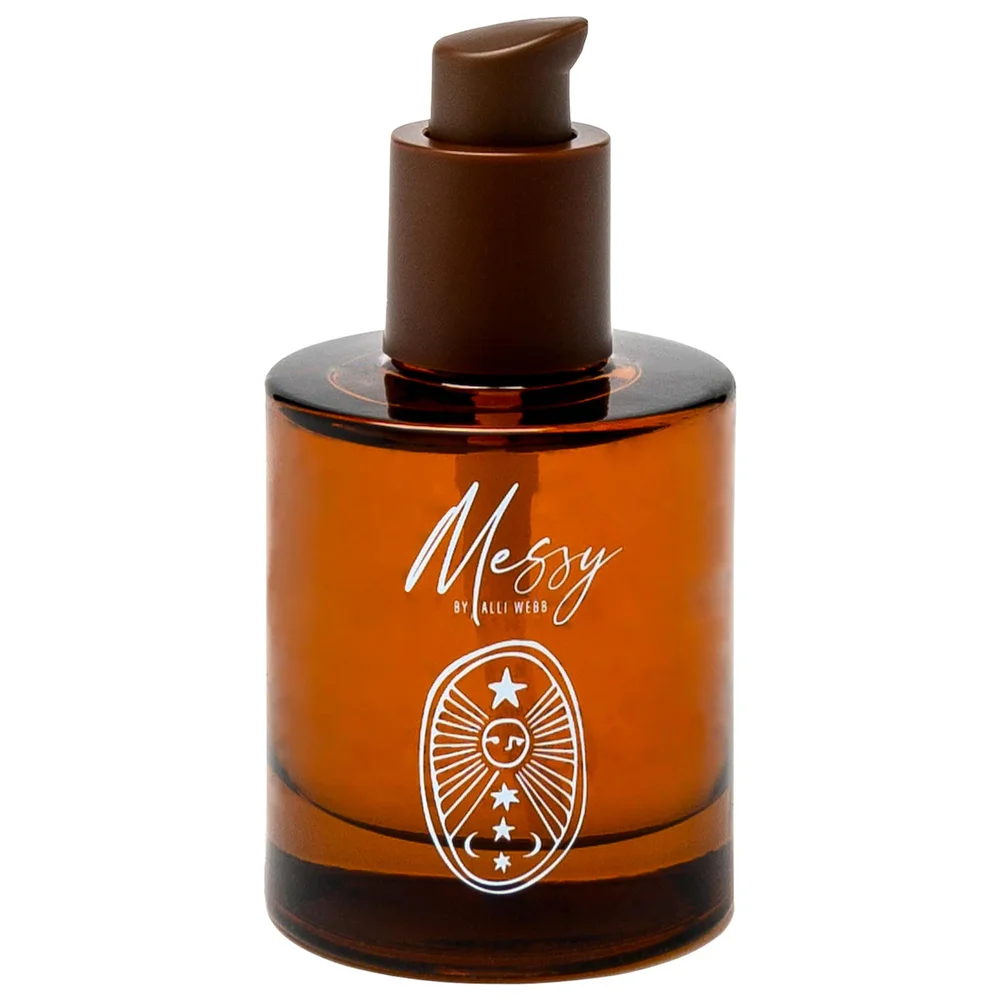
Overnight Repair Hair Oil Serum For Dry and Damaged Hair
Messy by Alli Webb
$34
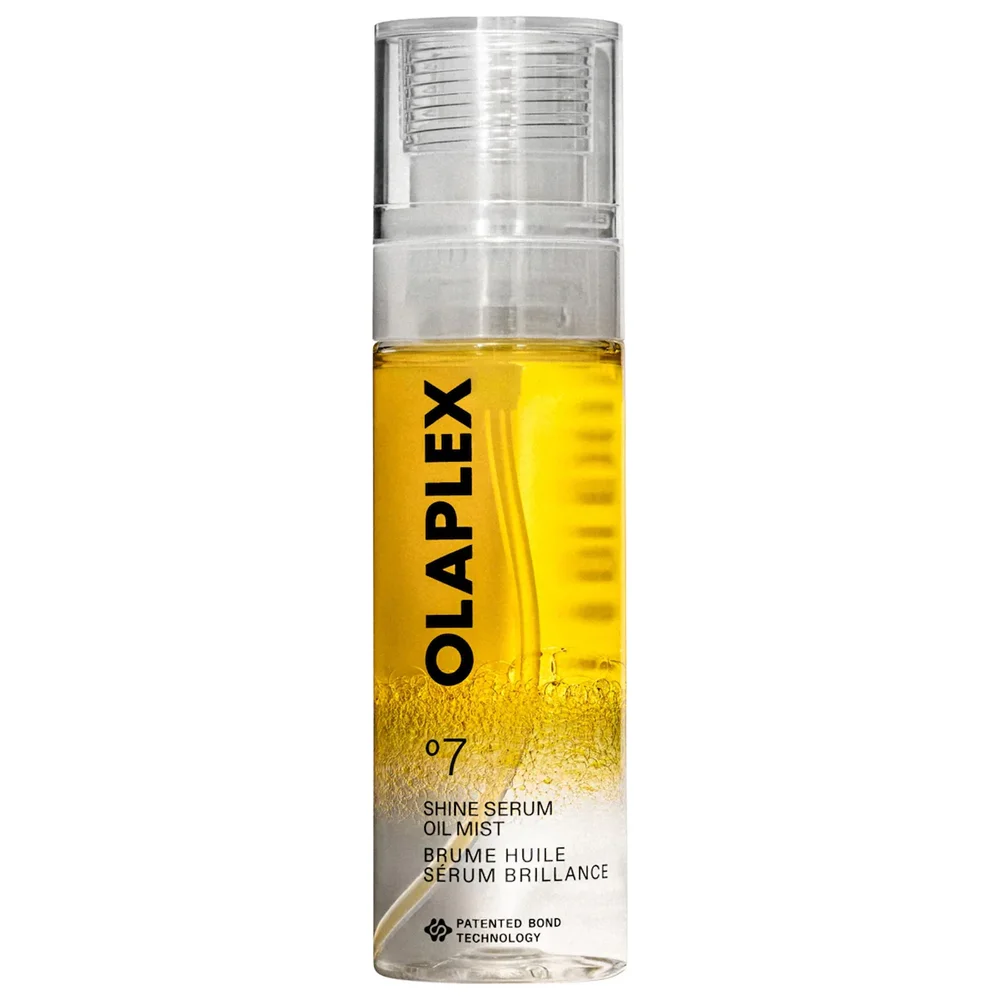
°7 Shine Serum 2-in-1 Weightless Shine Hair Oil & Hydrating Repair
Olaplex
$38
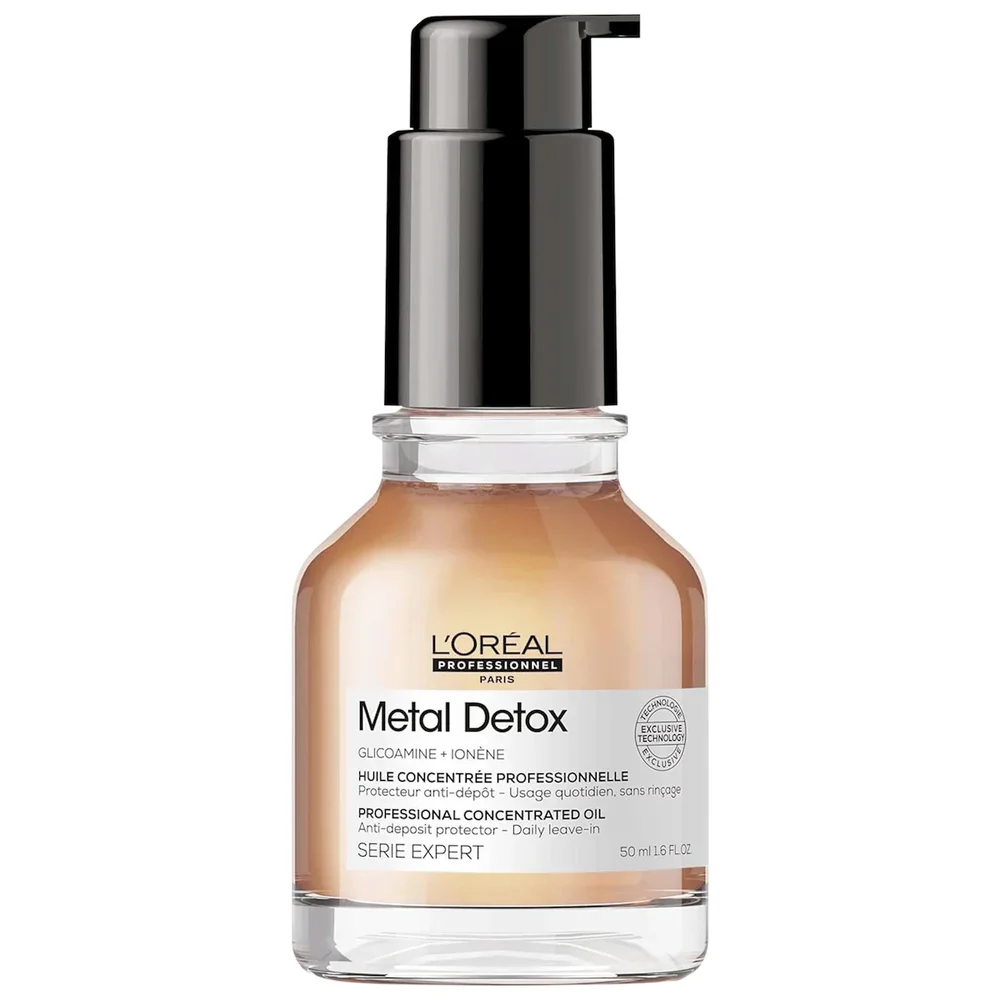
Metal Detox Repair Hair Oil for Dry, Damaged Hair
L'Oréal Professionnel
$38
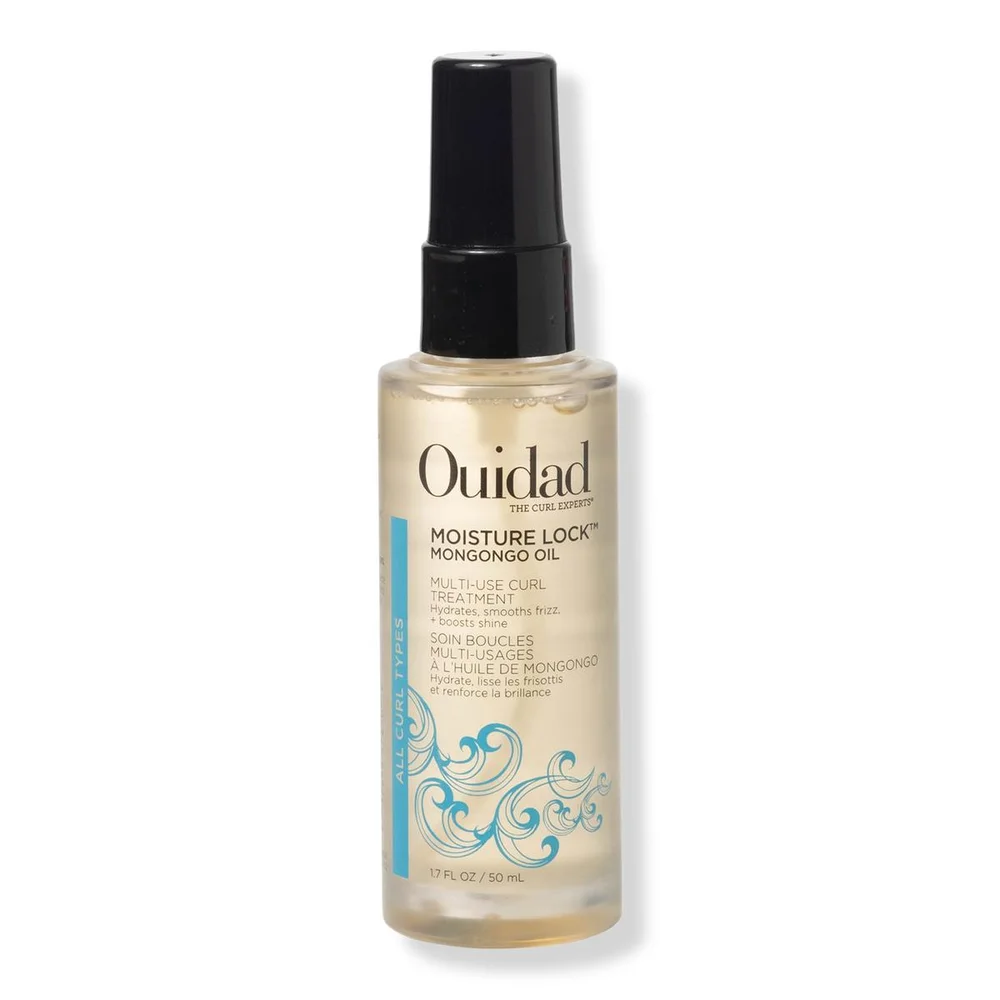
Moisture Lock Mongongo Oil
Ouidad
$38
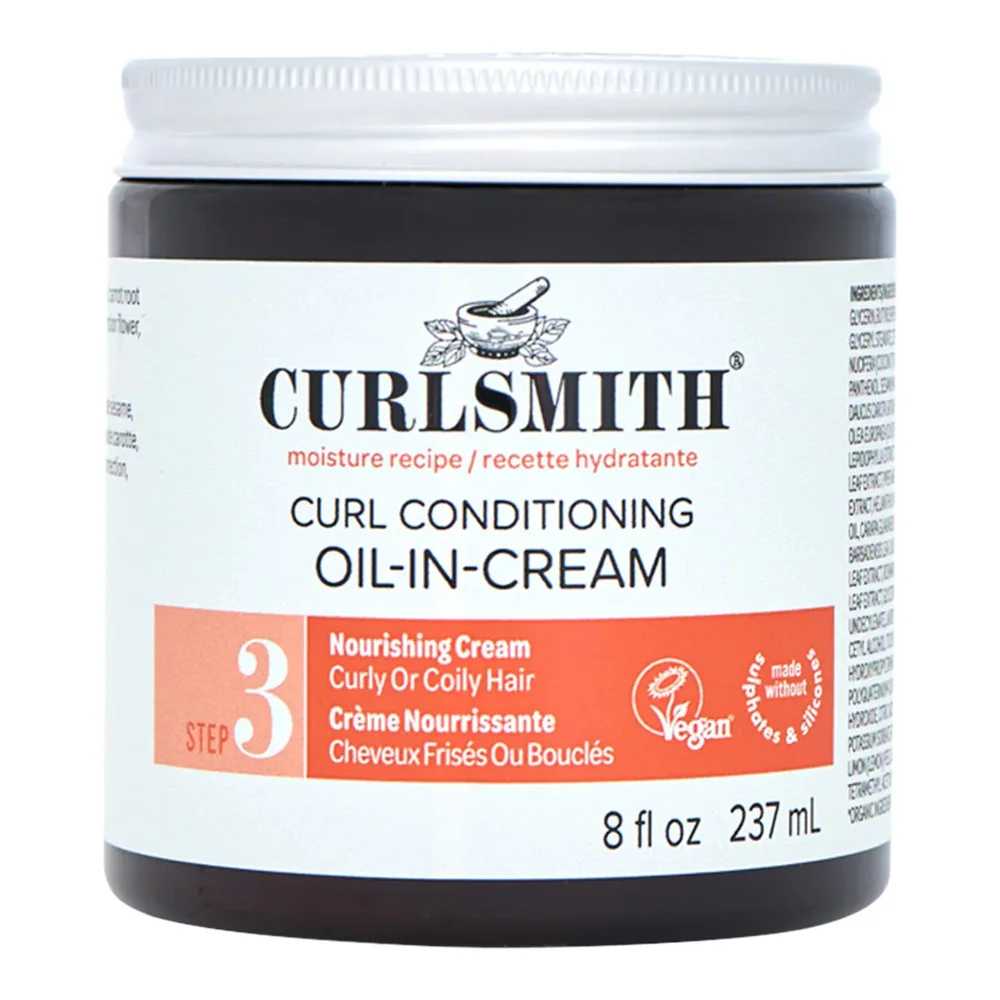
Curl Conditioning Hair Oil-In-Cream
Curlsmith
$27
Gentle detangling matters more than the label
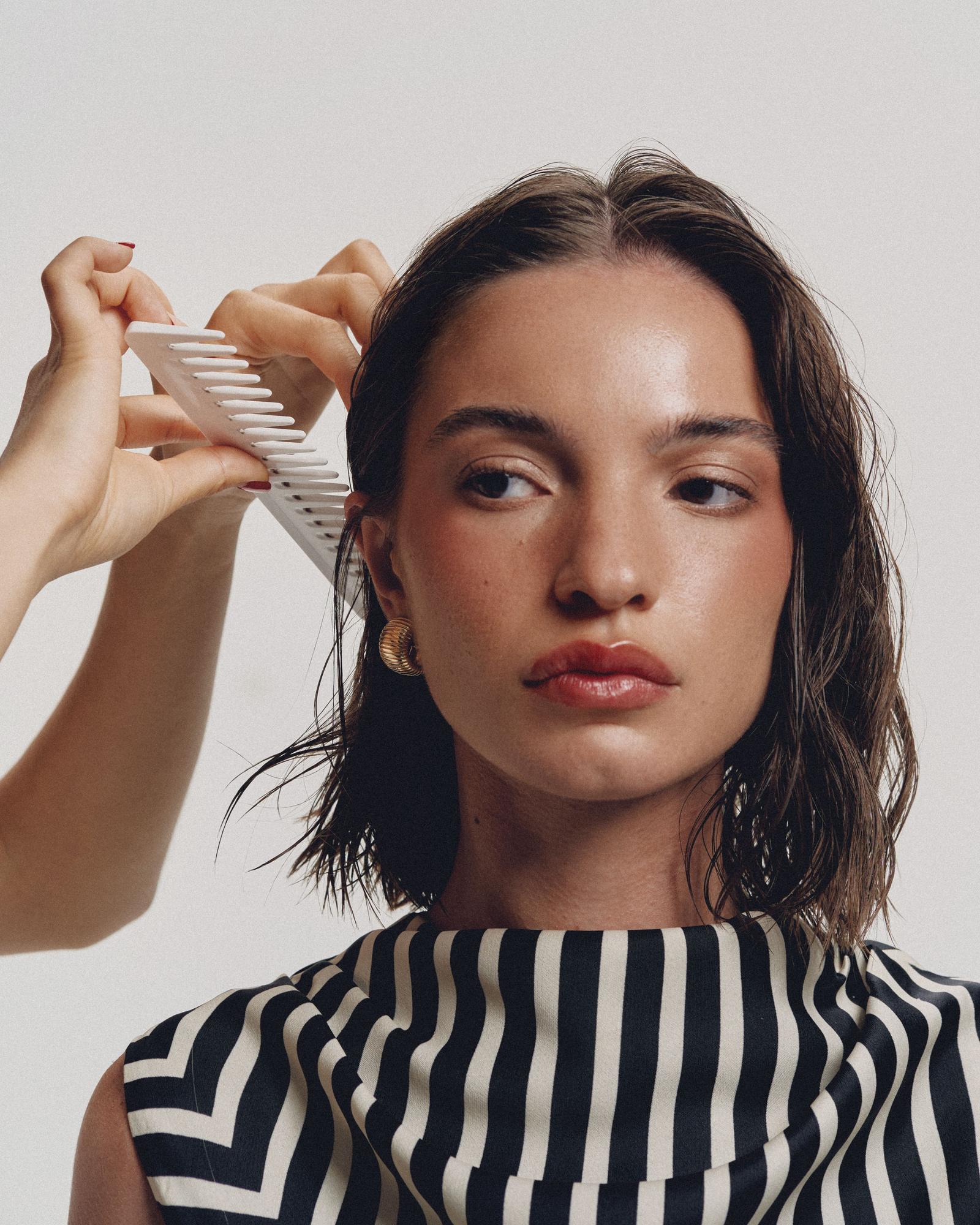
Medium porosity hair does not need a special towel ritual, but less friction is sensible whichever category you use. The American Academy of Dermatology recommends gently wrapping hair to absorb water rather than rubbing, and using a wide-tooth comb to detangle wet hair. La Bonne Brosse's The Large Detangling Comb has wide teeth and is made for use on wet or dry hair, which is the tool from this shelf I would consider.
I would detangle slowly from the ends and stop if a knot catches; wash day should not become a tug-of-war. I would skip a heated cap unless you enjoy deep conditioning and already know your hair likes it. A balanced porosity label alone is no reason to add heat or another step.
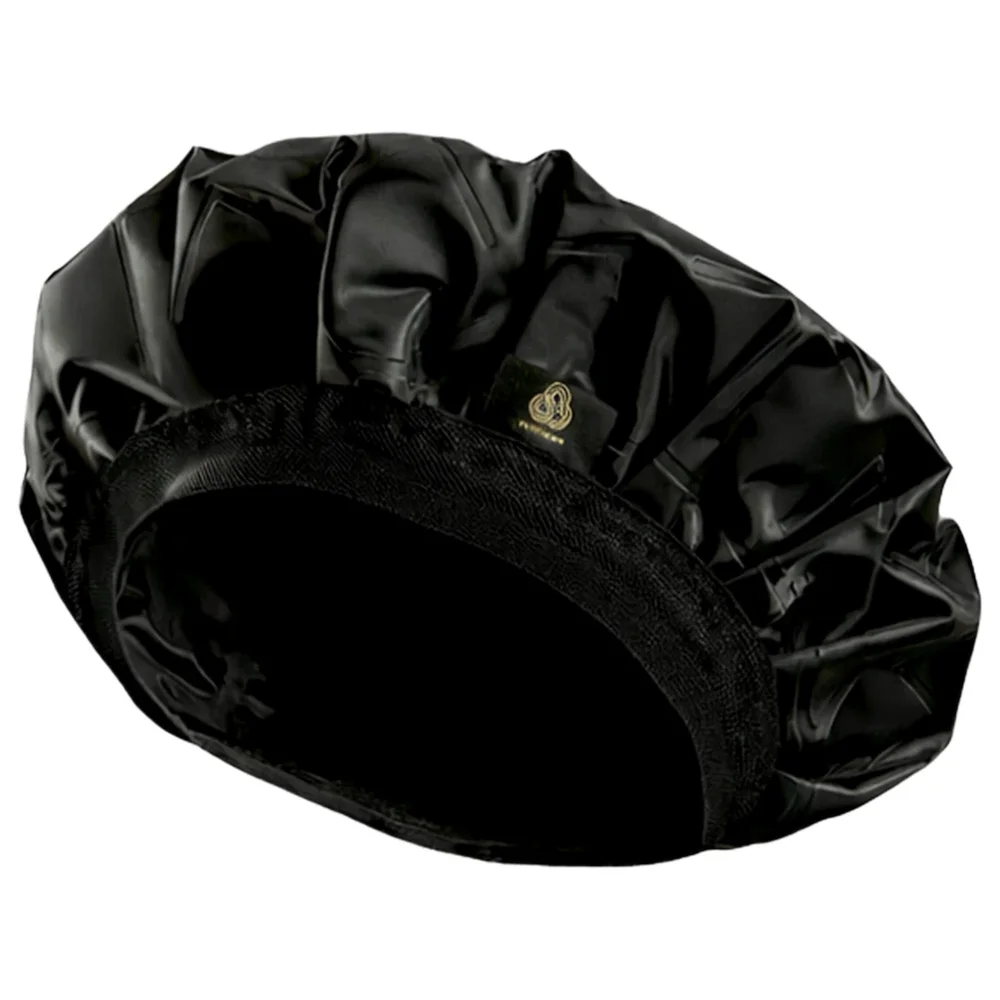
Deep Conditioning Heat Cap for Dry Curly Hair & Scalp
The Steam Bar
$58
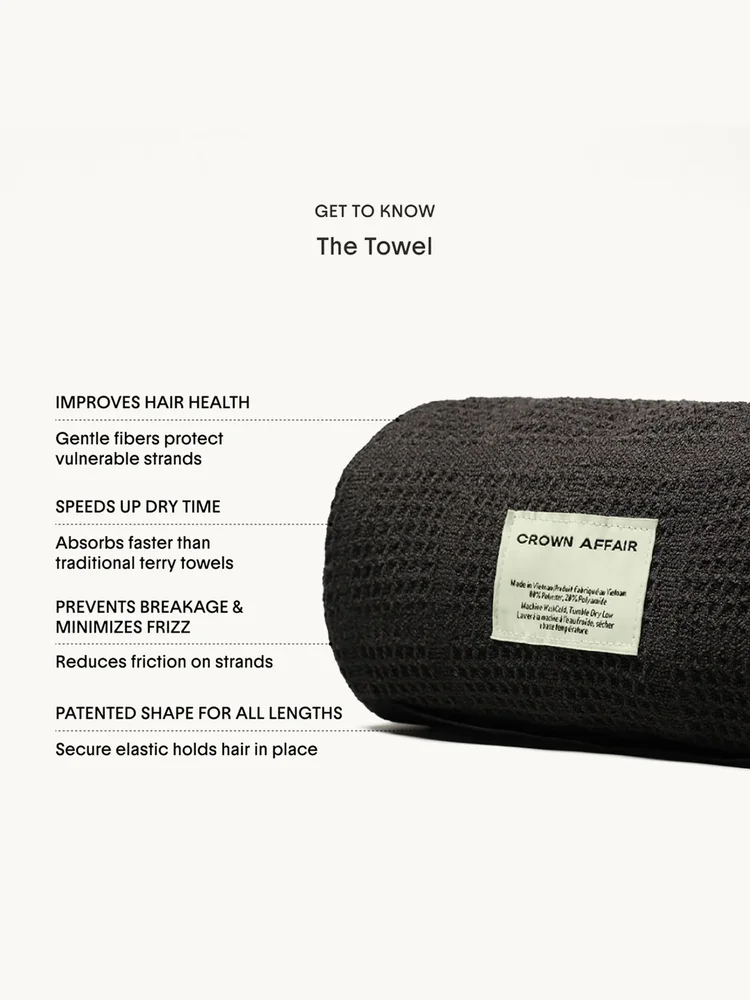
The Towel
Crown Affair
$59
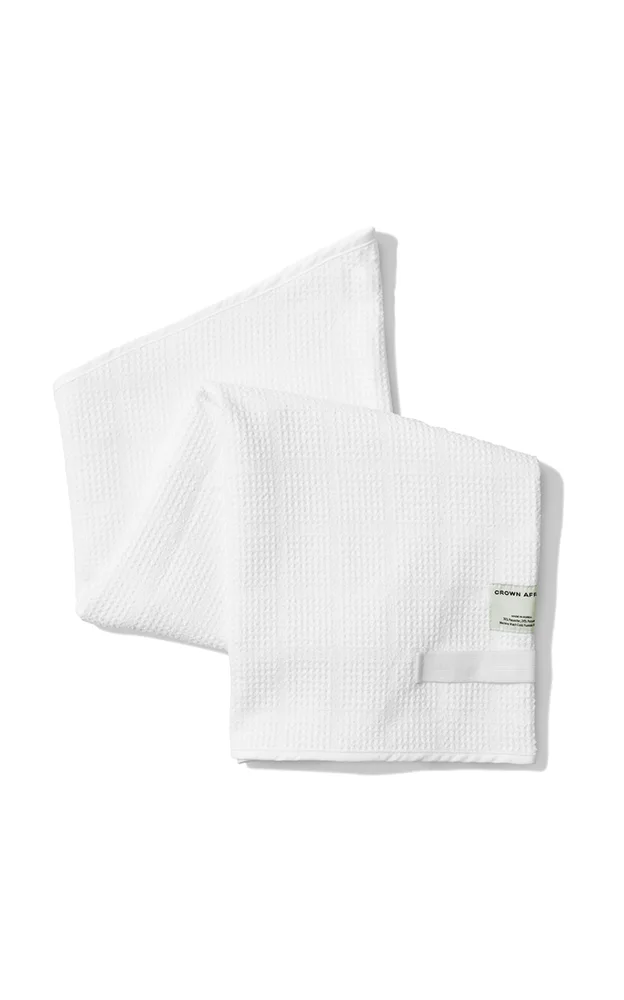
The Hair Towel
Crown Affair
$59
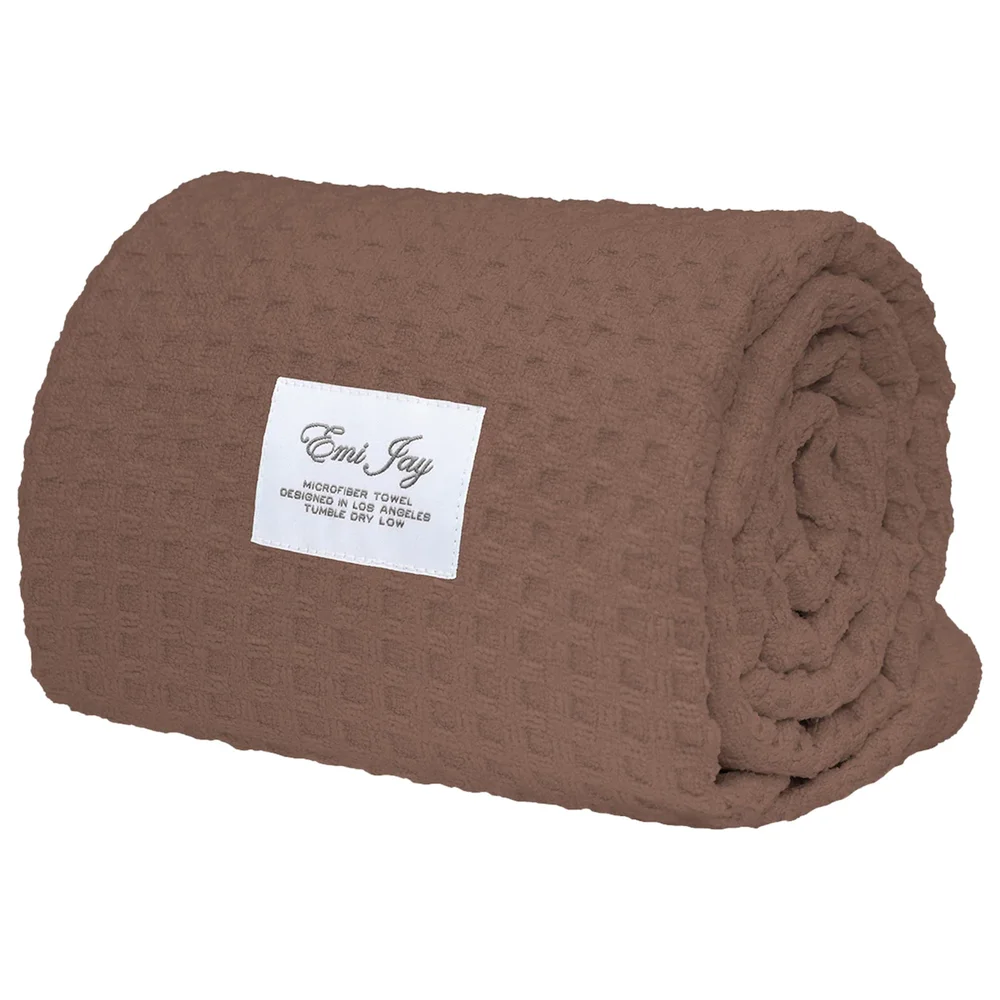
Heavenly Hair Towel in Toasted Sugar
Emi Jay
$38
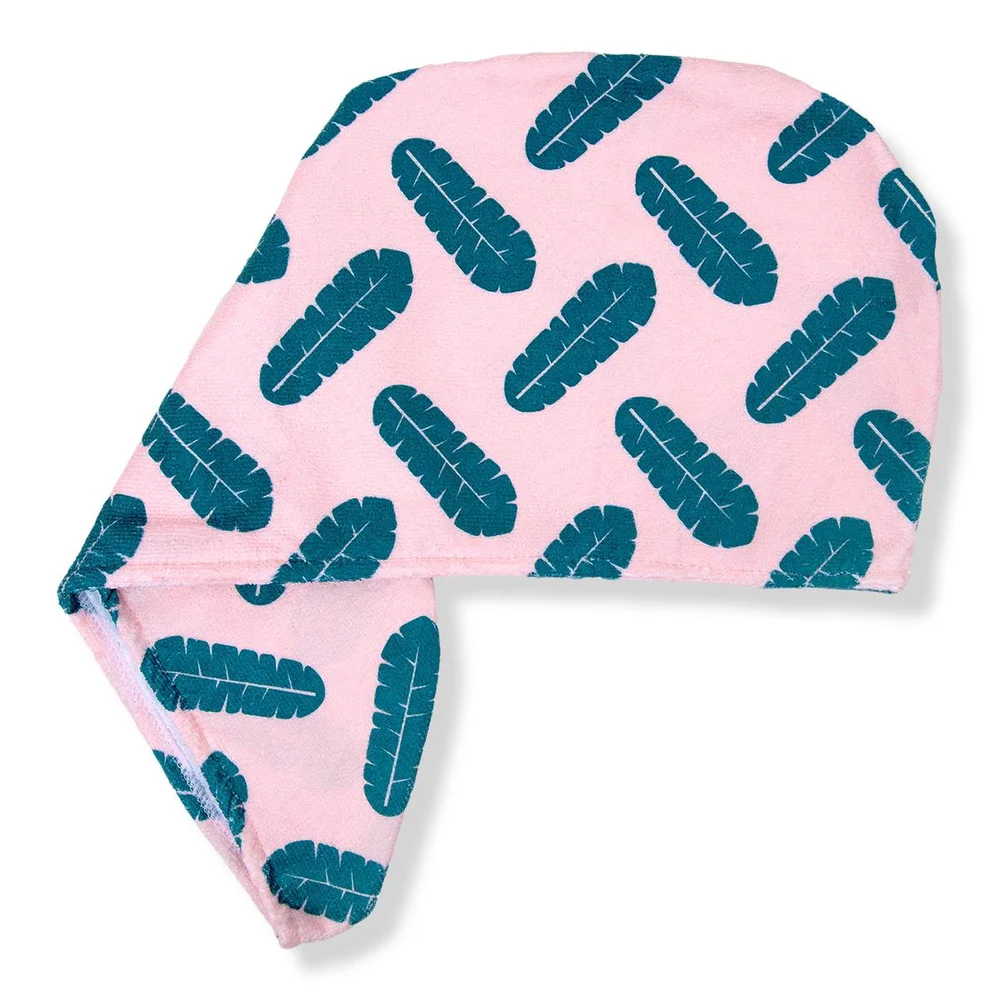
Microfibre Towel Wrap
Coco & Eve
$24
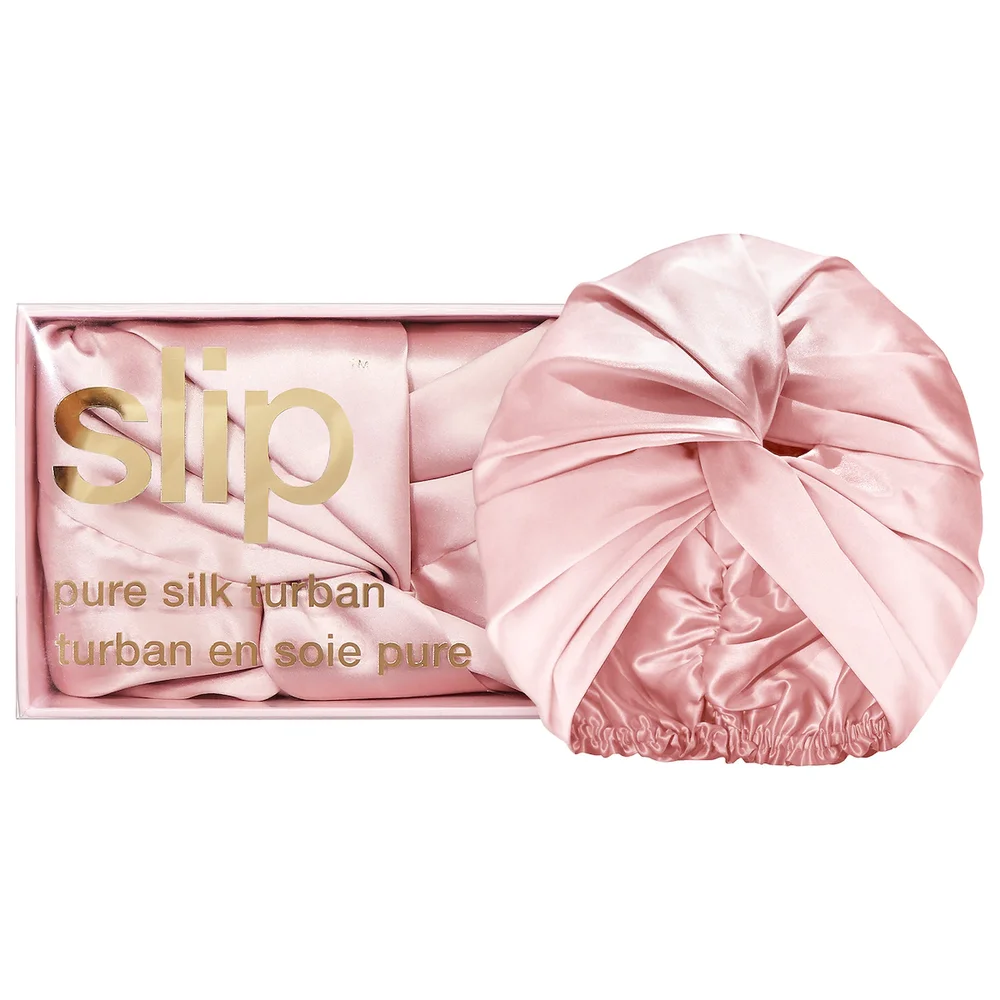
Pure Silk Turban
Slip
$110
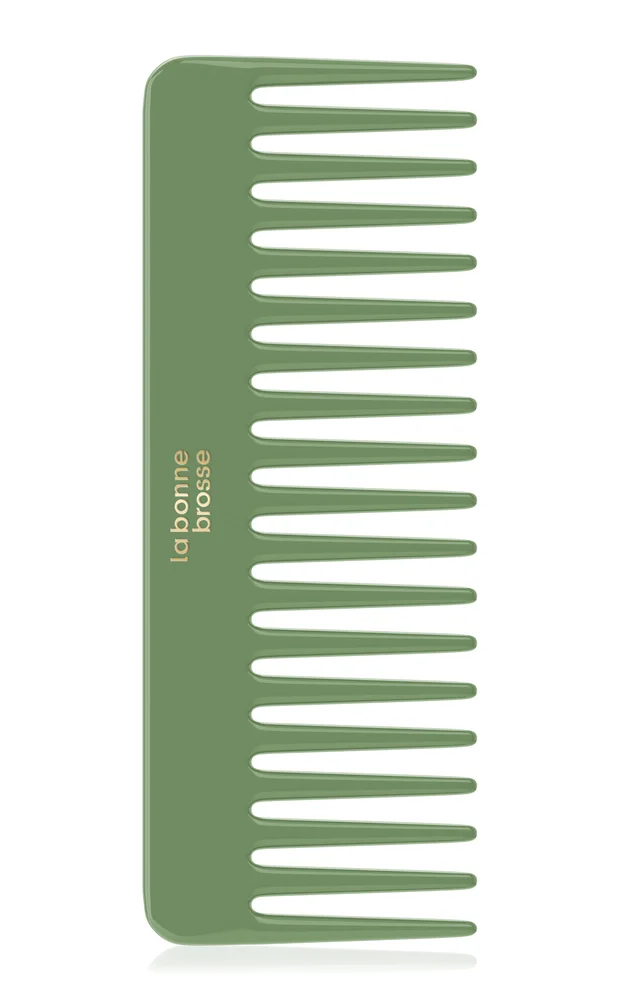
The Large Detangling Comb
La Bonne Brosse
$54
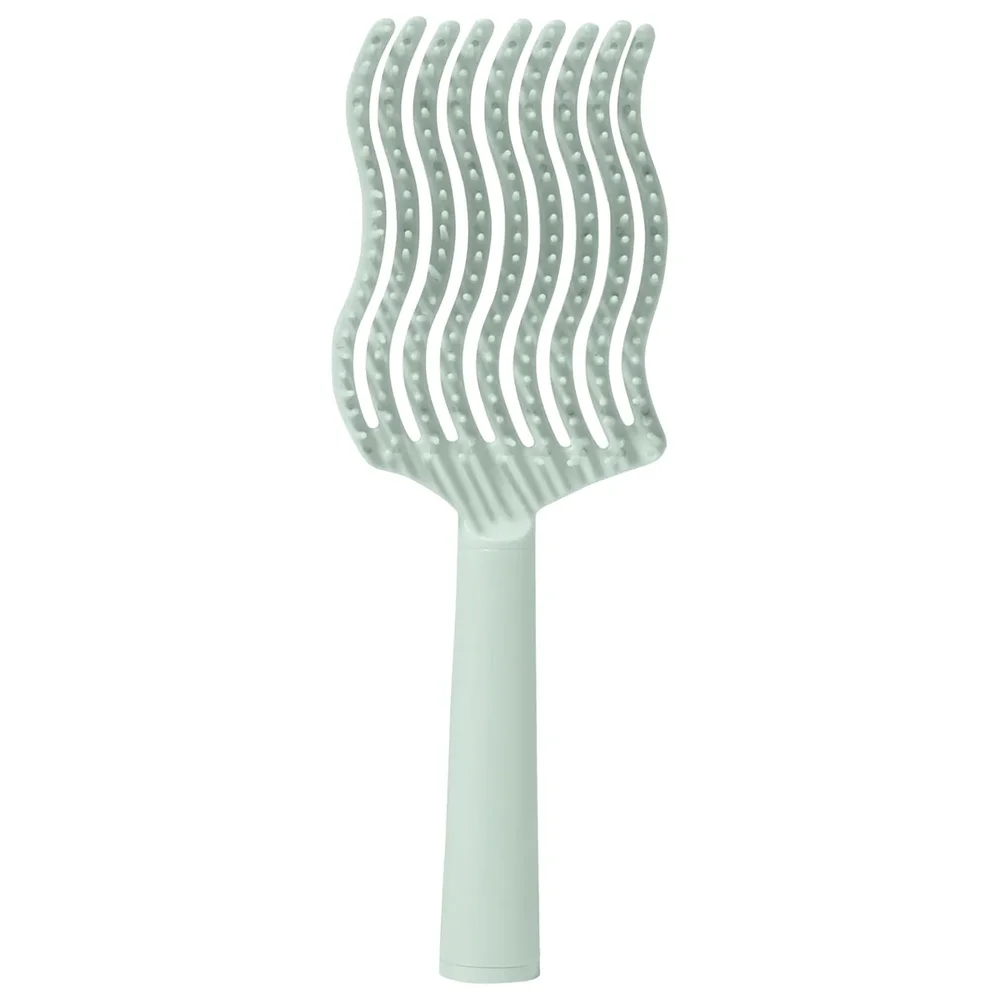
Wets Get It On Wet Brush
Mane
$20
A few hair porosity questions
What does porous hair mean?
It is a broad way to describe how readily hair absorbs and retains moisture, not a diagnosis that dictates one routine.
Can straight hair have a different porosity from curly hair?
Yes. Porosity relates to cuticle condition rather than curl pattern, and different sections of one head can behave differently.
How do I know if I have low hair porosity?
Low porosity is described as tightly packed cuticles that resist moisture. A float or spray test offers only a rough clue, not an official diagnosis.
A routine I would keep
Medium porosity hair is not a shopping category so much as a useful first guess. I would start with the routine that already leaves your hair soft and manageable, then adjust only for a specific concern: detangling, heat styling, dryness, or chemical damage. I would skip the float-test verdict and the idea that every strand needs a bond builder, a rich mask, and an oil. Those steps make sense only when your hair gives you a reason.
If your roots and ends behave differently, treat them differently rather than forcing one label across your head. For most people, I would keep conditioner, gentle detangling, and sensible heat use as the base, then add repair only for damage. This is for someone whose hair seems balanced but who wants a straightforward routine, not another complicated rulebook.






