Beauty of Joseon is good for ingredient-led skincare when you choose by concern, but active formulas still require attention to skin sensitivity.

Is Beauty of Joseon Worth It? An Honest Look at Quality, Fit and Price
Worth it, with a few caveats
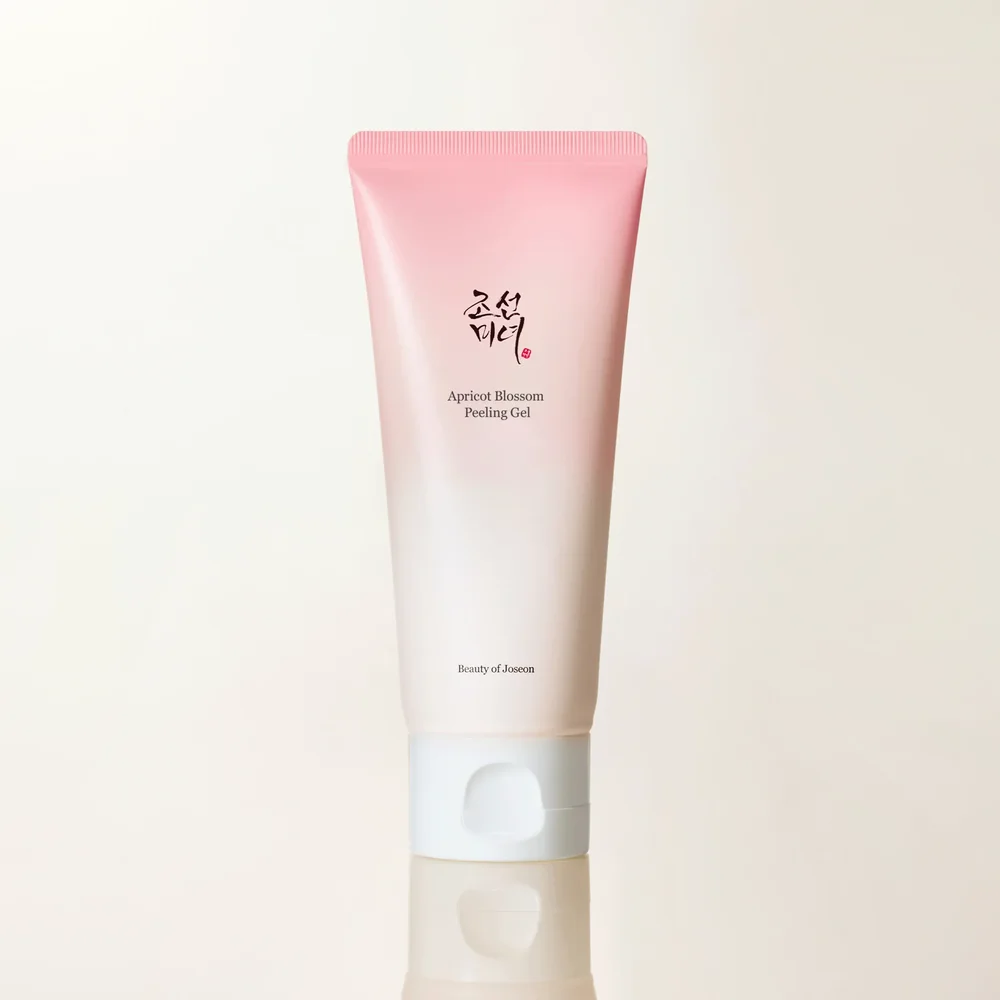
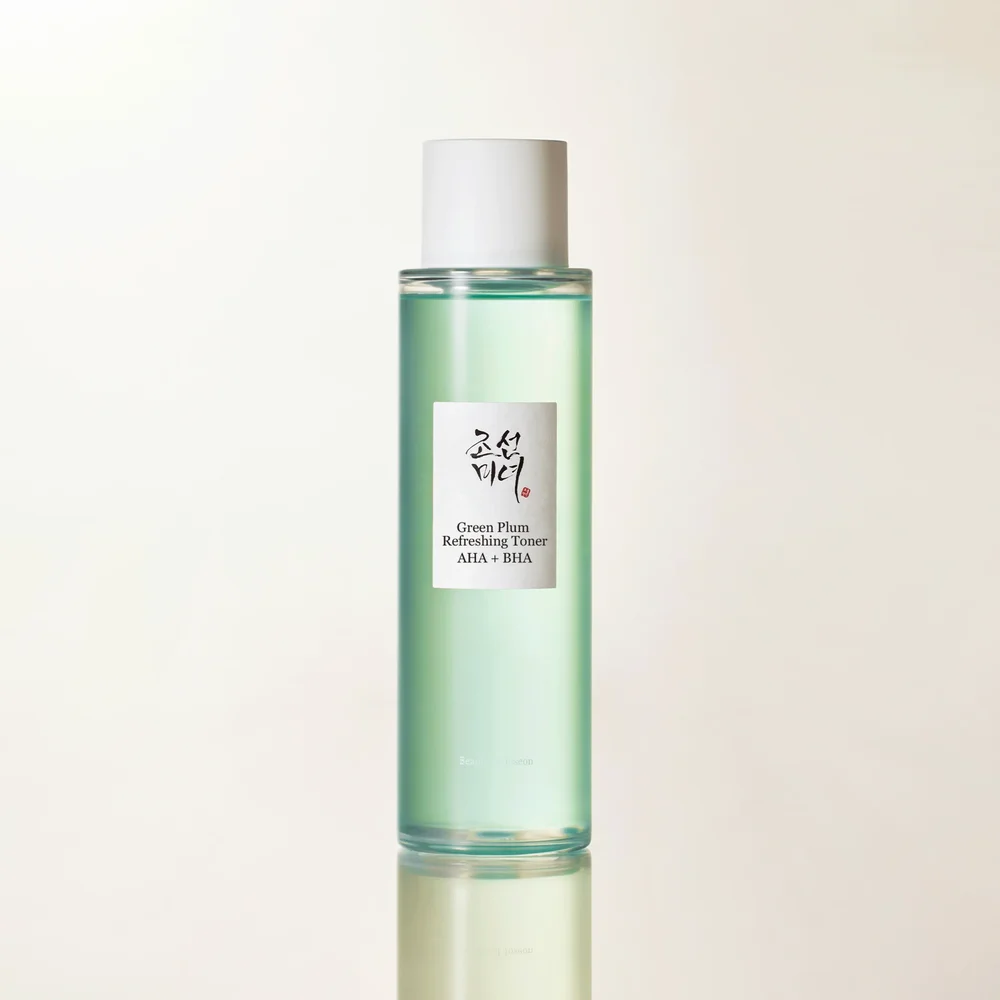
Yes, Beauty of Joseon is good if you want Korean skincare with clearly identified ingredient pairings and a specific purpose for each formula, but it is not a universal fit. The brand describes its approach as Hanbang, or traditional Korean herbal ingredients, paired with modern skincare ingredients. I like that the ingredient story shows up in useful distinctions: Green Plum Refreshing Toner combines AHA and BHA, while Apricot Blossom Peeling Gel uses cellulose as a physical exfoliant. They are not interchangeable, so I would choose the acid toner or rinse-off gel based on what your skin tolerates rather than use both by default. The brand says personal sensitivities vary and recommends patch-testing new products. Its toner also warns that AHA can increase sun sensitivity and advises sunscreen while using it and for a week afterward. That is a more useful test of value than buying a coordinated routine: choose by concern and directions, not by the brand name alone. My verdict is yes, worth considering, especially if ingredient-led Korean skincare appeals to you, but start with one targeted formula and keep your expectations measured. If your buying decision is specifically about SPF, Beauty of Joseon Sunscreen Alternatives looks at that separate category.
Cleanse, then choose an exfoliant
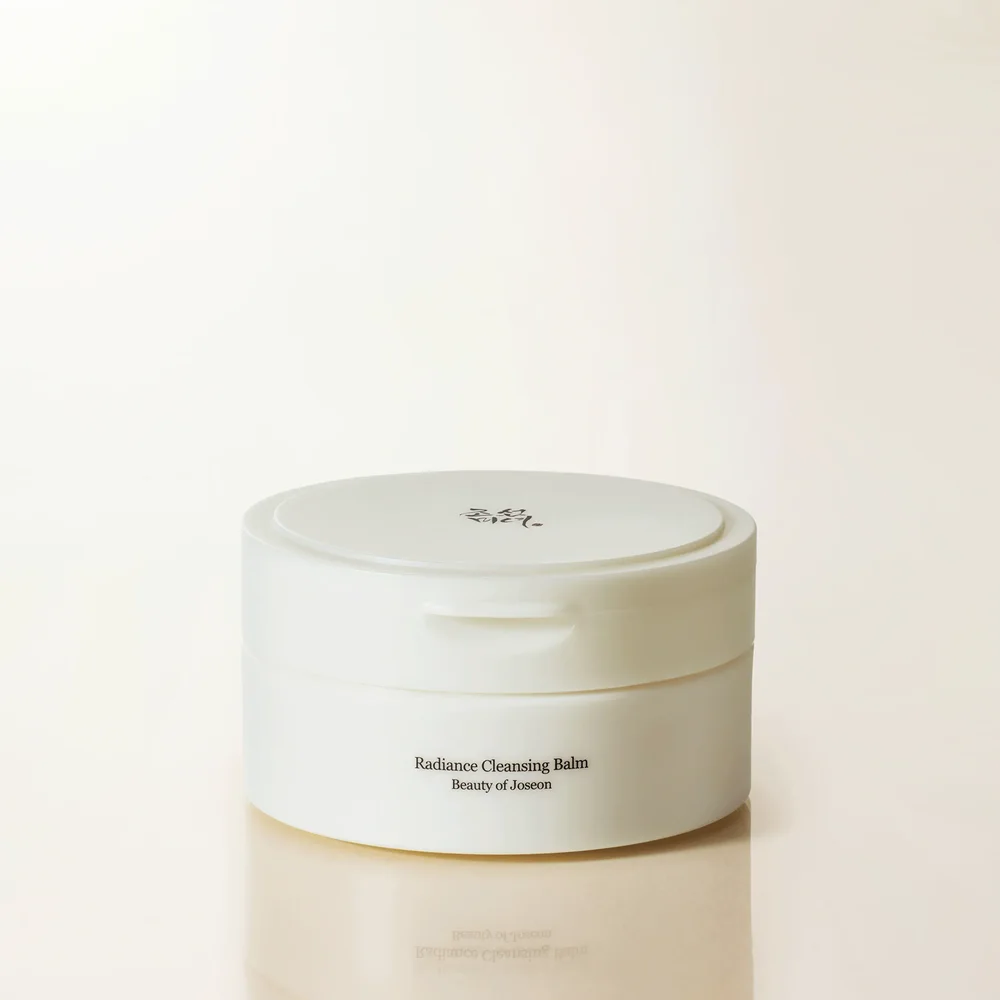
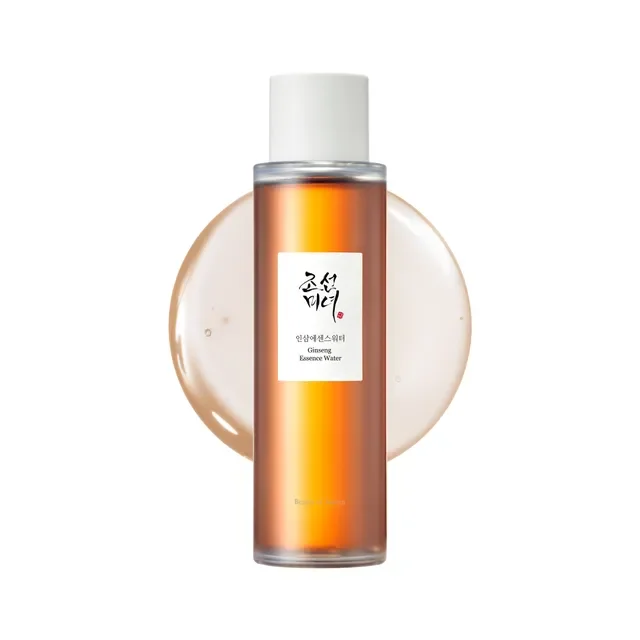
Start with texture and routine role. Radiance Cleansing Balm is the oil-based first step for makeup and sunscreen, while Apricot Blossom Peeling Gel uses a plant-cellulose exfoliant and the brand recommends it once or twice weekly. Green Plum Refreshing Toner takes the chemical route with AHA and BHA; it is a toner, not a cleanser, and the brand warns users about sun sensitivity and recommends sunscreen. Ginseng Essence Water, by contrast, is a hydrating toner with ginseng, so it is the calmer layering step. The useful shopping rule is to choose one exfoliant at first rather than stacking the peeling gel and AHA/BHA toner on the same night. If you want a simple starter sequence, pair Radiance Cleansing Balm with Ginseng Essence Water, then add just one of the two exfoliants after you know how your skin reacts. That is not a full routine, but it is more defensible than buying everything with “glow” on the label.
Serums are targeted, not interchangeable
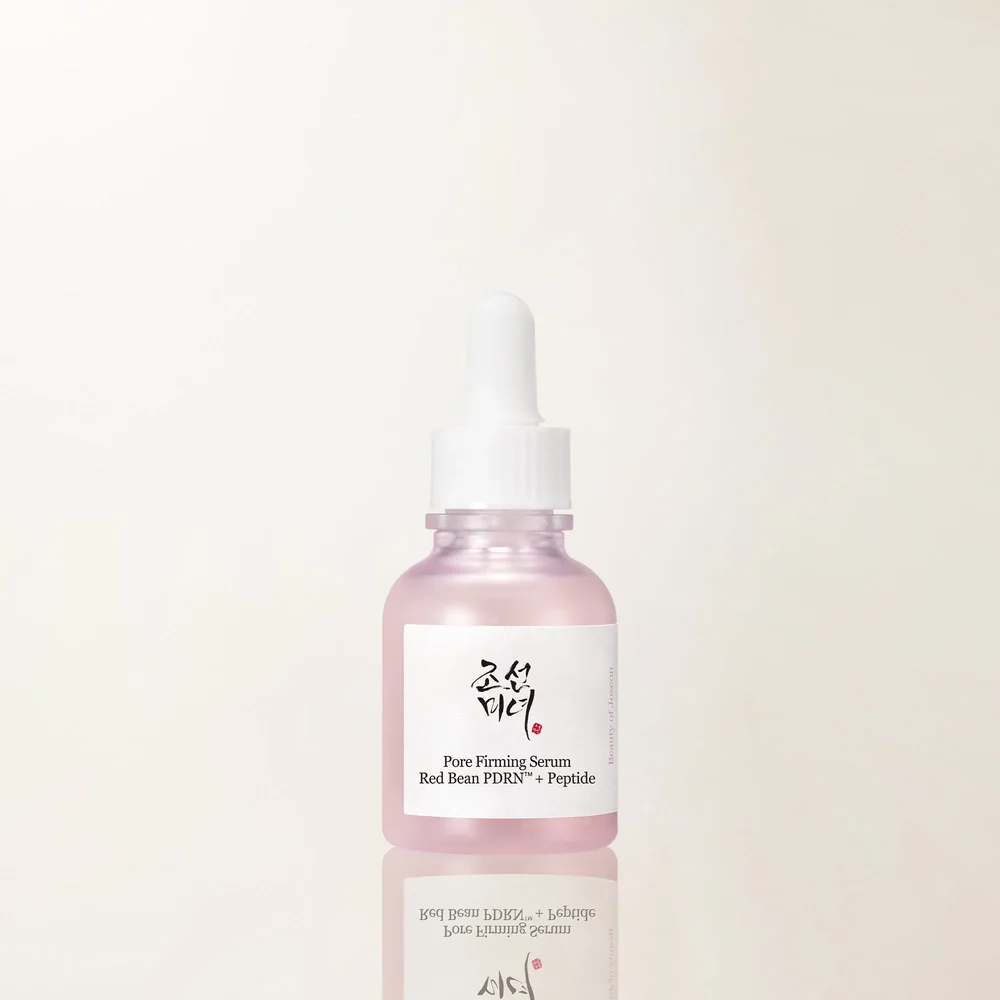
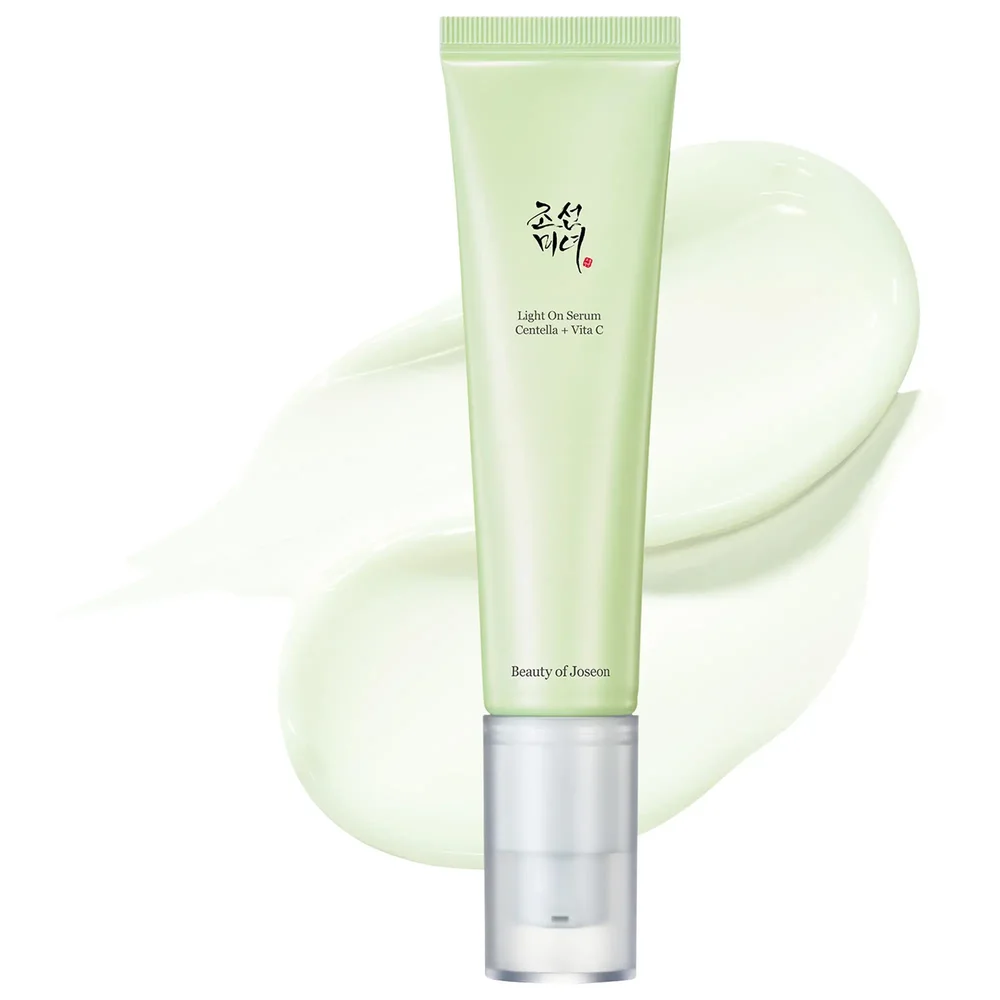
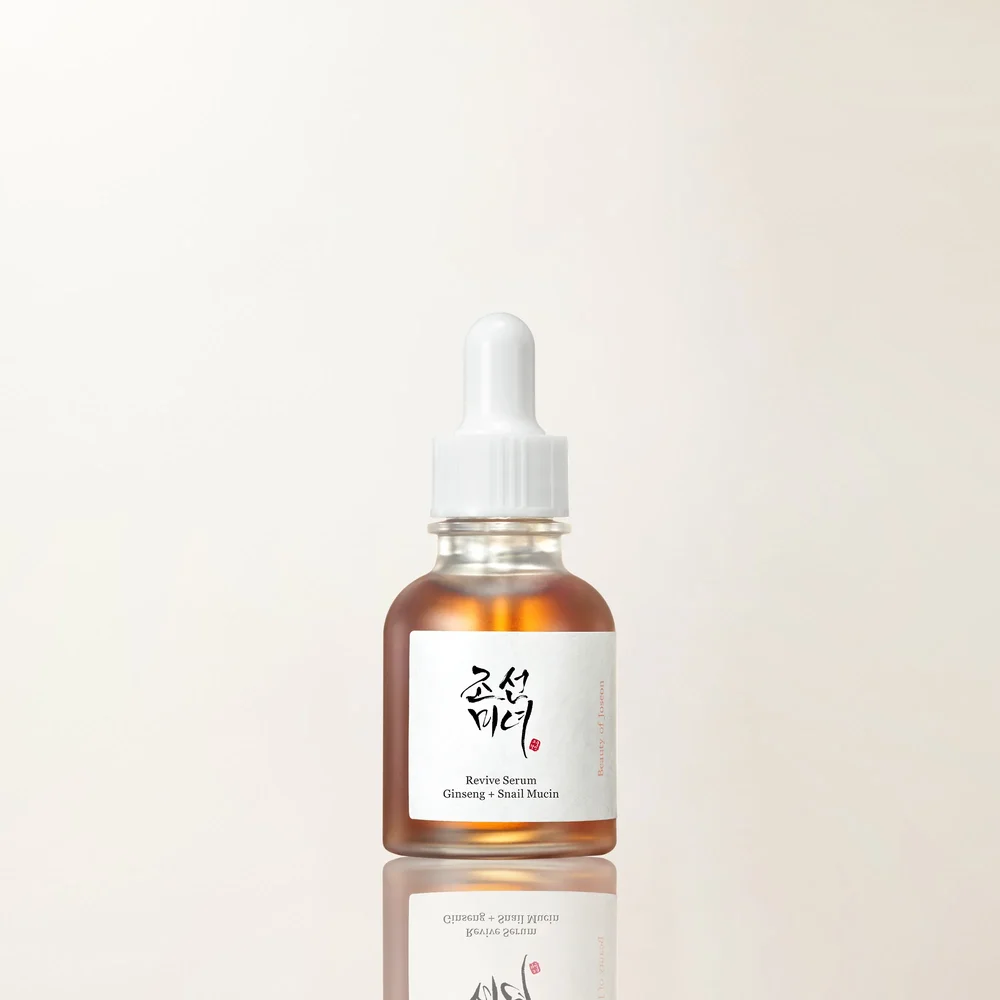
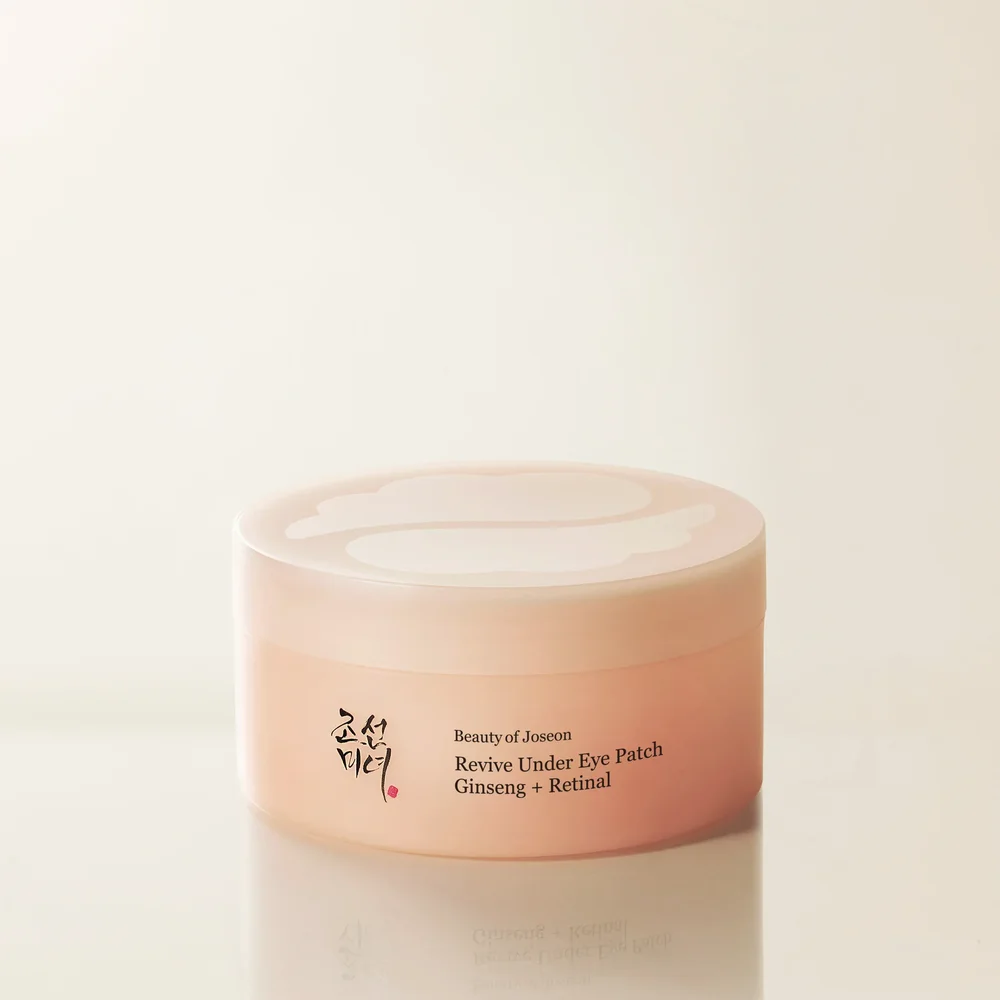
Serums are where Beauty of Joseon most clearly shows its ingredient mix. Pore Firming Serum pairs Red Bean PDRN with peptides for the look of pores, while Light On Serum combines a vitamin C derivative with Centella. Revive Serum uses ginseng and snail mucin to support hydration and bounce, and Revive Under Eye Patches pair retinal with ginseng for the under-eye area. These are not interchangeable, so pick the concern you actually want to address rather than layering four formulas because the packaging coordinates. If you are trying a new active, introduce it alone for a while; the official FAQ specifically flags patch testing because individual sensitivity differs. I would treat the serums as the main purchase and the eye patches as a focused add-on, especially if you prefer a short routine. The ingredient mix is the reason to choose by concern, not simply to collect a matching routine.
Beauty of Joseon questions, answered
Why is Beauty of Joseon so expensive?
The products I would start with run from $13 to $25, so I would not call the range luxury-priced. Beauty of Joseon says it pairs traditional Hanbang ingredients with modern skincare ingredients; that explains its formula concept, not a guarantee that each product earns its price for every shopper.
Why is Beauty of Joseon so cheap?
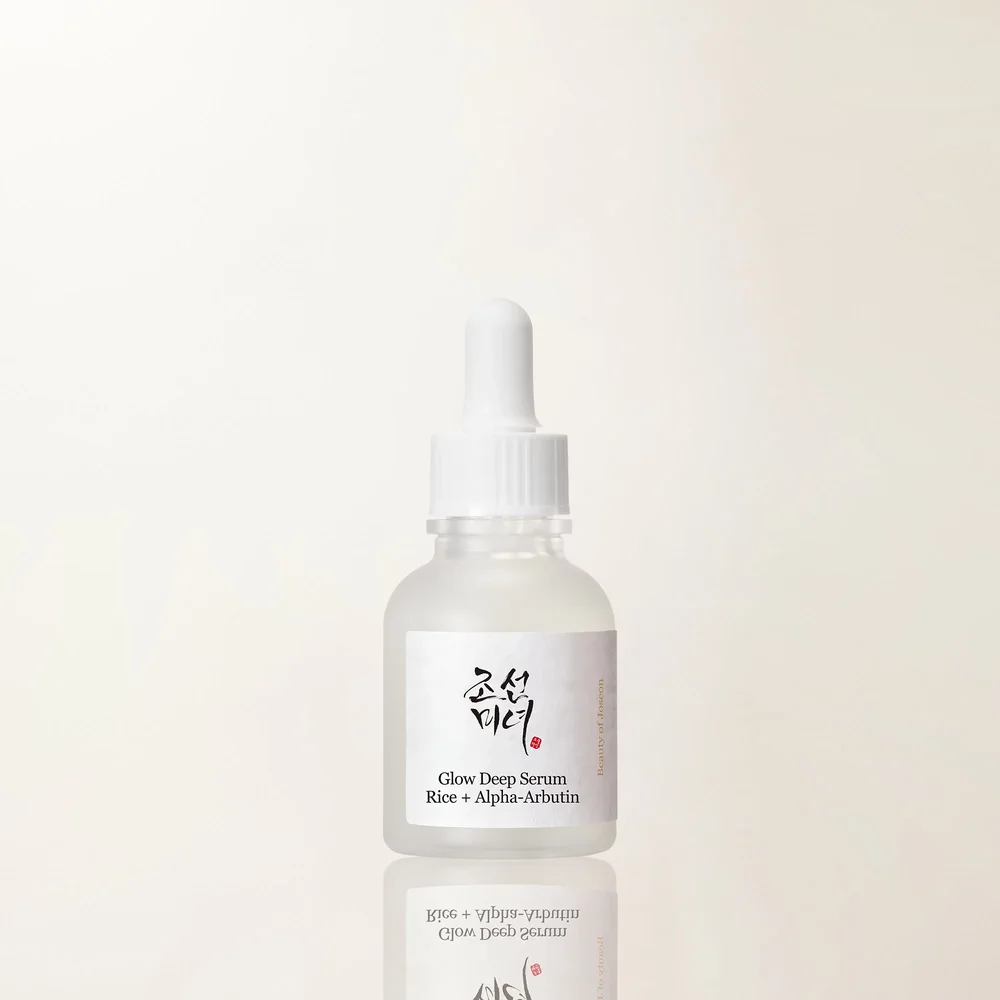
Those prices are a starting point, not a quality score. The brand names specific pairings, like Red Bean PDRN with peptides in Pore Firming Serum and rice bran water with alpha-arbutin in Glow Deep Serum, so I would compare ingredients and intended concerns rather than assume a lower price means a weaker formula.
Is Beauty of Joseon quality good?
Its product pages identify ingredient pairings and intended concerns: Pore Firming Serum uses Red Bean PDRN and a peptide for the look of large pores, while Glow Deep Serum pairs rice bran water with alpha-arbutin for the appearance of dullness and dark spots. That specificity helps me shop, but it is not a promise that every formula will suit every skin type.
Moisture and targeted care
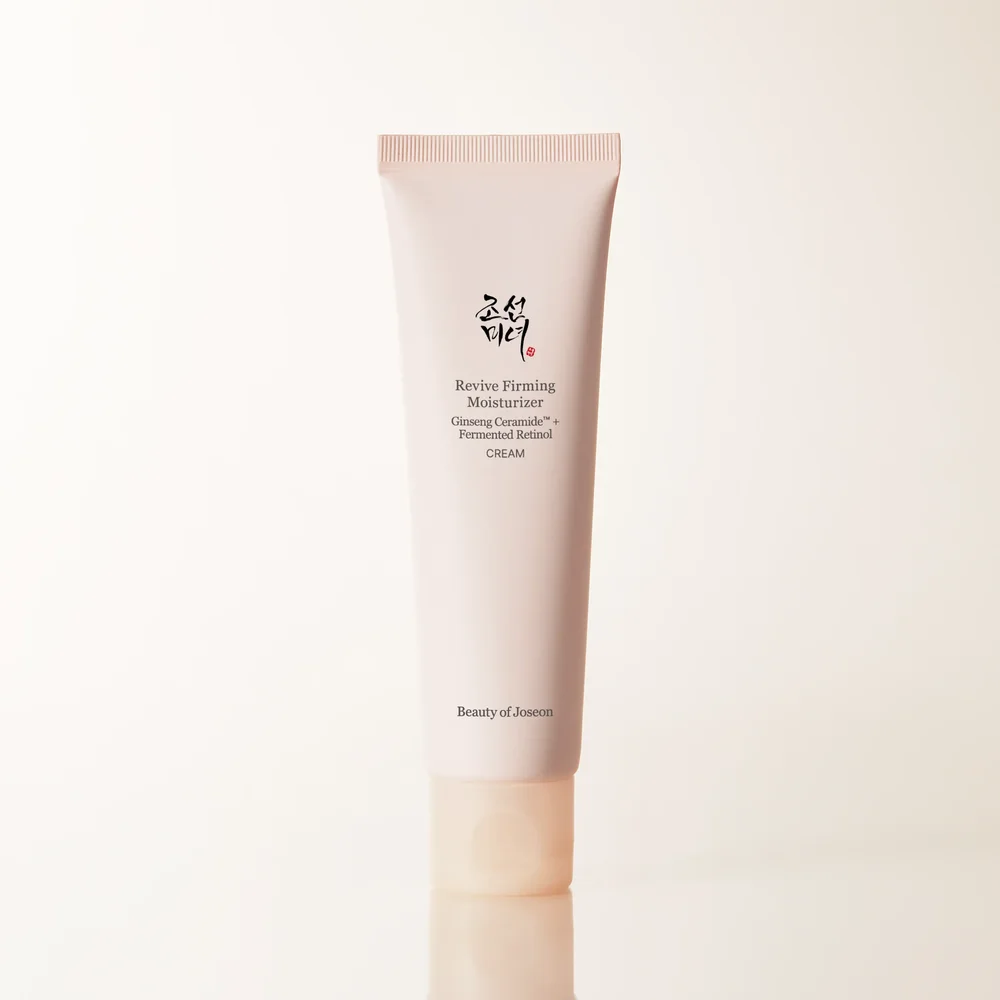
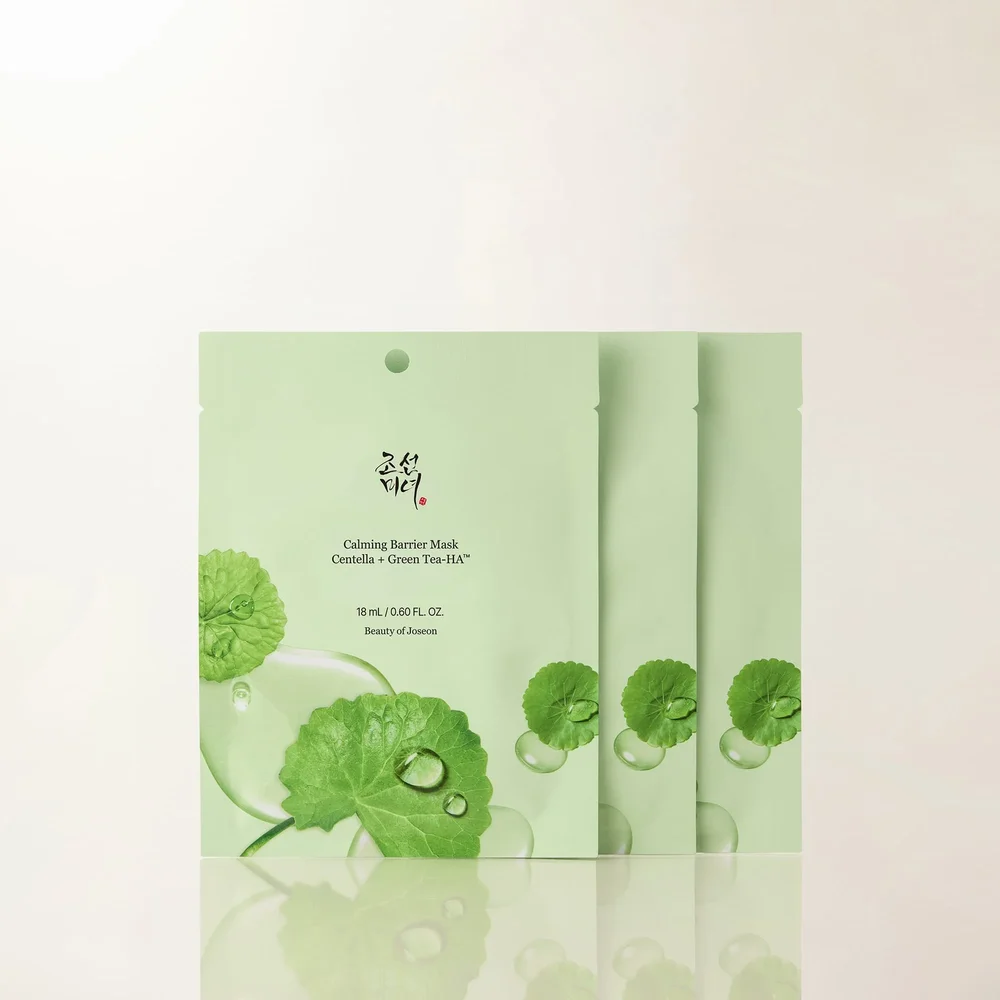
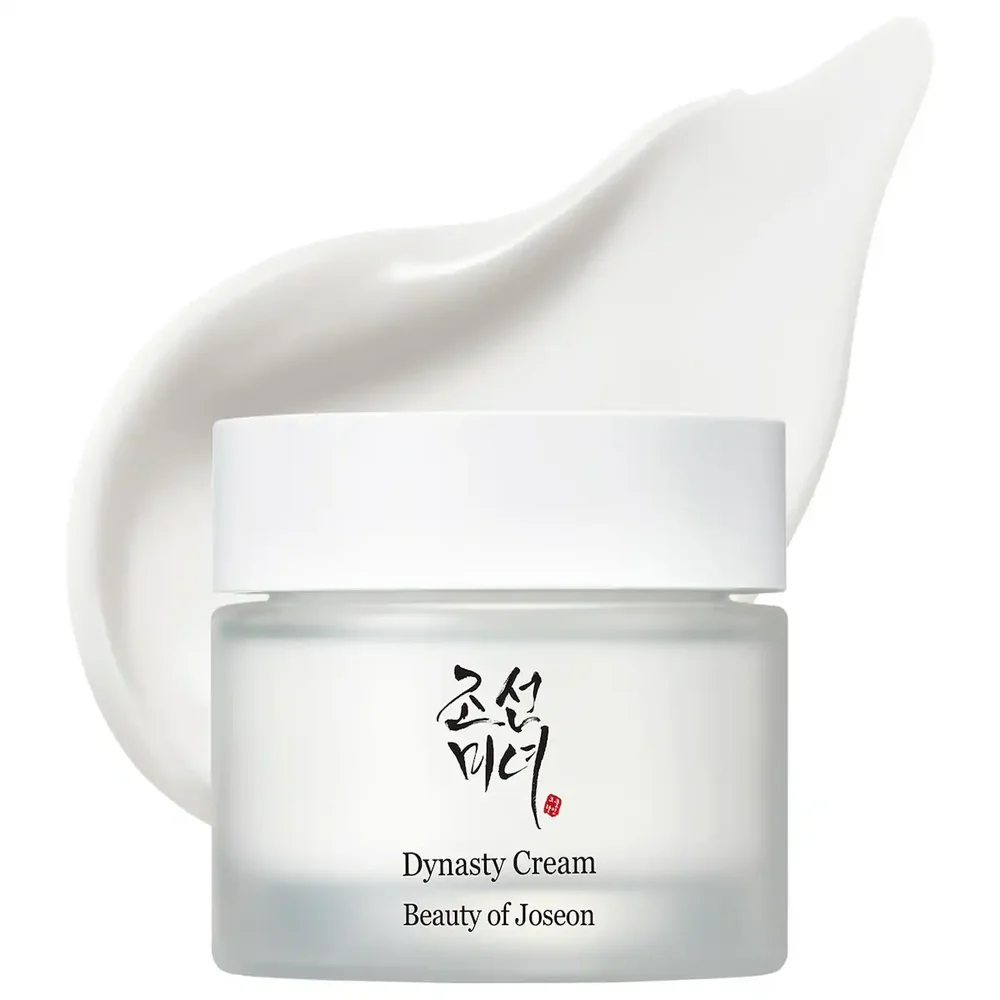
The moisturizer-and-brightening options round out a useful, not mandatory, routine. Revive Retinol Moisturizer pairs fermented retinol with Ginseng Ceramides, and Calming Barrier Mask uses a centella-based calming complex, green tea, and multi-weight hyaluronic acid for moisture support. Dynasty Cream is the richer cream option with rice bran water and ginseng; Glow Deep Serum pairs rice with alpha-arbutin for a brightening step. My practical verdict: start with one cleanser or toner and one serum, then add moisturizer or mask only if your skin needs the extra layer. The formula list gives shoppers a lot of choice for a generally accessible price tier, but the value disappears if you buy a full routine before you know how your skin handles the actives. If you avoid animal-derived ingredients, skip the Revive Serum and Dynasty Cream; the brand lists snail mucin and honey in those formulas. For skin that is reactive or new to acids, use the patch-test note as a rule, not a footnote.