K cup bra sizing varies by brand and country; begin with the band, then check cup coverage, wires and the maker's fit chart.

K Cup Bra Fit: How to Check Band, Cup, and Size Labels
The K cup label needs context
A K cup bra is not one universal size: the label depends on the brand's sizing system and the band paired with it. Elomi says it uses UK cup sizing, and its chart converts a UK K to a US O, so the same letter should not be assumed to mean the same thing across systems. Start by checking whether the size chart is UK or US, then read the band number and cup convention used by the exact maker. A K is a cup label, not a fixed volume that can be read without the band. My practical take is to treat the size on a well-fitting bra as a starting point, then judge the new one by fit. Even tape measurements are only a starting point for some fitters, who may assess shape by eye instead.
Everyday Comfort
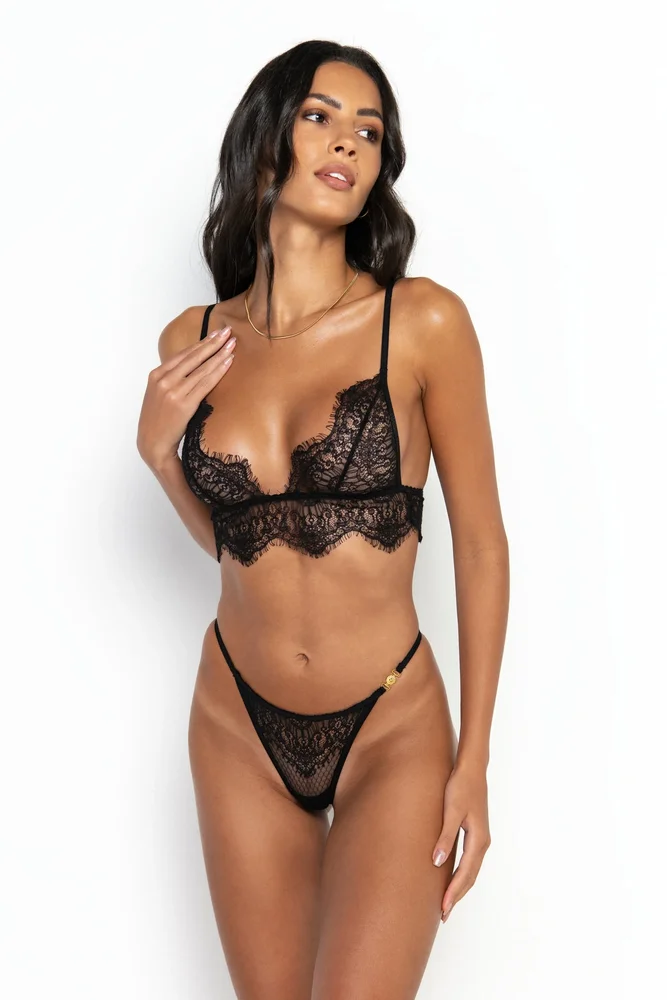
VENEZIA Nero - Black Camisole Lingerie
Sommer Swim
$53.40
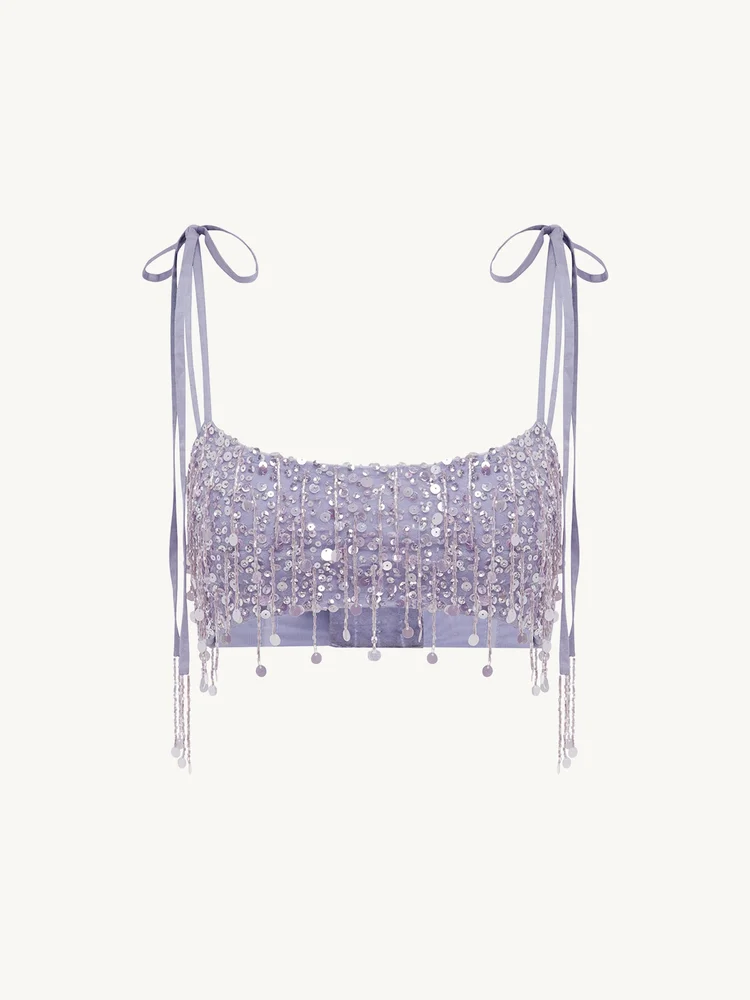
Yasmin Hand Beaded Tie Bralette
Asta Resort
$290
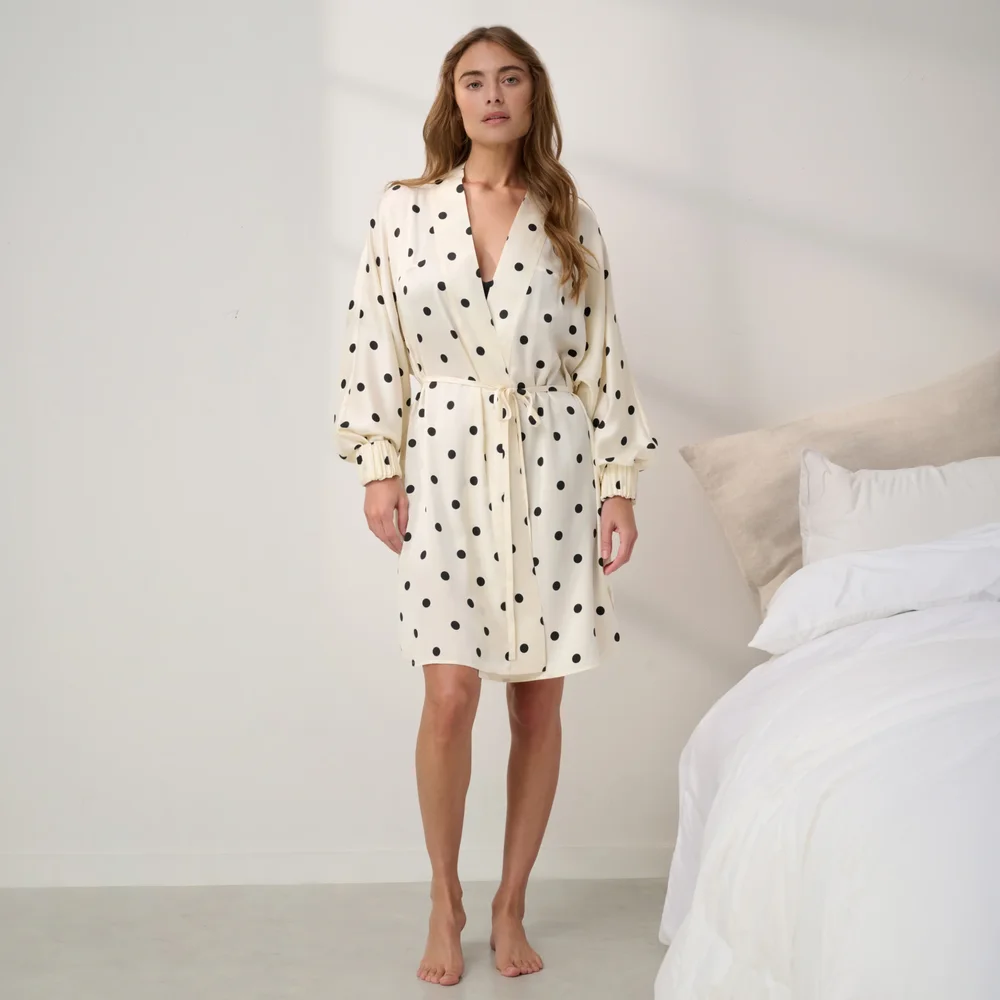
Washable Silk Robe
Lunya
$298
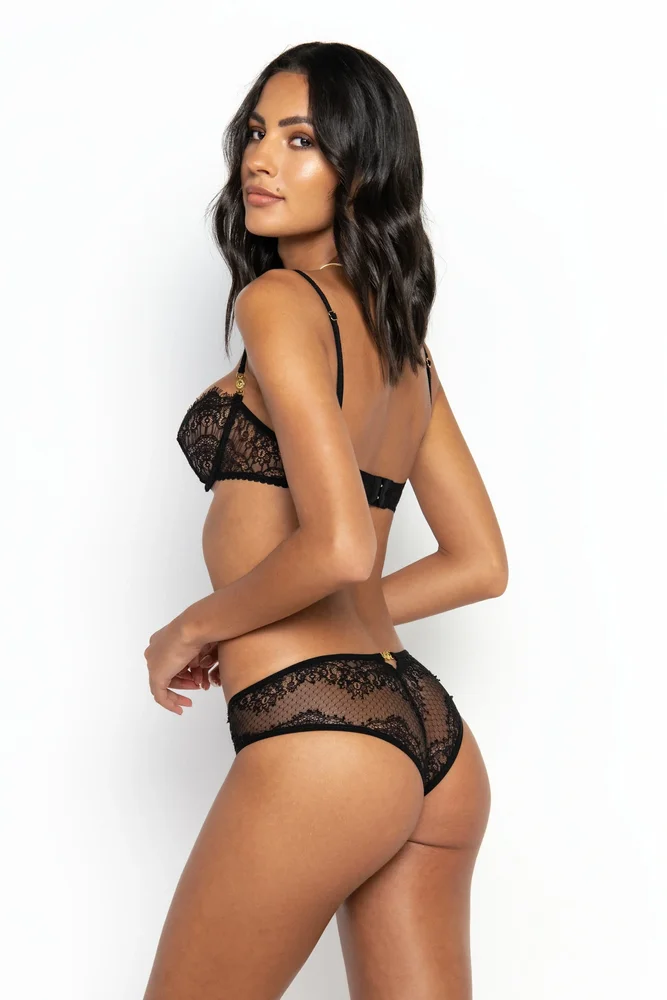
AMALFI Nero - Black Cheeky Panties
sommerswim.com
$53.40
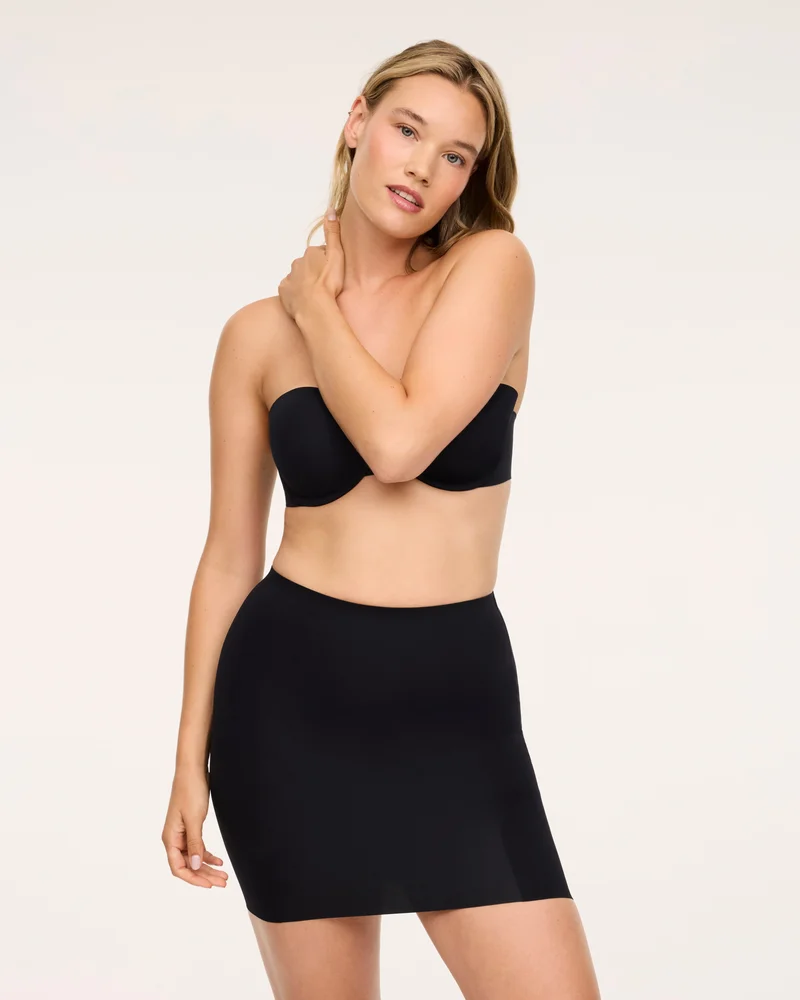
SPANXshape® Suit Your Fancy Half Slip | Very Black
spanx.com
$68
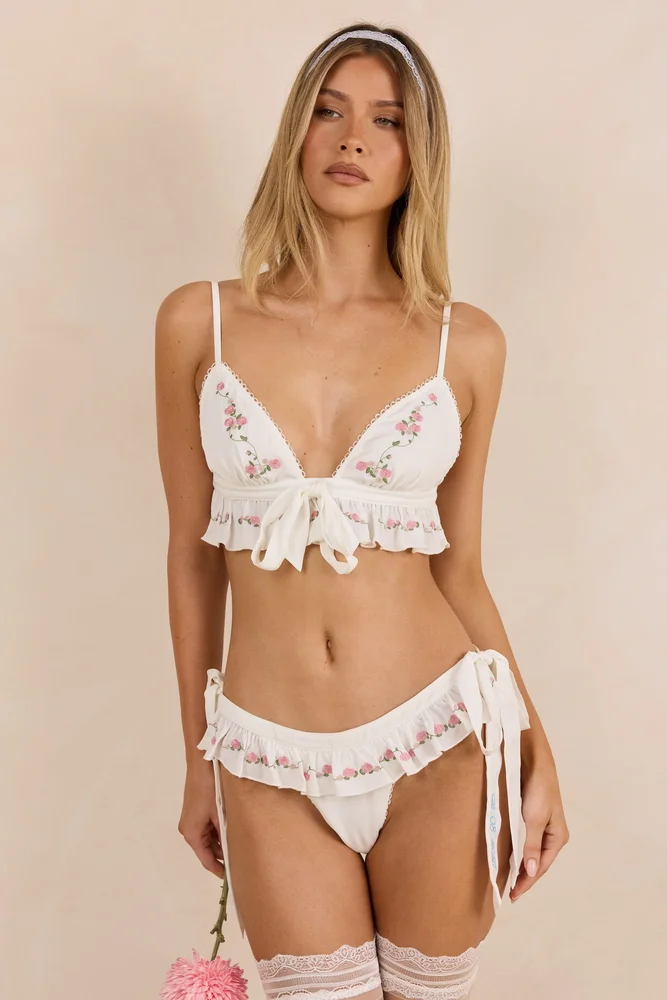
Gigi Bralette - White
ALT Swim
$99
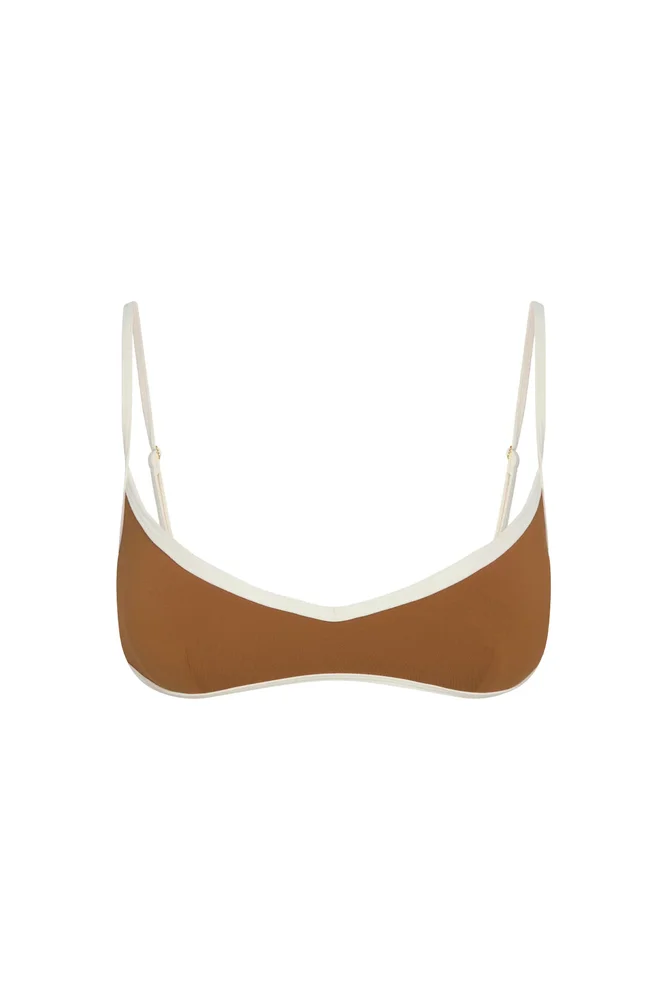
Soho Bra - Caramel/Ivory
Monday Swimwear
$65
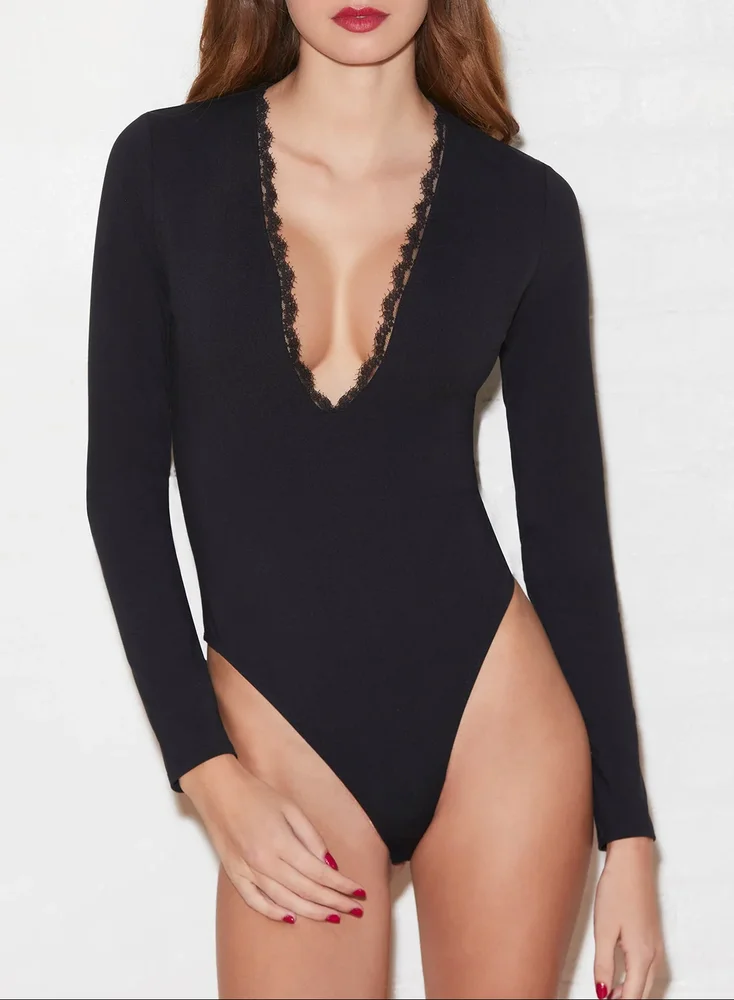
Margo Lace Long Sleeve Bodysuit
fleurdumal.com
$149
Start with the back band
Start with the back band, not the straps. If a brand offers home measuring, Wacoal advises a firm, level under-bust measurement for the band and a loose measurement across the fullest bust for the cup; it says to treat the result as a starting size. Bravissimo takes a different route and says its fitters do not use tape, instead assessing the bra and the wearer's shape. I take that as a reason to follow the specific brand's instructions rather than apply a universal K-cup formula. On the bra, the band should lie straight and snug without riding up or digging in. If it rides high, Bravissimo suggests a smaller back size and a larger cup to retain similar cup volume. Sister sizing changes the band and cup together; it is not simply moving to the same letter in another band.
Under Close Fits
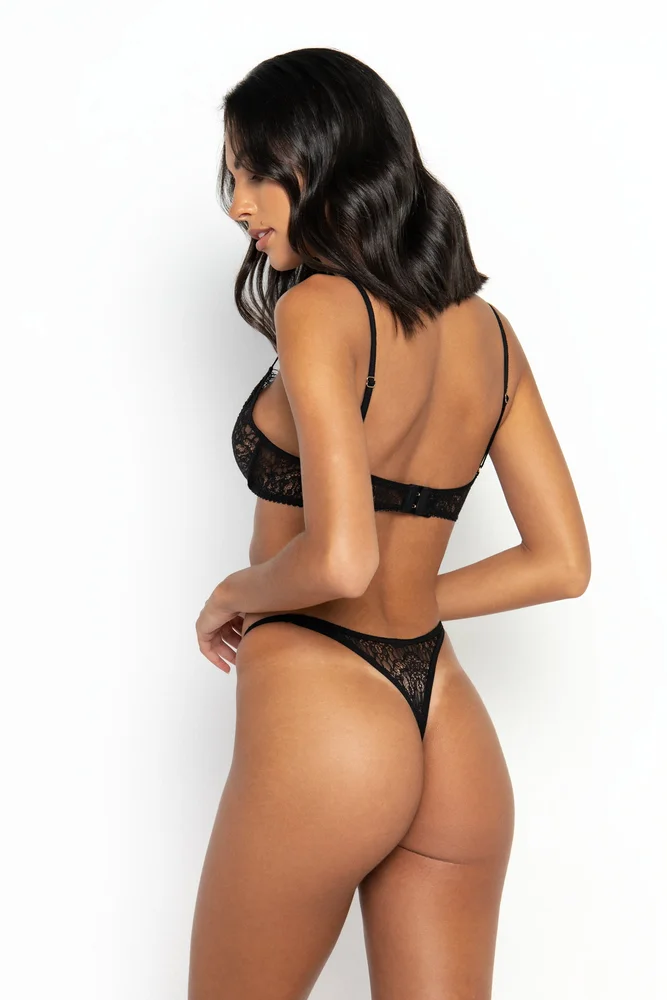
PANAREA Nero - Full Black Thong
Sommer Swim
$53.40
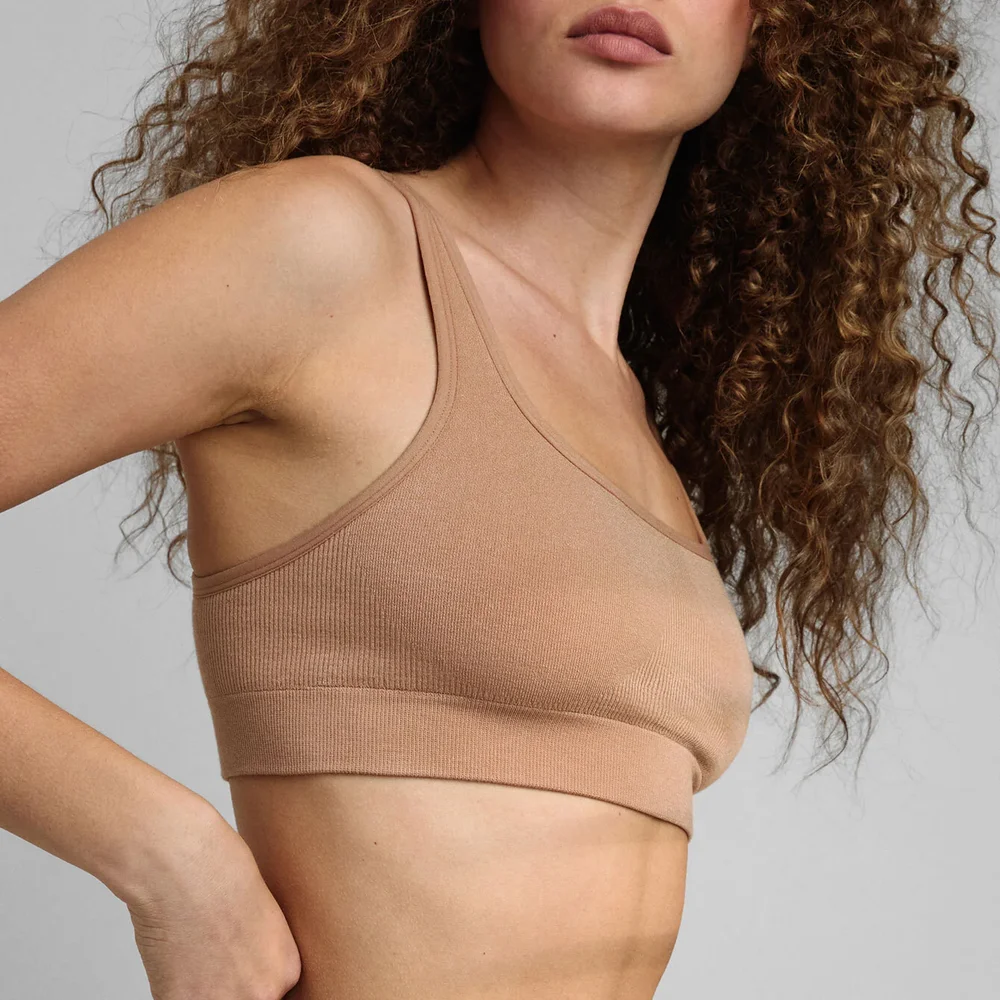
Seamless Modal Scoop Bralette
Lunya
$48
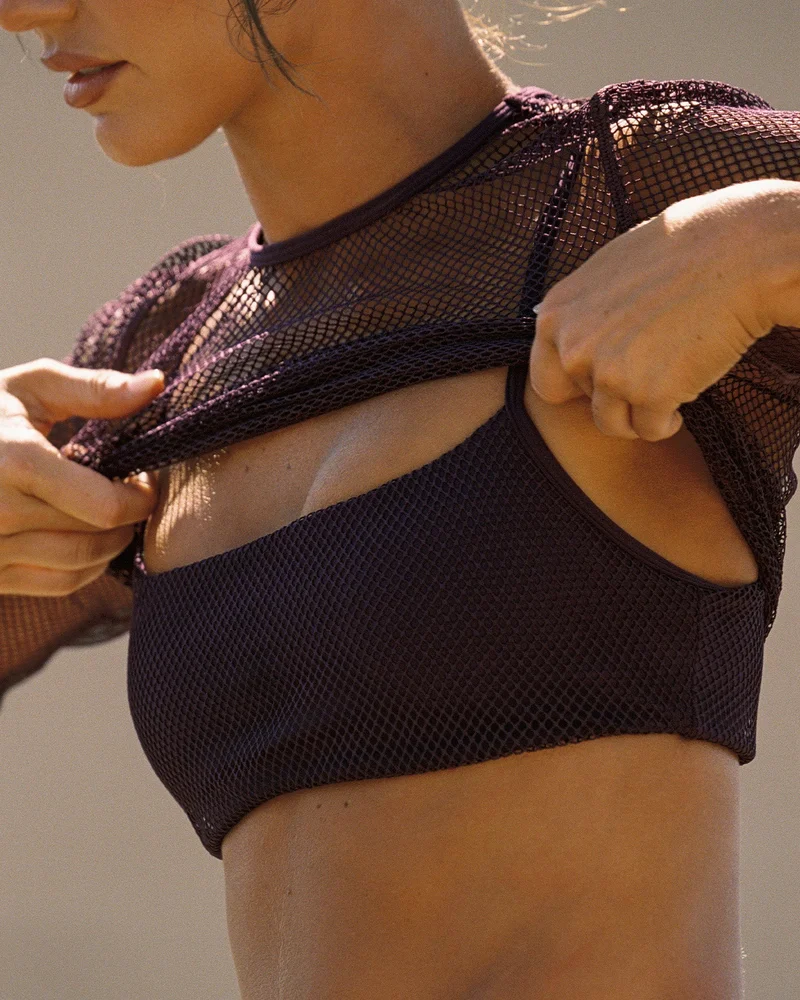
Stride Bra - Plum
L Space
$99
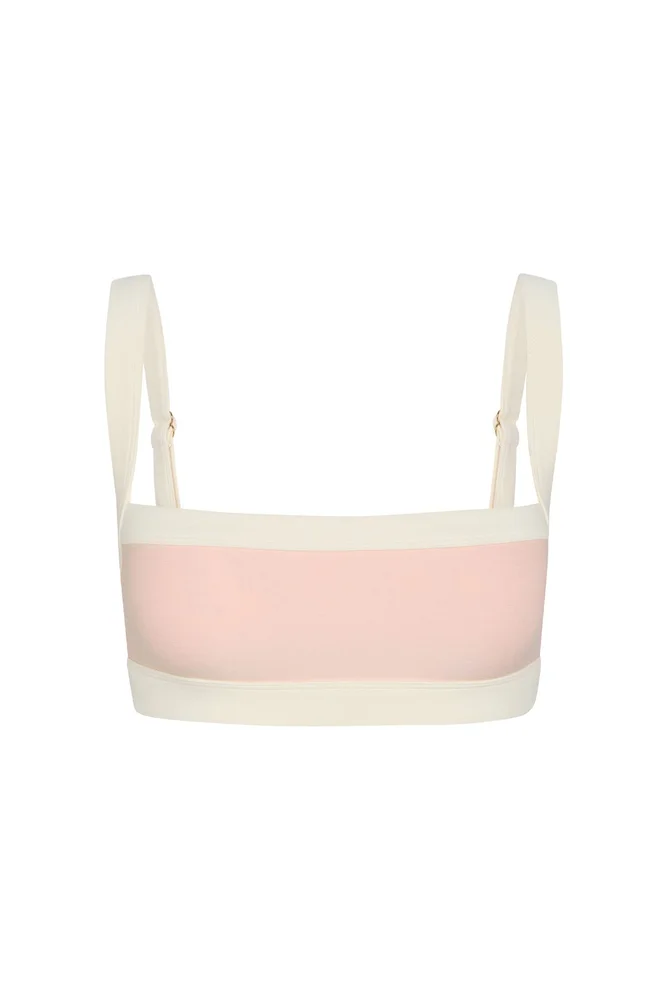
Outpost Bra - Heather Powder Pink/Ivory
Monday Swimwear
$20.40
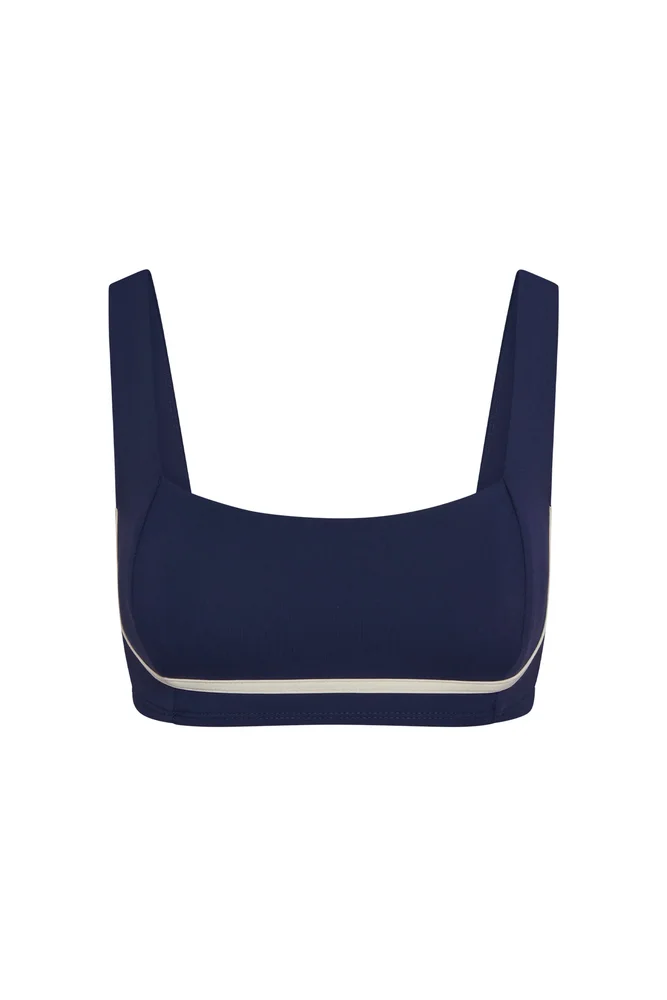
Zion Bra - Midnight/Ivory Jersey
Monday Swimwear
$72
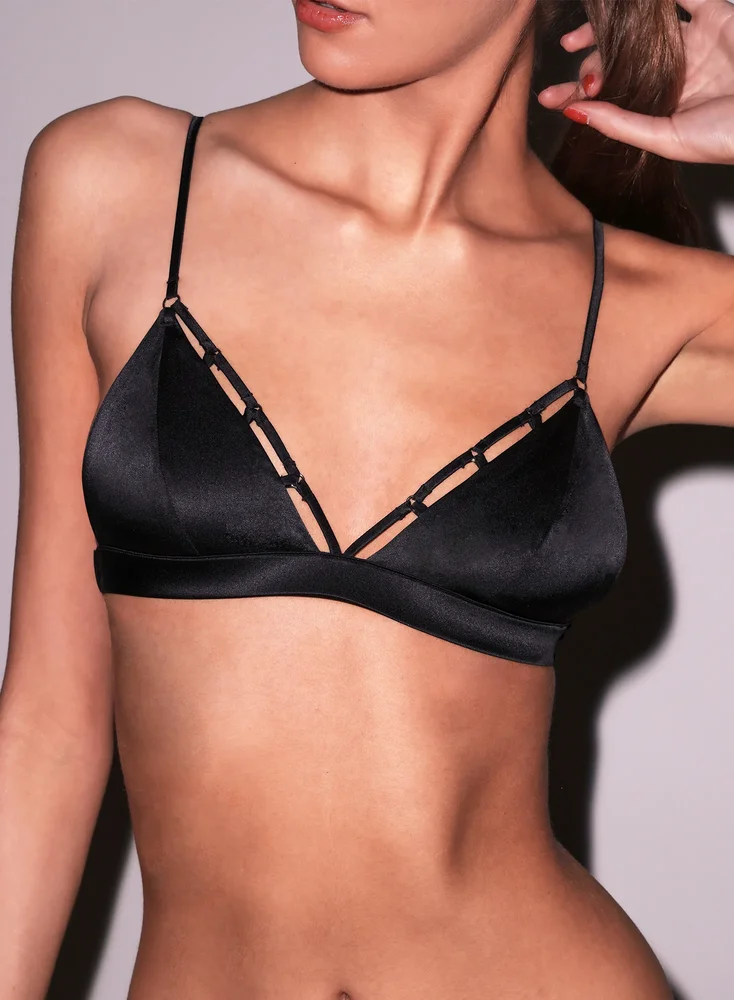
Échelle Luxe Triangle Bra
Fleur Du Mal
$94
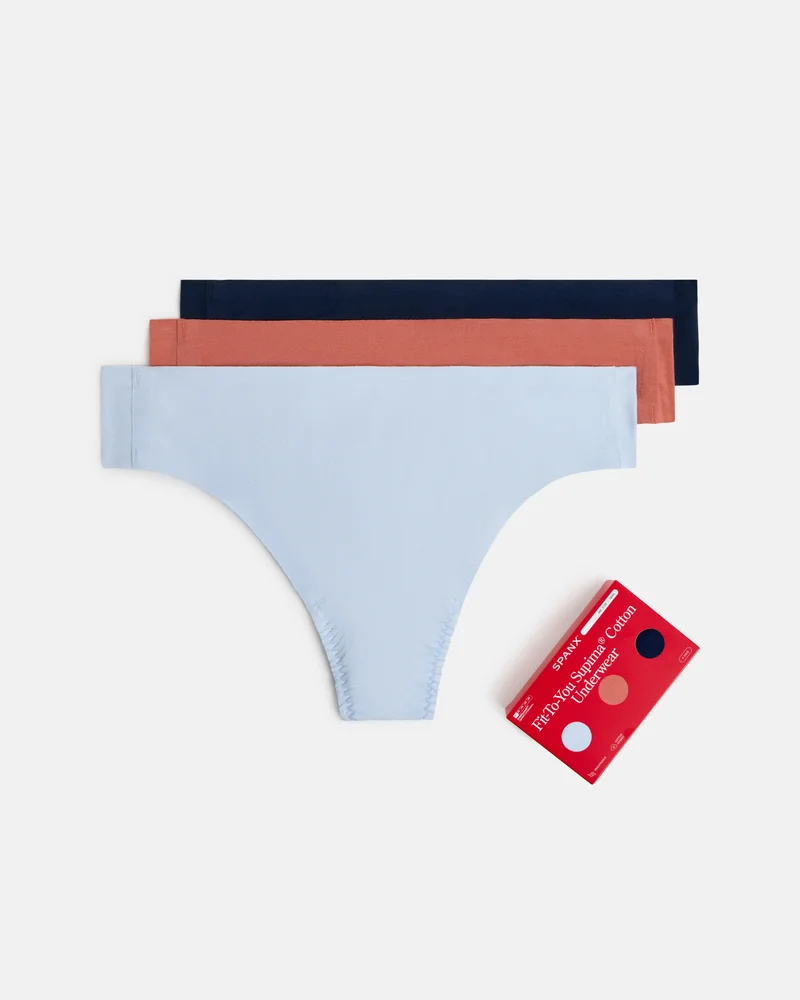
SPANXsmooth® Fit-To-You Supima® Cotton Thong 3-Pack Box | Summit/Clay/Timeless Navy
spanx.com
$36
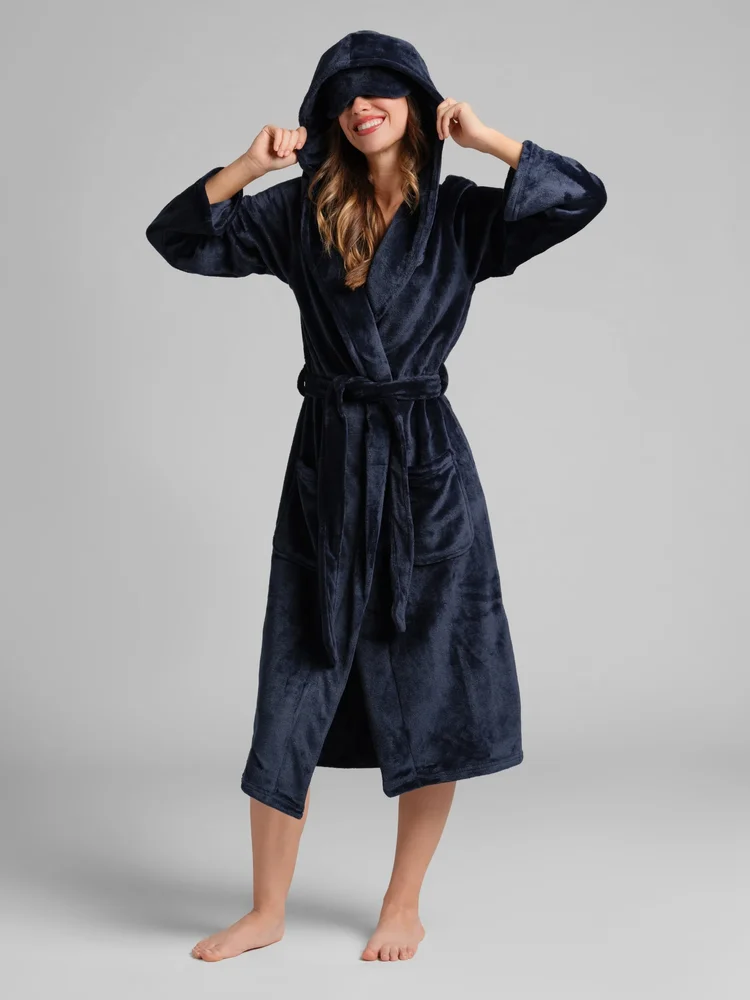
Do Not Disturb Dreamday™ Plush Robe
comfrt.com
$55
Check the cups, wires, and centre
The cup should enclose the breast tissue smoothly, without bulging or wrinkling. Underwires should sit flat against the ribcage rather than on breast tissue, and the centre front should rest against the chest. If the band rides up, a smaller back and larger cup may be the better test; if a cup gaps, the size or the shape may be wrong. Bravissimo notes that different bra shapes suit different bodies, and stretch lace can accommodate some asymmetry. I would try a different cut before deciding that the K label itself is the problem. For a bra meant for workouts, Sports Bra Support: How to Choose by Activity, Not Size is a useful next question, because comfort should hold when you move.
The sizing questions that matter
What does a K cup bra size mean?
It is a cup letter within a particular brand and sizing system, paired with a band size. The letter alone does not describe one fixed cup volume.
Is a UK K the same as a US K?
Not necessarily. Elomi's chart uses UK sizing and maps its UK K to US O, so check the maker's conversion chart rather than matching letters by eye.
How should a K cup bra fit?
The band should sit level and snug, cups should contain the breast tissue without bulging or gaps, and underwires should rest flat against the ribcage. If those checks fail, the band, cup size, or bra shape may need to change.
A fit check, not a letter test
My closing rule is simple: check the label system, get the band sitting level, then look for smooth cup coverage and wires that stay off breast tissue. I would skip choosing by a K alone or sizing up a cup just because straps dig in; first check whether the band is loose and whether the cup shape suits you. This is for anyone comparing fuller-cup bras across brands or countries, especially when a familiar letter suddenly changes. If you are comparing lines within a brand, The Skims Bra Guide is a separate brand-level reference, but the fit still needs to be checked on the exact bra. When the fit remains uncomfortable, I would ask a trained fitter rather than chase a supposedly universal K.






