Knix vs Thinx comes down to absorbency and cut: compare Knix's tiered labels with Thinx's advertised 12-hour styles, then choose by flow and fit.

Knix vs Thinx: Period Underwear Absorbency, Fit and Feel
Start with absorbency, not the logo
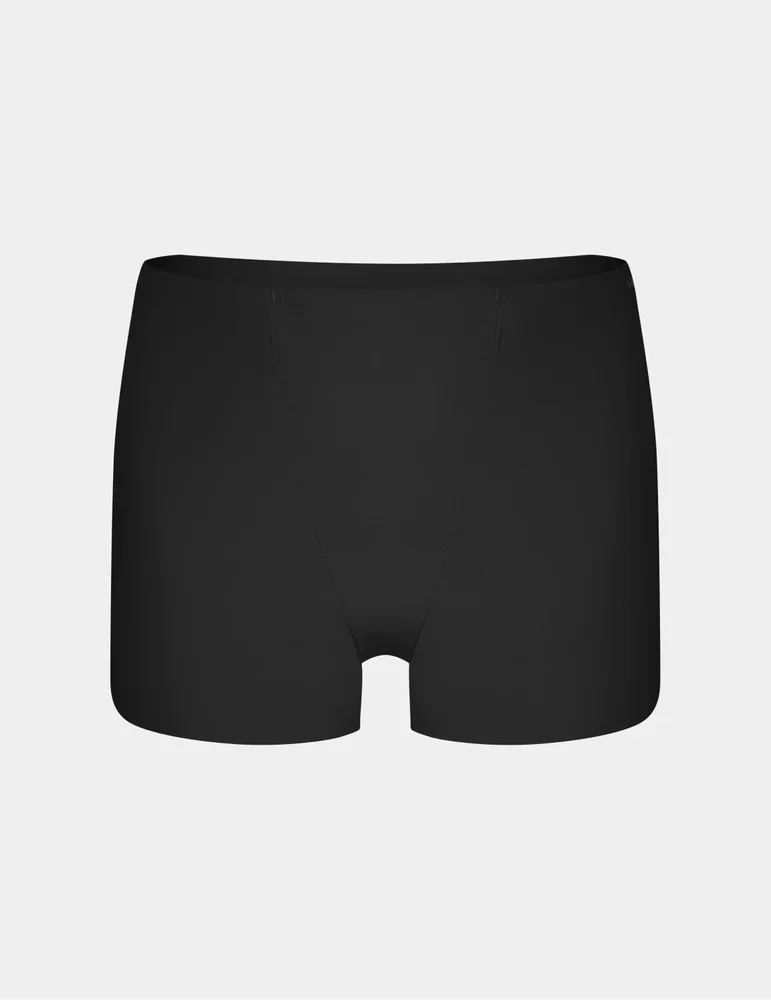
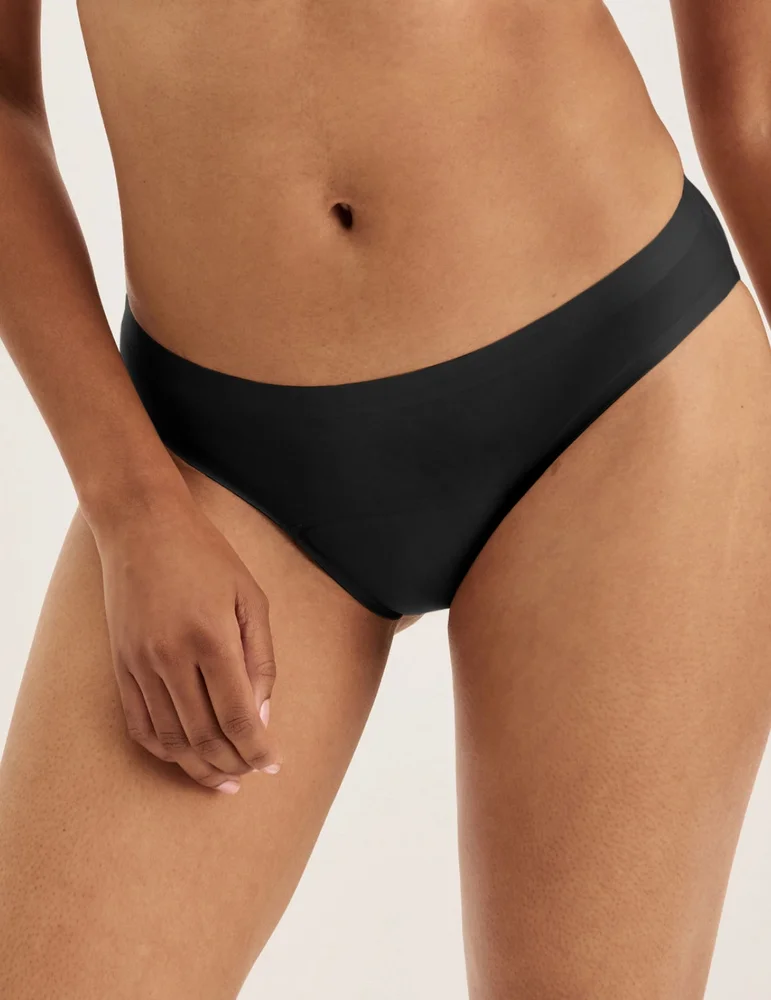
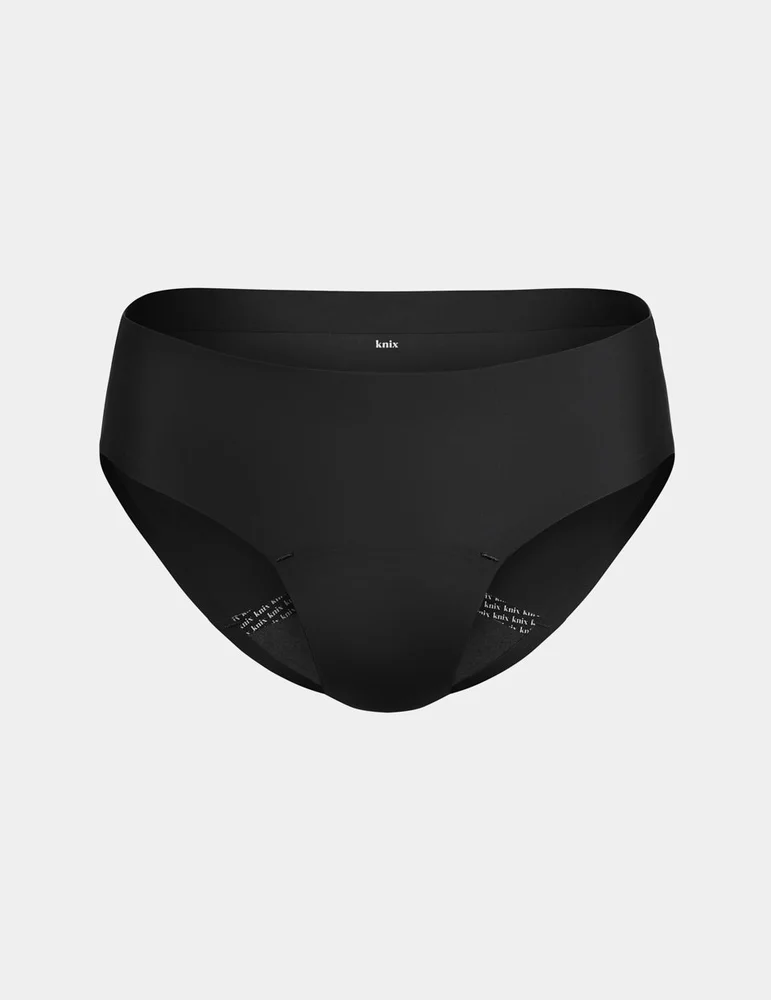
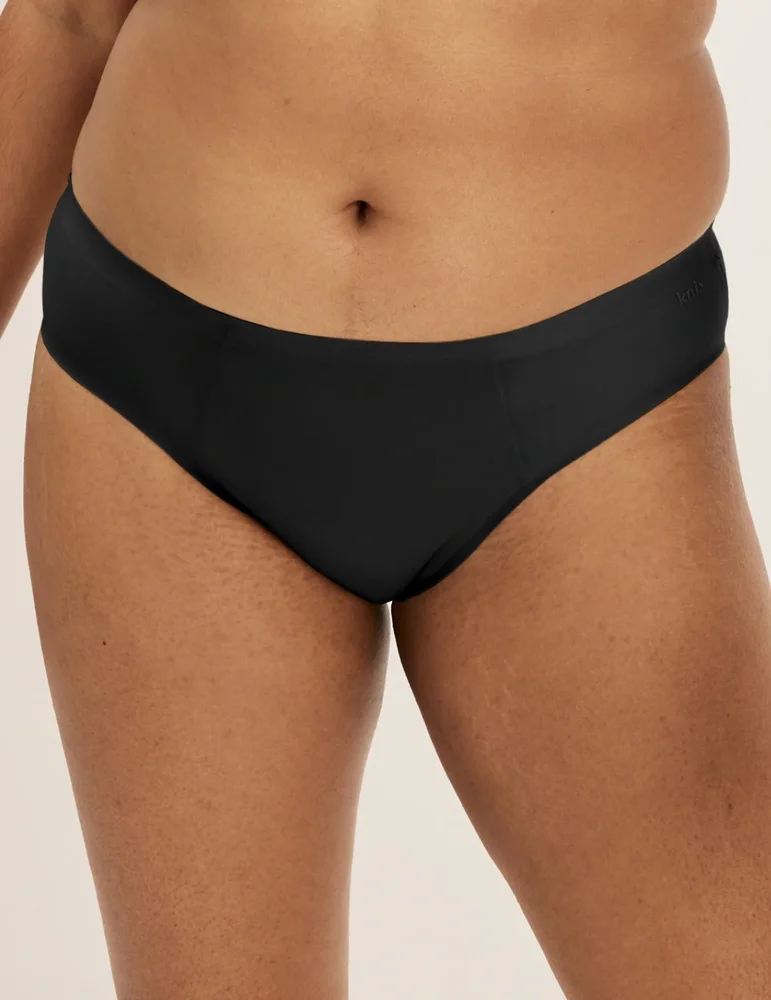
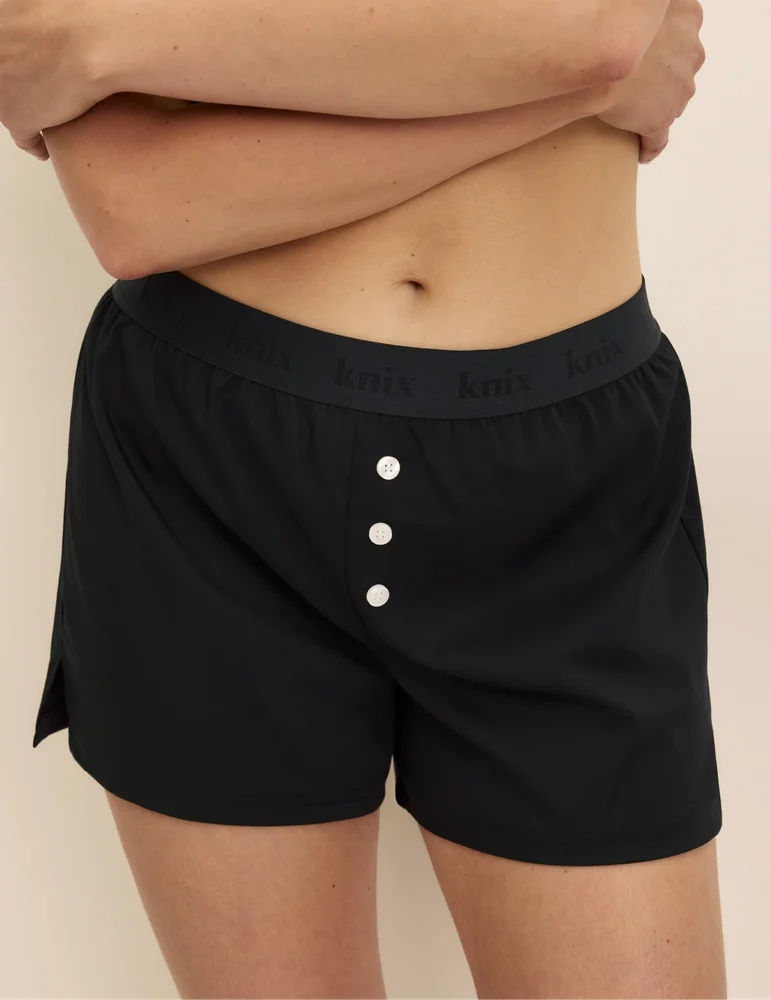
Knix vs Thinx comes down to how each brand labels absorbency, not a clean one-number comparison: Knix's Ultra is measured in super tampons, while Thinx's 12-hour claim uses regular tampons. I would not treat the larger printed number as automatic proof of a better pair. The SuperPlus Leakproof Dream Short has a full front-to-back liner; SuperPlus Leakproof No-Show High Rise is also in the Ultra tier. Super Leakproof No-Show Bikini has a heavy-flow label in a mid-rise cut, while Leakproof UltraThin No-Show Bikini is the moderate option at about 2.5 super tampons.
I would choose by the kind of day and coverage I actually want: a mid-rise under clothes or a longer sleep short. Start at the stated tier that fits your flow and check the notes for that style; on a borderline day, use backup protection if that is what makes you comfortable. If the larger number looks tempting, check which tampon size the claim uses before comparing it.
Thinx, from daytime to overnight
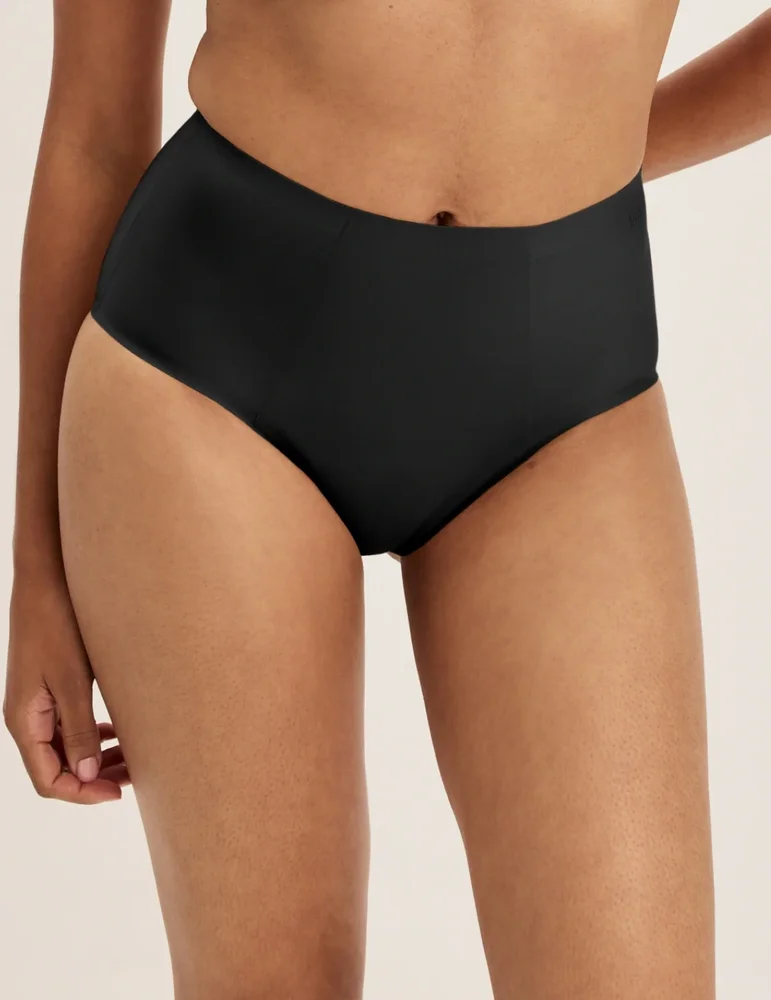
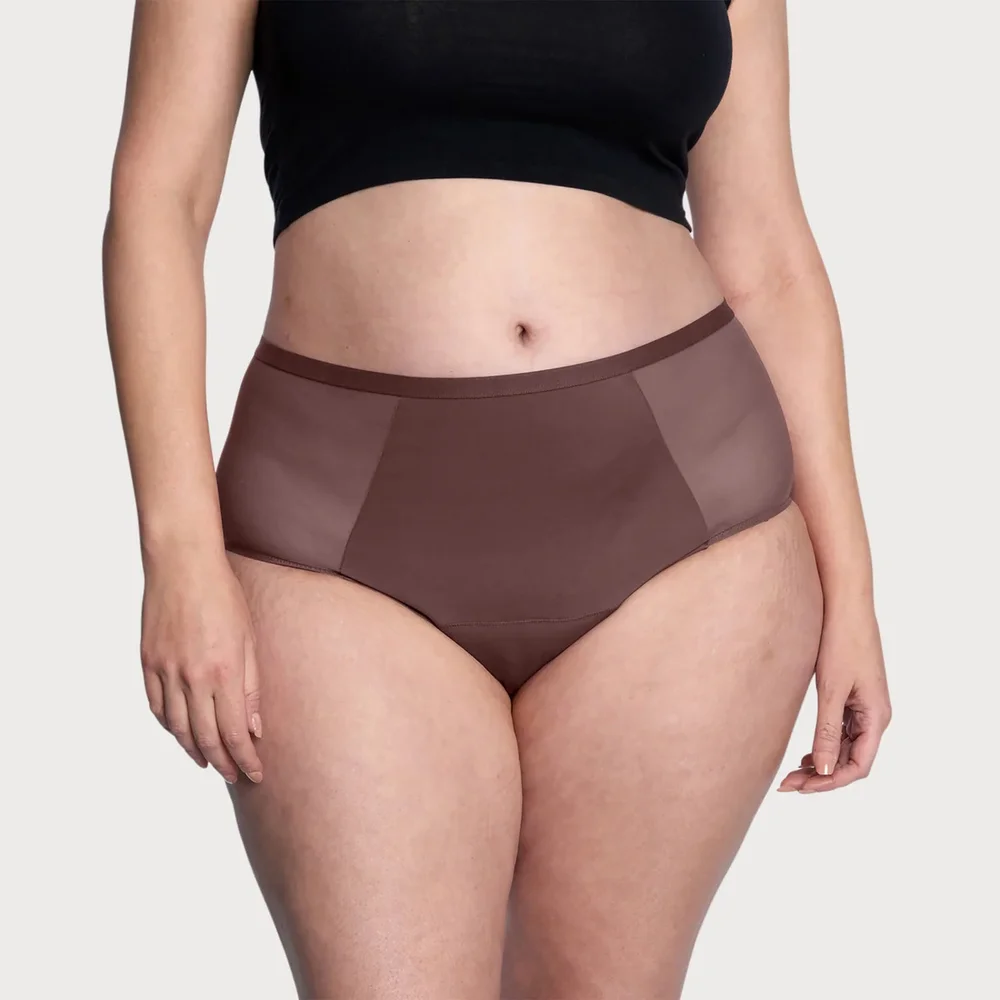
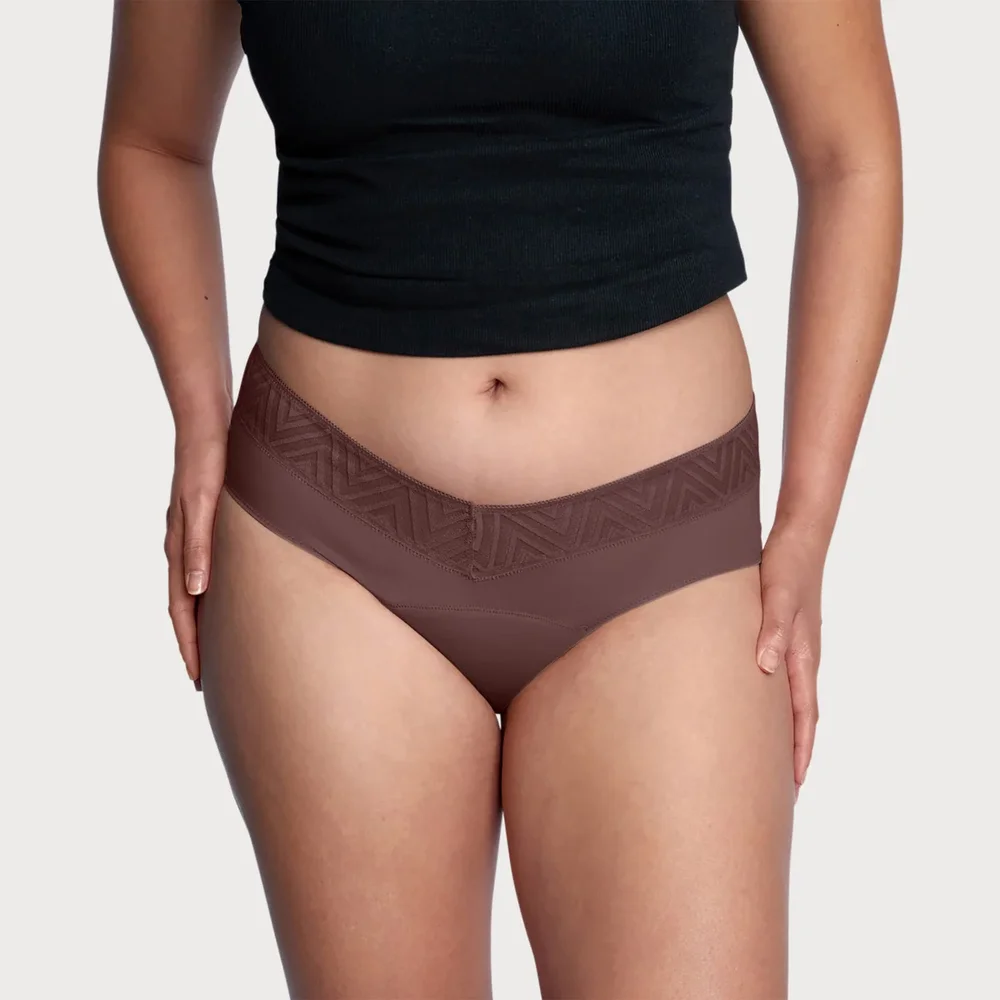
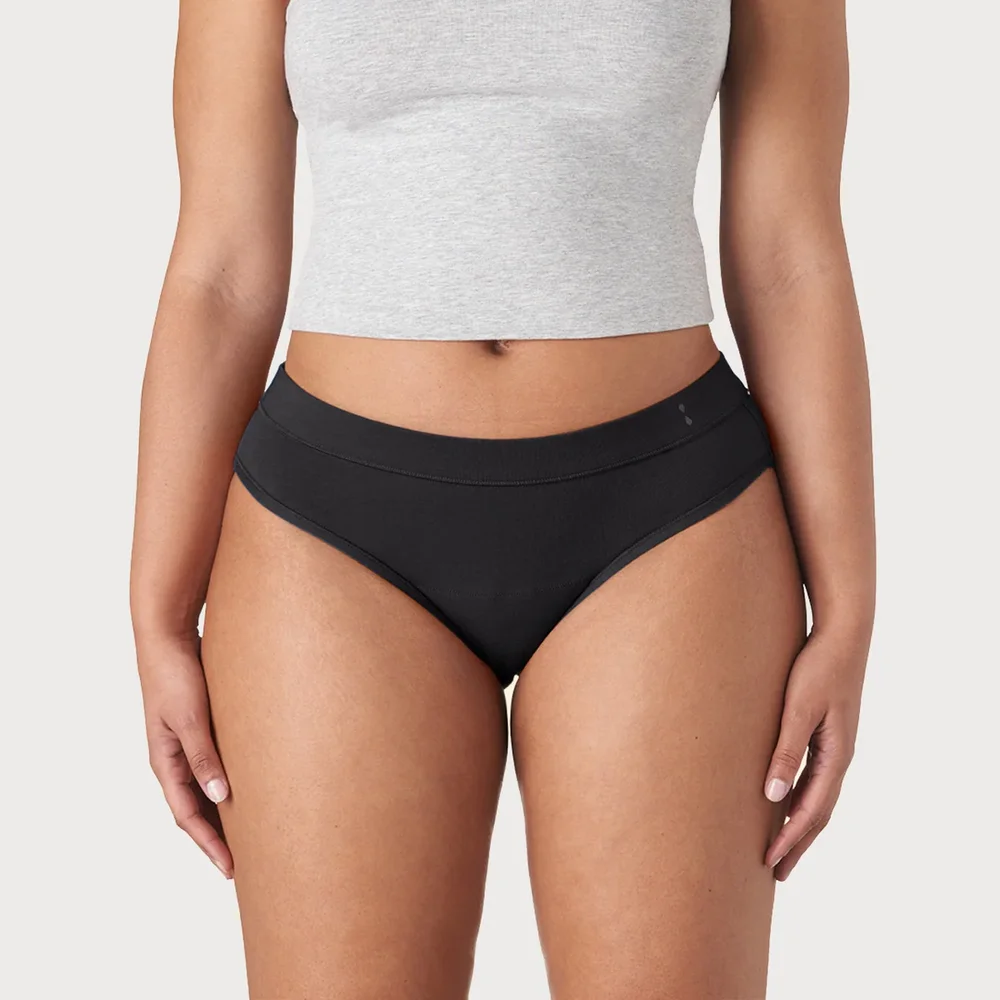
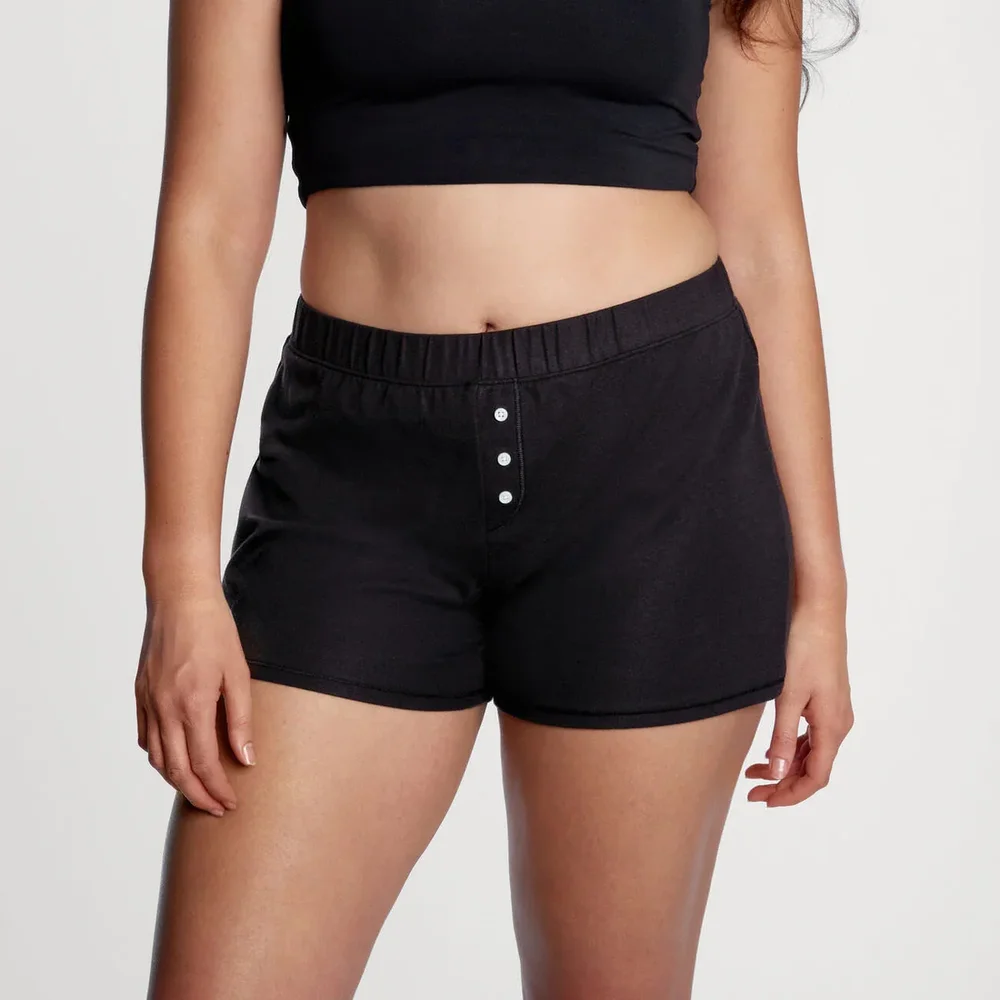
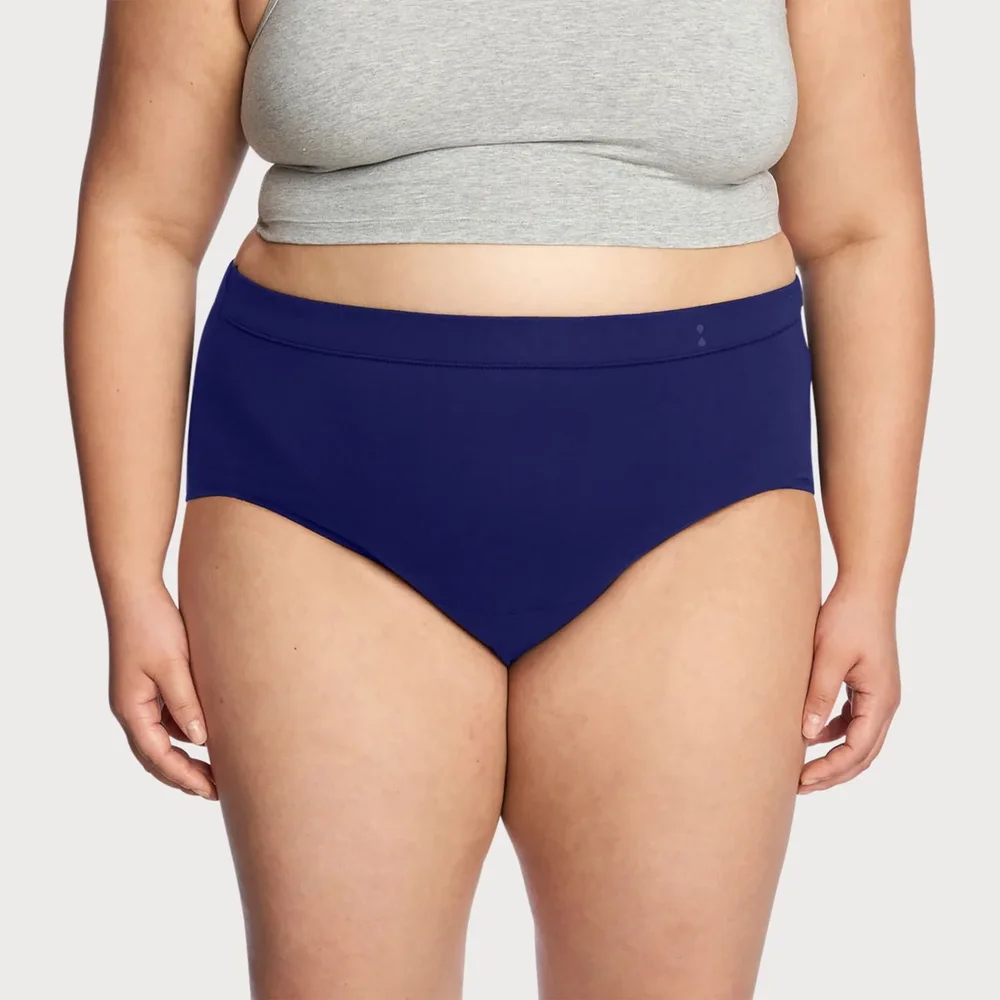
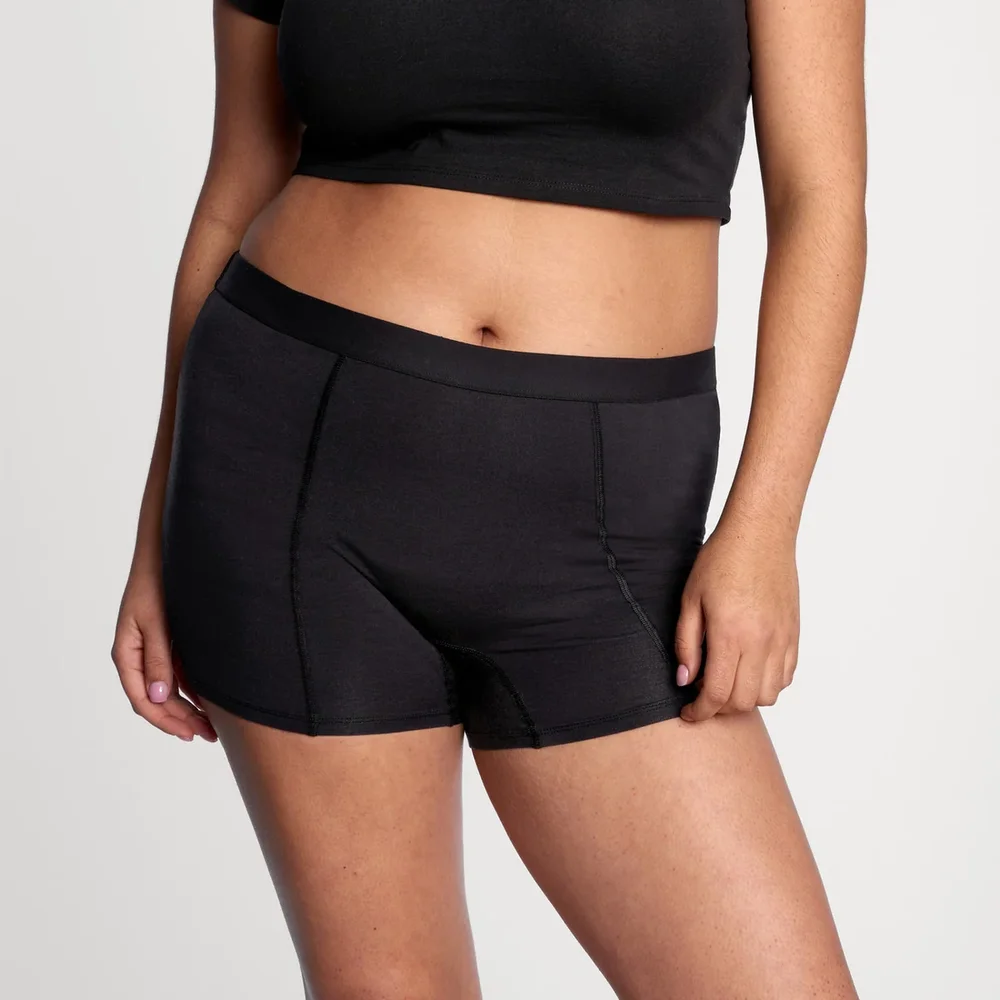
In the Knix vs Thinx comparison, Thinx gives me a familiar range of cuts, not a matching capacity scale. Comfort Stretch Hi-Waist is high-waisted; Comfort Stretch Hiphugger keeps a hiphugger shape; Everyday Comfort Bikini is a mid-rise cut; Ultra Soft Sleep Shorts are boxer-inspired pajama shorts with built-in underwear. The 12-hour claim uses regular tampons, unlike Knix's Ultra measure in super tampons, so I keep the labels separate.
I would choose the cut I already wear comfortably, then check the product's own absorbency and care notes. Sleep shorts serve a different purpose from a bikini, and I would not infer an overnight fit from a familiar style name. If the main concern is a smooth line under trousers rather than absorbency, I also compare these seamless underwear cuts.
Fit the product to your cycle
Knix vs Thinx gets less abstract when I put the cuts side by side. Knix's SuperPlus No-Show Bikini is a mid-rise no-show style with an Ultra rating; Super Leakproof Dream Boxer is a loose boxer short with an internal brief and capacity up to eight super tampons. On the Thinx side, Everyday Comfort Hi-Waist is the higher rise, while Ultra Soft Boyshort gives me a boyshort cut. The shapes cover different preferences without pretending the capacity labels match.
My practical choice is to start with the cut I know I tolerate, then pick the absorbency tier for my flow. I keep the care directions beside the item: Knix recommends a cold wash with mild detergent and no softener or bleach; Thinx says machine wash cold and hang dry. On a borderline day, backup protection is more sensible than asking one pair to do everything.
Knix vs Thinx questions, answered
Where would I start with Knix vs Thinx?
If my flow is moderate, I would start with the Leakproof UltraThin No-Show Bikini, which is the lighter option at about 2.5 super tampons. For a heavier day, I would choose a style with a higher stated tier.
Can I compare Knix and Thinx absorbency numbers directly?
Not without checking the wording. Knix's Ultra label uses super tampons, while Thinx's 12-hour claim uses regular tampons.
Which period underwear cut would I wear overnight?
I would try the SuperPlus Leakproof Dream Short for its full front-to-back liner, then check its care and absorbency notes before relying on it overnight.
What if fabric matters more than absorbency?
I would choose by the cut and materials I already find comfortable; for everyday pairs outside this comparison, I also look at organic cotton underwear.






