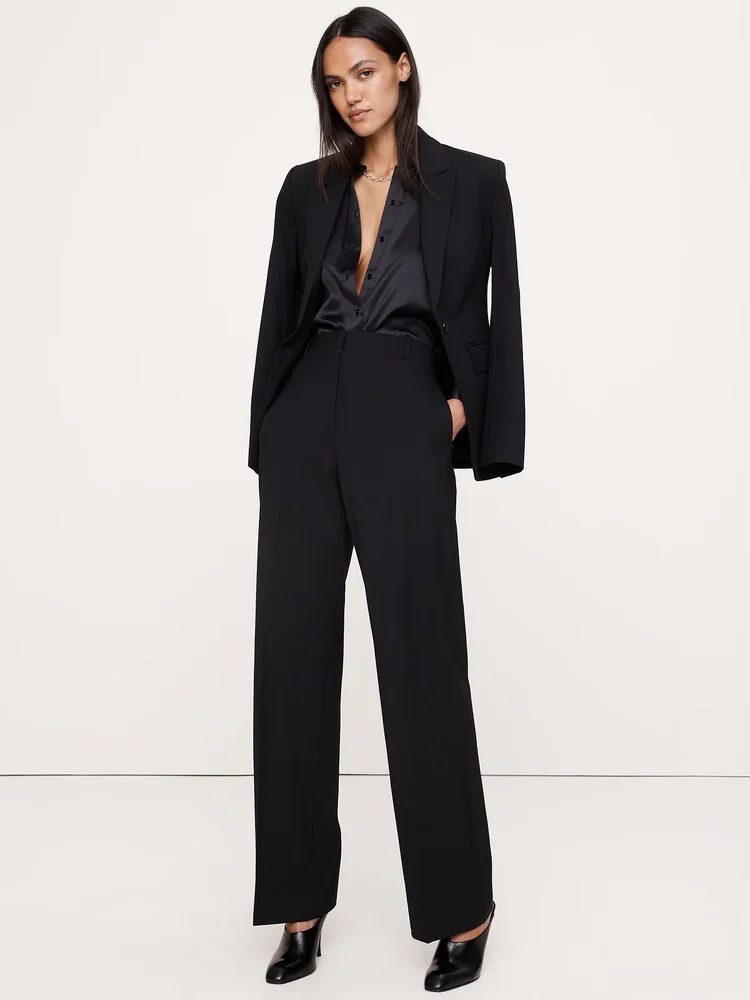
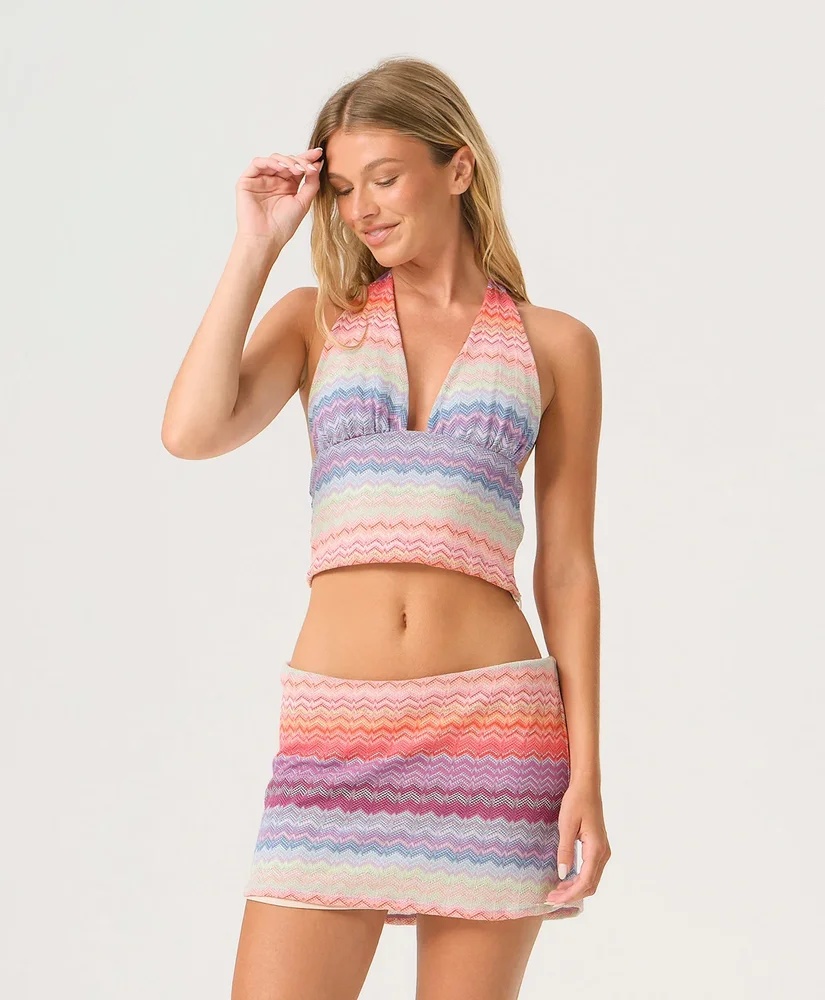
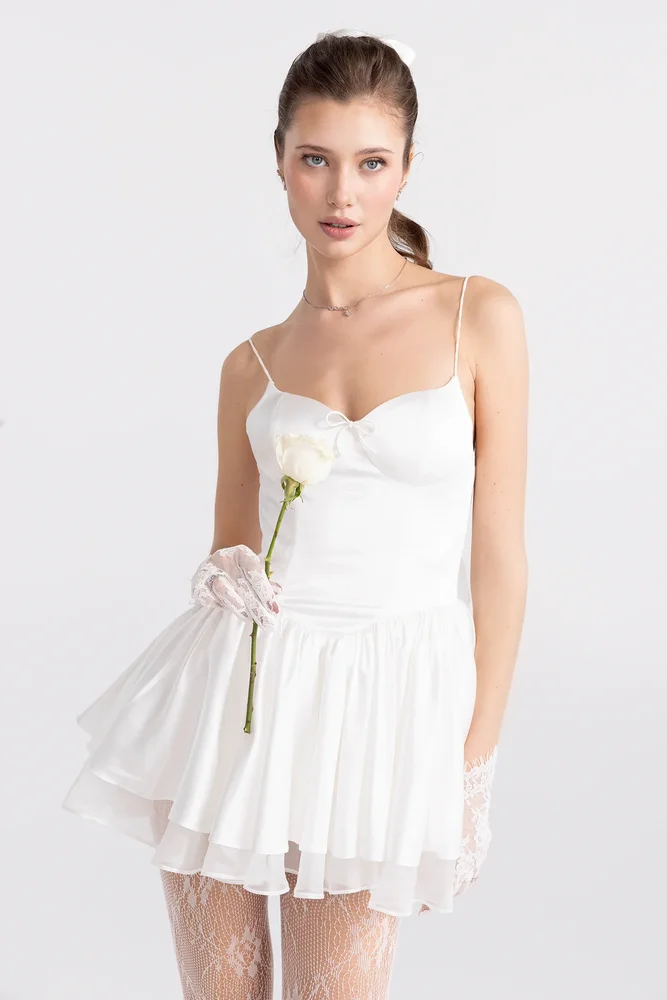
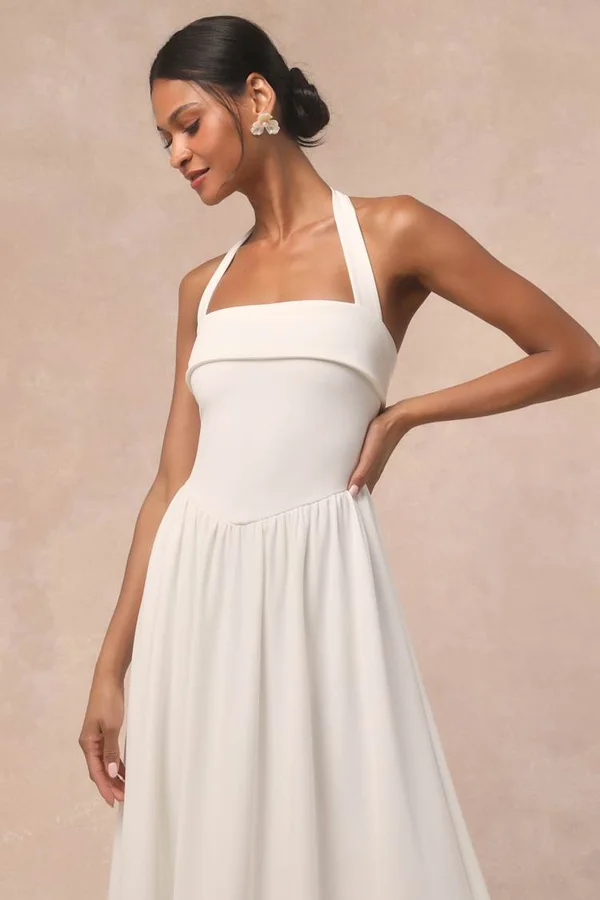
Nigel Preston was a British designer whose London label gave leather, suede and sheepskin a softer, painterly hand, continuing under Brenda Knight.
Nigel Preston: Dresses and Outfit Notes
The designer behind the name
Nigel Preston was a British designer whose Maxfield Parrish shop opened just off London's King's Road in the mid-1970s; the label is remembered for supple leather, suede, and sheepskin. His commercial start was smaller: chamois leather tops sold on Portobello Road. He taught himself patternmaking by taking shirts apart and remaking them, which says something about his approach: understand the material in your hands before deciding what it should become. The shop took its name from the illustrator Maxfield Parrish, whom Preston admired. In 1978, Brenda Knight joined him, helping turn the independent shop into an international design business; the Nigel Preston label continued under her after his death. To me, that is the useful way to read the name: not as a promise about one dress, but as a maker's point of view shaped by touch, line, and experimentation. For someone searching Nigel Preston dresses, the context starts with material and cut, not a single silhouette.
The Signature Pieces
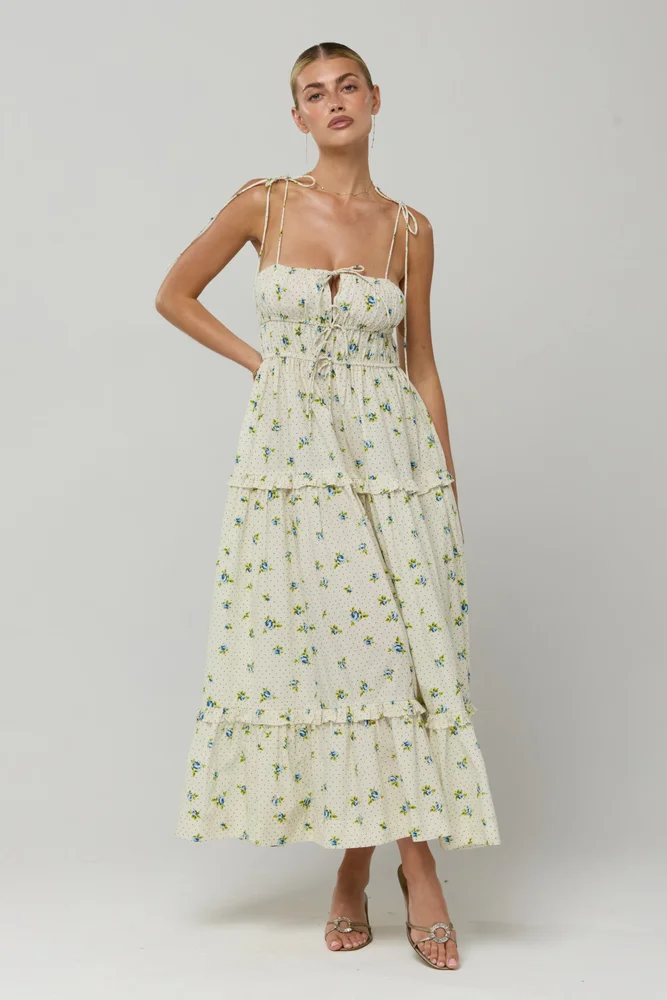
Olivia Dress in Cotton Bluebell
shop-resa.com
$125

Easy to Adore Dress
Wild Oak Boutique
$78
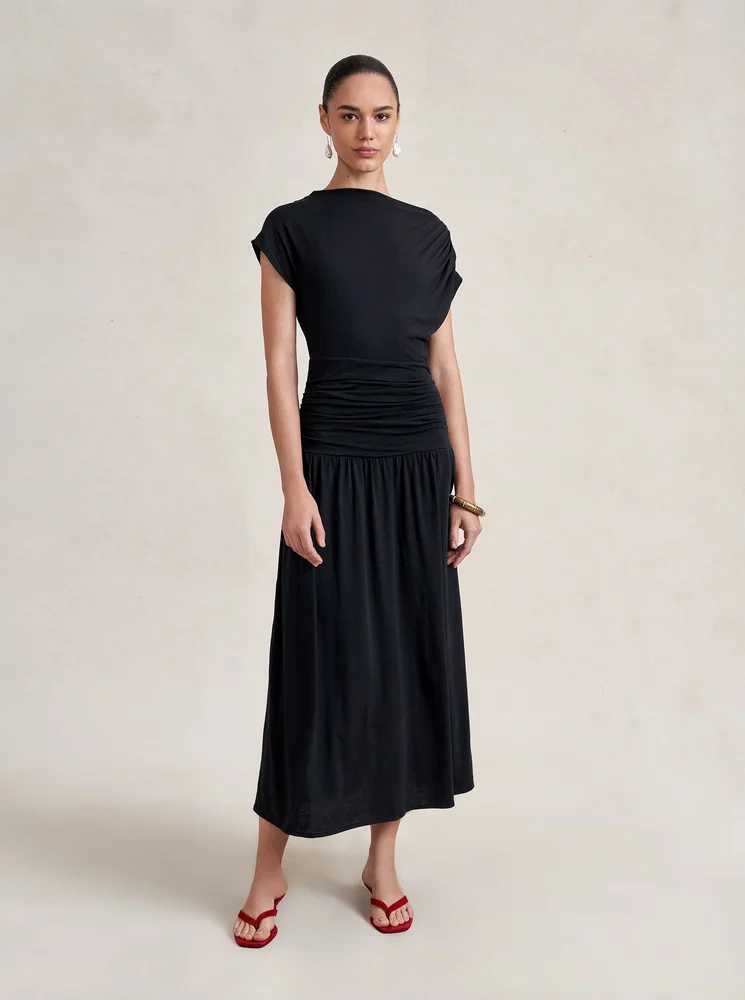
Milla Dress
La Ligne
$295
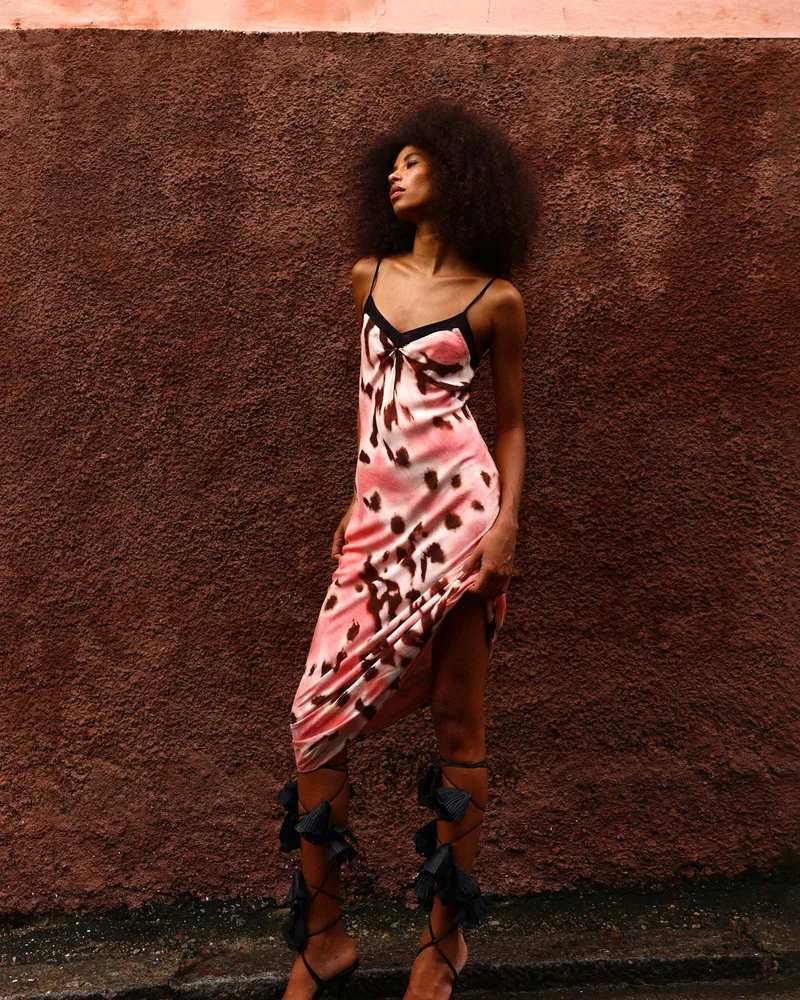
Mara Dress
Rat & Boa
$245
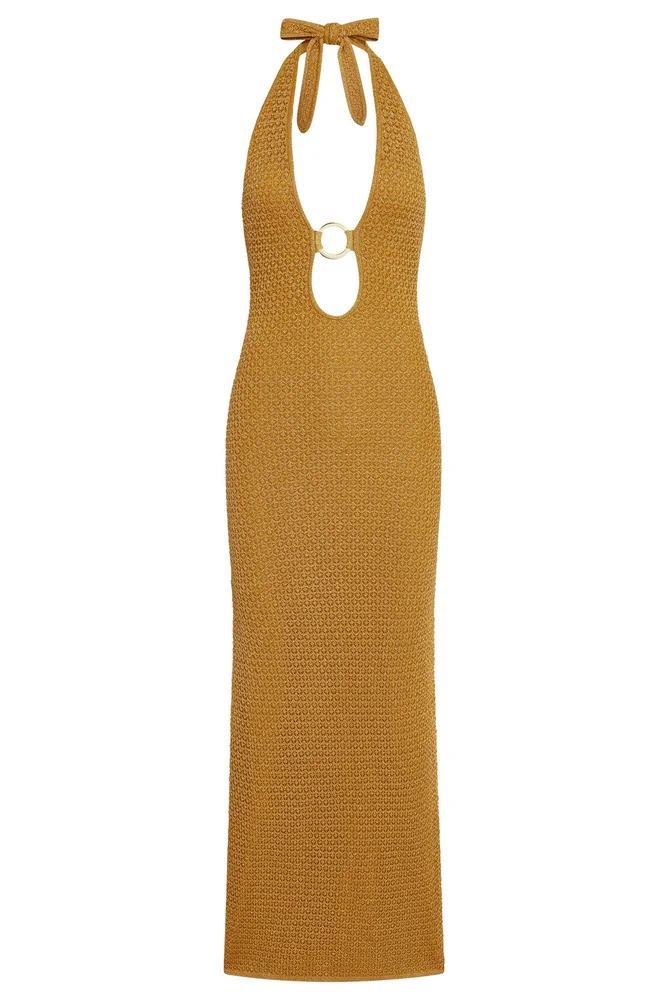
Montego Halter Dress - Antique Gold Lurex Lace Crochet
Monday Swimwear
$228
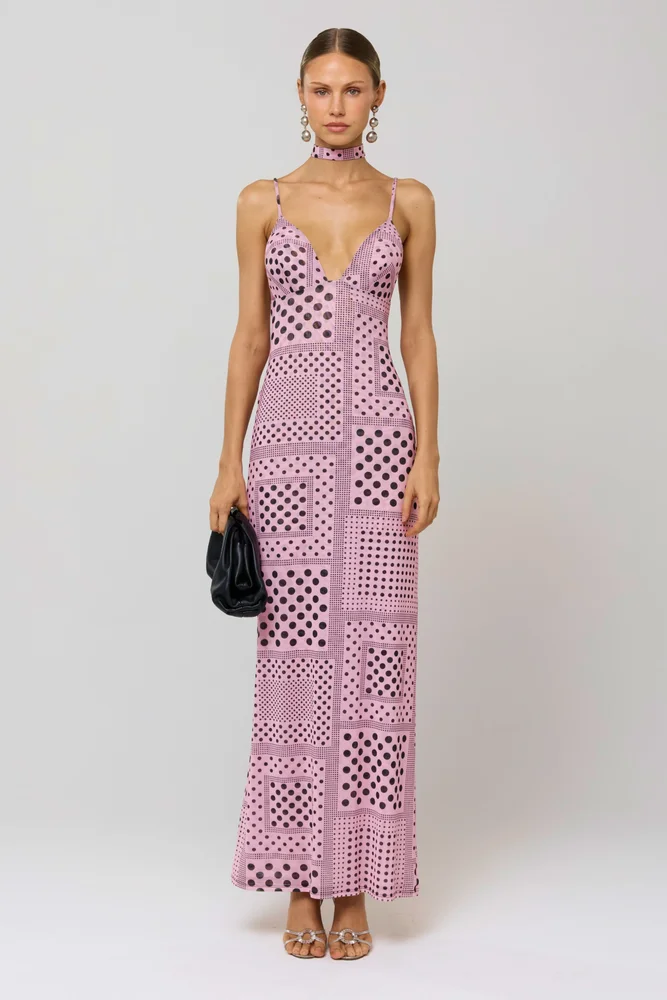
Madeline Dress in Lauper
RESA
$179
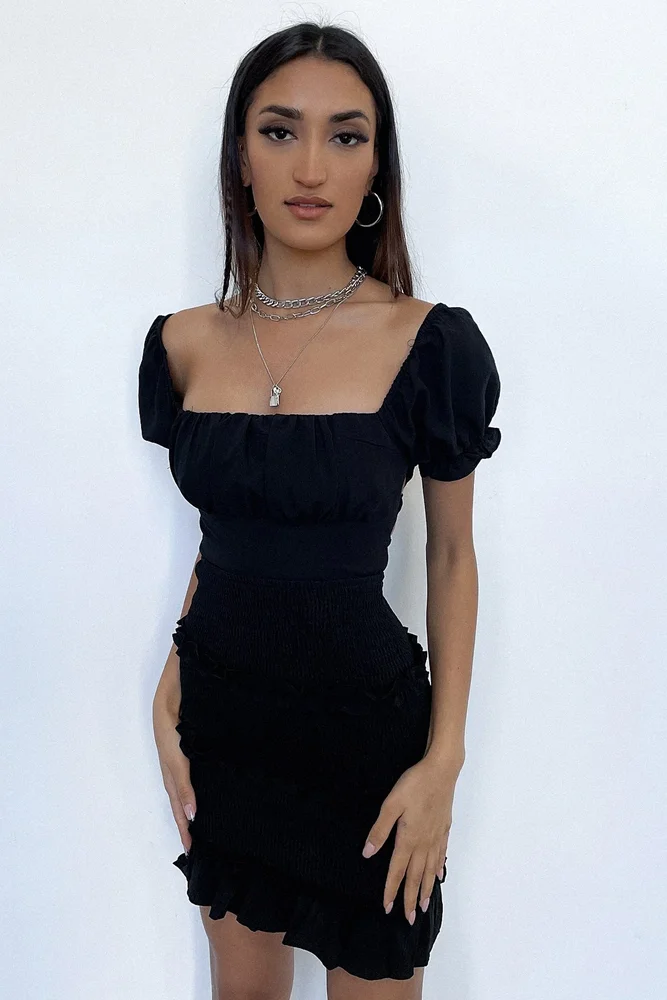
Wonder Dress - Black
THATS SO FETCH
$48.99
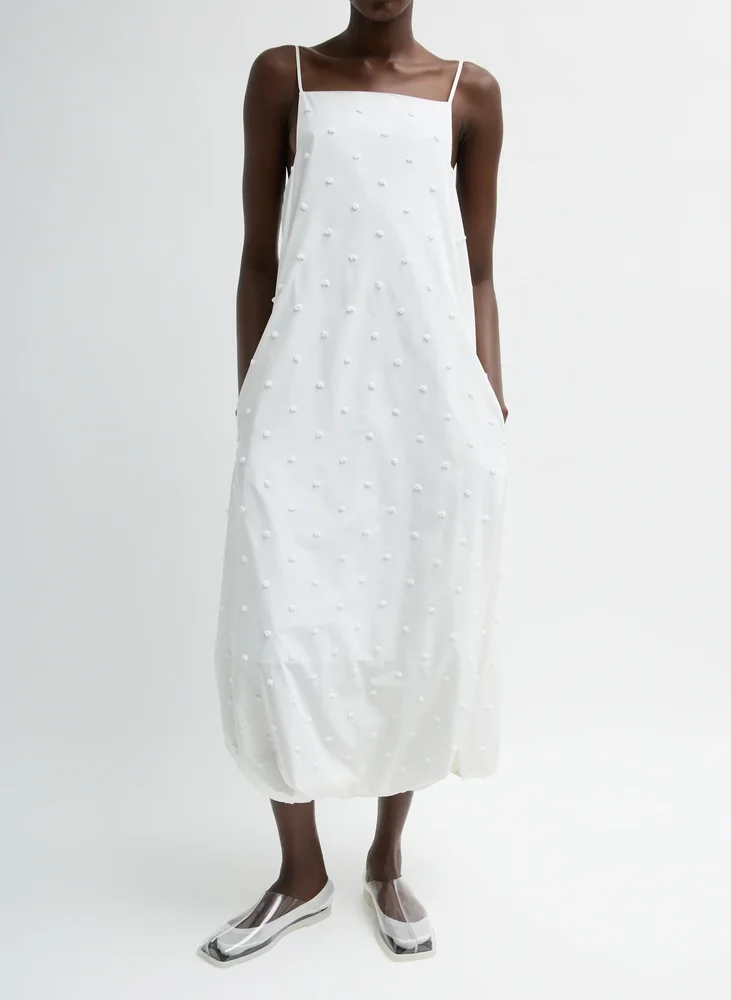
Tech Swiss Dot Square Neck Cami Dress
Tibi
$284
Washed leather, changed by hand
Preston's signature was not a single silhouette but a way of making leather behave differently. He developed washed leather at the Normandy château he and Brenda bought in 1980, then experimented with painting, waxing, brocading, fur trim, and rough edges to increase the material's suppleness. He was self-taught and kept making his own patterns, so the experiment was part of the construction, not just a finish. I like that distinction: color and texture were not decoration pasted on at the end; they were part of how he rethought a stiff material as something that could move. That approach is the part I would keep in mind when reading the label: the surface matters because it changes feel and movement, not just color.
Evening Looks
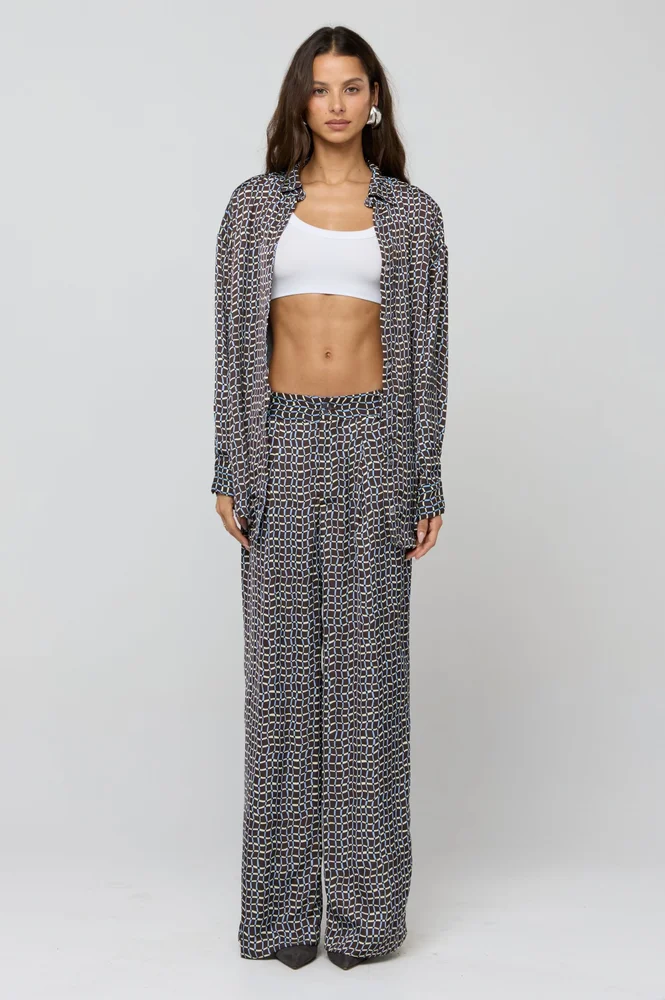
Monica Blouse in Tide
RESA
$98
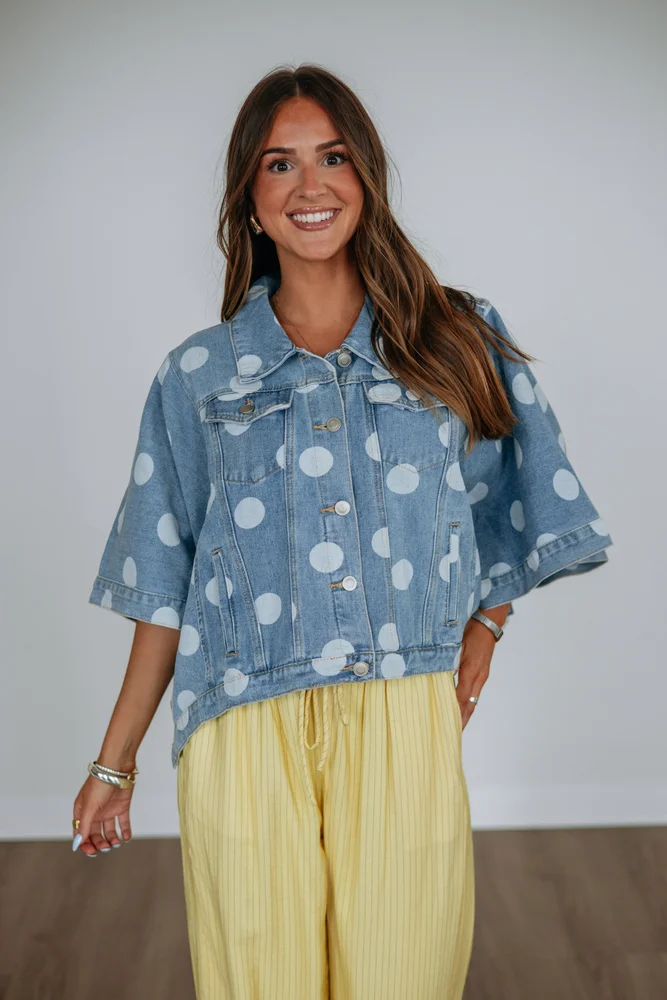
Pattie Denim Jacket
wildoakboutique.com
$62
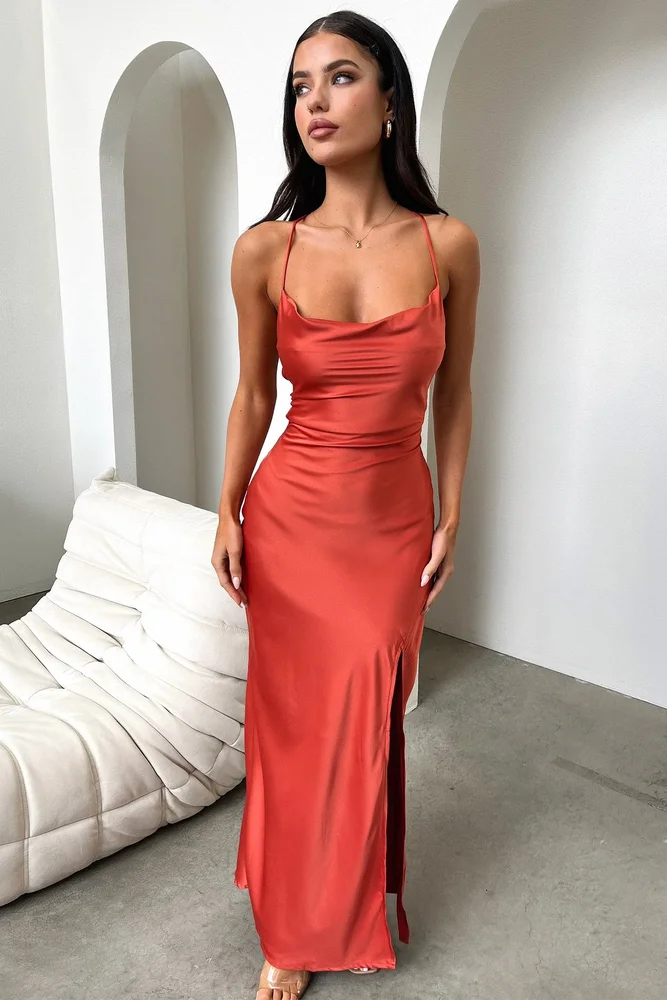
Olivia Maxi Dress - Rust
thatssofetch.com
$99.99

Cindi Knit Top
wildoakboutique.com
$54
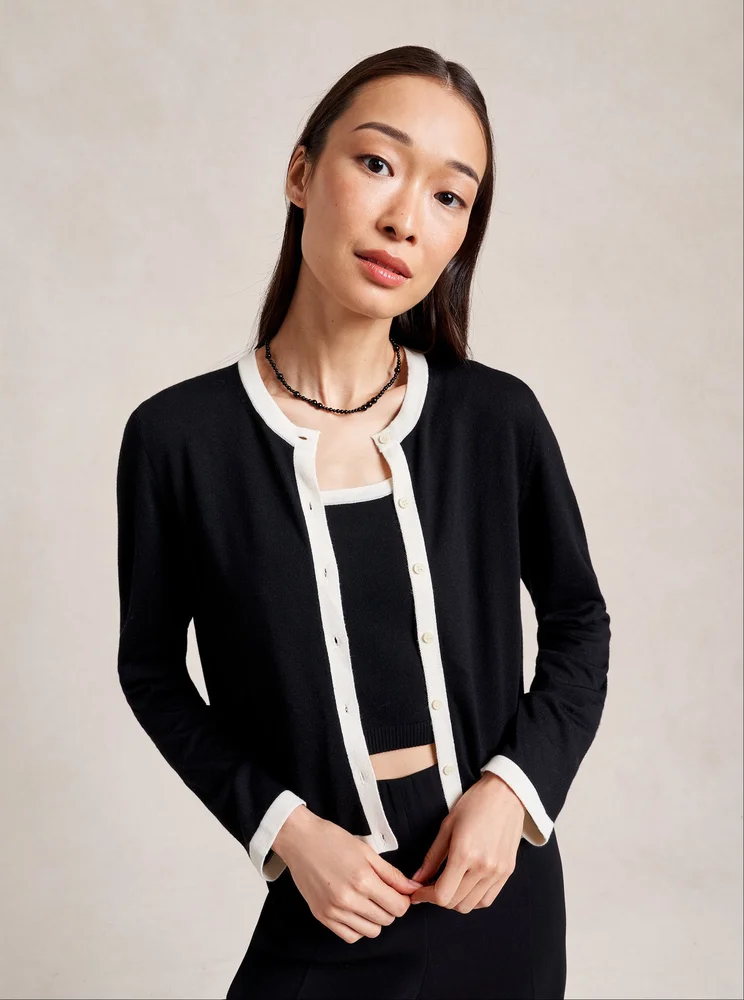
La Ligne x Dianna Agron Dianna Cardigan
lalignenyc.com
$350
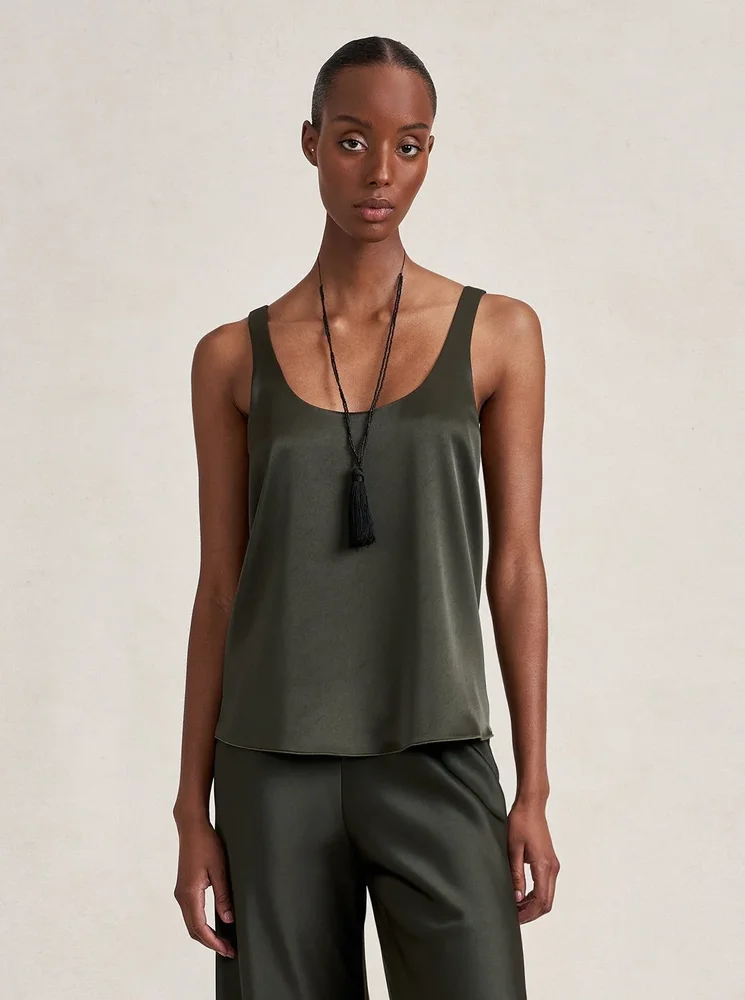
Mabel Tank
lalignenyc.com
$250
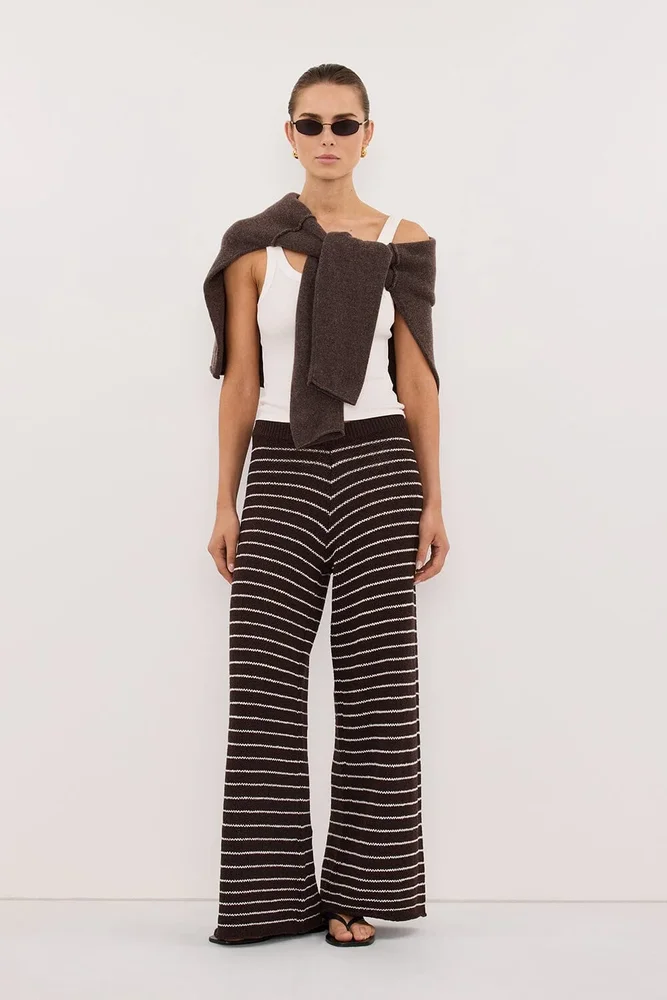
ASPEN CHOC STRIPE KNIT PANT
dissh.com.au
$72.73
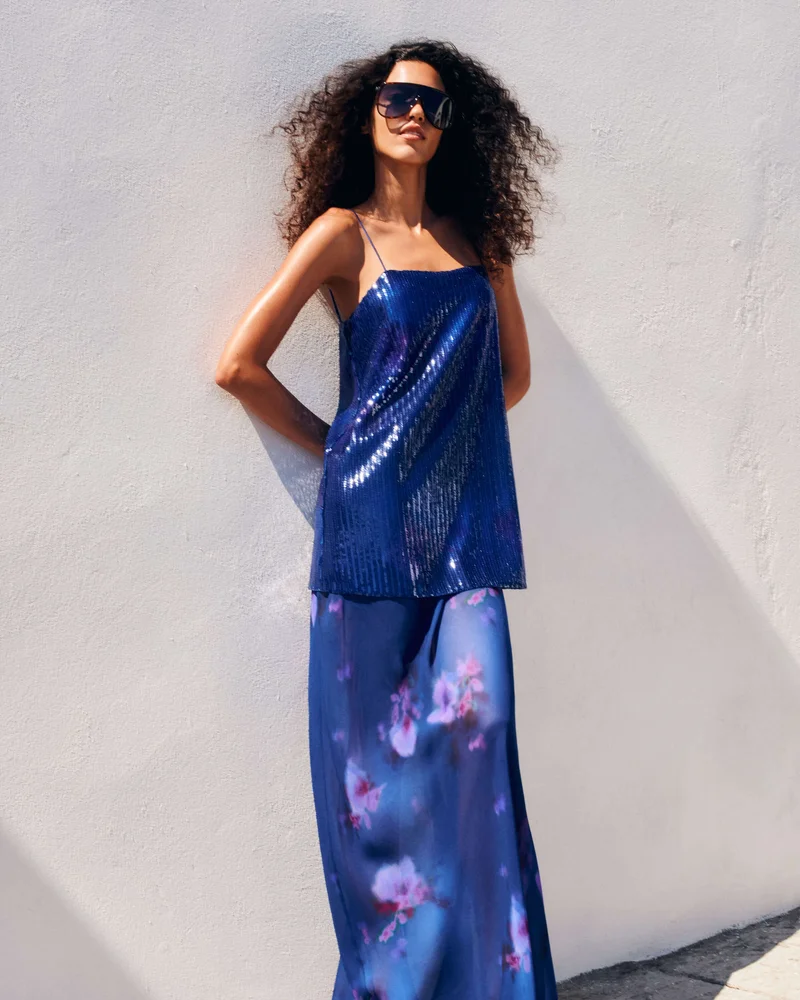
Violetta Dress
ratandboa.com
$275
A soft line, not a hard shell
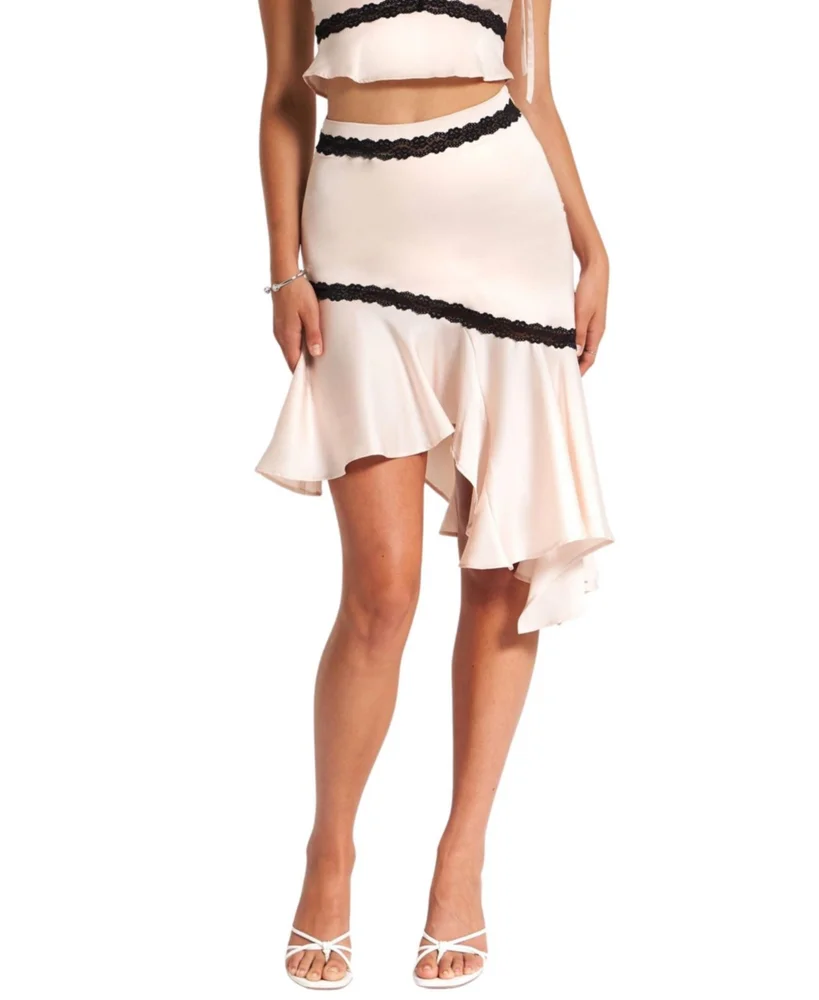
Preston's leather followed the body's movement, more like silk than the tough biker image. That tension is what I find compelling: precision without stiffness, ornament without a costume effect. His work ranged through sheepskin, suede, and leather, with color and surface treatments that could be painterly or deliberately rough at the edge. When I think about the clothes, I picture the line first, then the finish: softness can make a structured shape feel personal rather than armored. A seam or hem cannot stand in for the whole design language. I would look for how the material bends, how the edge is handled, and whether the surface feels considered rather than merely decorative.
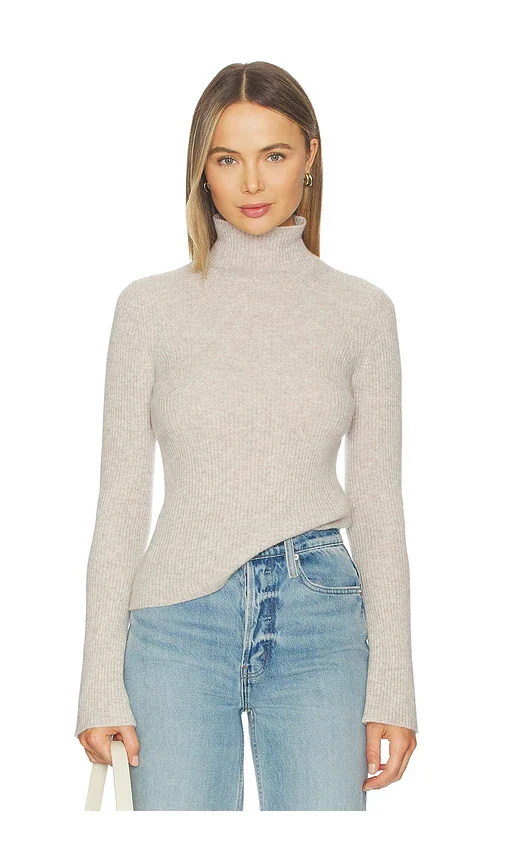
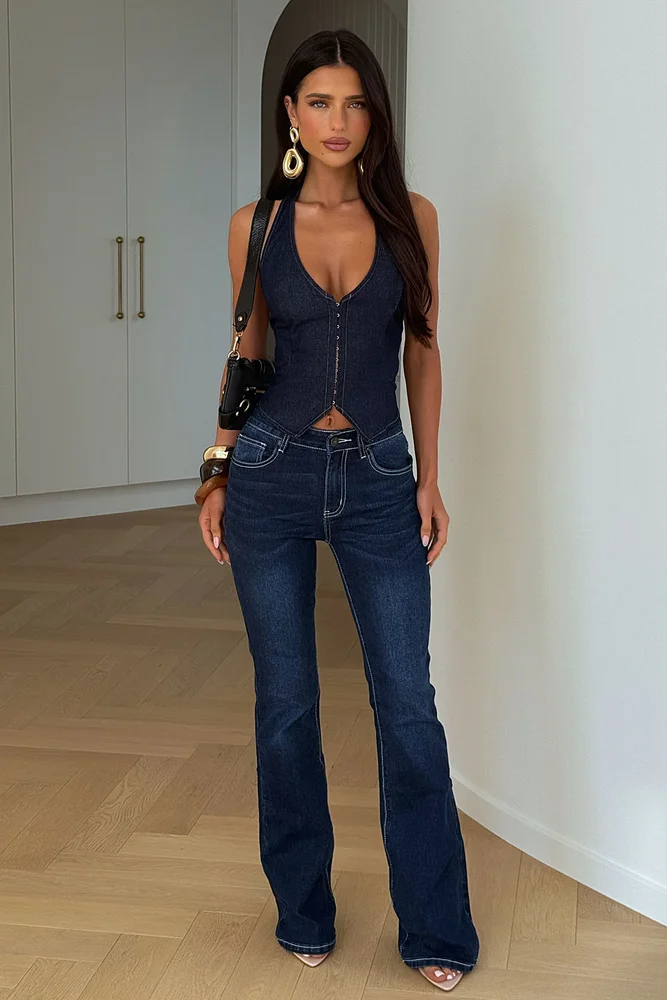
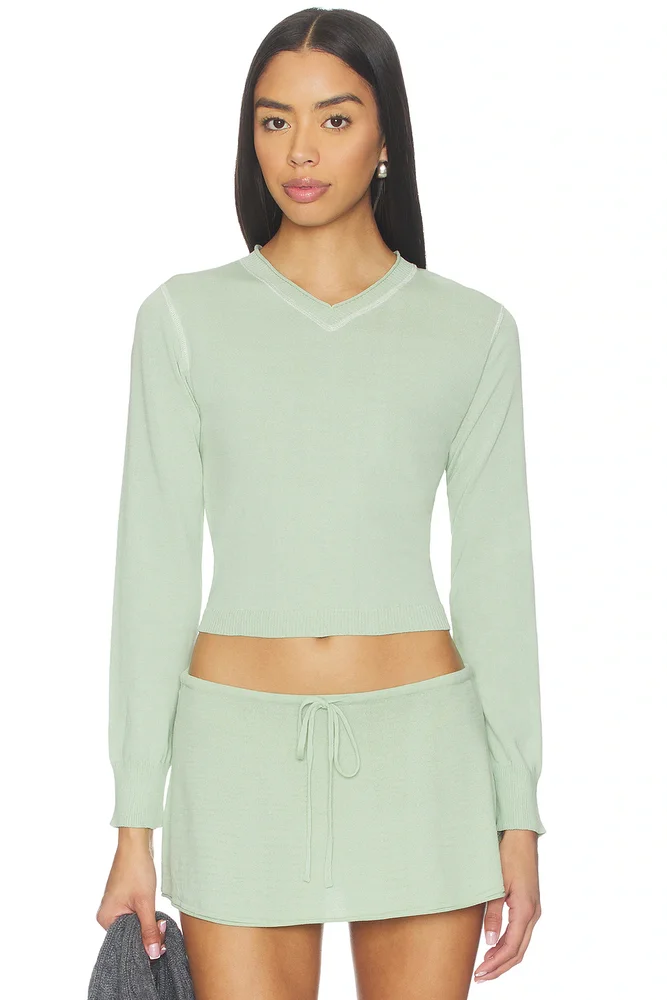
Questions about Nigel Preston
Who was Nigel Preston?
Nigel Preston was a British fashion designer who opened the Maxfield Parrish shop just off London's King's Road in the mid-1970s. The Nigel Preston label continued under Brenda Knight after his death.
What did Nigel Preston make his name for?
His work centered on leather, suede, and sheepskin, with washed leather and painterly treatments that made the material feel softer and more expressive.
What made Nigel Preston's approach distinctive?
He taught himself patternmaking by taking shirts apart, then kept experimenting with how leather could be washed, painted, waxed, or brocaded. I find that interest in material as well as silhouette the most distinctive part of his work.
Why the label still matters
I would skip treating Nigel Preston as shorthand for any contemporary dress with a soft waist or a textured hem. The story is more particular: a self-taught pattern maker, an experimental approach to leather, and Brenda Knight's continuing stewardship. Preston made clothes for performers and built a distinct look around materials he pushed to behave in new ways. I would start with that history before judging any piece by name alone. It will make sense to someone drawn to tactile craft, subtle movement, and color used with intent; it will feel less relevant if the only thing you want is a trend-led silhouette or a familiar logo.