Formaldehyde free nail polish starts with the ingredient list. Learn which related names matter and compare formulas with stated exclusions.
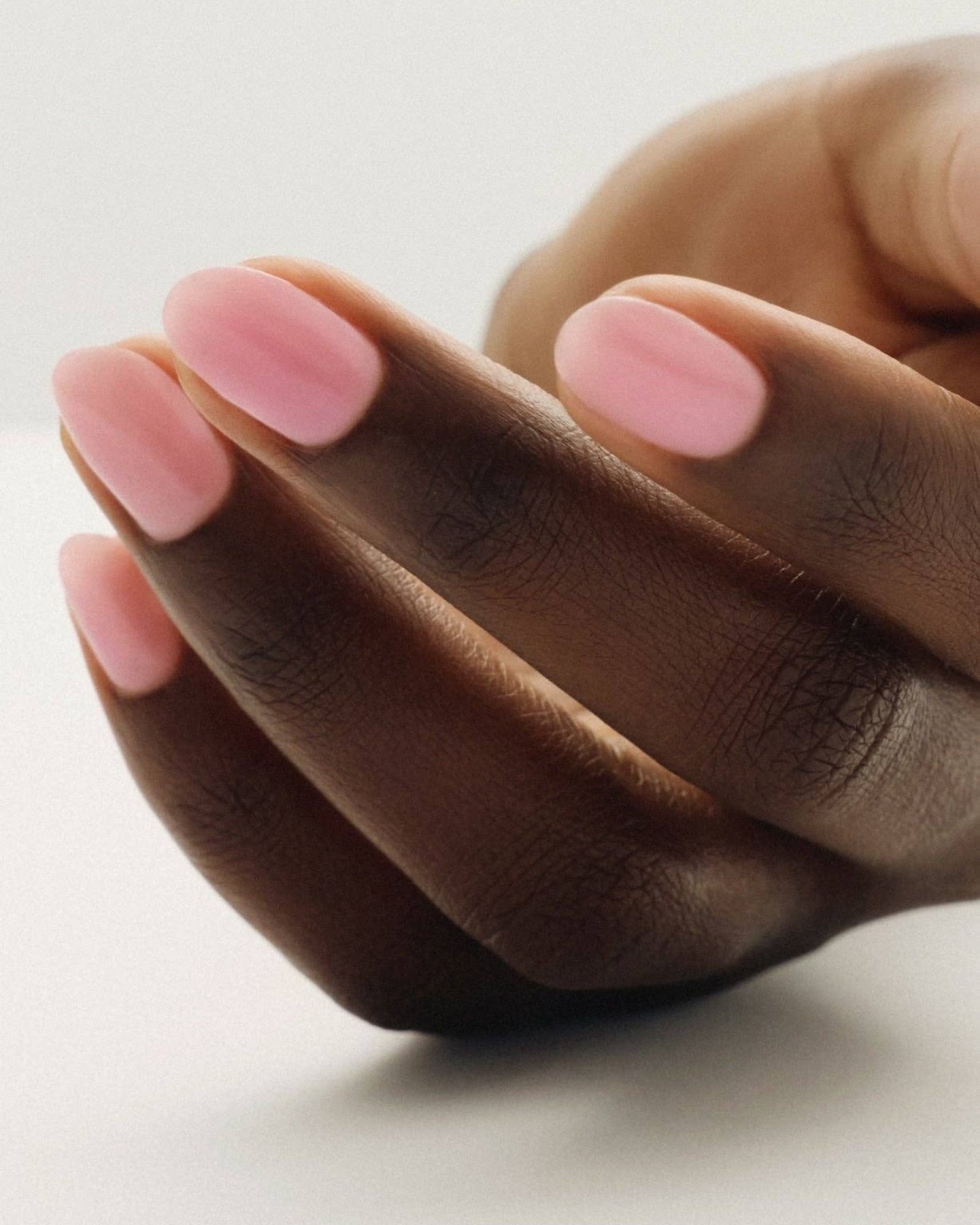
Formaldehyde Free Nail Polish: How to Read the Label
Start With the Ingredient List
Formaldehyde free nail polish means the formula excludes formaldehyde, but I would verify the bottle's ingredient statement and the brand's named exclusions before buying. The FDA says formaldehyde may be listed as formalin or methylene glycol, and people who wish to avoid related ingredients should also look for toluene sulfonamide/formaldehyde resin. That label check matters more than the number in a "10-free" or "21-free" claim.
Retail nail cosmetics must list ingredients in descending order of predominance, but most cosmetic products and ingredients do not need FDA approval before reaching the market. I read a free-from list as a brand's statement about what it left out, not as a safety ranking or a promise about every formula in the line.
My practical pass is simple: read the list for the exact shade, check the brand's exclusion list for formaldehyde and formaldehyde resin, and repeat that check if the product changes. Toluene-free is a separate claim; one does not imply the other. For a known allergy or a past reaction, follow product warnings and contact a healthcare professional rather than treating a marketing label as medical advice.
Polishes With Named Exclusions
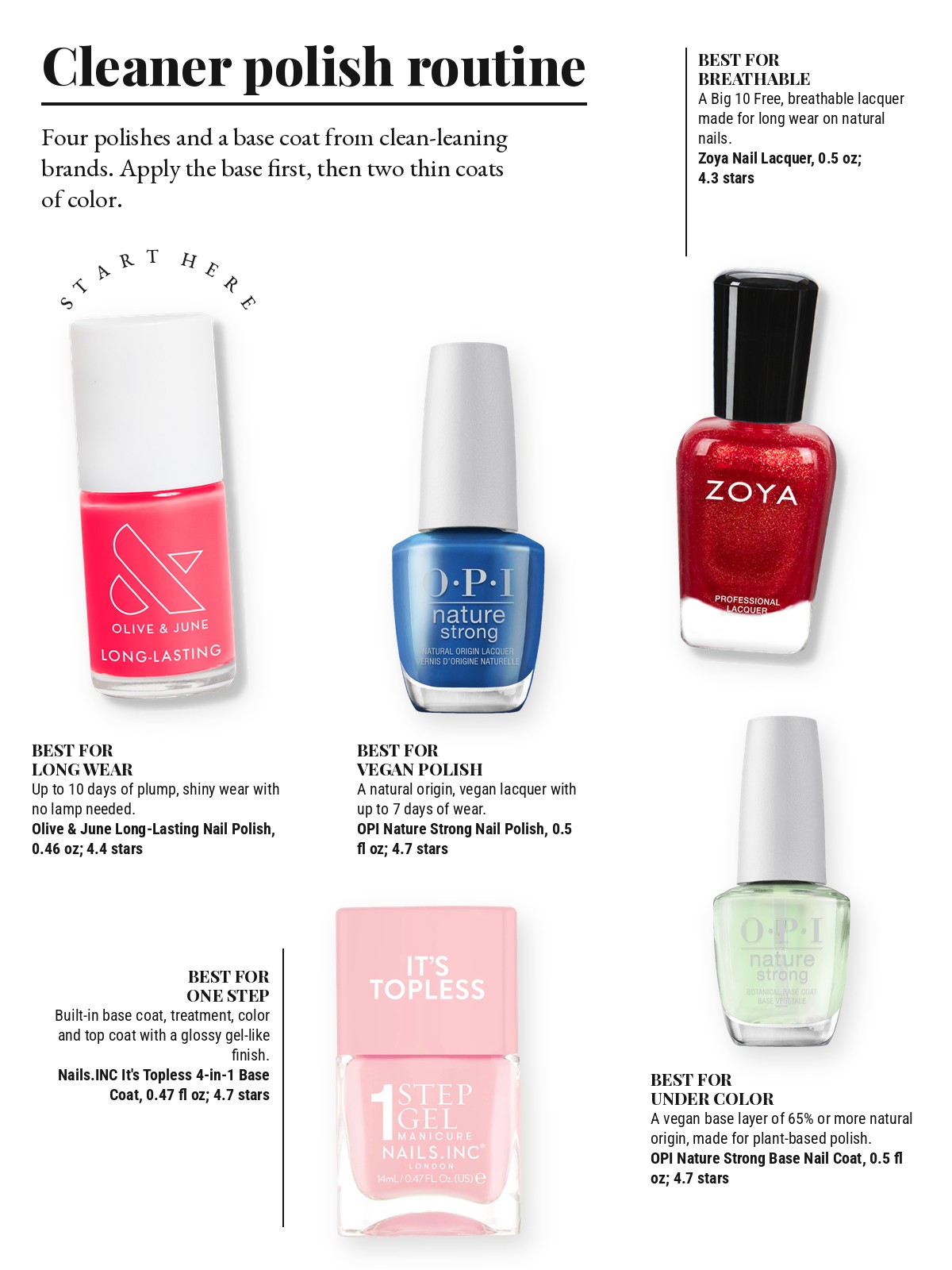
Each polish with a named exclusion has a different reason to stay in consideration. Manucurist Active Glow Raspberry Nourishing Treatment Nail Polish is translucent peachy-pink, with a mirror-shine finish, raspberry extract and sweet almond oil; the brand lists it as 85.5% plant-based, and its posted ingredient statement does not list formaldehyde or formaldehyde resin. Olive & June Long-Lasting Nail Polish publishes a 15-free list that explicitly names both formaldehyde and formaldehyde resin. Londontown Lakur Enhanced Colour Nail Polish has a 21+ free claim that names those two, alongside a botanical blend including garlic and evening primrose oil. Tenoverten Nail Polish uses an eight-free list that also names formaldehyde and formaldehyde resin.
I would compare named exclusions, not rank these by the size of their numbers; a higher count tells me only that more items are on that brand's list. If you want the broader brand-by-brand color conversation, Nail Polish Brands: One Bottle From Each of Twelve takes the bottle lineup as its subject. I would still check the specific shade's ingredient statement before treating any claim as current.
Free-from polishes and a base coat
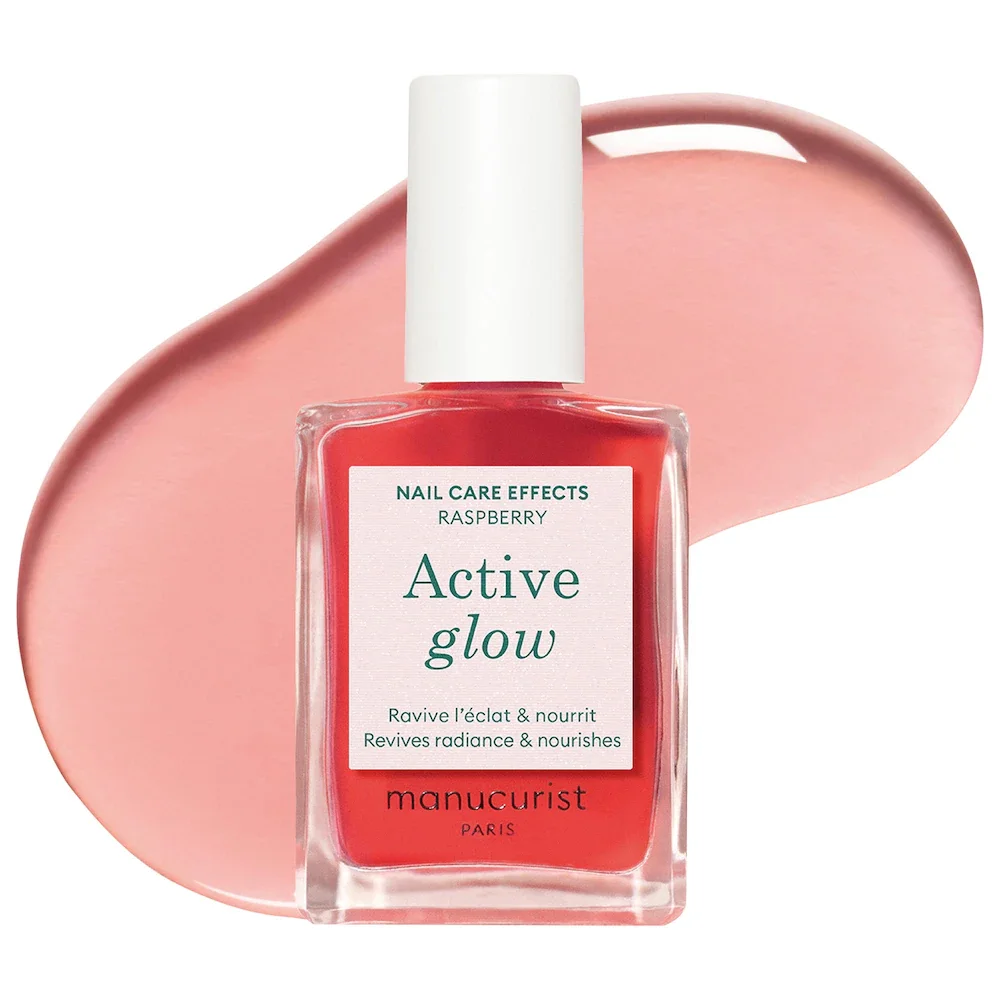
Active Glow Raspberry Nourishing Treatment Nail Polish
Manucurist
$19
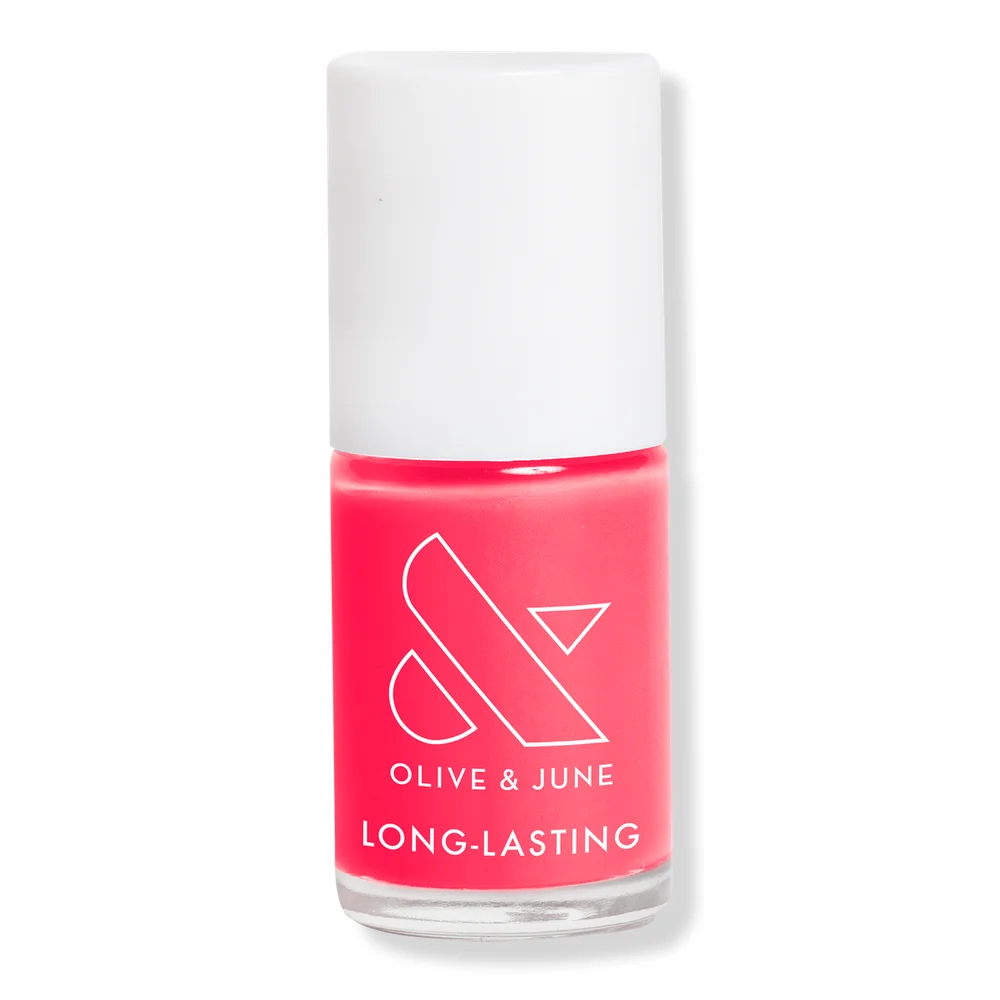
Long-Lasting Nail Polish
Olive & June
$9.99
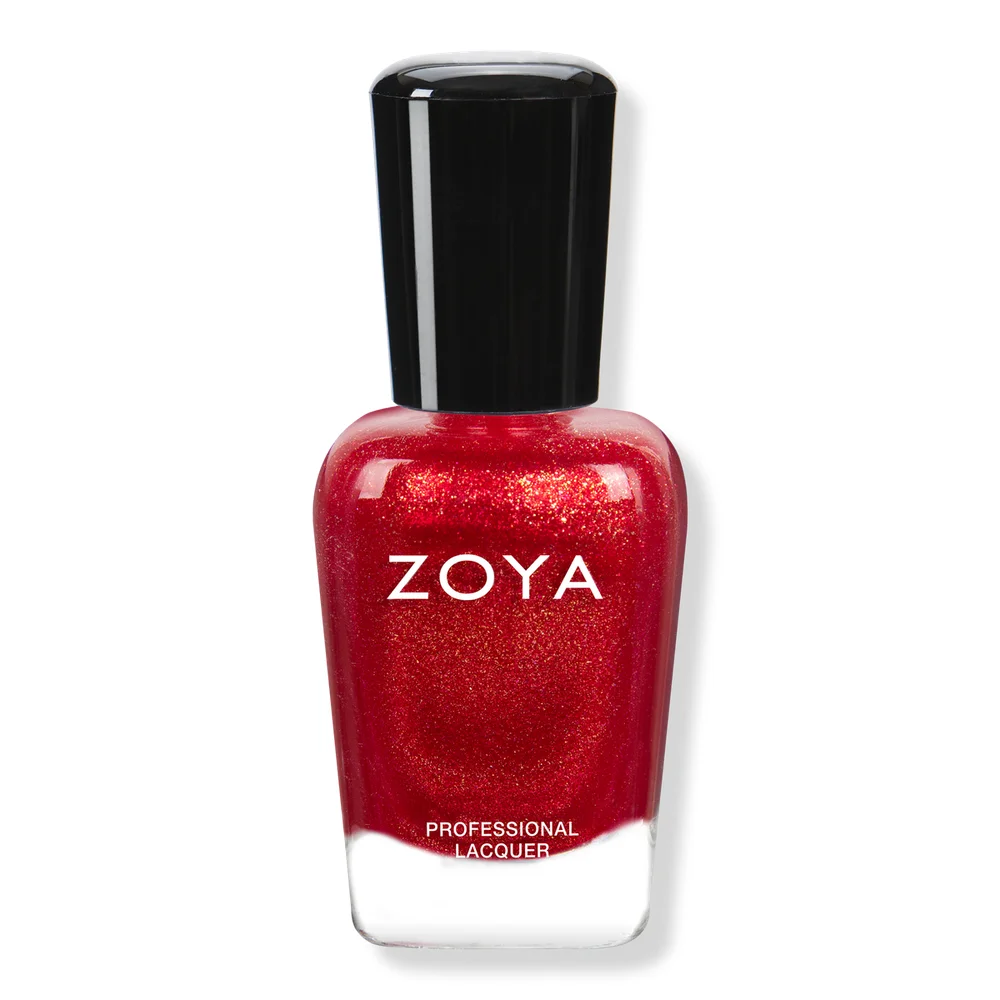
Nail Lacquer
Zoya
$12
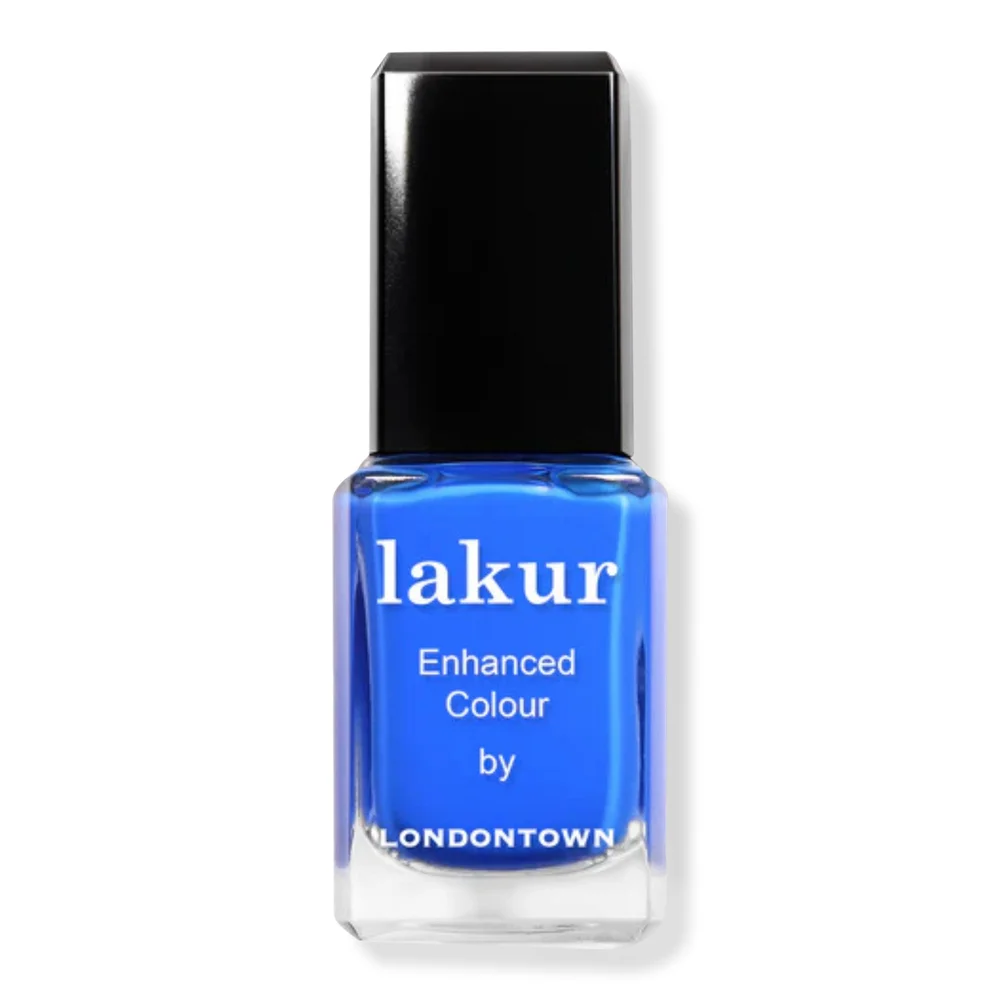
Lakur Enhanced Colour Nail Polish
Londontown
$16
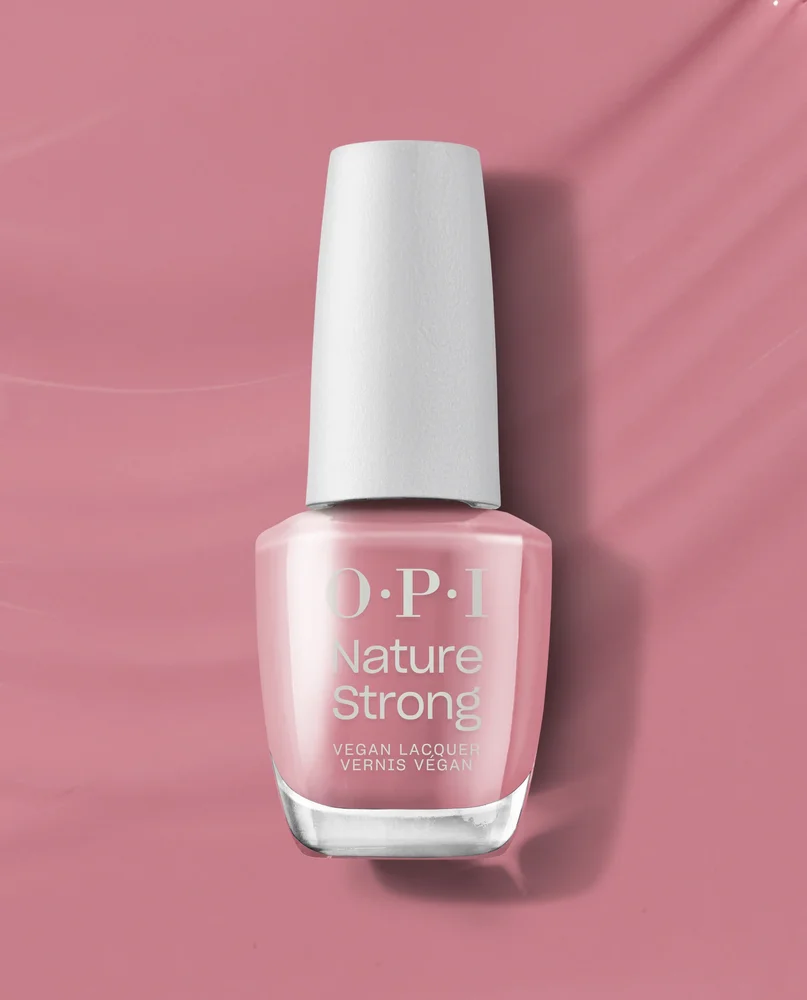
Nature Strong Vegan Nail Lacquer in For What It's Earth
OPI
$12.99
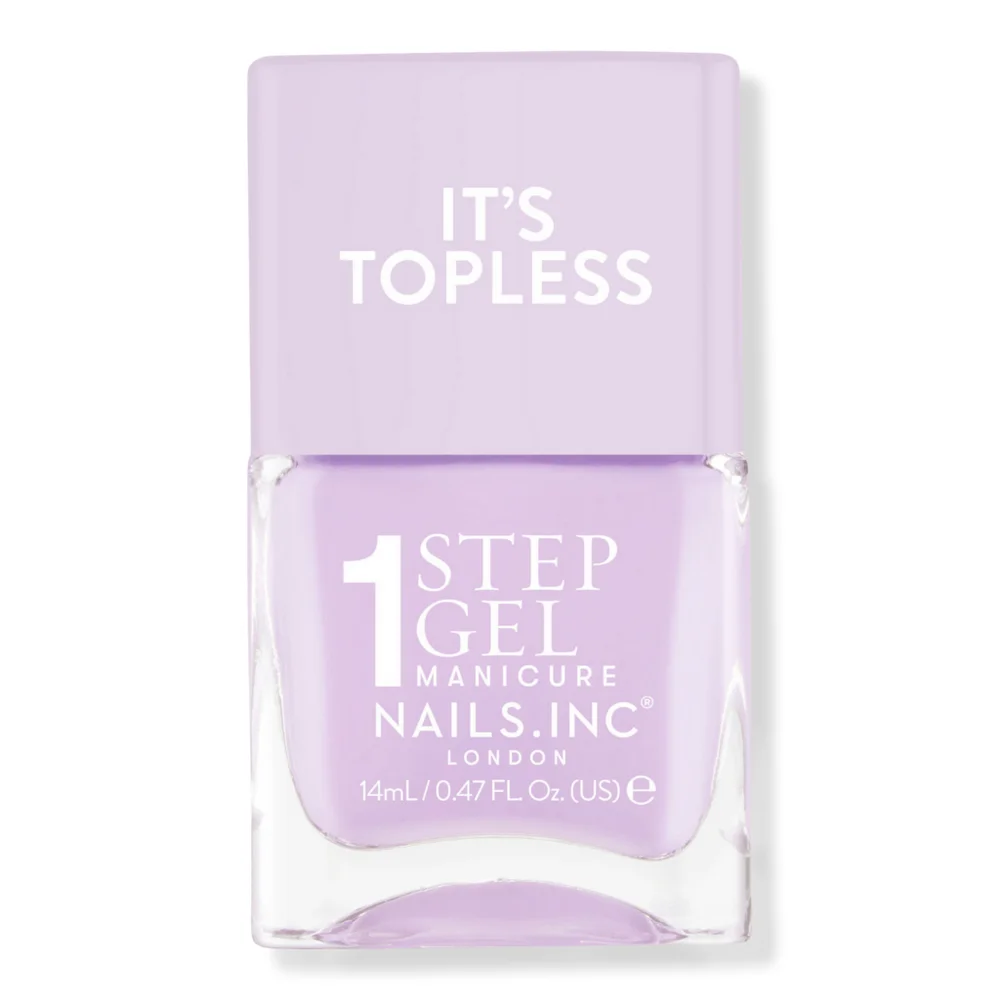
It's Topless 1 Step Gel-Like Manicure Nail Polish
Nails Inc.
$9.99
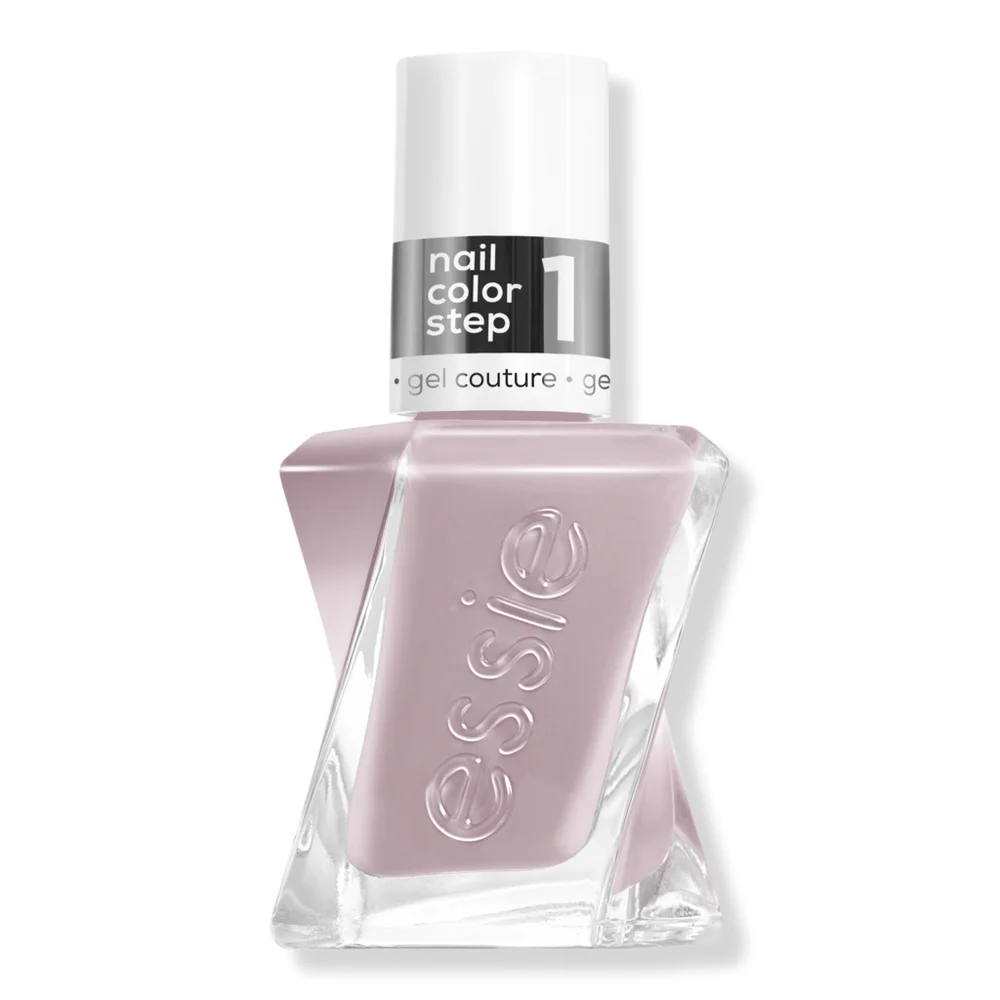
Gel Couture Longwear Nail Polish
Essie
$13
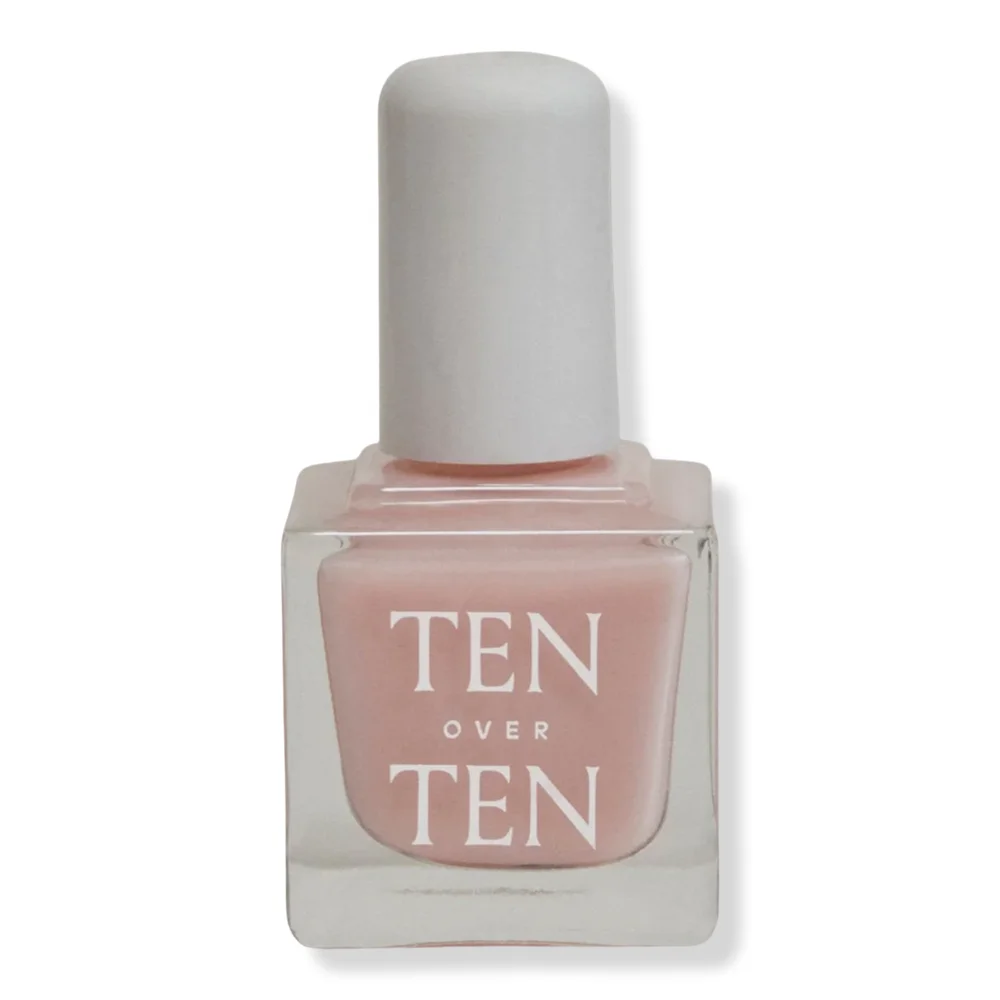
Nail Polish
Tenoverten
$18
Care, Removal and the Final Coat
Coats, removal and cuticle care have different jobs. Olive & June Cuticle Serum combines avocado, apricot, argan and jojoba oils; I turn the pen two or three clicks, then run the foam tip around the cuticle. Olive & June Acetone Free Nail Polish Remover Pot uses methyl acetate and isopropyl myristate in a sponge-centered pot, but the brand says it is for regular polish, not gel or builder gel. Londontown Conditioning Lacquer Remover Wipes are individually wrapped, acetone-free pads with aloe vera juice and vitamin E; the directions say to hold one against each nail for five seconds before wiping. Olive & June Long Lasting Top Coat is the shine step, with thin reapplication every two or three days recommended by the brand. None of that changes how I judge the color coat: I read its own ingredient list before choosing it.
Base coats, top coats, removers, cuticle serum
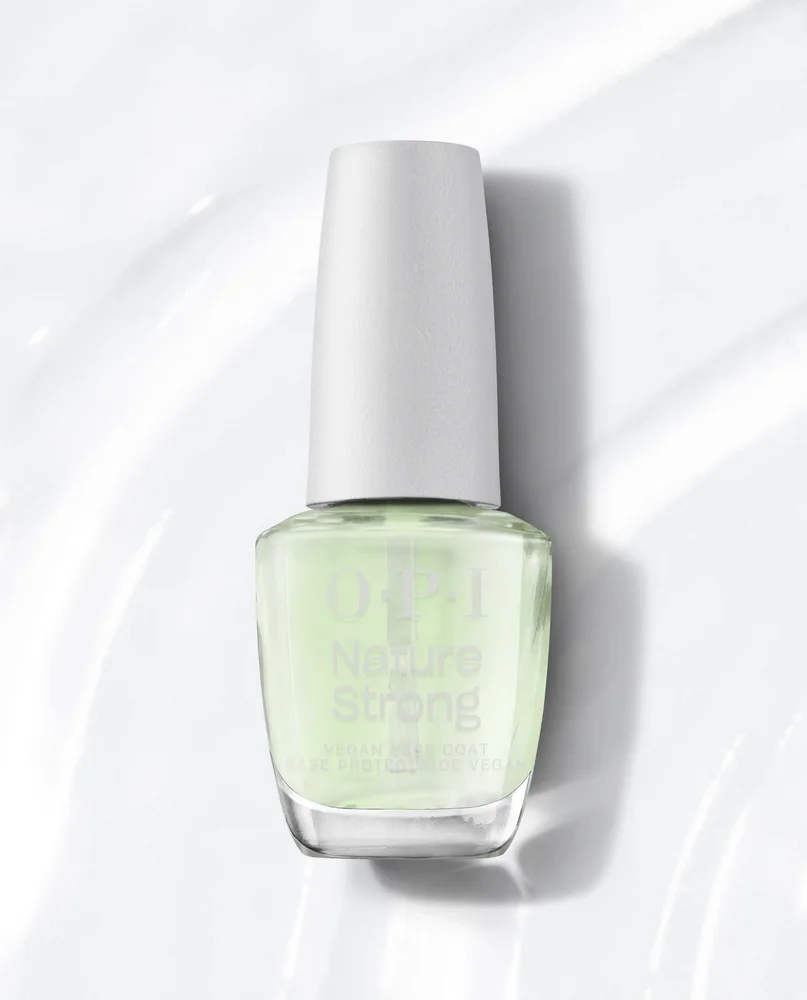
Nature Strong Vegan Base Coat
OPI
$11.50
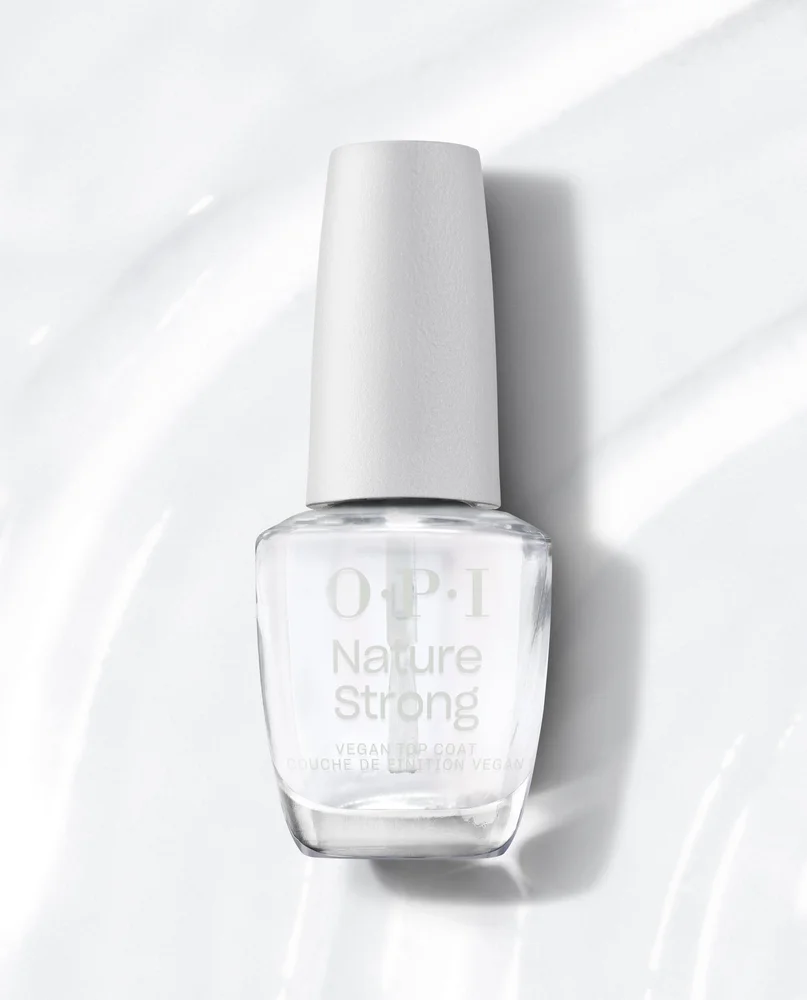
Nature Strong Vegan Top Coat
OPI
$11.50
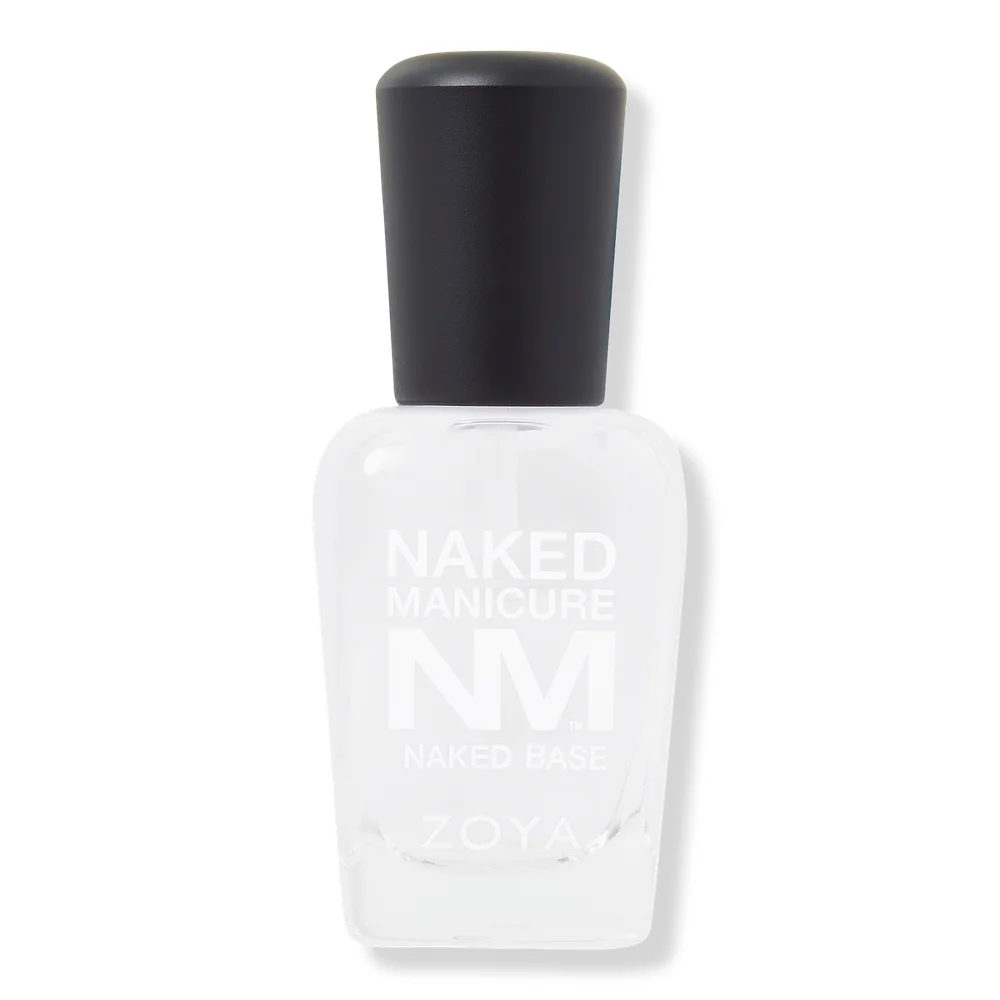
Naked Manicure Naked Base Coat
Zoya
$14
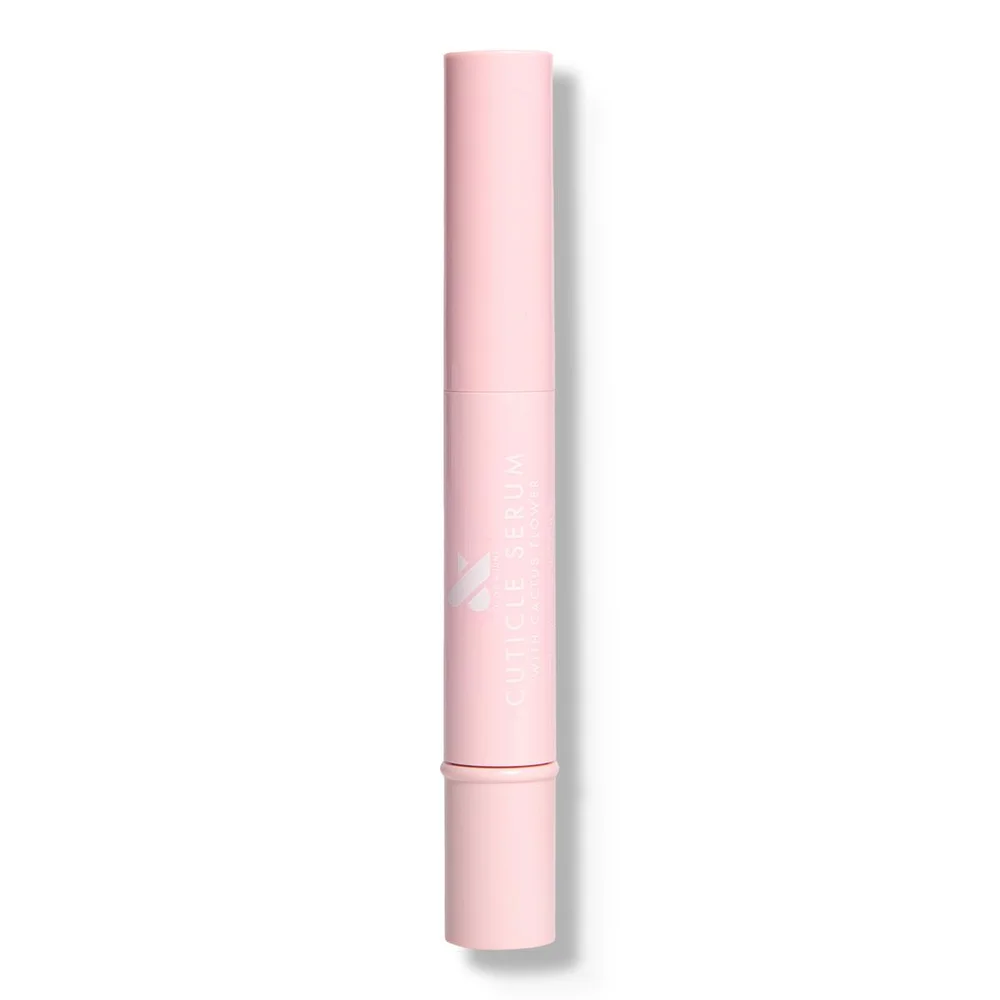
Cuticle Serum
Olive & June
$15.99
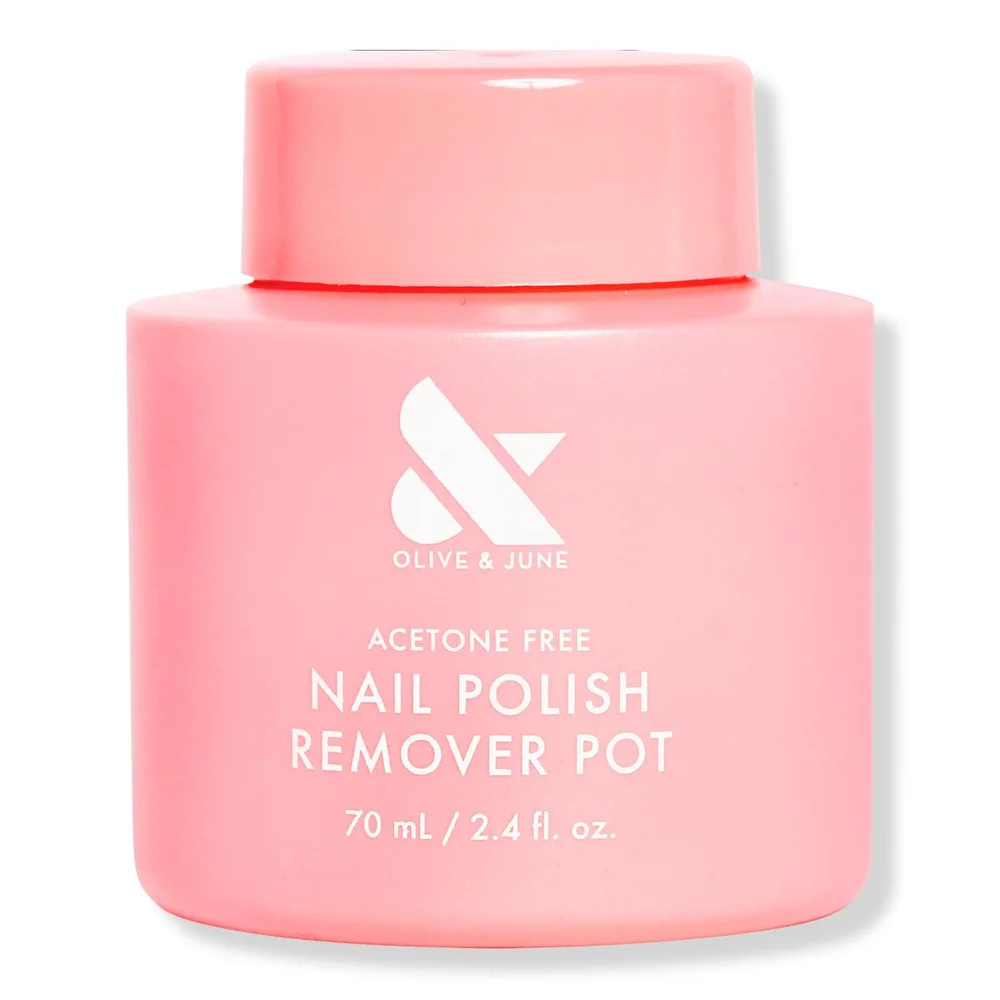
Acetone Free Nail Polish Remover Pot
Olive & June
$9.99
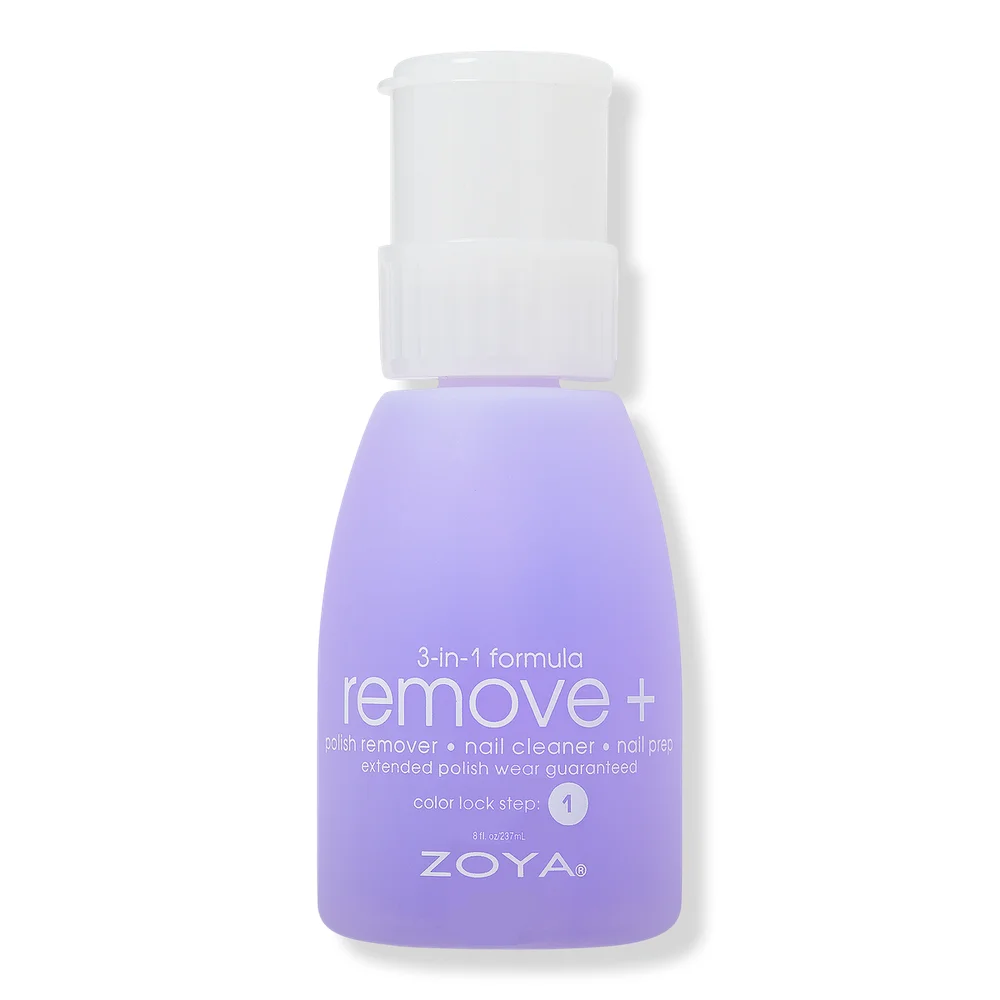
Remove+ Nail Polish Remover
Zoya
$12
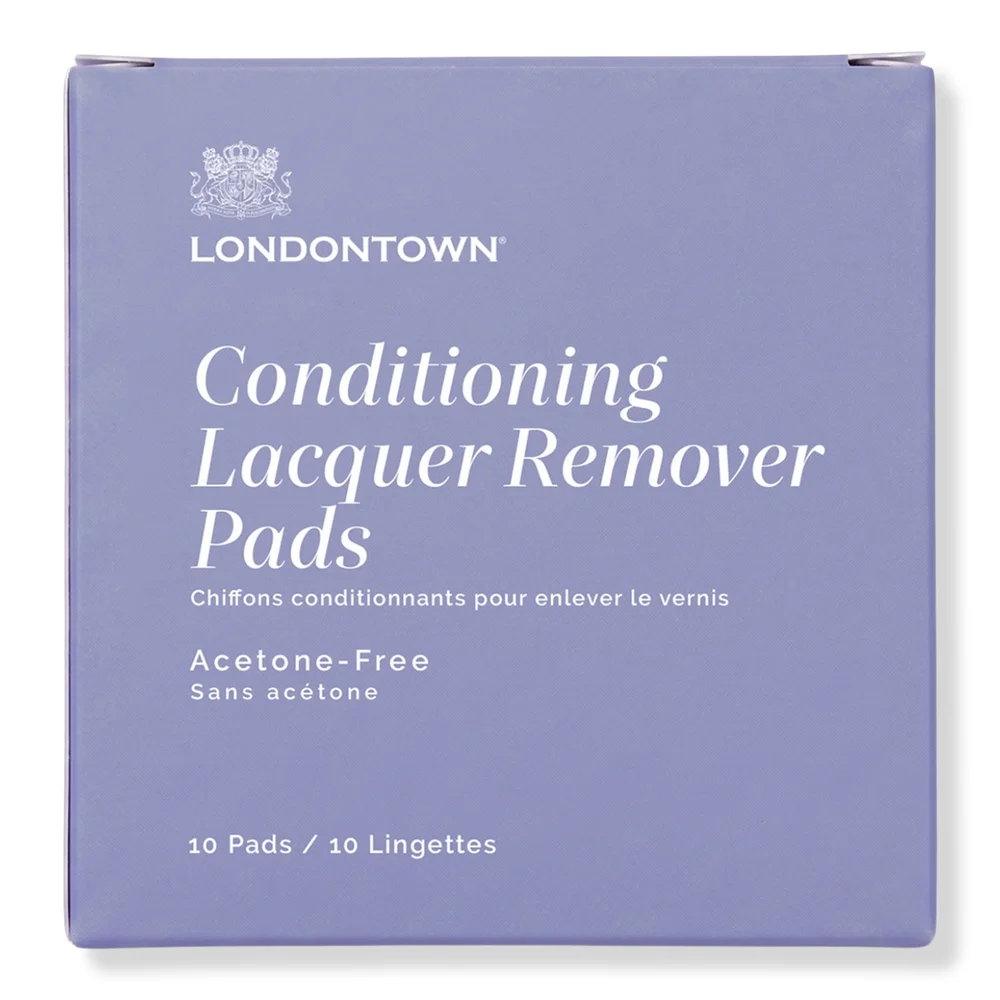
Conditioning Lacquer Remover Wipes
Londontown
$16
Long Lasting Top Coat
Olive & June
$9.99
A Few Nail Polish Label Questions
Is "toxin-free nail polish" more informative than formaldehyde-free?
Not on its own. Look for the substances the brand says it excludes, then check the ingredient statement for the shade you plan to use.
Does toluene-free nail polish also exclude formaldehyde?
No. Toluene and formaldehyde are separate ingredients, so check for both rather than assuming one claim covers the other.
What names should I look for on a formaldehyde-free nail polish label?
The FDA says formaldehyde may be listed as formalin or methylene glycol; it also advises people who want to avoid related ingredients to check for toluene sulfonamide/formaldehyde resin.
How I Would Choose
I would start with formulas that state their exclusions by name, then check the shade-specific ingredient declaration. If formaldehyde is the concern, scan for formaldehyde, formalin, methylene glycol and the related toluene sulfonamide/formaldehyde resin; if an allergy is involved, treat the label as a starting point and follow medical advice. I would skip a "free" count without a named list, and I would not treat a longer list as proof that one polish is safer for everyone. For a sheer glow, the Manucurist formula is the one I would reach for; for a more classic bottle, the explicitly listed exclusions from Olive & June, Londontown and Tenoverten are easier to compare. If the backstory is part of the appeal, Londontown Nail Polish, a Grandmother's Garden Remedy Turned Nail Line gives the brand history; I would keep the ingredient check specific to the bottle.






