Retinol vs vitamin C depends on your main skin concern. Compare their benefits, gentle starting tips, and how sunscreen fits in.

Retinol vs Vitamin C: Which One Should Your Skin Use?
Retinol vs Vitamin C: Match the Active to the Job
Retinol vs vitamin C comes down to the concern you want to address: retinol is a stronger fit for texture, mild acne, or fine lines, while vitamin C is a sensible first pick for dark spots, dullness, or sun-related uneven tone. There is overlap, since both may help the appearance of pigmentation, but they are not interchangeable.
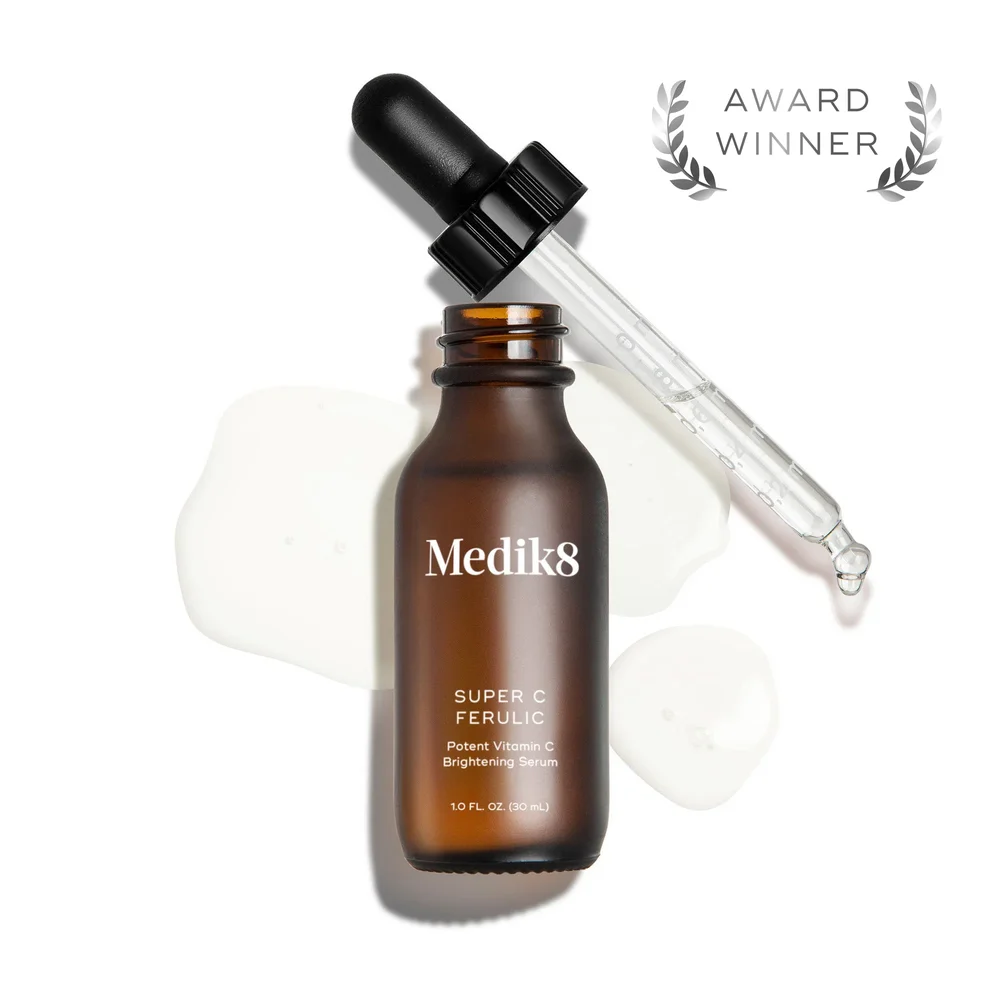
The American Academy of Dermatology places vitamin C after cleansing in the morning and before sunscreen, while retinoids belong before bed. In the vitamin C group, Medik8 Super C Ferulic uses 30% stabilized ethylated L-ascorbic acid, a potent formula its maker does not recommend for sensitive skin. Augustinus Bader The Vitamin C Serum takes a different route with ascorbyl glucoside and ergothioneine. I would not choose by the biggest percentage alone; the formula your skin tolerates consistently matters more.
Start with one active, not two new bottles at once. Vitamin C does not replace sunscreen, and a brightening routine only makes sense if daily sun protection is part of it. If you want another product-focused comparison, La Roche-Posay Vitamin C Serum: The 12% Serum, Other Vitamin C Serums And SPF looks at another serum lineup and its SPF pairing.
Choose Retinol for Texture, Lines, or Mild Acne
Retinol makes more sense when uneven texture, mild acne, or fine lines are the main concern. Monastery Made Rei Gentle Retinol Cream pairs retinol with fungi-derived beta-glucan, which the brand says helps protect the moisture barrier; its instructions say to start one or two nights a week. Kiehl's Retinol Skin-Renewing Daily Micro-Dose Serum combines pure retinol with ceramides and peptides, while Dr. Dennis Gross Advanced Retinol + Ferulic Texture Renewal Serum combines two retinol forms with bakuchiol, rambutan, and ferulic acid.
Those are different formulas, not a reason to start all three. The AAD recommends beginning with the least-intense retinoid you can find and using it every other night, then building gradually; irritation is a cue to slow down, not push through. Retinoids should not be used during pregnancy. If comparing strengths is what is holding you back, Should You Start With 0.2 or 0.5 Retinol? The Ordinary for Beginners focuses on that beginner decision.
Retinol and overnight treatments
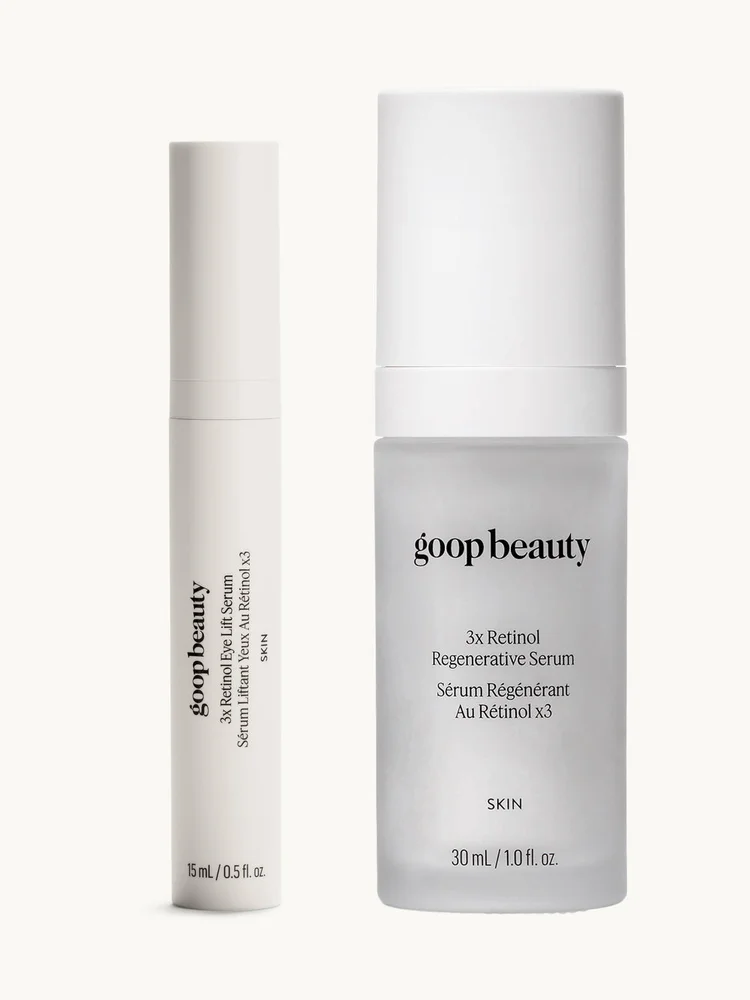
The 3x Retinol Face and Eye Kit
goop
$190.40
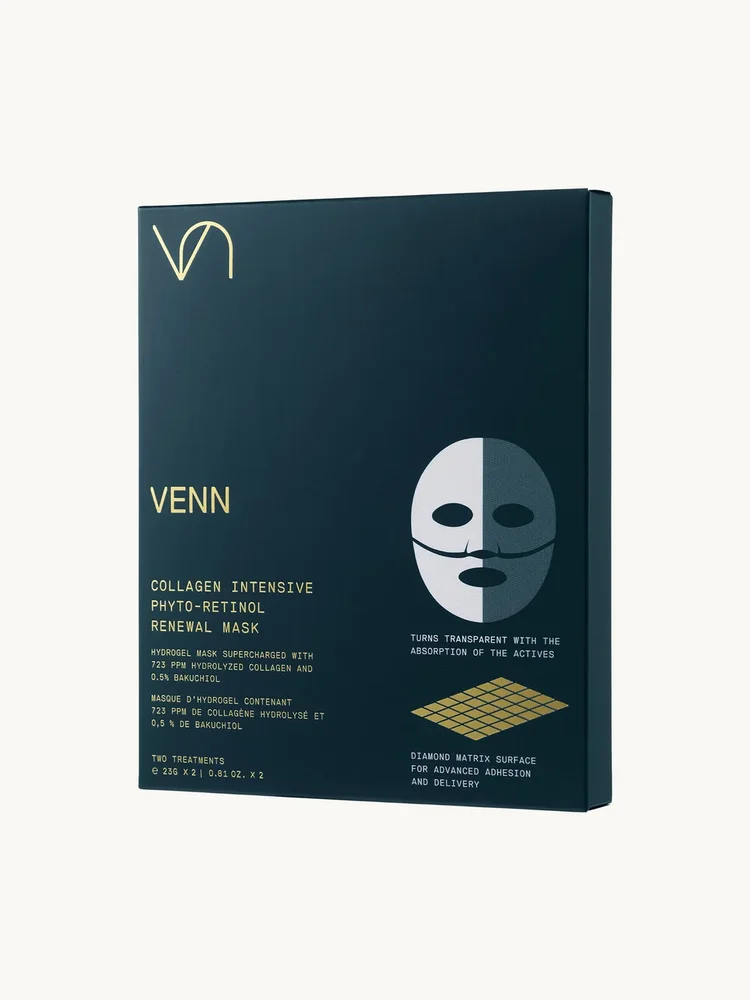
Collagen Intensive Phyto-Retinol Renewal Sheet Mask
venn
$50
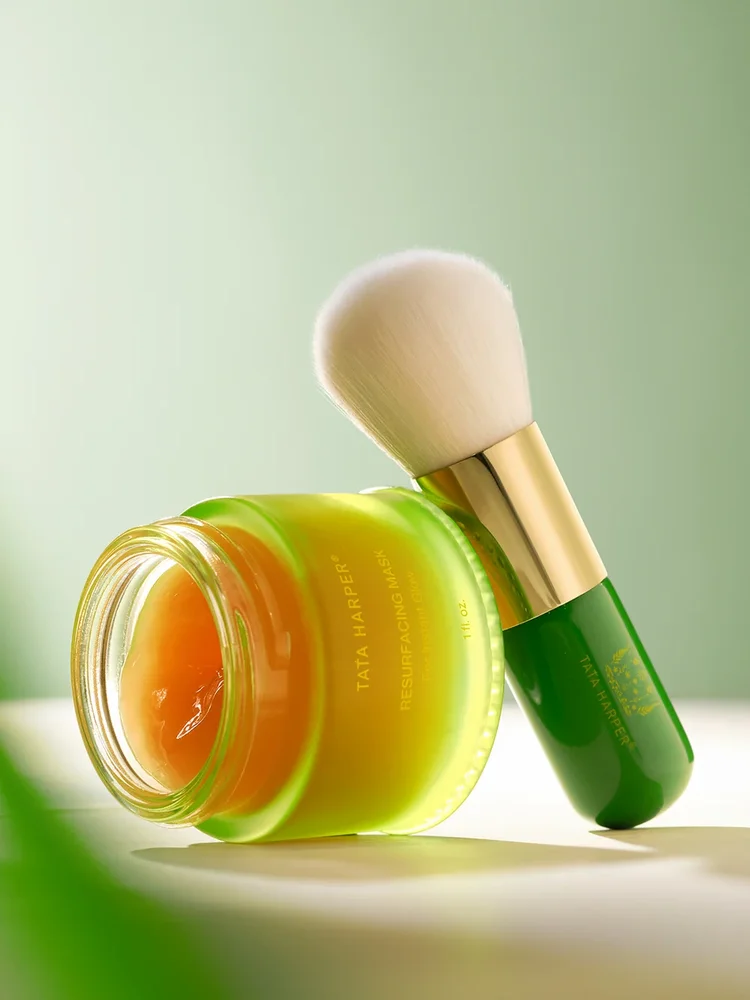
Resurfacing Mask
tata harper
$58
Rei Gentle Retinol Cream
monastery made
$116
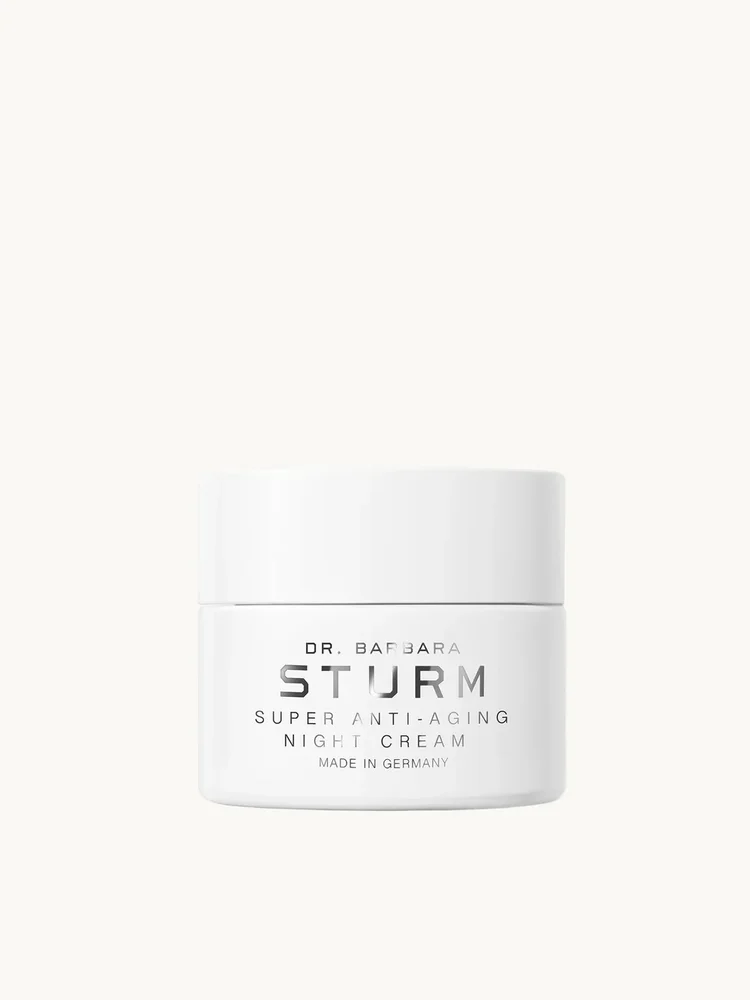
Super Anti-Aging Night Cream
dr. barbara sturm
$395
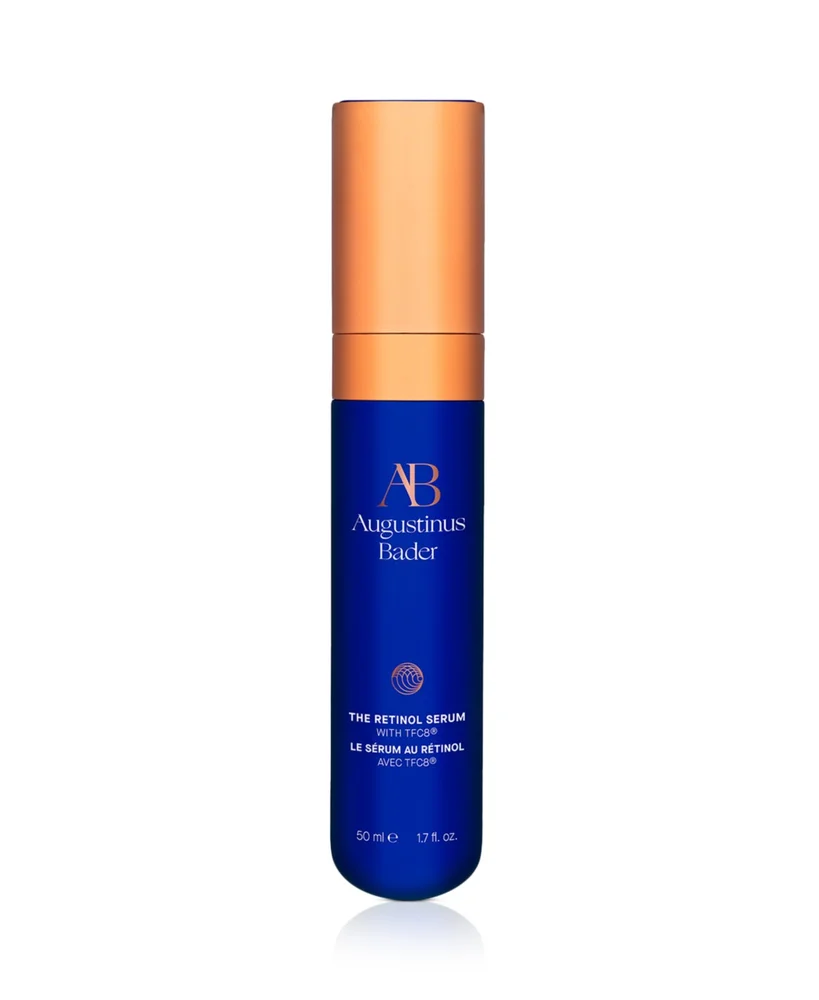
The Retinol Serum
Augustinus Bader
$200
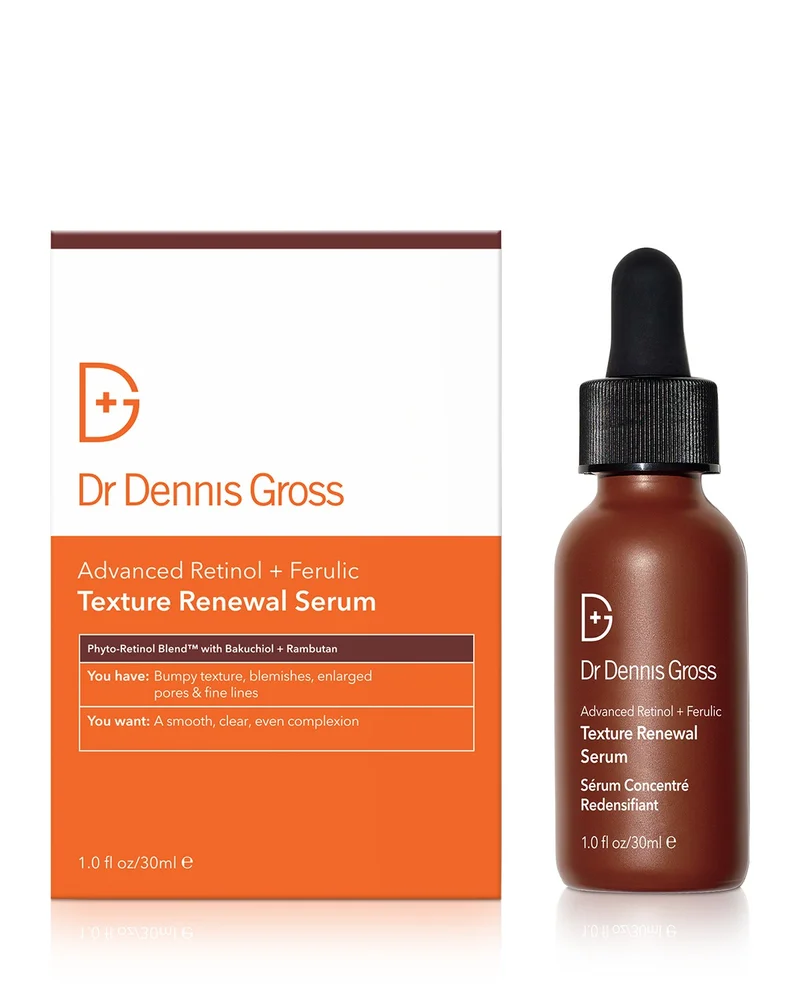
Advanced Retinol + Ferulic Texture Renewal Serum 1 oz.
Dr. Dennis Gross Skincare
$76
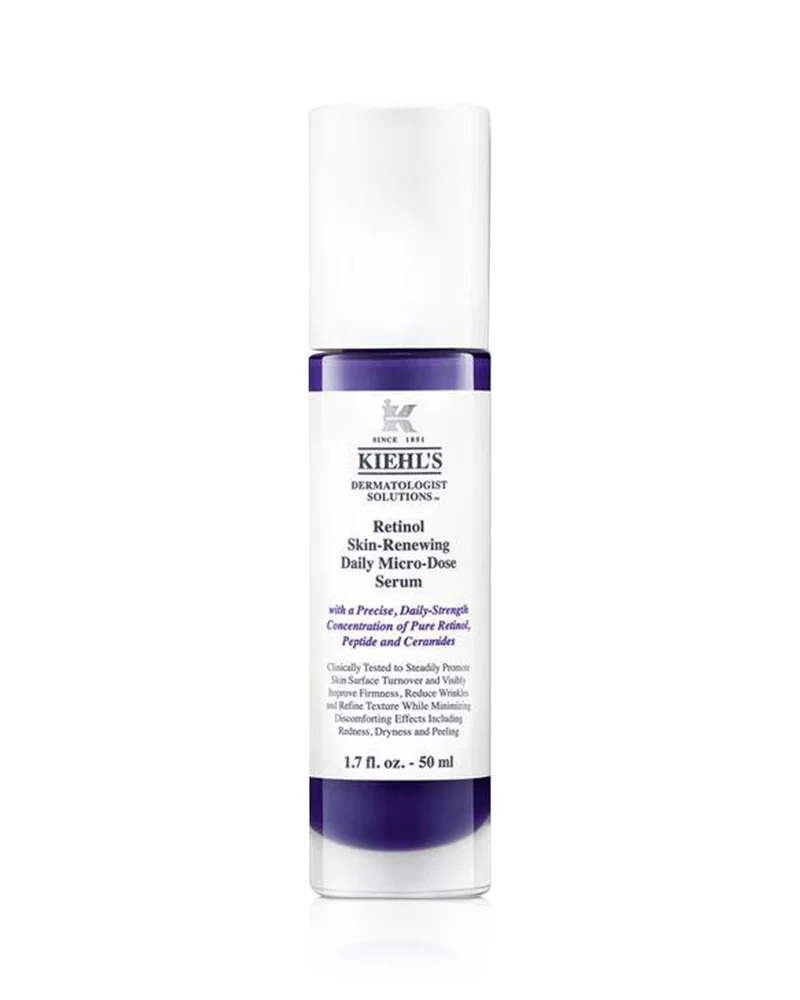
Retinol Skin-Renewing Daily Micro-Dose Serum
Kiehl's Since 1851
$65
Keep the Buffer Step Simple
If retinol leaves your skin dry, add a moisturizer before adding another active. The AAD suggests applying moisturizer right after washing, waiting 20 to 30 minutes, then applying the retinoid; that small pause is easier to repeat than a complicated layer cake.
Tata Harper Water-Lock Moisturizer is a lightweight gel-cream and makeup-primer hybrid with hyaluronic acid and peptides. Its brand also highlights sugar carbohydrates for barrier support. It is the listed option I would consider when I want hydration that can sit under makeup, but the best buffer is still a moisturizer that feels comfortable on your own skin. If a product stings or irritation persists, pause the active and ask a dermatologist rather than covering it with more layers.
Moisturizers and barrier creams that buffer both
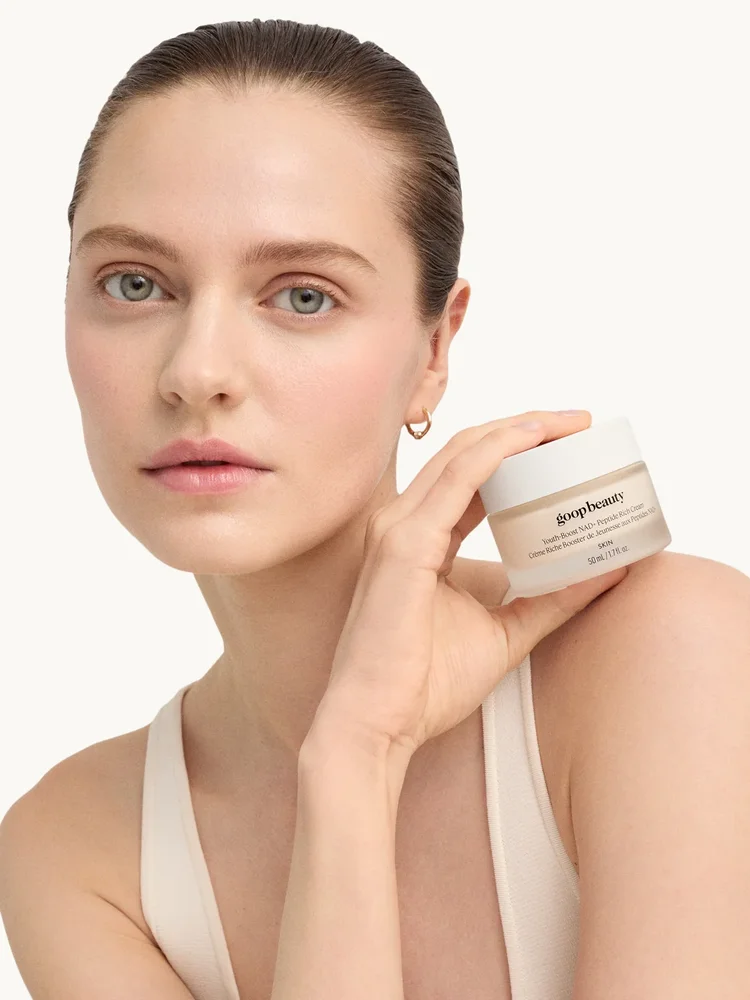
Youth-Boost NAD+ Peptide Rich Cream
goop beauty
$105
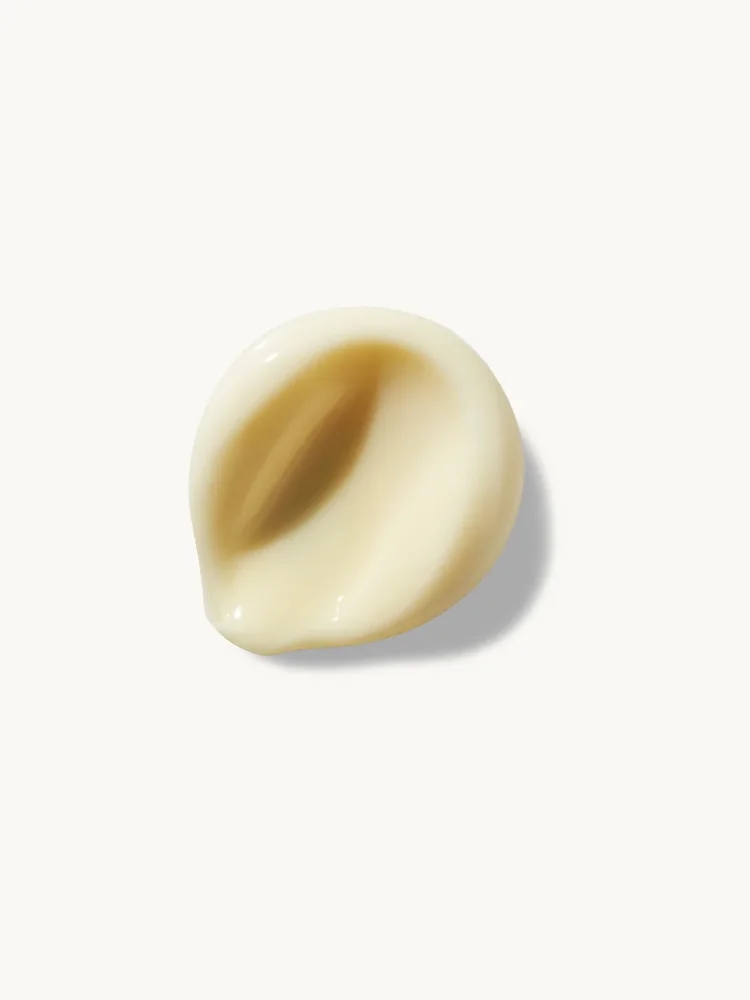
MahaMask Pampering Moisture Treatment
prakti
$32.20
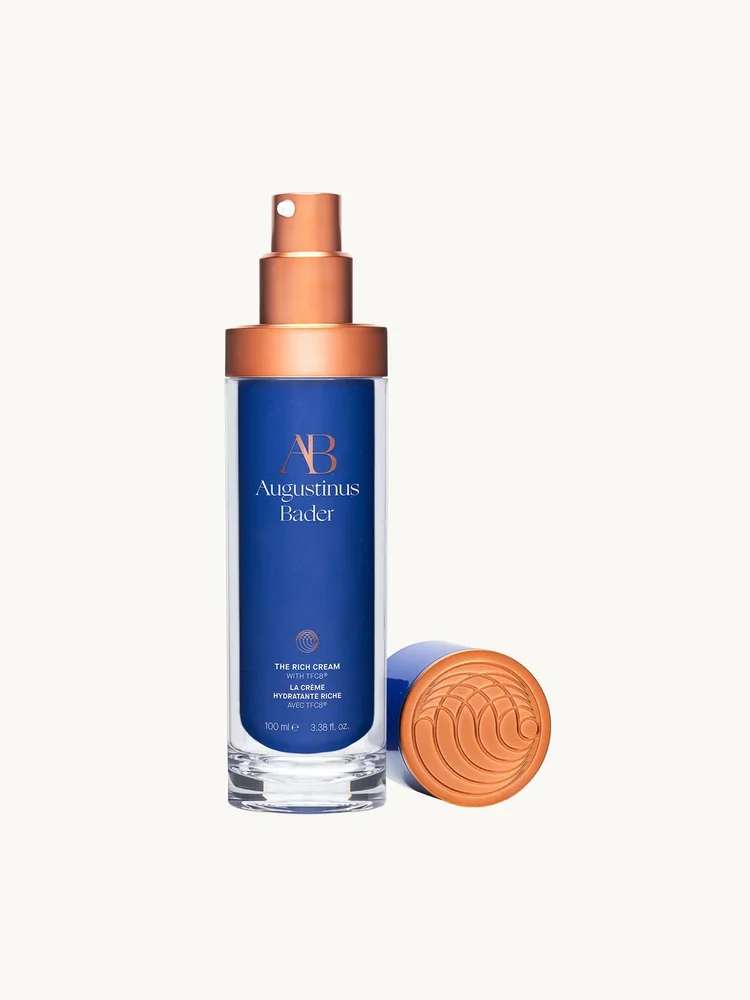
The Rich Cream, 100 ml
augustinus bader
$565
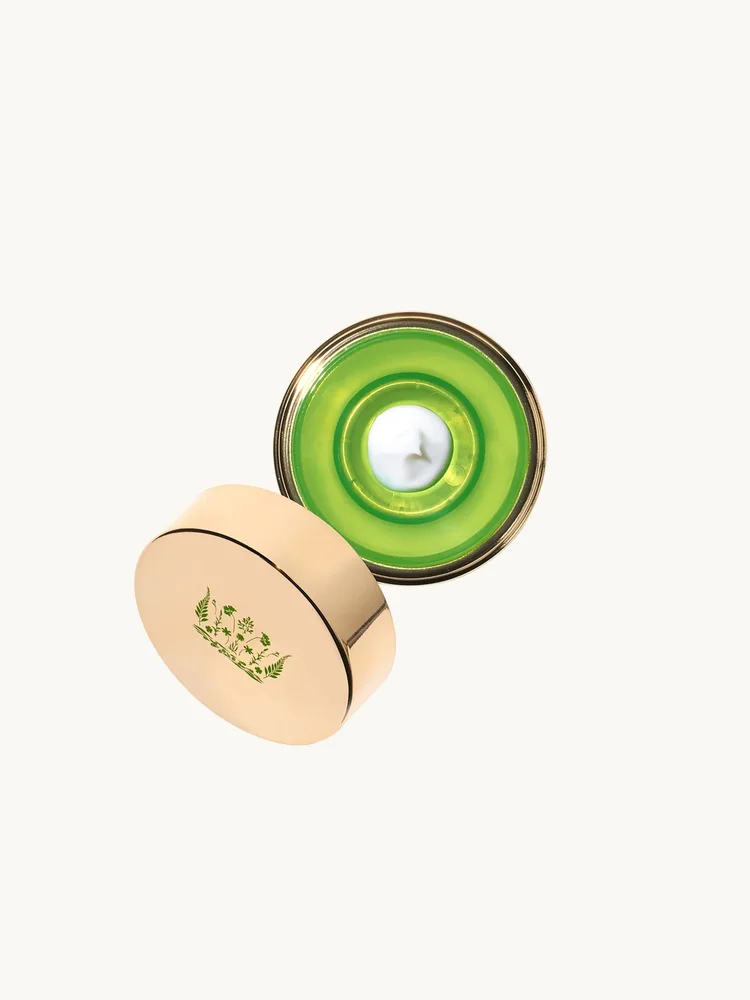
Water-Lock Moisturizer
tata harper
$72
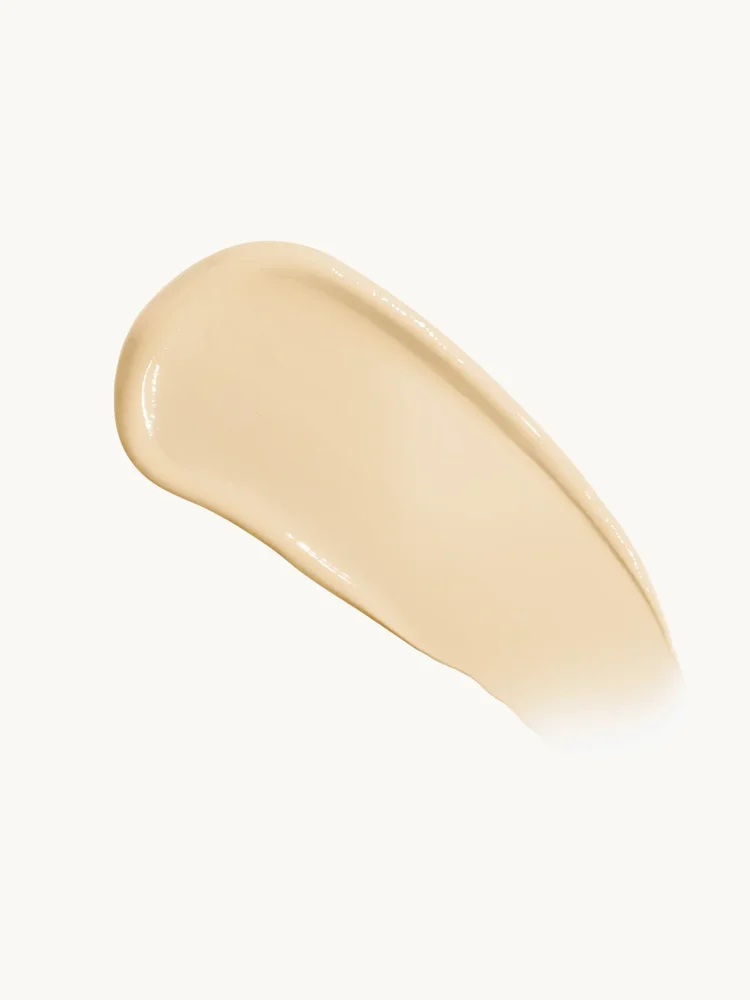
Dew Skin Tinted Moisturizer
Counter
$49
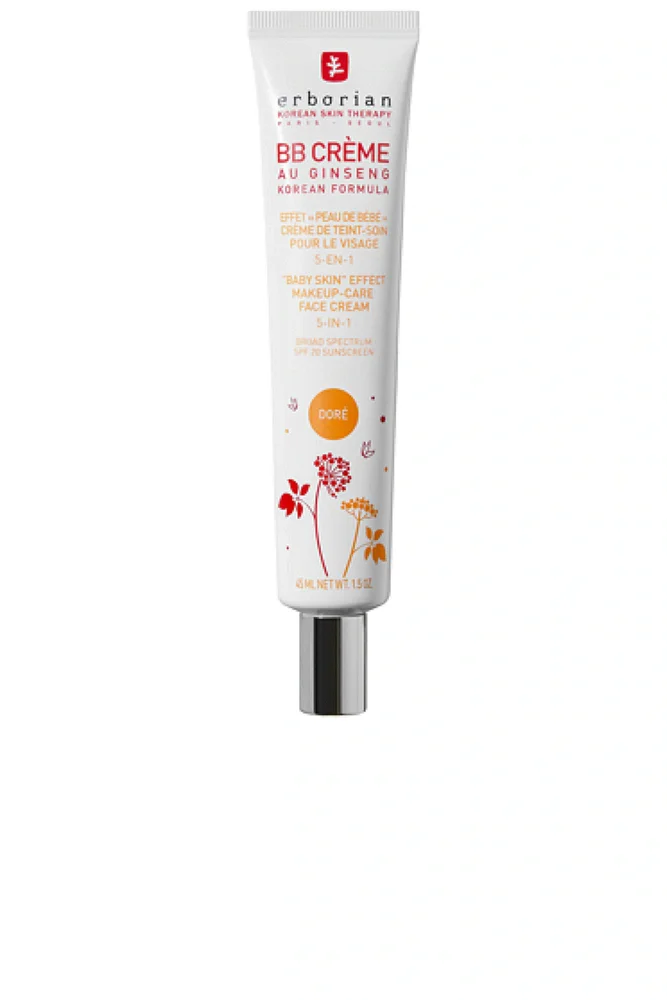
BB Cream Tinted Moisturizer Broad Spectrum SPF 20
Erborian
$46
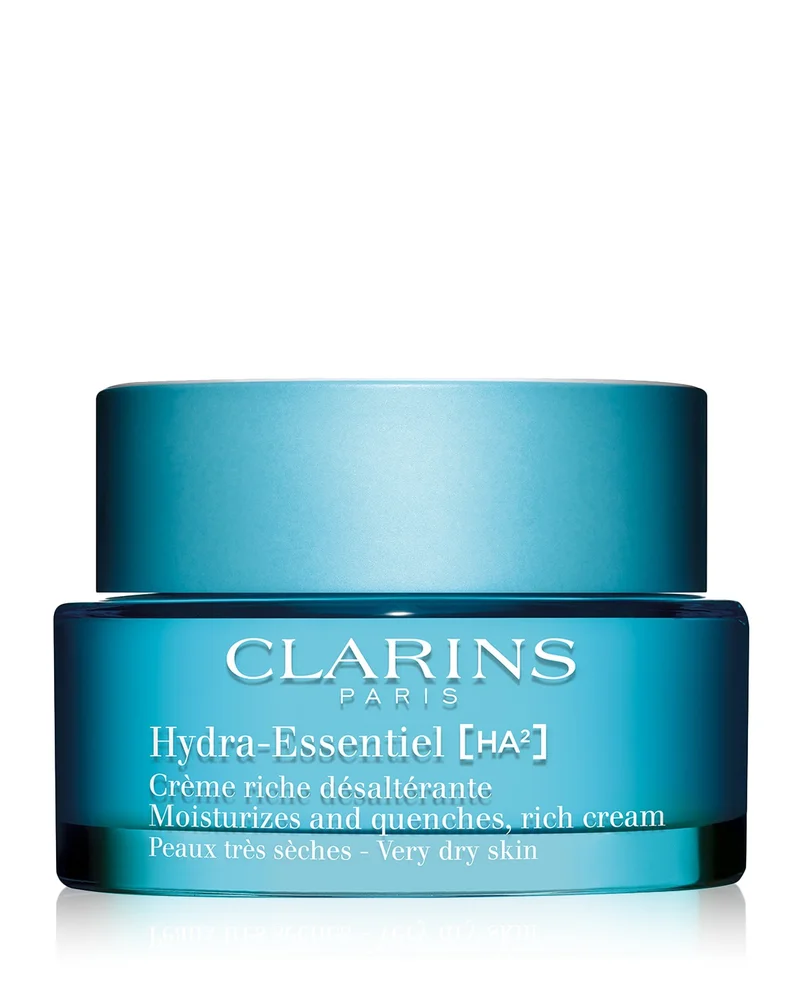
Hydra Essentiel Rich Moisturizer with Double Hyaluronic Acid 1.6 oz.
Clarins
$53
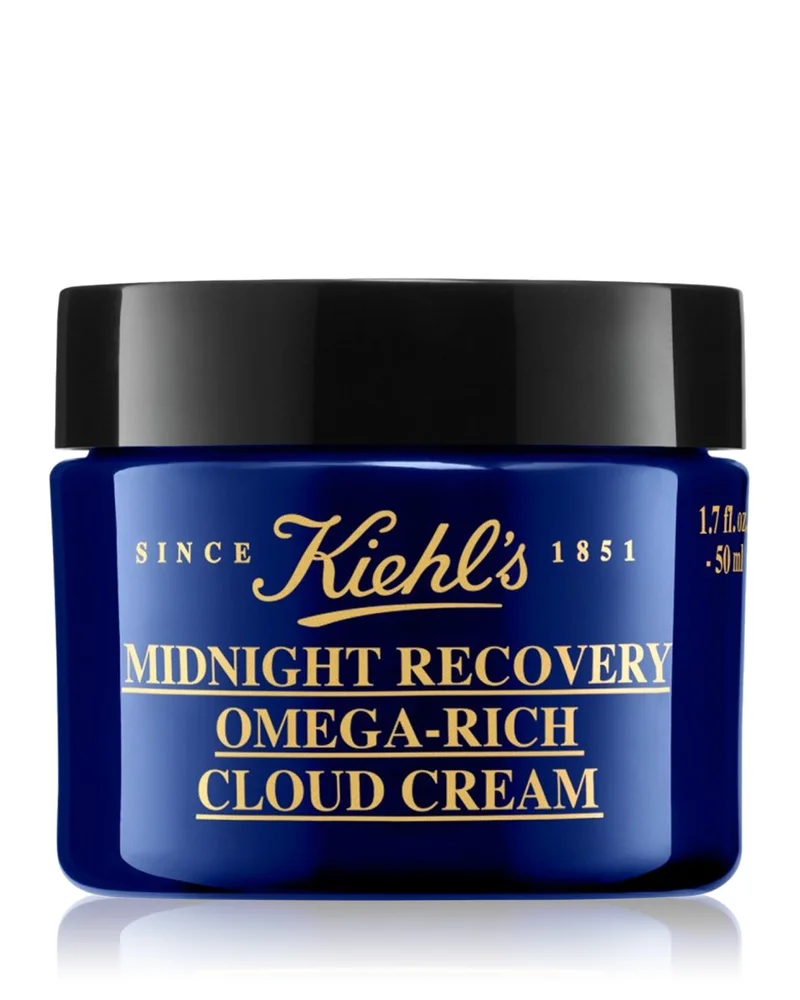
Midnight Recovery Omega Rich Botanical Night Cream 1.7 oz.
Kiehl's Since 1851
$62
Retinol and vitamin C questions, answered
Which is better for dark spots?
Both retinoids and vitamin C may help with uneven tone or dark spots. I would choose based on the rest of the concern too, then protect the result with sunscreen.
Can I use retinol and vitamin C in the same routine?
The AAD recommends vitamin C in the morning and a retinoid before bed. Separating them by time of day is a straightforward way to use both while keeping irritation easier to notice.
Can I start retinol every night?
No. Start with a lower-intensity formula and less frequent use, such as every other night, then increase only if your skin tolerates it. Do not use retinoids during pregnancy.
The Routine I Would Keep
For a simple split, use vitamin C in the morning if brightening is the priority, then finish with sunscreen; use retinol at night if texture, fine lines, or mild acne are the concern. I would skip trying both actives in the same new routine until I know how my skin handles each one.
The AAD recommends broad-spectrum, water-resistant SPF 30 or higher outdoors. Tower 28 SunnyDays SPF 30 is a tinted mineral sunscreen with light-to-medium buildable coverage, and Kosas DreamBeam SPF 40 is a mineral formula with 21.7% non-nano zinc oxide and a radiant makeup-base finish. Neither serum replaces sunscreen. This routine is for someone with a clear skin concern and no reason to avoid these actives; if you are pregnant, have persistent redness, or are unsure, ask a dermatologist before choosing retinol.
Sunscreen, because vitamin C without it is wasted
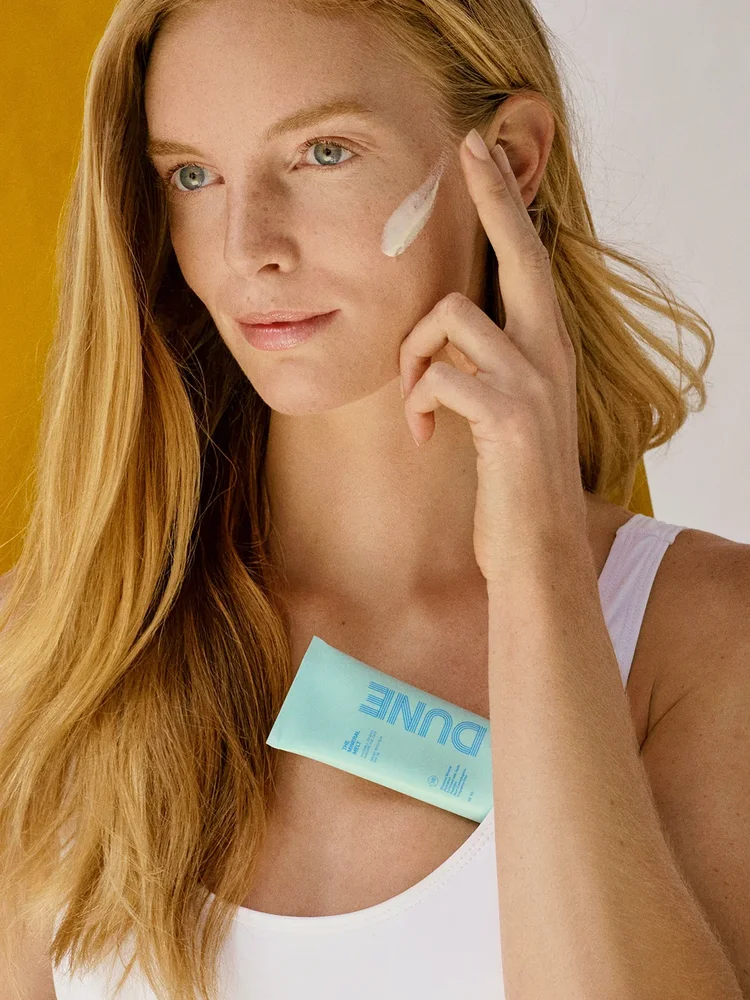
The Mineral Melt SPF 30
dune
$29.95
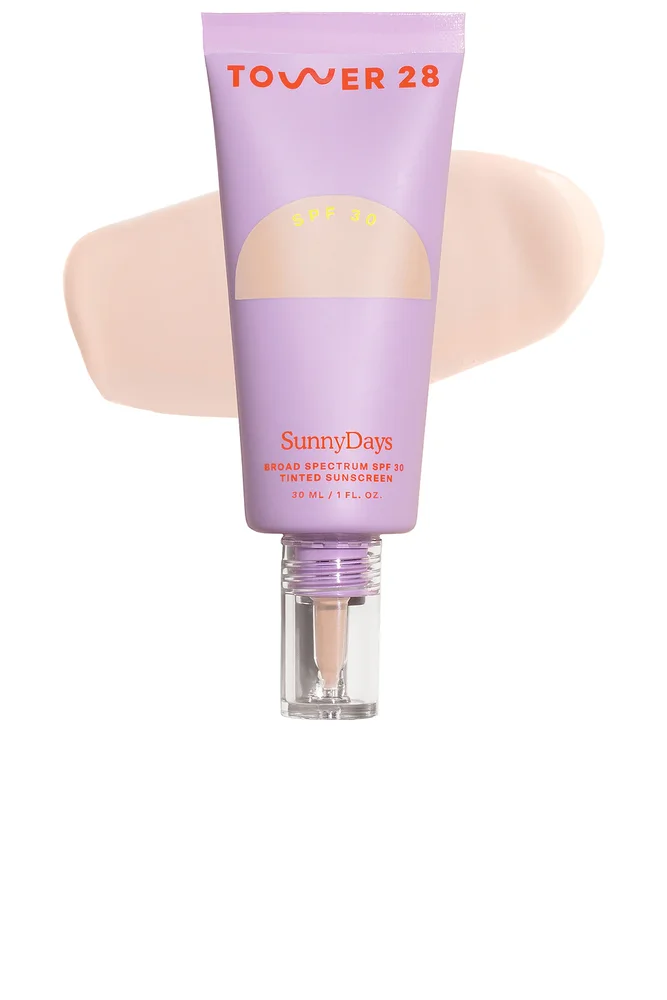
SunnyDays Tinted SPF
Tower 28
$32
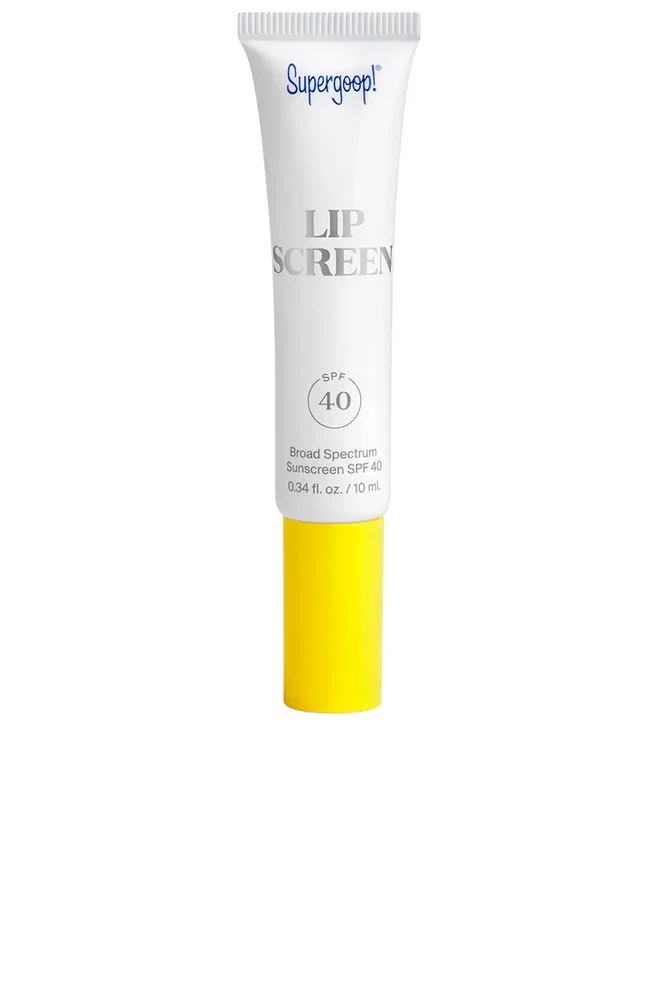
Lipscreen SPF 40
Supergoop!
$22
ReFresh Eye Brightener Broad Spectrum SPF 30
RMS Beauty
$49
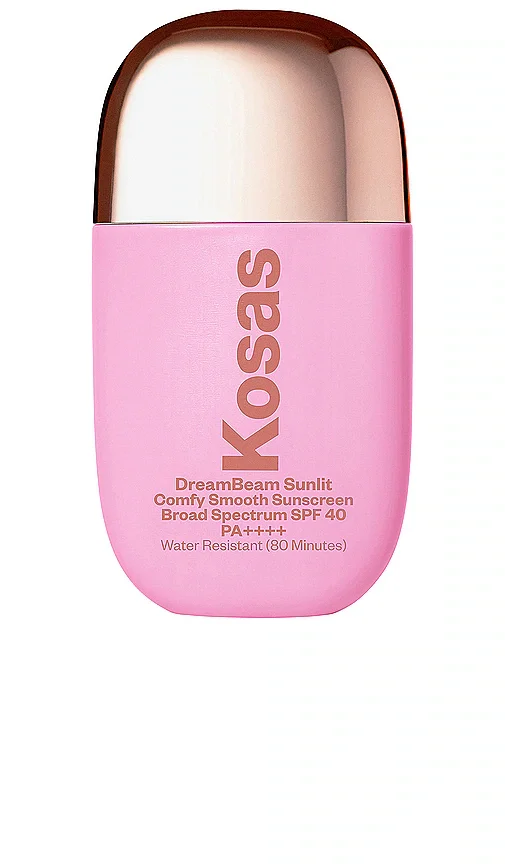
Dreambeam Comfy Smooth Sunscreen Broad Spectrum SPF 40
Kosas
$40
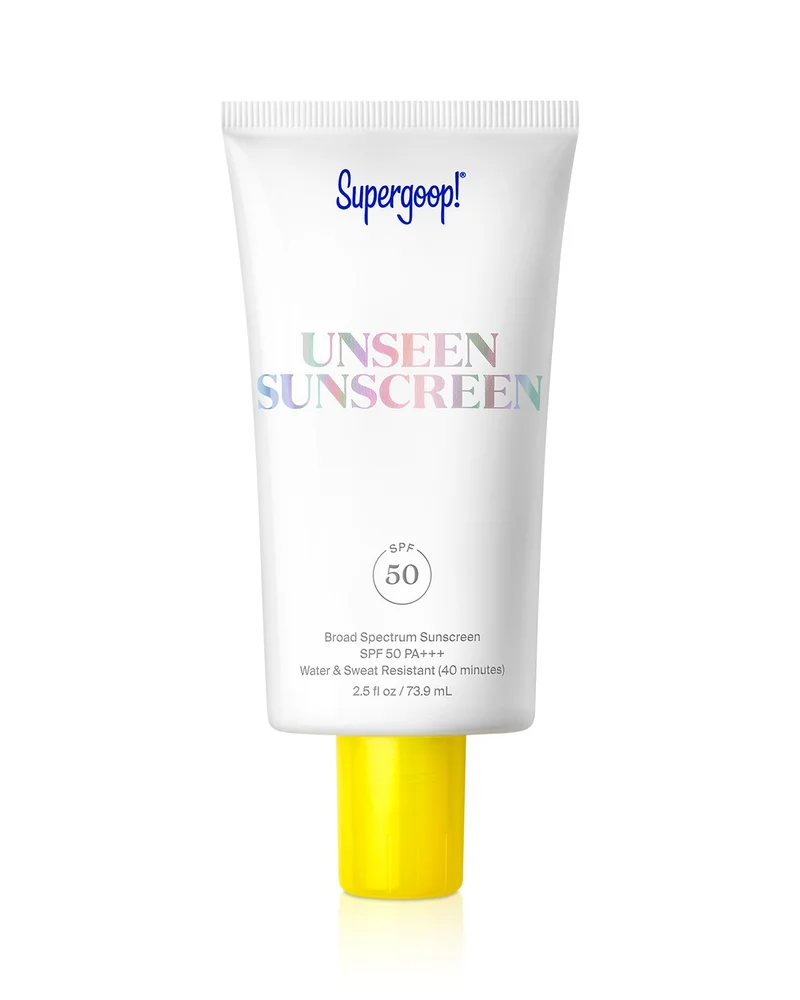
Unseen Sunscreen Invisible Broad Spectrum SPF 50 PA+++
Supergoop!
$19
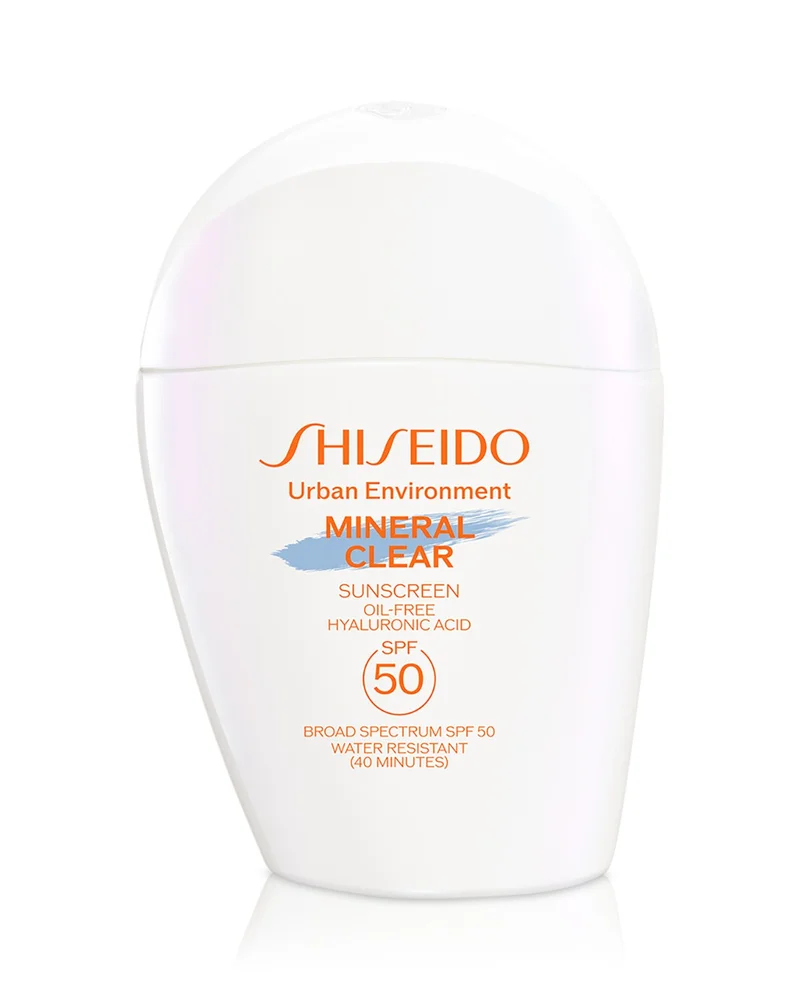
Environment Mineral Clear Sunscreen
Shiseido
$38
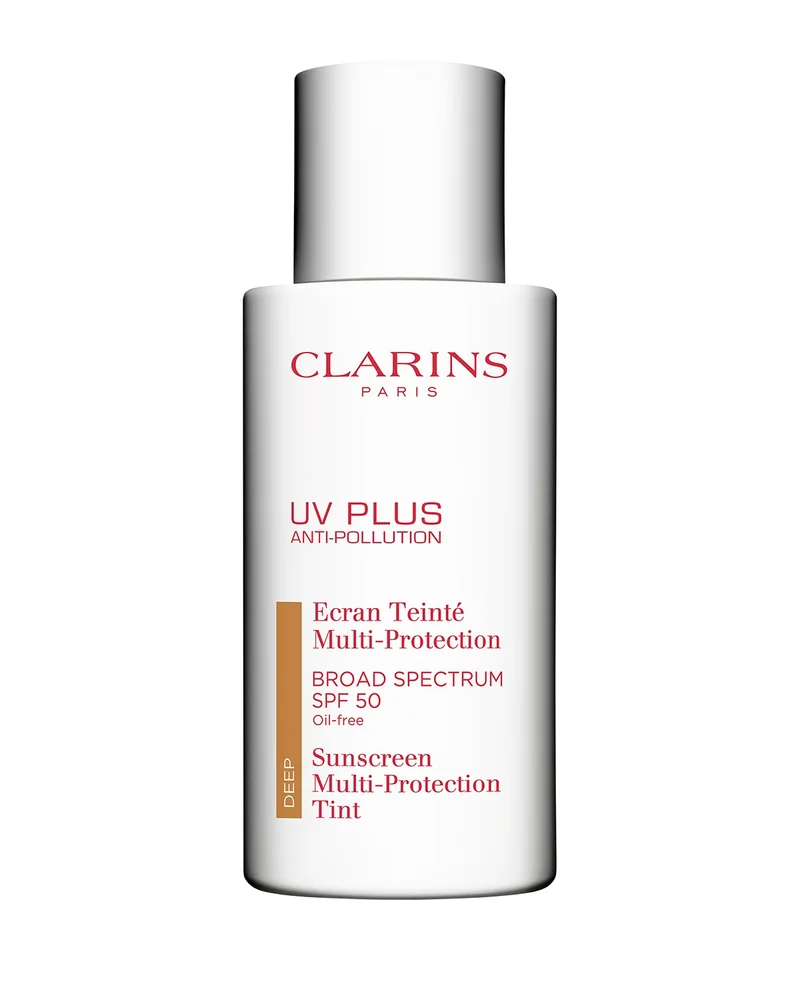
UV Plus Anti Pollution Antioxidant Tinted Face Sunscreen SPF 50 1.7 oz.
Clarins
$51






