Silk vs satin is fiber versus weave, so silk satin is possible. Learn how labels and care instructions change the choice.

Silk vs Satin: A Fiber and a Weave, and What You Pay For
Silk versus satin, plainly
Silk vs satin is not an either-or choice: silk names the fiber, while satin names the weave, so a fabric can be both. That is why I read the composition before choosing by shine. A product name may signal a style, but the fiber content tells you what the material is; satin can use silk or synthetic fibers.
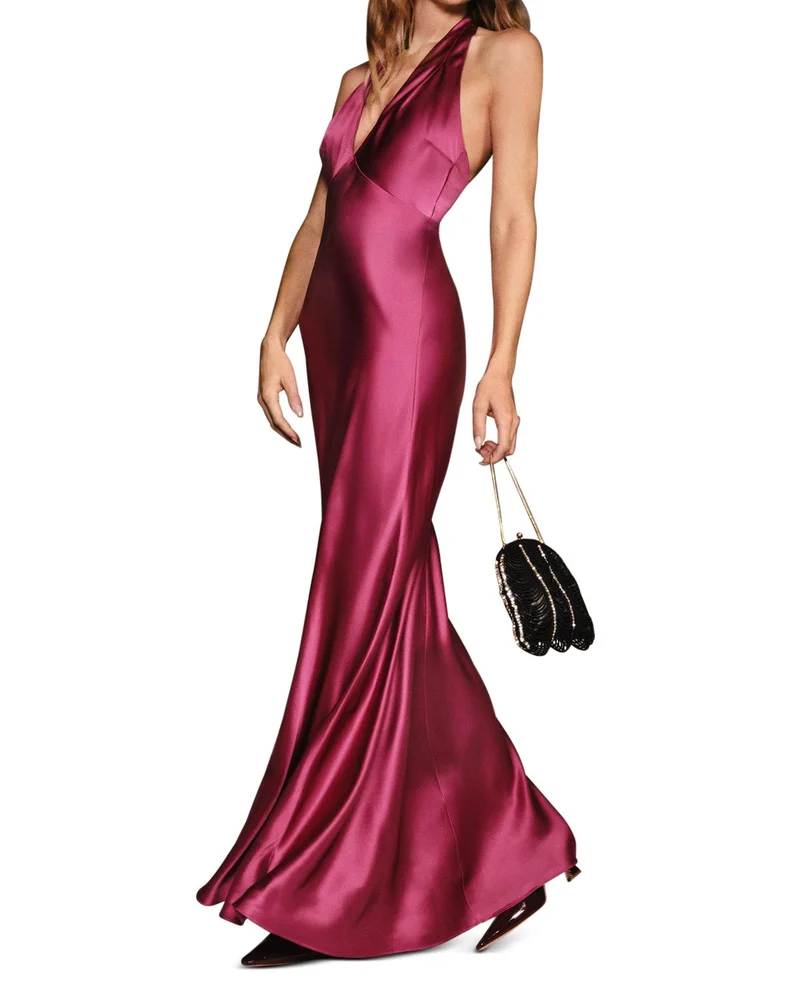
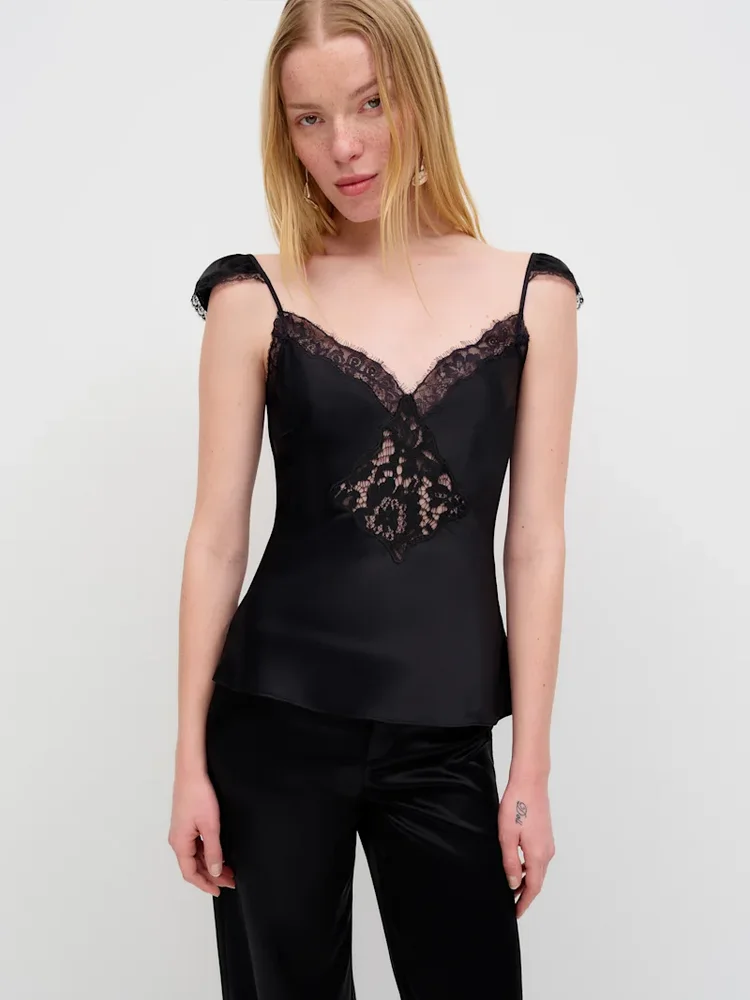
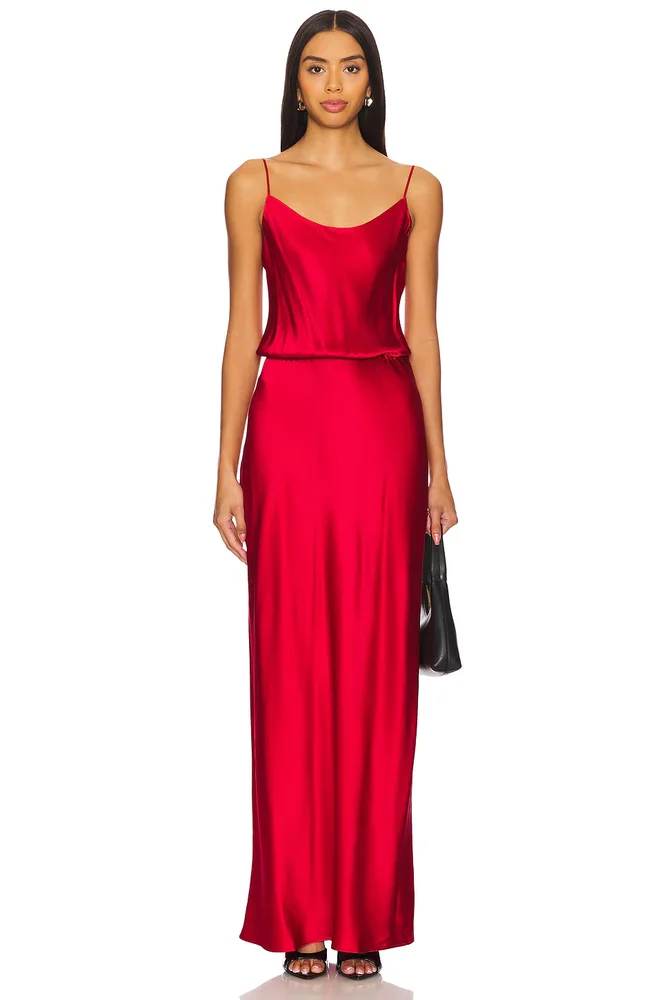
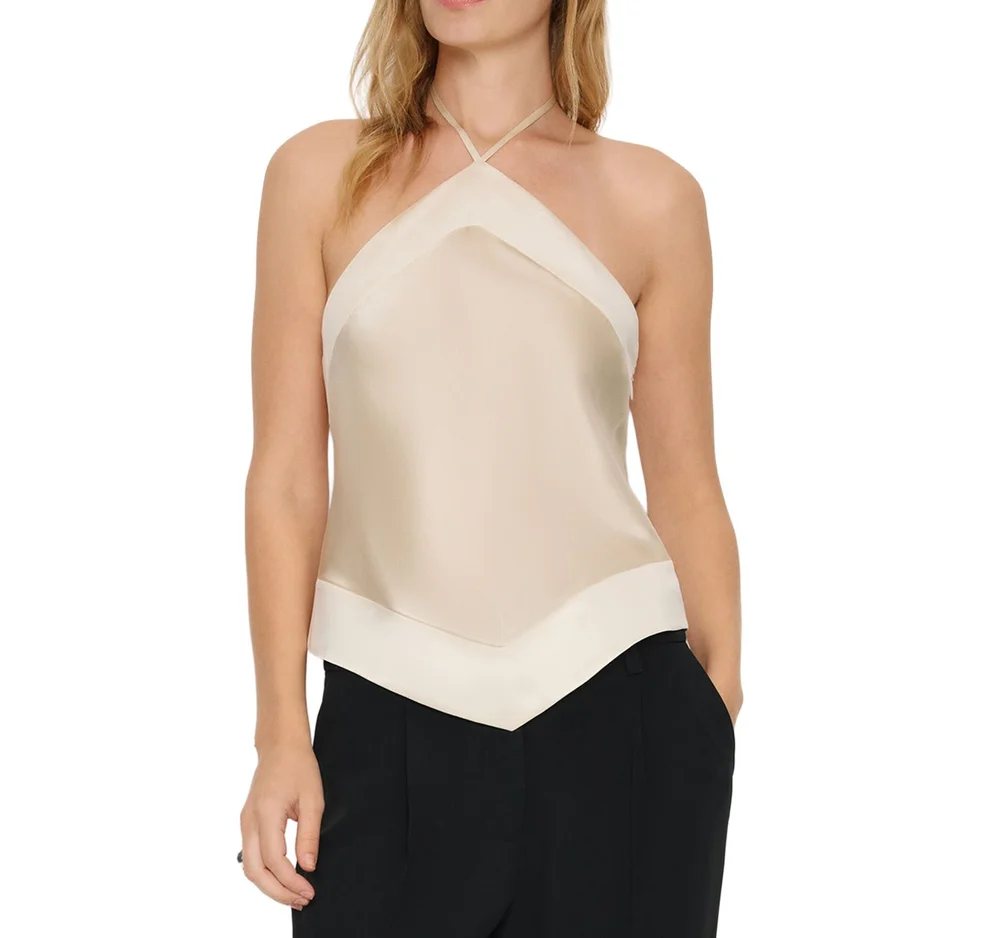
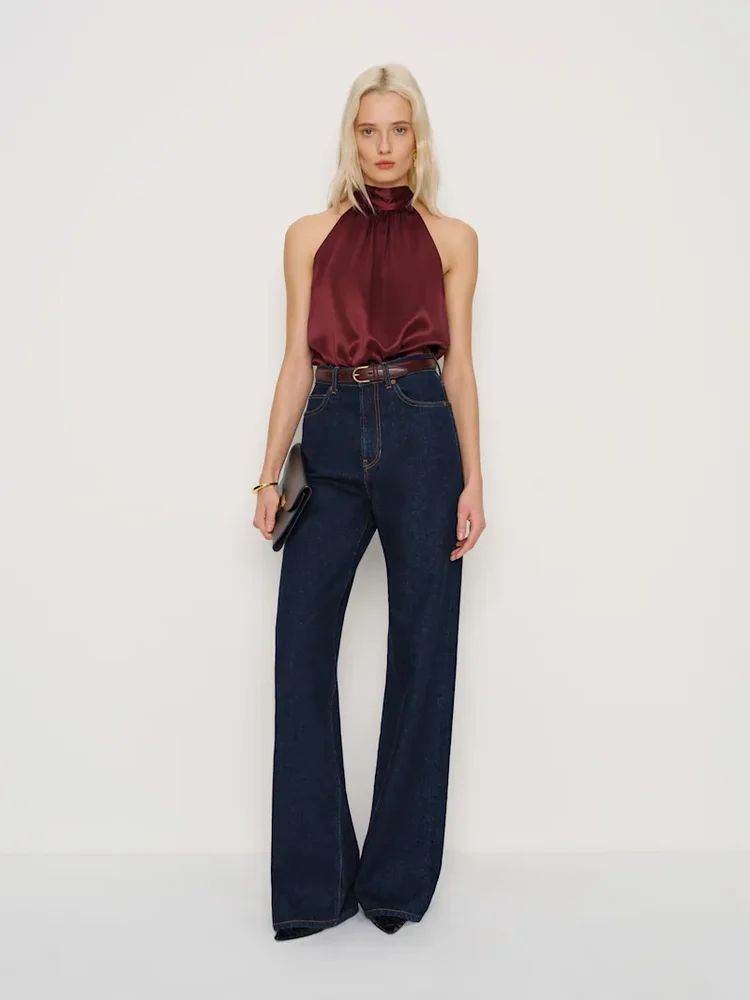
Reformation's Daniela Silk Dress is 100% silk charmeuse and dry-clean only, with a fitted bodice and relaxed skirt. The Allison Silk Dress is also 100% silk charmeuse, in a slim sleeveless shape with a tie at the back. The Serafina Silk Top is 100% silk charmeuse too, with a V-neck, flutter sleeves and lace details. Those examples make the word silk concrete: each page identifies the fiber and care, rather than asking the sheen to do the explaining.
My rule is to check both composition and care before paying for a look. The same fiber-first question applies to other materials too, as Cashmere Sweaters And What You Pay For makes clear.



Satin is not a fiber label
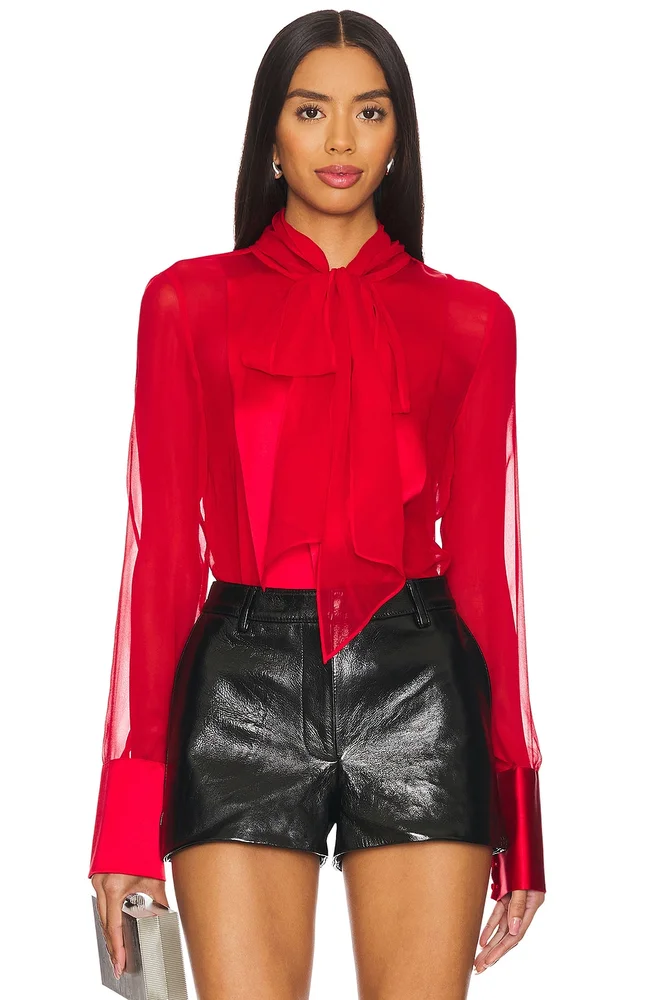
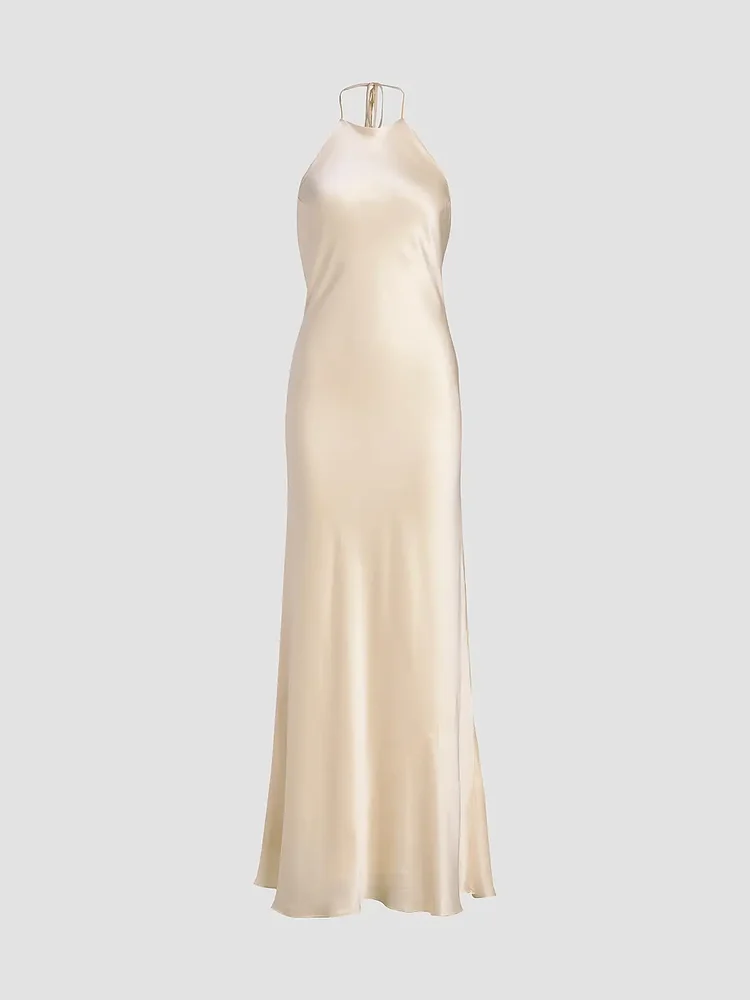
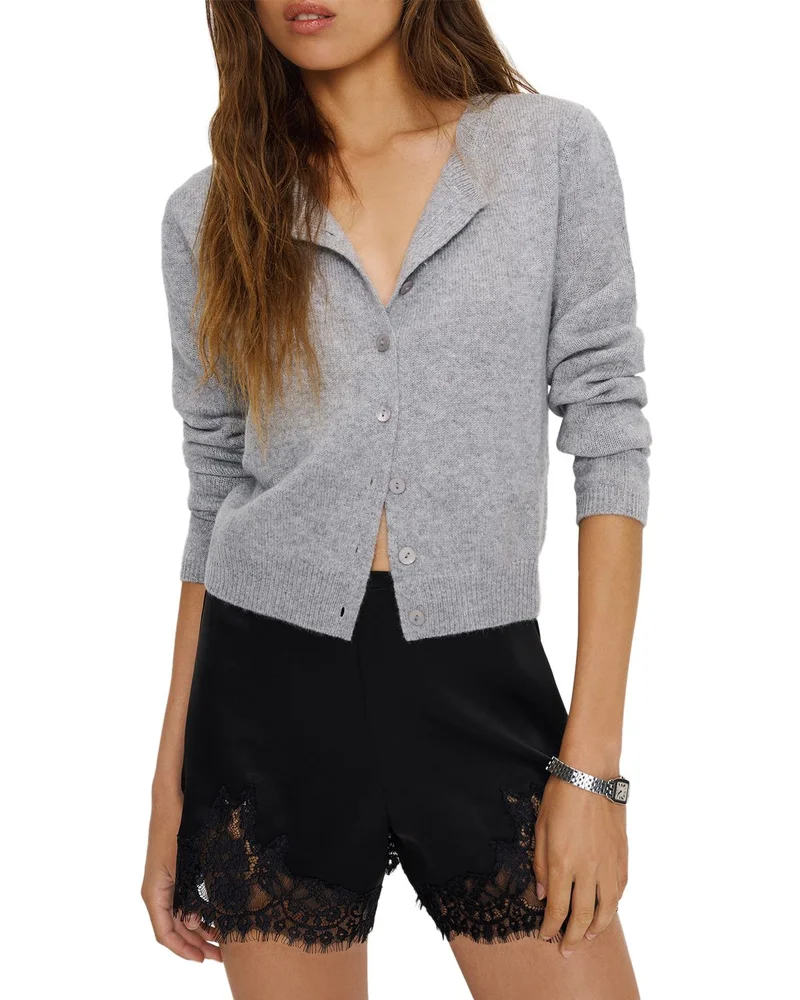
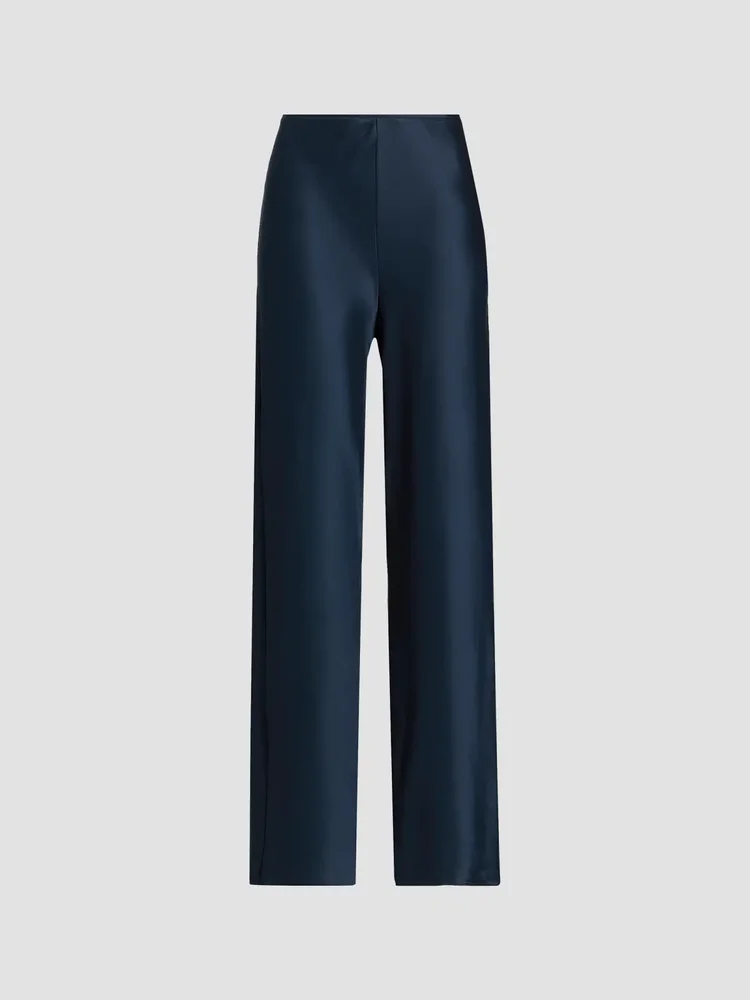
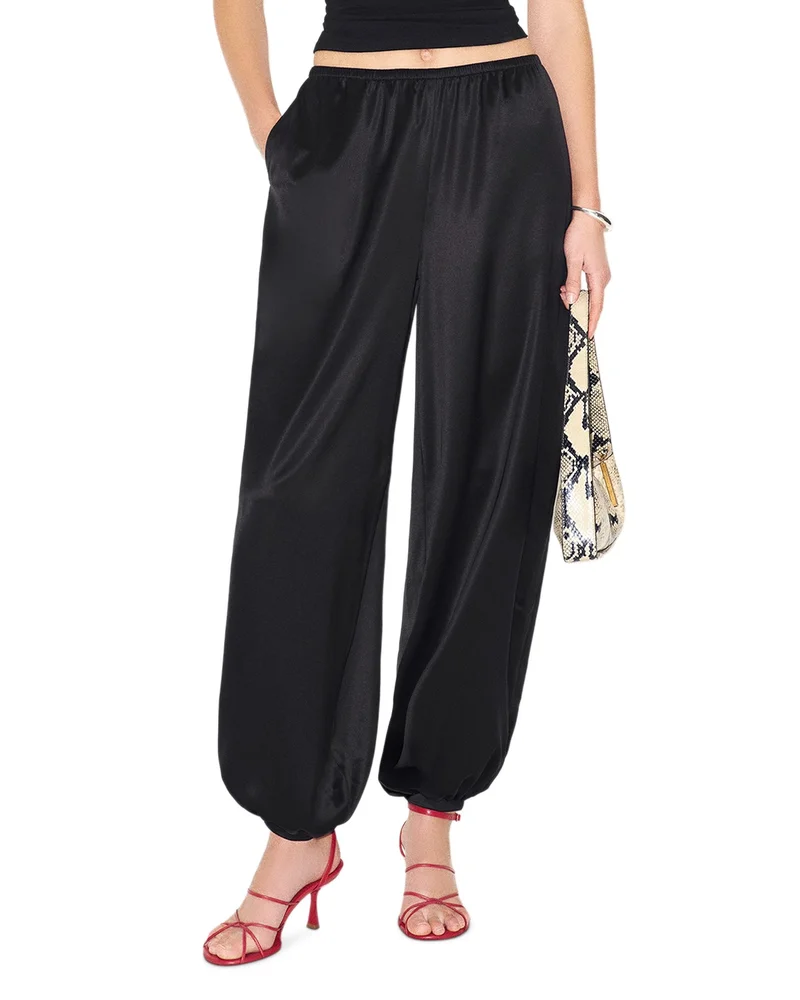
The satin pieces here make the practical point: the weave is only one part of the fabric story. Reformation's Fern Satin Short is double satin made from 88% Naia Renew Acetate and 12% polyester; it has a relaxed mid-rise shape, lace hem and dry-clean-only care. The Gale Satin Mid Rise Bias Pant uses the same blend, cut on the bias with a stretchy waistband, and can be machine-washed cold or dry-cleaned. The Trista Satin Jumpsuit is also the 88/12 blend, in a relaxed wide-leg shape with a strapless, cinched waist; its care instructions allow a cold wash and low tumble dry.
All three are satin, but their fiber content and care are more useful than the shine alone. I would skip assuming that a satin garment is silk or that satin automatically means easy care. The label, not the gloss, settles the first question; the care instructions settle the second.
Satin weaves worth owning




Where silk earns its place
Silk is a fiber, not one particular drape or finish, so a silk garment is not automatically satin. Reformation's Royce Silk Top is 100% 19mm silk charmeuse, designed to fit close, with a high neck and an adjustable bow at the back; it is dry-clean only. For me, that is the useful distinction in a real wardrobe: fiber tells me what the yarn is, while construction and cut tell me how the garment will sit and move.
If I want a smooth glossy surface, I still check whether the label says silk, acetate, polyester or a blend. I would not infer fiber from shine. The same attention to construction carries into accessories; Shawl: A Wrap With a World in Its Weave is a useful adjacent read on why weave matters beyond a fabric name.


Common questions, then my buying rule
Is satin the same as silk?
No. Silk is a fiber; satin is a weave, and one fabric can combine the two.
Can satin be made from silk?
Yes. Silk satin uses silk fiber in a satin weave, while satin made with another fiber has different material properties.
Does satin always feel the same?
No. The weave creates a smooth, lustrous face, but the fiber affects feel, breathability and care.
What should I check before buying?
Read the fiber composition and care instructions, not just the product name or shine.
I would skip deciding from gloss alone. This distinction is for anyone choosing a dress, top or trouser who cares what the cloth is made from and how much upkeep it asks for; the fiber label and care tag are the useful final checks.