Halter vs strapless dress comfort depends on support and fit; compare where each neckline sits and move in both before committing.

Strapless, Backless or Halter Dresses: An Honest Look
Halter or strapless: comfort comes first
Choose a halter if its tie feels comfortable at the neck; choose strapless if a snug, structured bodice feels steadier than a neck tie. For halter vs strapless dress comfort, the deciding question is where you prefer the garment to anchor, not which neckline looks easiest in a still photo.
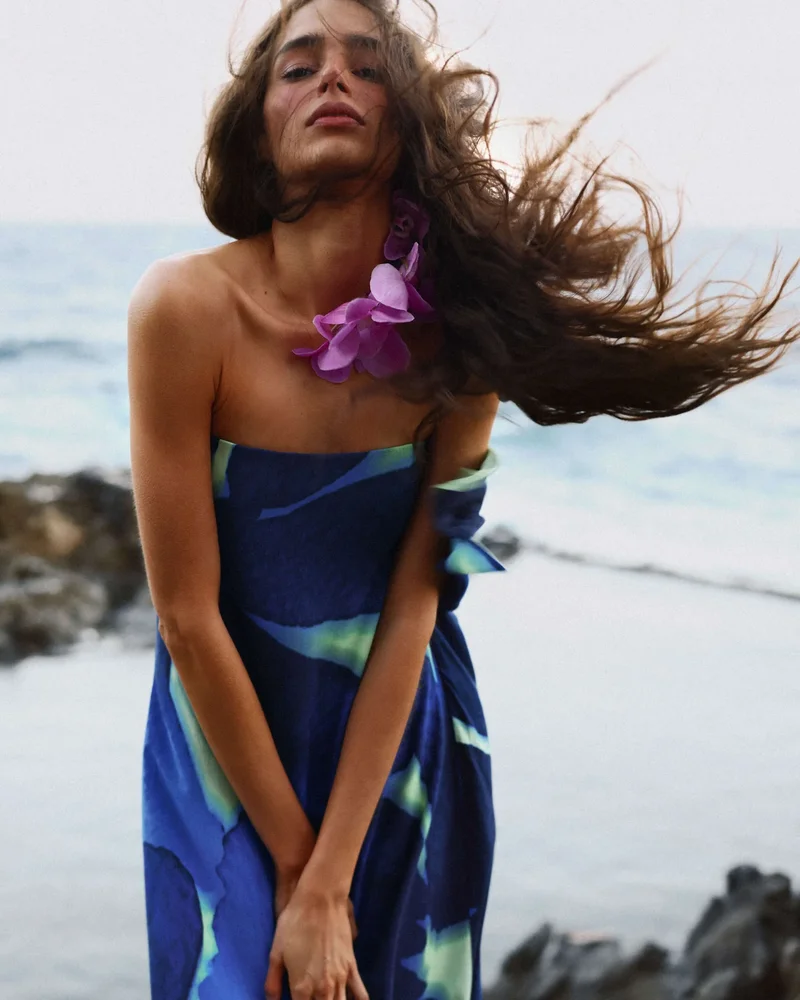
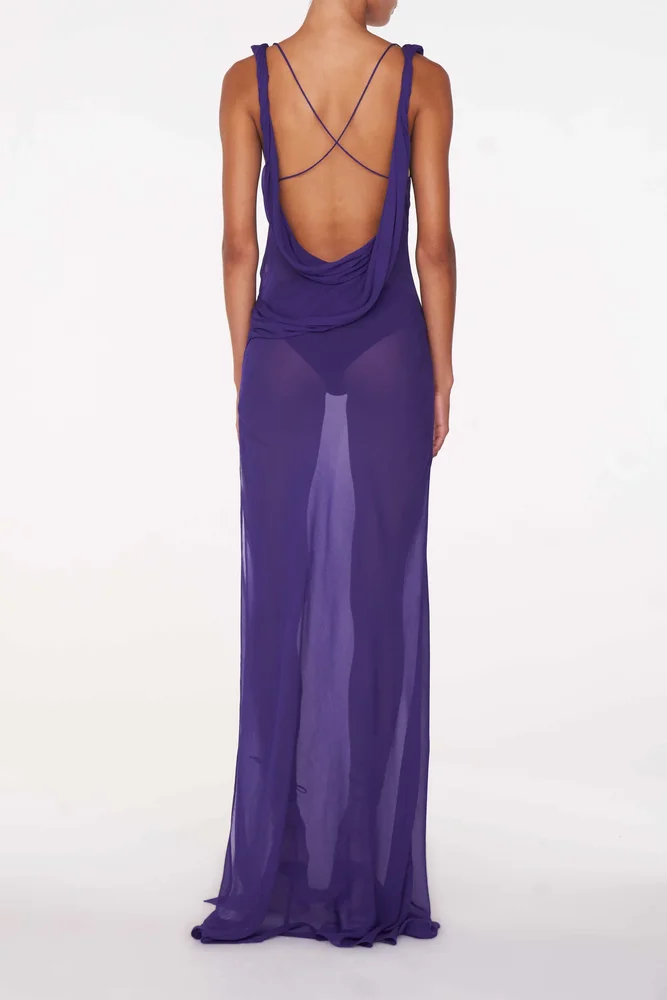
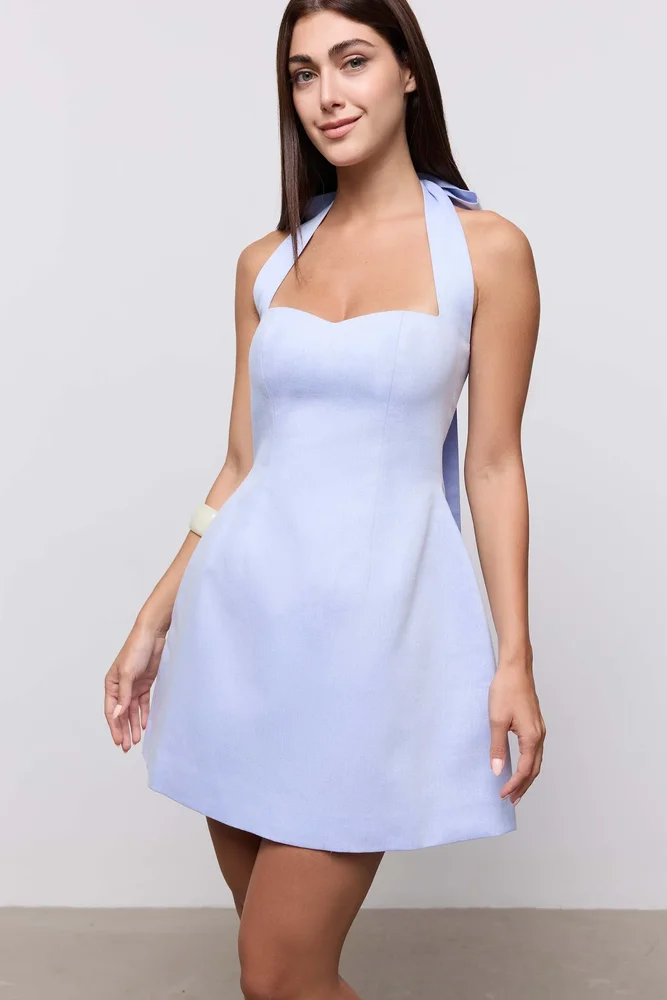
Rat & Boa's Hibiscus Dress is the clearest strapless example: it is a silk column with a hand-draped tulle overlay, and the brand advises sizing down because it runs large. Odd Muse's Cotton Tie Neck Mini Dress is a cotton chambray halter with a tie at the neck, and the brand says it fits true to size. That is the choice in plain terms: the first needs a bodice that stays close; the second has a tie around the neck. I would try both with the undergarments intended for the event, then raise my arms, sit, reach forward and take a few steps. Neither is automatically more comfortable; construction and where pressure lands decide.
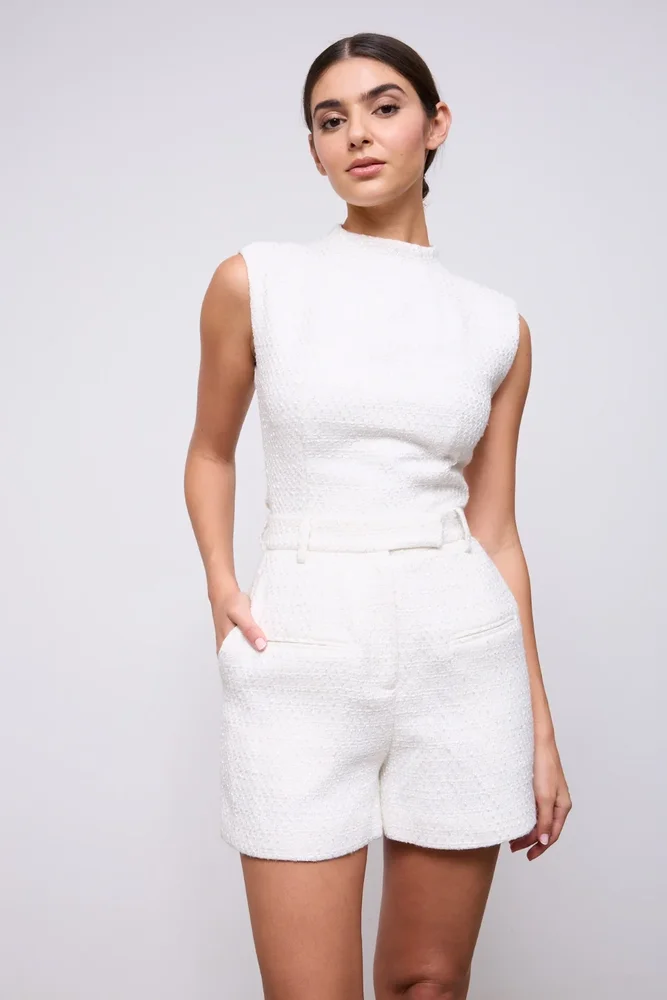
Comparing a neckline in separates can also help, and Best Strapless Tops offers that angle.
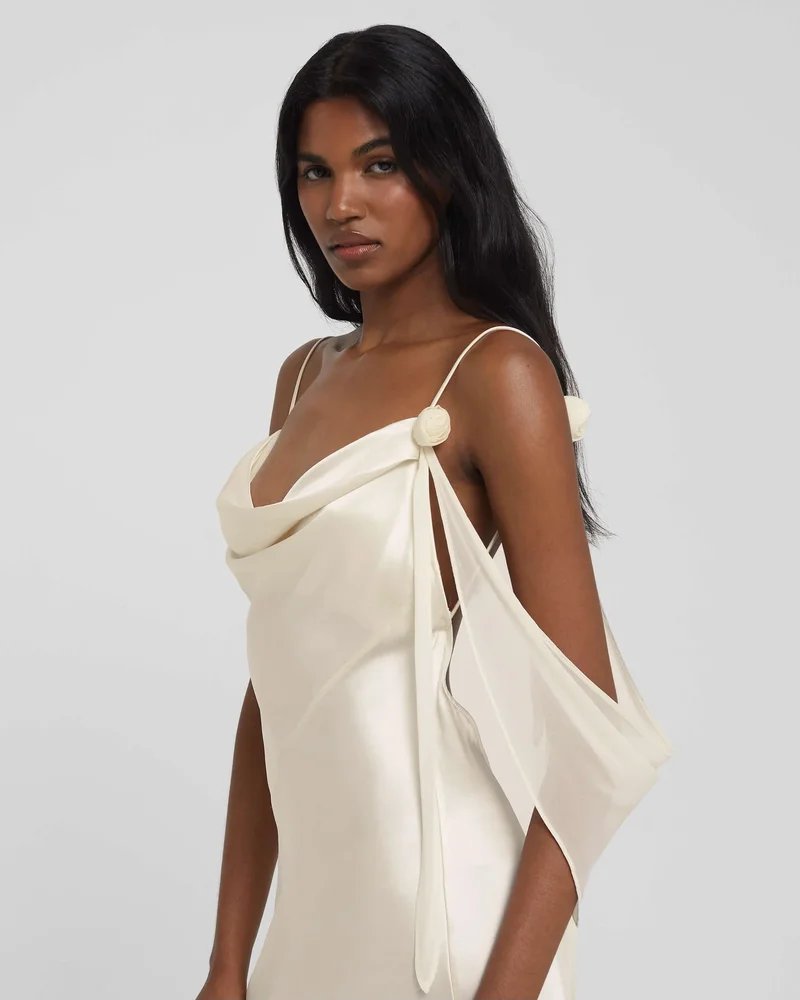
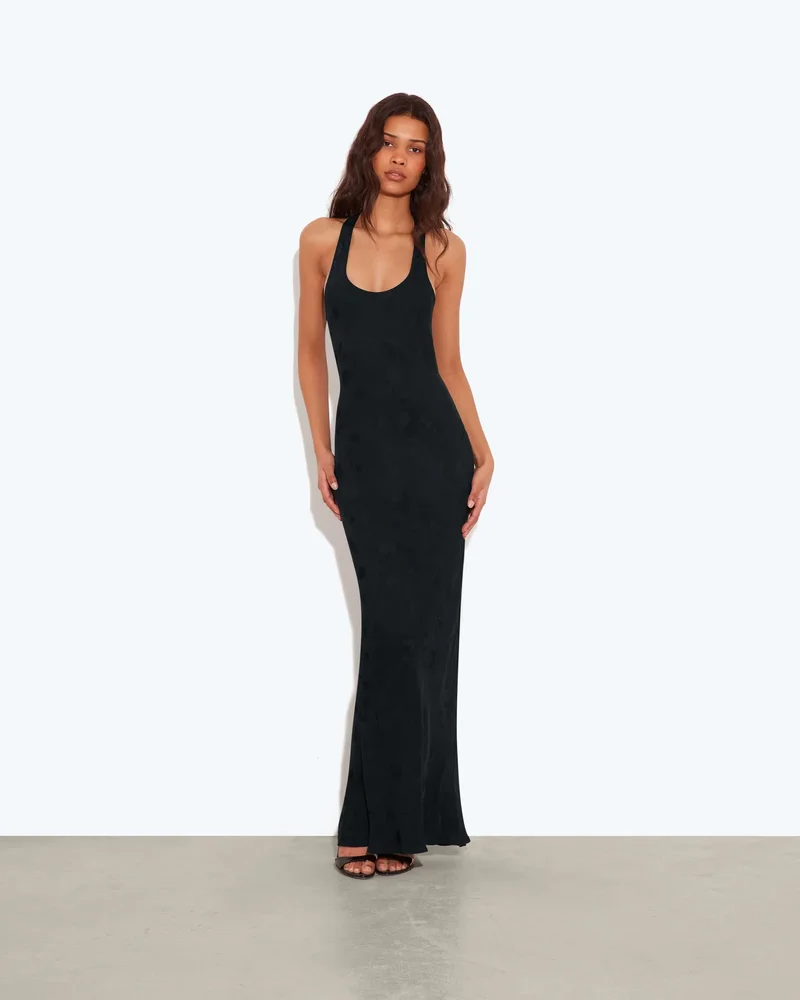
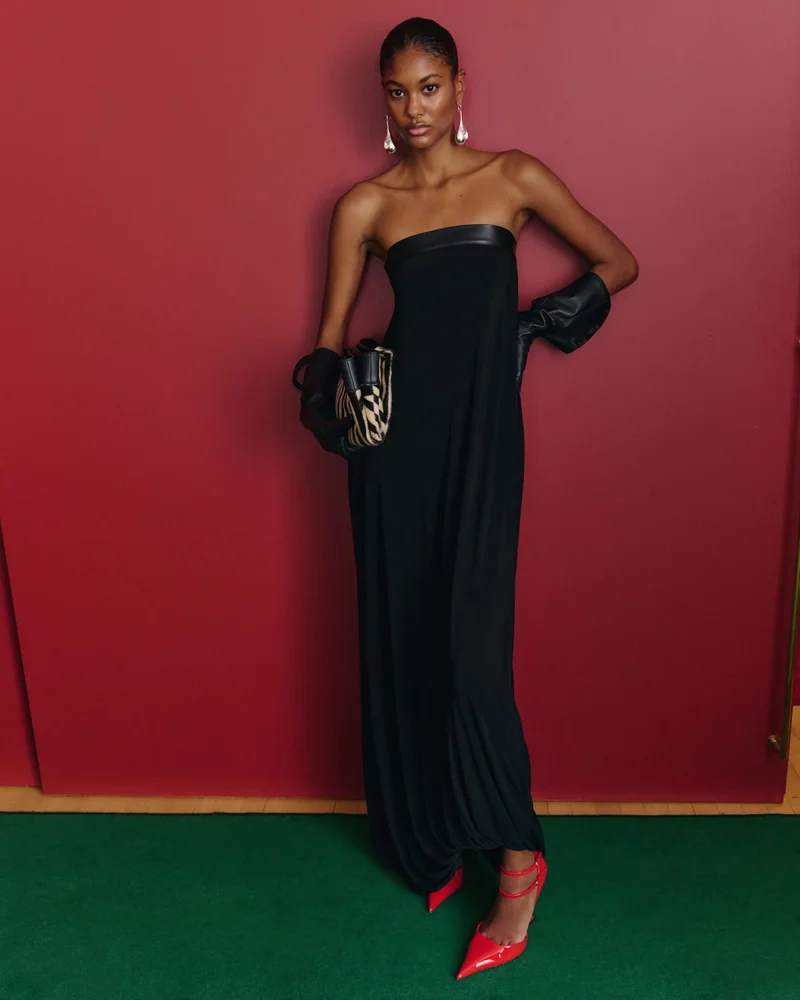
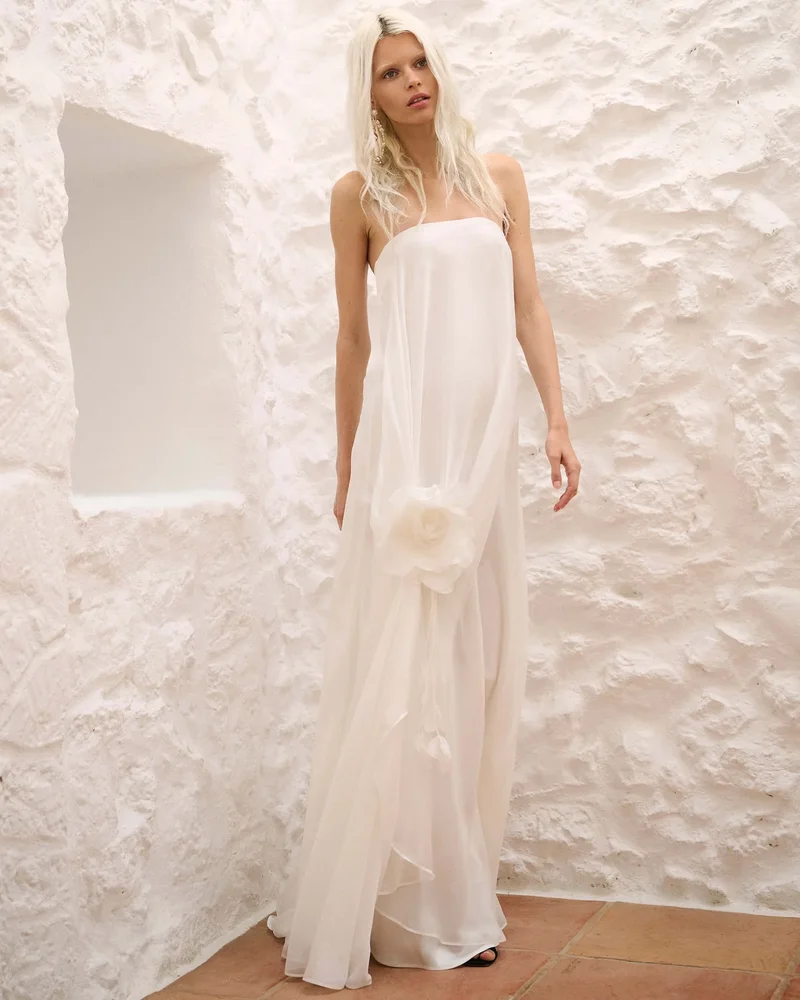
A tie can fit closely without feeling easy
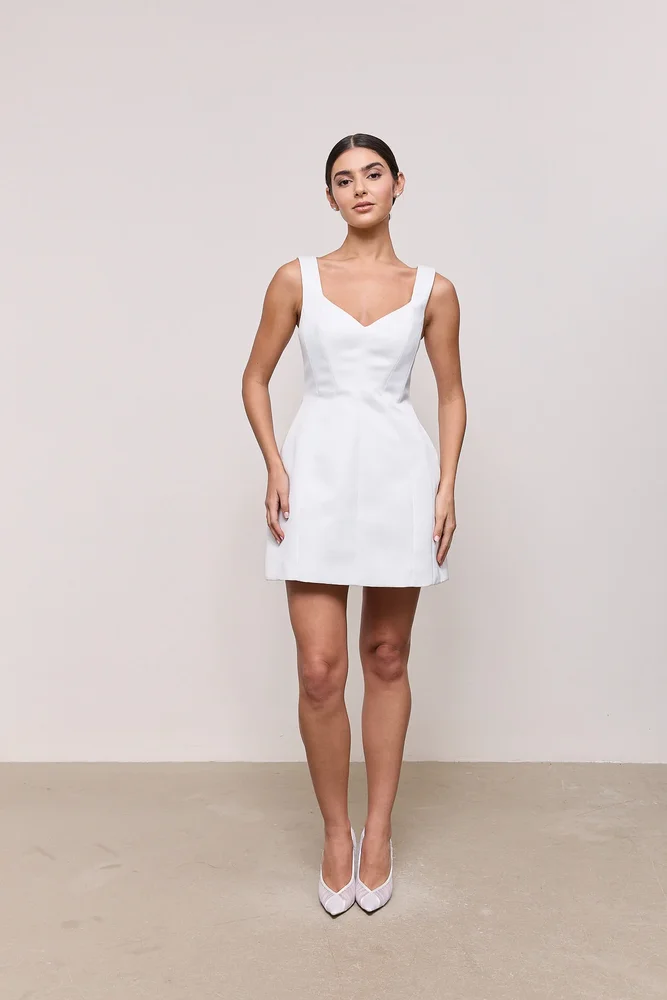
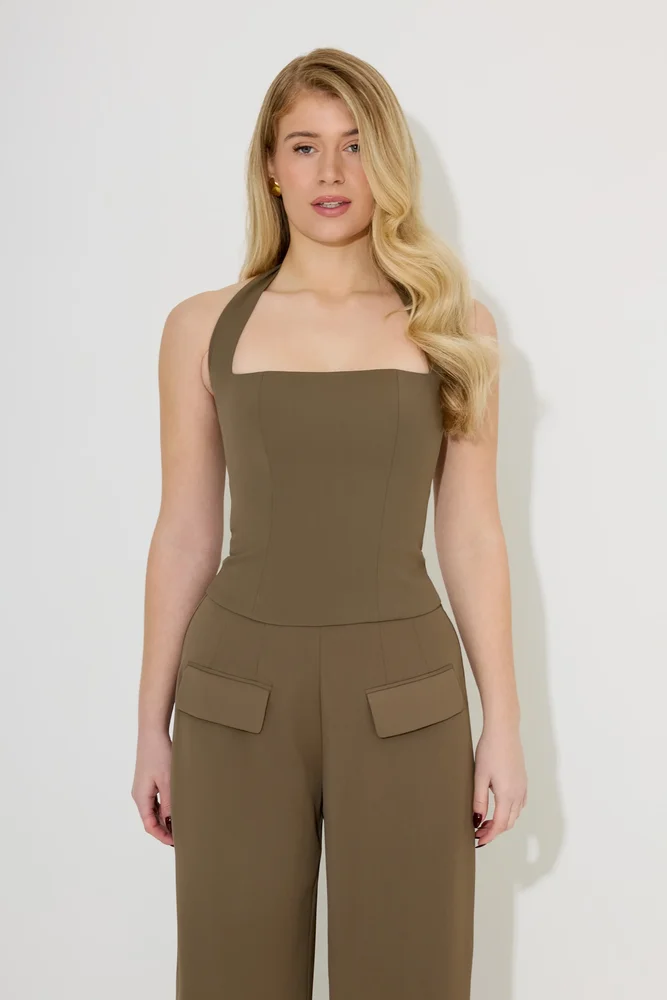
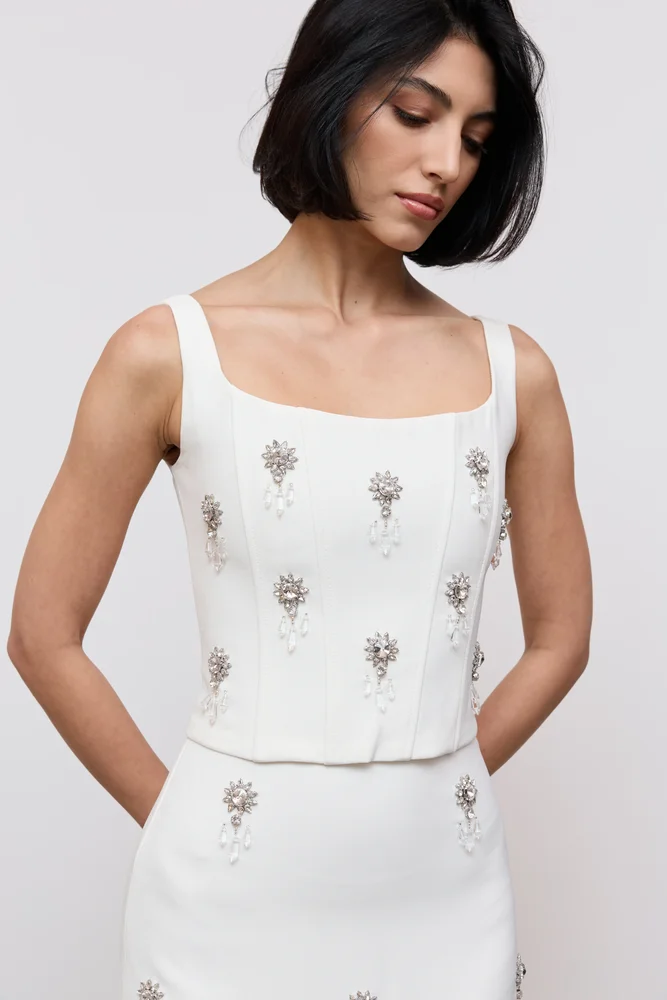
The Odd Muse Halter Top is fitted and has no stretch; its product notes say to size up for added comfort. That is a useful warning: a halter can stay put yet feel demanding around the neck after hours, especially if the bodice is not supporting the dress. Jovani explains that the halter's neck panel supports the bodice and can feel demanding for a fuller bust over a long evening. The Odd Muse Crystal Corset takes another route with boning and a square neckline, a reminder that structure can be built into the bodice rather than supplied by a tie. I would test the neck tie and bodice separately with a sit, reach and arm lift.
Structured tops, corsetry and a heel to match
Test the fit before the evening
Comfort is not a styling trick you can add at the door. A strapless dress needs its bodice to stay in place without repeated adjustment; a halter can feel secure but still press at the nape. The fit test I would use is boring and useful: fasten everything, lift both arms, sit, lean forward, and turn. If the top edge gaps or the neck tie cuts in before you have reached the party, that is your answer. I would skip relying on tape to rescue a dress that fails the basic movement test. Choose the style that feels unremarkable on your body, not the one that wins in a mirror.
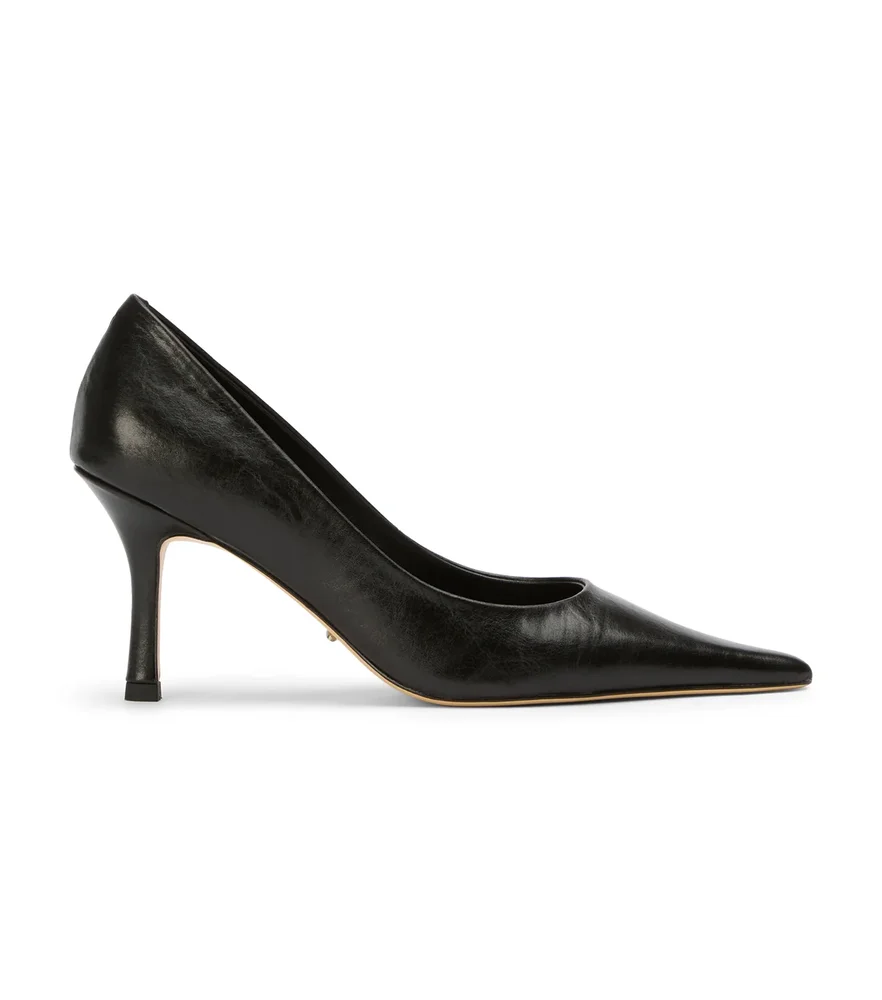
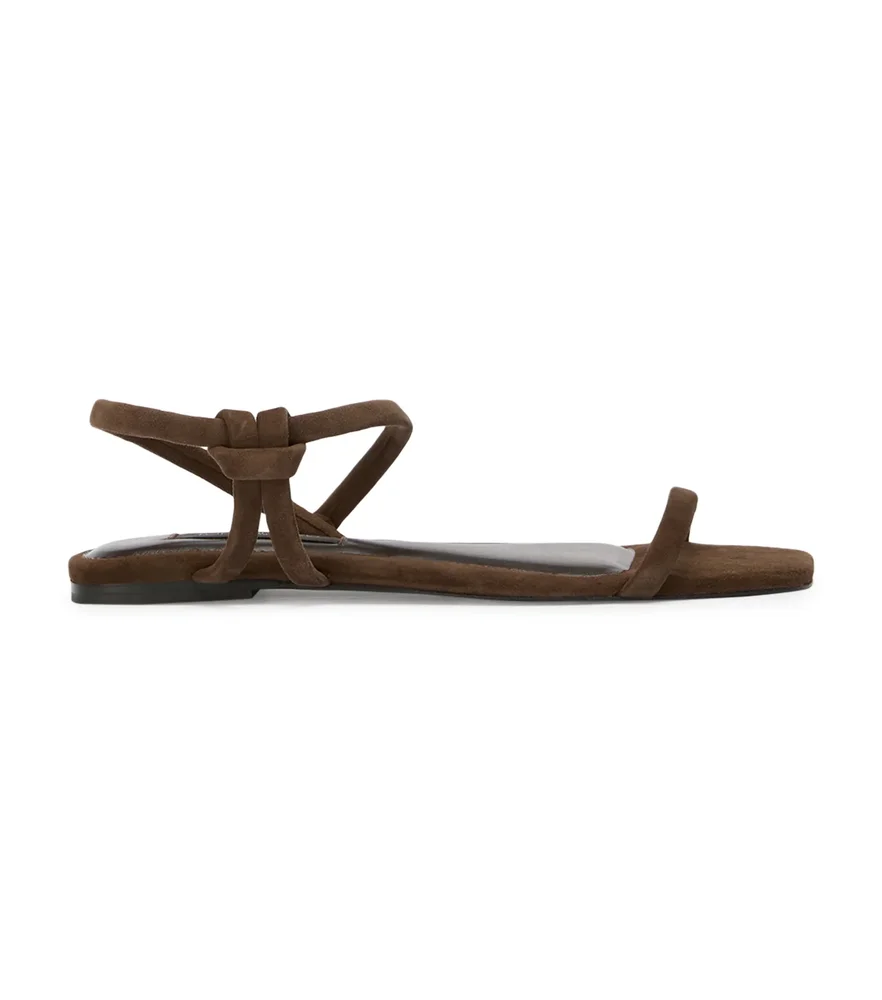
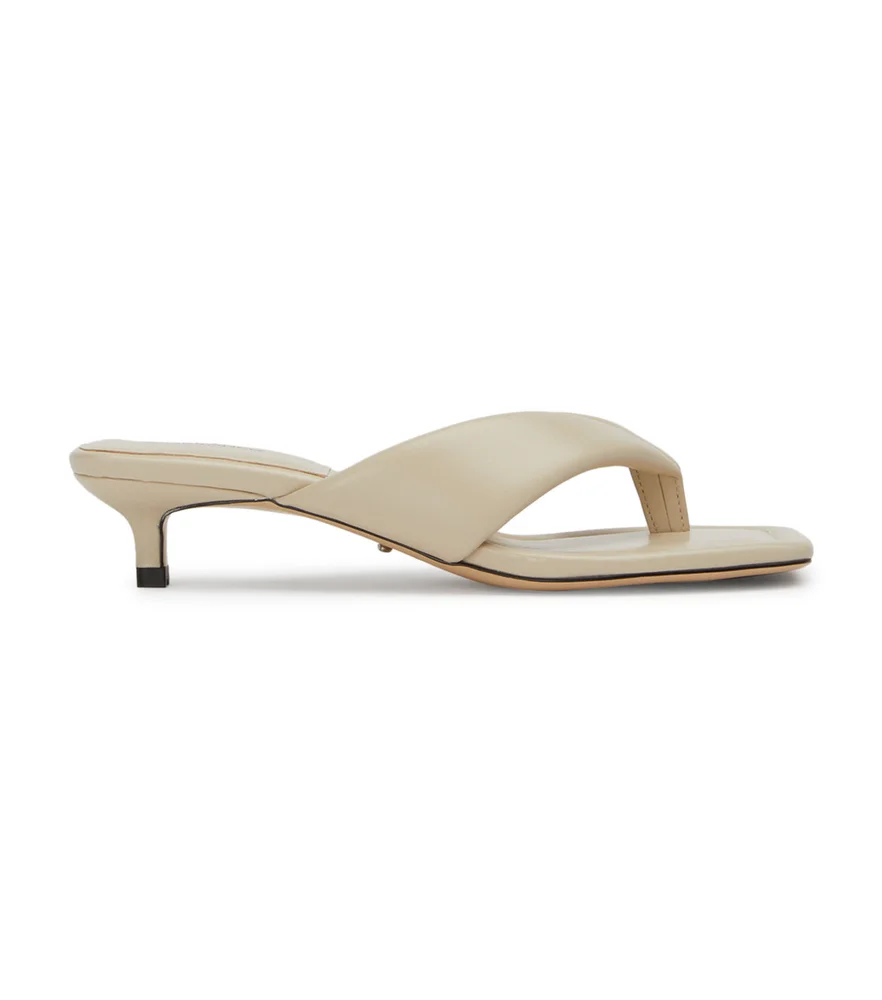
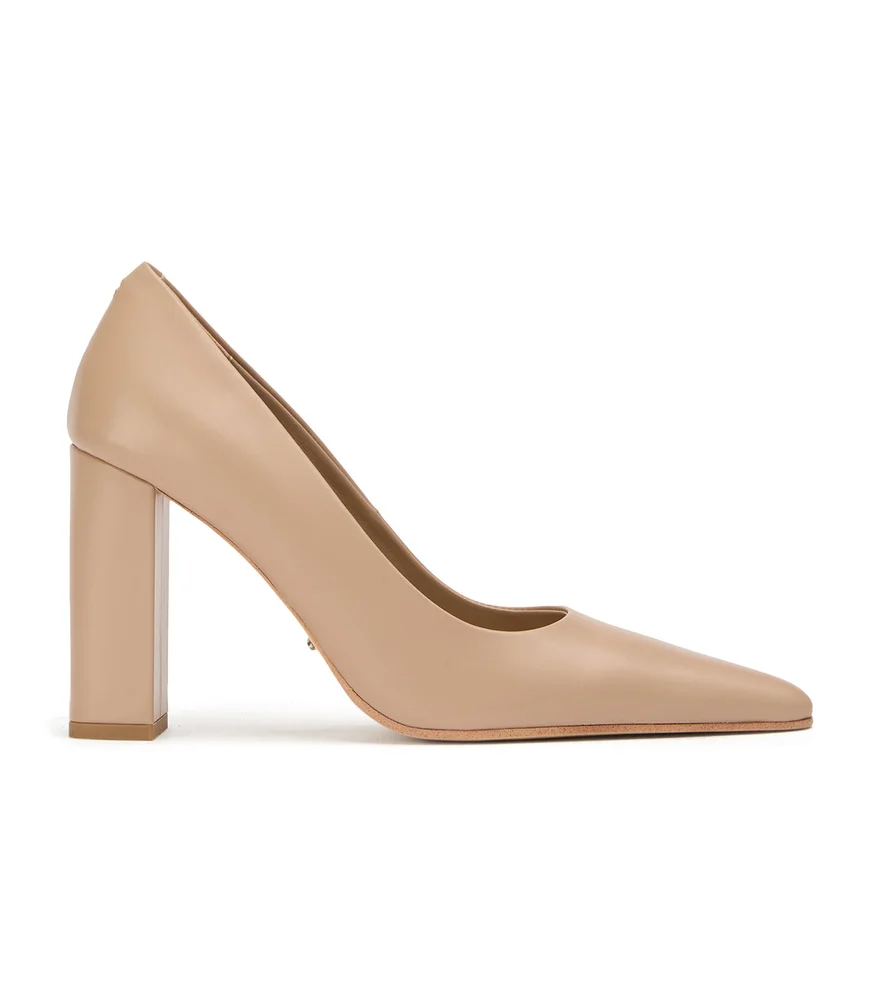
Heels and sandals with real support
Three fit questions worth asking
Which is more comfortable, a halter or strapless dress?
It depends on fit and where you prefer to feel support. A halter can feel demanding around the neck over a long evening, while a strapless bodice depends on a close, structured fit; try each with movement.
How can a strapless dress stay in place?
Look for a supportive bodice with boning or corsetry, then test it by raising your arms, sitting, and moving before the event.
Should I size up in a halter dress?
There is no universal rule. Odd Muse's Halter Top has no stretch and its product notes recommend sizing up for added comfort, so check the fit notes for the specific dress rather than assuming.
My answer after the movement test
Strapless is for someone who likes bare shoulders and is willing to choose a close bodice; halter is for someone who wants a neck tie and feels comfortable carrying some tension there. I would skip either style if I kept tugging or thinking about my neck. For a formal event, Special Occasion Dresses gives a broader view of dress codes; then try the actual neckline in the support you plan to wear. This comparison is for the person dressing for several hours, not one photo.






