Best enzyme exfoliators pair fruit enzymes with formats you can control, from a water-activated powder to hybrid pads and stronger rinse-off masks.
Best Enzyme Exfoliators: Gentle Powders and Peels
How I choose an enzyme exfoliator
The best exfoliator for someone who wants a controlled, gentler polish is an enzyme formula; among the best enzyme exfoliators, I would start with a water-activated powder. Enzymes loosen the protein bonds that hold dead surface cells, rather than relying only on a gritty scrub or an acid-heavy peel.
Papaya and pineapple are common fruit sources for these enzymes. That does not mean every enzyme formula is mild in practice: the base, added acids, and any textured surface change how much work a formula asks of skin. I would judge the whole formula and its contact time, not just the word enzyme on the jar.
Tatcha The Rice Polish combines papaya enzymes with Japanese rice bran and foams when mixed with water, so the intensity is easy to control. Dr. Loretta Resurfacing Enzyme Polish pairs a pomegranate enzyme with a physical polish, while Peter Thomas Roth Pumpkin Enzyme Mask also adds AHA and aluminum oxide crystals, making it the more active choice. My instinct is to start with the powder and move to a mask only if skin already tolerates exfoliation.
The American Academy of Dermatology advises matching exfoliation to skin type, being gentle, and using more aggressive methods less often. Dry, sensitive, or acne-prone skin may do better with a washcloth and mild chemical exfoliant than mechanical exfoliation.
Enzyme and acid hybrids
Enzyme formulas can share space with acids; the Elemis Dynamic Gentle Resurfacing Pads with Lactic Acid are the clearest hybrid pick. ELEMIS pairs Tri-Enzyme Technology with lactic acid and a probiotic ferment complex, and describes the pad as a two-sided step for the face and neck. That is useful for someone who likes a measured pad format, but it is not the same as an enzyme-only powder.
I would not take the brand's morning-and-evening directions as a universal schedule. The American Academy of Dermatology says frequency depends on skin type and method, and the more aggressive the exfoliation, the less often it should be done. It also warns that retinoids, retinol, and benzoyl peroxide can increase sensitivity, and exfoliating while using them may worsen dryness or breakouts.
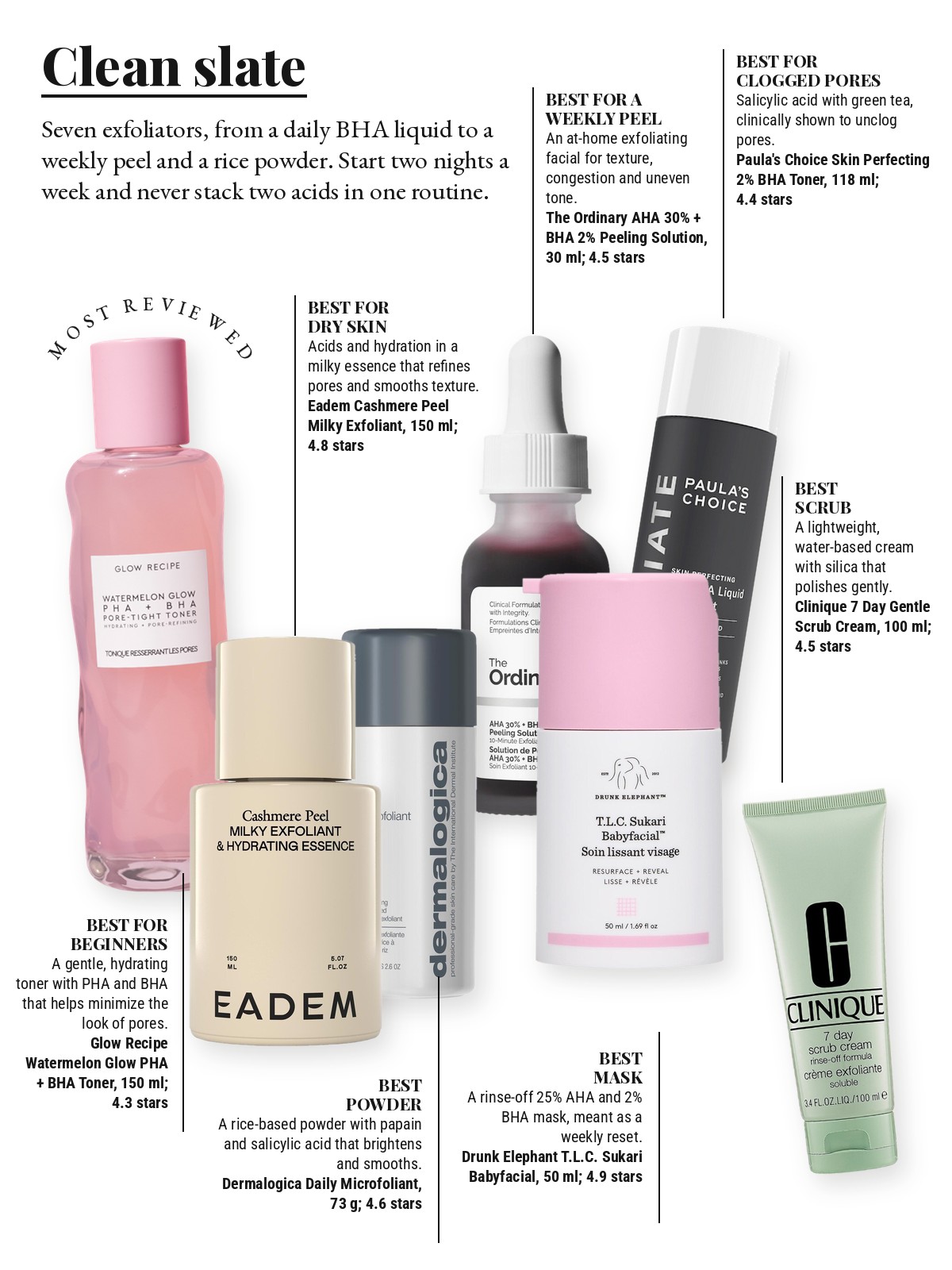
Best PHA Exfoliant and Other Chemical Exfoliators
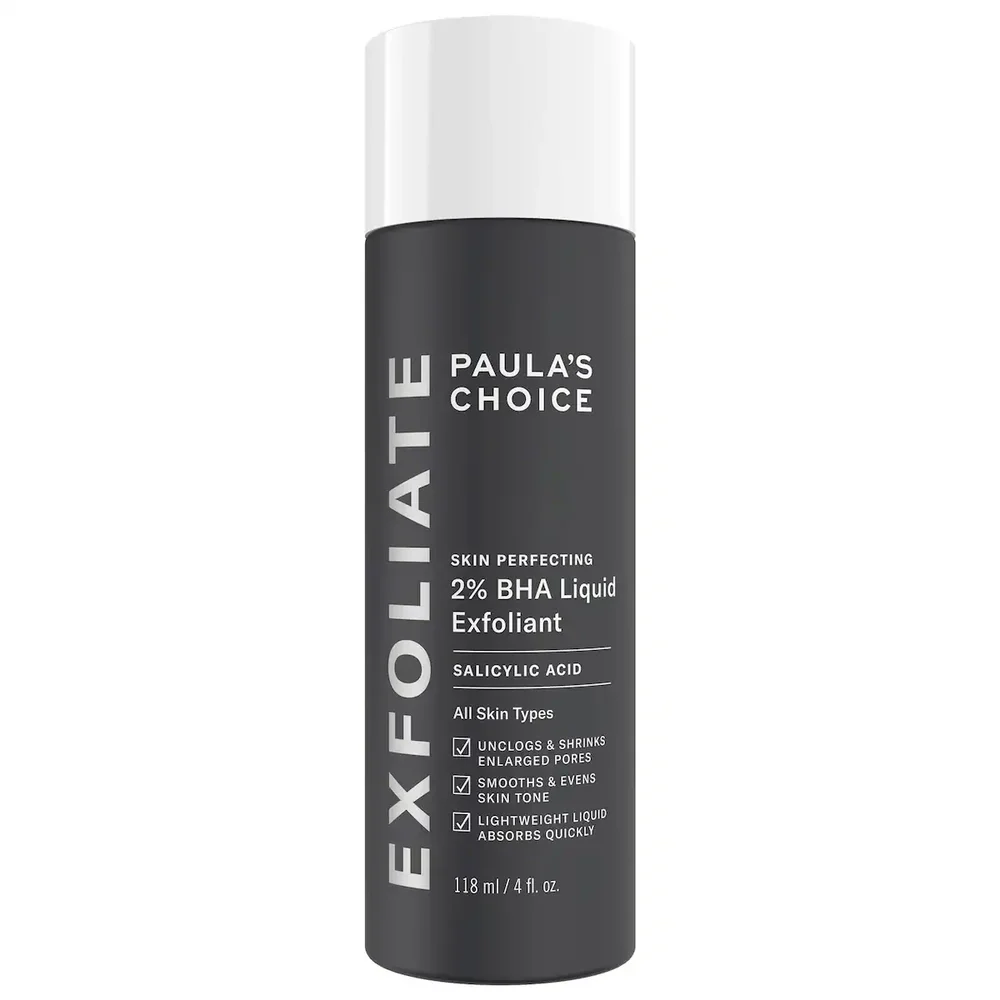
Skin Perfecting 2% BHA Exfoliating Toner for Clear Skin
Paula's Choice
$37
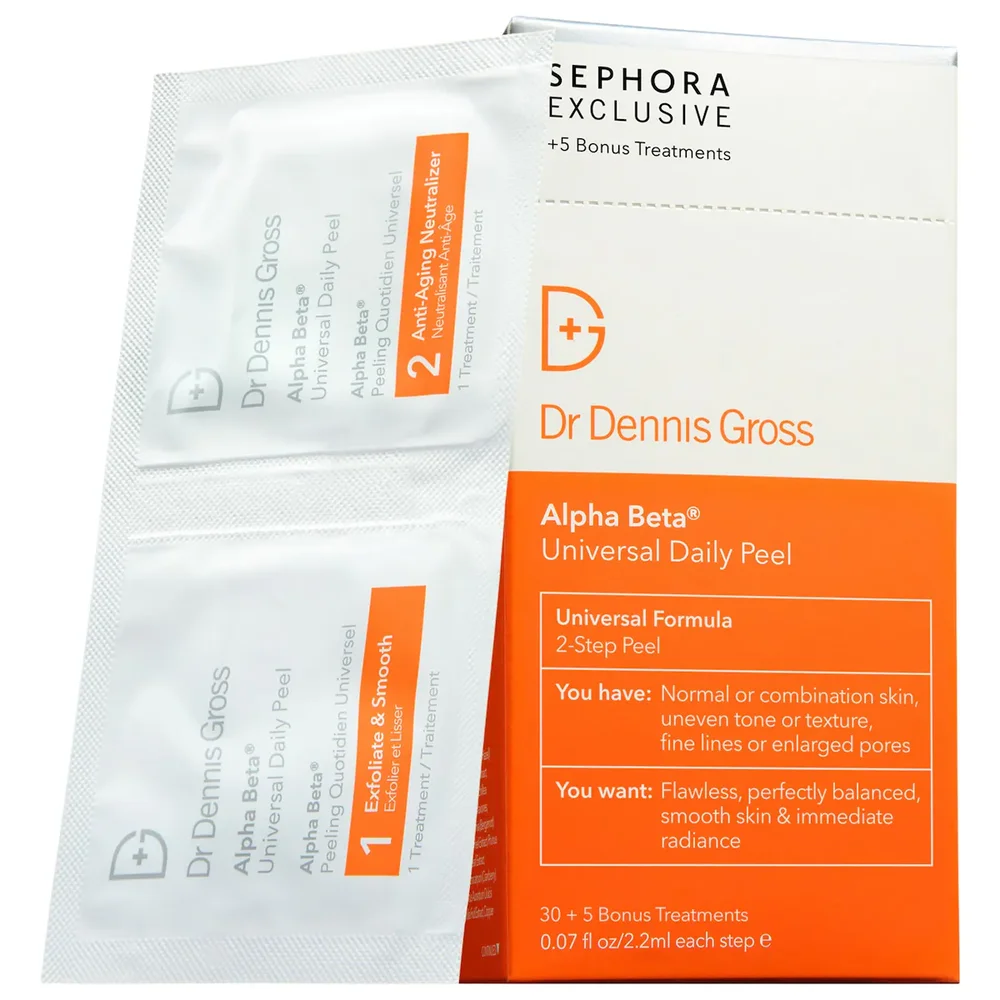
Alpha Beta® Universal Daily AHA/BHA Exfoliating Peel Pads for Pores, Fine Lines & Texture
Dr. Dennis Gross Skincare
$94
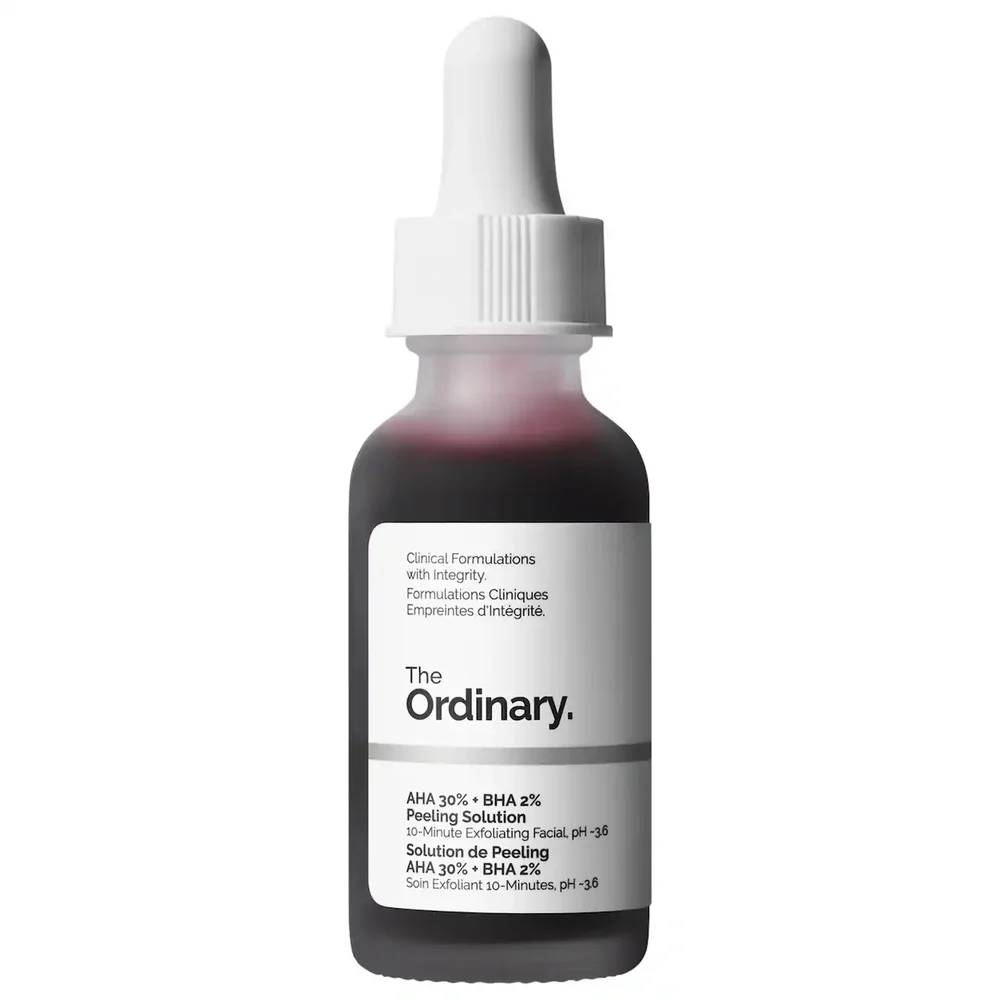
AHA 30% + BHA 2% Peeling Solution
The Ordinary
$9.50
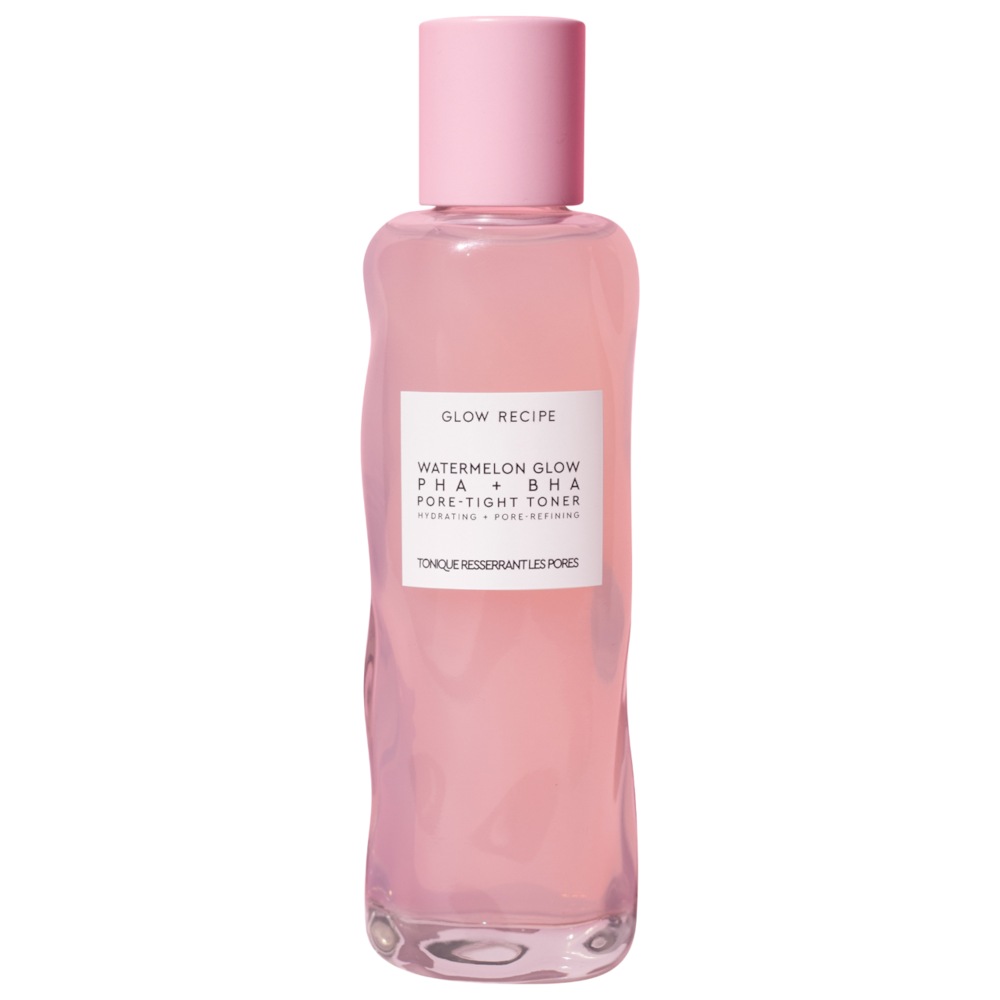
Watermelon Glow PHA + BHA Pore-Tight Toner
Glow Recipe
$36
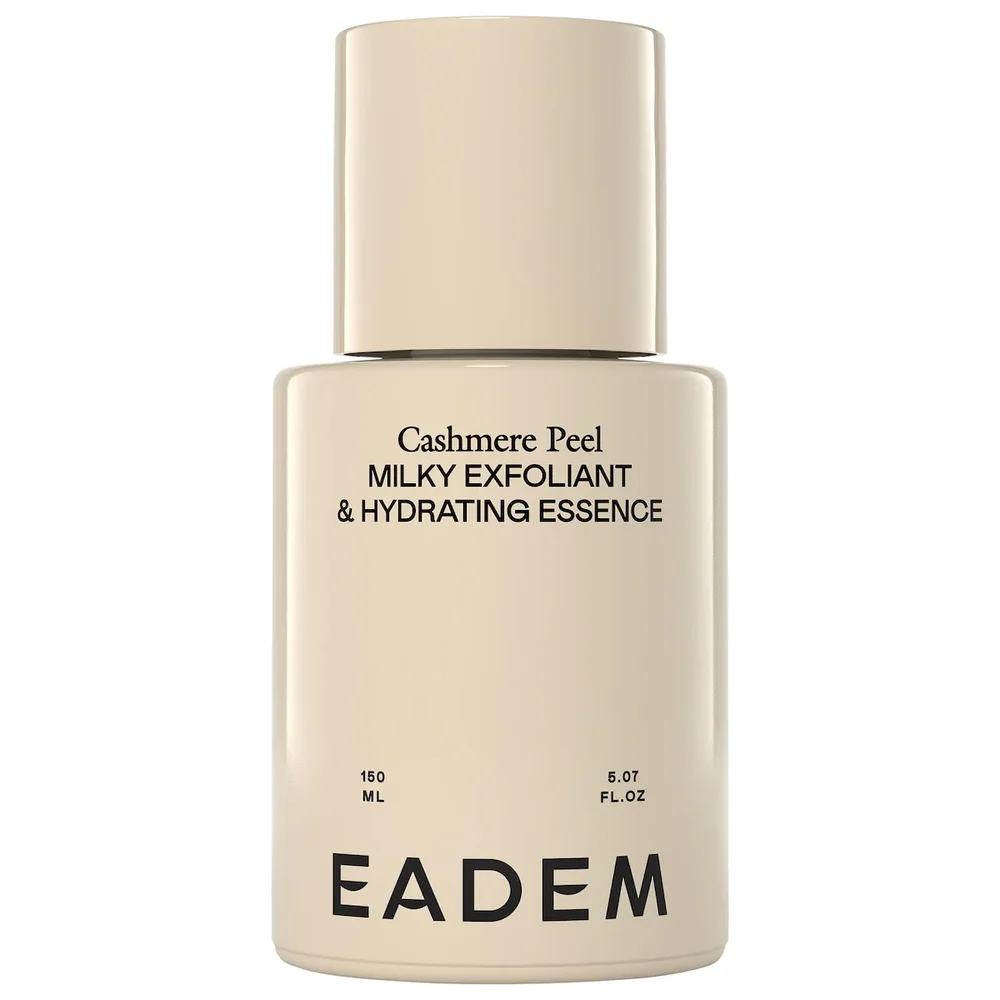
Cashmere Peel Milky Exfoliant & Hydrating Essence — Daily AHA + PHA Formula with 9% Azelaic, Lactic & Tranexamic Acids
EADEM
$42
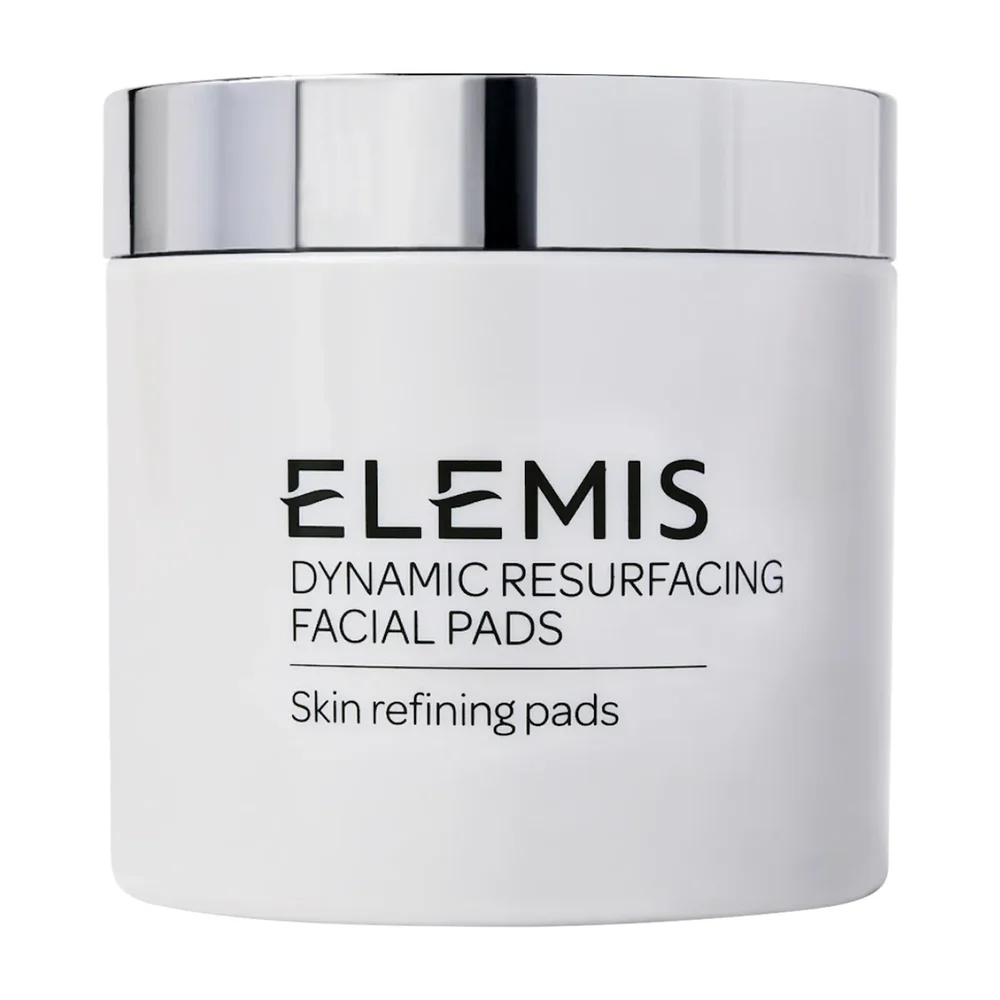
Dynamic Gentle Resurfacing Pads with Lactic Acid
Elemis
$69
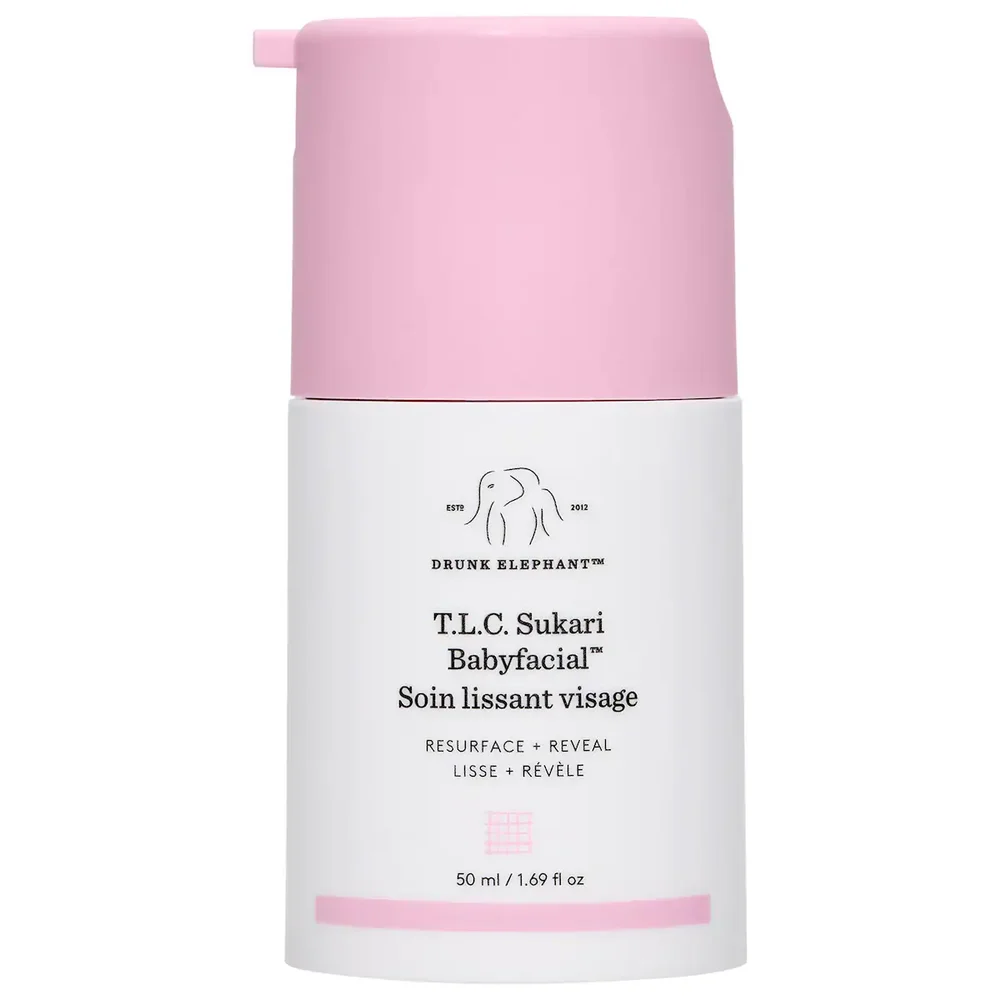
TLC Sukari Babyfacial 25% AHA/ 2% BHA Exfoliating Mask
Drunk Elephant
$80
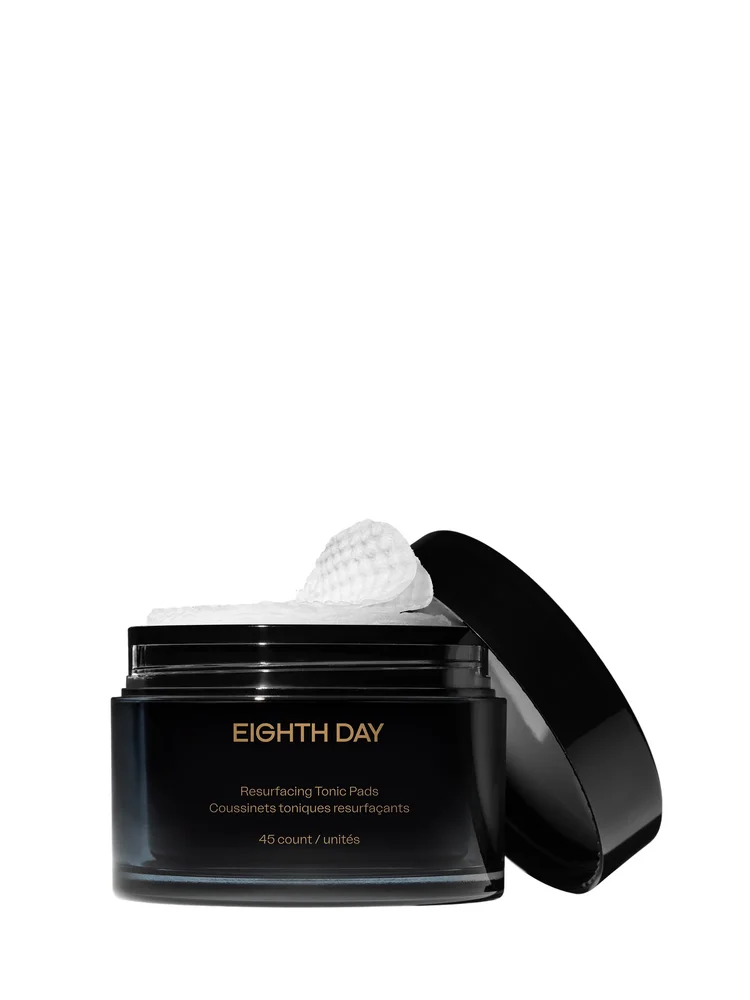
Resurfacing Tonic Pads
Eighth Day
$125
Powders and masks, compared
Of the powder and mask options, Tatcha The Rice Polish uses rice bran for physical polish and papaya enzymes for enzymatic exfoliation; mixed with water, it becomes foam, and Tatcha directs a 15-second massage. That is my choice when I want to keep friction and contact time modest. Dermalogica Daily Microfoliant is a more layered powder: it includes papain, rice enzymes, and salicylic acid, with a one-minute massage. Dr. Loretta Resurfacing Enzyme Polish pairs pomegranate enzyme with Bio-Fermented Polish and niacinamide, and stays on damp skin for five to ten minutes before rinsing. Peter Thomas Roth Pumpkin Enzyme Mask combines pumpkin enzyme, AHA, and aluminum oxide crystals, with a three-to-seven-minute window once or twice a week. I would save the last one for skin already comfortable with exfoliation, since its enzyme is only one part of the formula.
Scrubs, powders and enzyme exfoliators
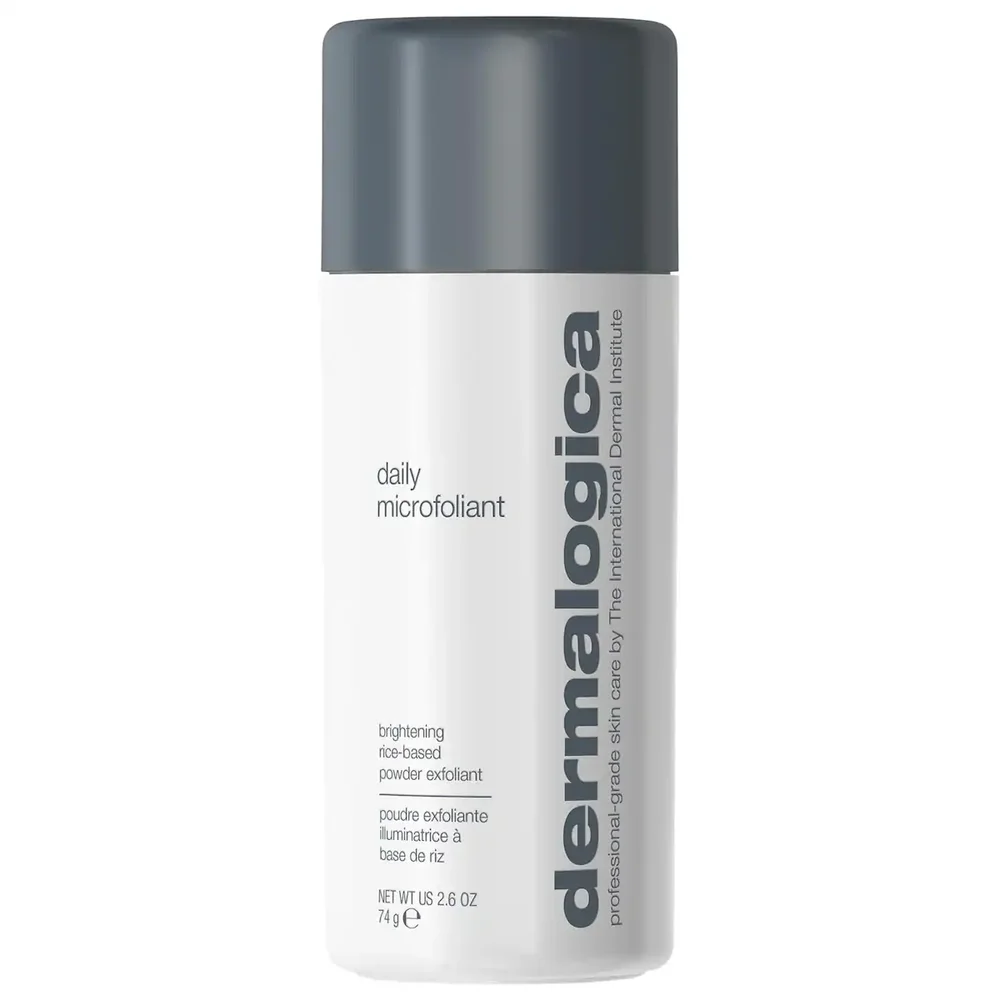
Daily Microfoliant, Salicylic Acid Powder Exfoliator for Pores, Spots & Uneven Skin Tone
Dermalogica
$69
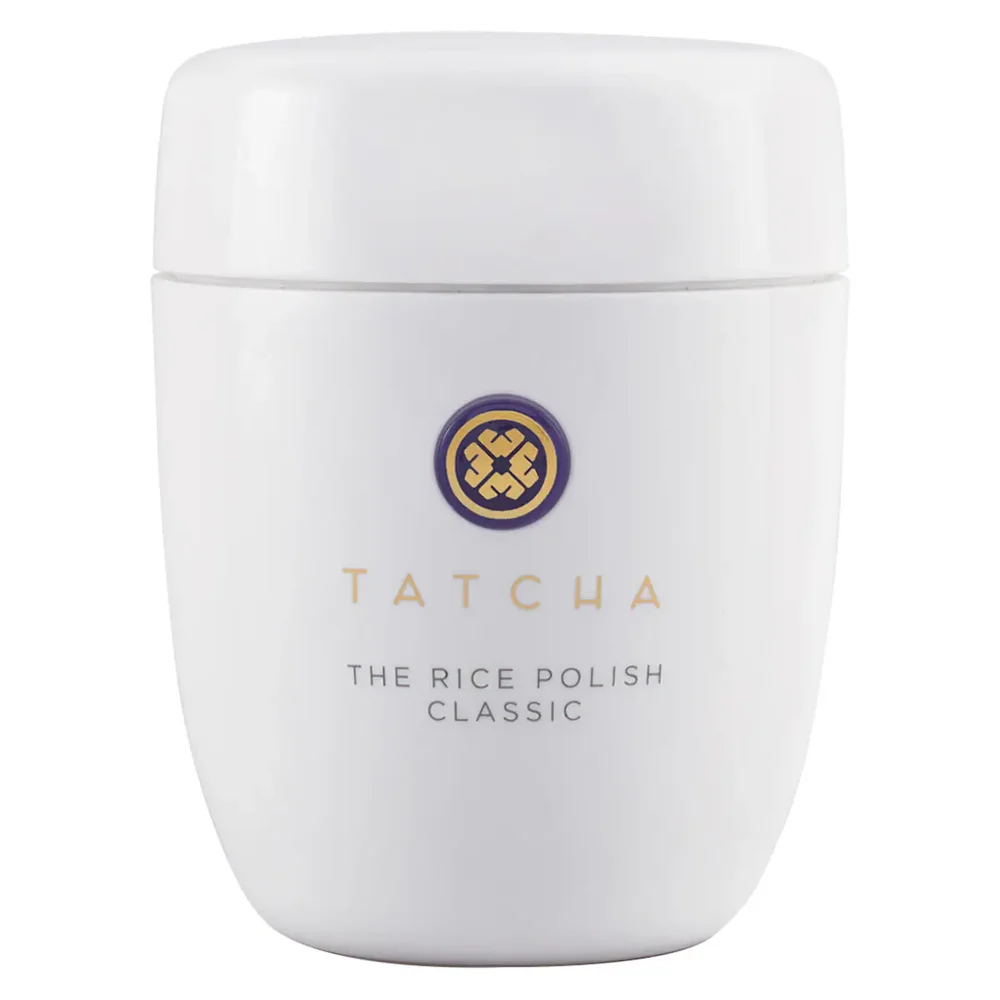
The Rice Polish Foaming Enzyme Powder
Tatcha
$69
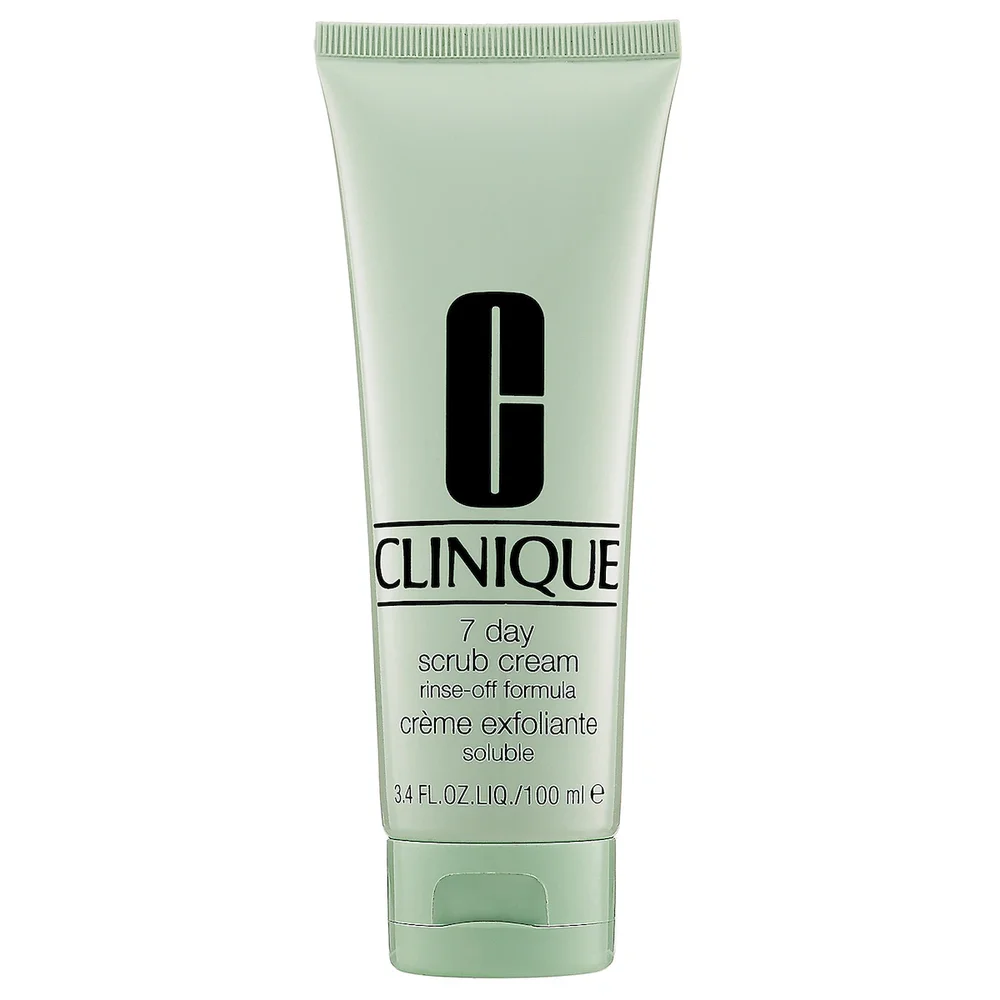
7 Day Gentle Face Scrub Cream Exfoliator
CLINIQUE
$29
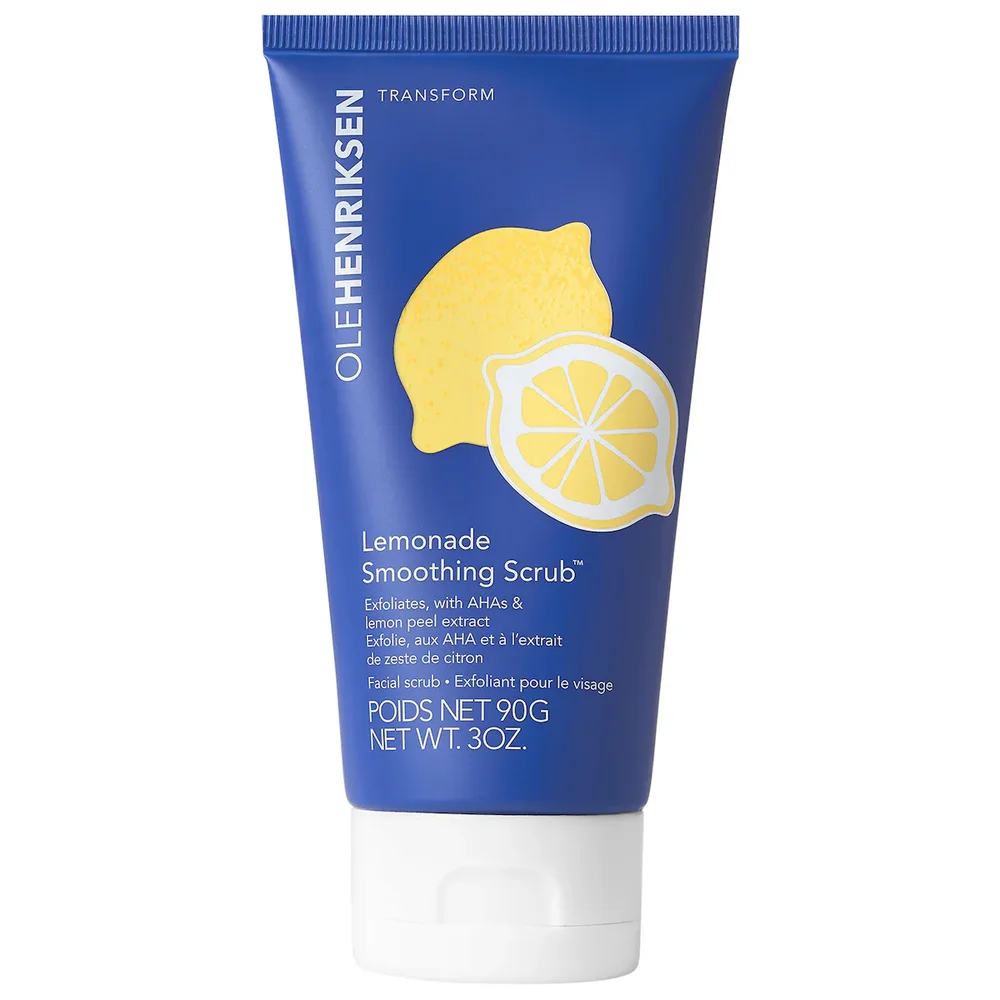
10% AHA Lemonade Smoothing Scrub
Ole Henriksen
$36
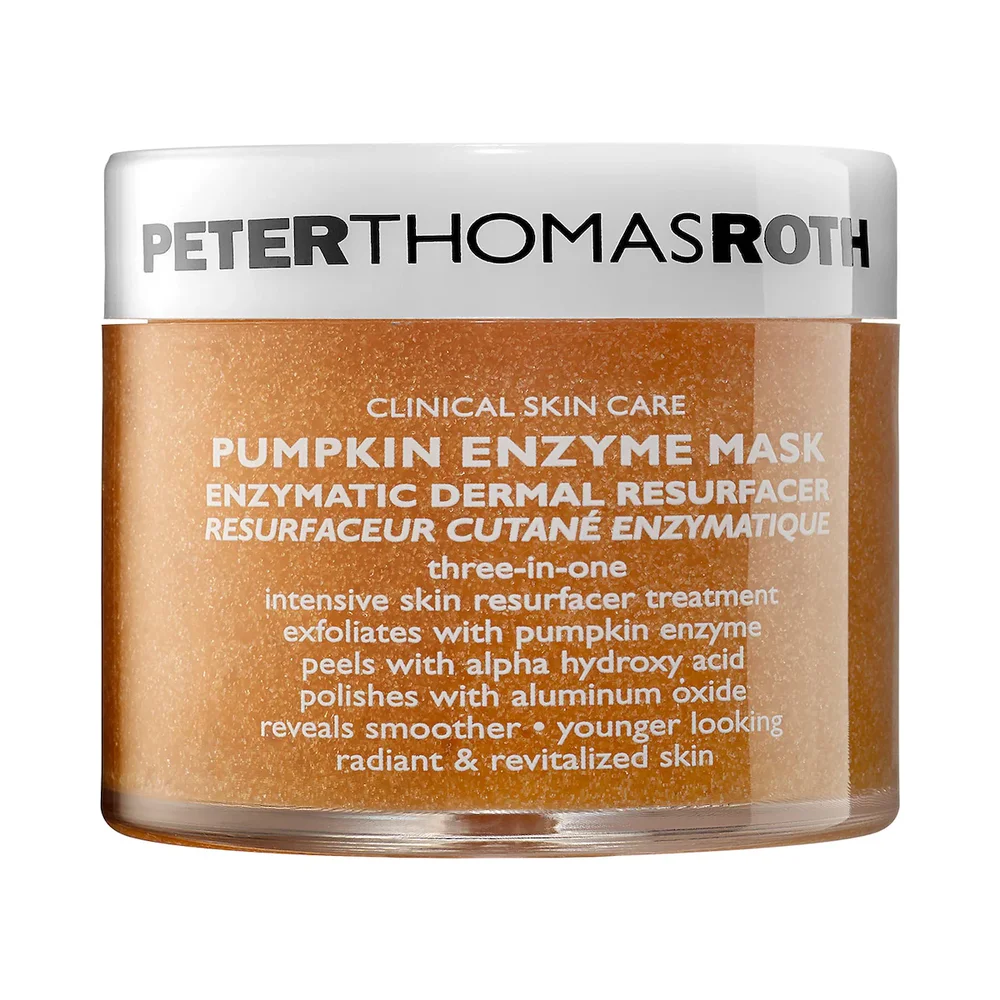
Pumpkin Enzyme Mask Enzymatic Dermal Resurfacer
Peter Thomas Roth
$60
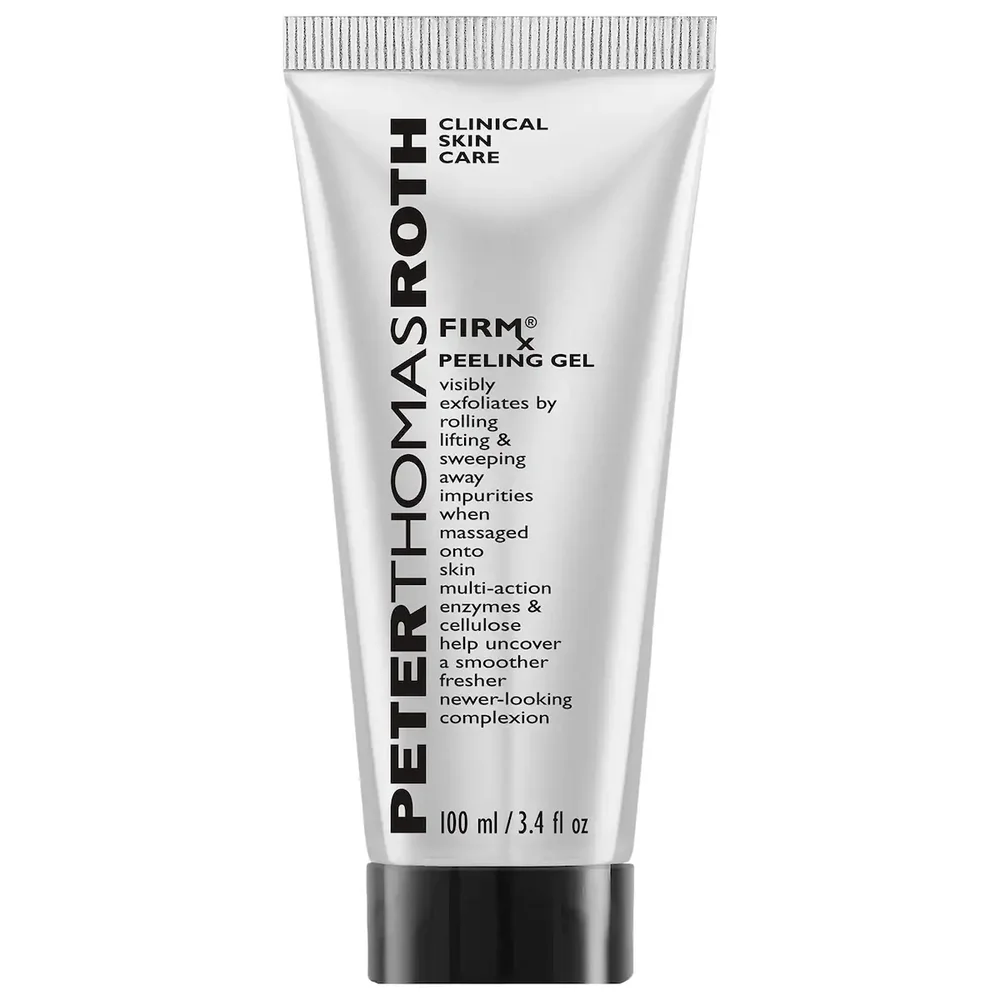
FIRMx Exfoliating Peeling Gel for Dullness, Pores & Uneven Texture
Peter Thomas Roth
$49
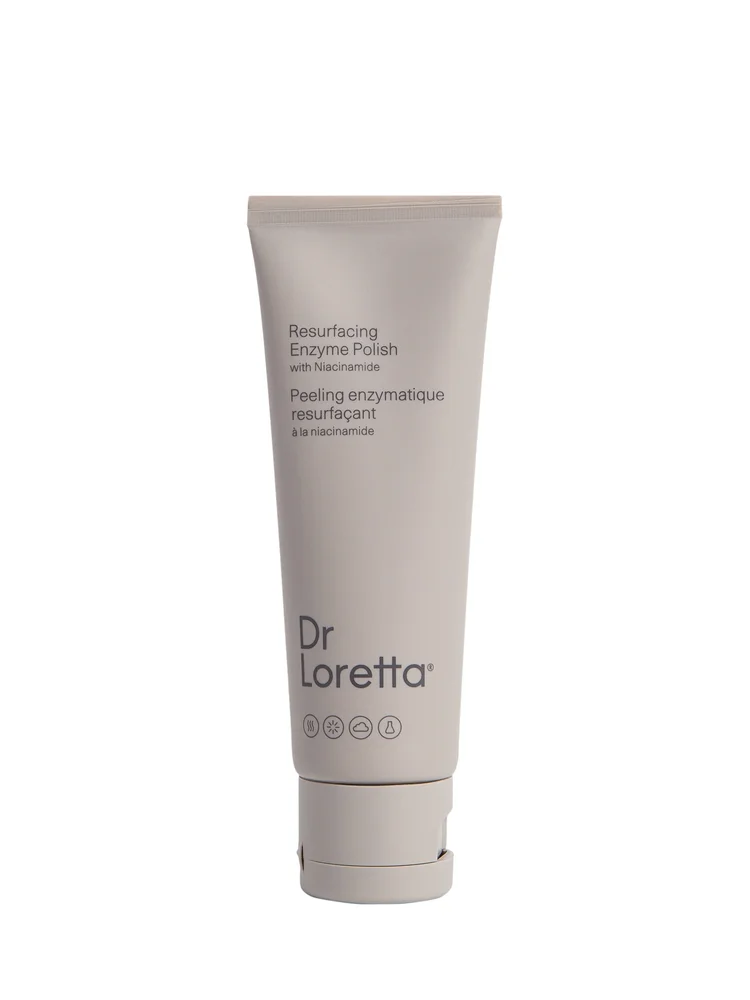
Resurfacing Enzyme Polish
Dr. Loretta
$60
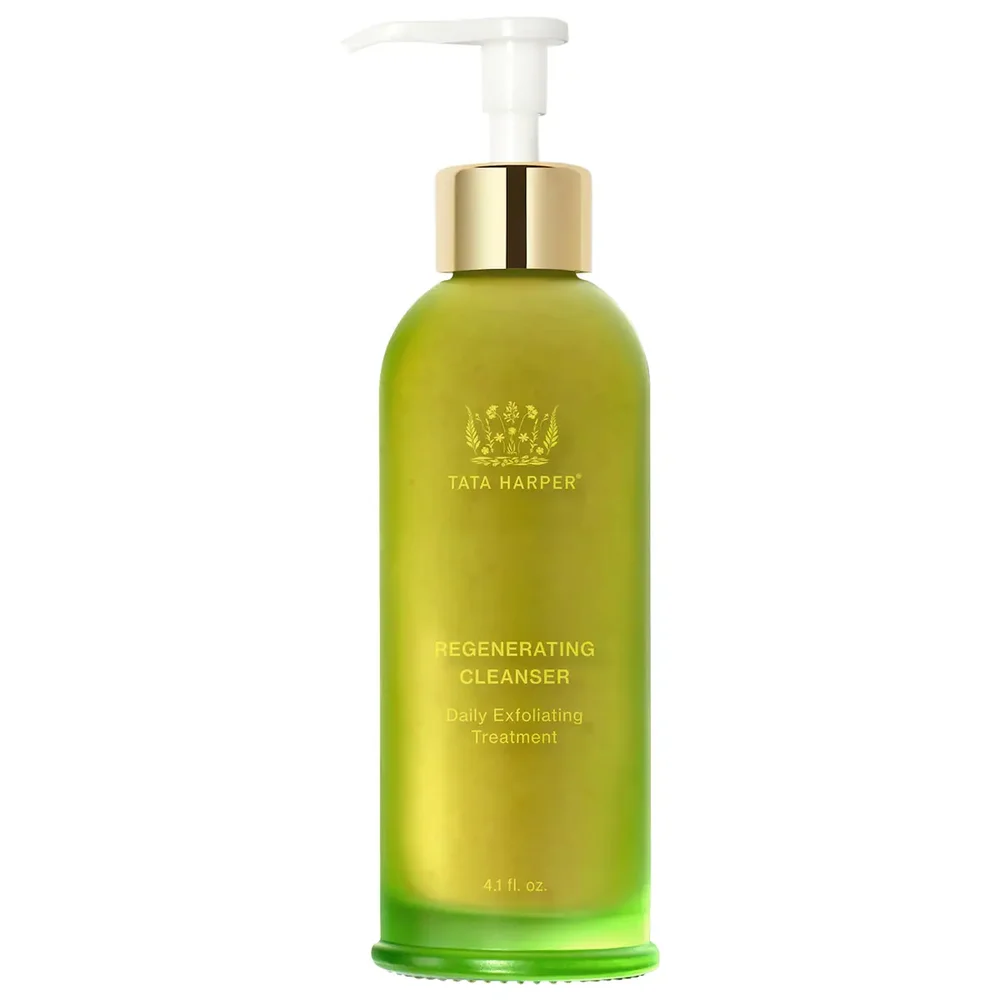
Regenerating BHA Exfoliating Cleanser
Tata Harper
$88
Enzyme exfoliator questions I get
Which is the best enzyme exfoliator for the face?
For a controlled first try, I would choose Tatcha The Rice Polish: it combines papaya enzymes and Japanese rice bran, activates with water, and has a 15-second massage direction. The right choice still depends on skin tolerance.
How often should I use an enzyme exfoliator?
ELLE's dermatologist expert suggests one to three times weekly depending on sensitivity and tolerance. The American Academy of Dermatology says the schedule depends on skin type and method, with more aggressive exfoliation used less often.
Are enzyme exfoliators gentle enough for sensitive skin?
They can be a gentler direction than acid exfoliants, according to dermatologist Jenna Queller, but no formula suits everyone. The American Academy of Dermatology advises choosing a method for your skin type and being gentle.
Will an enzyme exfoliator clear clogged pores?
Some formulas add other actives: Dermalogica Daily Microfoliant also contains salicylic acid. If pore congestion is the main concern, Best Exfoliator for Acne-Prone Skin: Scrubs, Toners and Pads considers the BHA route.
A routine that stays gentle
My pick depends on what I would actually use. For sensitive or easily irritated skin, I would start with Tatcha The Rice Polish, add water to make the foam, and keep the contact short; for a mask night, Dr. Loretta's measured five-to-ten-minute routine is more interesting. I would skip the temptation to combine multiple exfoliants in one evening. The American Academy of Dermatology notes that retinoids, retinol, and benzoyl peroxide can increase sensitivity, and exfoliating alongside them may worsen dryness or breakouts. Use light pressure, rinse with lukewarm water, moisturize afterward, and stop if skin becomes red or irritated. The best enzyme exfoliator is the one your skin tolerates, not the one that asks you to exfoliate most often.






