A hydrating shampoo for colored hair should cleanse gently and soften dry strands. Compare color care, fine-hair moisture and repair-focused formulas.

Hydrating Shampoo for Colored Hair: How to Choose
A Gentle Cleanse With Moisture
A hydrating shampoo for colored hair should clean the scalp gently and leave dry lengths soft, not squeaky or coated. I would start with a color-protecting formula, then choose its weight by your texture: coloring can leave hair more porous and prone to dryness, breakage and fading.
Women's Health's expert panel says sulfate-free is not a blanket requirement; judge the whole formula and how your strands feel after washing. Oribe Shampoo for Beautiful Color combines gentle cleansing with intense moisture, and the brand highlights baobab extract for parched, color-treated hair. Davines MINU Shampoo gently cleanses while protecting color and removing dulling hard-water minerals. JVN Nurture Hydrating Shampoo is labeled sulfate-free and color-safe, with aloe and camellia seed oil among its moisture-focused ingredients.
I would not scrub shampoo through the ends to chase hydration. The American Academy of Dermatology recommends massaging shampoo into the scalp, letting it rinse through the lengths, and using conditioner after each wash. The shampoo can help the hair feel less dry, but conditioner still does the smoothing work.
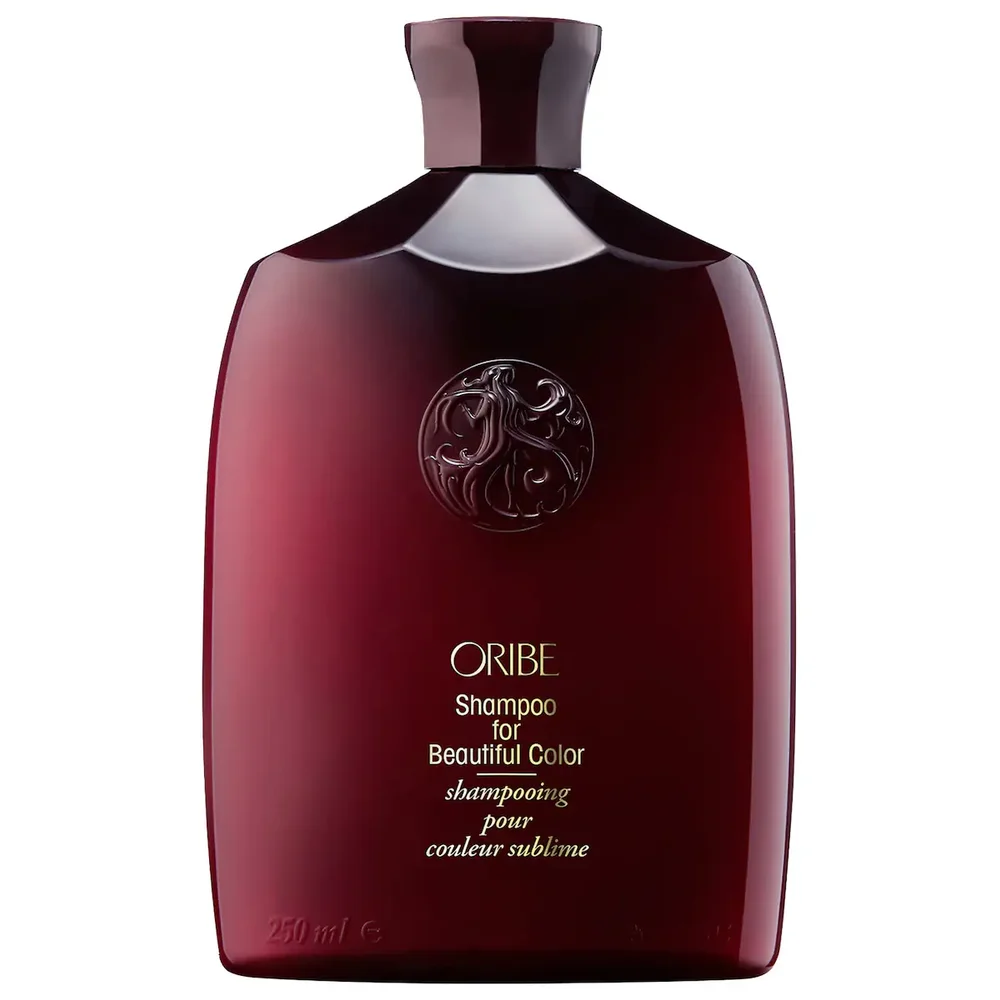
Beautiful Color Shampoo for Color-Treated Hair
Oribe
$49
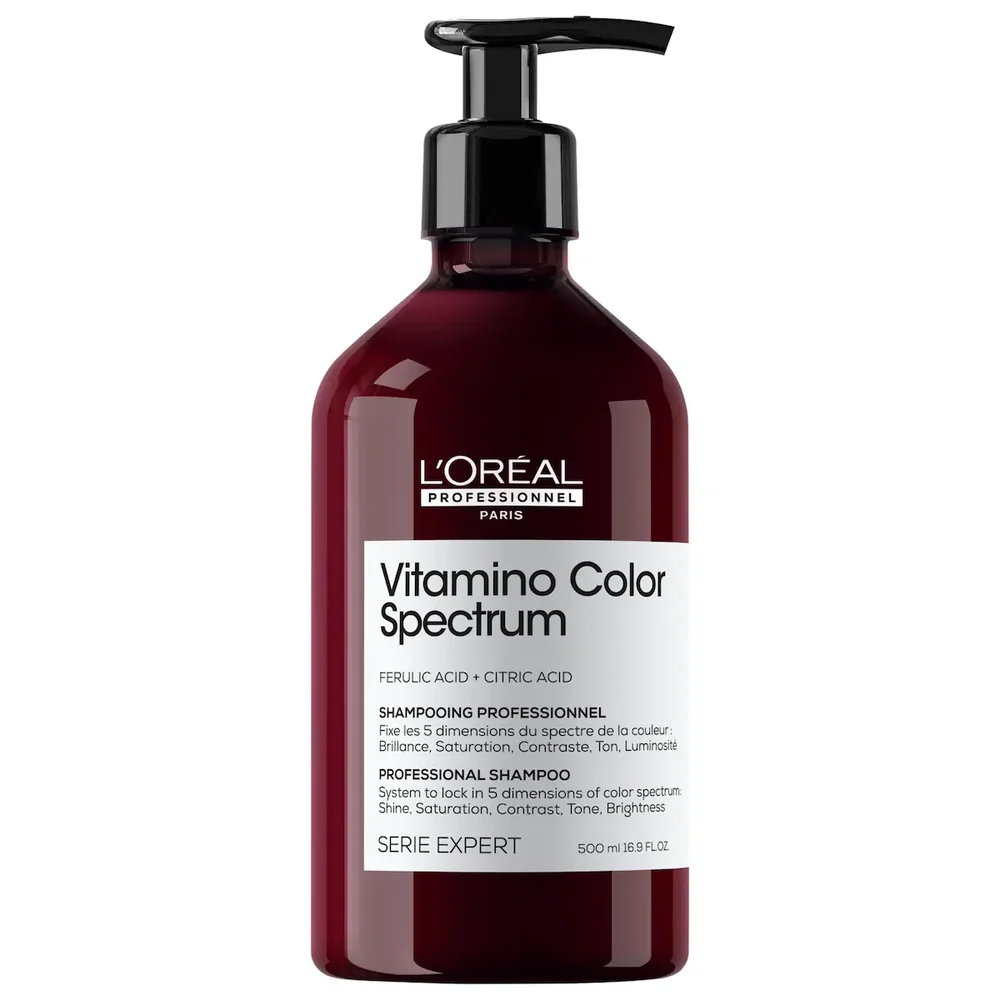
Vitamino Color Spectrum Color Protecting Shine Shampoo
L'Oréal Professionnel
$49
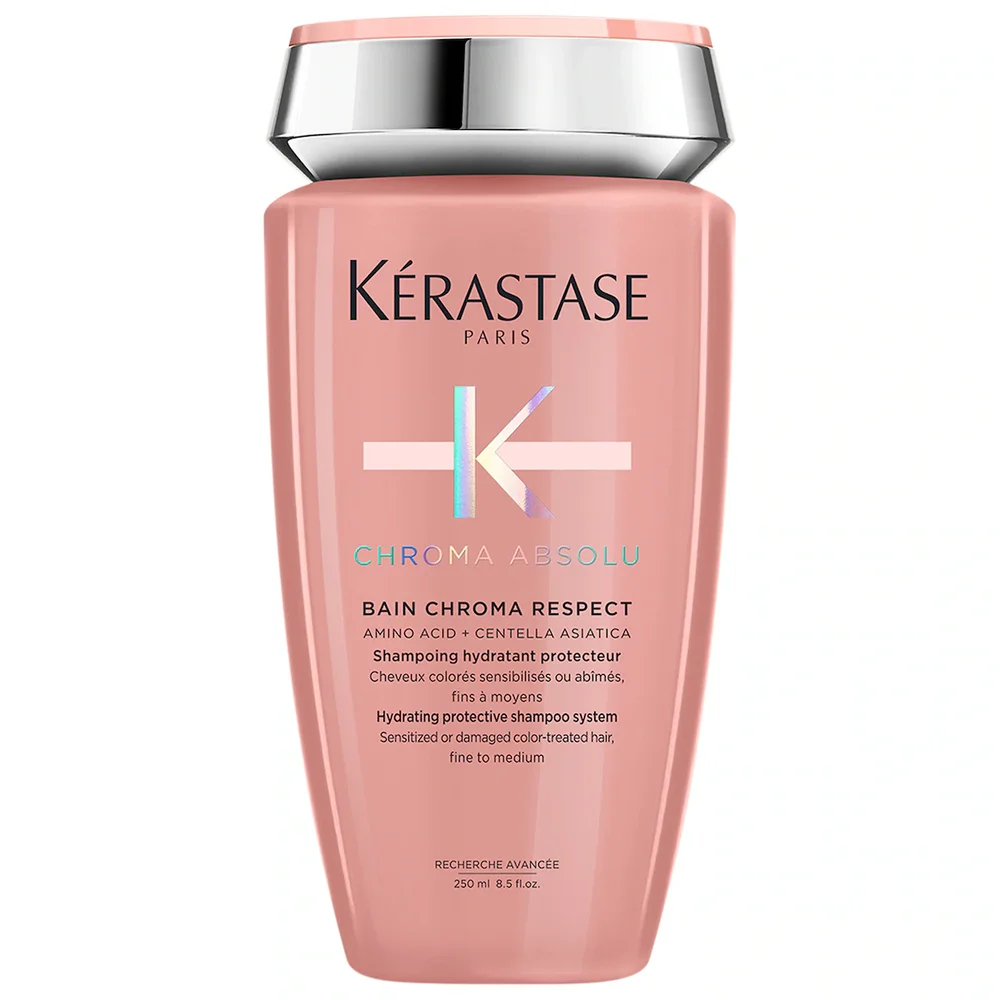
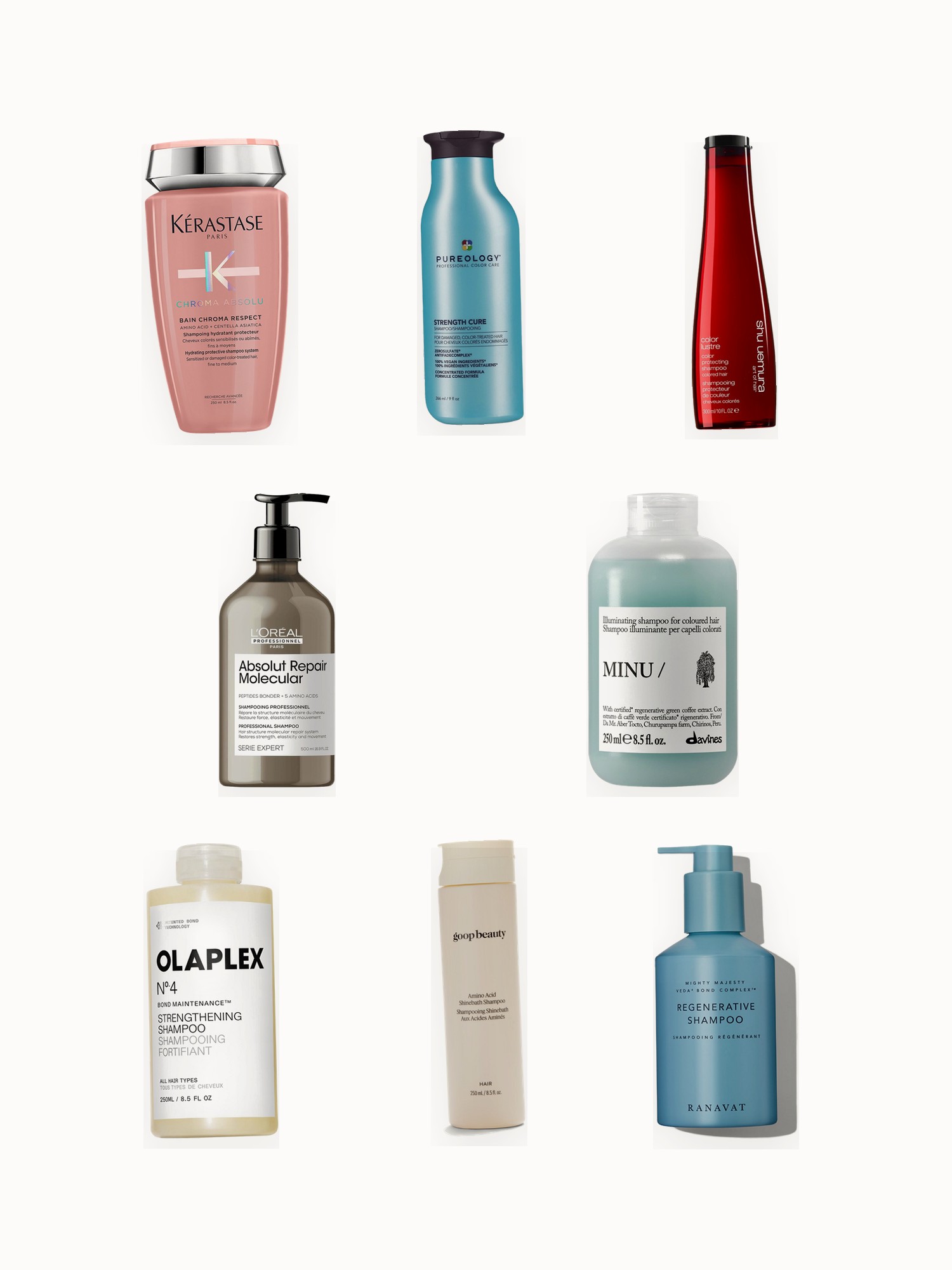
Chroma Absolu Shampoo for Fine to Medium Color-Treated Hair
Kérastase
$48
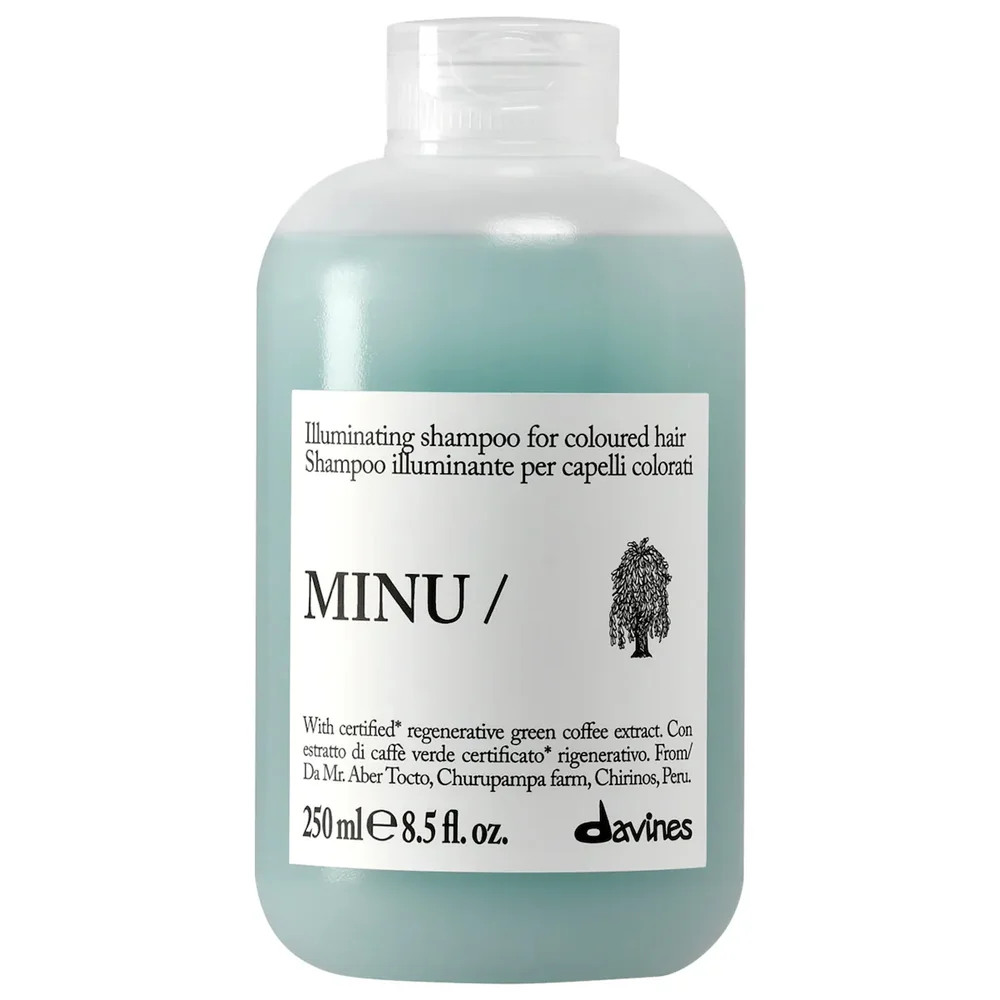
MINU Shampoo for Colored Hair
Davines
$38
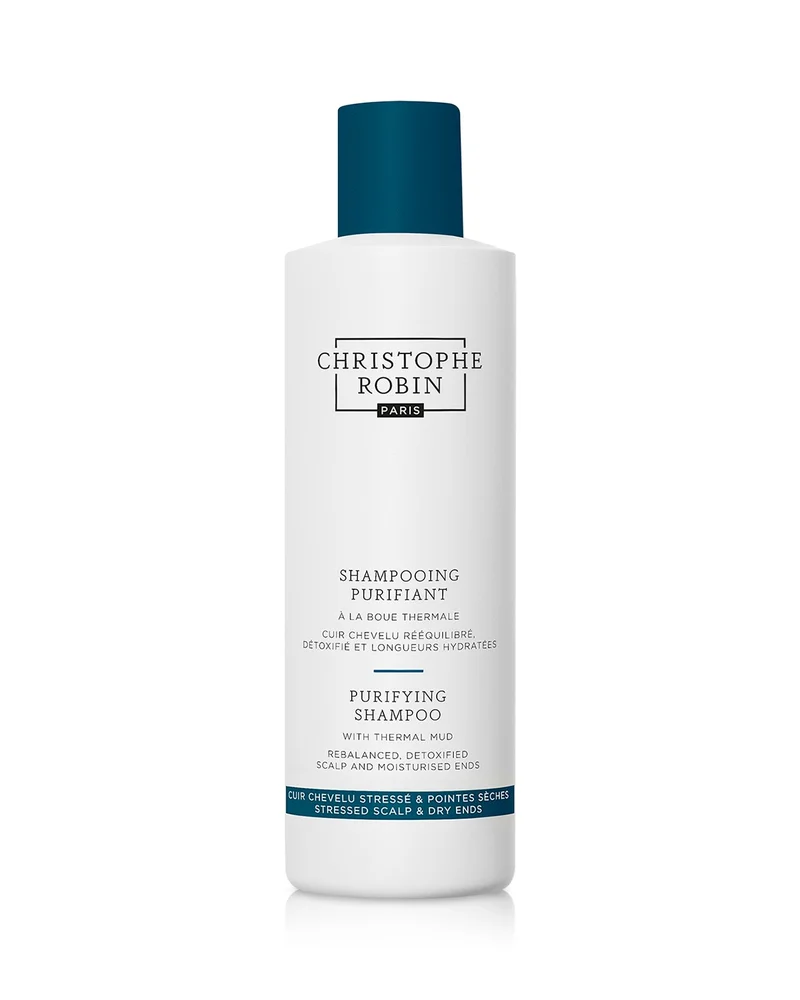
Purifying Shampoo
Christophe Robin
$41
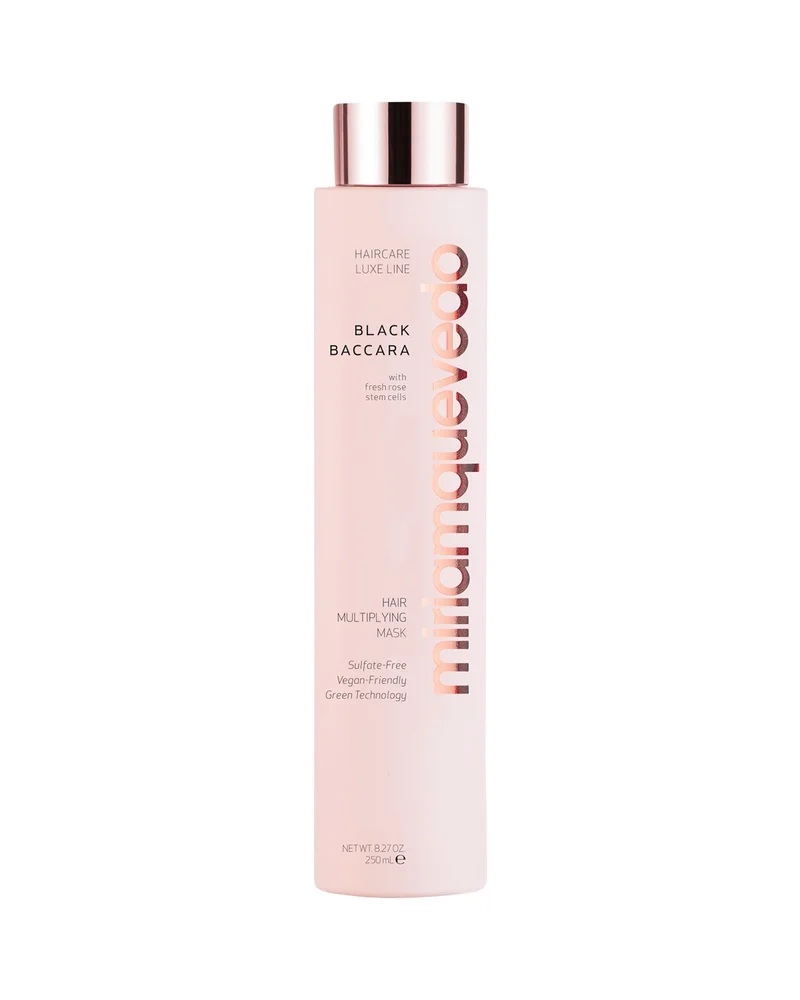
Black Baccara Hair Multiplying Shampoo
Miriam Quevedo
$60
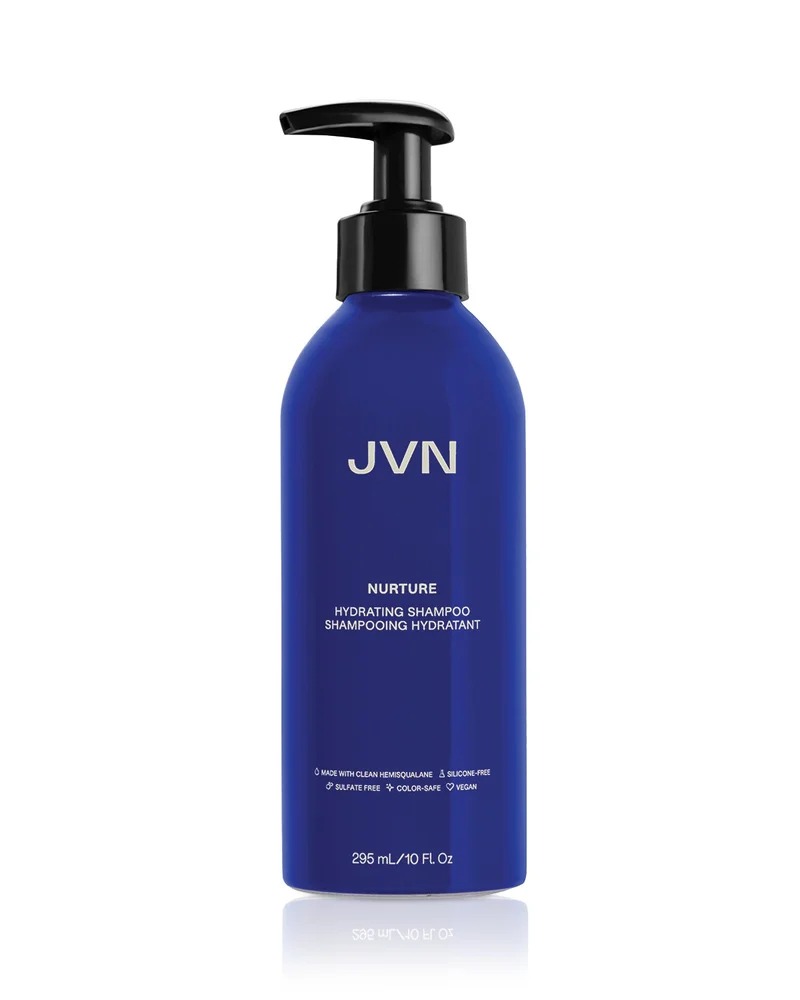
Nurture Hydrating Shampoo
JVN
$24
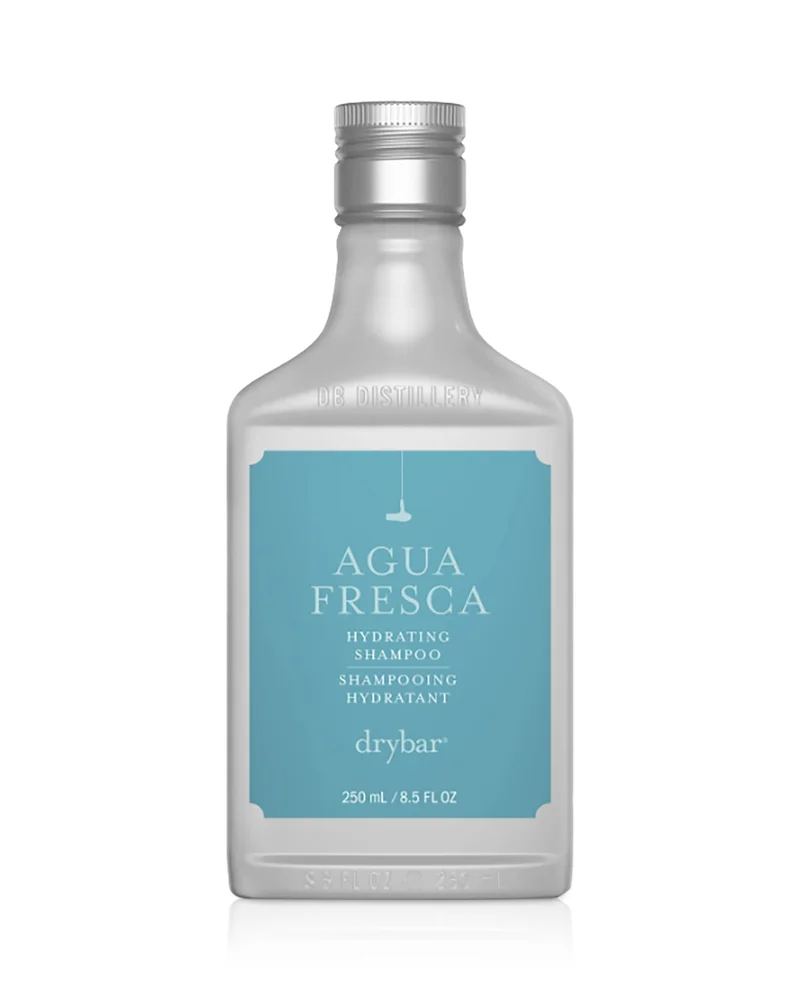
Agua Fresca Hydrating Shampoo
Drybar
$30
When Hair Needs More Than Moisture
When colored hair feels weak or snaps easily, I would look for repair support rather than simply reaching for the richest cleanser. Pureology Strength Cure Shampoo is a sulfate-free, protein-infused option for damaged, color-treated hair; its brand describes it as a fortifying wash that protects color and helps prevent breakage. Olaplex No.4 Bond Maintenance Strengthening Shampoo is concentrated, sulfate-free and color-safe, with the brand specifying medium-to-coarse textures.
Those are different propositions: Pureology puts color care and damage repair together, while Olaplex gives more guidance about texture and concentration. I would start small with the latter and judge the rinse-out feel before making it the default. Neither is a reason to ignore how the scalp feels or to skip conditioner. My preference is one targeted repair step at a time, especially when the hair is fine and easily weighed down.
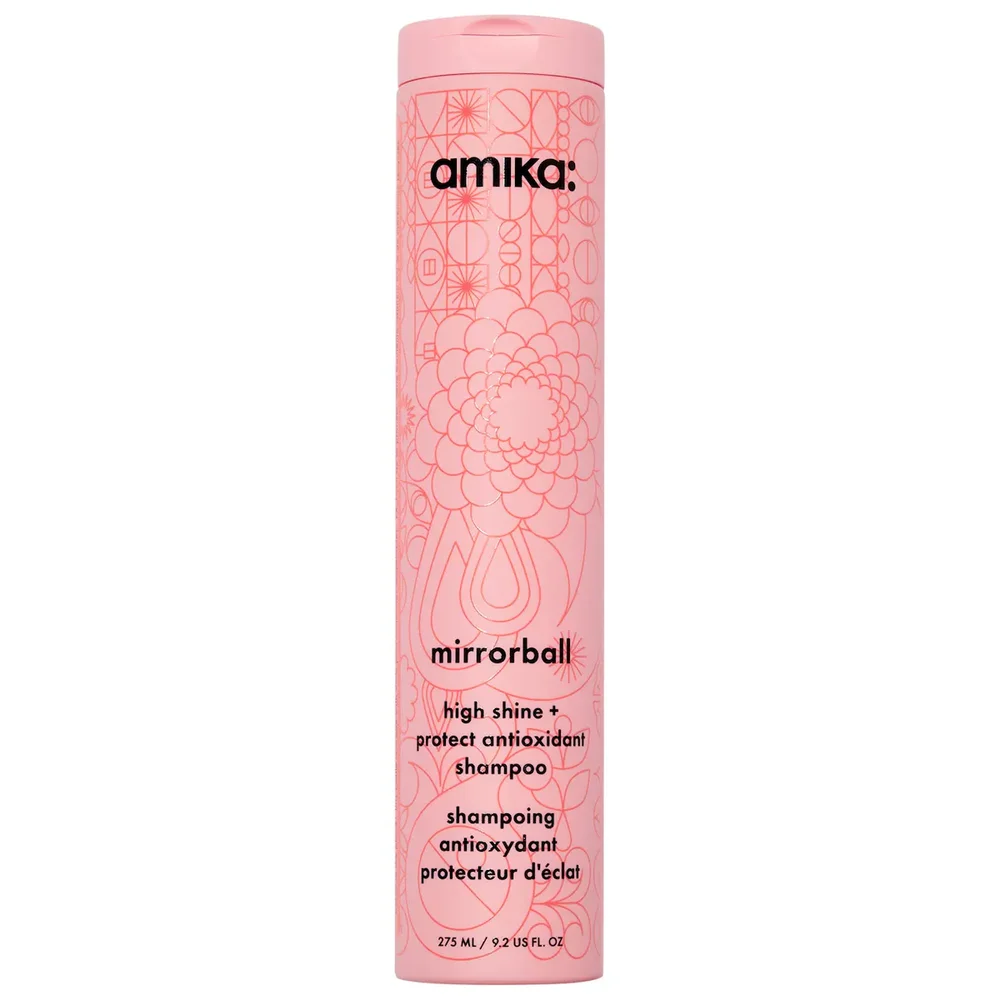
Mirrorball High Shine + Protect Antioxidant Shampoo
amika
$28
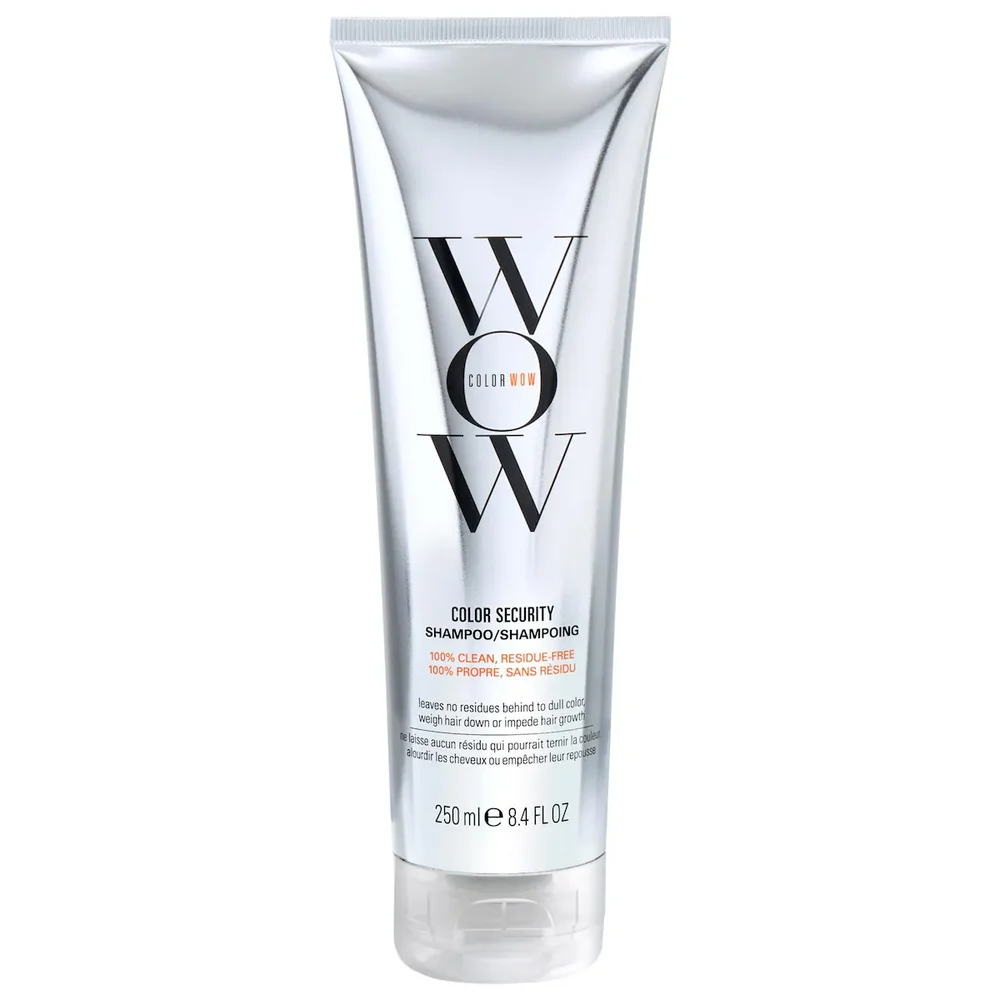
Color Security Shampoo
COLOR WOW
$26
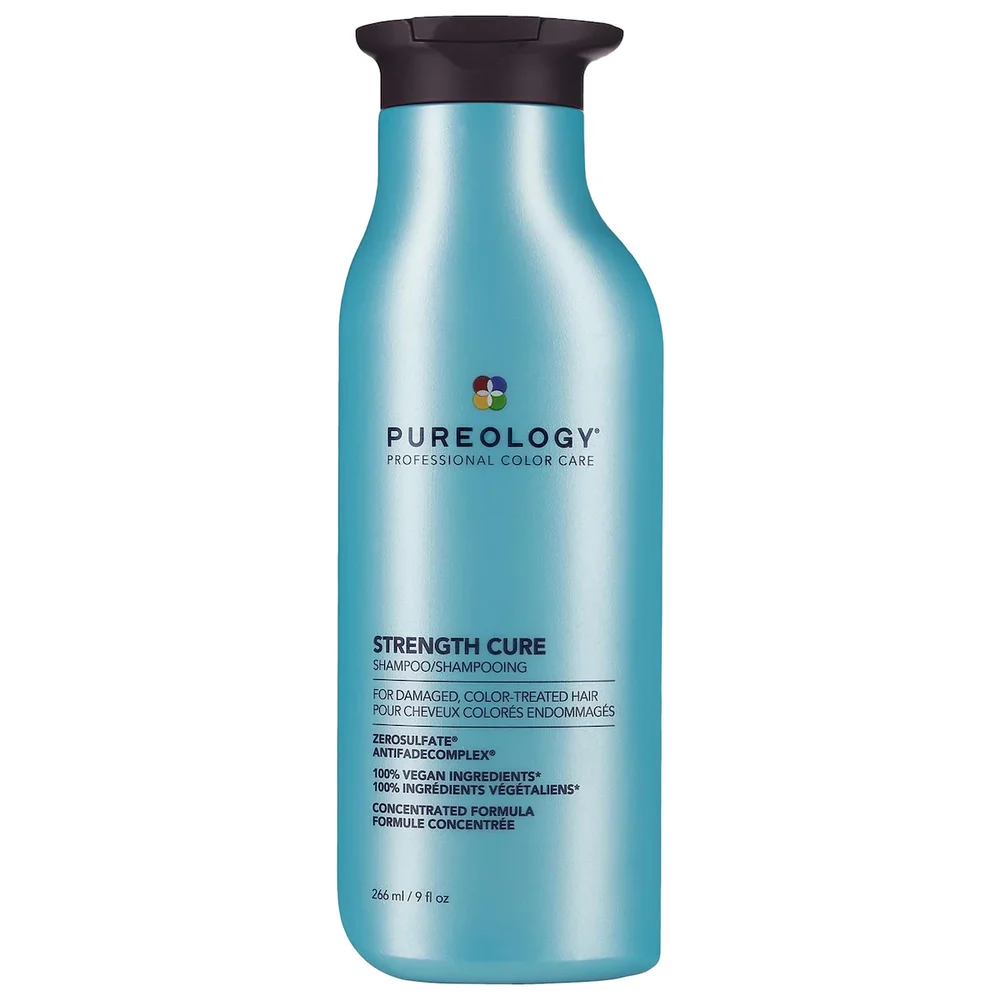
Strength Cure Shampoo for Damaged Hair
Pureology
$39
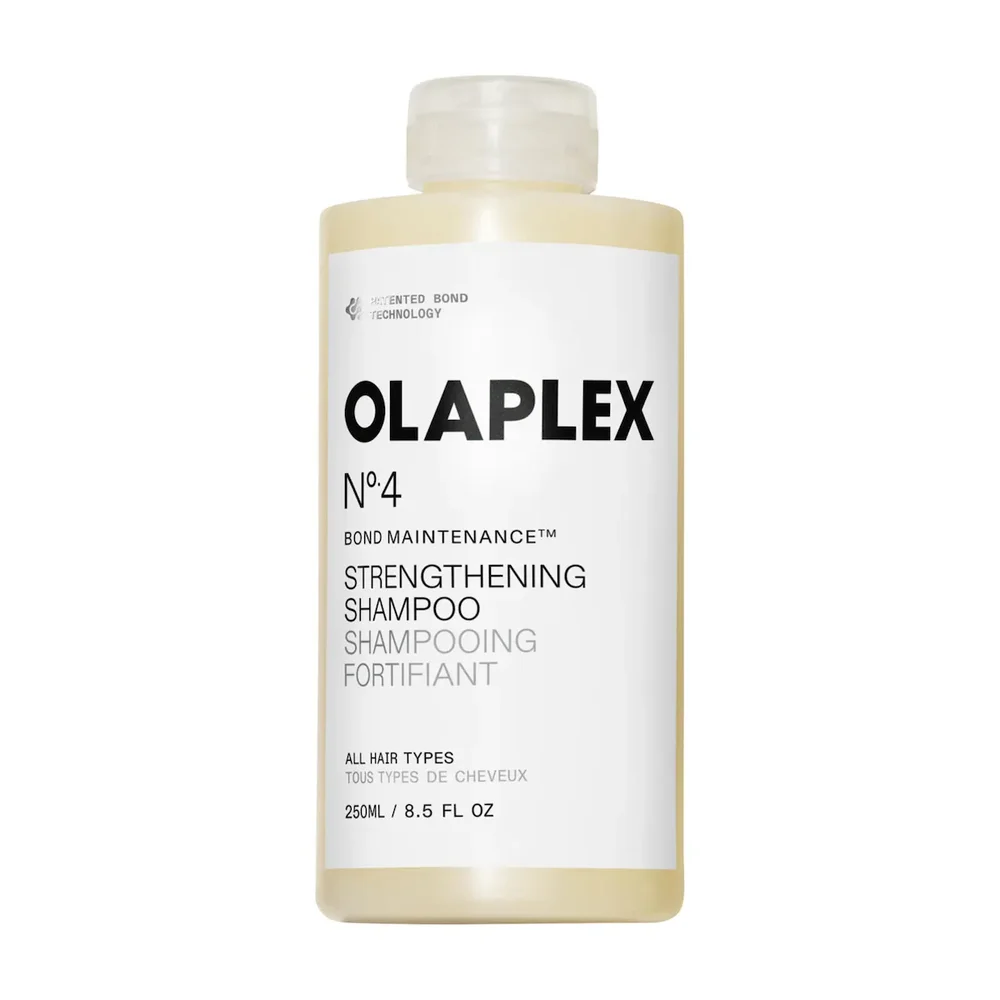
No.4 Bond Maintenance Strengthening Hydrating Hair Repair Shampoo
Olaplex
$34
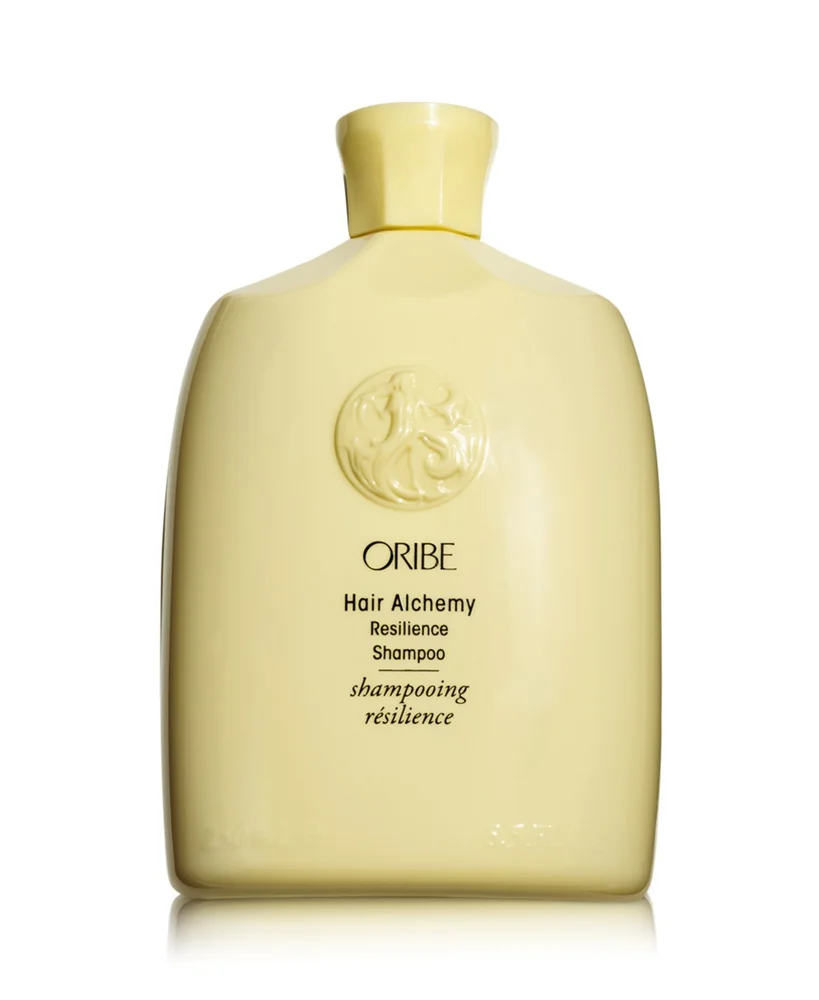
Hair Alchemy Strengthening Shampoo for Fragile & Weak Hair
Oribe
$52
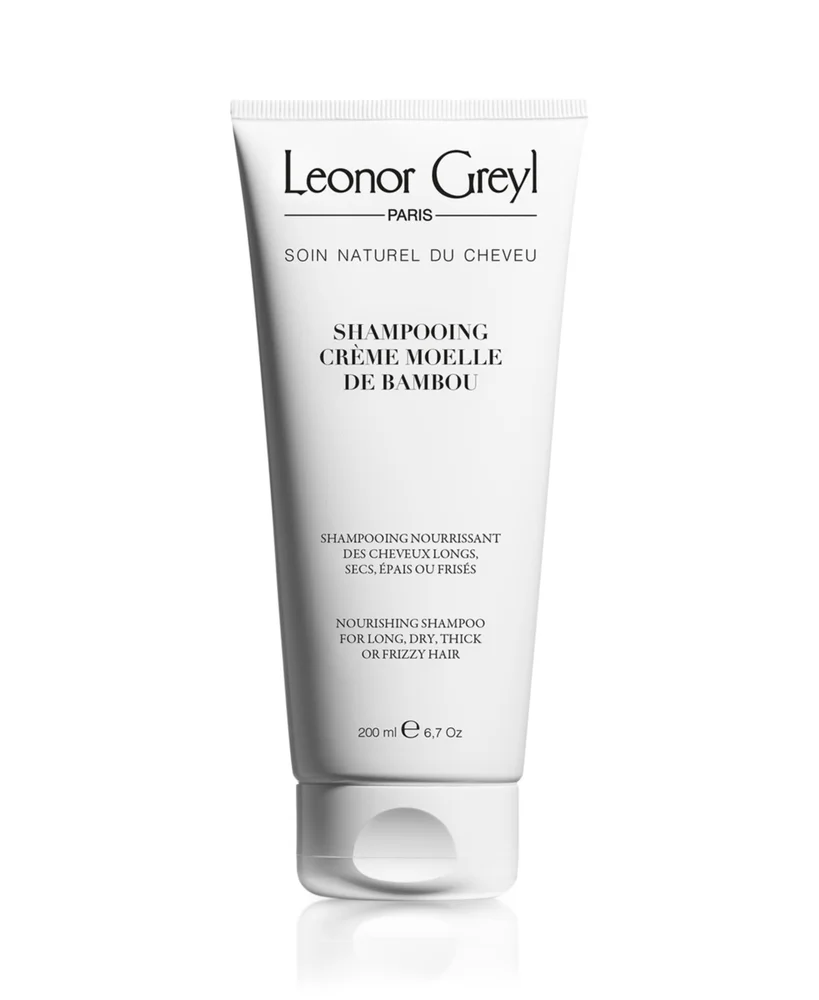
Shampooing Crème Moelle de Bambou Hydrating Shampoo for Long, Dry or Frizzy Hair
Leonor Greyl
$58
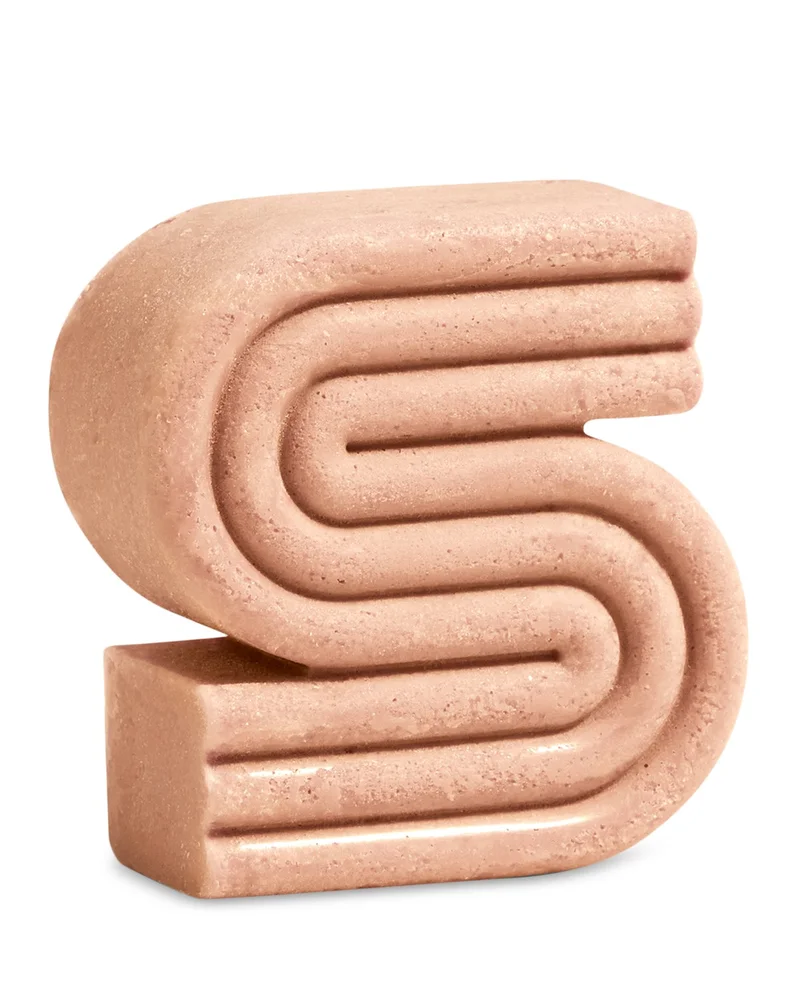
Rice Water Protein Strengthening Solid Shampoo
Kitsch
$14
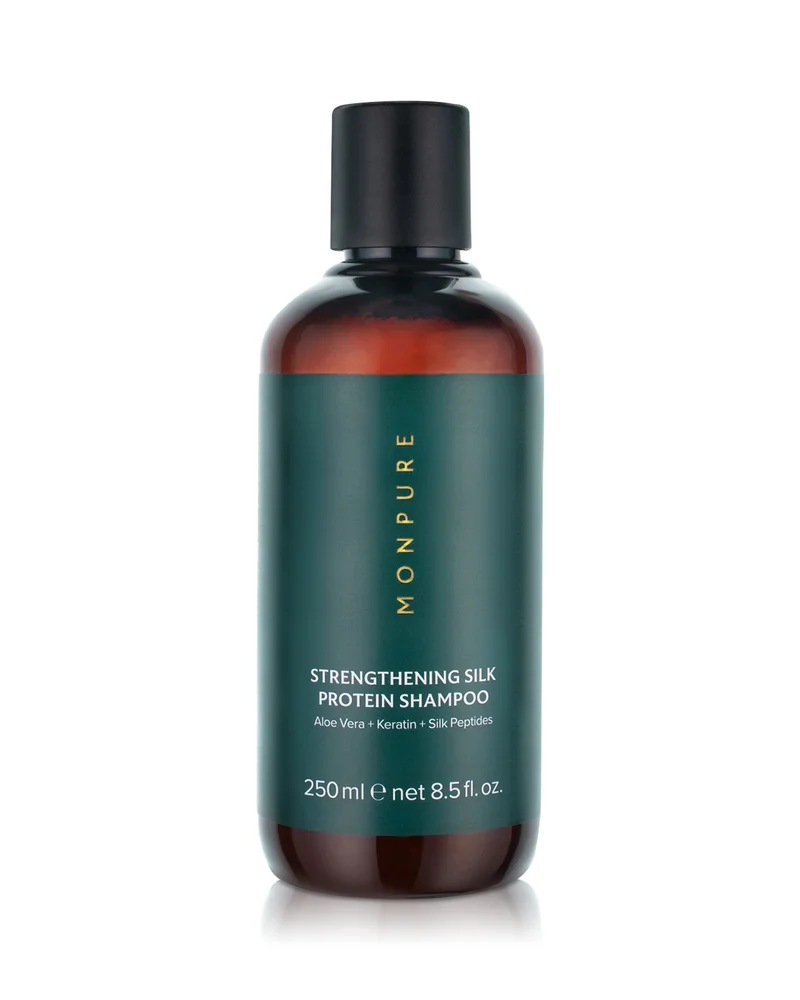
Strengthening Silk Protein Shampoo
Monpure
$50
Color, Shine and the Right Amount of Care
If the main complaint is dull color rather than rough, fragile ends, a color-protecting wash may be the more useful starting point. Christophe Robin Color Shield Shampoo is designed for colored, bleached or highlighted hair; its low-foaming formula is intended to cleanse without stripping, and the brand highlights camu-camu, pomelo and crambe-derived phytosterols for softness, shine and color intensity. shu uemura Color Lustre Shampoo is another lightweight option: Sephora describes it as sulfate-free, moisturizing and suitable for fine through thick hair.
I like the distinction between color care and a generic promise of moisture. A shampoo can make hair feel softer while still having a more specific job, such as maintaining vibrancy or addressing dryness. If your color looks flat but your ends feel fine, I would try a dedicated color formula before adding a bond-focused wash. If the ends are actually brittle, move to repair instead of stacking shine products.
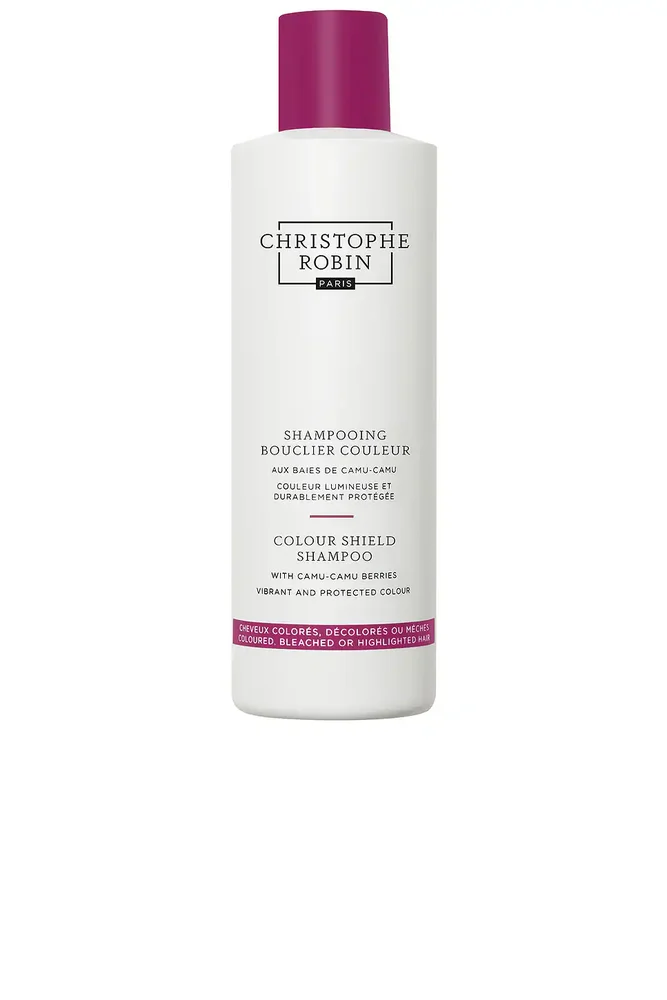
Color Shield Shampoo
Christophe Robin
$41
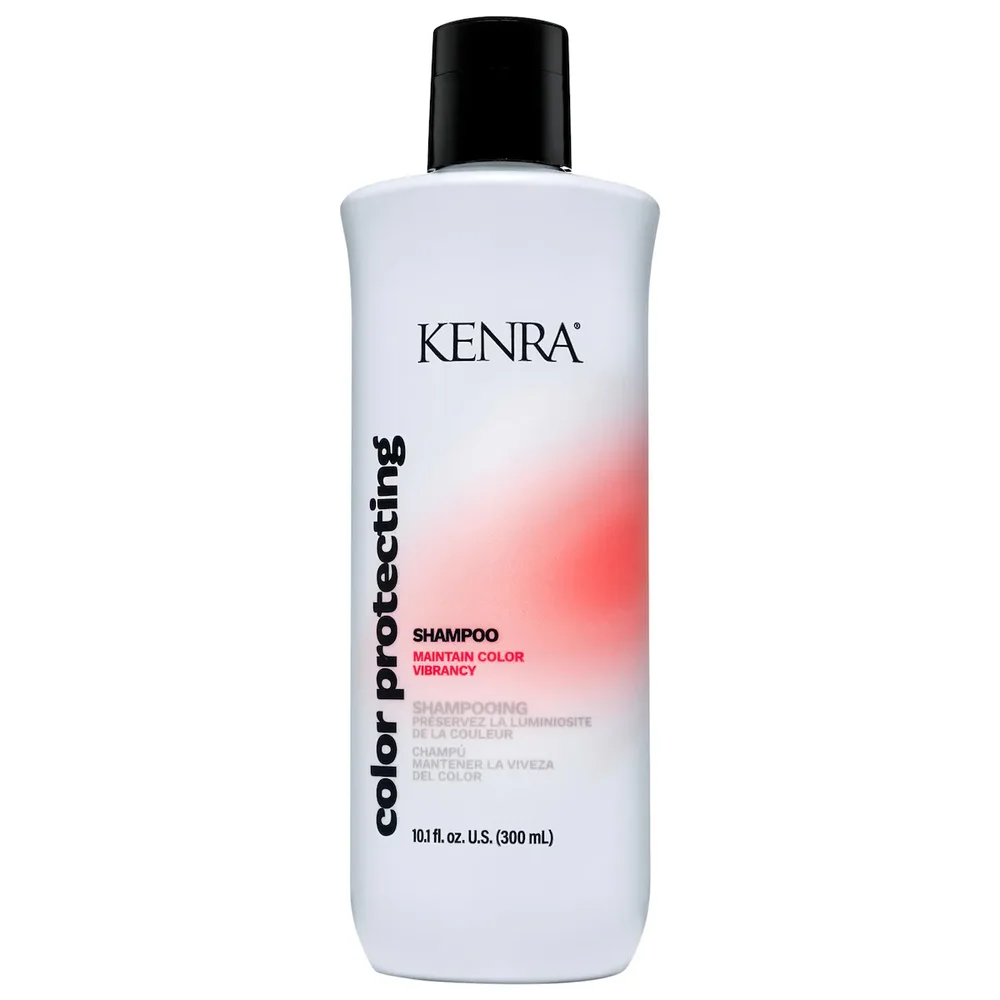
Color Protecting Shampoo for Color Care
Kenra Professional
$21
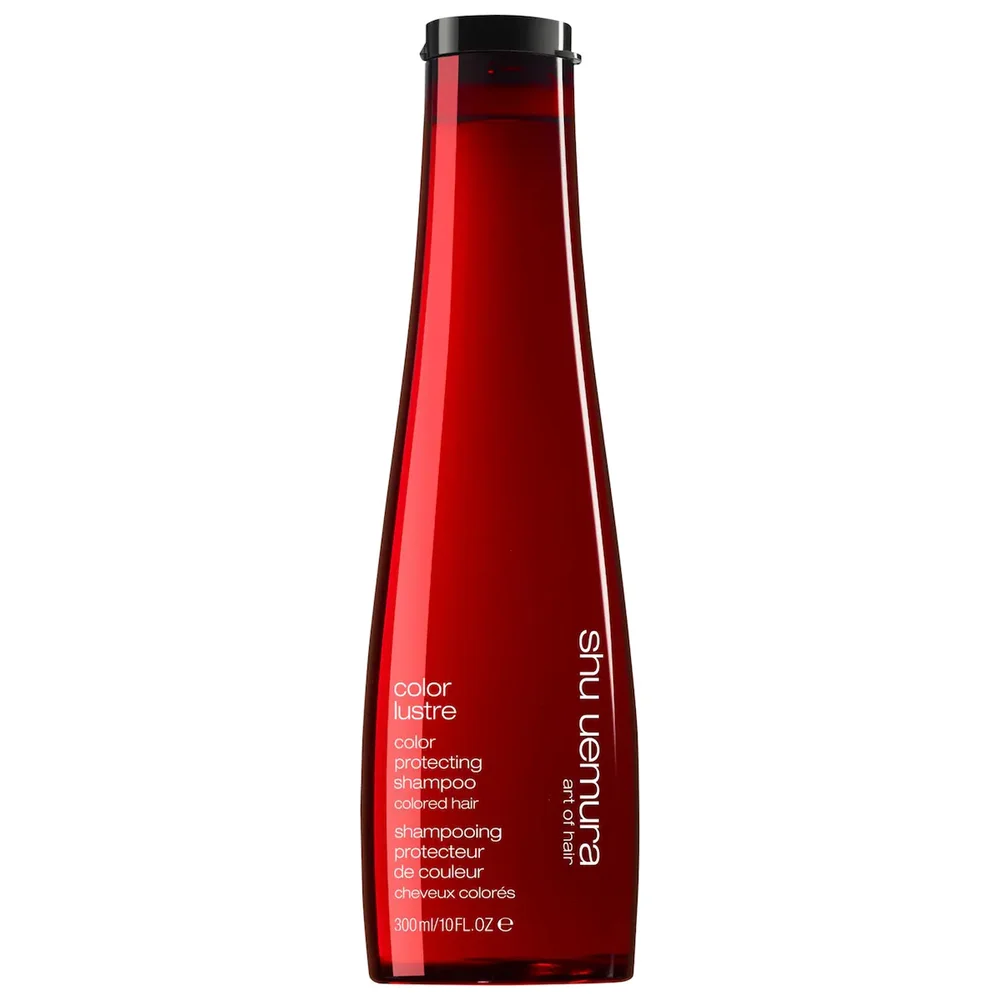
Color Lustre Shampoo for Color Treated Hair
shu uemura
$58
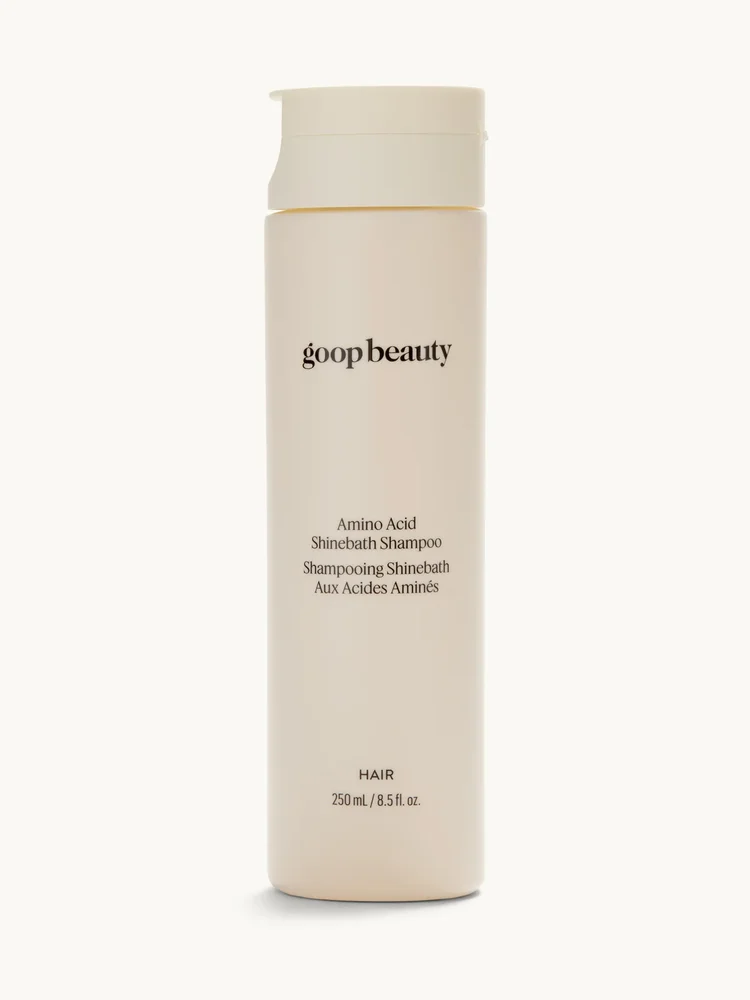
Amino Acid Shinebath Shampoo
Goop Beauty
$36
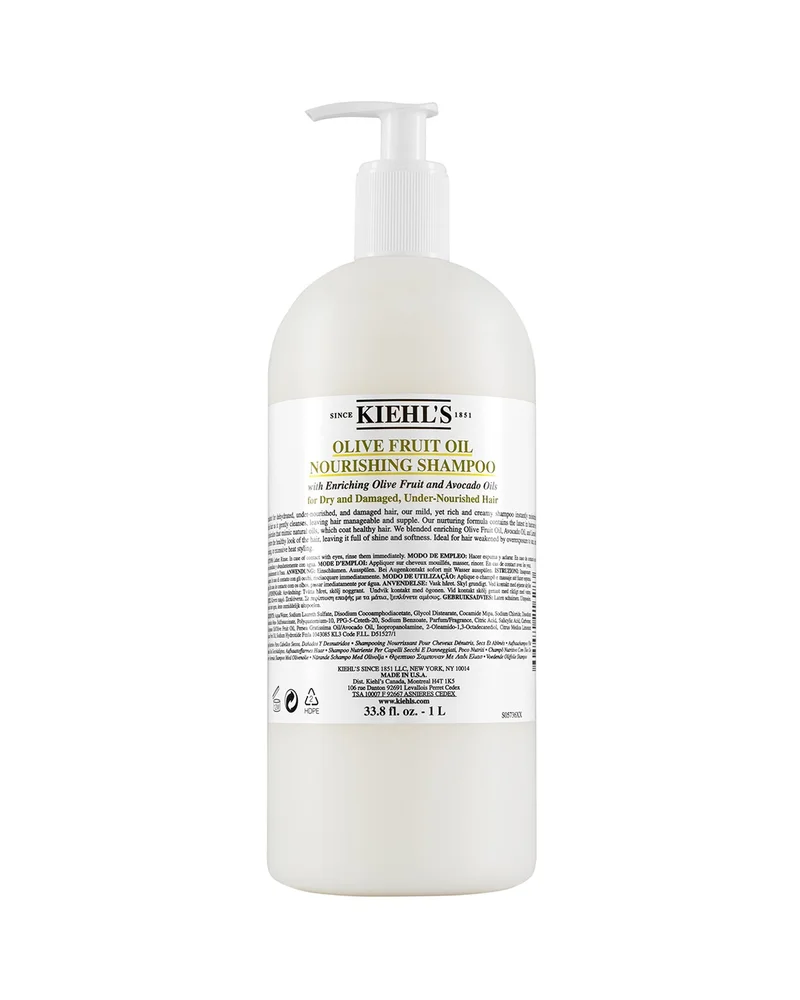
Olive Fruit Oil Nourishing Shampoo
Kiehl's
$38
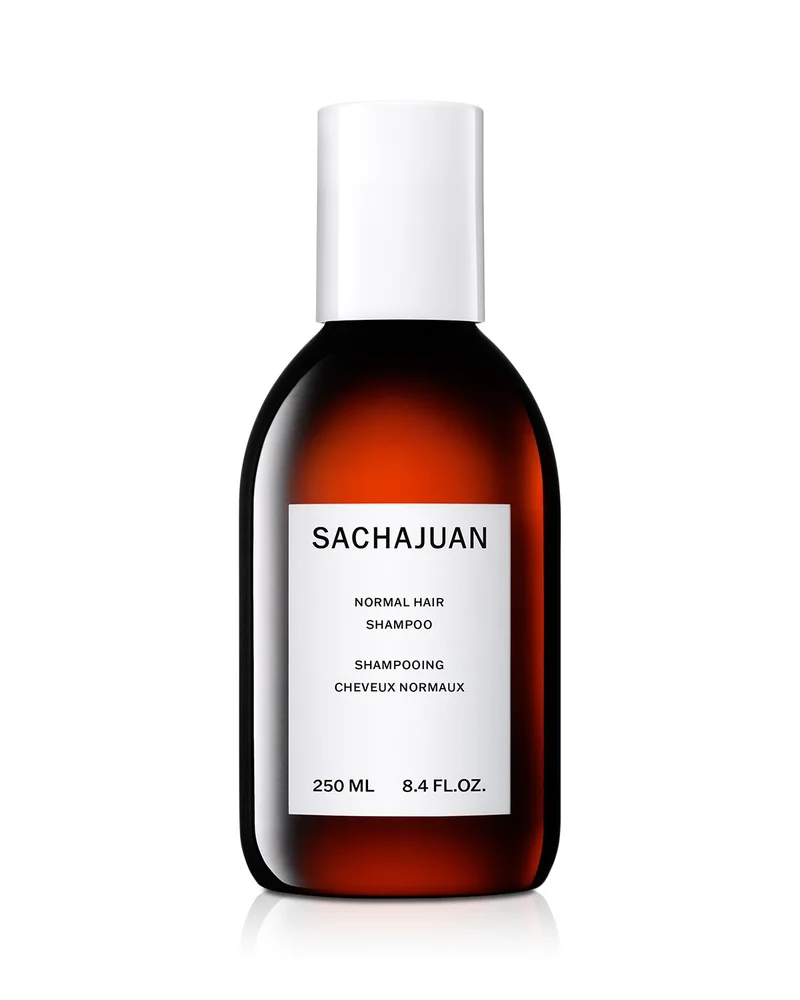
Normal Hair Shampoo
Sachajuan
$36
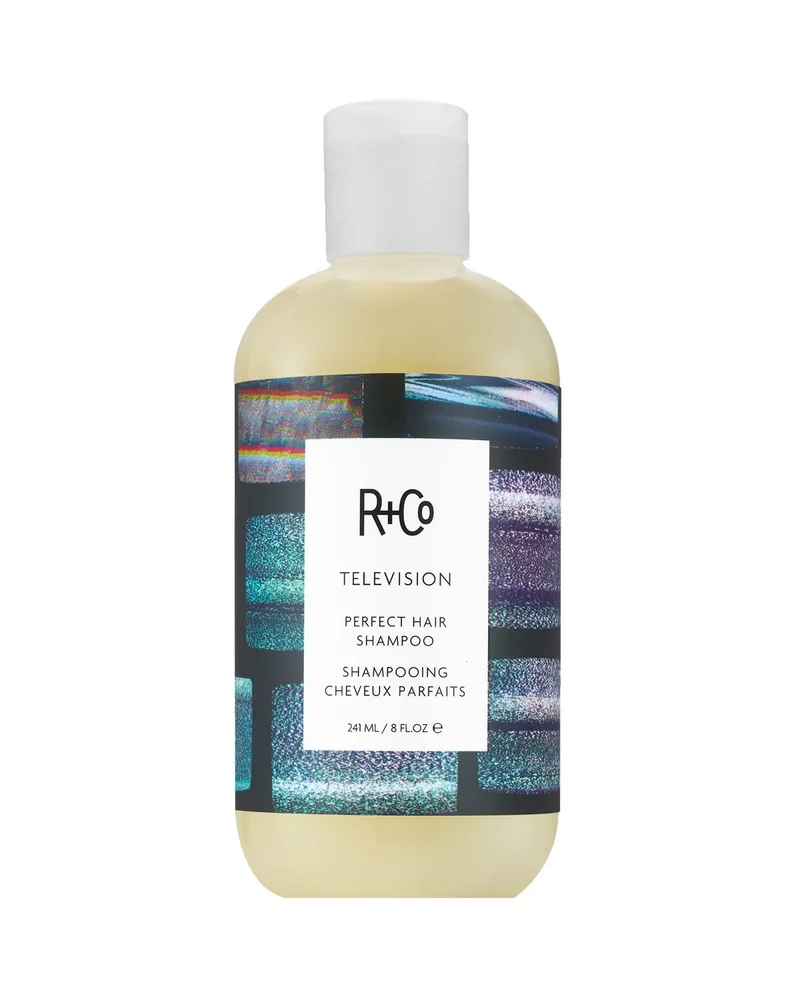
Television Perfect Hair Shampoo
R+Co
$38
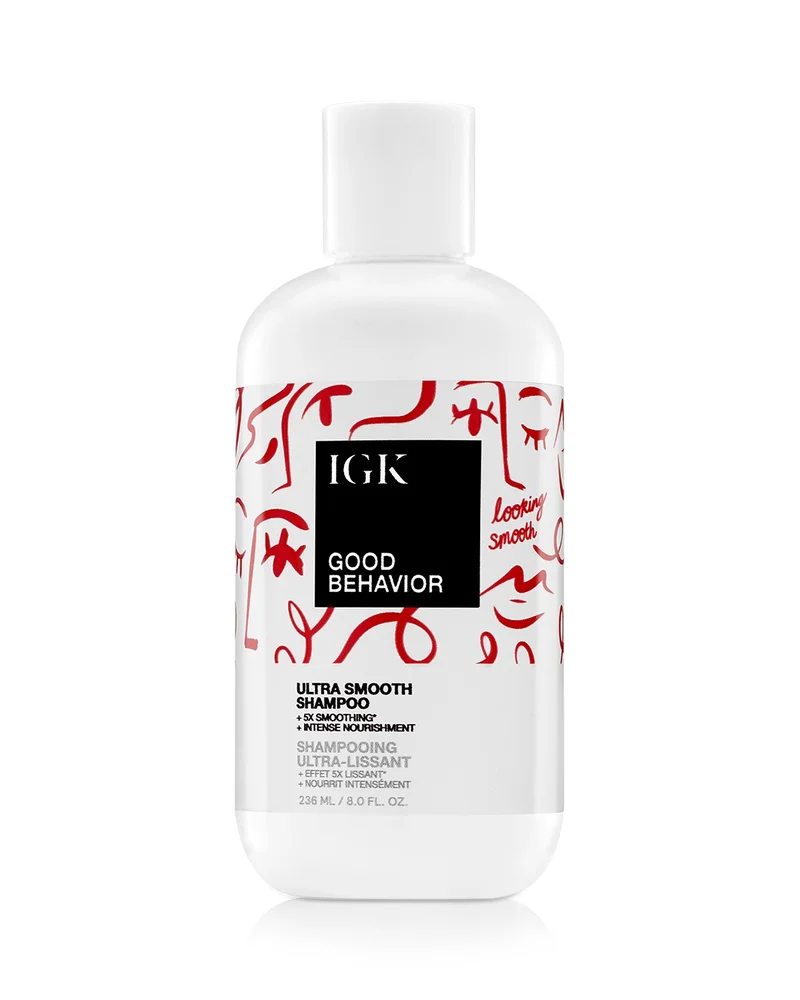
Good Behavior Ultra Smooth Shampoo
IGK
$32
When Bond Repair Makes Sense
Bond-building shampoos make most sense when lightening, repeated color or heat styling has left hair feeling weak, rather than when the only issue is a dry scalp. Bumble and bumble Bond-Building Hair Repair Shampoo is a daily cleanser for color-treated, dry or chemically damaged hair; its Honey Bond-Building Complex is described as helping improve elasticity and strengthen strands. Olaplex No.4P Blonde Enhancer Purple Toning Shampoo has a narrower brief: it is a hydrating, color-safe purple wash for blondes and greys that targets yellow tones and brassiness.
I would keep those jobs separate in my head. Bumble and bumble is the repair-minded choice across dyed and heat-damaged hair, while No.4P is for light hair that also needs toning. The purple shampoo is not my first pick for every colored brunette, and I would not use a toning formula just because the hair feels dry. Choose the concern you can actually see, then condition after shampooing.
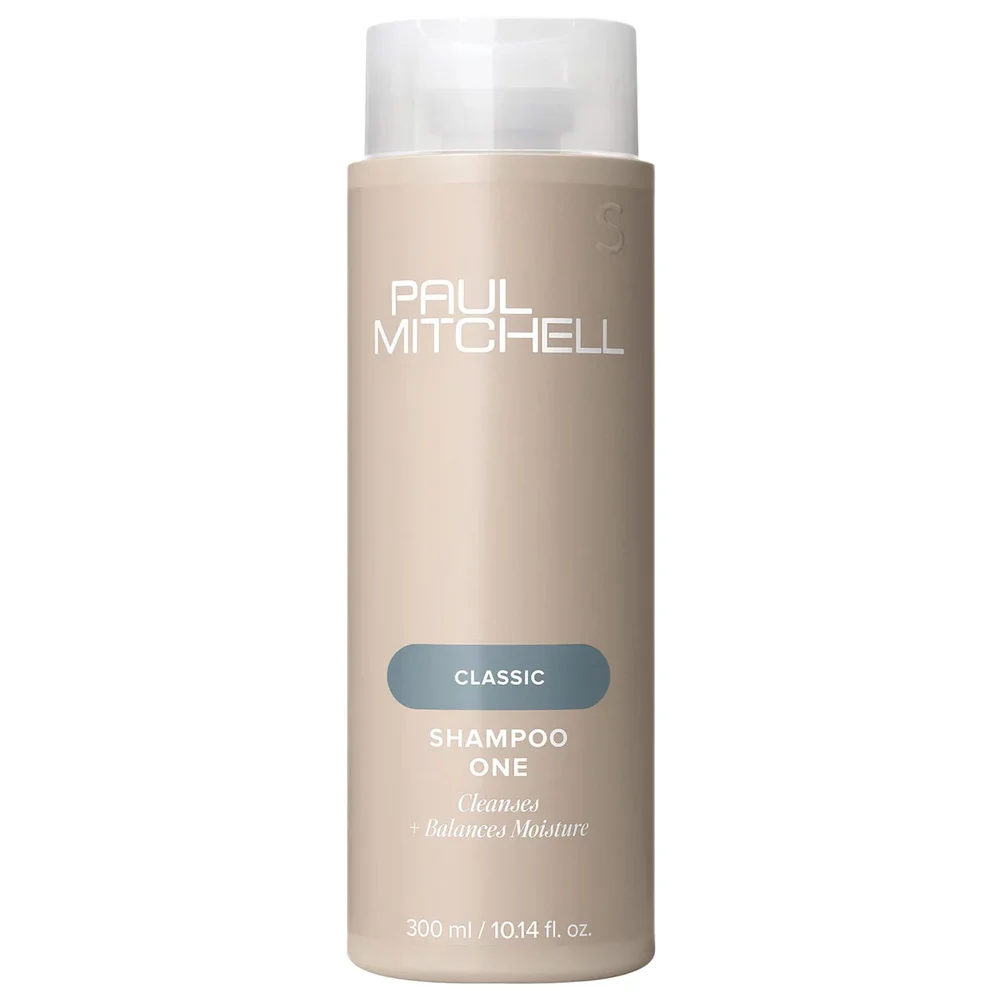
Shampoo One for Fine to Medium & Color-Treated Hair
Paul Mitchell
$16
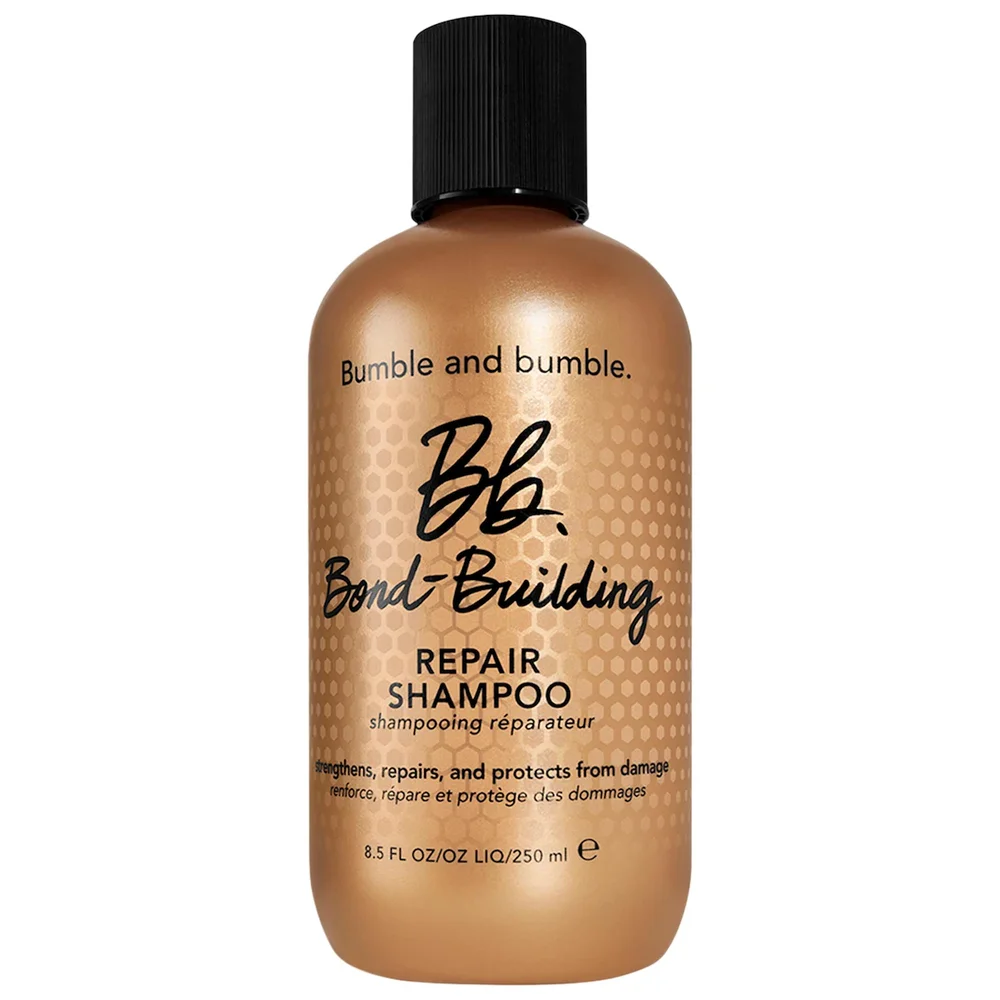
Bond-Building Hair Repair Shampoo
Bumble and bumble
$38
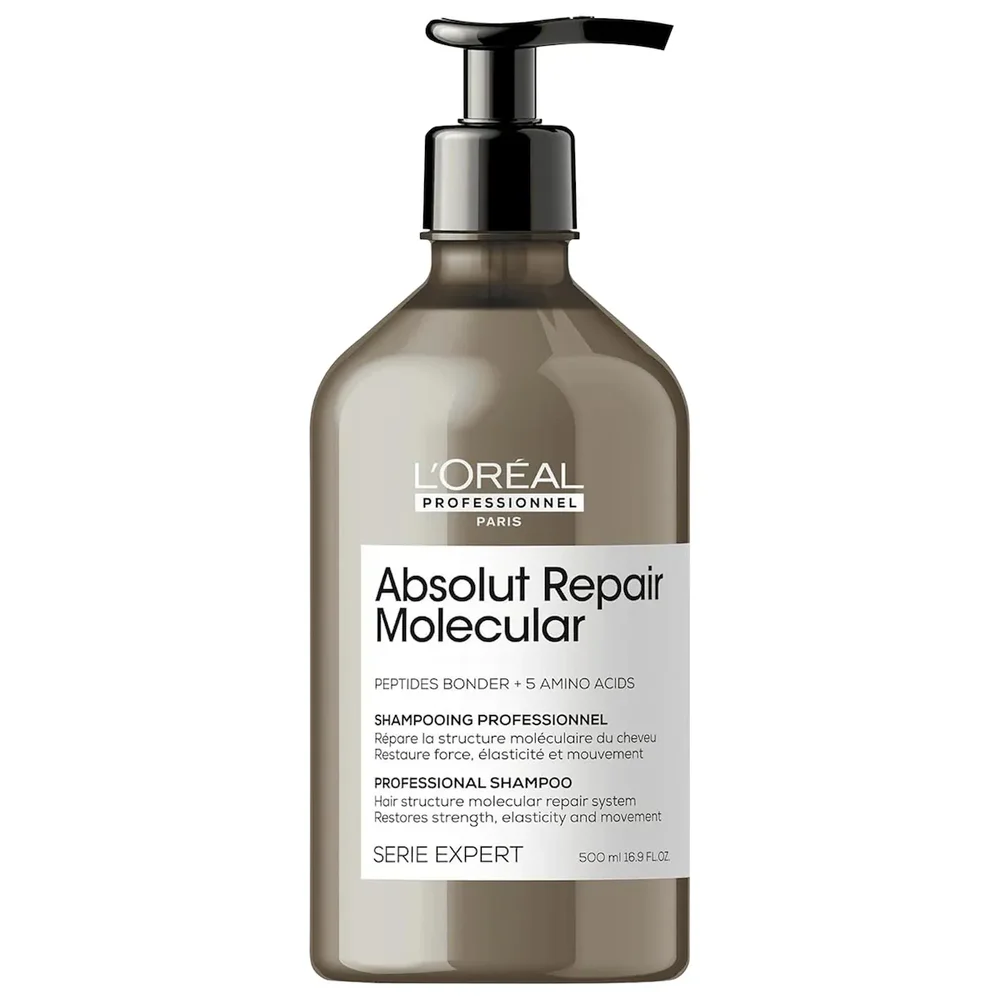
Absolut Repair Molecular Shampoo for Bond Building
L'Oréal Professionnel
$49
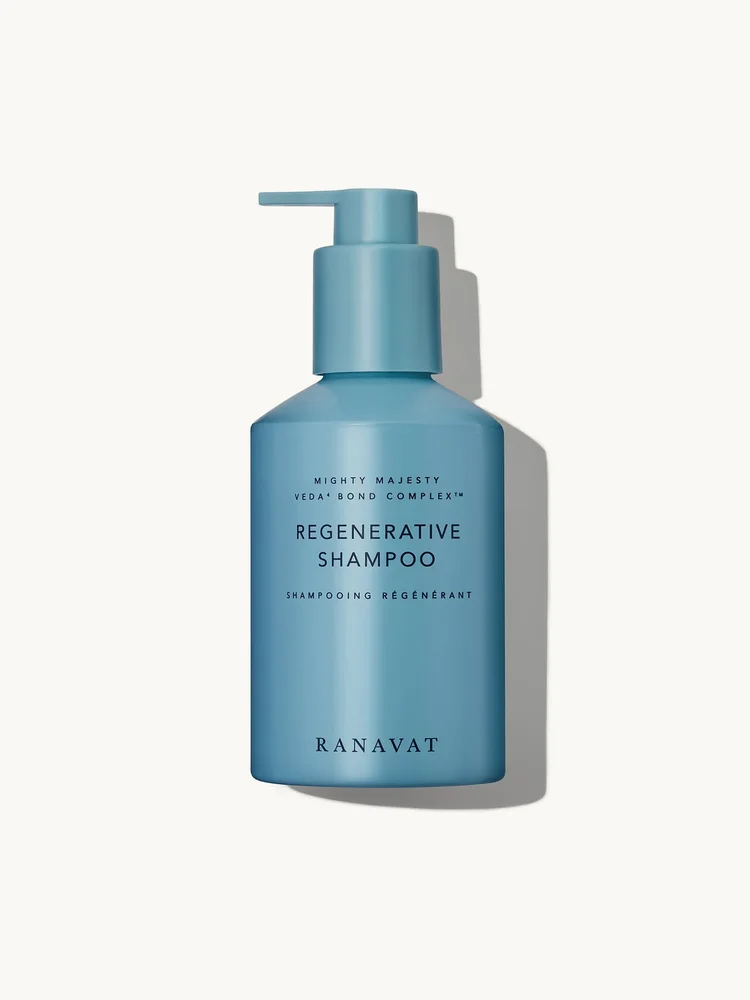
Regenerative Veda4 Bond Complex Shampoo - Mighty Majesty
Ranavat
$48
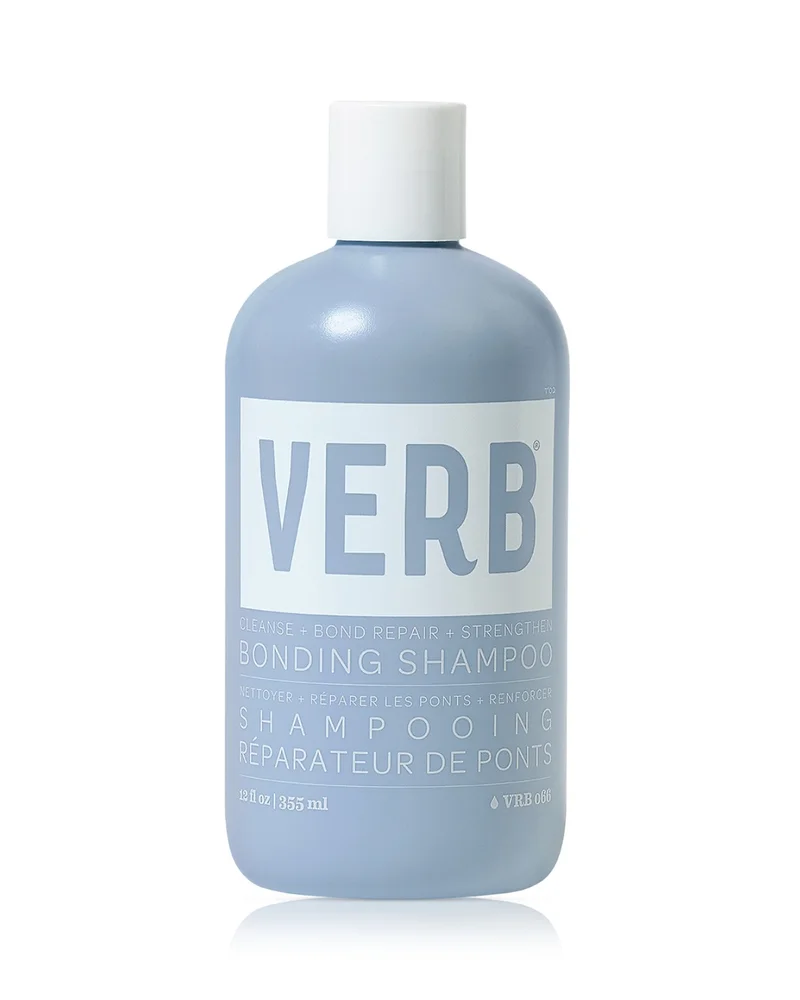
Bonding Shampoo
Verb
$22
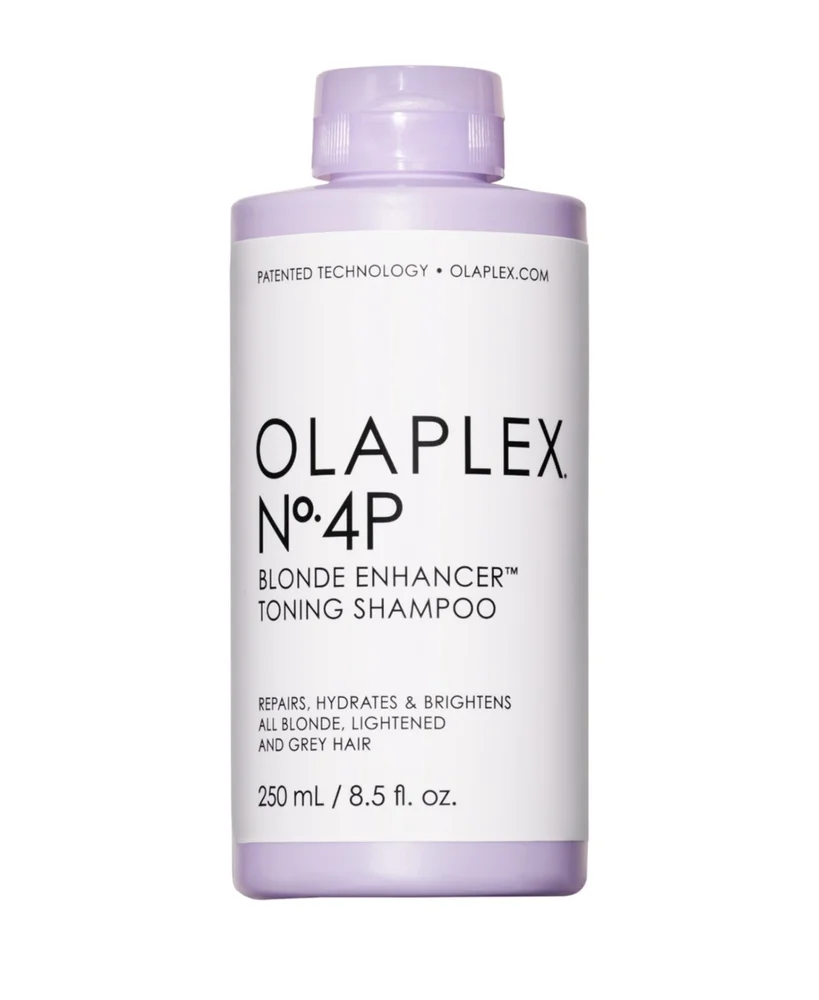
No. 4P Blonde Enhancer Purple Toning Shampoo
Olaplex
$34
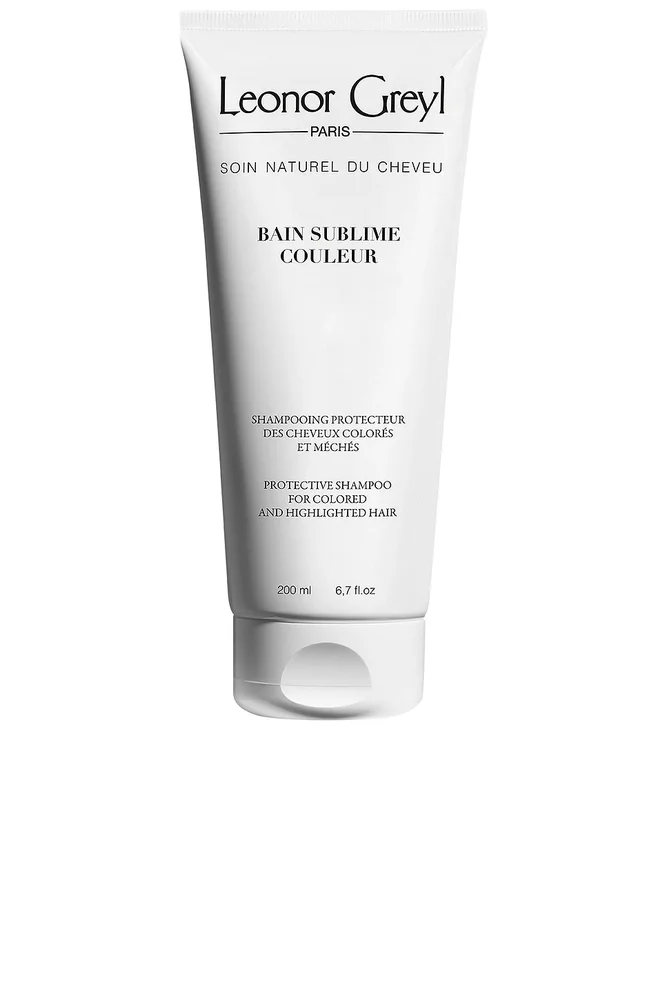
Bain Sublime Couleur Protective Shampoo for Colored and Highlighted Hair
Leonor Greyl
$63
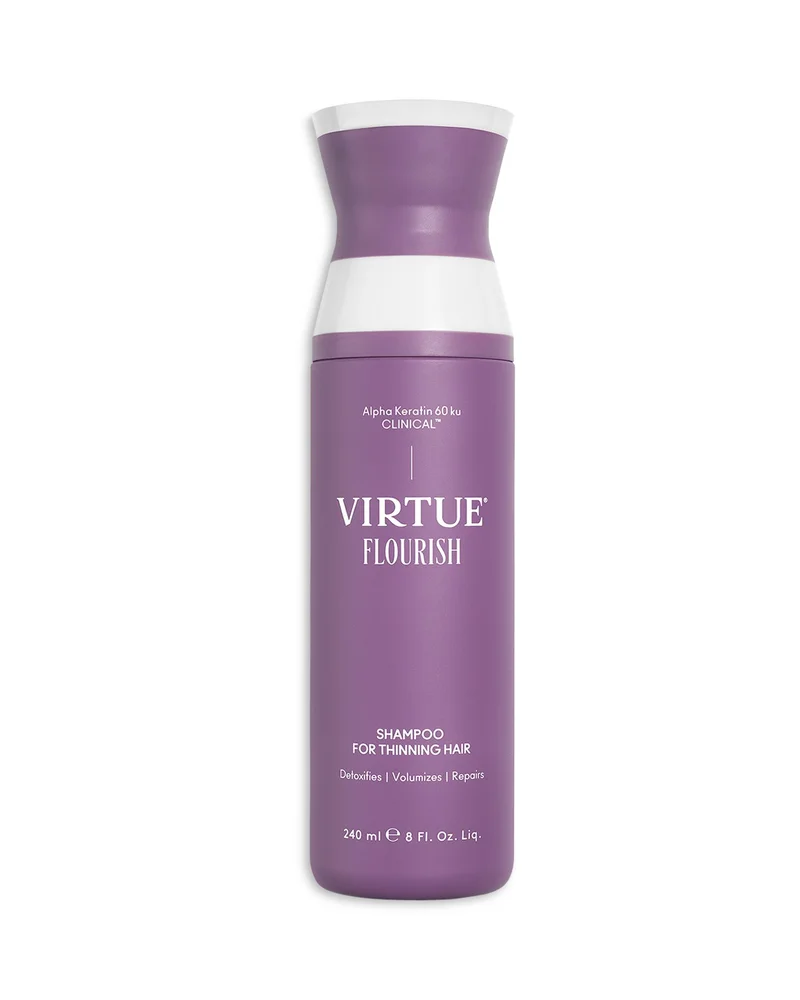
Flourish Shampoo
Virtue
$46
Questions about color-care shampoo
What shampoo is good for highlighted hair?
Start with a gentle formula made for colored or highlighted hair. Christophe Robin Color Shield is designed for colored, bleached or highlighted hair, while Davines MINU is a gentle color-protecting wash.
Which shampoo fits damaged dyed hair?
Pureology Strength Cure is a sulfate-free, protein-infused option for damaged, color-treated hair. Olaplex No.4 is color-safe and formulated for medium-to-coarse textures, so I would match it to your hair's feel.
Do sulfate-free shampoos always protect color better?
Not automatically. Women's Health's expert panel advises considering the full formula and how your hair feels after washing, rather than excluding every sulfate by default.
Where I Would Start
For a hydrating shampoo for colored hair, I would begin with a gentle color-care formula and then adjust for texture or damage. Oribe or Davines make sense when color protection is the first concern; JVN is the more direct moisture pick for dry lengths, while Pureology Strength Cure or Bumble and bumble suit hair that feels weakened.
What I would skip is treating every fade problem as a sulfate problem or using a purple shampoo on hair that does not need toning. Match the wash to the scalp, condition the lengths, and do not try to repair every concern at once. If fine strands flatten easily, The Best Shampoo For Fine Hair is a useful next read on keeping moisture light. For a more affordable color-care route, Best Drugstore Shampoo for Colored Hair focuses on gentler cleansing.