Timberland sizing varies by boot, so start with your usual US size and check toe room, width, socks and model-specific fit notes before choosing.
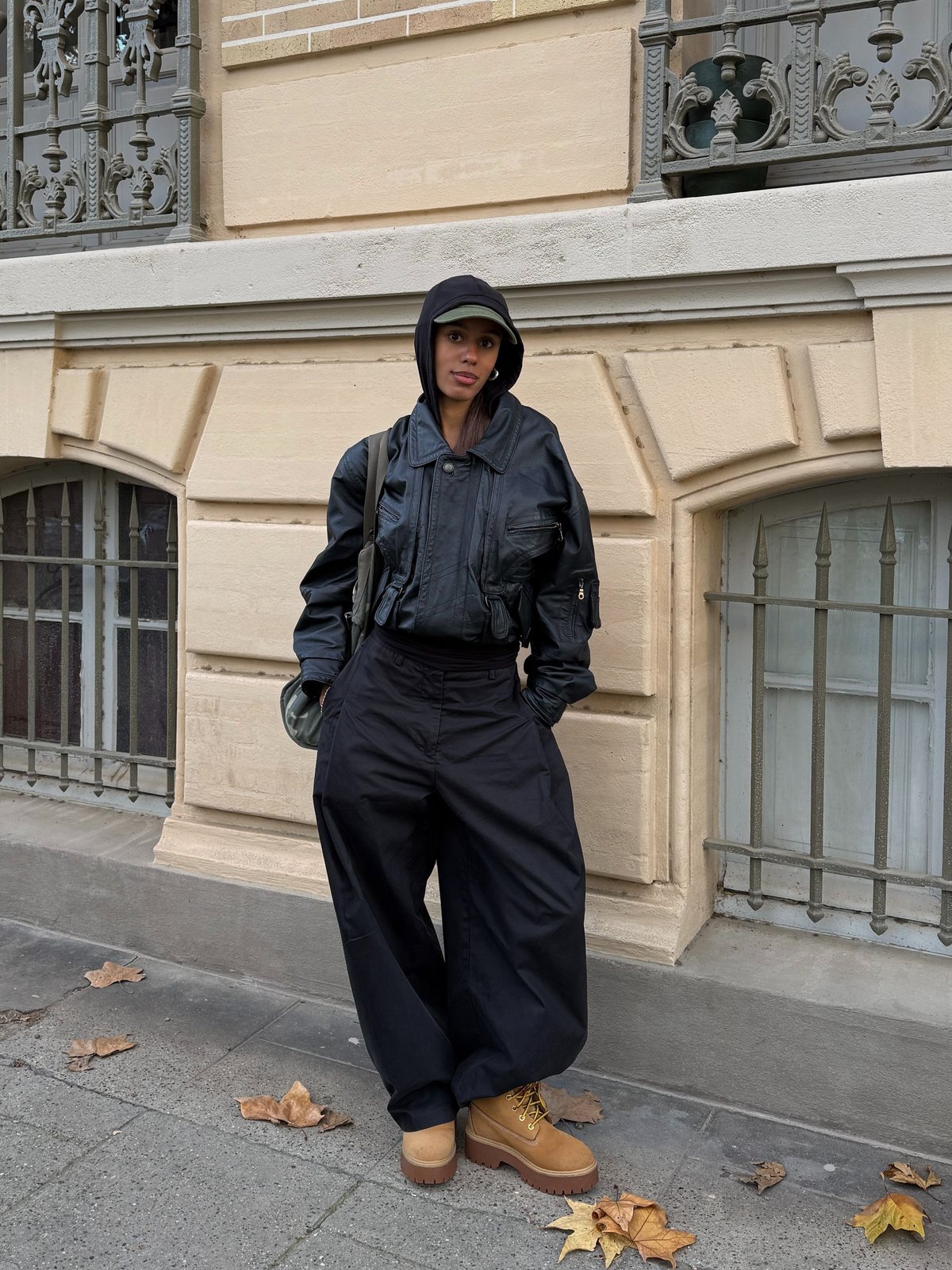
Timberland Sizing: How to Find the Right Fit by Boot
Start with your usual size, then check the boot
Timberland sizing starts with your usual US size, not an automatic size change across every boot. The Australian women's chart lists footwear from US 5 to 11 and converts to EU, UK and centimeters, but skips 10.5. The US customer-care chart labels its footwear table Men's Footwear, so it is not the same women-specific cross-check. I use the chart as a starting point, not a promise that every shape will feel identical. These shoe sizing notes are useful when comparing the measurement systems.
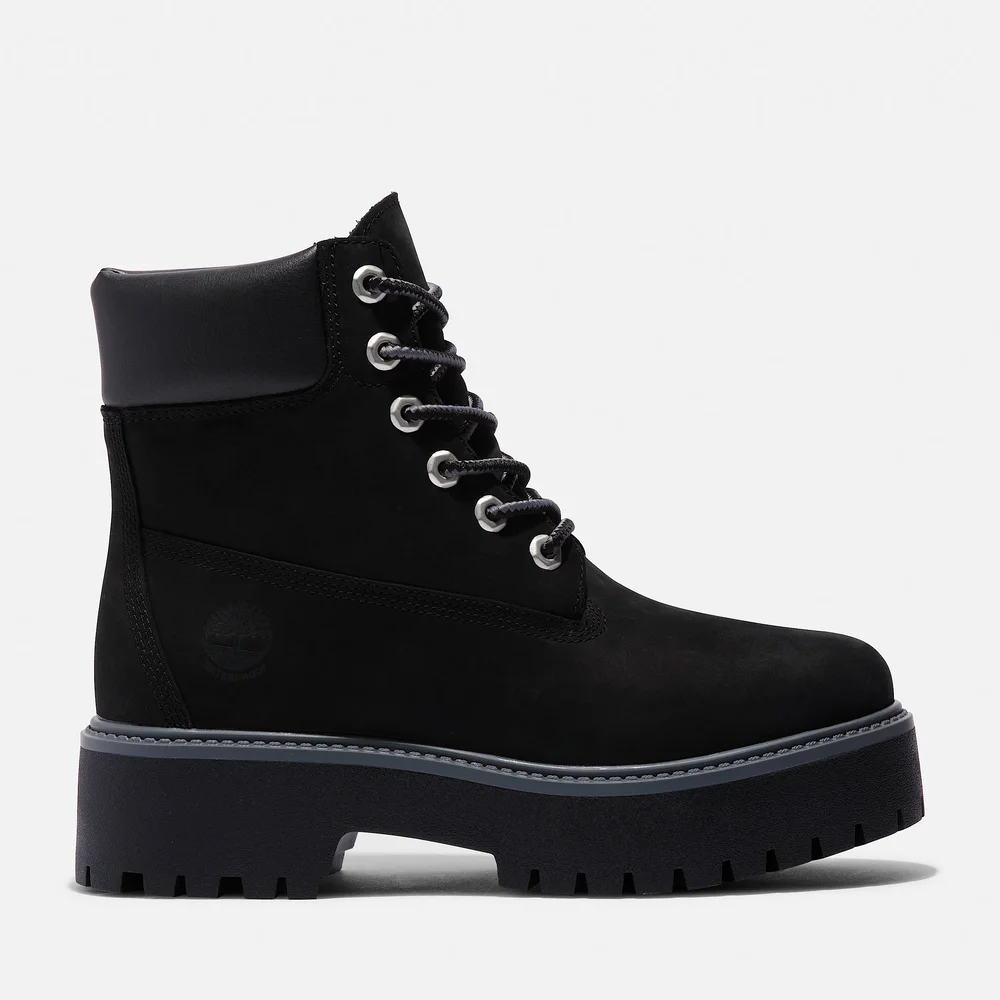
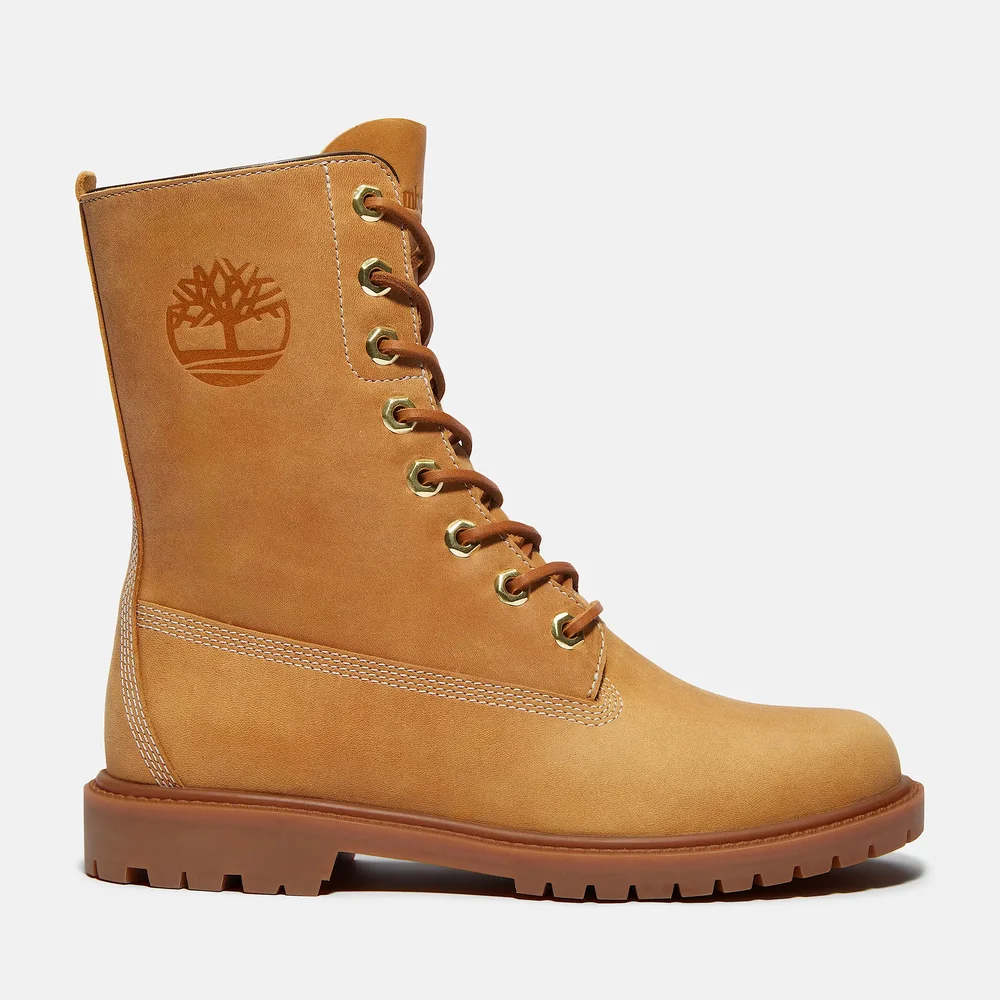
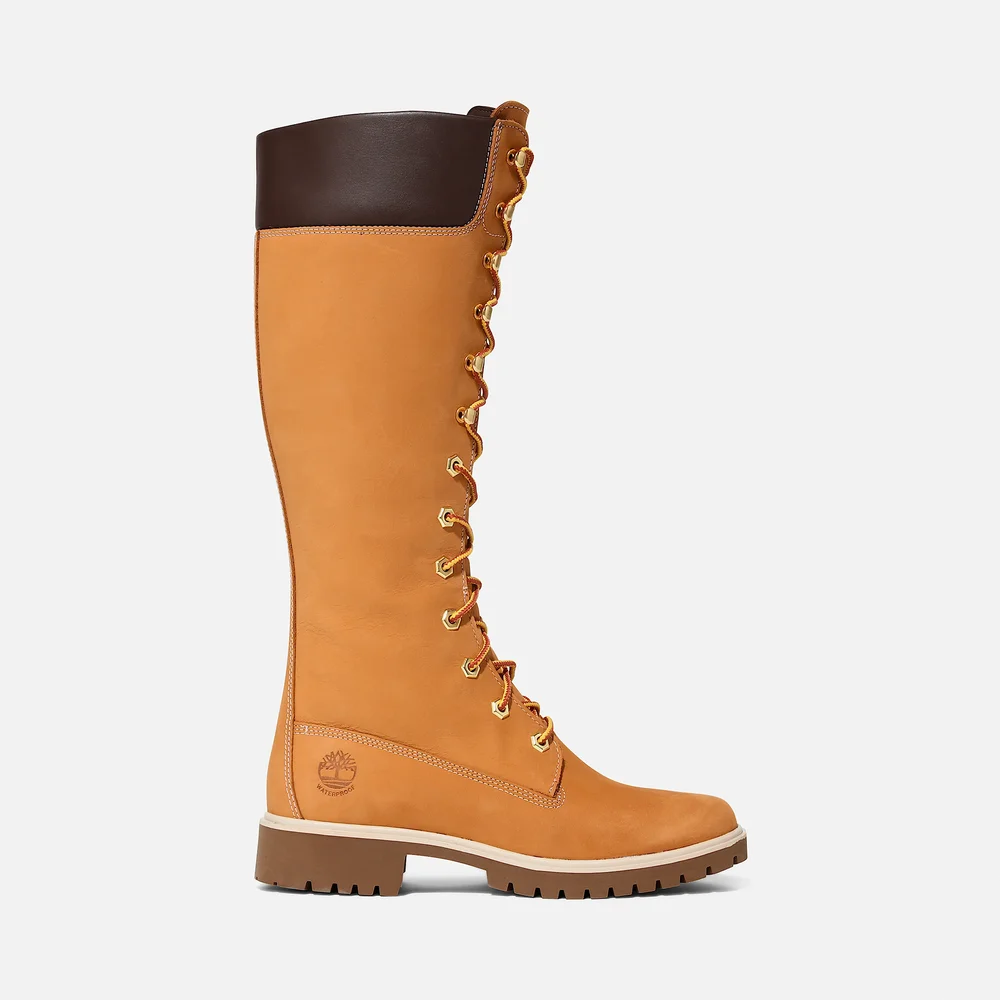
At home, put paper against a wall, stand in socks with your heel at the wall, mark your longest toe, then measure both feet and use the longer measurement. The fit advice is snug but not tight, room to wiggle your toes, and modest heel movement of roughly a quarter to half an inch. The 6-inch Premium Boot is the familiar starting shape; Stone Street is a waterproof leather lace-up, while the Premium 8-Inch and Premium 14-Inch versions add height. If toes feel crowded or the heel lifts much more than that, I try another size instead of hoping the boot stretches lengthwise.
Give hiking boots a trail test
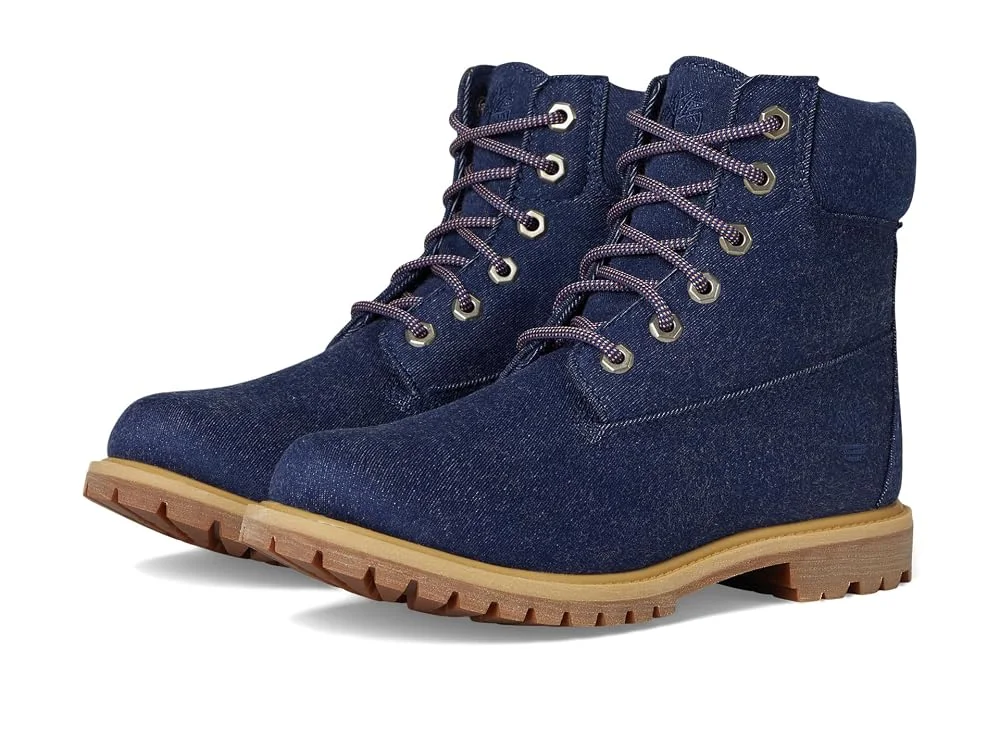
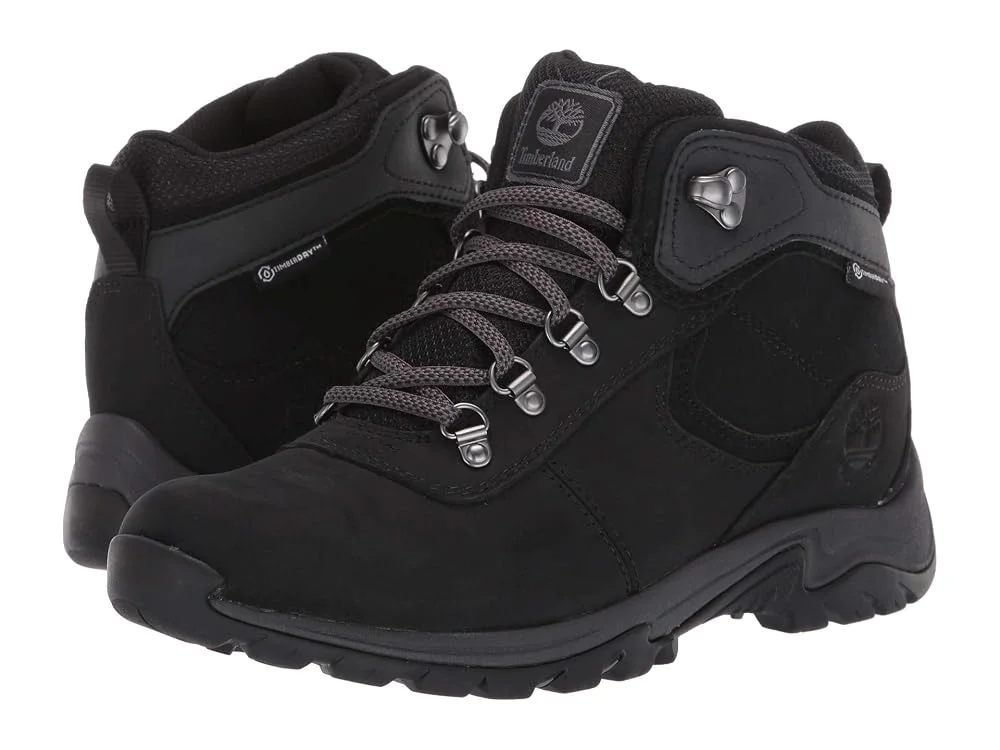
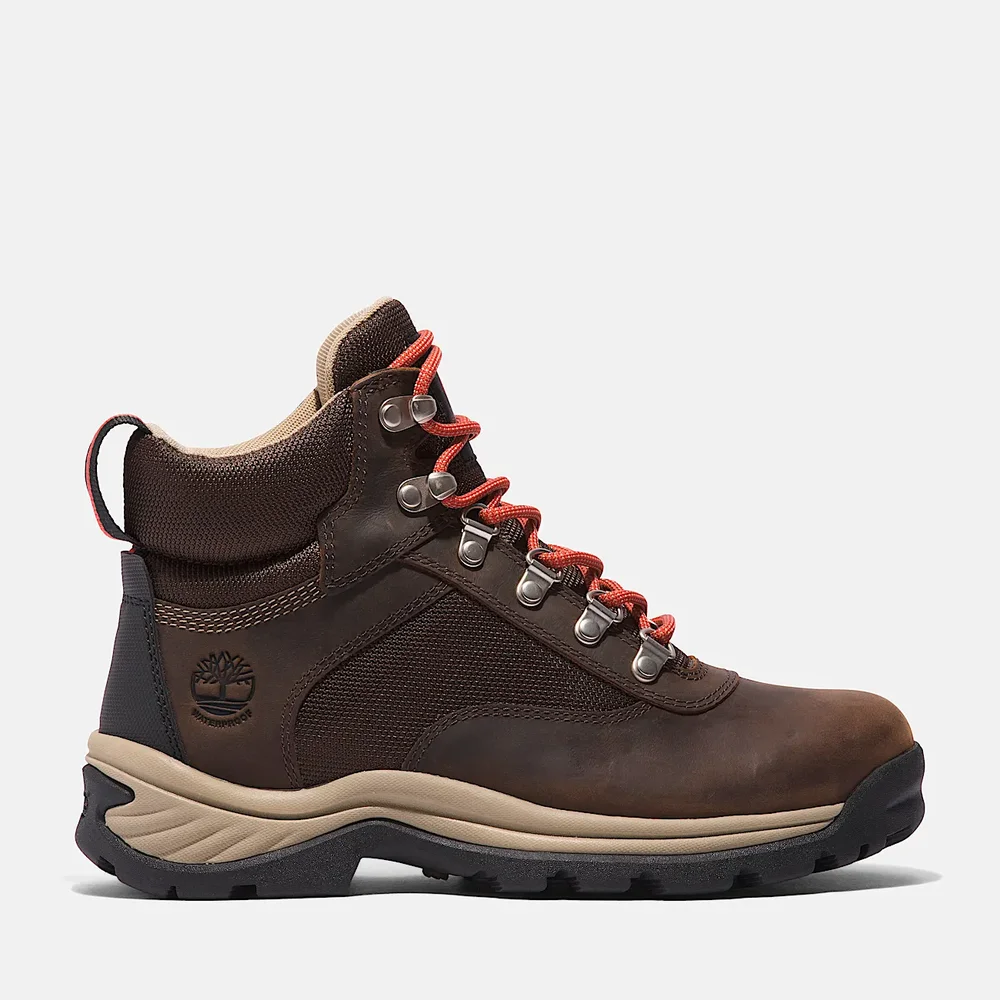
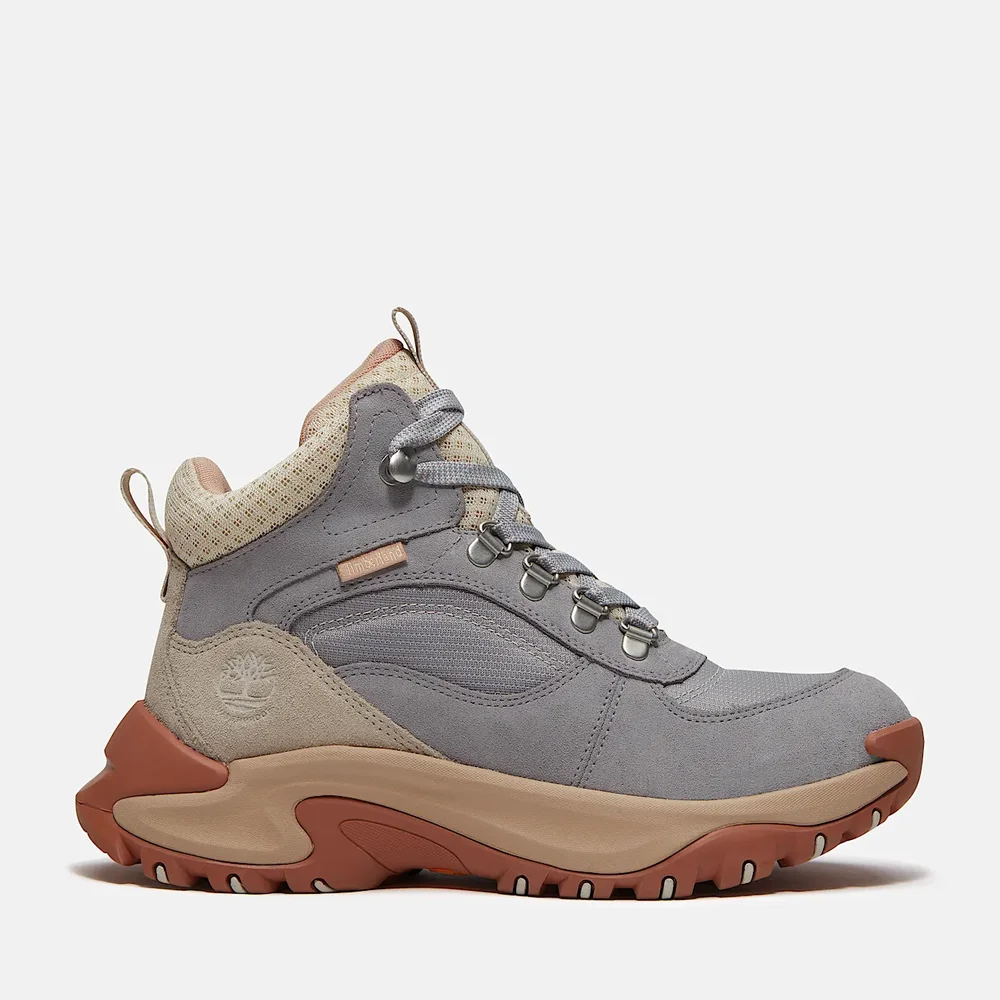
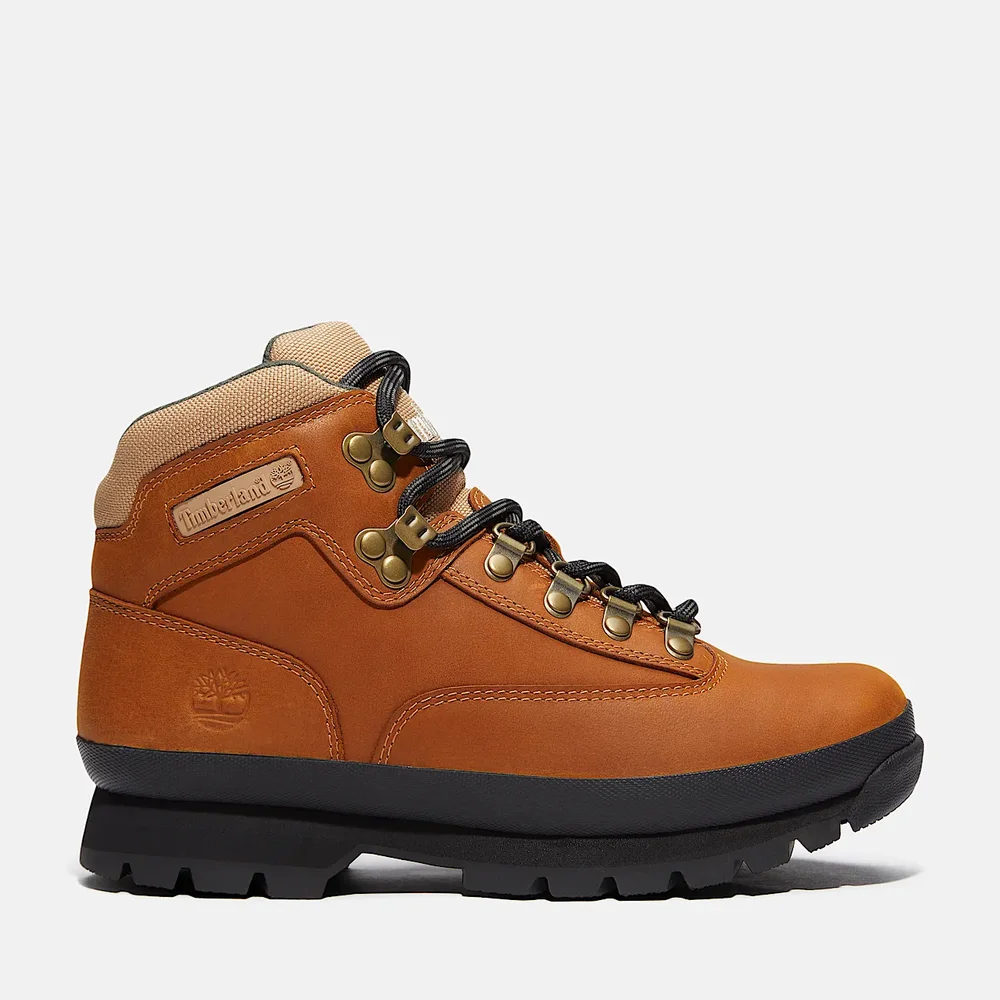
Timberland sizing for hiking boots deserves a small field test, not a quick try-on with thin socks. The brand's fit advice calls for a snug hold that still lets the toes flex; if the big toe touches the front while standing, go up. Mt. Maddsen Mid is leather and waterproof; White Ledge and Timberland's Mt. Maddsen Peak Mid are waterproof mid hiking boots. Timberland's Women's Euro Hiker is another option to try with the same socks and toe-room check.
Try each pair with the socks you expect to wear, walk on a slight incline and check that your toes do not hit the front as your foot shifts. Day-hiking boots tend to need little break-in, while higher-cut backpacking boots are designed for heavier loads, so match the boot to the terrain and trip length. If the socks squeeze the forefoot, changing the laces will not create more length. I would rather compare sizes in the house than discover the problem halfway down a trail.
Chelsea and ankle boots need their own fit check
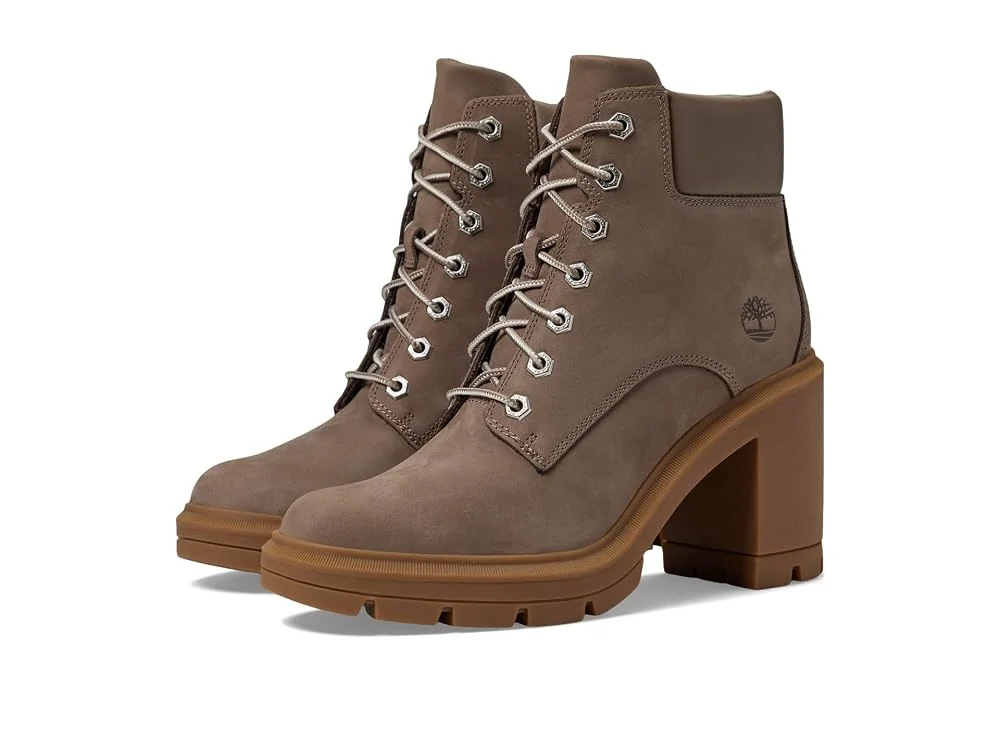
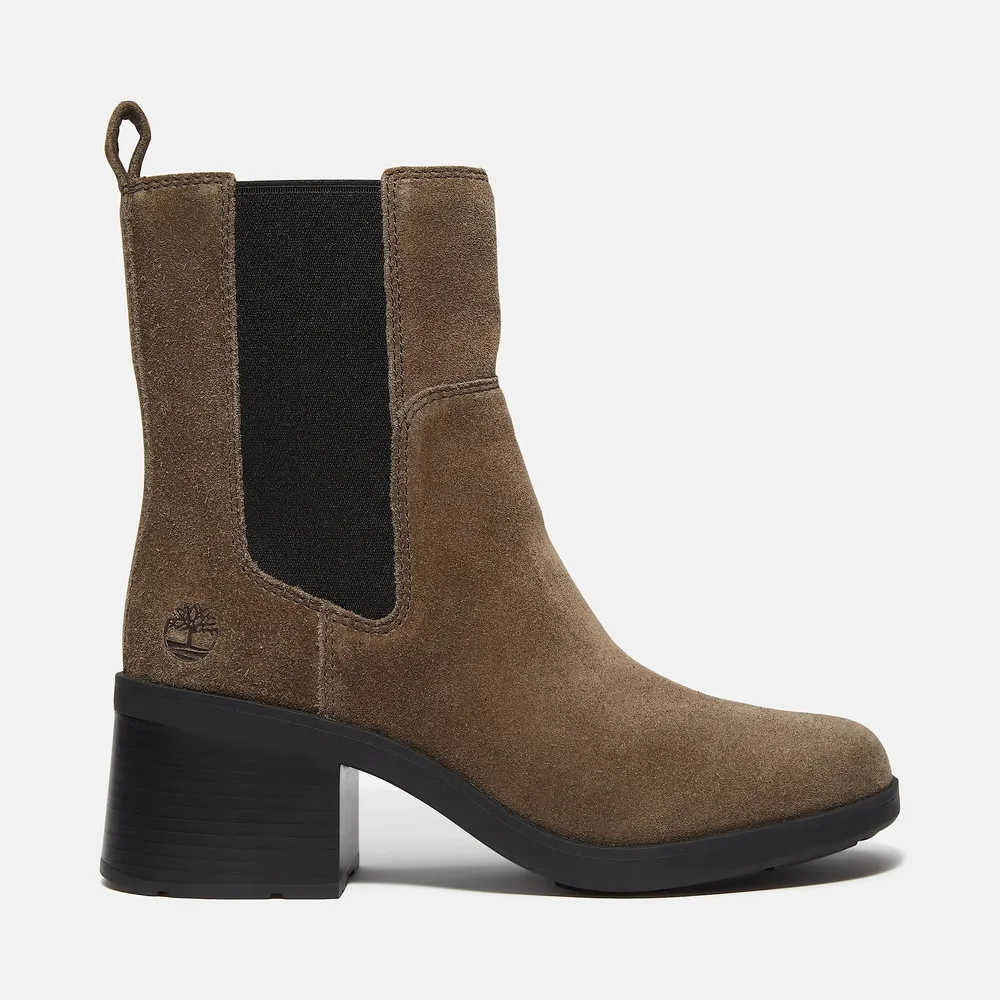
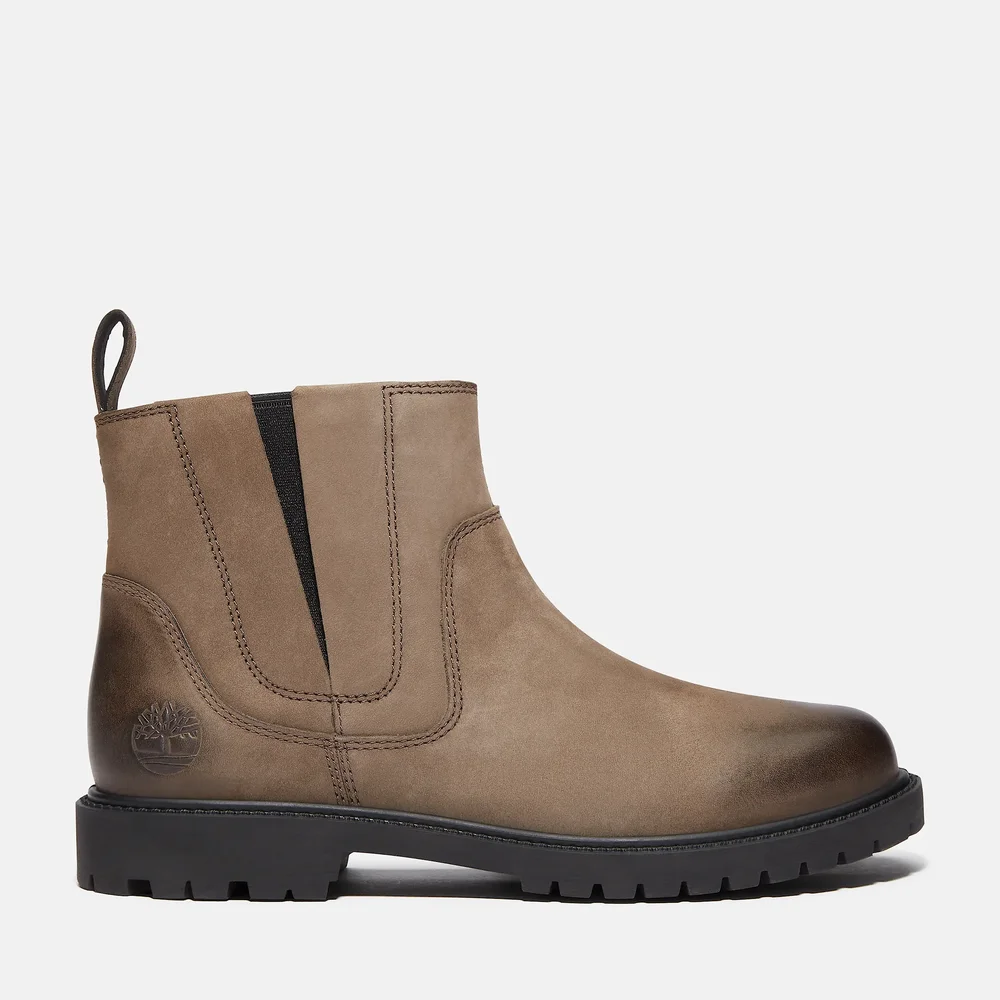
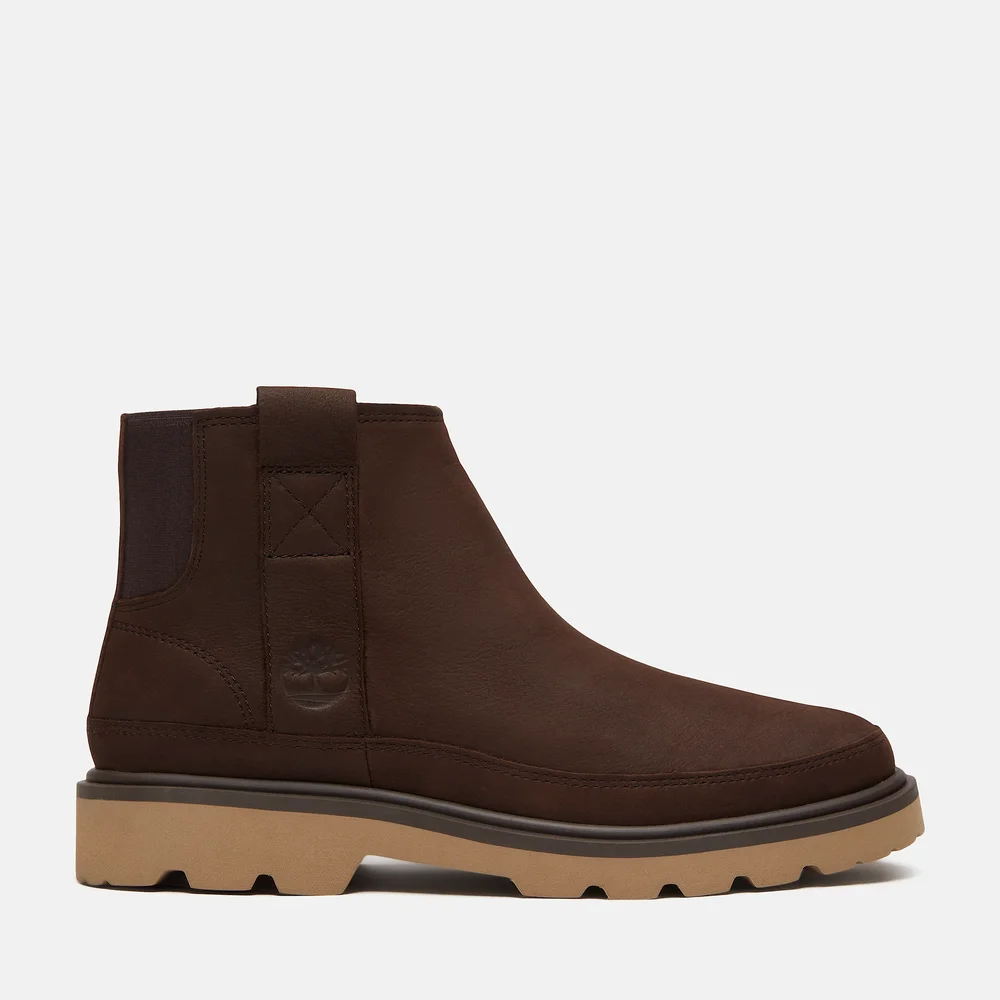
Timberland sizing is still model-specific when the boot is a Chelsea or an ankle shape. Allington Heights is a 6-inch boot, Bellevaux and the Premium Chelsea Boot are Chelsea styles, and Rowan Way is another boot shape; I would not use the familiar lace-up as a fit template for all four. The opening and collar change how a boot goes on and how it moves around the ankle, so give your foot a chance to settle before judging it.
I look for toe wiggle room, a comfortable hold at the ball and only modest heel movement, then reassess after a short walk indoors. For the range from the yellow lace-up to Chelsea and platform shapes, this Timberland boots story is a useful companion. My simple rule is to start at your usual size, measure both feet, and let the exact boot decide whether you stay there.
Timberland sizing questions, answered
Which Timberland boot would I size first?
I would start with the 6-inch Premium Boot at my usual US size, then check toe room, heel movement and the socks I plan to wear. I would not size up or down automatically across the range.
How do I measure my foot for Timberland boots?
Stand in socks with your heel against a wall, mark the longest toe on a sheet of paper, and measure both feet. Use the longer measurement and compare it with the chart.
Do Timberland reviews say the 6-inch boot runs true to size?
The broad 6-inch Premium review panel had 73% saying true to size and 68% true to width. A separate women's product panel had 40% calling it half a size too large and 83% true to width, so I treat those as different samples rather than a guarantee.
Should hiking boots fit differently from Chelsea boots?
I would try hiking boots with the socks planned for the trail and test them on an incline. Chelsea and ankle shapes need their own check around the opening, collar, toes and heel.