The best perfume concentration for summer is usually eau de toilette for a daytime scent, but the formula and amount matter more than the label.
Best Perfume Concentration for Summer: EDT or EDP?
The summer answer is about the formula
The best perfume concentration for summer is usually eau de toilette if you want a fresh, easy daytime scent, but I would choose by the formula and dose rather than the label alone.
Frédéric Malle says the EDT, EDP and extrait classifications are not official, and that each perfume should use the concentration best suited to it. He also treats seasonal wear as a matter of comfort and amount: a lighter touch can make a warmer scent workable on a hot day. That is the useful rule; no concentration owns the season.
For a breezy direction, Armani's Acqua di Giò Eau de Toilette opens with marine notes, Calabrian bergamot and neroli, then adds cedarwood. Valentino's Uomo Born in Roma Eau de Toilette turns violet leaf, sage and smoked vetiver into something greener and woodier. Maison Margiela's Replica By the Fireplace Eau de Toilette is the counterexample I would save for evening: this woody amber scent pairs clove oil and chestnut with vanilla, and the house evokes a winter fire. If you want the terms unpacked first, Eau de Toilette Meaning is a useful primer; I would reach for the first two in heat and keep the last for after sunset.
Eau de toilette, lighter and brighter
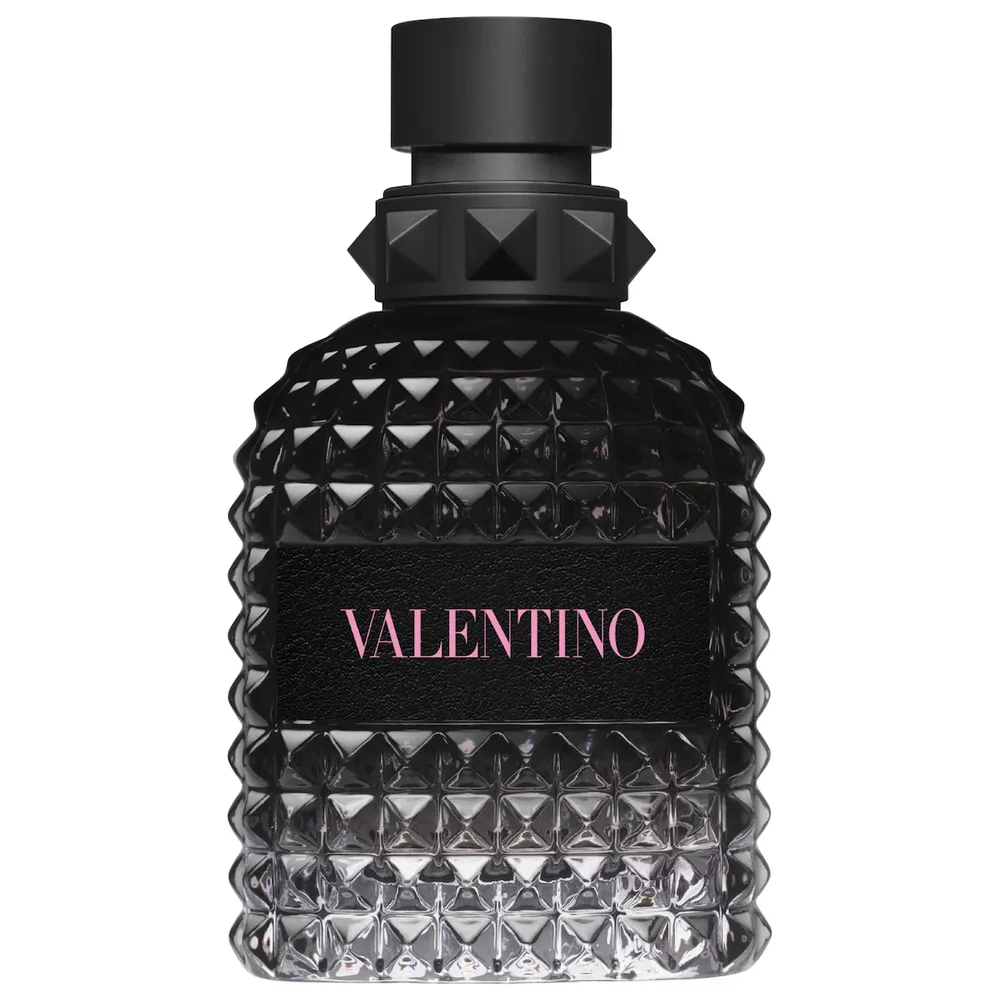
Uomo Born in Roma Eau de Toilette with Violet
Valentino
$110
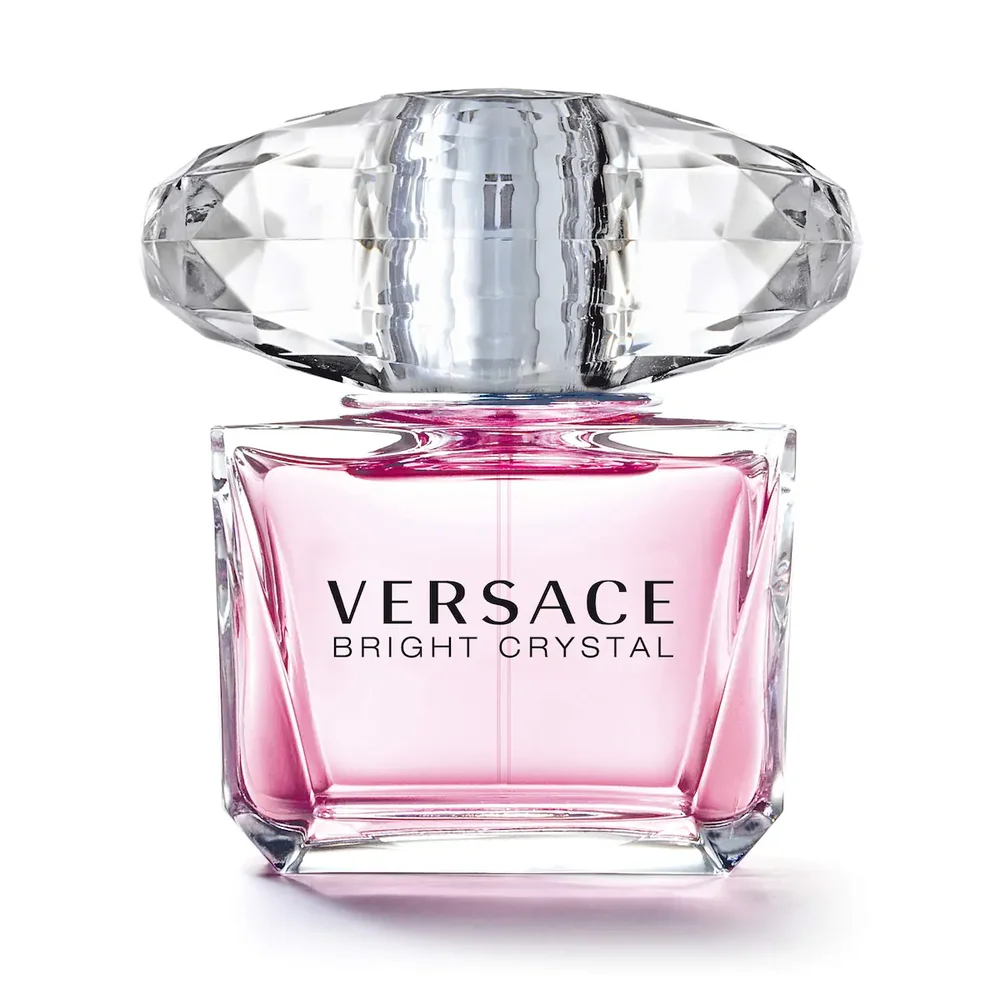
Bright Crystal Eau de Toilette
Versace
$138
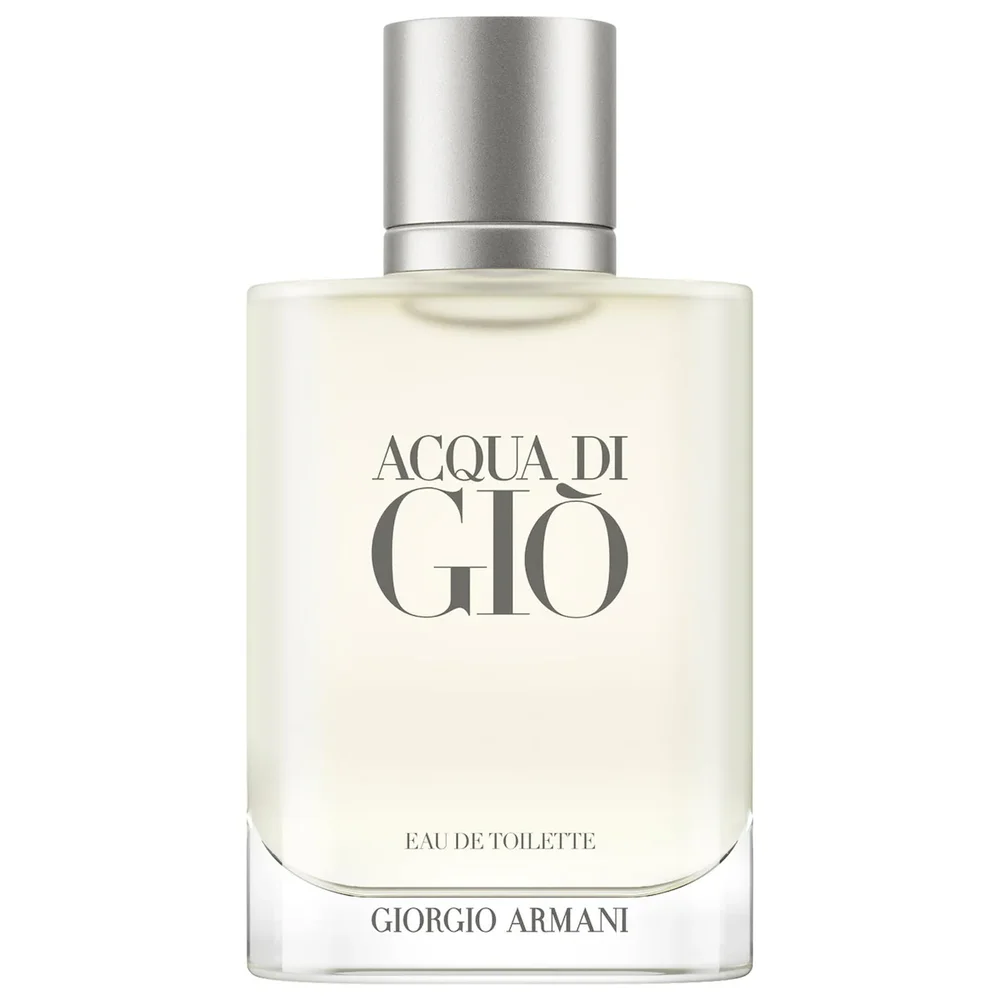
Acqua di Giò Eau de Toilette with Calabrian Bergamot & Cedarwood
Armani Beauty
$130
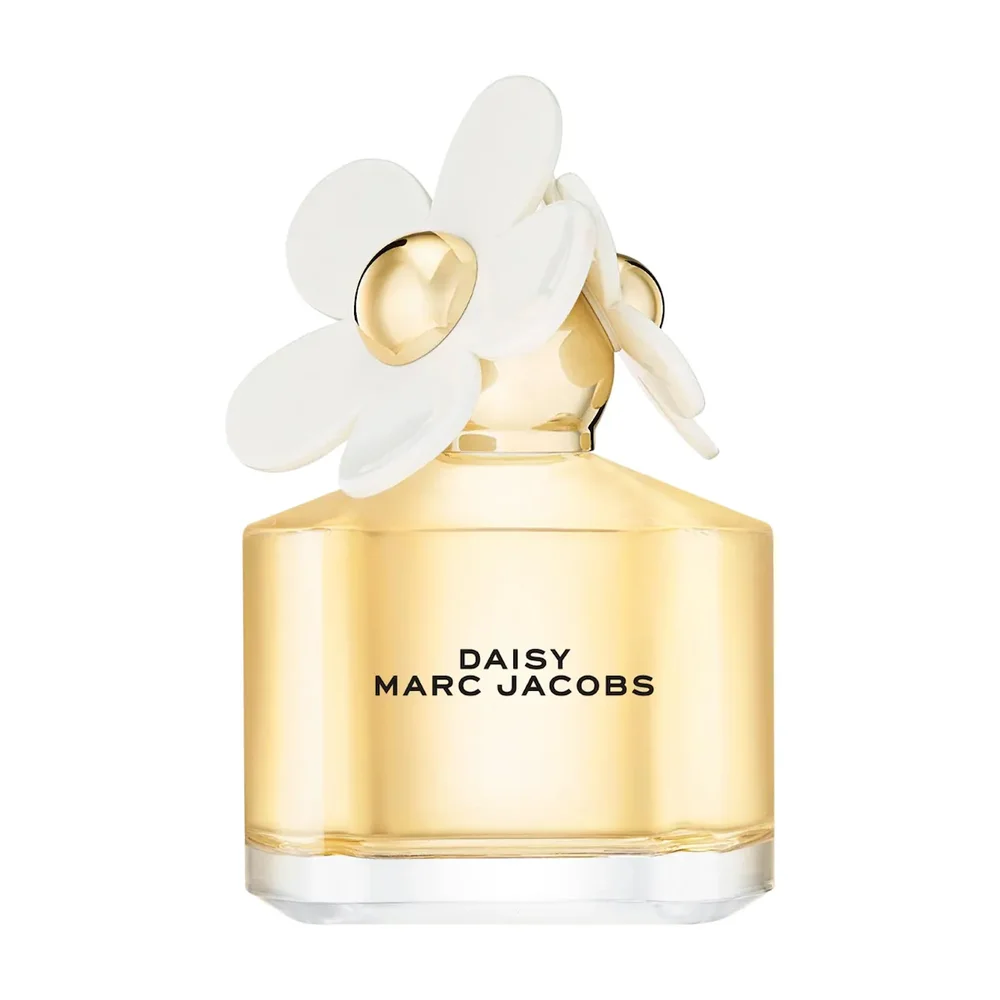
Daisy Eau de Toilette with White Florals & Sandalwood
Marc Jacobs Beauty
$146
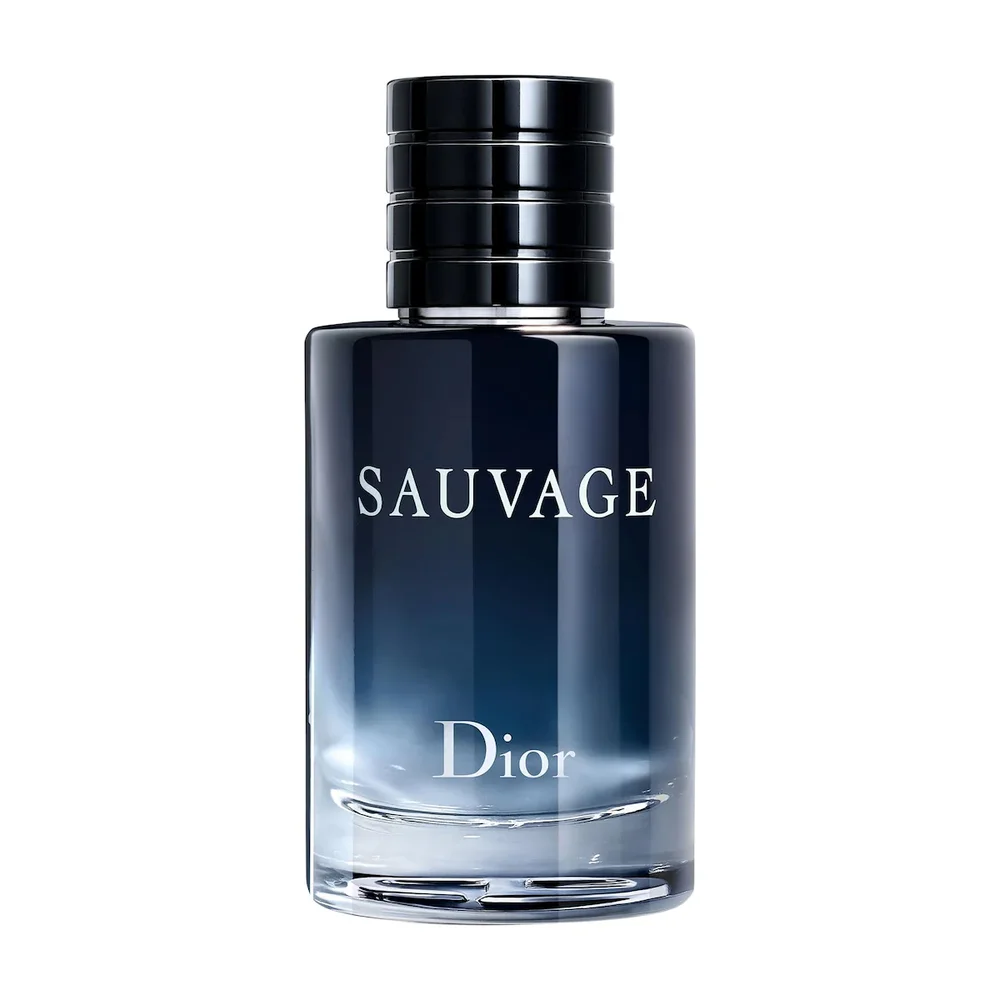
Sauvage Eau de Toilette
Dior
$115
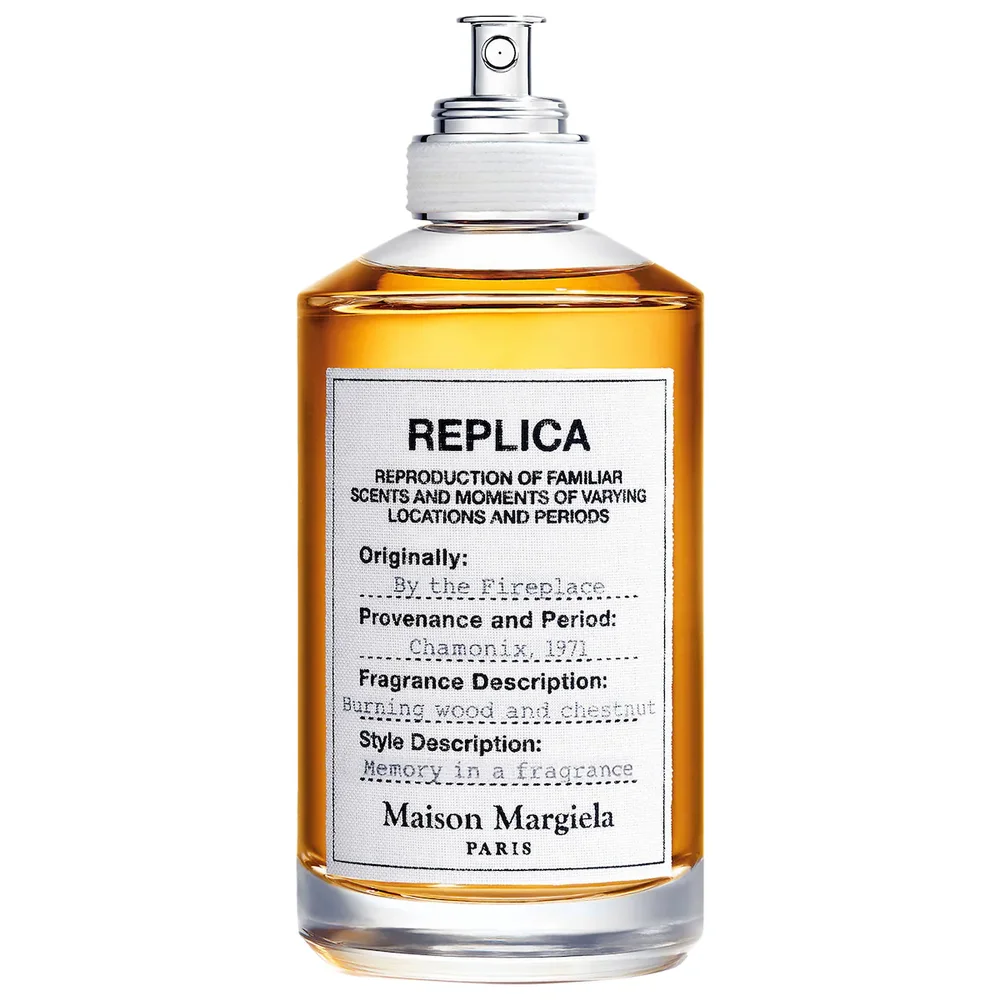
‘REPLICA' By the Fireplace Eau de Toilette with Chestnut, Vanilla, and Clove Oil
Maison Margiela
$170
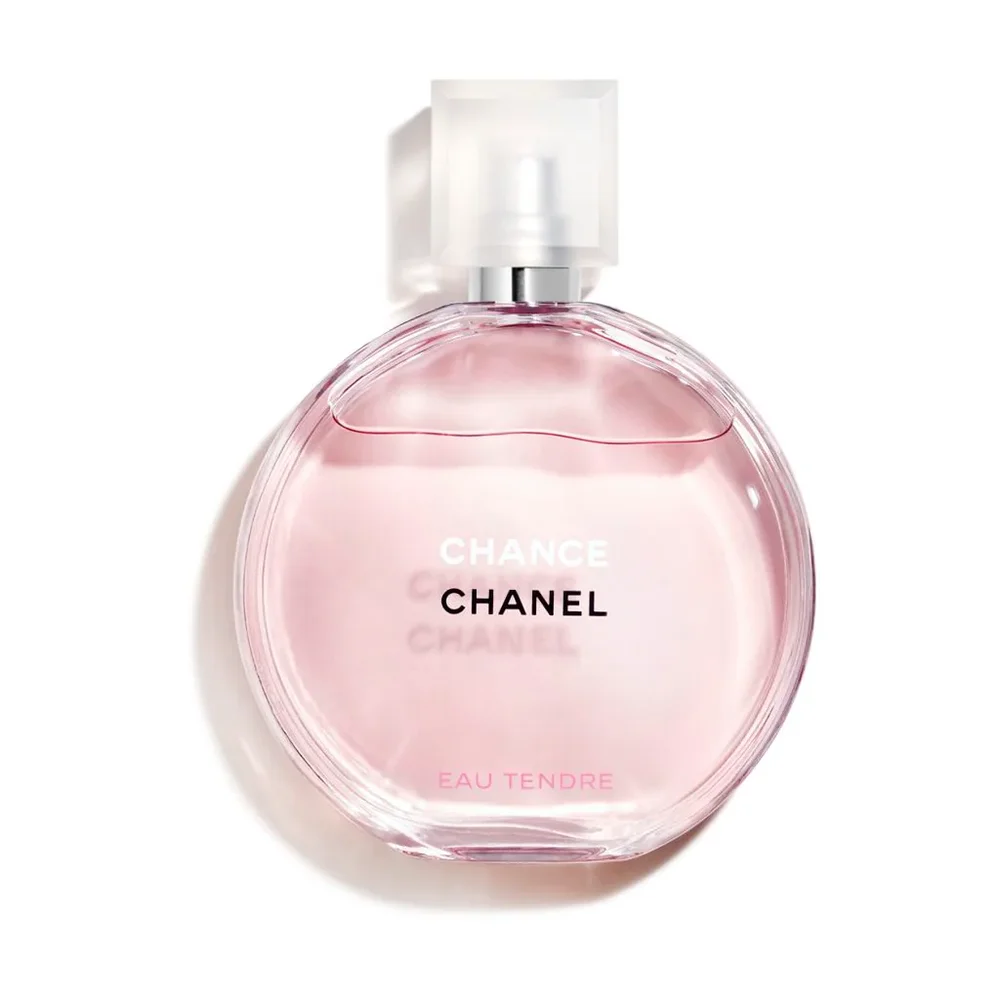
CHANCE EAU TENDRE Eau de Toilette
Chanel
$124
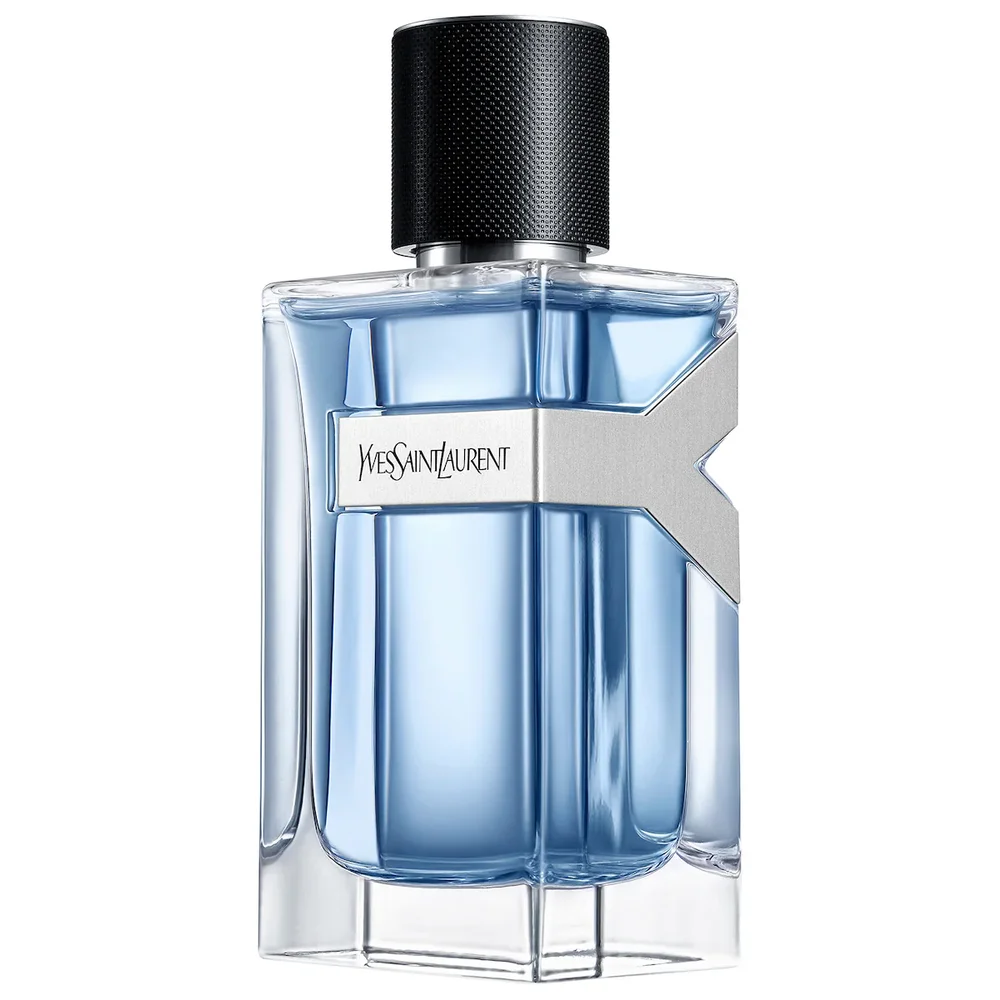
Y Eau de Toilette with Fresh Lavender & Geranium
Yves Saint Laurent
$140
Eau de parfum for late afternoons
Eau de parfum is my compromise for a summer day that turns into dinner, especially when the scent stays floral or citrus-lit rather than syrupy. The label alone does not tell me how close or loud it will wear, so I start with the notes and try a small amount before adding more.
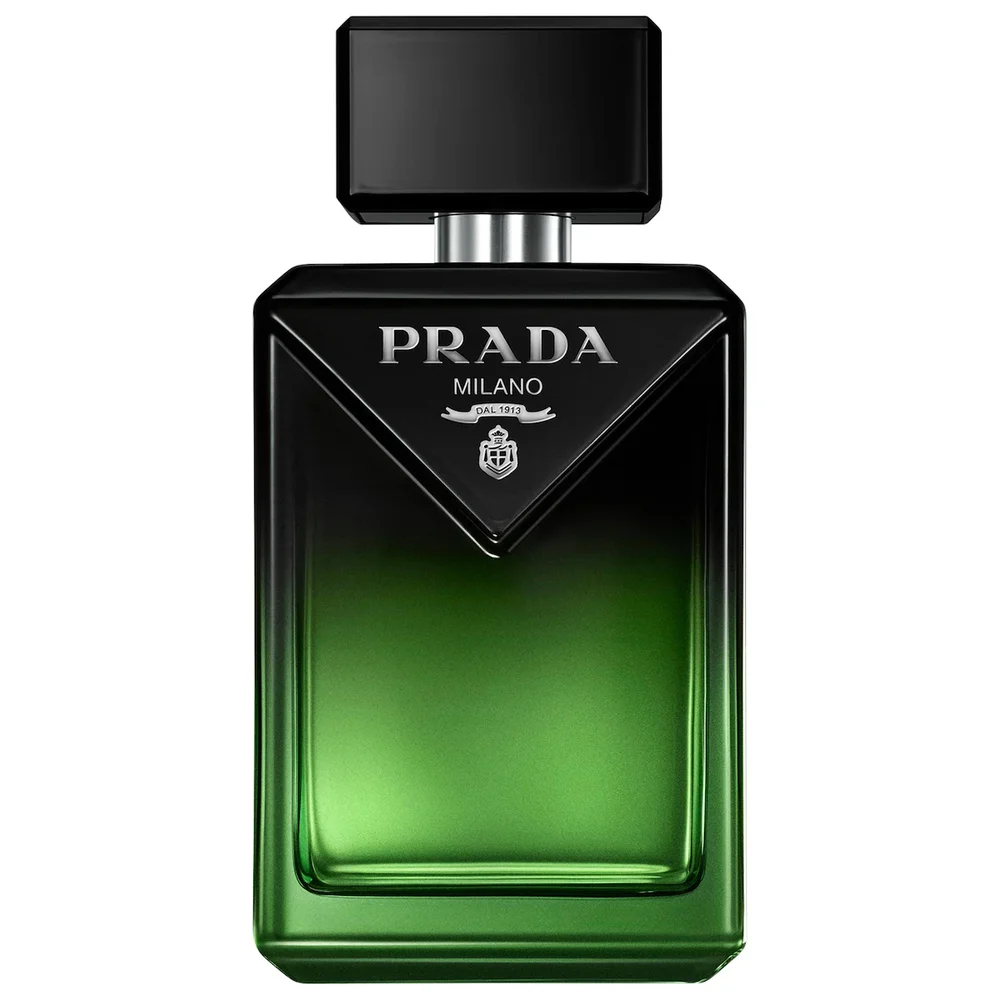
Dior's J'adore Eau de Parfum brings ylang-ylang, Damascus rose and jasmine together in a floral bouquet; I would reach for it when I want something bright but more rounded than a cologne. Chanel's Coco Mademoiselle Eau de Parfum pairs lively orange with jasmine, rose, patchouli and vetiver, so it has a deeper, woodier finish. Prada's Paradigme Eau de Parfum joins Calabrian bergamot and green bourbon geranium to warm ambery woods, which I would reserve for dusk if I wanted a breezy feel.
The sensible choice is the one that still feels comfortable after an hour, not the name that promises a stronger concentration.
Eau de parfum, the everyday middle
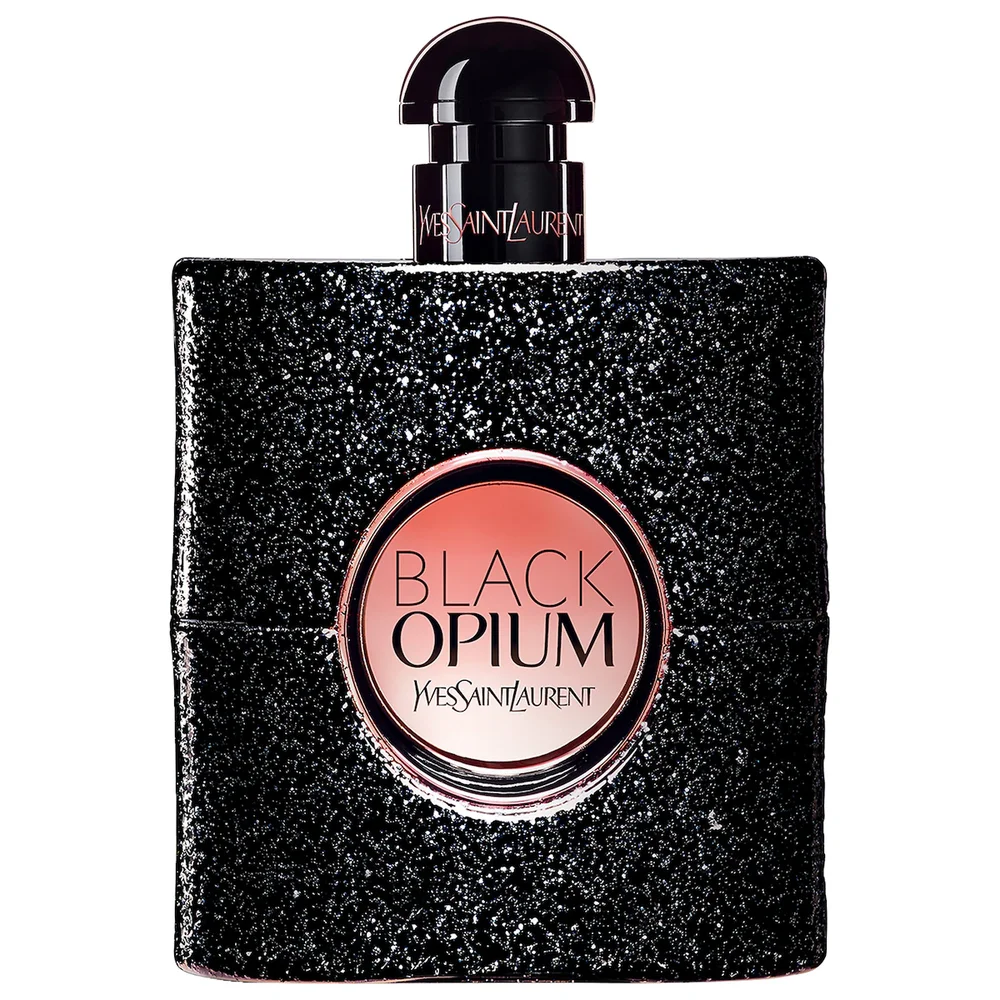
Black Opium Eau de Parfum with Coffee & White Flowers
Yves Saint Laurent
$174
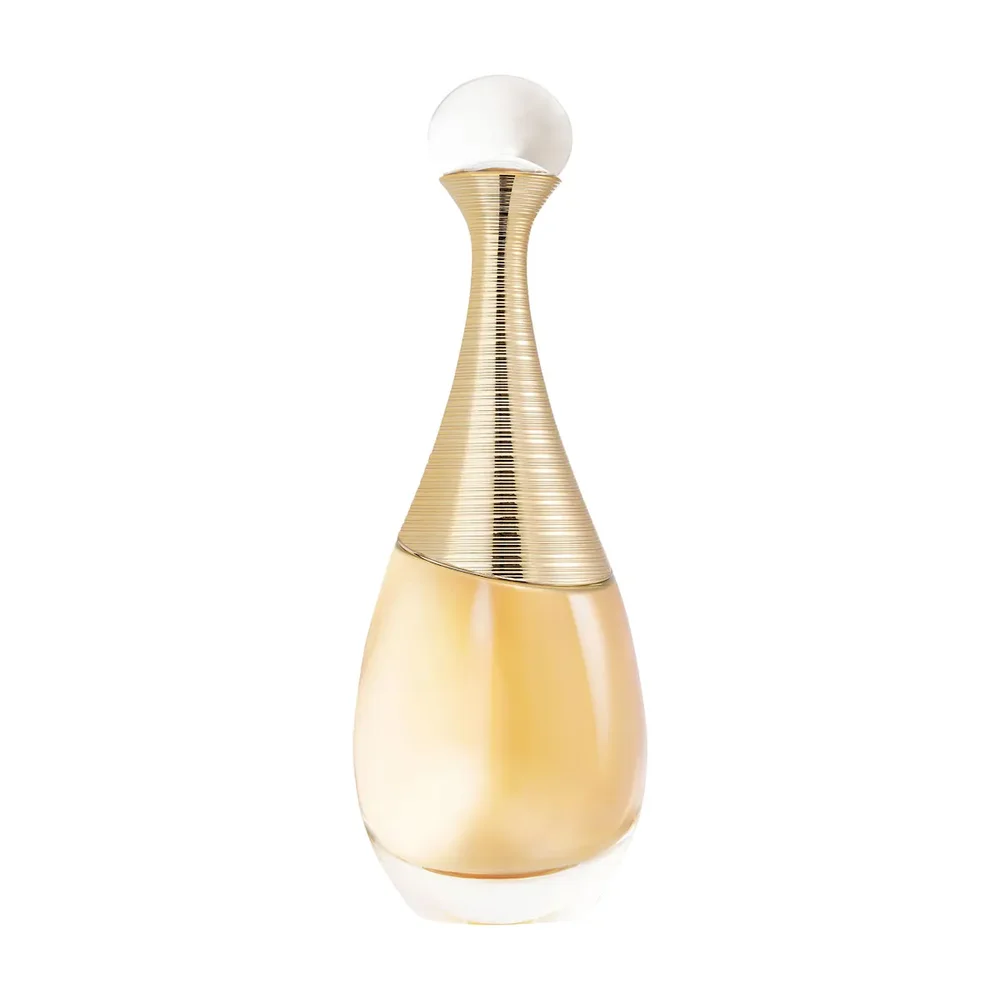
J'adore Eau de Parfum
Dior
$185
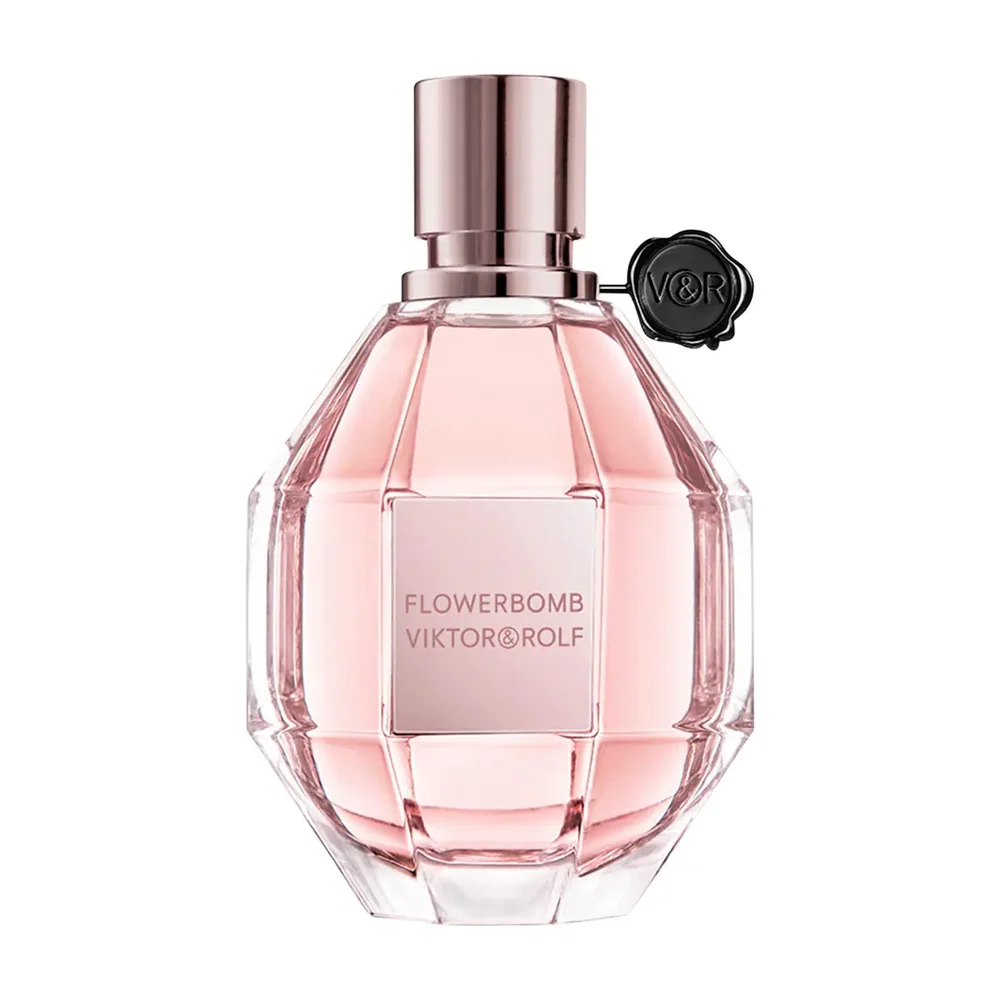
Flowerbomb Eau de Parfum with Vanilla & Jasmine
Viktor&Rolf
$182
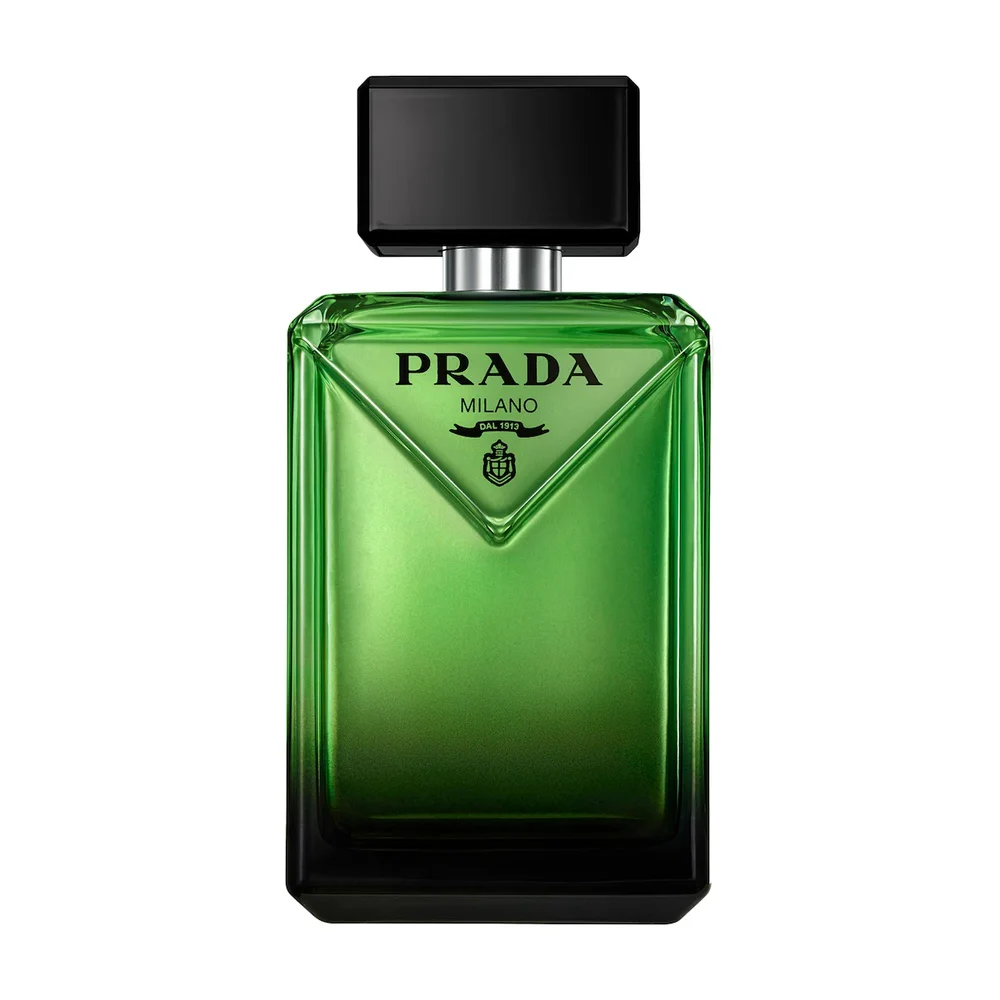
Paradigme Eau de Parfum with Bergamot
Prada
$173
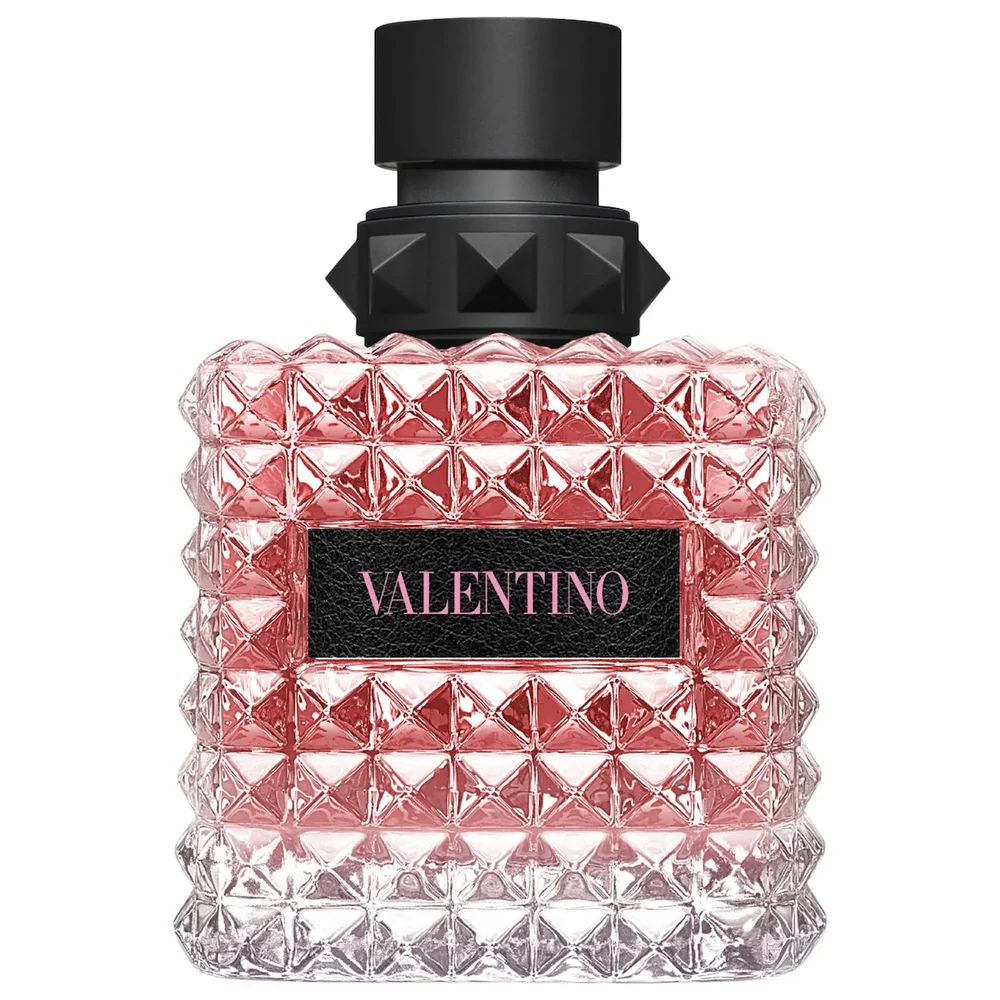
Donna Born in Roma Eau de Parfum with Bourbon Vanilla & Jasmine
Valentino
$180
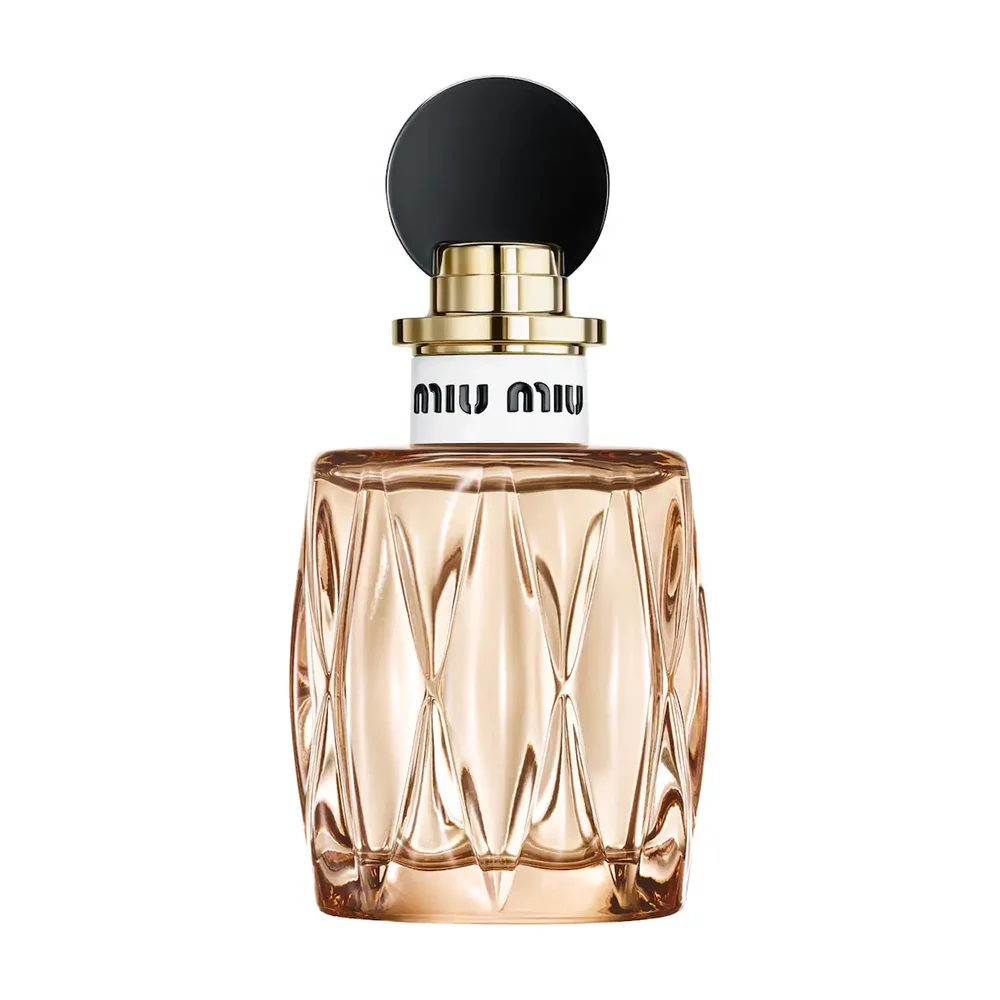
Miutine Eau de Parfum with Strawberry & Vanilla
Miu Miu
$180
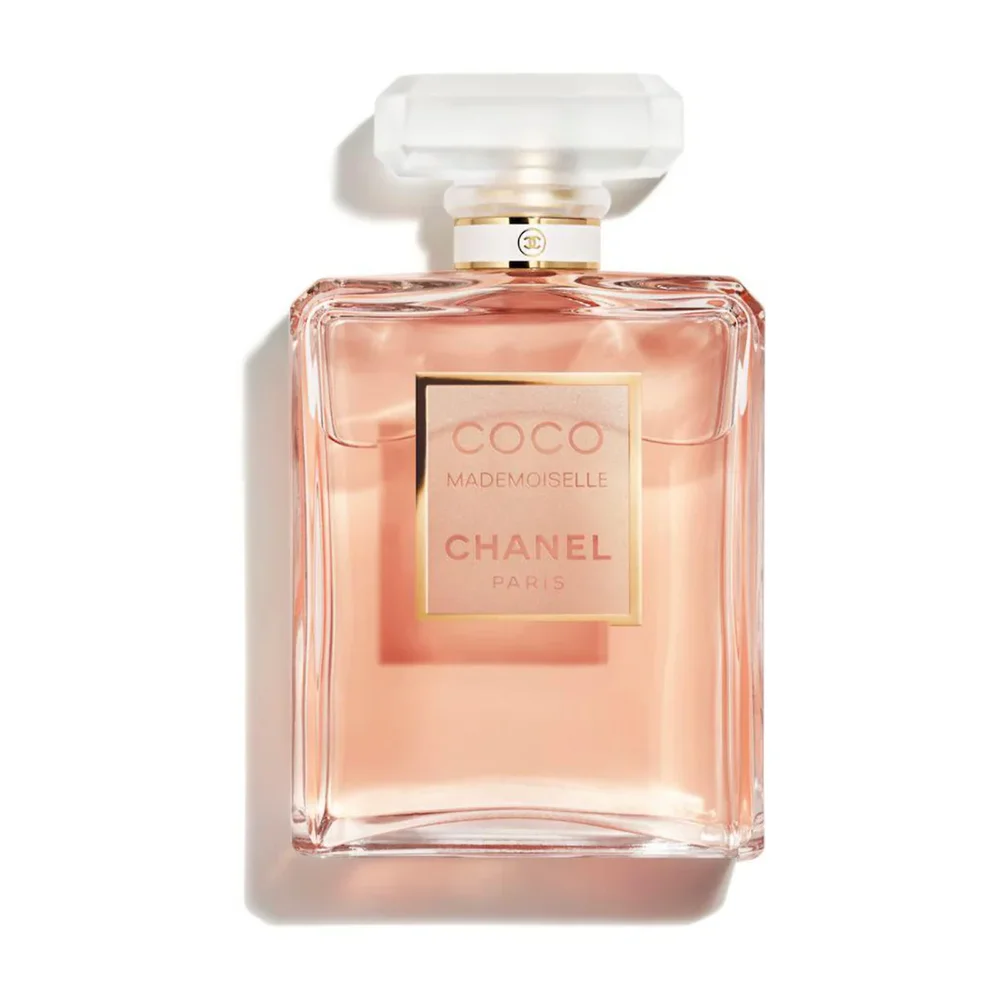
COCO MADEMOISELLE Eau de Parfum
Chanel
$154
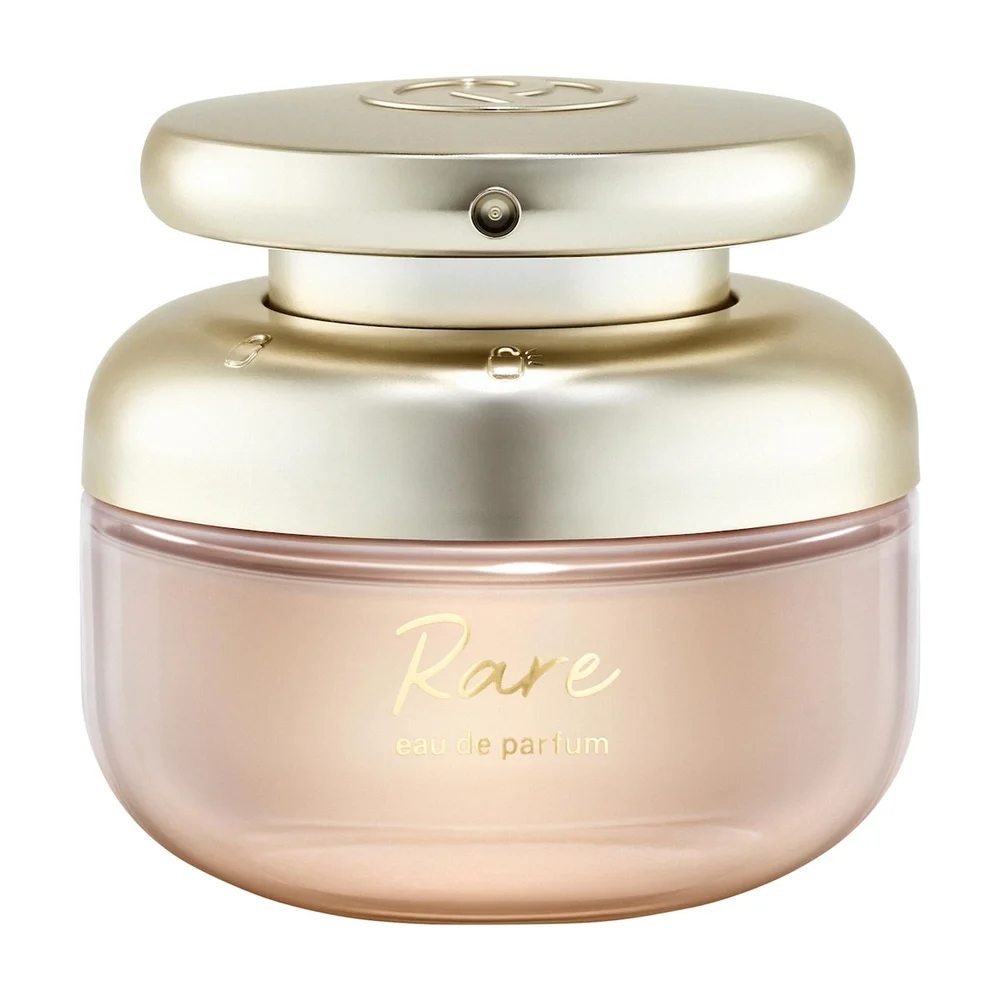
Rare Eau de Parfum with Vanilla and Caramel
Rare Beauty by Selena Gomez
$78
Parfum after sunset
Parfum and extrait are not automatically better picks for heat. If the scent itself feels plush, one small application at night can be lovely; if you want an airy aura, the concentration label cannot do that work on its own. Frédéric Malle's point that seasonal comfort depends on how much you apply is more useful than treating parfum as winter-only.
MERIT's Retrospect L'Extrait de Parfum opens with bergamot and pear, then settles into vanilla, musk and moss; MERIT describes it as close to the skin, which makes it my most plausible daytime example here. Kilian's Angels' Share Paradis is an intense extrait built around raspberry, cognac and rose, with tonka and oak in the base. To me, that reads as a late-evening or cool-night choice rather than an outdoor lunch scent.
I would not rule out parfum in summer; I would skip the richest, warmest styles at midday if I dislike feeling surrounded by my own fragrance.
Parfum and extrait, the richest
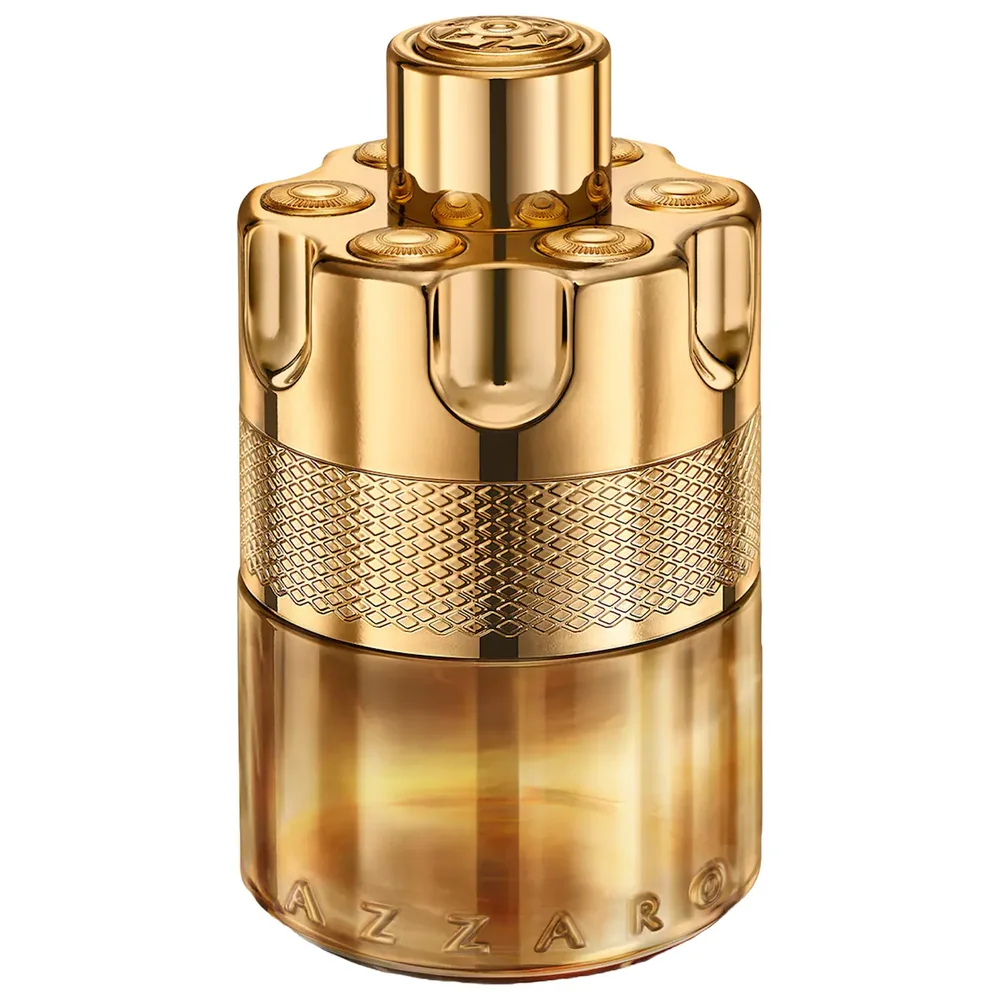
Forever Wanted Elixir
Azzaro
$155
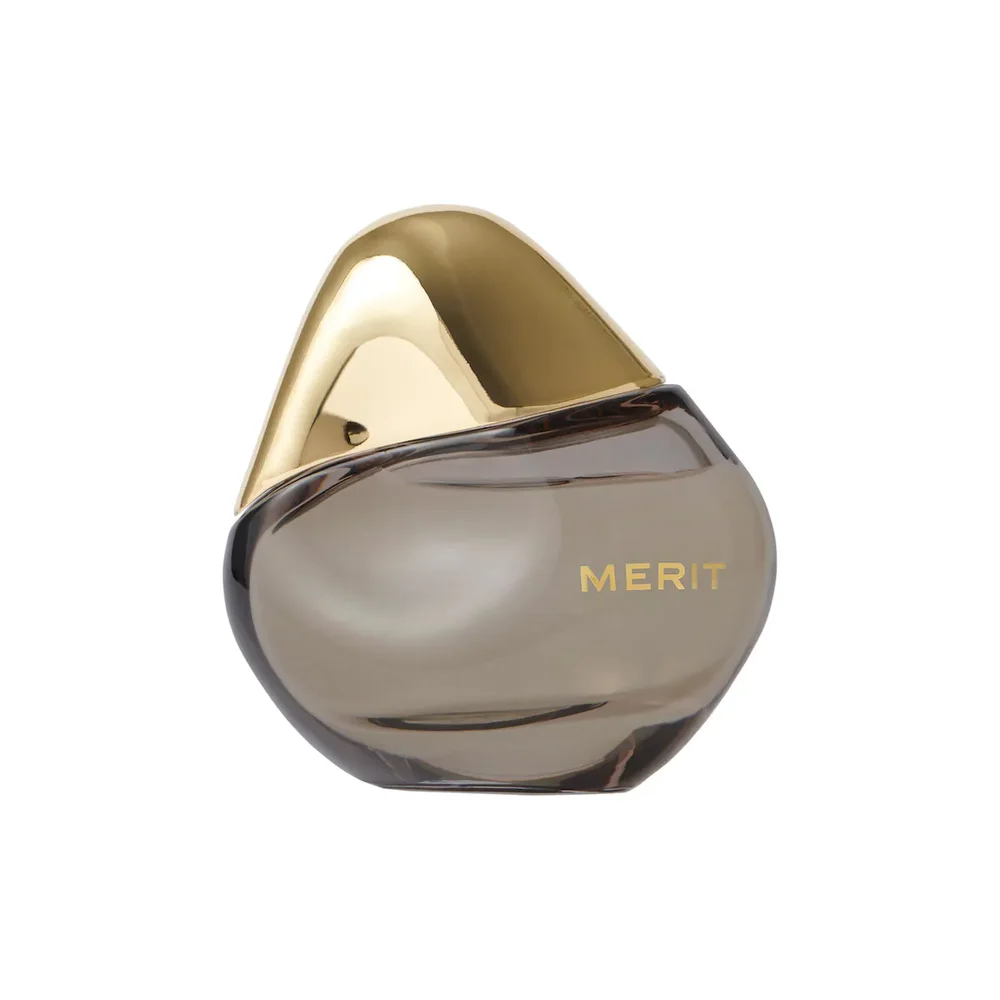
Retrospect™ L’Extrait de Parfum
Merit
$92
Paradigme Le Parfum with Amber & Vanilla
Prada
$210
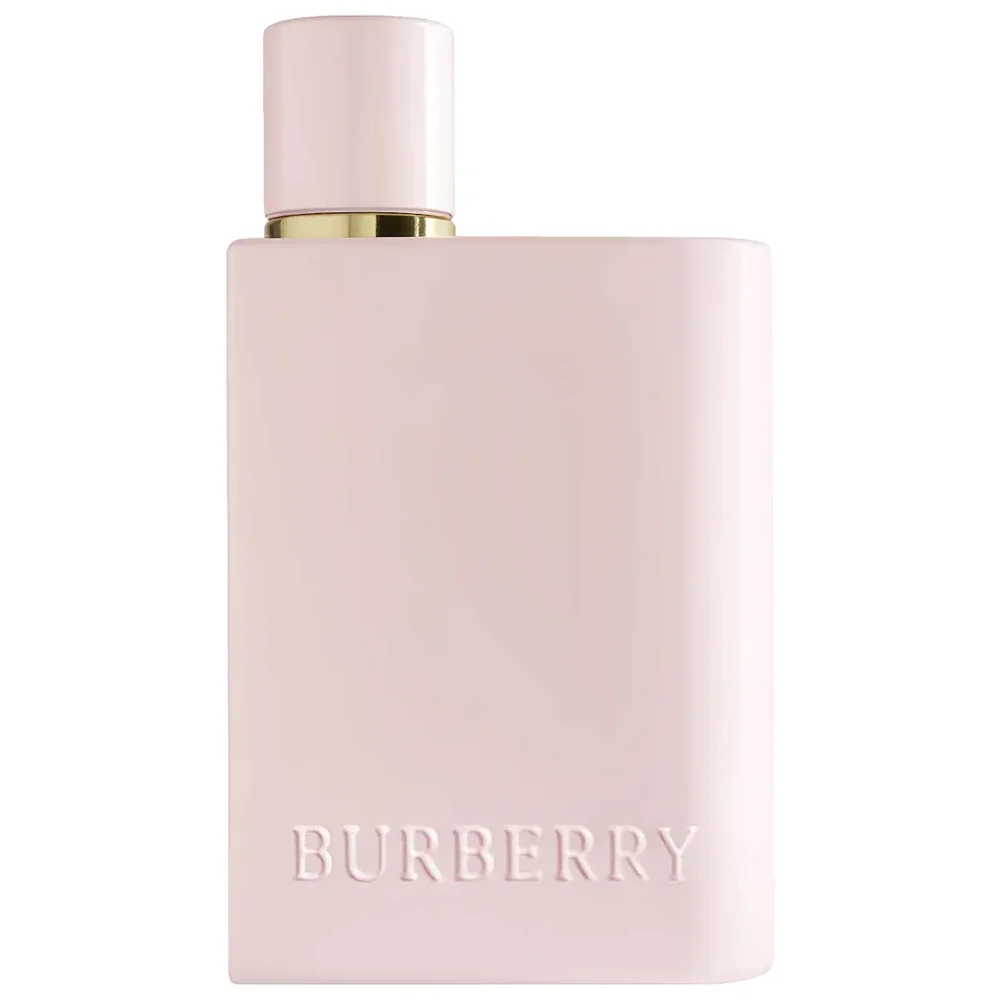
Her Elixir de Parfum with Dark Red Berries, Jasmine & Vanilla
Burberry
$192
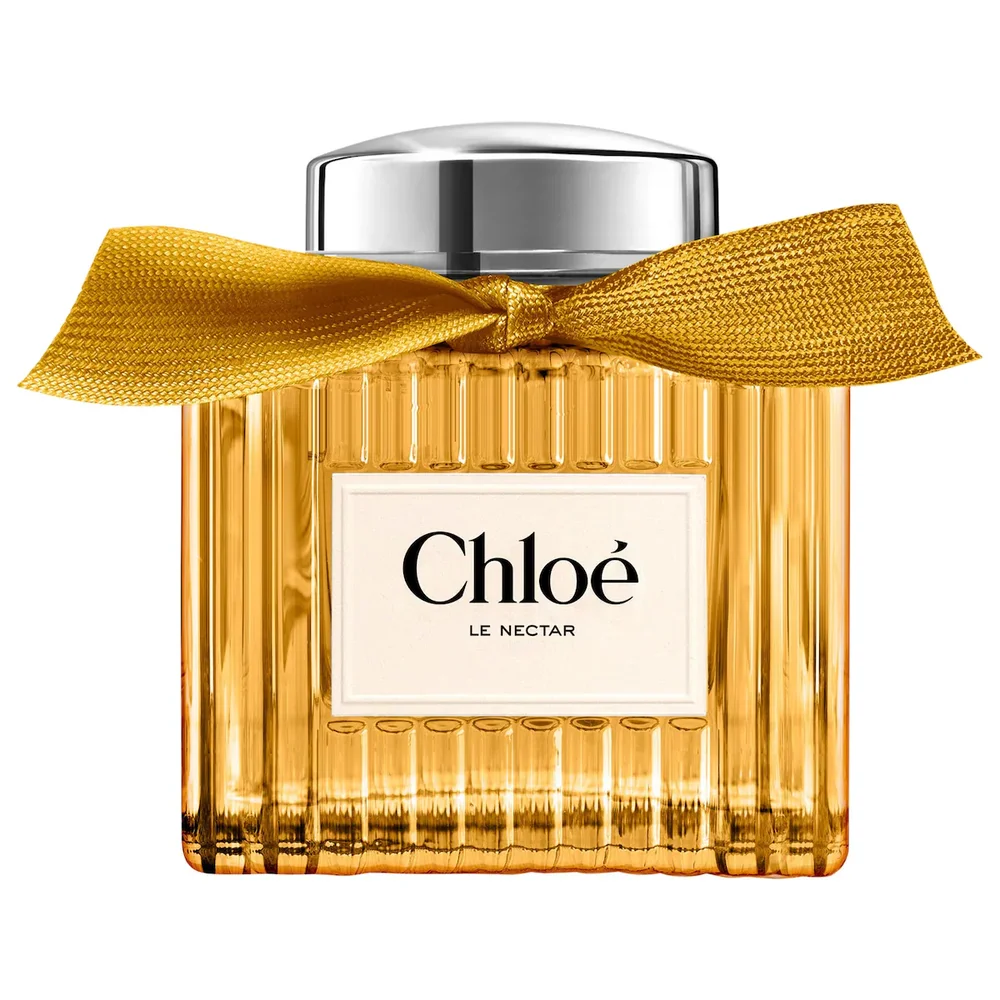
Le Nectar Parfum Intense with Bergamot & Orange Blossom
Chloé
$192
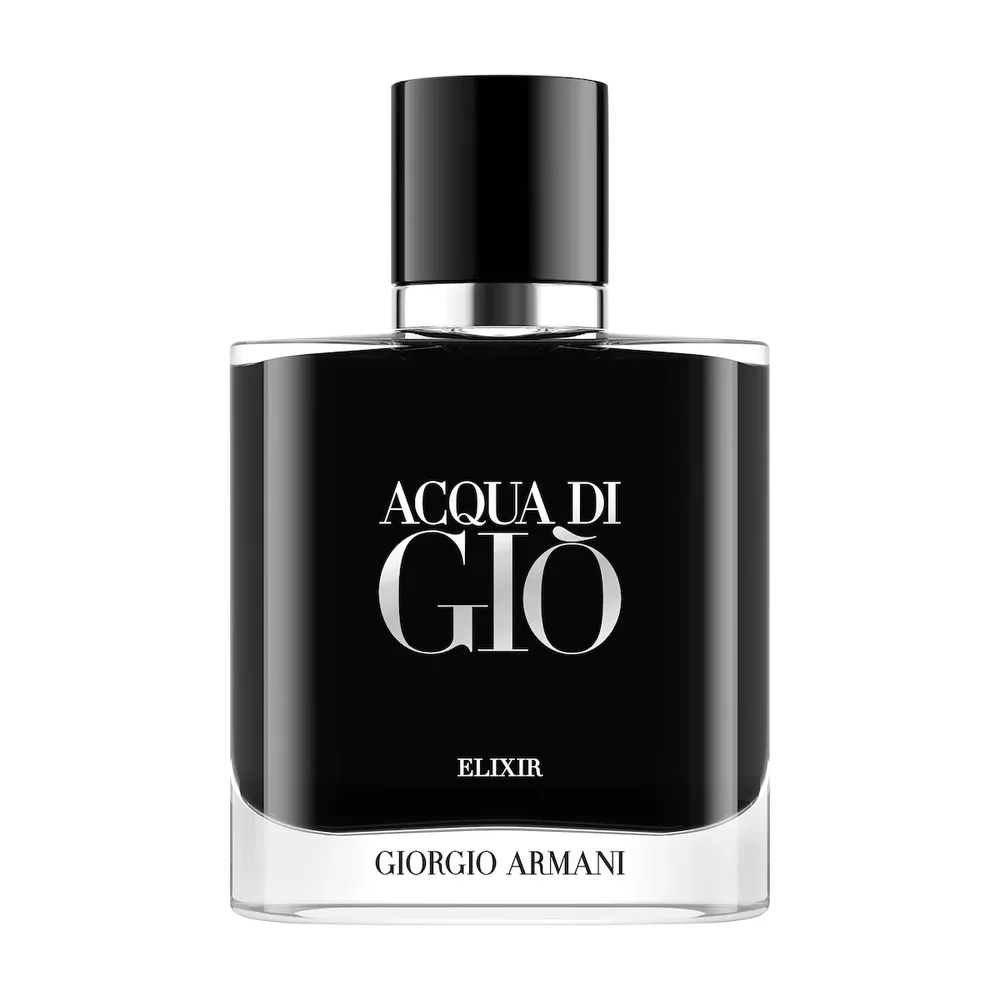
Acqua Di Giò Elixir
Armani Beauty
$170
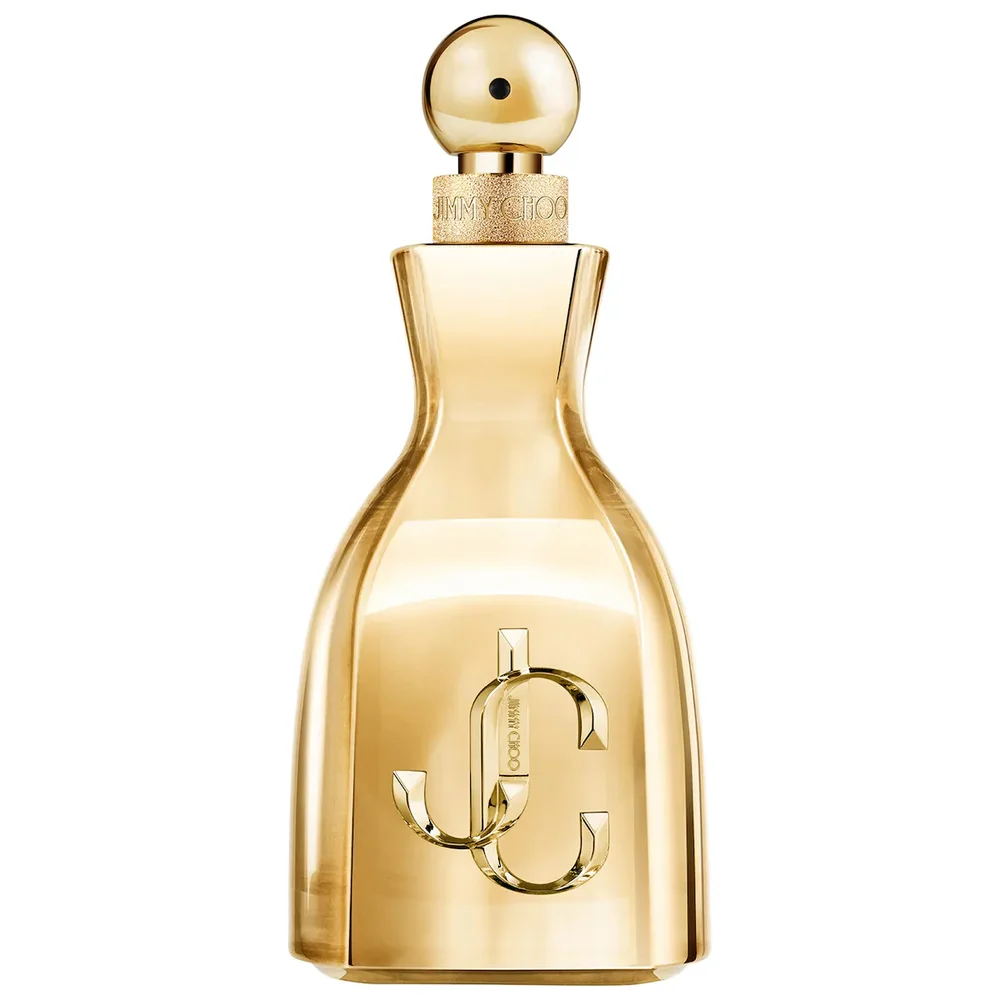
I Want Choo Le Parfum
Jimmy Choo
$170
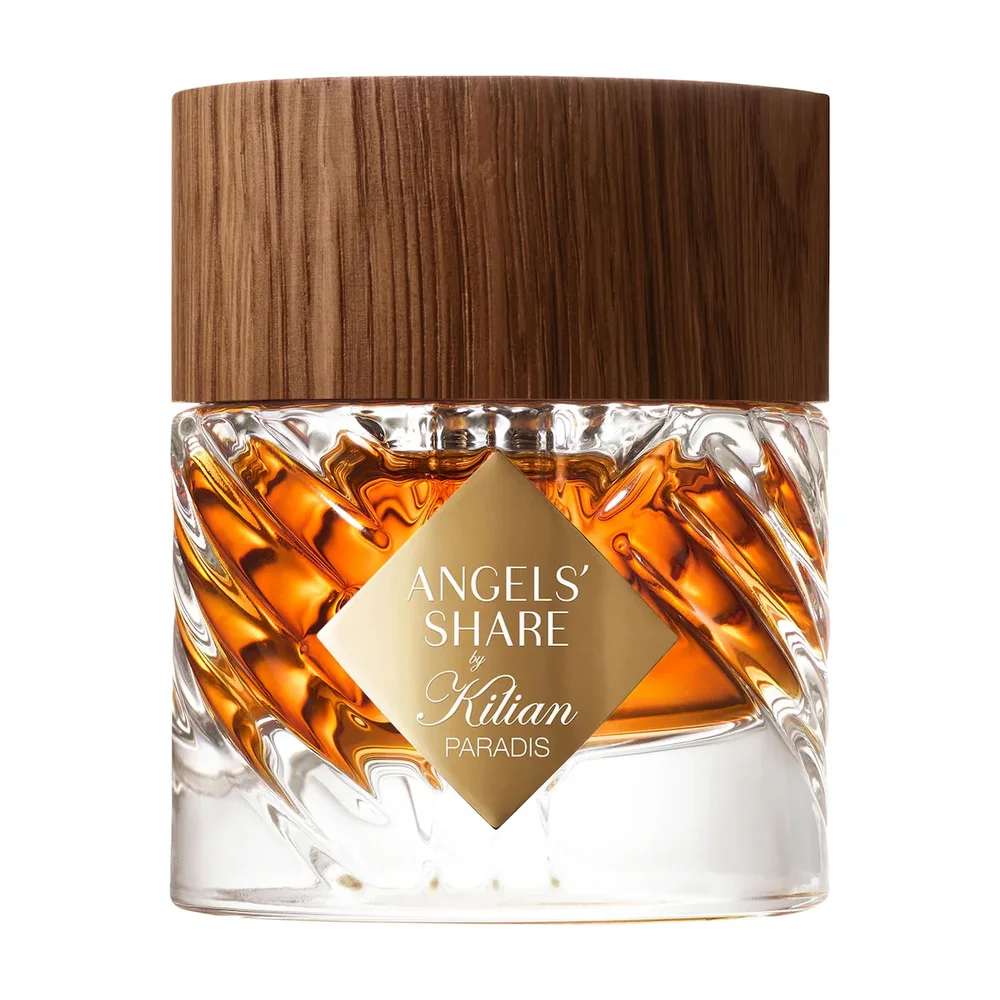
Angels' Share Paradis Extrait de Parfum with Raspberry
Kilian Paris
$390
Questions about perfume in the heat
Is eau de toilette better than eau de parfum in summer?
It is my easy starting point for heat when the notes are fresh, but an airy eau de parfum can work too. Concentration labels are not official categories, and the formula and amount matter.
Do I need to switch perfumes for summer?
Not necessarily. Frédéric Malle says seasonal changes are a matter of comfort, and you can adjust how much of a warmer scent you wear.
Can I wear extrait in hot weather?
Yes, if it feels comfortable. A lighter application can make a warmer scent workable; I would save dense, sweet profiles for evening rather than a packed midday commute.
How I would choose in July
My summer rotation would be simple: an aquatic or green EDT for an ordinary hot day, an EDP when I want the scent to carry into dinner, and a parfum only when its texture feels comfortable at night. I would skip the richest, sweetest option for a midday commute if I already know I dislike a strong scent in close quarters; a higher concentration is not a quality score.
This is for someone who wants a perfume to match the temperature and setting without buying a separate bottle for every season. The test I trust is small and unglamorous: try it on skin, give it time, and notice whether you still want it close by lunchtime. If you want to compare one house's changing concentration names on related scents, Lancôme Idôle Flankers Compared gives a useful case; I would use it as a comparison, not a rule.






