Crossbody phone cases have taken over how women move through airports because both hands are busy with luggage and boarding passes. The shift away from tote-and-pocket carrying reflects how little patience anyone has left for digging through a bag at security. This edit focuses on the crossbody systems and pouches built specifically for the friction points of transit, not general everyday wear.

Travel Hands-Free: Phone Cases and Bags Built for Airports
Why airports break your normal setup
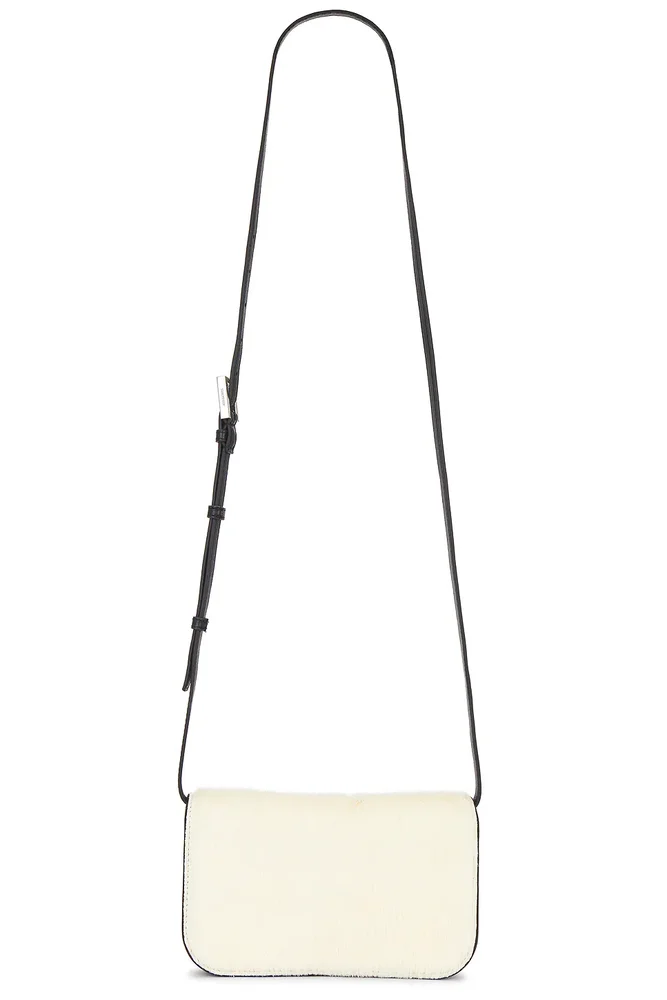
In daily life your phone sits in a pocket or bag and you barely think about it. In an airport that calm breaks down: your hands are full of luggage, your eyes are on the gate, and a phone in a pocket becomes something you keep checking for. A crossbody case fixes the actual problem by putting the phone at your hip, visible without looking and reachable without stopping. Sets built for this moment, like the Bandolier Goldie Wallet Set, pair the phone compartment with card storage so identification and payment stay in one place instead of splitting across pockets. A structured option like the Hammitt 210 East reads more like a bag than a tech accessory, which matters when you want the whole system to look intentional rather than improvised.
Secure magnet wallet crossbody systems
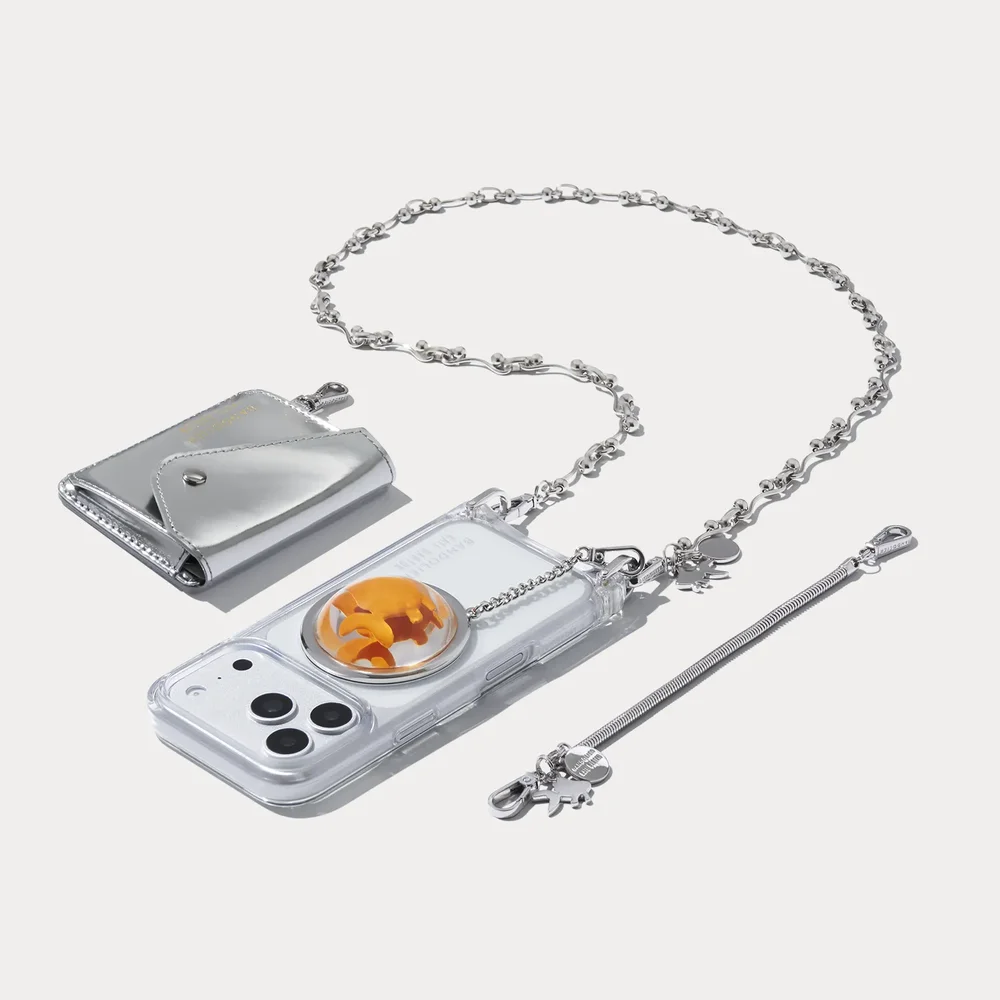
The Goldie Wallet Set - Clear/Silver
Bandolier
$225
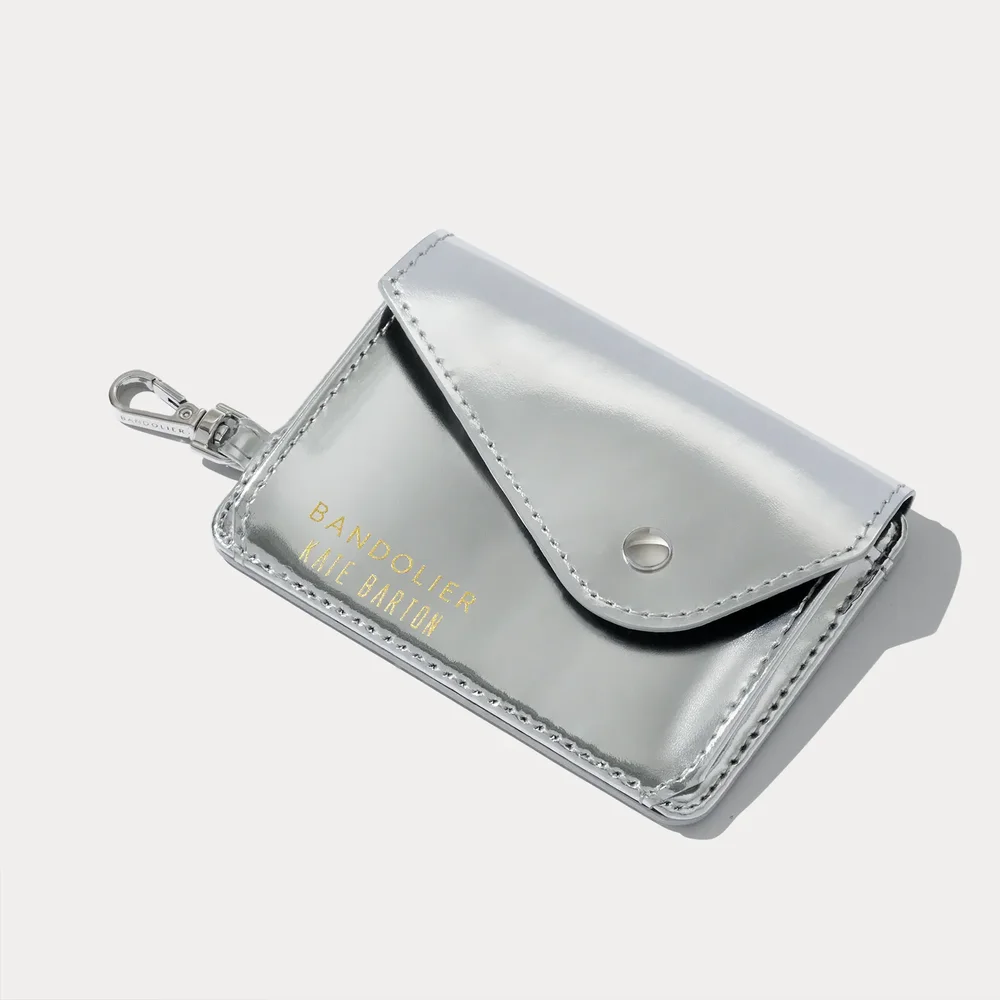
Add-On Magnet Wallet - Silver Patent/Silver
Bandolier
$80
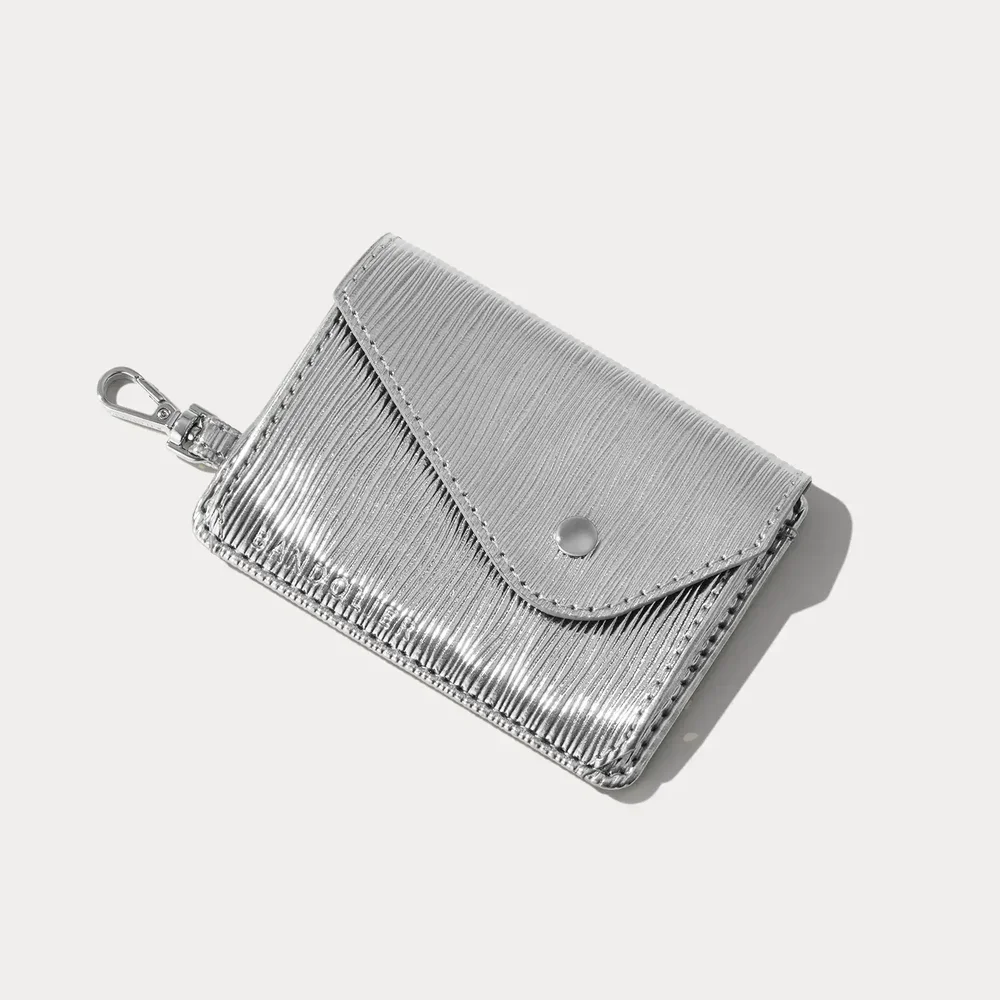
Add-on Magnet Wallet Wavy Silver Wave/Silver
Bandolier
$48
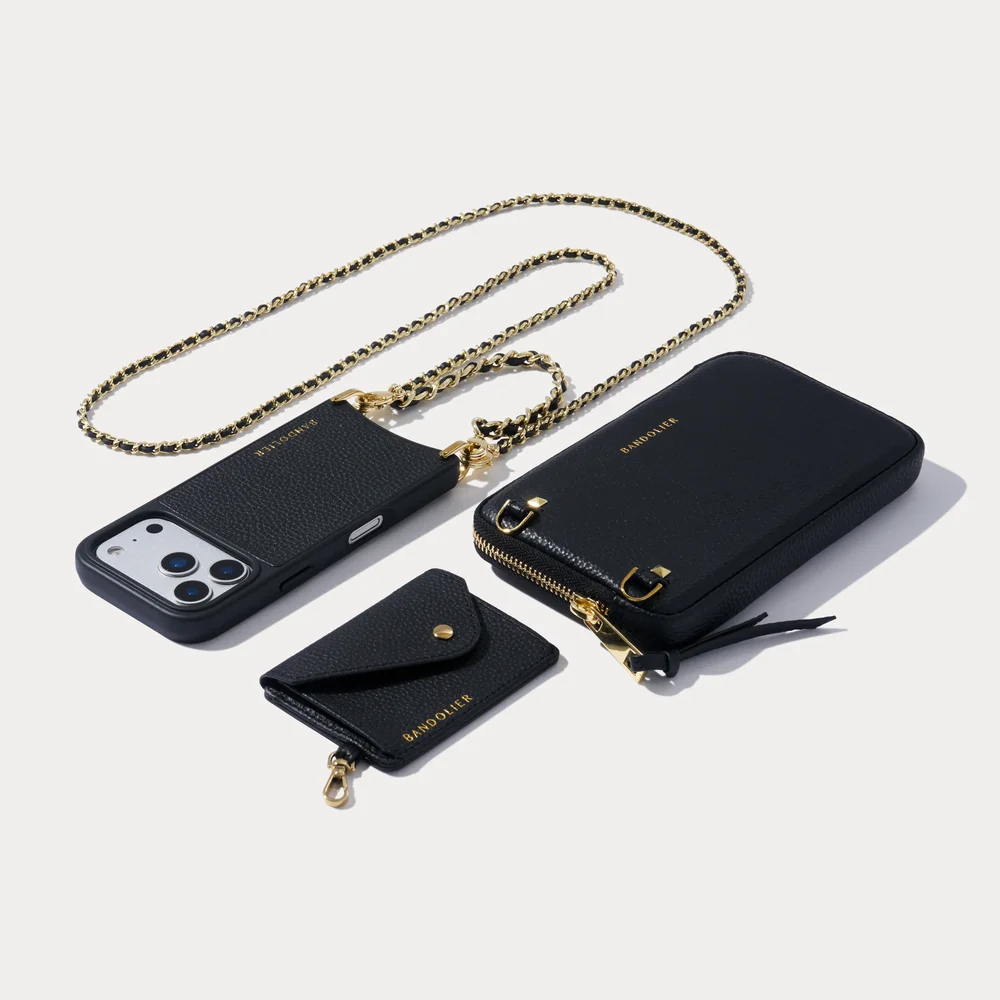
Rae Magnet Duet Crossbody Phone Case Pouch Set - Black/Gold
Bandolier
$239.40
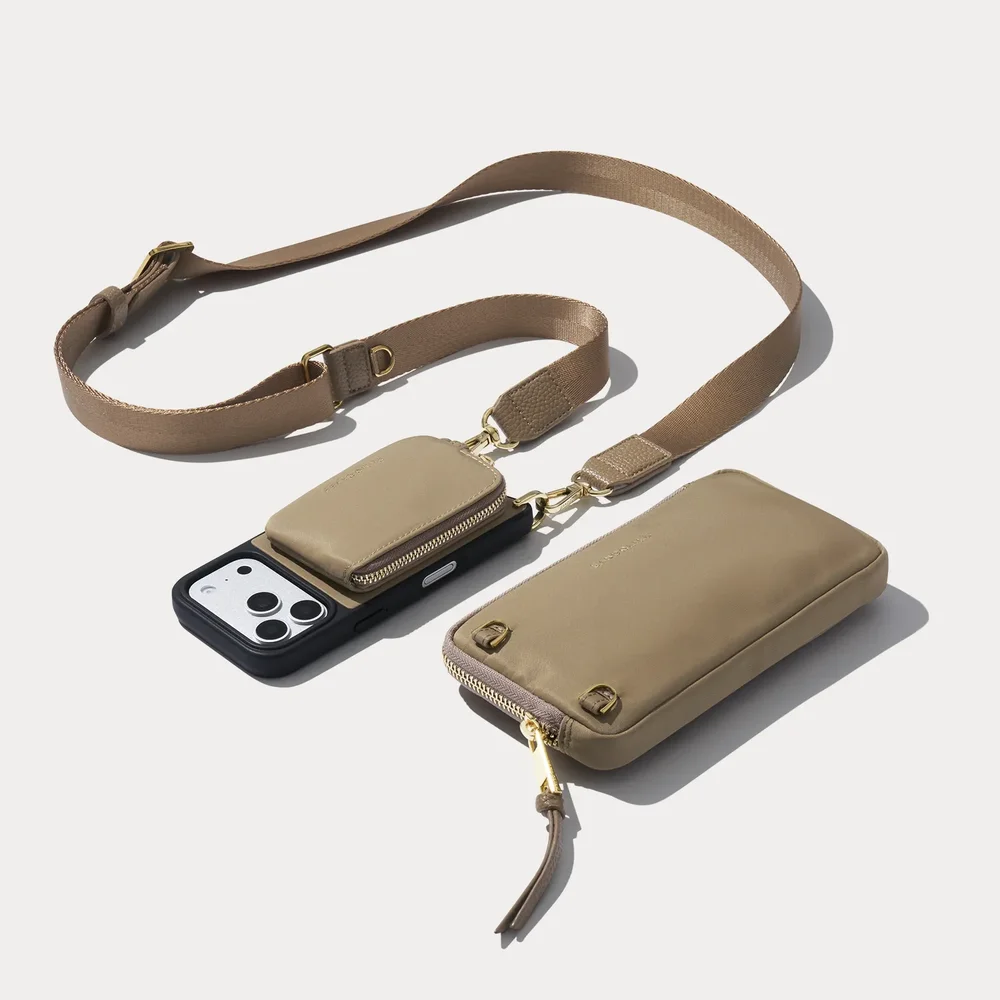
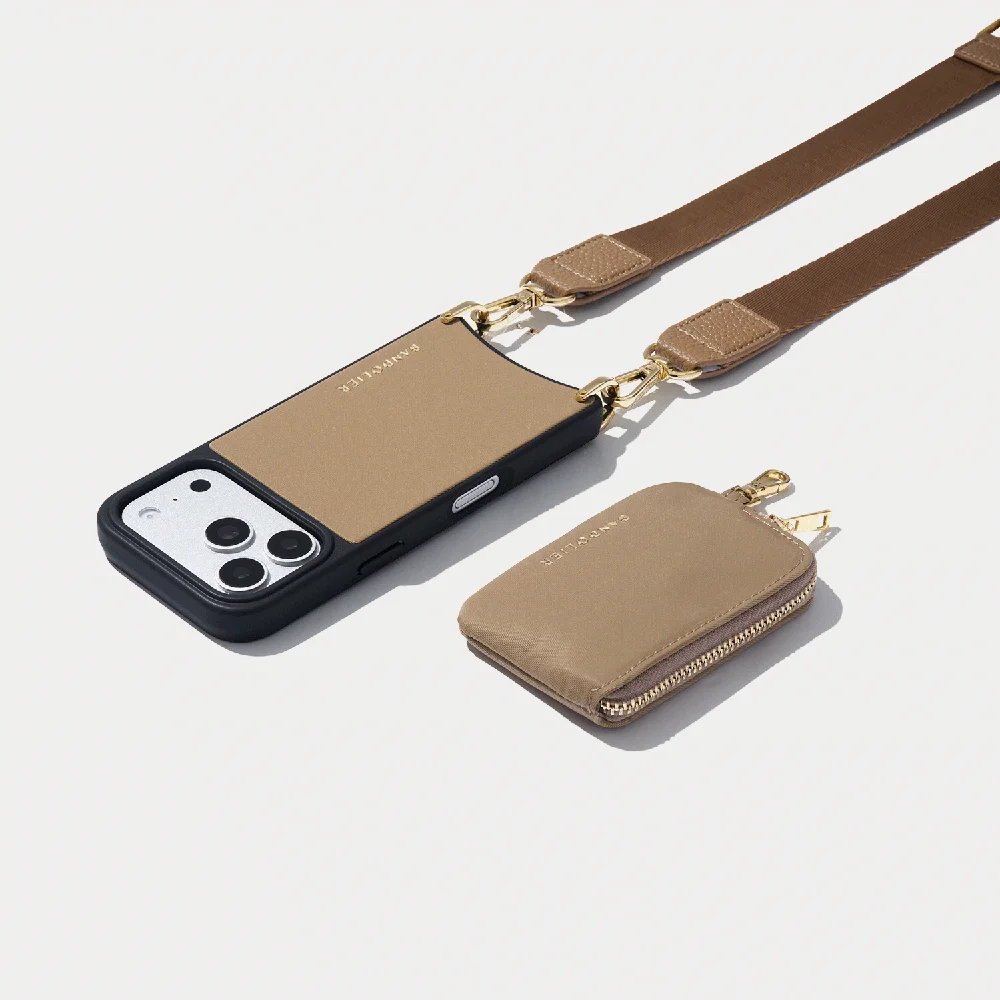
Nova Nylon Magnet Wallet Crossbody Phone Case Pouch Set - Taupe/Gold
Bandolier
$212.40
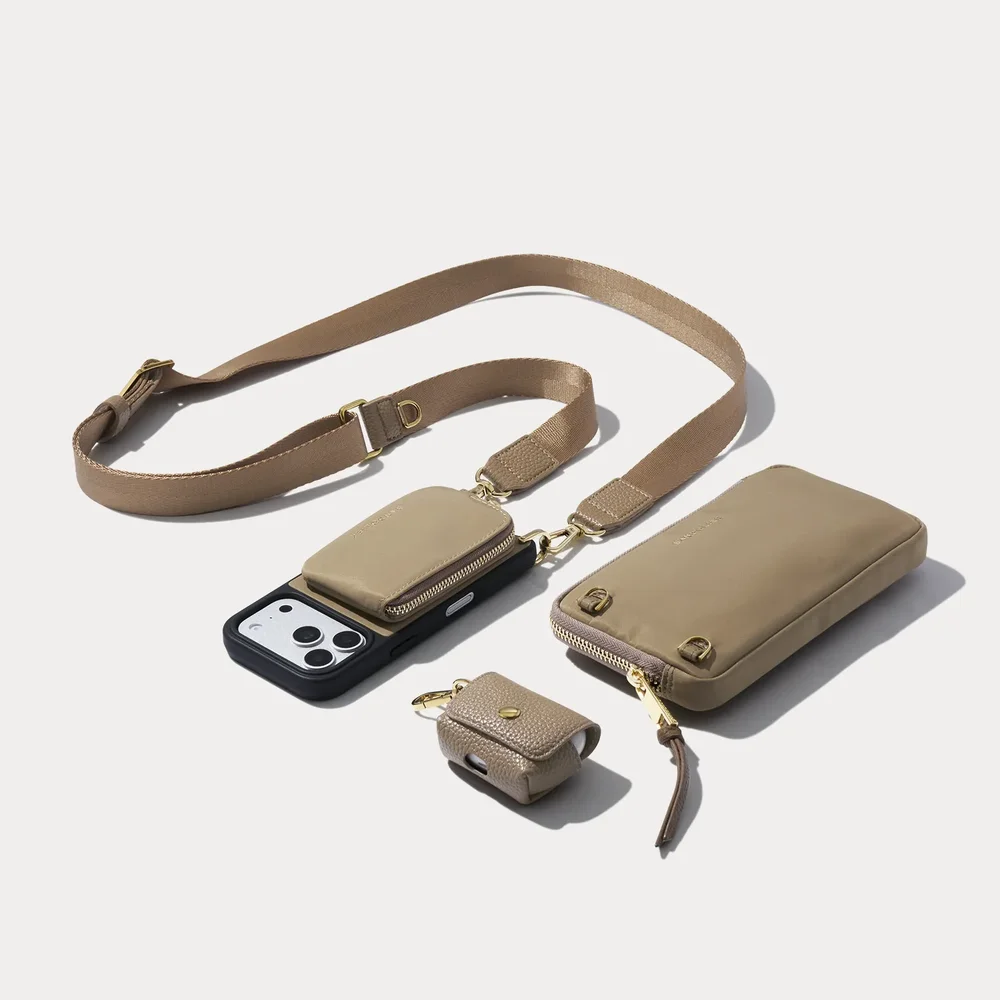
Nova Nylon Magnet Essentials Set - Taupe/Gold
Bandolier
$234.60
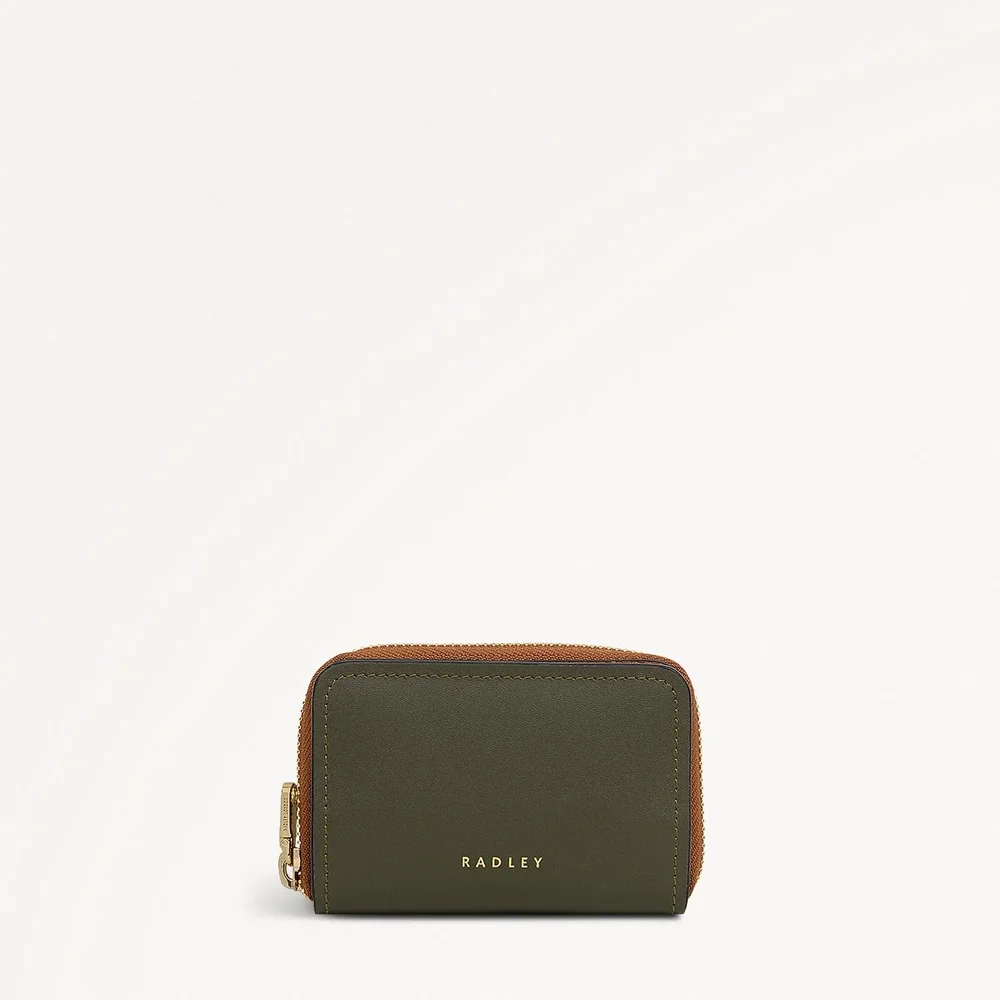
Beech Row Small Zip Around Wallet in Pine Needle - 112336
Radley London
$29.40
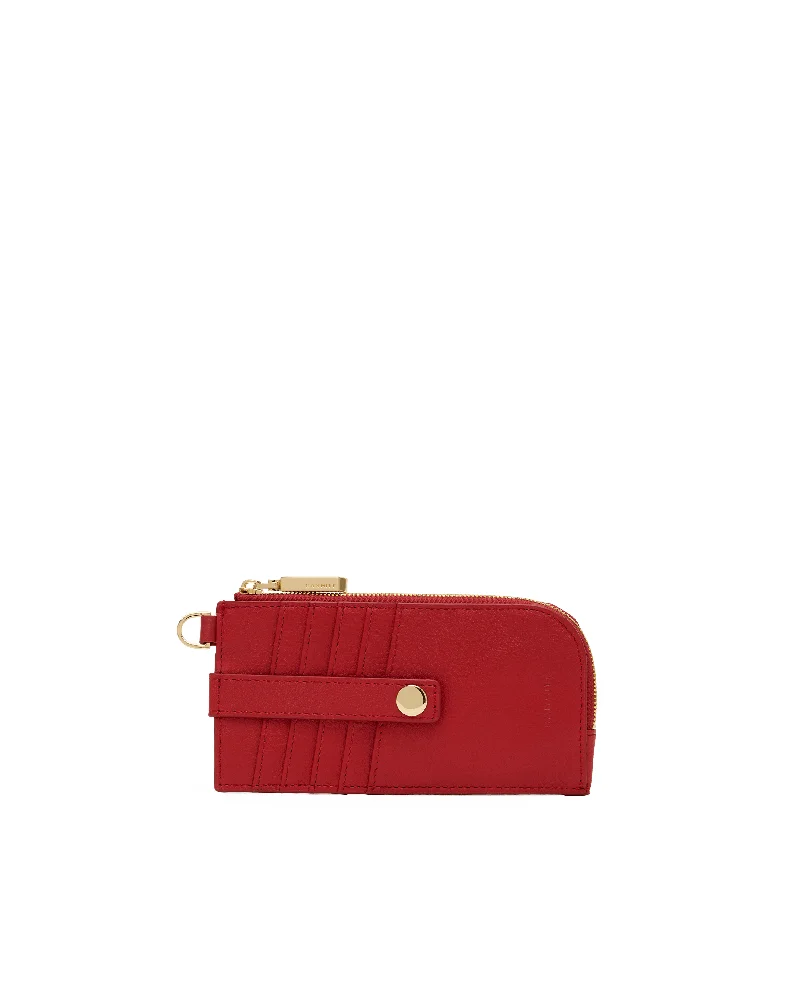
210 East | Chili Red/Gold
Hammitt
$145
Why nylon wins for travel
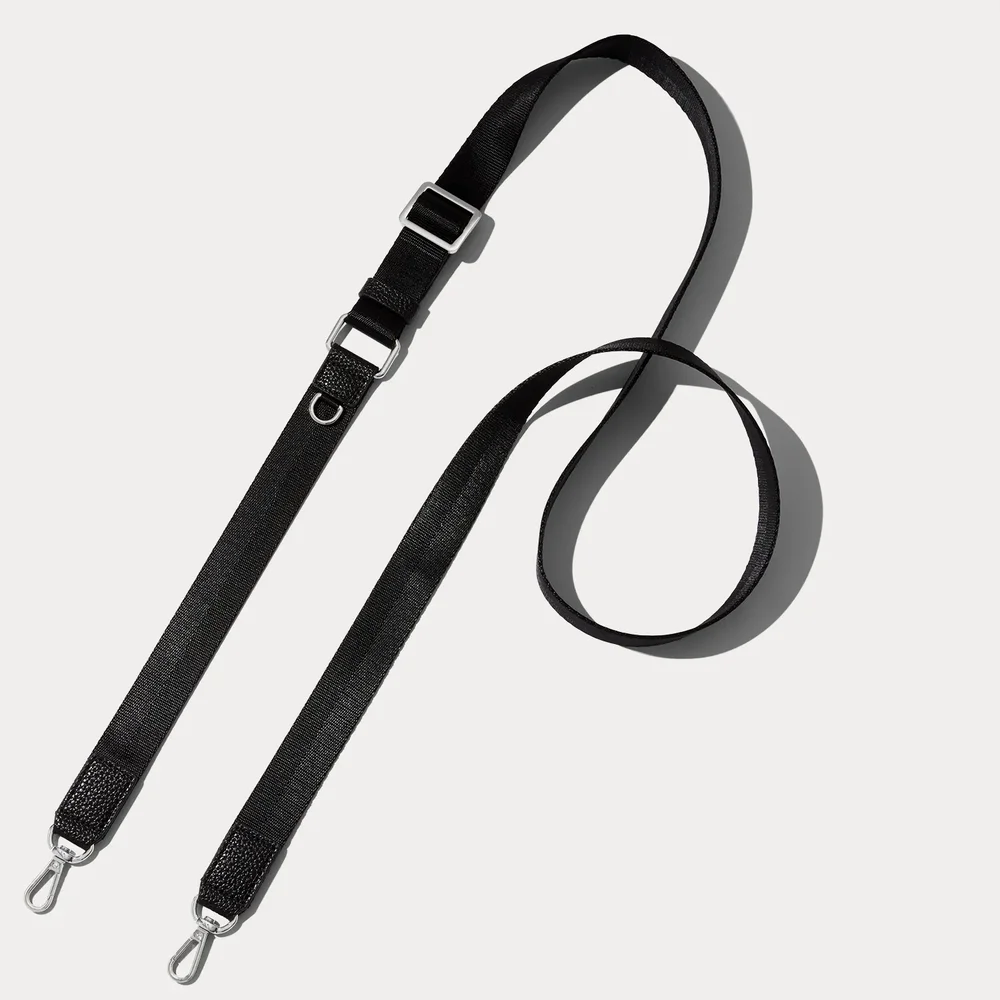
Leather looks better in photos but nylon is the smarter material once you're actually moving through a terminal. It sheds water, shrugs off sudden temperature swings between the tarmac and the cabin, and never needs conditioning the way leather does. The Bandolier Dillon Nylon Crossbody Bag keeps that low-maintenance quality while still holding a phone, cards, and a boarding pass without bulk. A crystal-embellished option like the JW PEI Circus Elephant Artificial Crystal Phone Case works as a lighter-weight alternative for anyone who wants the same nylon durability in a dressier finish. None of this is about looking rugged; it's about a fabric that behaves the same on day one and day ten of a trip.
What actually needs to be within reach
At an airport you need exactly four things close: identification, a boarding pass, a primary card, and maybe a backup card if you're flying internationally. Everything else, the passport included, can wait until you're seated. A duet-style pouch like the Bandolier Charlie Duet Pouch Set separates those priorities into two compartments so the everyday card doesn't get buried under a passport. The Nine West Luela French Wallet works the same way for anyone who wants that separation in a slightly larger, non-phone format. Orientation matters too: the phone should face outward when you pull it out at the gate, not require flipping to show a boarding pass.
Expanded pouches and document storage
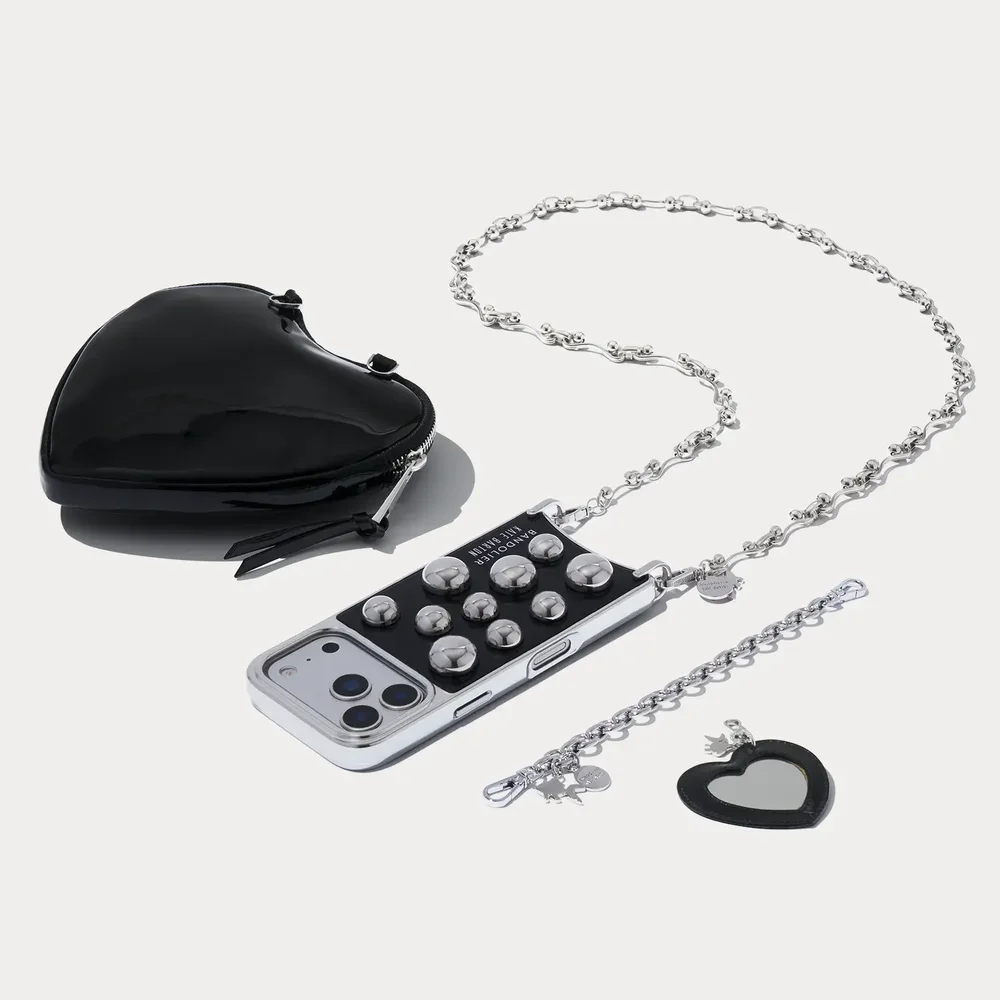
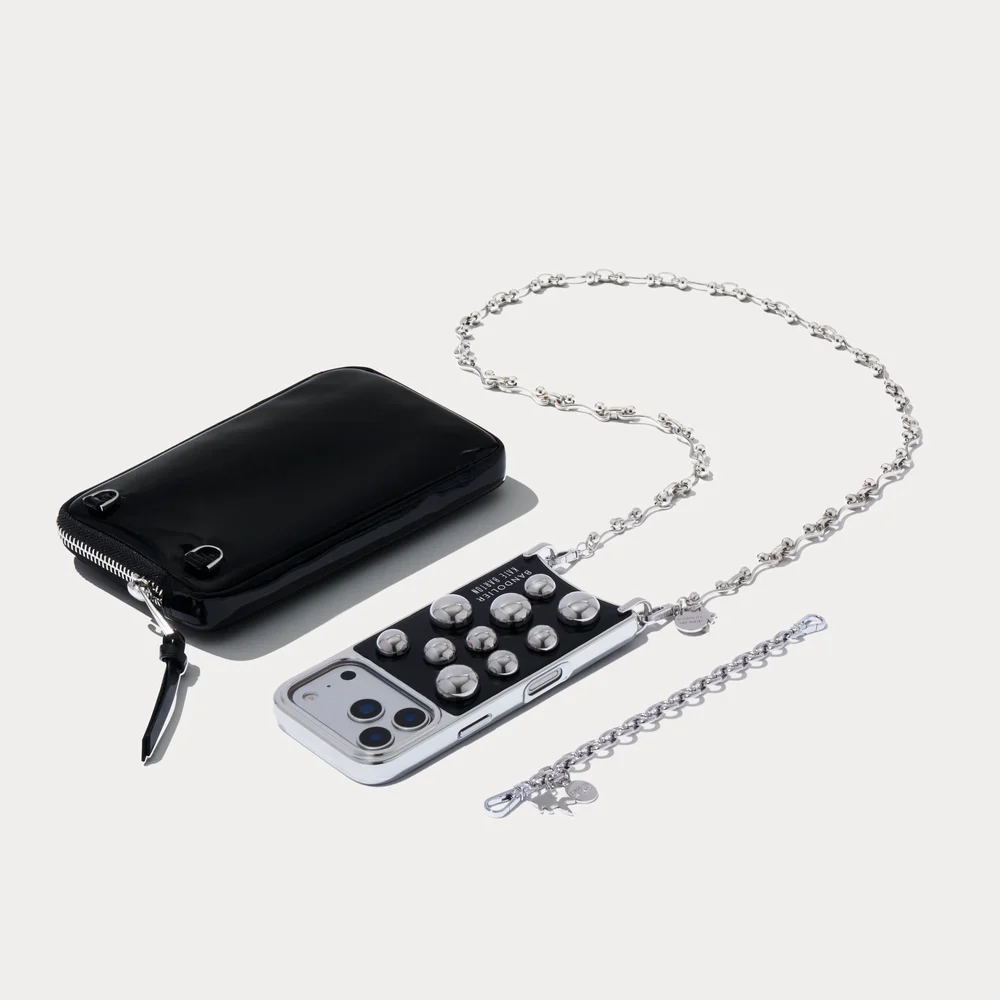
The Charlie Duet Heart Set - Black Patent/Silver
Bandolier
$330
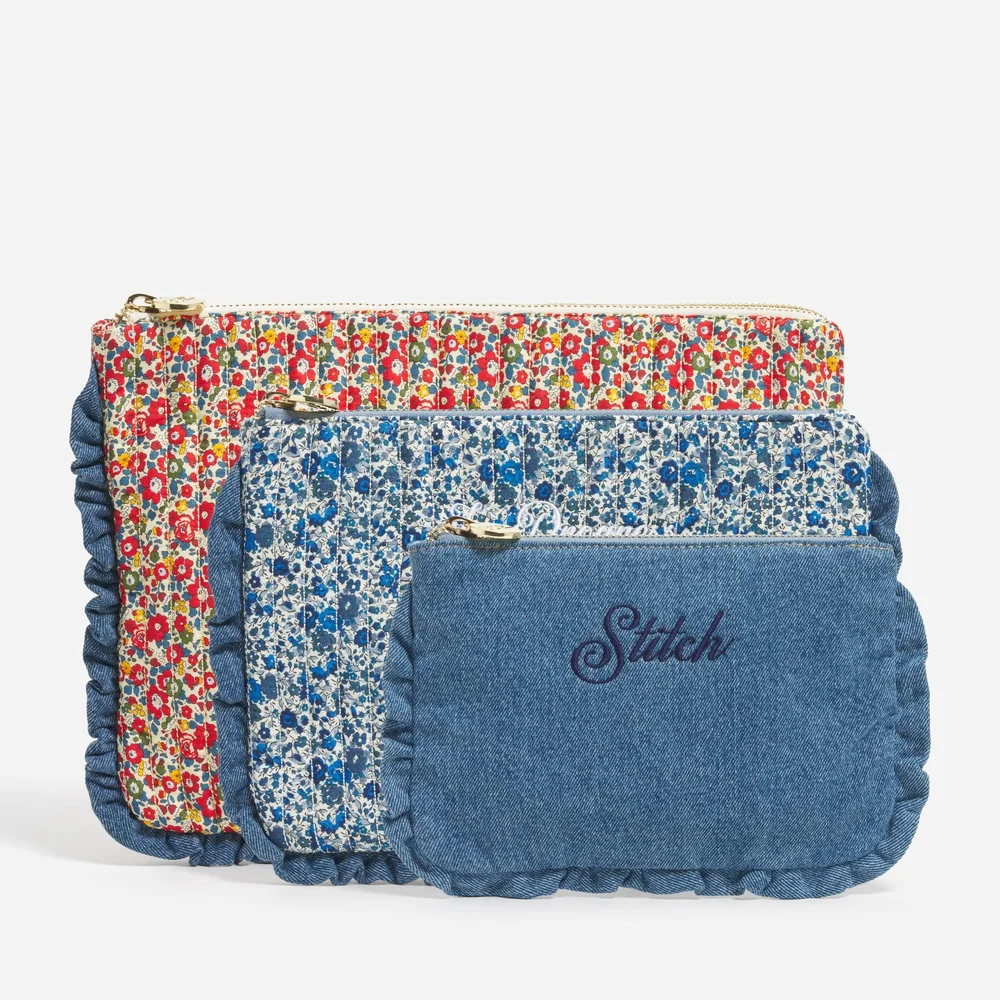
The Charlie Duet Pouch Set - Black Patent/Silver
Bandolier
$295
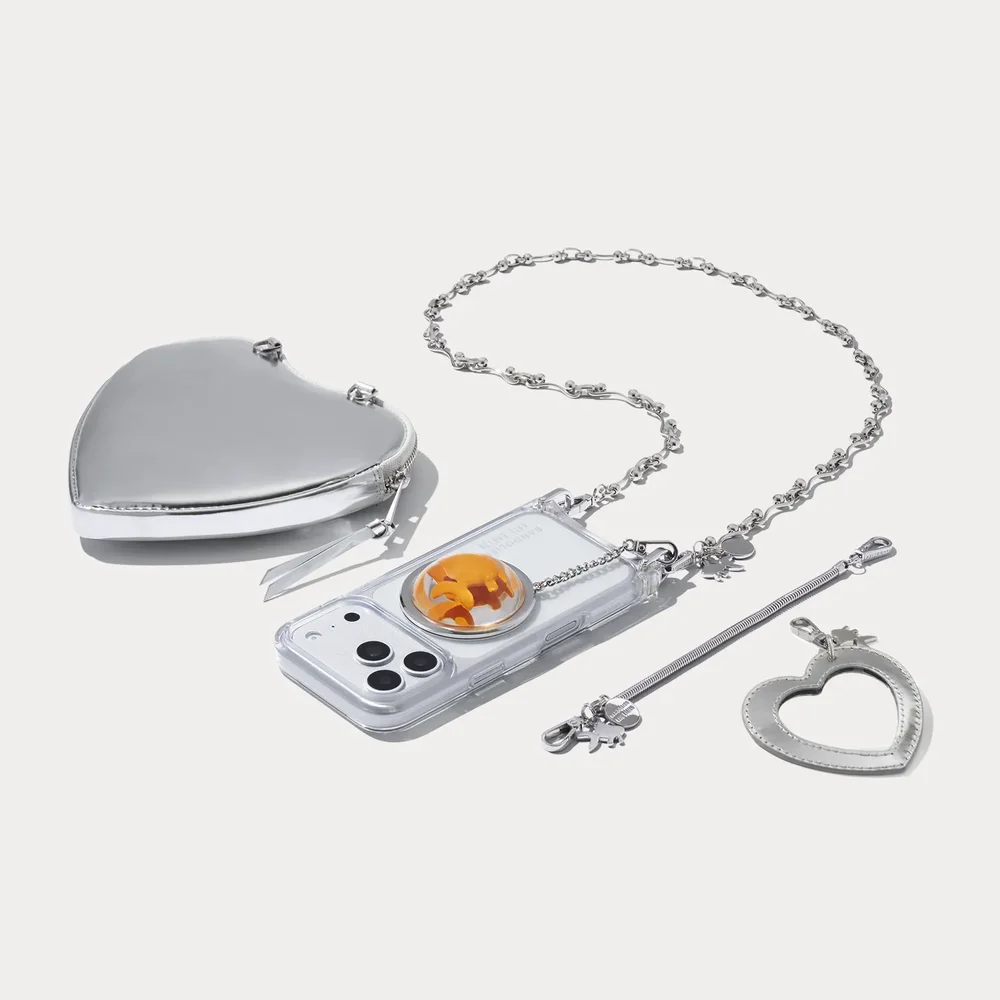
The Charlie Wristlet Pouch Set - Black Patent/Silver
Bandolier
$298
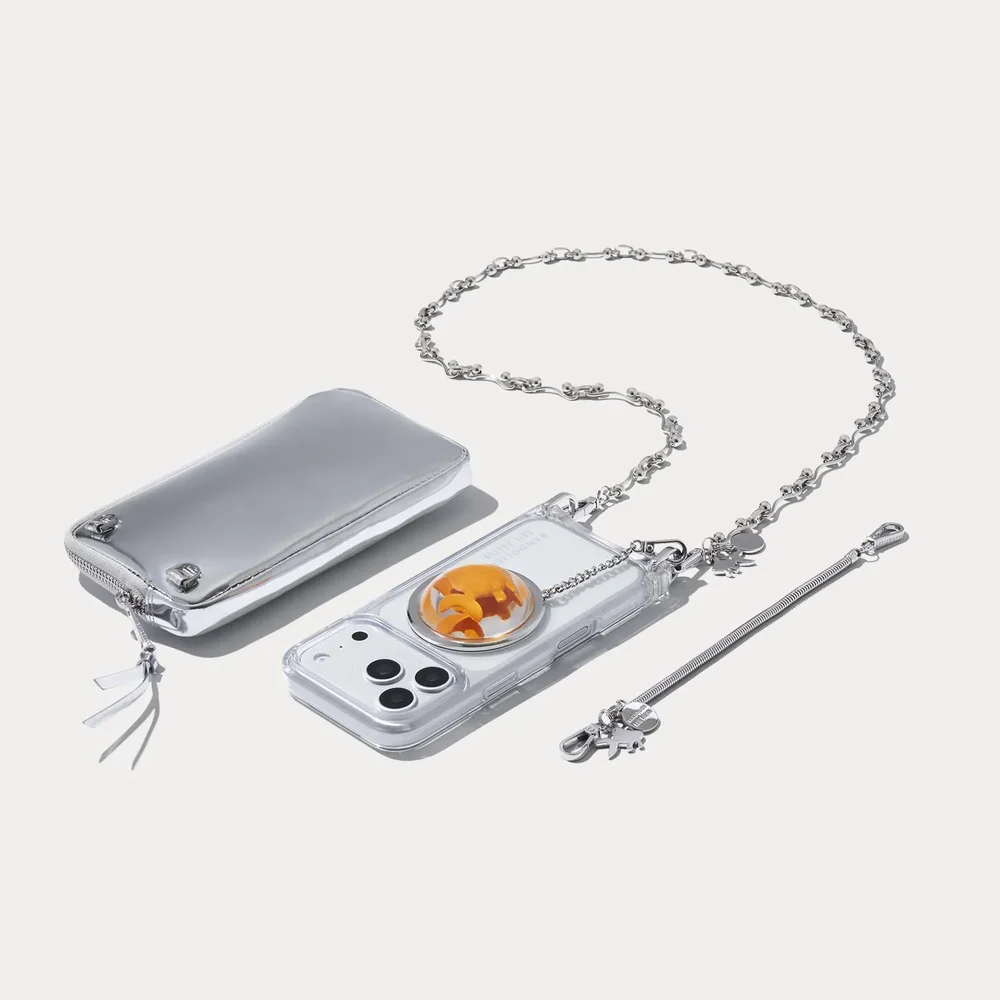
The Goldie Duet Heart Set - Clear/Silver
Bandolier
$285
The Goldie Duet Pouch Set - Clear/Silver
Bandolier
$245
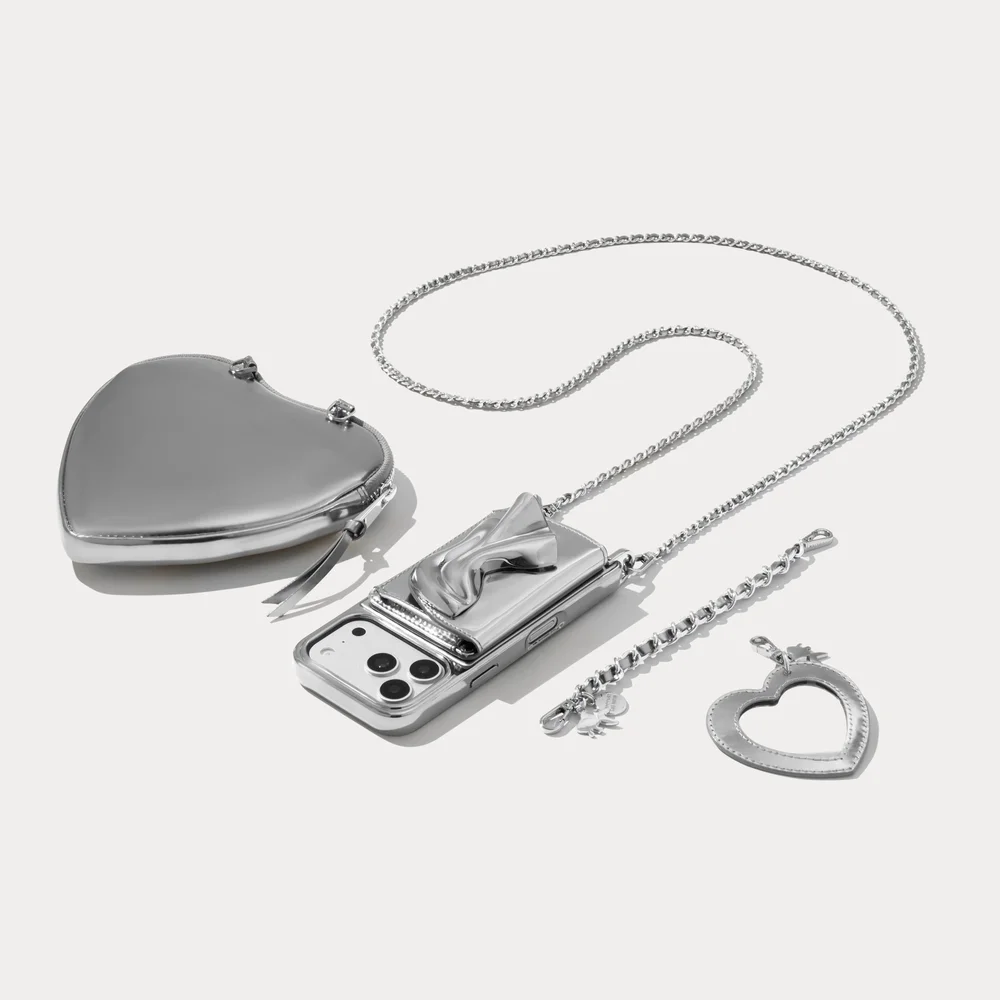
The Kaia Duet Heart Set - Silver Patent/Silver
Bandolier
$330
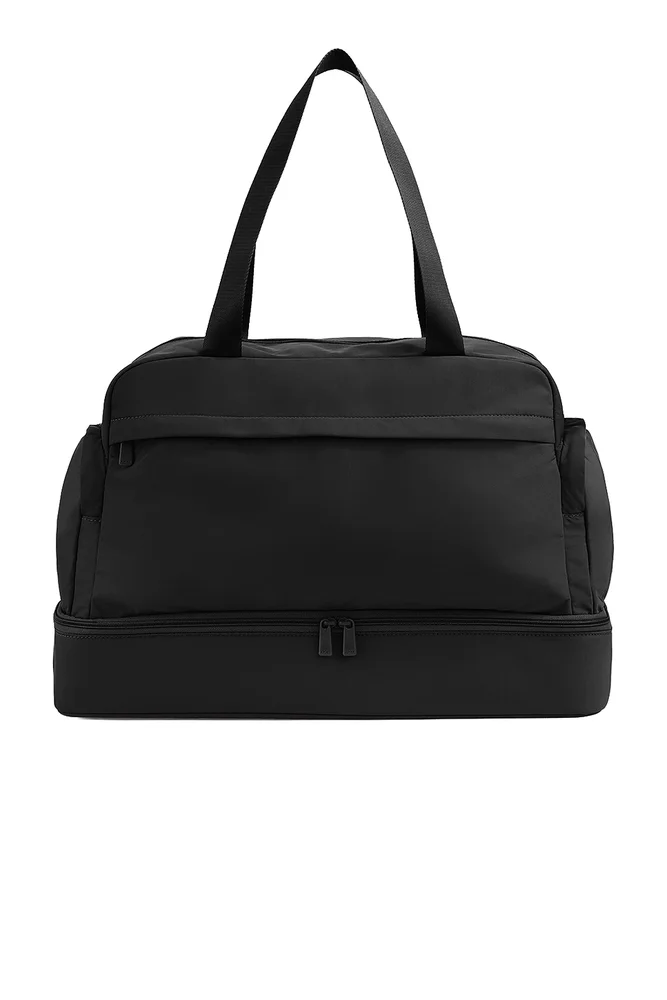
MISS CONNECTION PHONE BAG DOTS
Betsey Johnson
$148
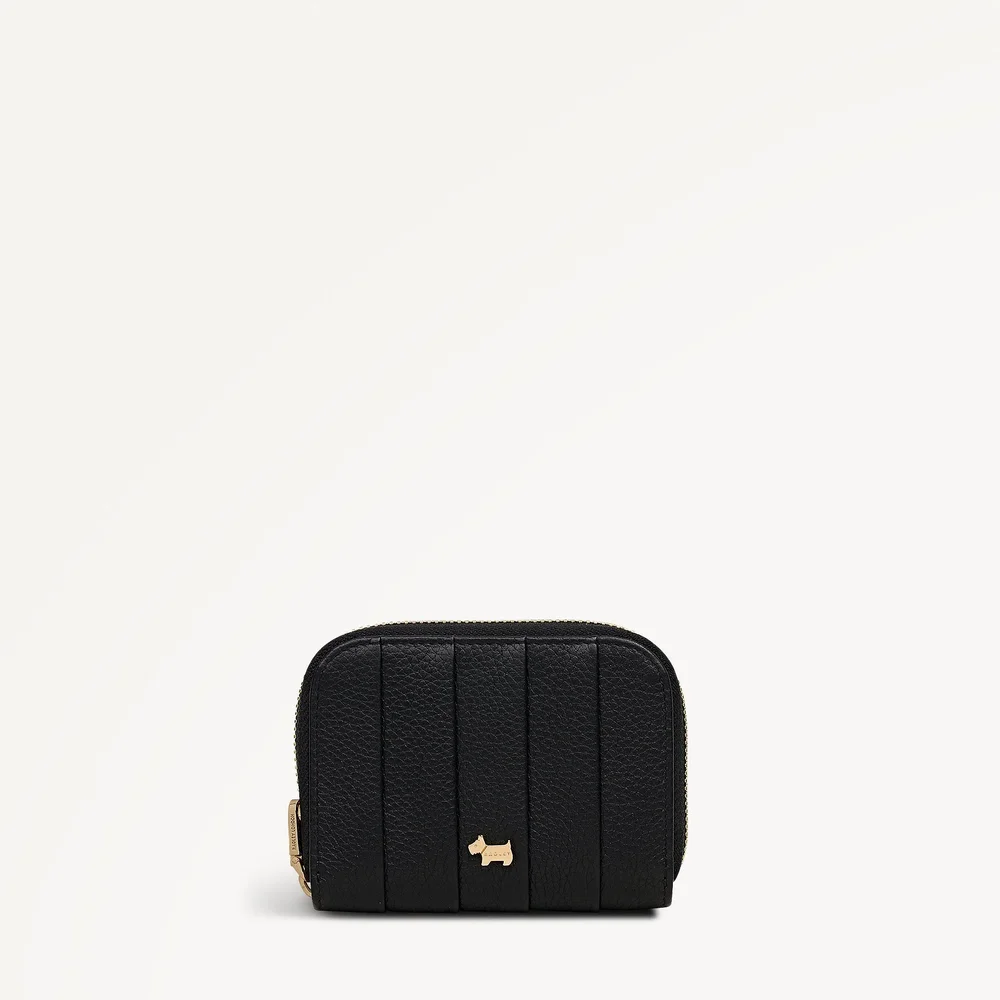
Luela French Wallet
Nine West
$29.40
Packing the layer beyond the case
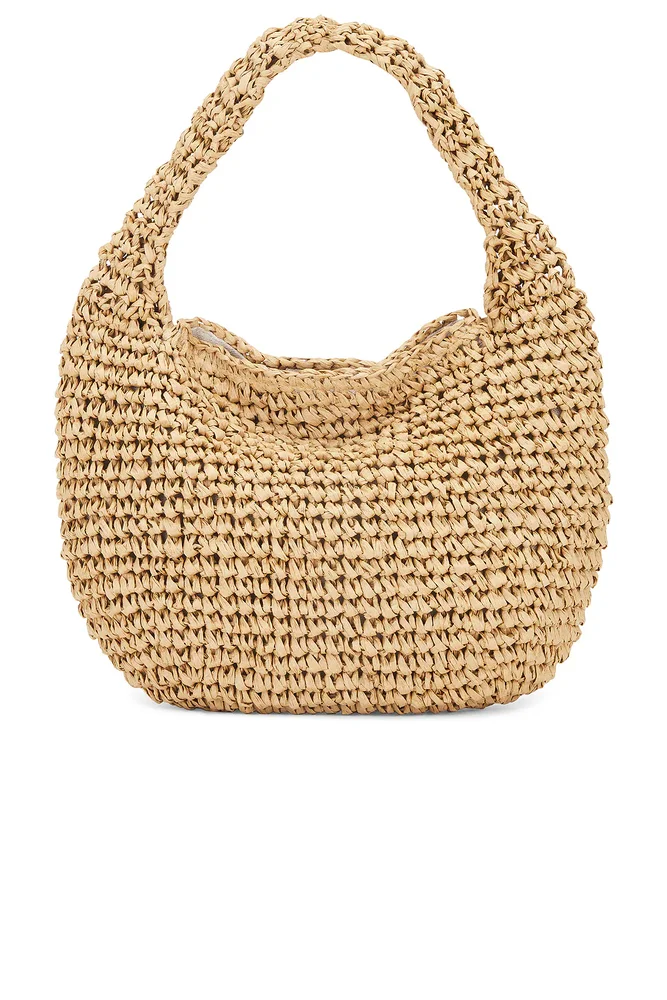
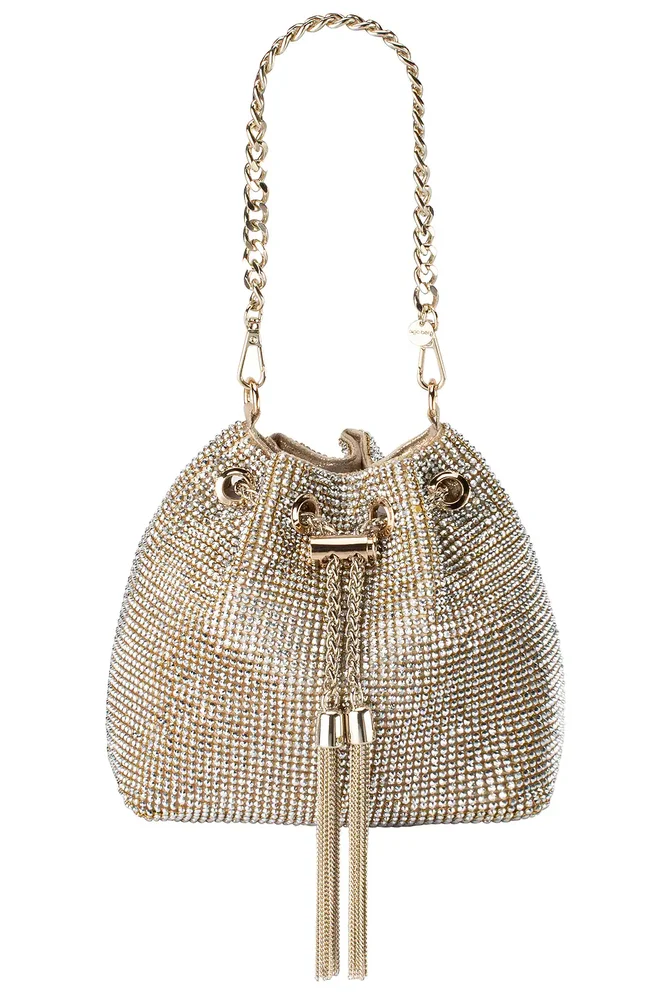
Beyond the phone case itself, a second layer holds what you don't need in the next thirty minutes. The Bandolier Expanded Heart Pouch attaches to a crossbody strap and gives a passport, a second card, or travel documents somewhere close but not in the way. For longer trips or a full change of scenery once you land, the Destree Peacock Blue Leather Structured Mini Tote offers enough room for a laptop or a change of clothes without giving up structure. The point of this second layer is triage: your case holds only what you'll touch in the terminal, and everything else stays one zip away. That distinction is what actually makes hands-free travel work.
Complete travel-ready sets with pouches
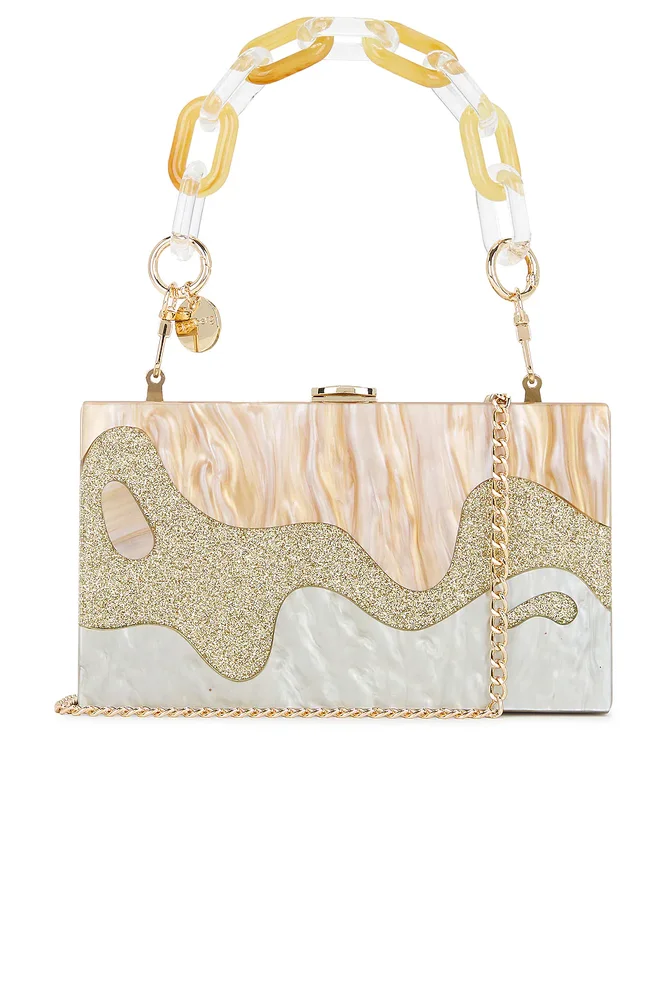
Expanded Heart Pouch - Gold Patent/Gold
Bandolier
$125
Expanded Heart Pouch - Silver Patent/Silver
Bandolier
$125
Expanded Heart Pouch - Black Patent/Silver
Bandolier
$125
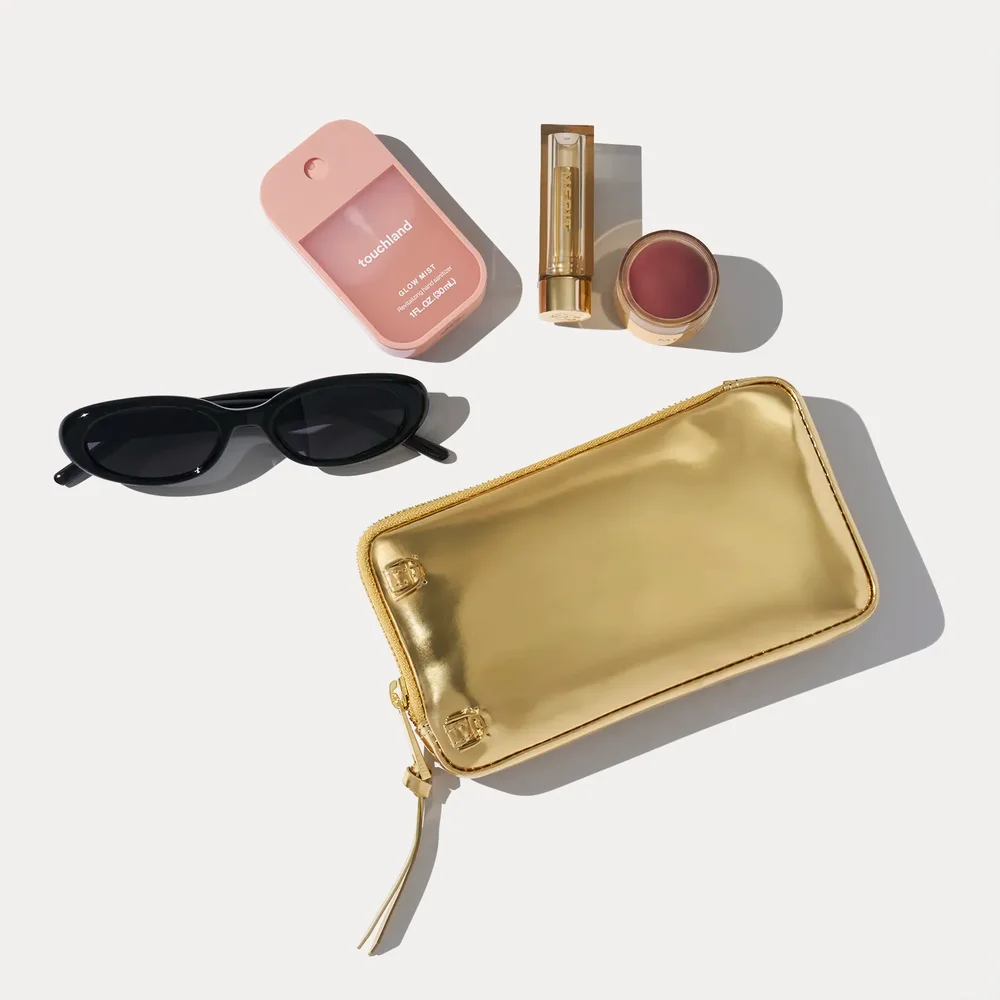
Kate Zipper Pouch - Gold Patent/Gold
Bandolier
$110
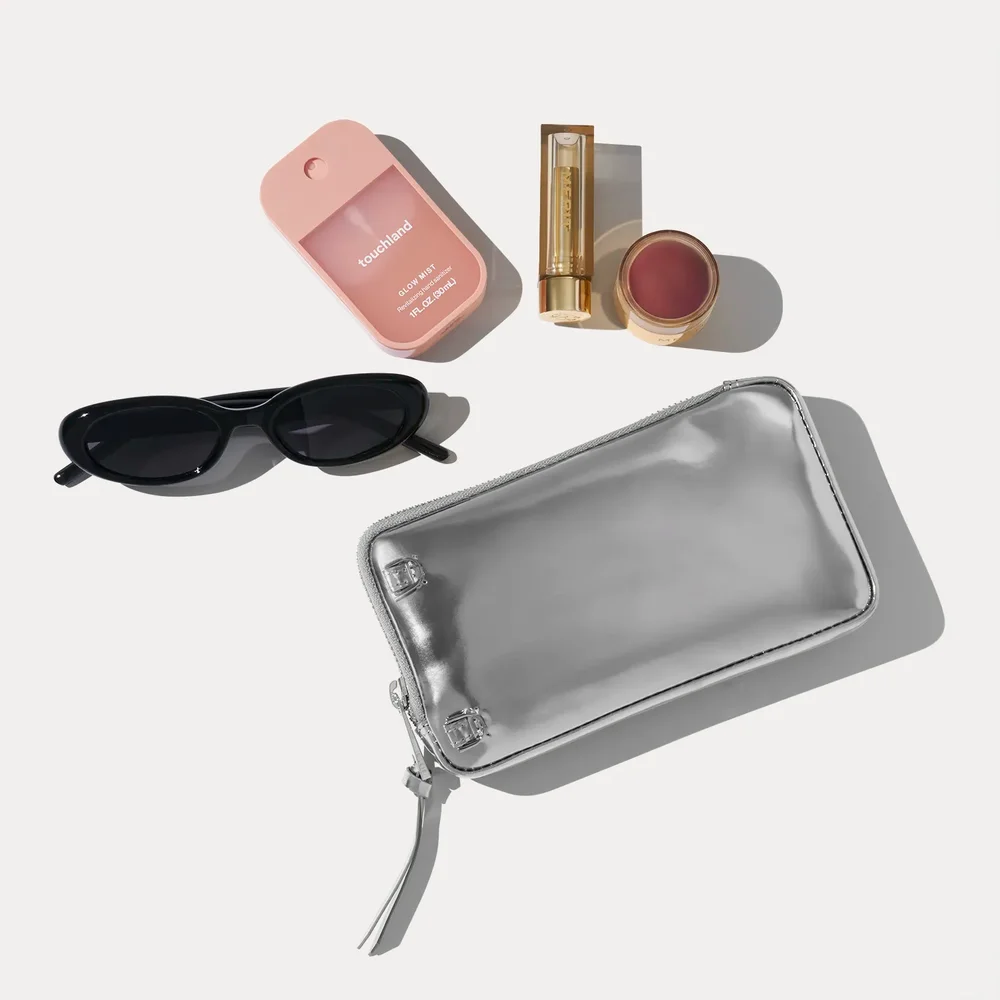
Kate Zipper Pouch - Silver Patent/Silver
Bandolier
$110
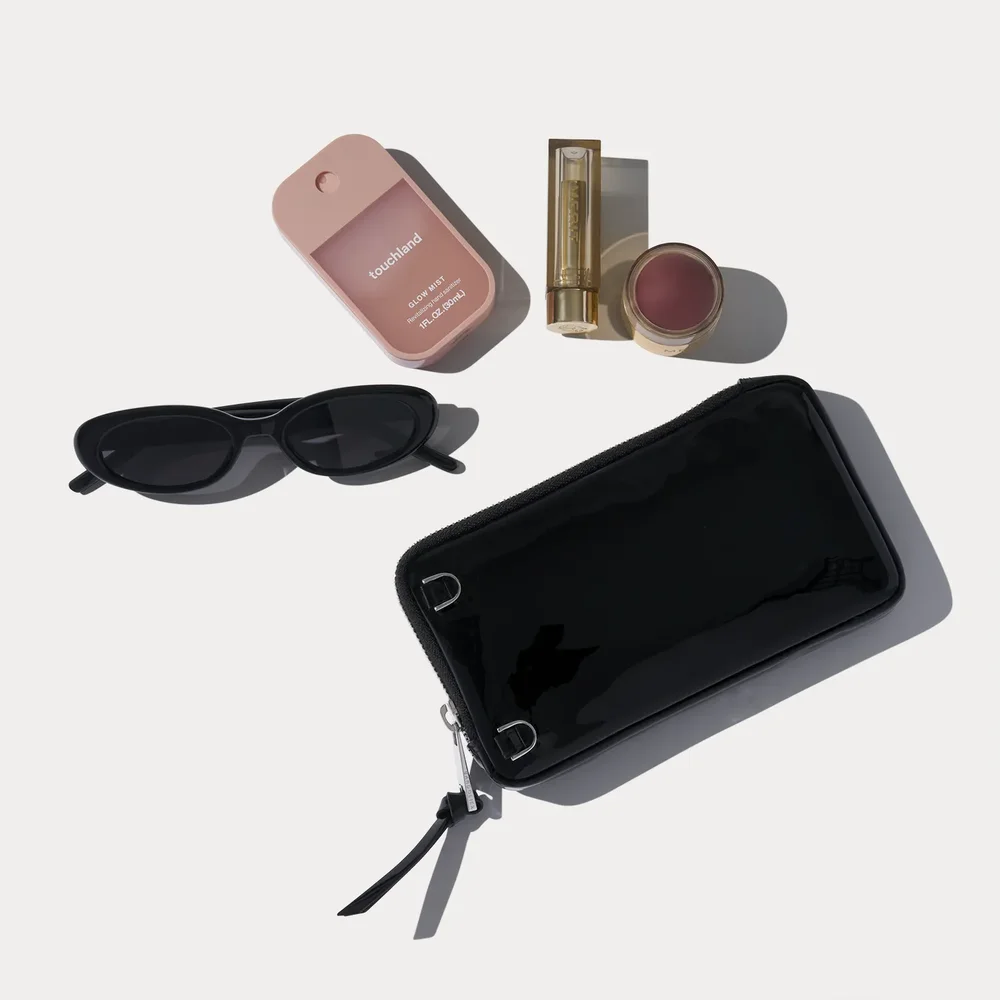
Kate Zipper Pouch - Black Patent/Silver
Bandolier
$110
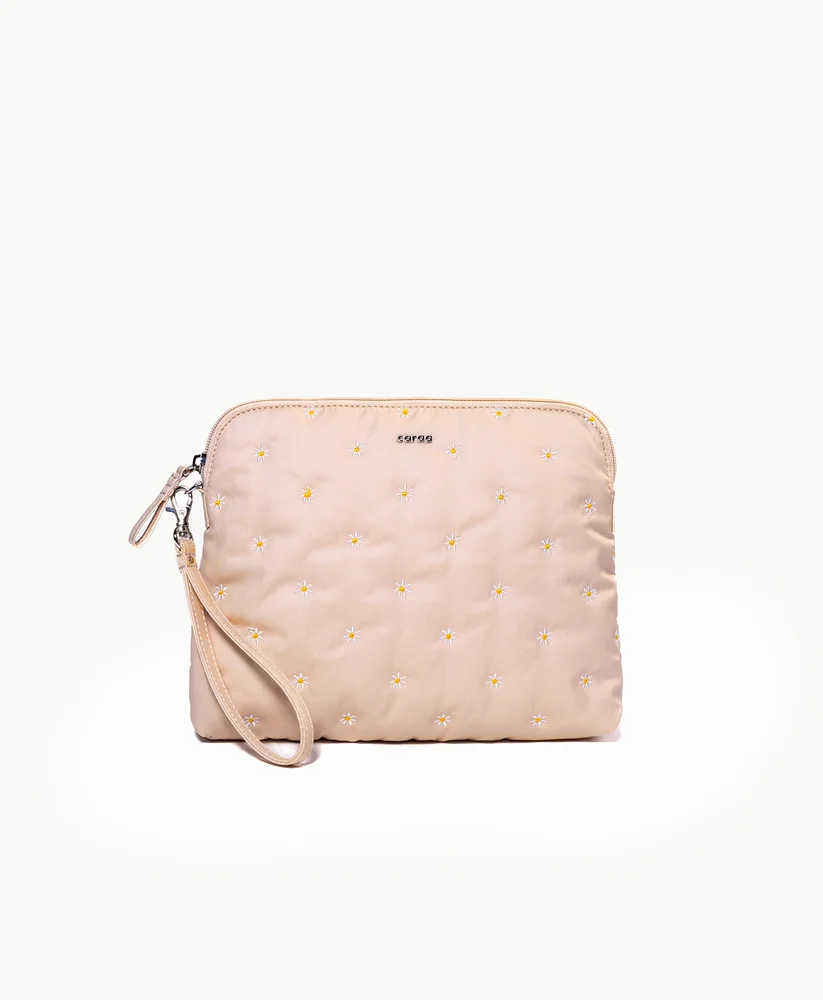
Baby Pouch
Caraa
$75
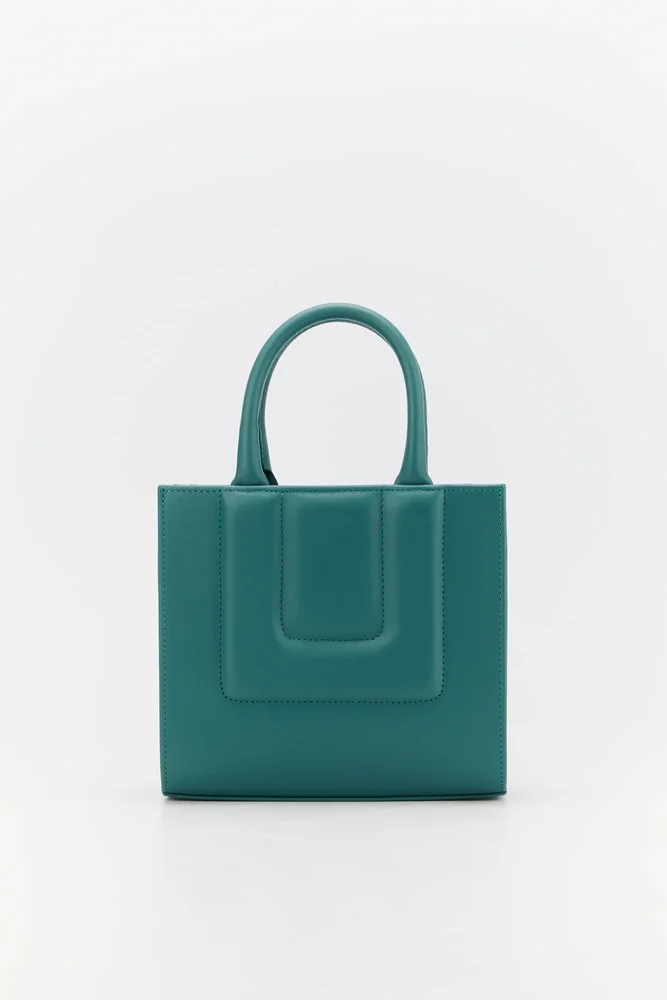
Peacock blue leather structured mini tote
Destree
$550
The carry-on that finishes the airport outfit
An airport outfit is only half the look, and the other half is the bag rolling beside you. I think of the carry-on as the last accessory: a clean hard shell next to soft knits and easy layers looks deliberate, and a luxury case turns a long travel day into something that feels a little more composed.
The luxury cases first. This edit pairs the Odyssey Intrecciato Polycarbonate Carry-On Suitcase from Bottega Veneta at Net-A-Porter; the Bellagio 21" Carry-On Spinner from Bric's at Neiman Marcus; the The Carry-On 22" Hardside Luggage from Carl Friedrik at Neiman Marcus; the International Carry-On Luggage, Black from TUMI at Neiman Marcus.
How to choose well. Check your airline's cabin size limit before you buy, because the allowed dimensions vary by carrier and by route, and measure with the wheels and handles included. Look for four spinner wheels that roll straight, a handle that locks without wobble, and a TSA-approved lock. Hardside shells such as polycarbonate and aluminium protect better against knocks, and soft sides give a little when you overpack. Weigh the case empty, since a lighter shell leaves more of the allowance for your clothes.
More carry-ons and companions at Nordstrom and Bloomingdale's. For a lower price point I would look at July Carry On Suitcase, Navy, July Carry On Max, Shadow, Away the Medium Flex Suitcase, Béis the Large Check-In Hardside Roller Suitcase.
What I would skip: a trunk-style case if your trips involve stairs or cobbled streets. A four-wheel spinner is easier to steer.
The carry-on edit
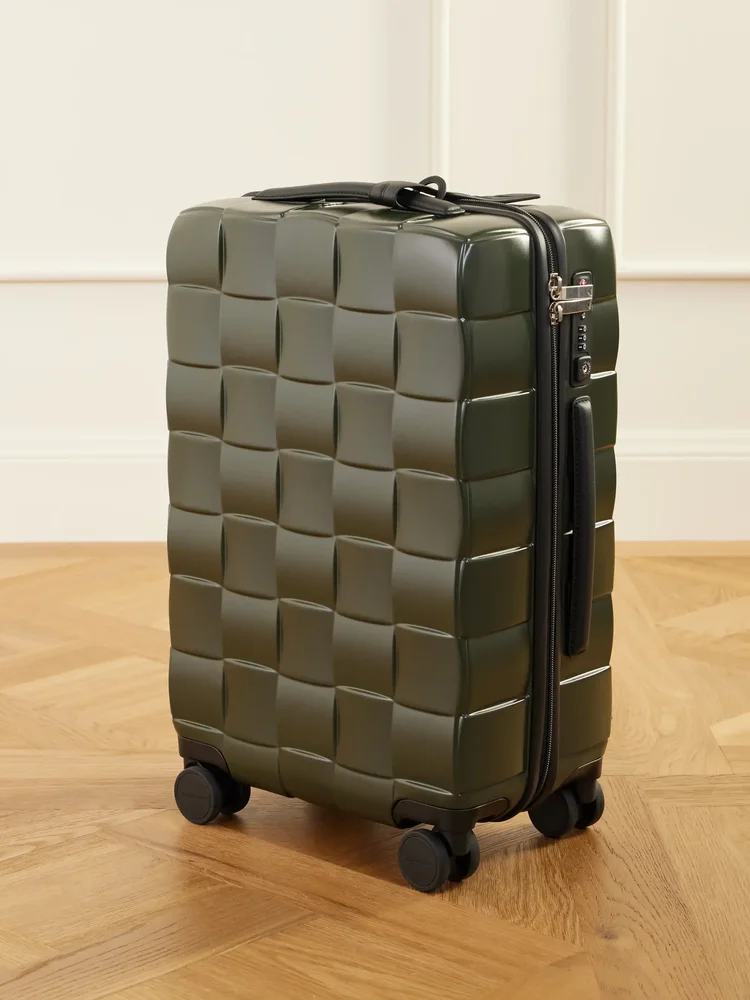
Bottega Veneta Odyssey Leather-Trimmed Intrecciato Polycarbonate Carry-On Suitcase
Bottega Veneta
$3,300
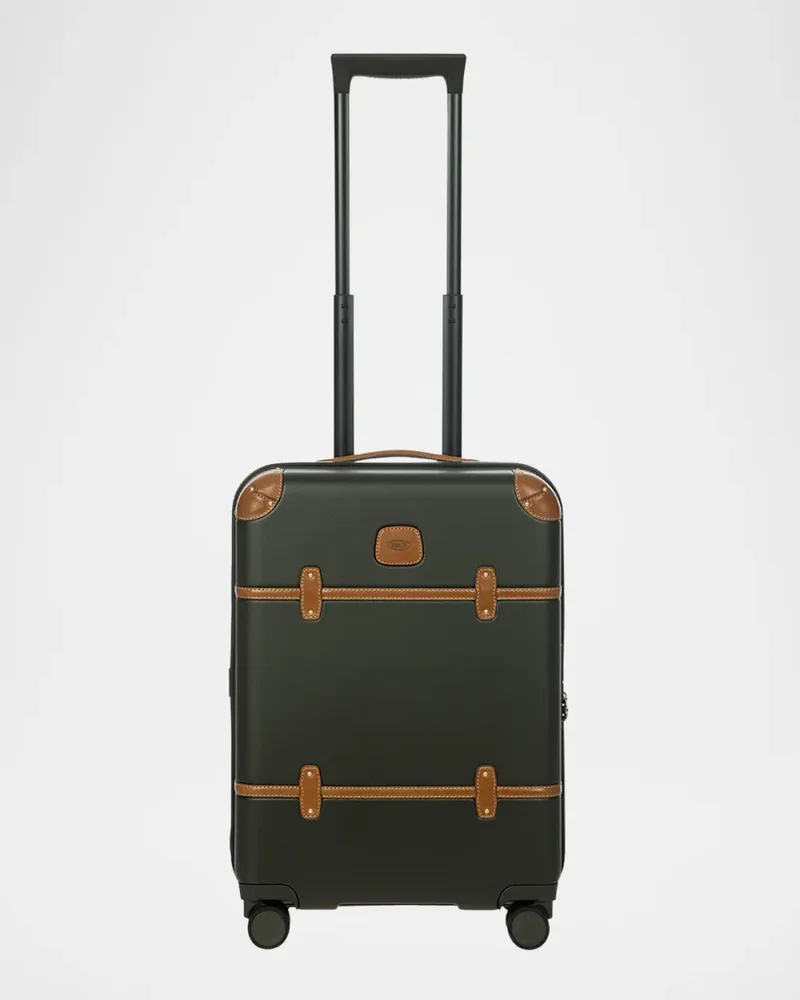
Bric's Bellagio 21" Carry-On Spinner
Bric's
$725
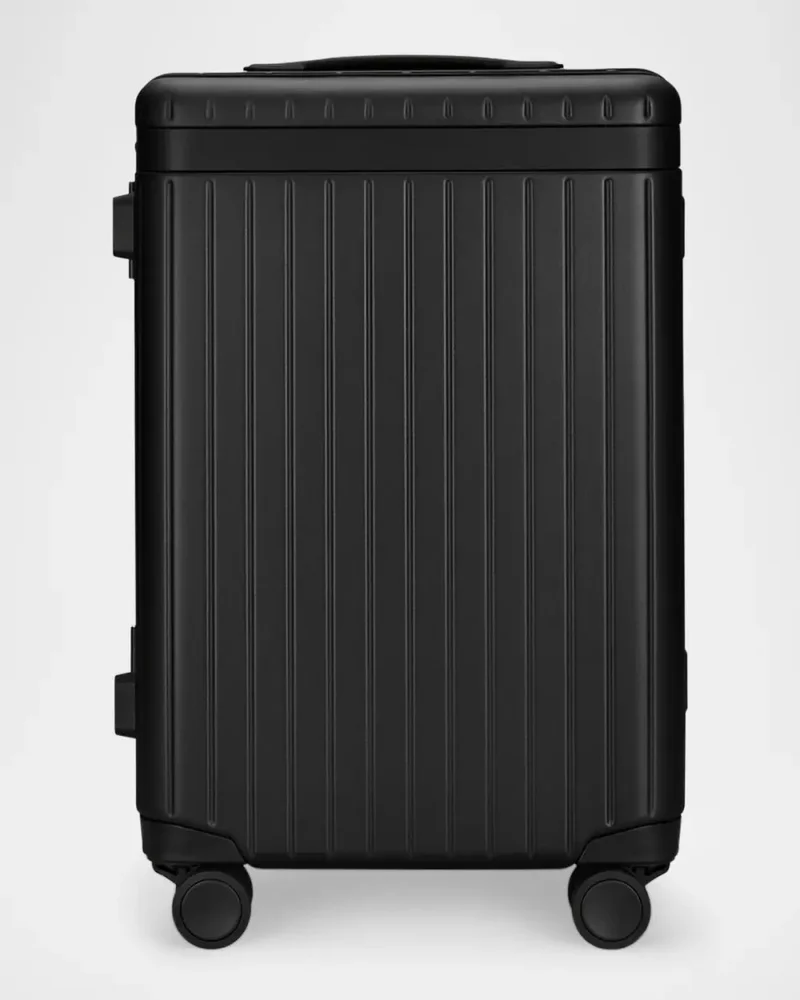
Carl Friedrik The Carry-On 22" Hardside Luggage
Carl Friedrik
$695
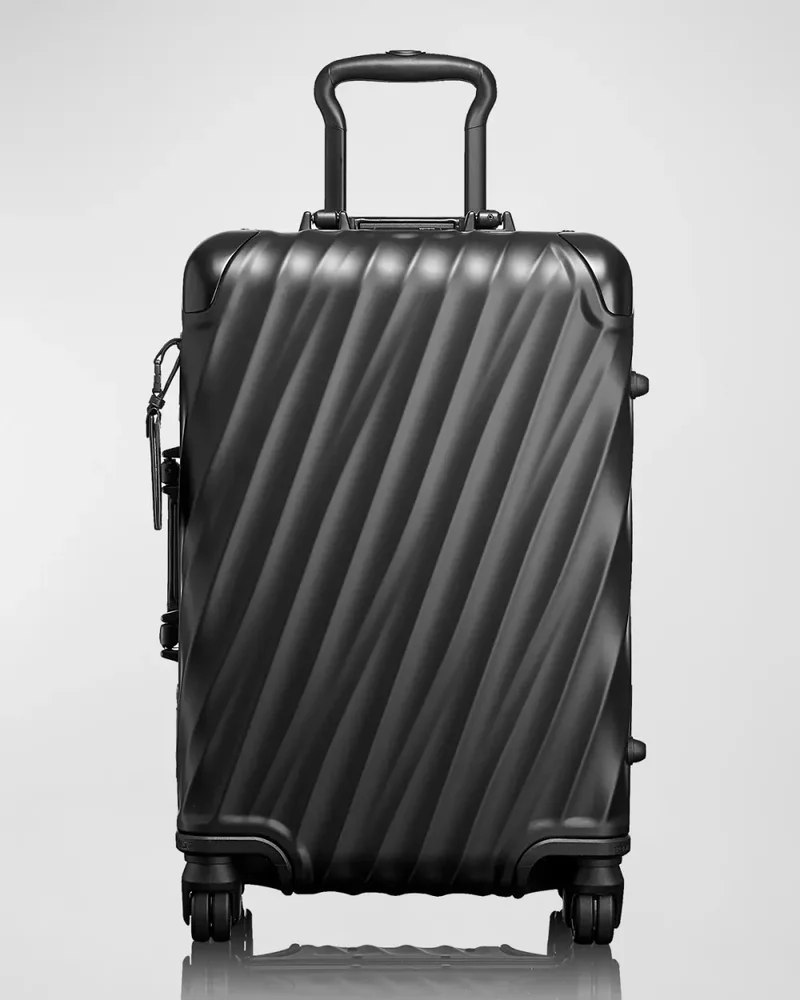
TUMI International Carry-On Luggage, Black
TUMI
$1,295
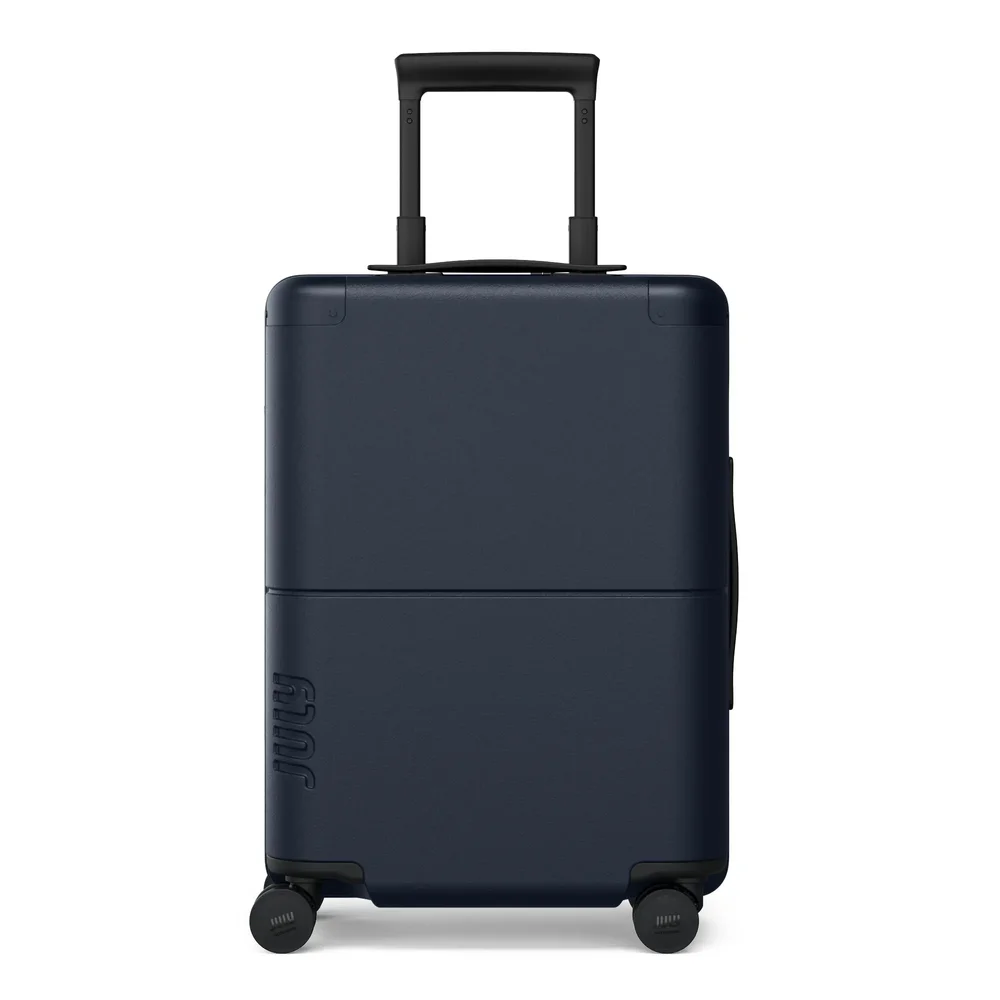
Carry On Suitcase, Navy
July
$295
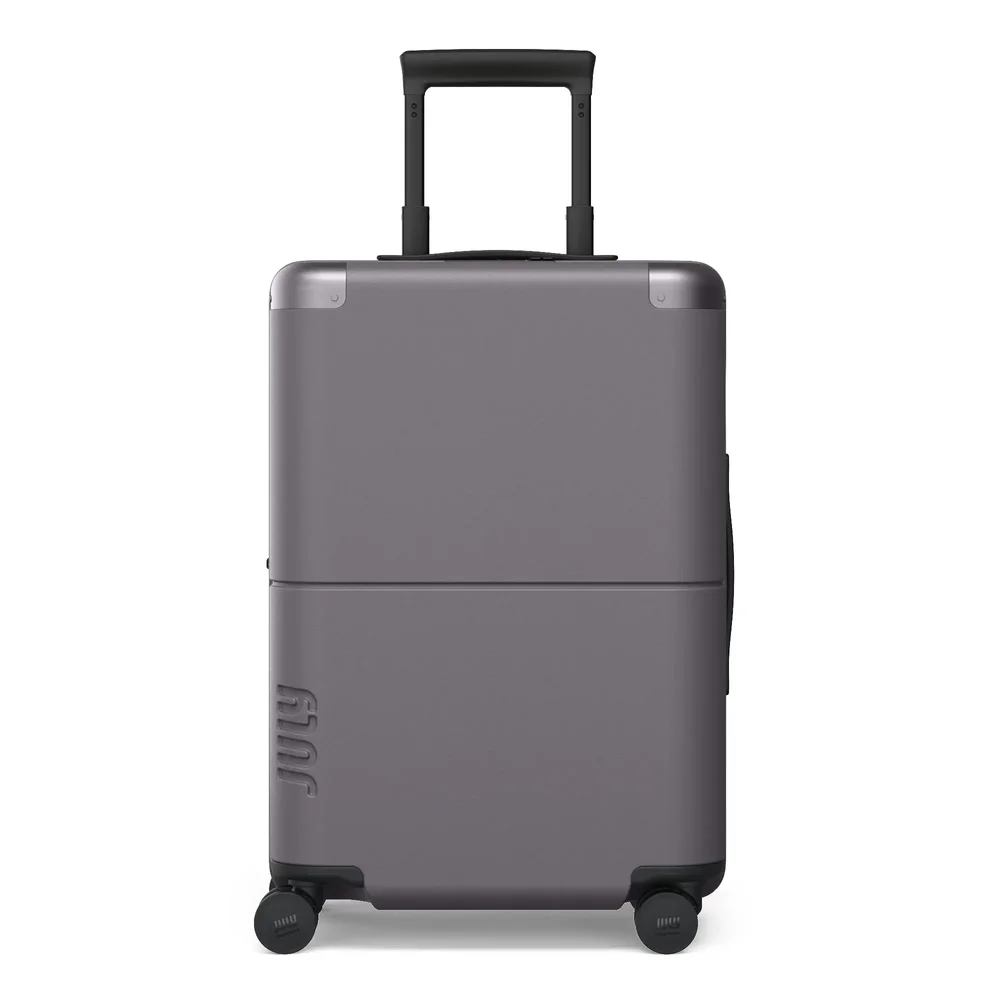
Carry On Max, Shadow
July
$325
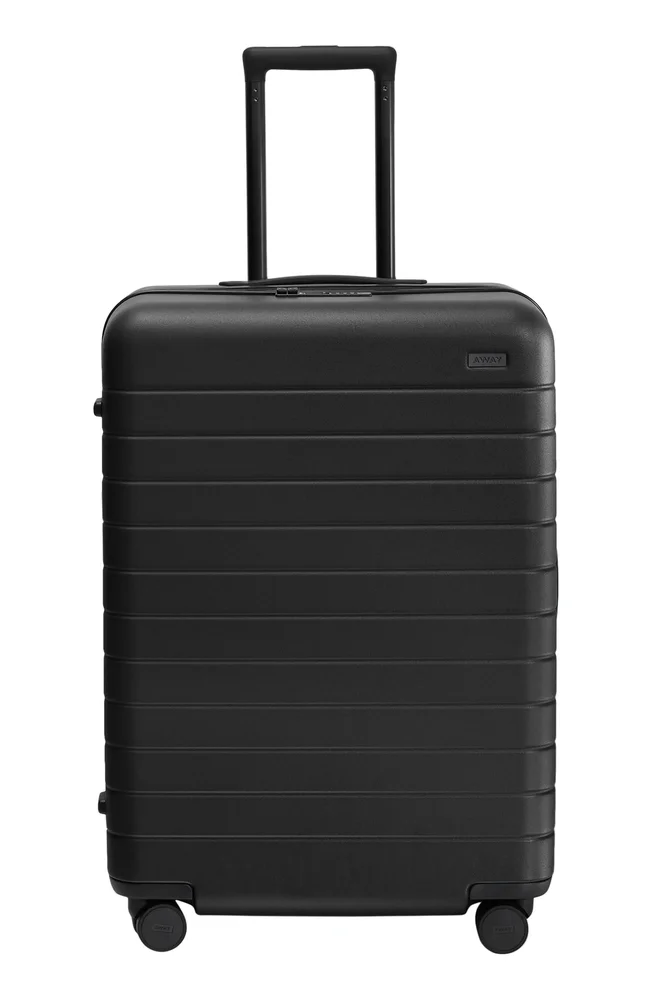
The Medium Flex Suitcase
Away
$395
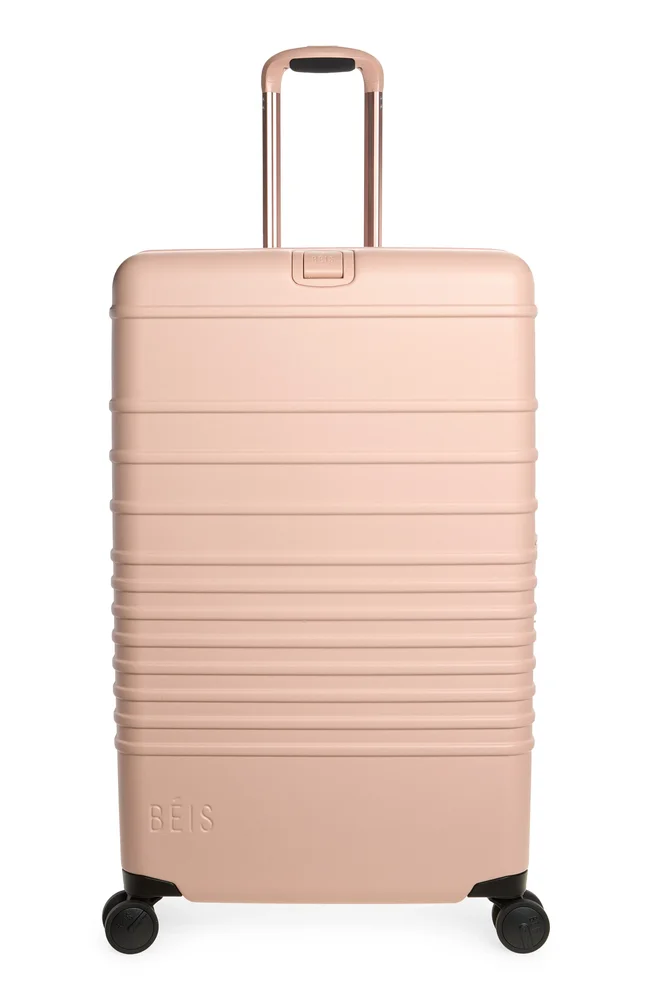
The Large Check-In Hardside Roller Suitcase
Béis
$368
Keep it out of the way
Travel accessories get oversold constantly, but the crossbody phone case is one of the rare ones that solves a problem you actually have in an airport. The difference between a case built for daily errands and one built for transit shows up in small ways: card storage that keeps your ID next to your phone, a strap that won't slide off your shoulder while you're wrestling a suitcase, and an orientation that lets you show a boarding pass without fumbling. Nylon options handle salt air, spilled coffee, and repeated handling better than leather ever will, which matters more on a five-day trip than it sounds like it should. The case should disappear into the background of your trip, not become one more thing you're managing. Pick the system, not just the case, and the rest of the terminal gets quieter.